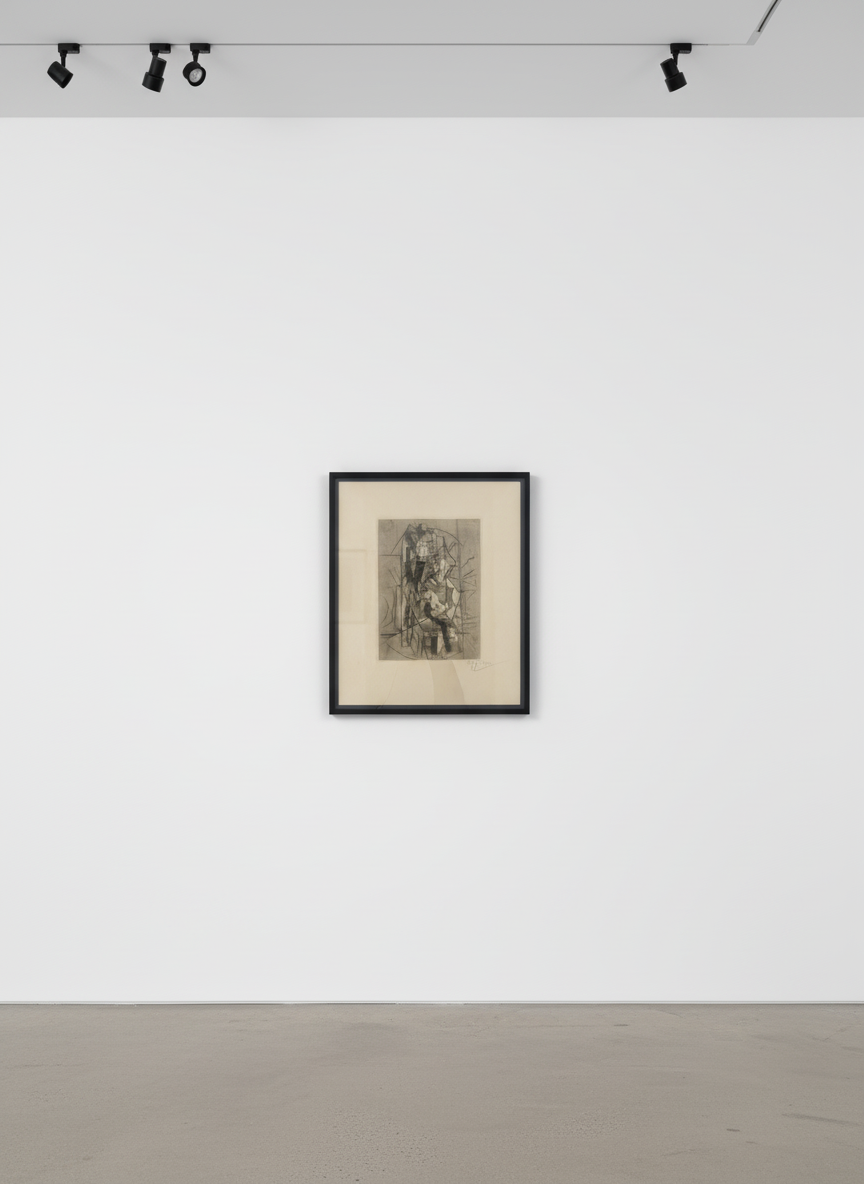
Aquatint

Pablo Picasso remains the singular force against which the modern art market measures itself. Across two decades spanning global financial upheaval, digital transformation, and shifting collector demographics, Picasso's market has demonstrated remarkable resilience and adaptability. From 2005 to 2025, his works served as both bellwether and benchmark—highly liquid across price bands, with periodic record-setting trophies at auction and dependable throughput in prints, drawings, and Ceramics. This twenty-year window captures a full economic cycle: pre-crisis exuberance, sharp contraction, sustained recovery to standing artist records, pandemic-era recalibration, and a selective contemporary environment where supply of true masterpieces—more than demand—has determined annual totals.
The mid-2000s represented a period of extraordinary confidence in the Impressionist and Modern sector. Picasso's top-tier portraits, early Blue and Rose period canvases, and Cubist masterworks commanded evening sale prominence at both Christie's and Sotheby's, with several eight- and nine-figure results confirming a deep and geographically diverse bidder base. Asian collectors, Middle Eastern institutions, and established European families competed alongside American museums and private foundations, creating unprecedented price discovery for authenticated works of museum quality.
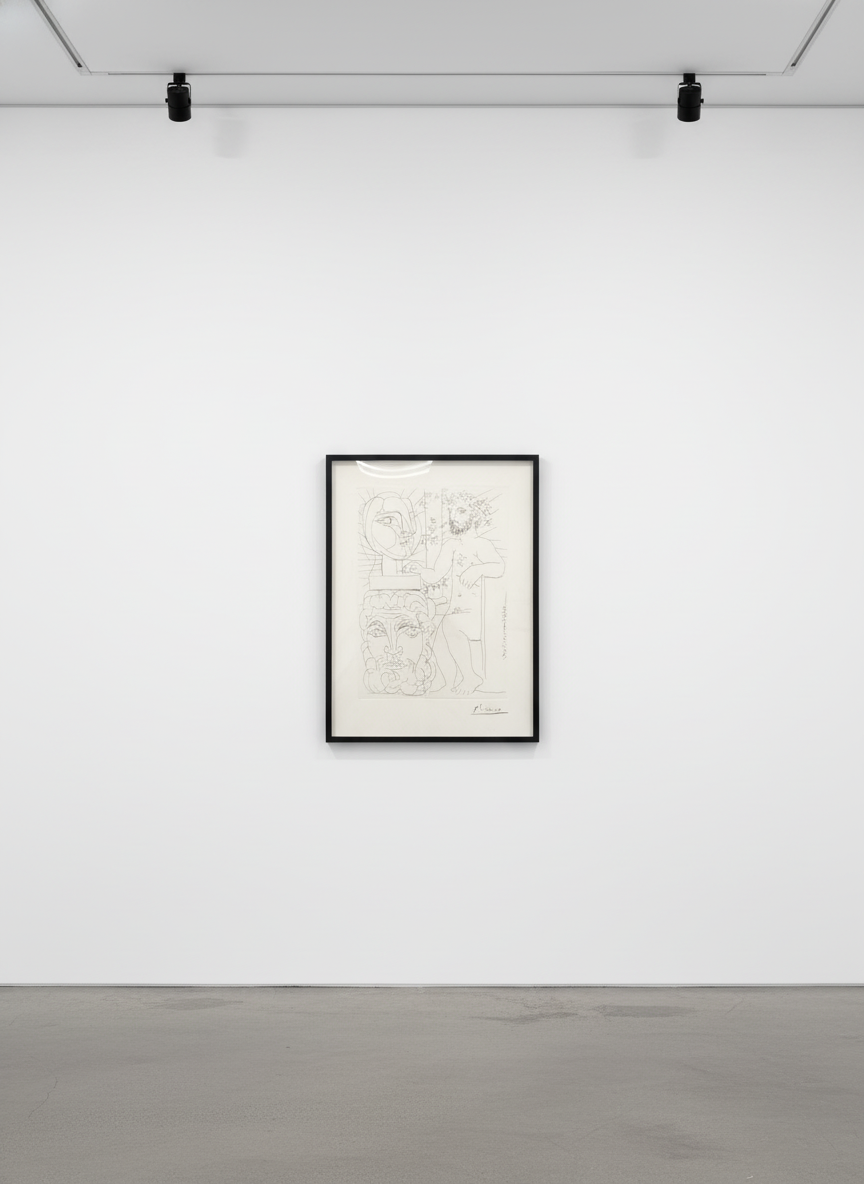
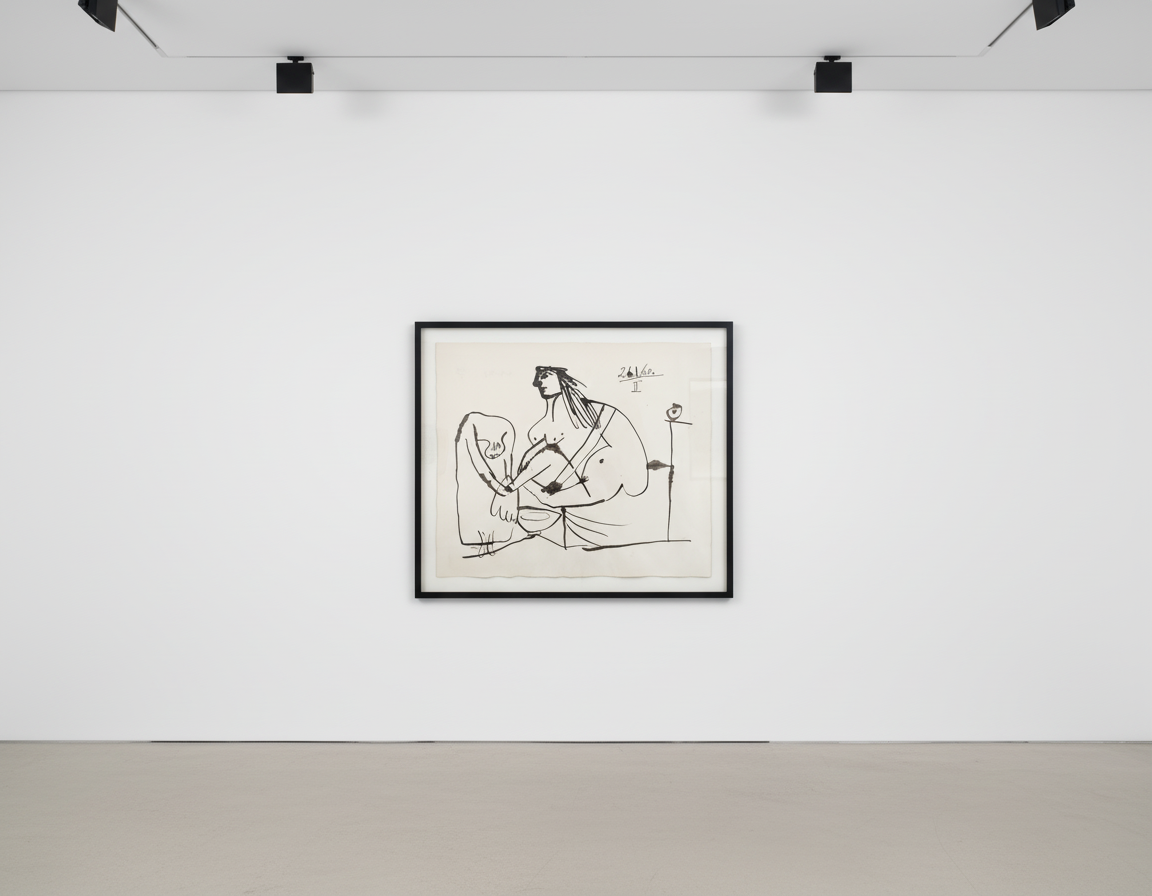
Sculpteur et Deux Têtes sculptées (La Suite Vollard) — Pablo Picasso. Available at Guy Hepner, New York.
This period also witnessed strong secondary market activity for Picasso's graphic works. The Suite Vollard etchings, Vollard Suite portrait studies, and later Mougins-period linocuts traded actively, establishing price benchmarks that would prove durable through subsequent volatility. Works such as Sculpteur et Deux Têtes sculptées from the celebrated Suite Vollard demonstrated the artist's virtuosity in printmaking while offering collectors entry points below the stratospheric canvas market.
The 2008 global financial crisis introduced sudden caution. Lehman-era risk aversion shrank consignor confidence, and guaranteed estimates on high-value lots became difficult to secure. Trophy works with aggressive reserves struggled to find clearance, though market breadth held up remarkably well through editions, works on paper, and ceramics. Quality continued to clear at rational levels; speculative bidding diminished but did not disappear. According to data compiled for the Art Basel and UBS Global Art Market Report, the Impressionist and Modern category contracted less severely than contemporary sectors, with Picasso serving as a stabilising presence.
The market's recovery following 2009 proved swifter than many anticipated, with Picasso at the vanguard. By 2010, competitive bidding had returned for fresh-to-market masterworks, and by 2015, the artist had established new auction benchmarks that stunned even seasoned observers. Christie's and Sotheby's both reported banner years for the category, with evening sales regularly featuring multiple Picasso lots in prominent positions.
This period rewarded scarcity and provenance above all. Works with distinguished exhibition histories, direct descent from the artist's estate, or decades of single-family ownership commanded substantial premiums over comparable pieces with thinner documentation. The market demonstrated sophisticated price discrimination, recognising that within Picasso's enormous output—estimated at over 50,000 works across all media—quality and period vary enormously.
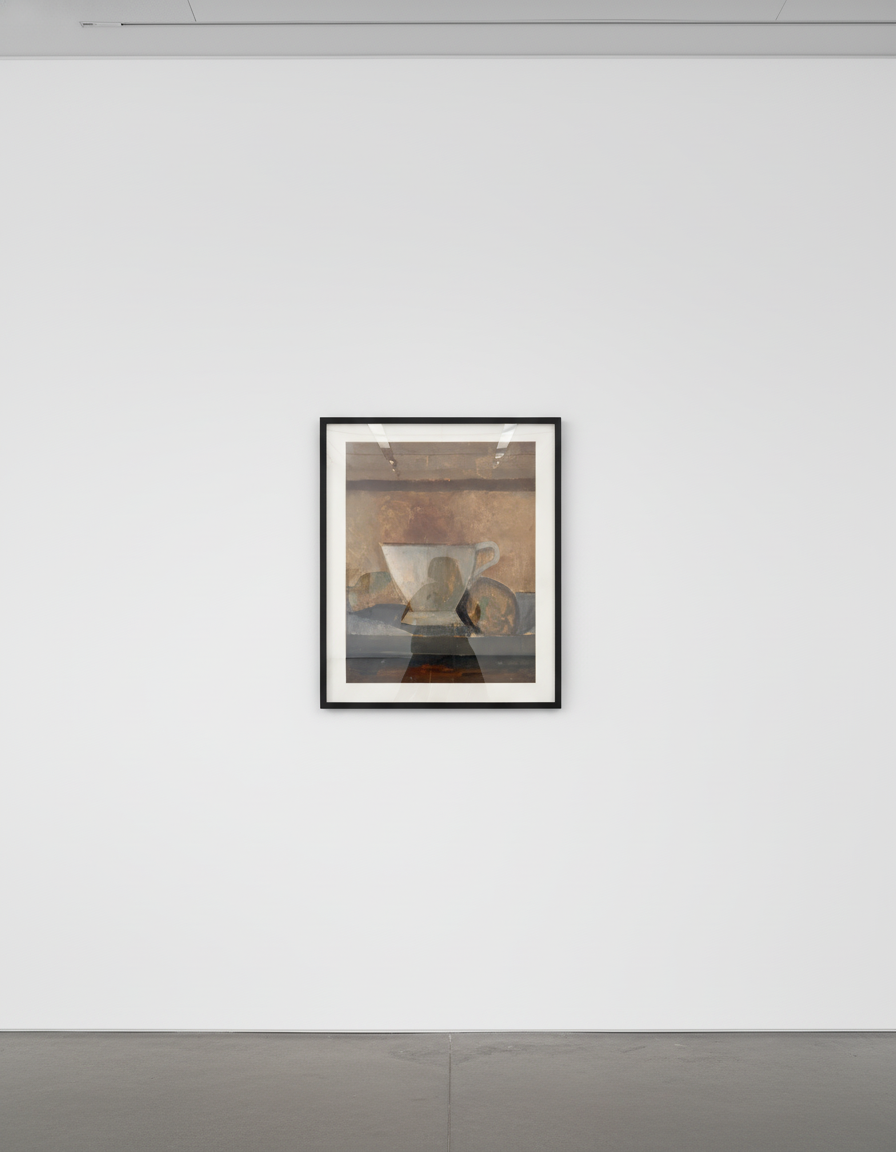
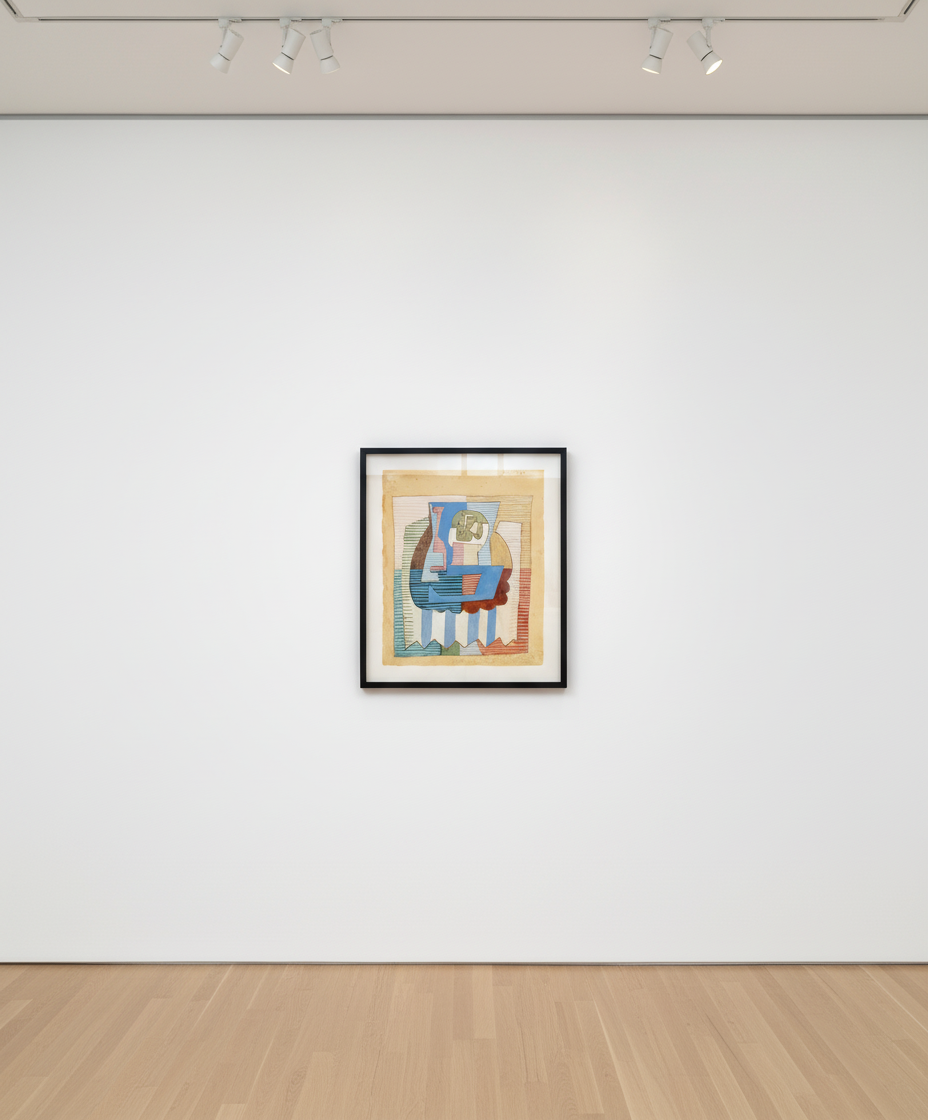
Tasse et bananes — Pablo Picasso. Available at Guy Hepner, New York.
Still life compositions from Picasso's Cubist and post-Cubist periods attracted renewed scholarly and collector attention. Works such as Tasse et bananes exemplify the formal innovations that made Picasso central to twentieth-century visual culture: the fracturing of pictorial space, the integration of decorative and structural concerns, and the playful manipulation of everyday objects into statements about perception itself. These paintings and related works on paper formed a collecting category unto themselves, with dedicated buyers tracking provenance across decades.
The print market matured considerably during this period. Le Repas Frugal, the 1904 Etching widely considered among the finest graphic works of the twentieth century, became an aspirational target for print collectors, while the broader Suite Vollard achieved recognition as perhaps the most important print cycle of the modern era. Institutional acquisitions supported price levels, as museums sought to complete holdings or acquire exemplary impressions.
The global pandemic introduced unprecedented disruption to art market logistics while accelerating digital distribution and viewing. Both Christie's and Sotheby's expanded online-only sale formats, and Picasso works performed strongly in this environment. The Art Basel and UBS reports documented surprising resilience in the Impressionist and Modern sector during 2020 and 2021, with collectors apparently viewing blue-chip modern masters as stores of value during broader uncertainty.
By 2022 and into the present period, the market has entered a more selective phase. Annual auction totals for Picasso have fluctuated not because of weakening demand but because supply of exceptional, fresh-to-market works has become the constraining variable. Masterworks held in family collections for generations appear less frequently, and when they do, competition remains fierce. Works held for shorter periods face greater pricing scrutiny, as collectors increasingly prioritise long-term hold potential over short-term arbitrage.
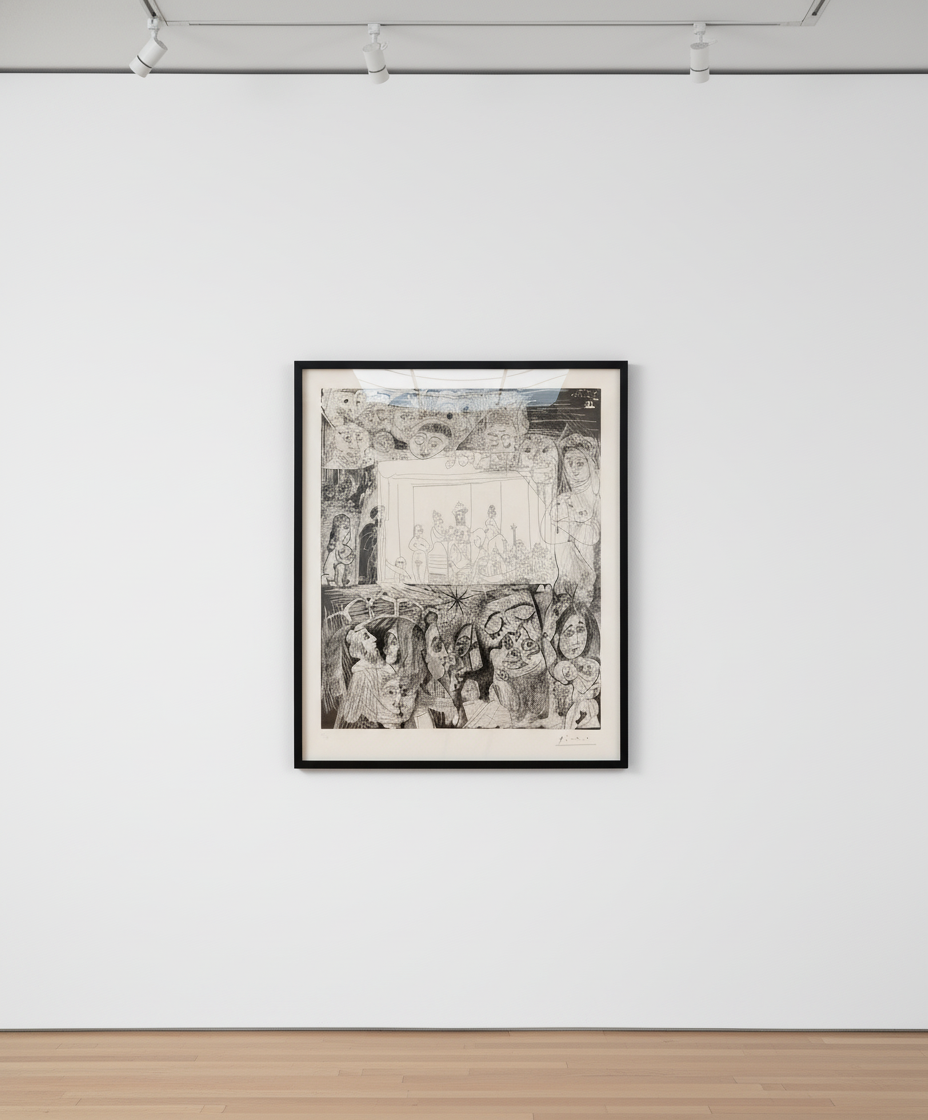
Ecce Homo, d’Après Rembrandt — Pablo Picasso. Available at Guy Hepner, New York.
The graphic and ceramic categories have proven particularly robust in this environment. Picasso's late mythological prints—variations on classical themes, bullfight imagery, and artist-and-model subjects—offer visual impact and art-historical significance at accessible price points. Works such as Vertumne Poursuit Pomone de son Amour and Ecce Homo, d'Après Rembrandt demonstrate Picasso's lifelong engagement with art-historical predecessors, filtering Old Master compositions through his distinctive formal vocabulary. These pieces attract both emerging collectors building foundational holdings and established collectors seeking to deepen existing concentrations.
Picasso's market endurance reflects factors beyond speculation or fashion. His work embodies the twentieth century's visual revolution more completely than that of any peer, and his presence in virtually every major museum collection worldwide ensures perpetual visibility. For collectors, Picasso offers what few artists can: genuine liquidity across economic cycles, extensive scholarly documentation, and a depth of market history that permits confident valuation. The work rewards connoisseurship while remaining legible to general audiences—a rare combination that sustains both institutional and private demand.
Guy Hepner maintains a curated selection of Pablo Picasso prints, drawings, and unique works representing key periods and themes from the artist's extraordinary career. Our specialists work with collectors at every level, from those acquiring their first Picasso graphic to those seeking significant unique works for established collections. We invite you to contact the gallery to discuss current availability, condition reports, and acquisition strategies tailored to your collecting objectives.
Explore Pablo Picasso prints for sale at Guy Hepner: Aquatint, Ceramics, Collotype, Drawing, Etching.
Related Series