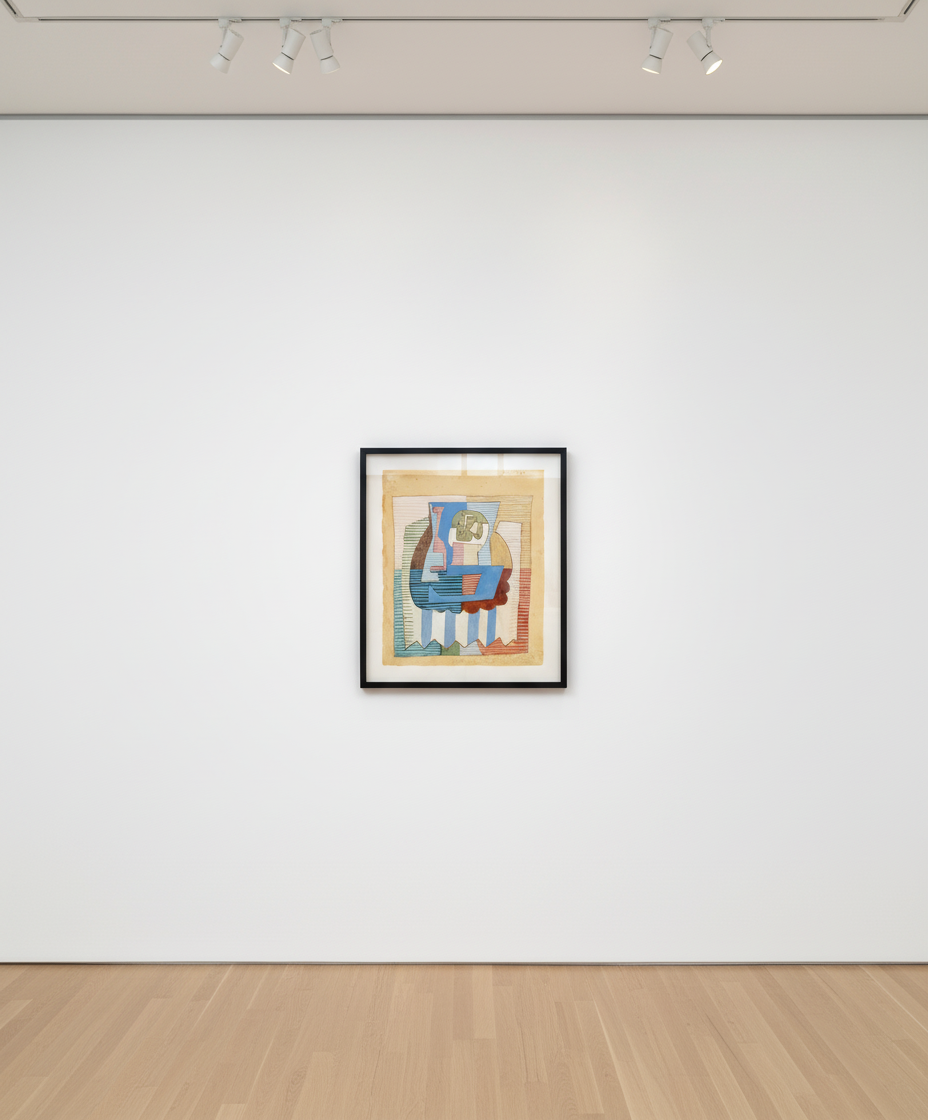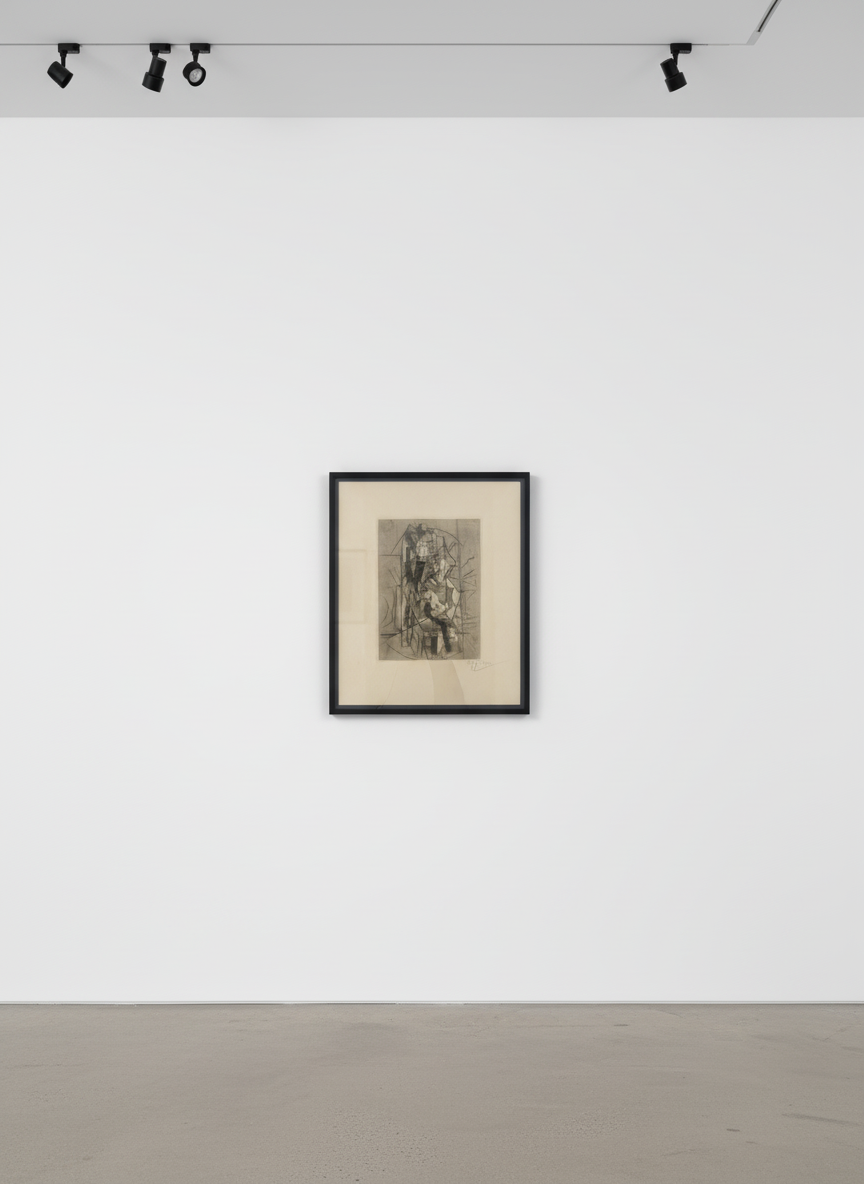
Aquatint

Portraiture has always held an exceptional place in the history of art collecting, yet in the 20th century it emerged as one of the most powerful and enduring categories in modern and contemporary art. For sophisticated collectors building culturally authoritative, high-value collections, portraits by Pablo Picasso represent the strongest foundation for long-term value, museum-level coherence, and global recognition. Picasso's remarkable ability to transform the human face into a vehicle for psychological depth, formal innovation, and emotional intensity ensures that his portrait works remain among the most sought-after pieces in the international art market.
The subjects of Picasso's portraits - from his lovers and wives to anonymous female figures - are not simply representations of individuals. They are cultural currencies, instantly recognisable, endlessly reproduced, and firmly embedded in the collective imagination. As a result, works drawn from Picasso's portrait oeuvre offer collectors both profound aesthetic depth and robust investment profiles that have demonstrated remarkable resilience across market cycles.
Pablo Picasso fundamentally transformed portraiture throughout his seven-decade career, dismantling classical conventions and reassembling the human form according to his own revolutionary visual language. From the melancholic figures of his Blue Period to the fractured planes of Analytical Cubism and the expressive distortions of his later works, Picasso continually reinvented what a portrait could communicate. His portraits are never mere likenesses - they are excavations of character, explorations of form, and declarations of artistic supremacy.
Picasso's approach to female portraiture, in particular, reveals an artist who used his subjects as both muses and mirrors for his own creative evolution. Each significant relationship in his life precipitated new stylistic developments, making his portraits biographical documents as much as artistic statements. The women who entered his world - Fernande Olivier, Marie-Thérèse Walter, Dora Maar, Françoise Gilot, and Jacqueline Roque - each inspired distinct bodies of work that chart the trajectory of modern art itself.
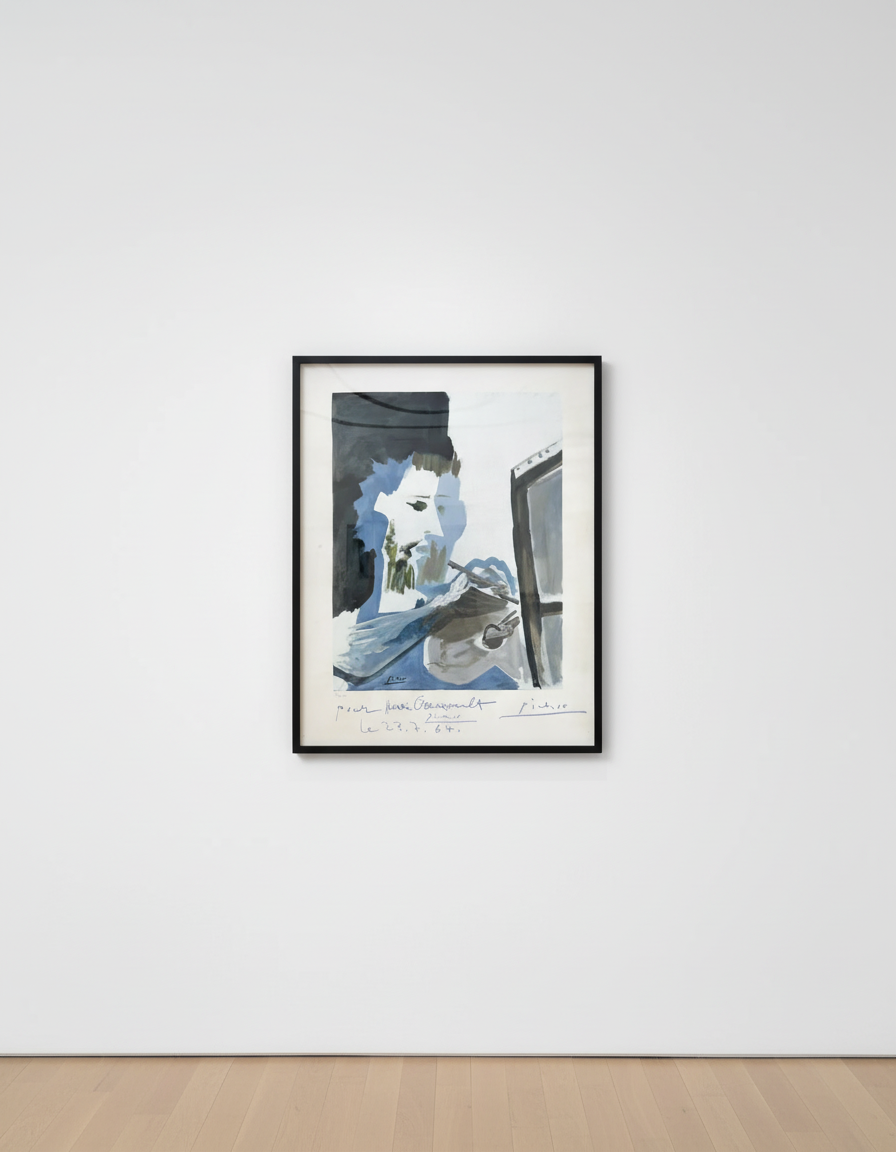
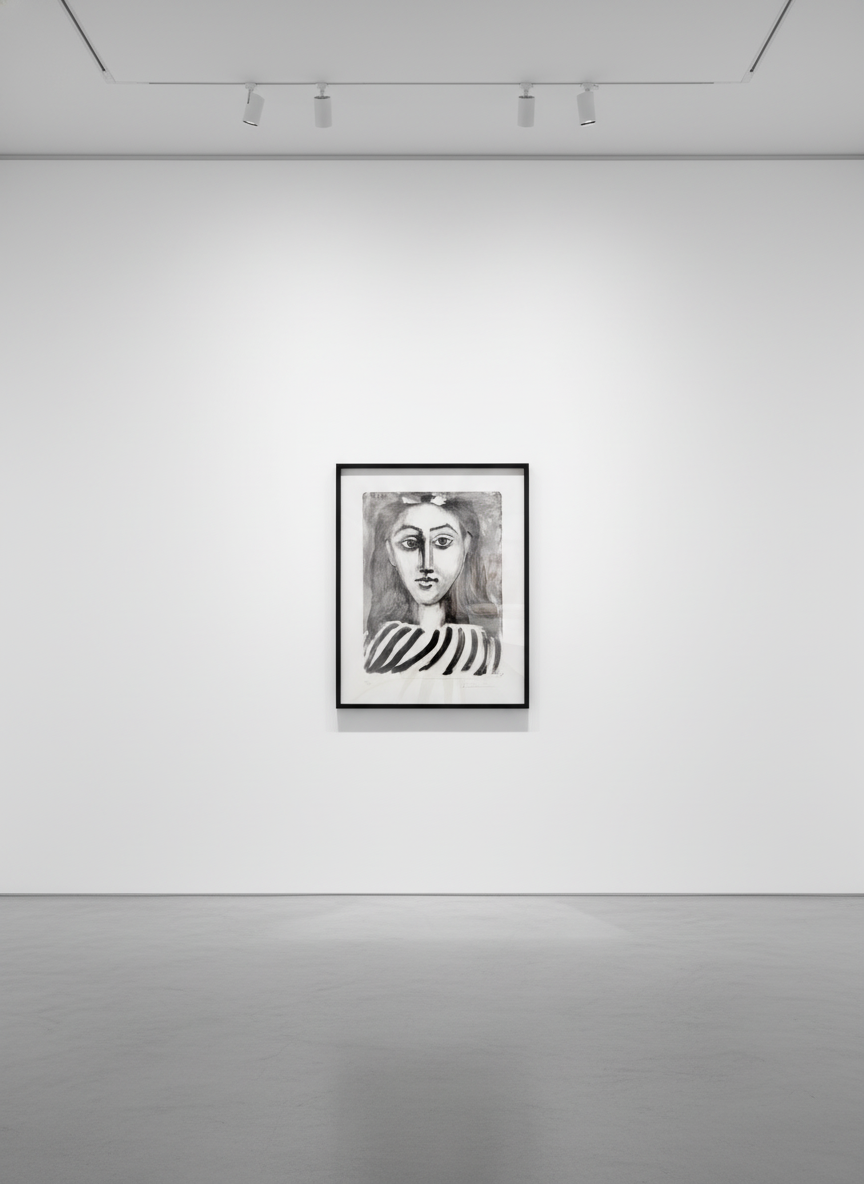
Tête de Jeune Fille – Portrait de Françoise — Pablo Picasso. Available at Guy Hepner, New York.
The Tête de Jeune Fille - Portrait de Françoise exemplifies how Picasso distilled the essence of his subjects into compositions of remarkable economy and power. Françoise Gilot, who was Picasso's companion from 1943 to 1953, inspired some of his most lyrical and tender portraits. Her influence coincided with a period of renewed optimism in Picasso's work, and portraits from this era possess a luminosity and grace that distinguish them within his broader oeuvre.
The market for Picasso portraits has demonstrated extraordinary consistency and strength across decades. According to data compiled by Sotheby's and Christie's, portraits consistently achieve the highest prices within Picasso's diverse output, with works depicting recognisable muses commanding particular premiums. The Art Basel and UBS Global Art Market Report has repeatedly identified Picasso as among the most liquid artists at the upper end of the market, with portraits representing a significant proportion of works exceeding major price thresholds.
This market resilience stems from several factors that sophisticated collectors understand well. First, portraits offer immediate visual and emotional accessibility while rewarding sustained engagement with their formal complexity. Second, works depicting known subjects carry art-historical provenance that enhances both scholarly interest and institutional desirability. Third, the finite supply of significant Picasso portraits ensures that exceptional examples entering the market generate intense competition among collectors, institutions, and foundations worldwide.
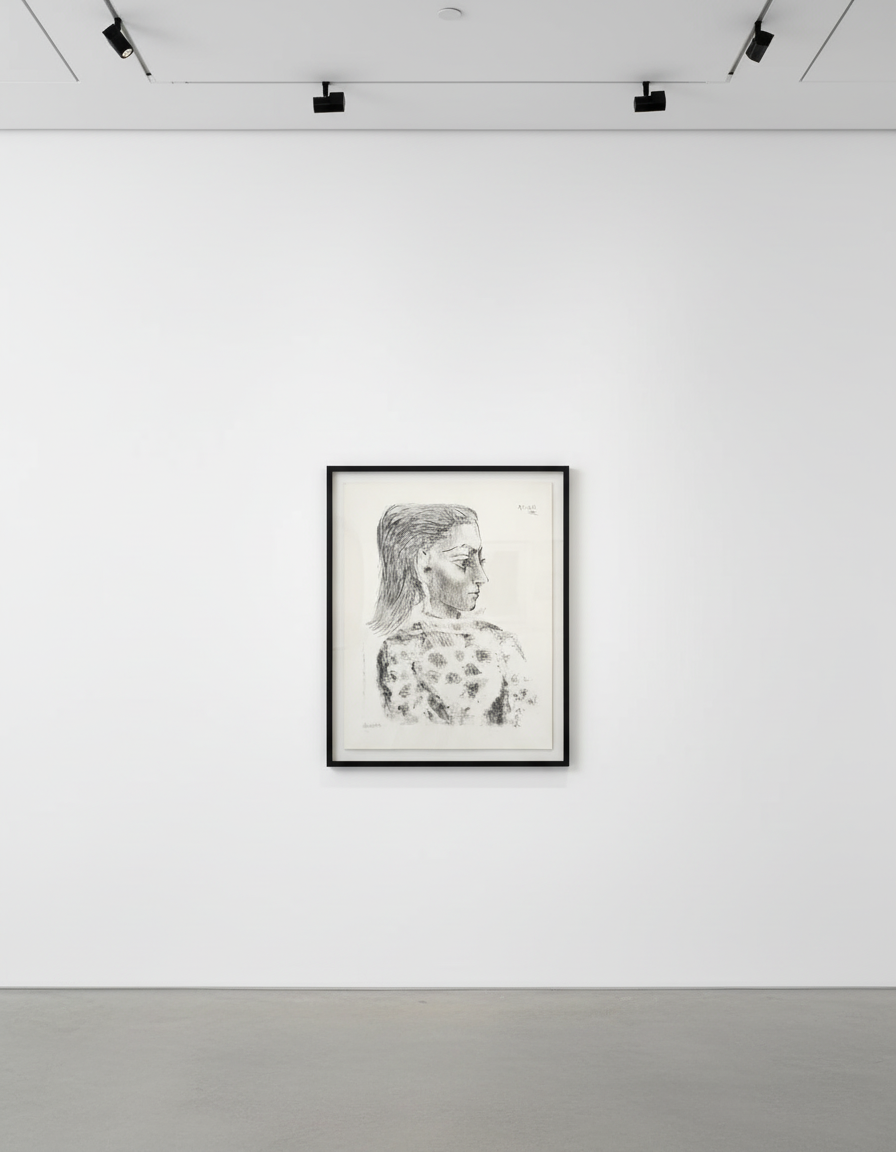
Buste — Pablo Picasso. Available at Guy Hepner, New York.
Works such as the Buste and Portrait de Femme II demonstrate Picasso's mastery of the bust-length format, a compositional tradition stretching back to antiquity that he reinvigorated with Cubist fragmentation and expressive colour. These works balance monumentality with intimacy, presenting their subjects with a directness that transcends their historical moment.
Picasso's late portraiture, centred on his wife and muse Jacqueline Roque, represents one of the most significant categories for collectors seeking museum-quality works with proven stability. Jacqueline, whom Picasso married in 1961, became his most frequently depicted subject - he created more portraits of her than of any other individual in his life. These works, produced during his final two decades, have undergone critical reappraisal and are now recognised as constituting a late-masterwork category of exceptional importance.
The Jacqueline with Roses captures the essential qualities that make these late portraits so compelling. Picasso depicted Jacqueline with an intensity born of deep familiarity, creating images that oscillate between tenderness and psychological complexity. The series demonstrates his undiminished creative powers and his ability to find new expressive possibilities within familiar subjects.
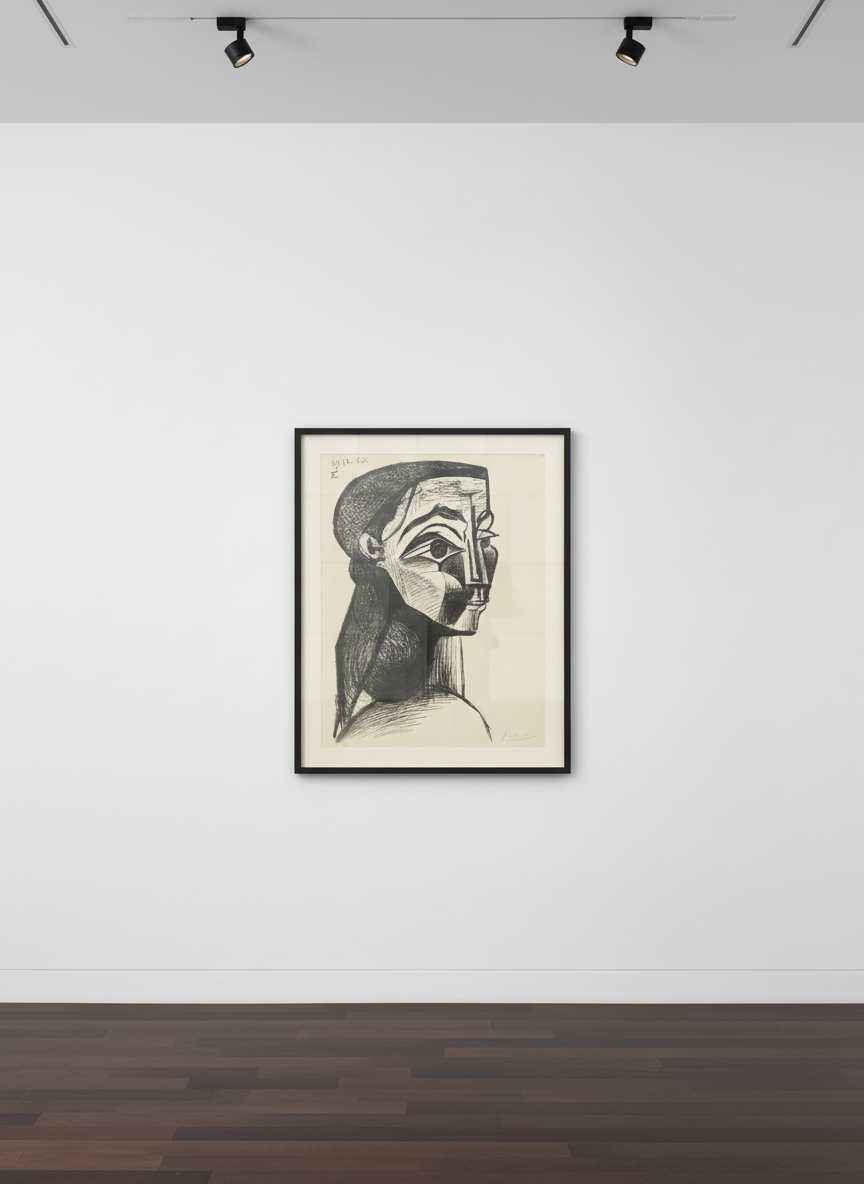
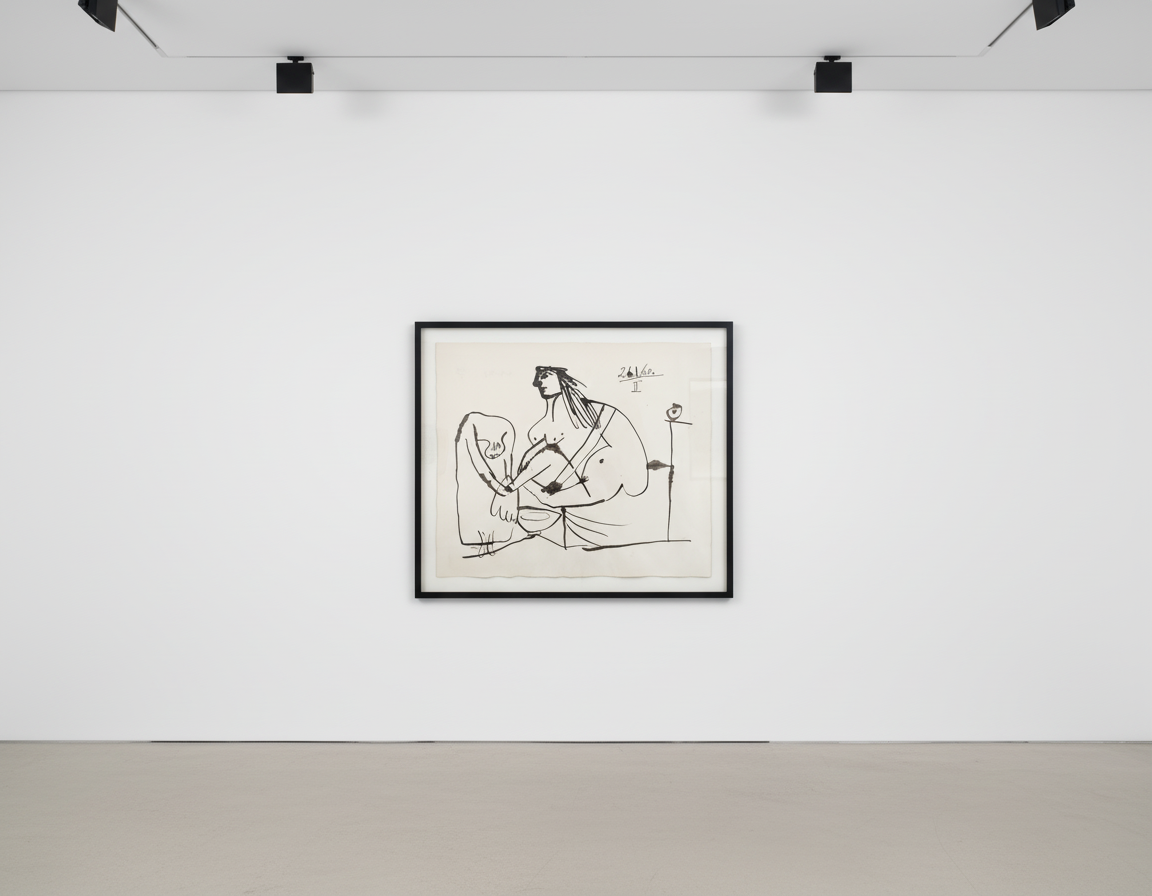
Portrait de Femme II — Pablo Picasso. Available at Guy Hepner, New York.
The Profil de Femme further illustrates Picasso's virtuosic command of line and form. Profile portraits held particular significance throughout art history, from ancient coinage to Renaissance medals, and Picasso's interpretations of this format reveal his sophisticated engagement with artistic tradition even as he transcended its conventions.
For collectors assembling coherent, institutionally significant holdings, Picasso portraits offer an unparalleled combination of art-historical importance, market liquidity, and aesthetic power. These works anchor collections with the authority of the 20th century's most influential artist while providing the visual impact that transforms private holdings into cultural statements. As museums and foundations continue to seek Picasso portraits for their permanent collections, the competition for exceptional examples in private hands only intensifies.
The portrait remains the most enduring format in art history precisely because it speaks to fundamental human concerns - identity, presence, mortality, and connection. In Picasso's hands, these concerns received their most radical and compelling modern expression.
Guy Hepner is honoured to offer distinguished collectors access to significant portraits by Pablo Picasso. Our gallery provides confidential consultation, detailed provenance documentation, and expert guidance for collectors seeking to acquire works of this calibre. We invite enquiries from individuals and institutions building collections of lasting cultural importance.
Explore Pablo Picasso prints for sale at Guy Hepner: Aquatint, Ceramics, Collotype, Drawing, Etching.
Related Series