Aquatint
13 works

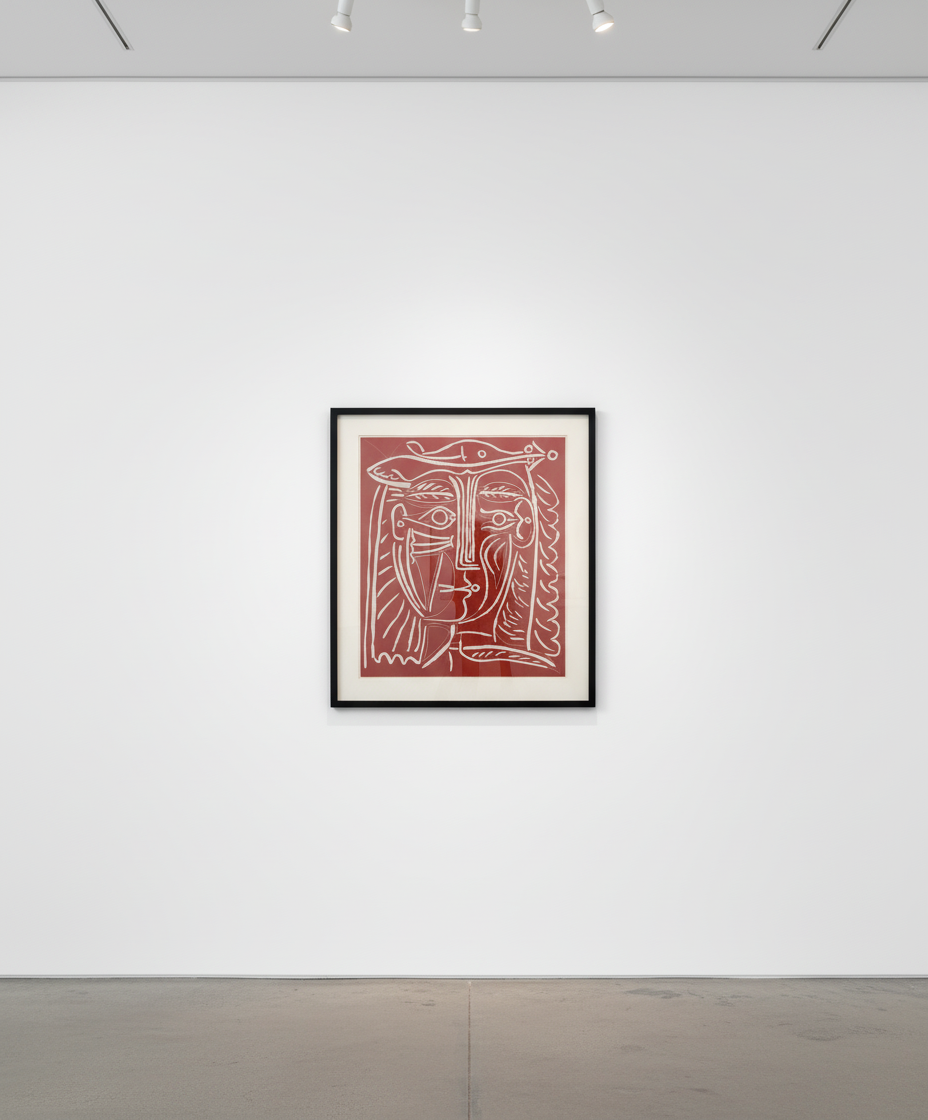
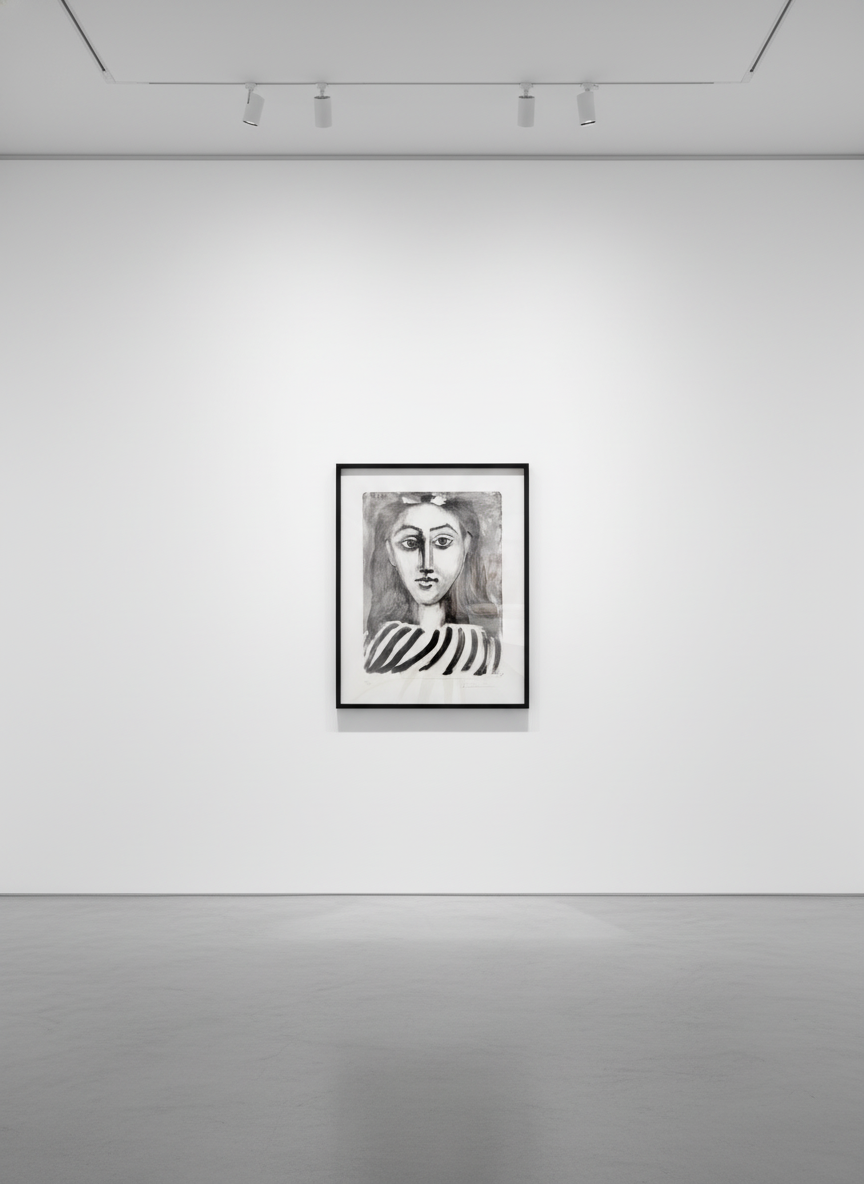
Pablo Picasso's etchings represent one of the most historically significant and consistently performing segments of the modern print market. From his earliest Paris etchings of the 1900s through to the extraordinary late suites of the 1960s and early 1970s, Picasso's command of the etched line was absolute — a vehicle for psychological intensity, mythological imagination, and technical experimentation that yielded some of the greatest prints in the history of the medium. Guy Hepner offers Picasso etchings for sale with full Bloch catalogue references, provenance documentation, and expert authentication.
The Vollard Suite is the centrepiece of any serious engagement with Picasso's print career — ninety-seven etchings and three aquatints commissioned by the legendary Paris dealer Ambroise Vollard between 1930 and 1937. Executed almost entirely in the pure etching and drypoint technique, with occasional aquatint from Roger Lacourière, these one hundred plates are widely regarded as the greatest print series produced in the twentieth century.
The suite divides into recognisable thematic sequences. The Sculptor's Studio plates (the largest group, forty-six images) depict a bearded sculptor — recognisably Picasso — in the presence of his model and his creations, in an atmosphere that combines erotic intimacy with classical serenity. The model is Marie-Thérèse Walter, Picasso's young lover from 1927, and her face and rounded form appear throughout the suite with an ideality that draws on Greek sculpture.
The Minotaur sequence addresses the mythological creature that Picasso had adopted as his alter ego — half-man, half-bull, simultaneously creator and destroyer. The Minotaur plates range from scenes of blind, drunken wandering (the Blind Minotaur led by a Girl with a Dove is one of the most emotionally powerful images in Western printmaking) to violent combat and tender repose. The psychological charge of these images has never been surpassed in the print medium.
Individual Vollard Suite plates now trade between $80,000 and $500,000 at the major auction houses, with exceptional impressions of the most important plates — particularly the Blind Minotaur — exceeding these figures. The complete suite appears at auction rarely and commands extraordinary prices.
Suite 347 — three hundred and forty-seven etchings completed in a period of seven months between March and October 1968 — stands as one of the most astonishing demonstrations of creative vitality in the history of art. Picasso was eighty-six years old. The suite was produced at the Crommelynck workshop in Paris under the guidance of master printers Piero and Aldo Crommelynck, who became Picasso's primary print collaborators for the final decade of his life.
Thematically, Suite 347 is wild, digressive, and exhilarating. Picasso ranges across Degas's brothel scenes (which had recently been published and which electrified him), Spanish subject matter including picadors, toreros, and hidalgo figures, scenes of artists and models, and a recurring cast of dwarfs, old men, and watching voyeurs drawn from Velázquez and Rembrandt. The suite is simultaneously autobiography, art history, and erotic fantasy.
The Crommelynck prints have a distinctive refinement — the workshop's technical precision complemented Picasso's improvisational line, producing impressions of exceptional clarity. Edition sizes for Suite 347 are typically 50 impressions.
Picasso's final major print campaign, the 156 Series etchings produced again at the Crommelynck workshop, continues the themes of Suite 347 with even greater economy of means. These late works — produced when Picasso was between 88 and 90 years old — have the directness of gesture drawing, the line stripped to its essentials. They are increasingly valued by collectors who seek the most distilled expression of a late style that was still fully alive.
The Bloch catalogue raisonné (Picasso: His Graphic Work, Bernhard Geiser and Hans Bolliger, later continued by Brigitte Baer) is the definitive scholarly record of Picasso's complete print output. Bloch numbers (cited as B. followed by the catalogue number) provide the primary authentication reference for every etching, lithograph, linocut, and aquatint. Major auction house catalogues cite Bloch numbers as standard practice; any serious purchase should begin with Bloch verification.
For etchings specifically, Geiser's separate catalogue of the early graphic work provides additional scholarly context for pre-1930 prints.
Authenticating Picasso etchings requires the following:
Bloch catalogue verification: confirm the image against the illustrated catalogue entry, verify the described state and edition information.
Plate tone and impression quality: genuine Picasso etchings have a characteristic plate tone in early impressions. Over-inked or underinked impressions suggest reprinting.
Provenance chain: ideally traceable to original publication by Vollard's estate, Galerie Louise Leiris (Suite 347), or another documented primary source.
Succession Picasso estate stamps: appear on some authorised posthumous publications.
Expert examination: for Vollard Suite and other high-value works, examination by a recognised specialist in Picasso prints is strongly recommended before purchase.
Guy Hepner provides full Bloch catalogue references, condition reports, and provenance documentation for all Picasso etchings for sale. Contact us for current inventory and private sale opportunities.

15 works available
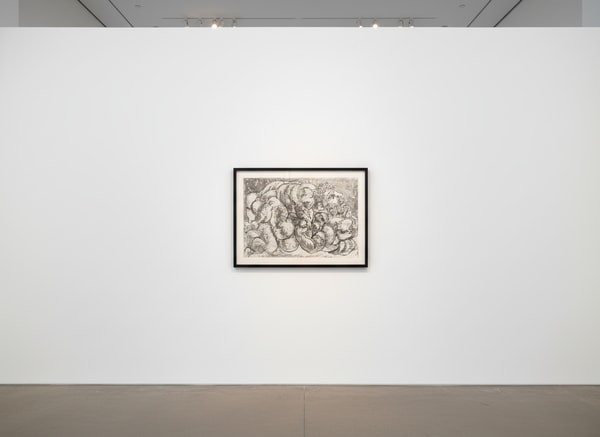
Pablo Picasso
Accouplement I
1933
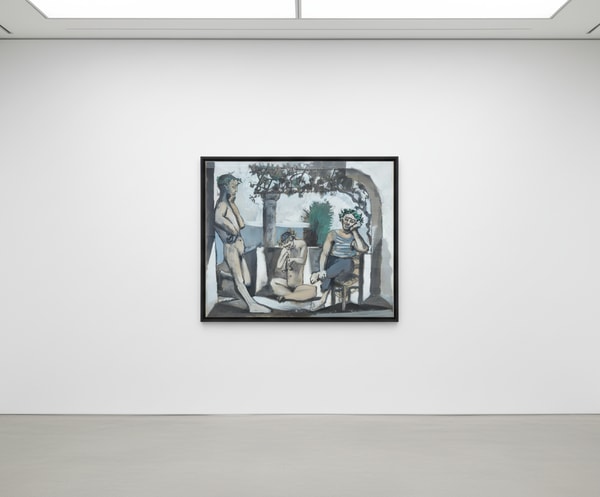
Pablo Picasso
Bacchanale
1960
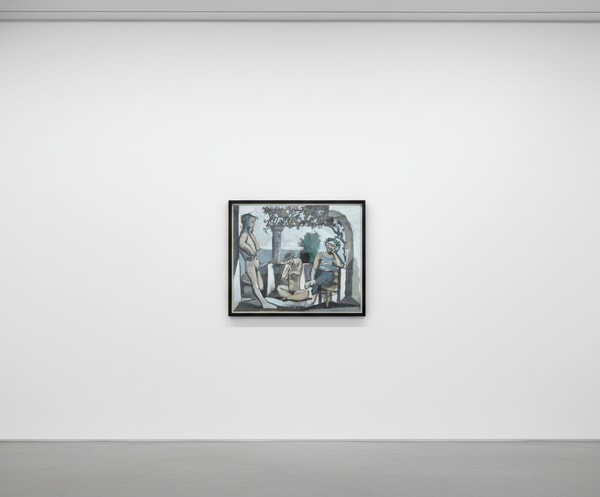
Pablo Picasso
Bacchanale (Bloch 927)
1959
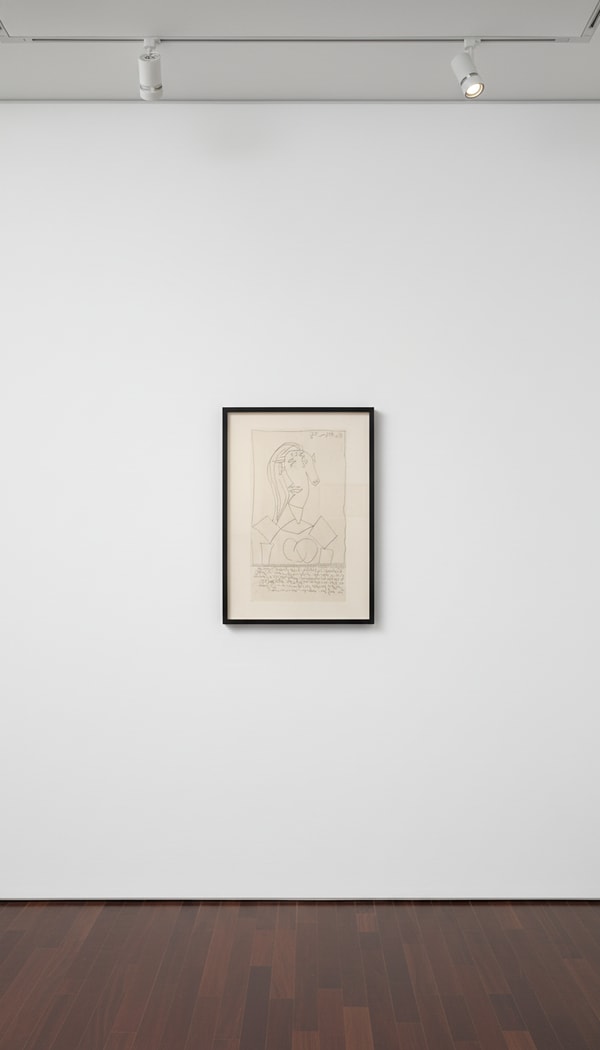
Pablo Picasso
Buste de Femme (Dora Maar) State I (Bloch 308)
1938
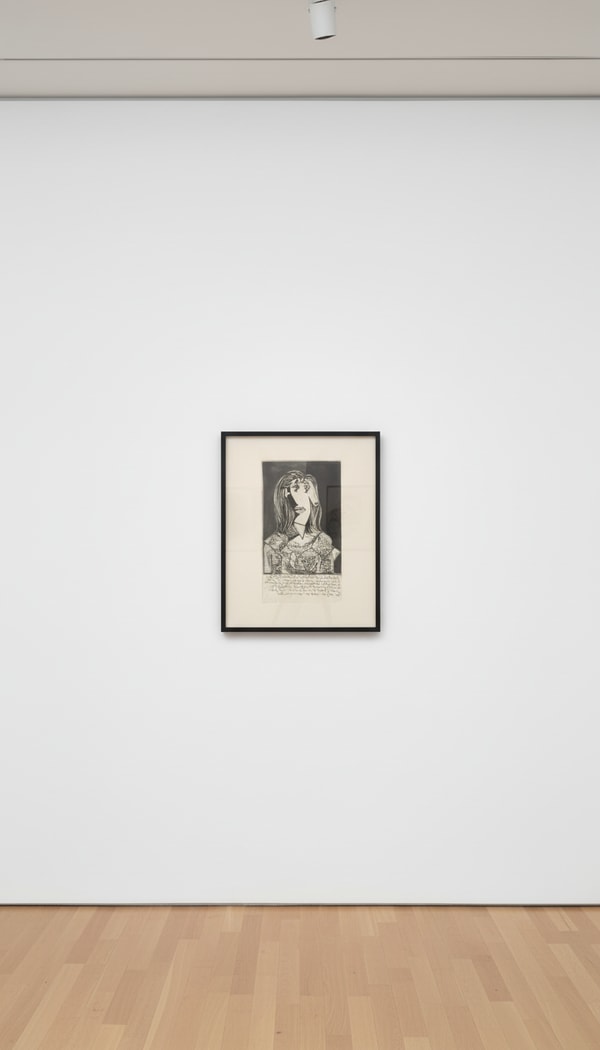
Pablo Picasso
Buste de Femme (Dora Maar) State IX (Bloch 308)
1938
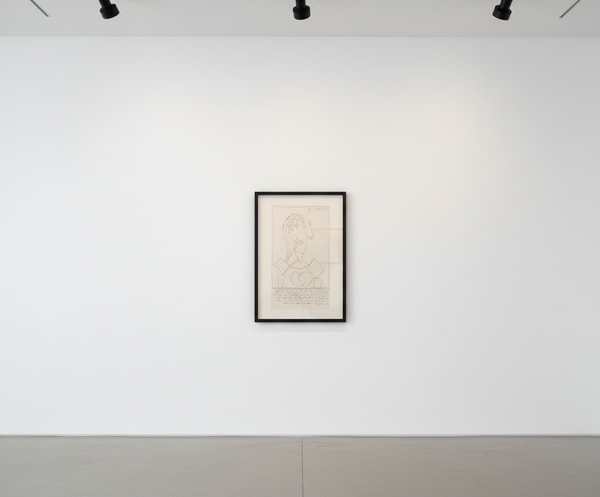
Pablo Picasso
Dora Maar
1938
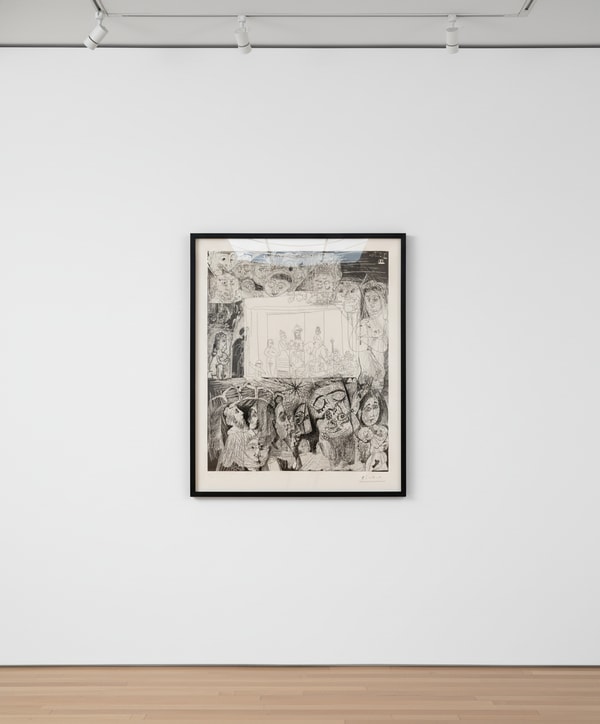
Pablo Picasso
Ecce Homo, d’Après Rembrandt
1970
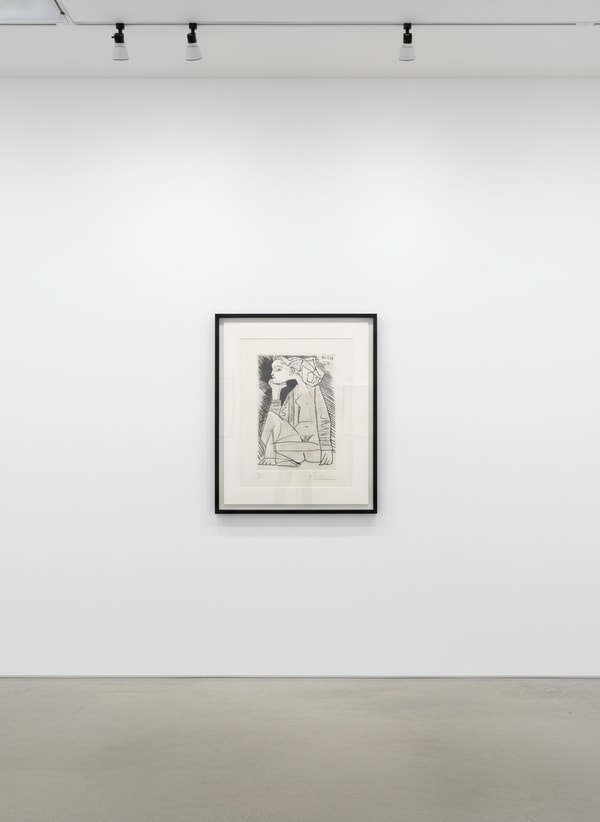
Pablo Picasso
Femme Assise en Tailleur
1951

Pablo Picasso
Le Repas Frugal
1904
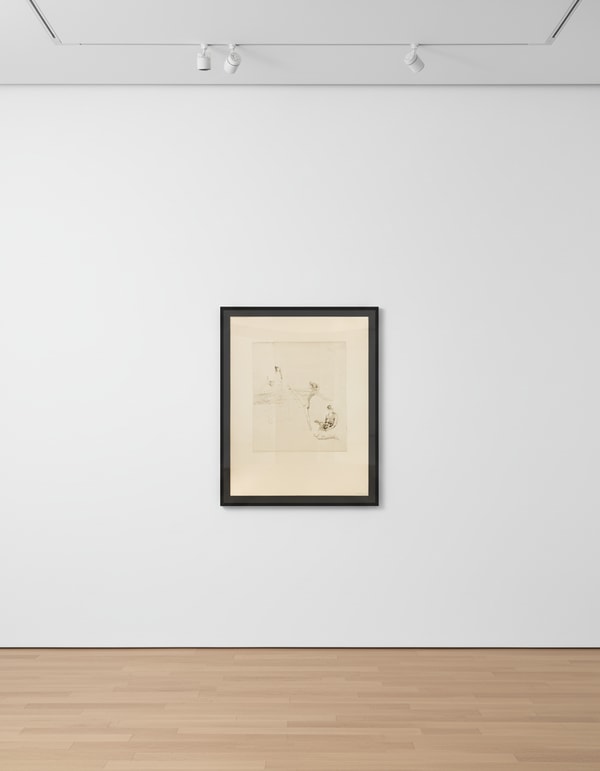
Pablo Picasso
Salomé
1905
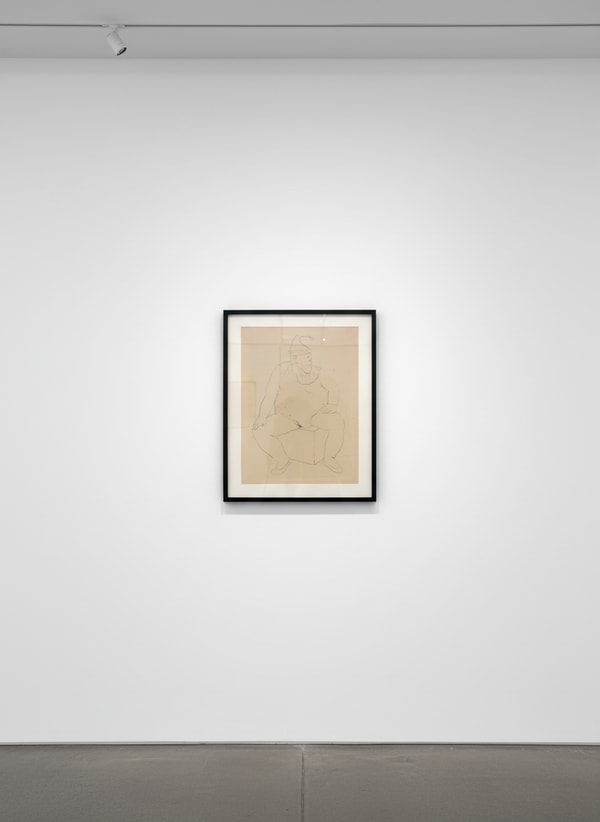
Pablo Picasso
Saltimbanque au Repos (Bloch 10)
1905
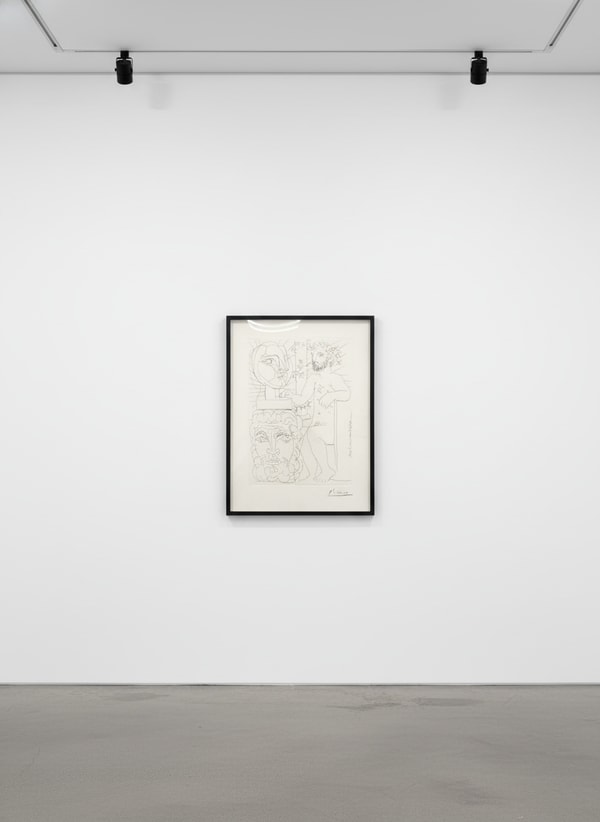
Pablo Picasso
Sculpteur et Deux Têtes sculptées (La Suite Vollard)
1939
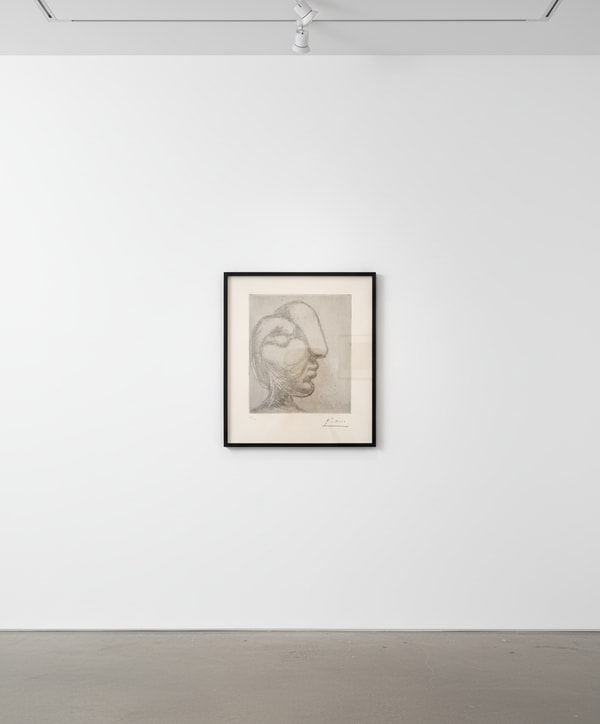
Pablo Picasso
Tete de Femme
1933
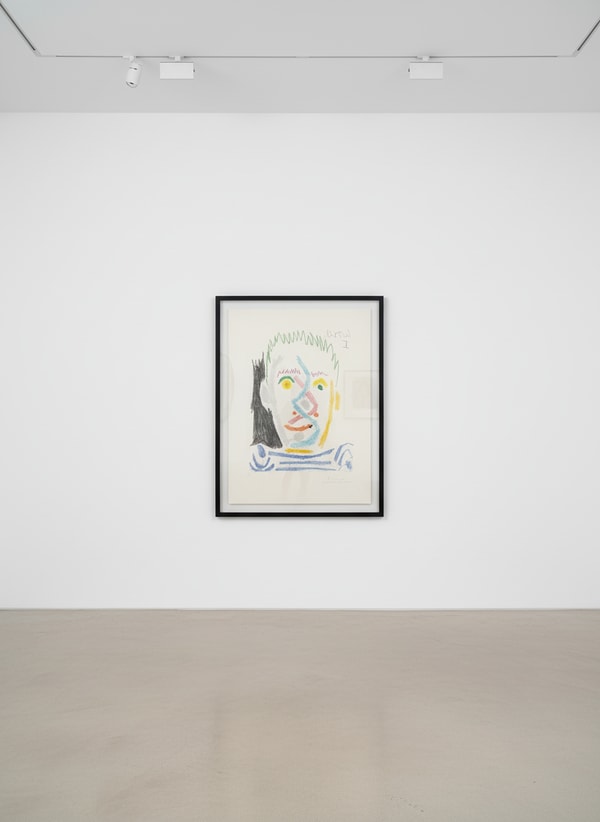
Pablo Picasso
Tête Homme au Maillot Rayé
1964
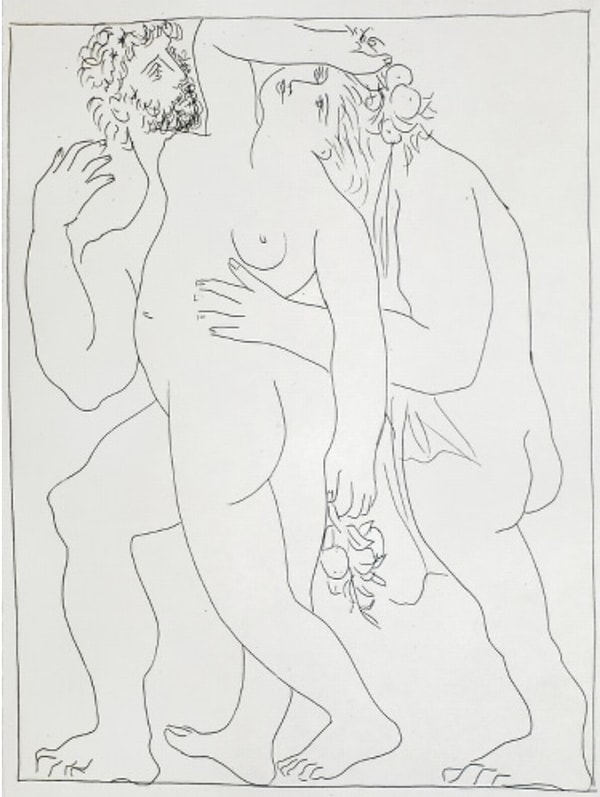
Pablo Picasso
Vertumne Poursuit Pomone de son Amour
1930
Five Facts About Pablo Picasso Etching
The Vollard Suite (1930-1937), Picasso's celebrated set of 100 etchings commissioned by Ambroise Vollard, was printed with master printer Roger Lacourière in an edition of 310 sets.
Minotauromachy (1935), a large etching and engraving developed through seven states, is held in museum collections including the Museum of Modern Art and the National Gallery of Art in Washington.
Picasso's largest single print project, the '347 Suite,' comprised 347 etchings and aquatints made between 16 March and 5 October 1968 at the Atelier Crommelynck in Paris.
The '347 Suite' was produced with master printers Aldo and Piero Crommelynck, sons of playwright Fernand Crommelynck, who had set up their own Paris workshop in 1956.
Picasso continued etching into his final years with Suite 156, a series of etchings and aquatints made between 1968 and 1972.
Market Data
See real auction history, estimate ranges and price benchmarks for individual Etching prints, sourced from Christie's, Sotheby's and other major auction houses.
Frequently Asked Questions
Pablo Picasso Etching prints for sale are available at Guy Hepner Gallery, 177 Tenth Avenue, New York. We offer authenticated editions with full provenance documentation sourced from the secondary market and directly from publishers.
Pablo Picasso Etching works — 15 available — are typically produced as limited editions, individually signed and numbered by the artist. Contact Guy Hepner Gallery for edition details on specific works.
Pricing for Pablo Picasso Etching prints varies by edition size, date, and condition. Contact Guy Hepner Gallery for current market pricing and availability.
More Pablo Picasso Series
View all Pablo Picasso works →