Aquatint
13 works

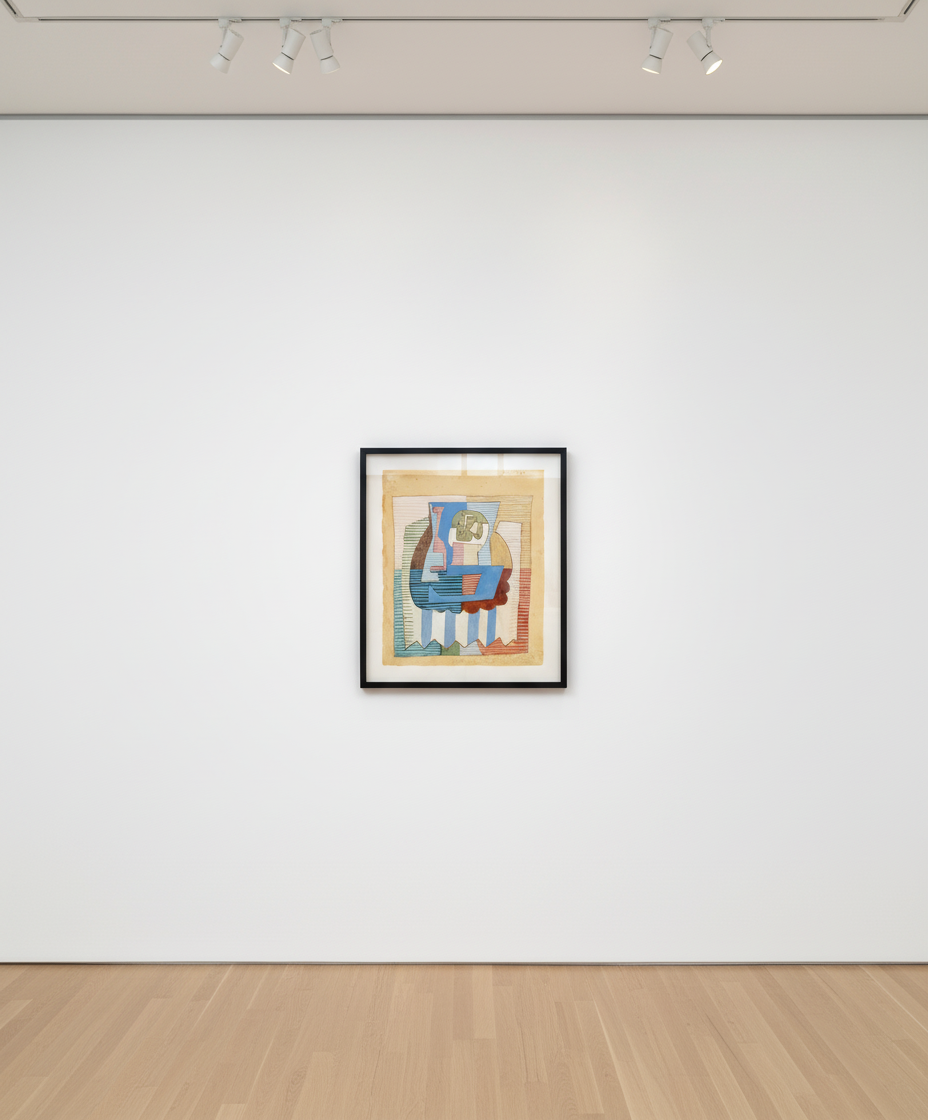
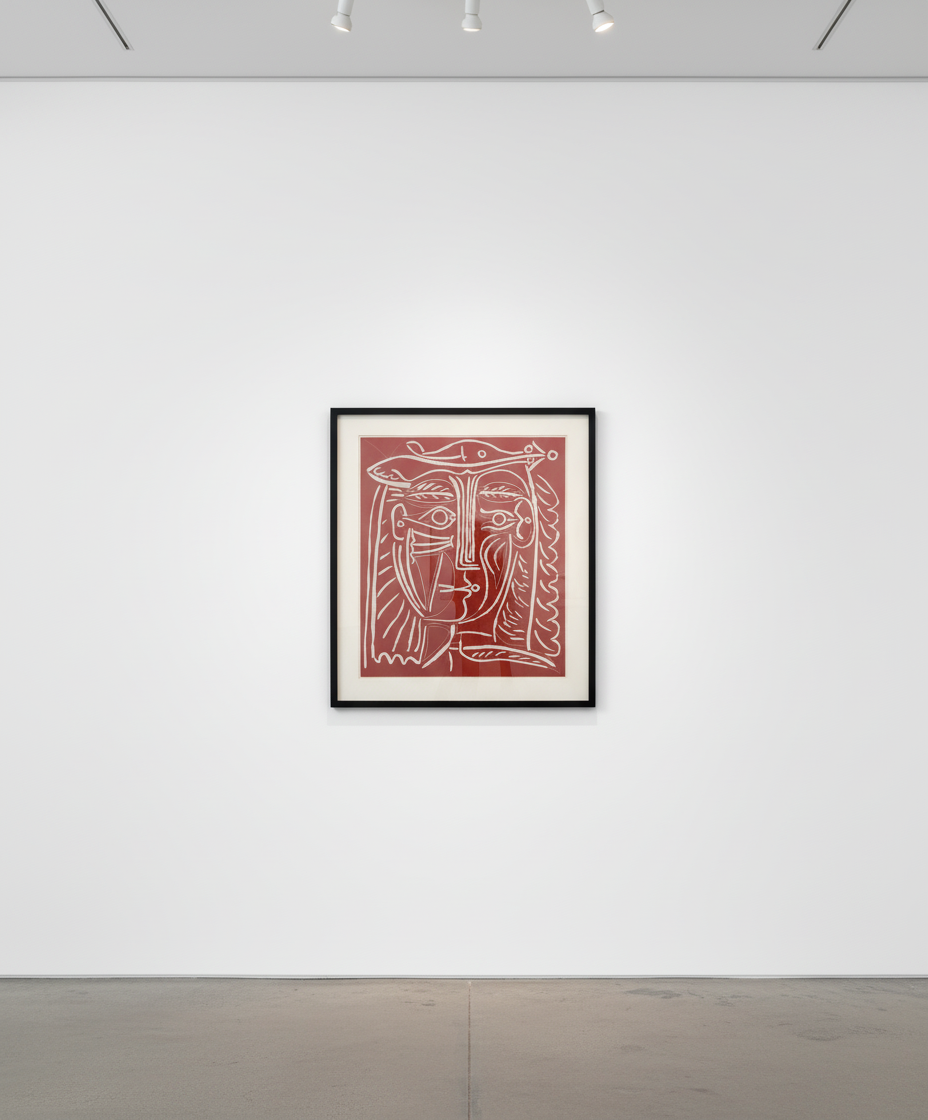
Pablo Picasso lithographs for sale at Guy Hepner represent the most consistently accessible category within one of the twentieth century's most important print oeuvres. Picasso's engagement with lithography — principally through the legendary Parisian atelier of Fernand Mourlot — produced over 400 individual works across three decades, making his lithographic output one of the most substantial and varied of any major modern artist. Buy a Picasso lithograph from Guy Hepner with full catalogue raisonné documentation, condition reports, and expert provenance verification.
In November 1945, Picasso walked into the workshop of Fernand Mourlot on the Rue de Chabrol in Paris and began a collaboration that would define the history of lithography in the twentieth century. Mourlot's atelier, which had worked with Matisse, Braque, Léger, and Chagall, presented Picasso with technical possibilities he immediately subverted and transformed. Where other artists drew on the stone, Picasso scraped, scratched, washed, and overpainted, returning obsessively to the same lithographic stone to create progressive states of extraordinary complexity.
The resulting documentary record — Mourlot's four-volume catalogue (Picasso Lithographe, 1949–1964) — stands as one of the most important publications in print scholarship. ) catalogue raisonné of Picasso's complete print output. These reference numbers are the foundation of authentication for any Pablo Picasso lithograph.
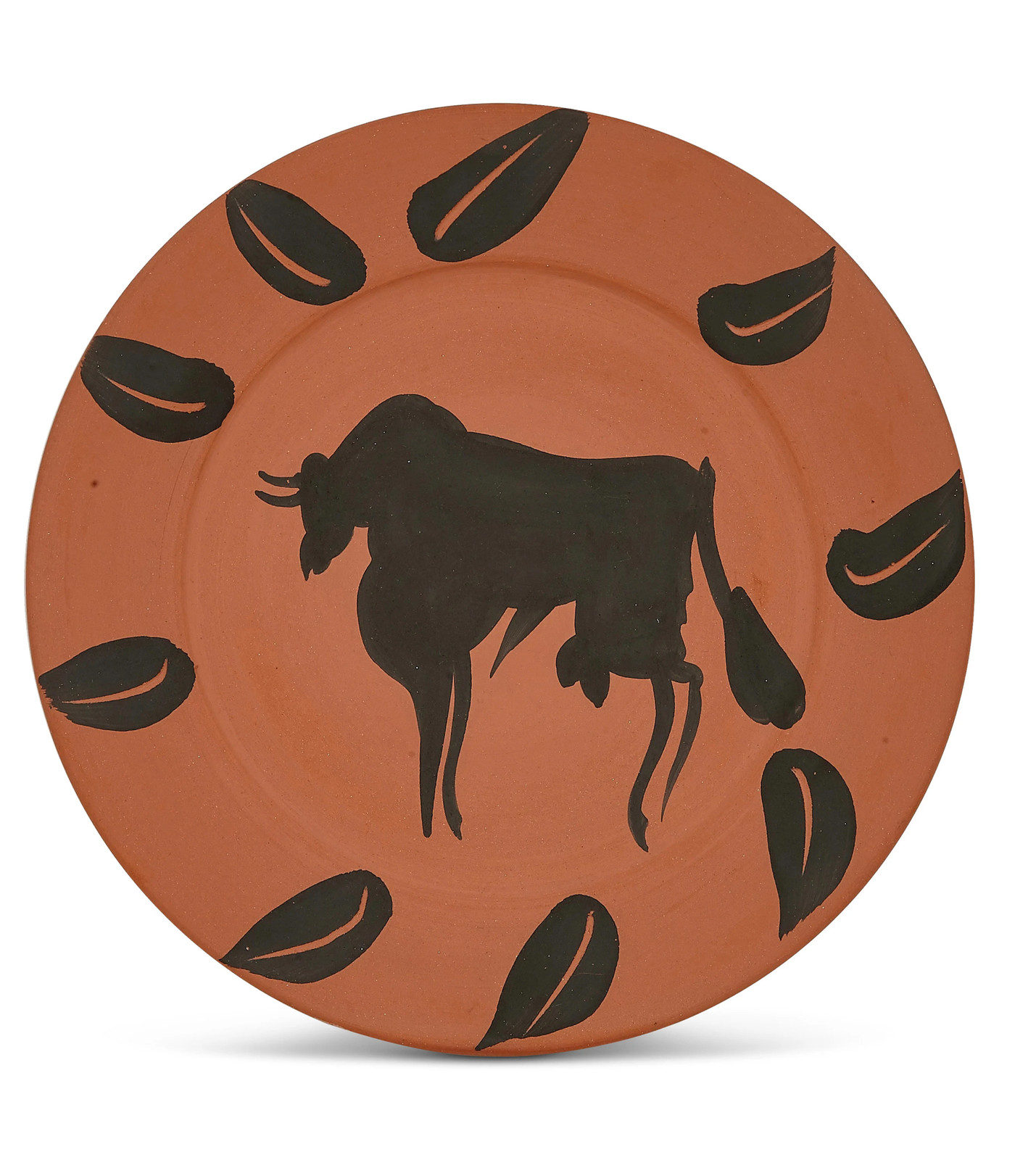
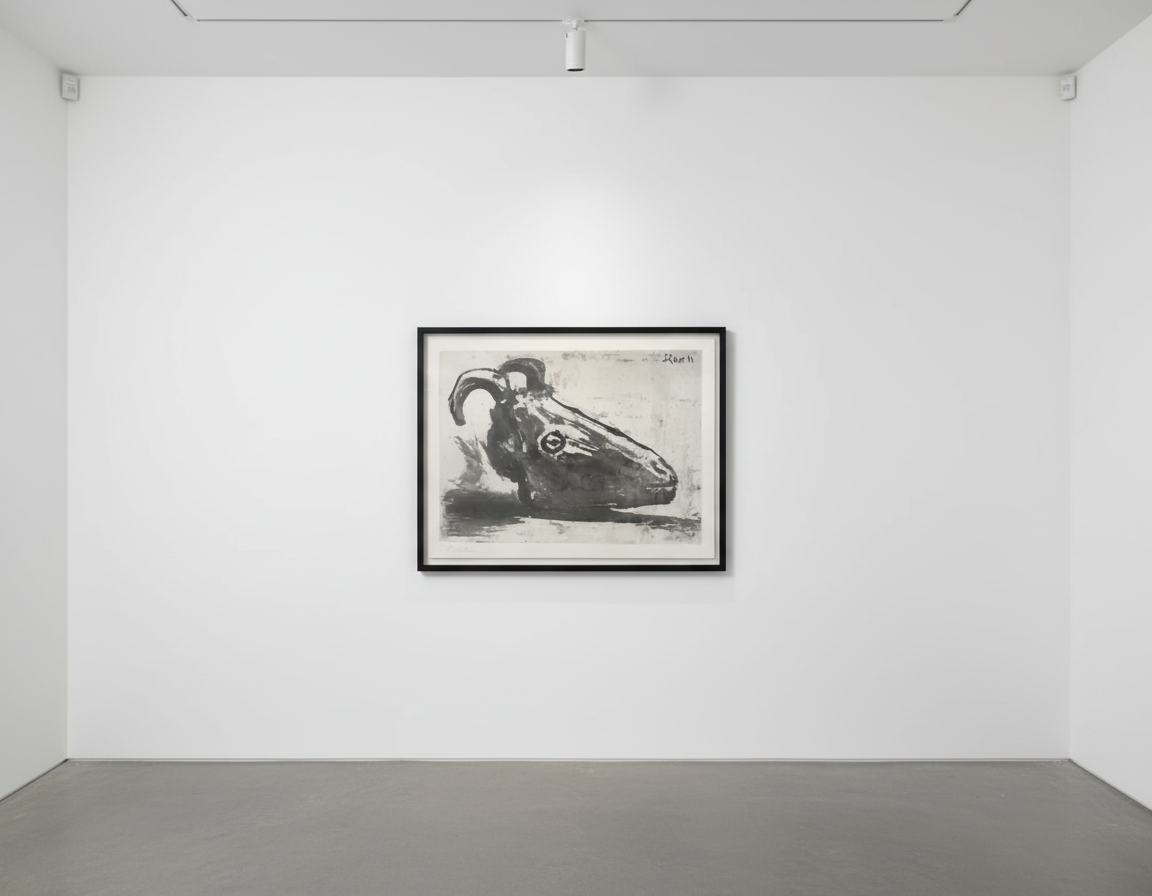
Toros y Toreros (Bulls and Bullfighters): Picasso's lifelong obsession with the corrida produced some of his most dynamic and symbolically charged lithographs. The bull, transformed into a vessel of raw force and tragedy, appears across dozens of Mourlot prints in varying degrees of abstraction. Toros y Toreros prints are among the most sought-after of his lithographic subjects.
Le Taureau (The Bull): The eleven-state lithographic series of 1945–46 is one of the most famous sequences in the history of printmaking. Beginning with a naturalistically rendered bull, Picasso progressively stripped the image to its essential geometric components, arriving finally at a spare constellation of lines that still reads unmistakably as bull. The series is a masterclass in analytical reduction and a cornerstone of the Mourlot catalogue. Individual states from this series are museum-quality works.
Facial Portraits and Heads: Picasso's lithographic portraits — the Visage series, the heads of women and lovers — represent some of his most personally charged printed work. Visage de Femme compositions, in which faces are simultaneously frontal and profile, in harmony with his Cubist visual language, are among the most recognised of his lithographic images. These portraits command strong prices at auction and are consistently sought by collectors globally.
Mythological and Classical Subjects: Fauns, centaurs, and Minotaur figures appear throughout Picasso's lithographic work, expressing his deep engagement with Mediterranean antiquity and Surrealist imagery. These subjects carry significant art-historical resonance and are closely connected to the thematic concerns of the Vollard Suite etchings.
Mourlot lithographs were produced in editions typically ranging from 50 to 275 impressions, with some subjects also issued in smaller remarque proofs. Edition sizes are documented in the Mourlot catalogue and vary by work and date. Later Mourlot publications sometimes appear in slightly larger editions.
Paper variants command different premiums in the market. Impressions on Japon nacré or Arches paper from the original editions are preferred by collectors; later reprints on standard paper trade at a discount. The Mourlot atelier stamp — a small blind embossed or inked mark — appears on authentic impressions and is one of the primary authentication indicators.
Picasso signed many of his lithographs in pencil in the lower margin, typically alongside the edition number. The presence of a genuine pencil signature significantly increases market value. Picasso's pencil signature on lithographs has been the subject of considerable scholarly analysis and is well-documented in the catalogue literature.
The Picasso lithograph market is broad and well-established, with regular appearances at Christie's, Sotheby's, Phillips, Bonhams, and specialist print auctions.
Authenticating a Pablo Picasso lithograph requires attention to several specific markers.
Mourlot stamp: The atelier's blind stamp or ink stamp confirms production at the Mourlot workshop. Its absence does not automatically disqualify a work, but its presence is strong positive evidence.
xxx). Cross-referencing the image against the illustrated Bloch catalogue is a fundamental authentication step.
Succession Picasso stamps: Some posthumously published or estate-authorised editions carry a Succession Picasso stamp. These marks are documented and verifiable.
Pencil signature examination: Picasso's authentic pencil signature has been extensively documented and can be compared against established reference examples. The pen pressure, letterforms, and typical placement are all known factors. Any purchase at significant value should involve signature examination by a specialist.
Provenance chain: ideally from original purchase at the Mourlot atelier or a primary gallery through documented private hands. A strong provenance chain is the most powerful authentication tool available.
Condition is critical in the lithograph market. Key factors to assess:
Foxing: rust-coloured spots caused by paper acidity. Minor foxing can be treated conservatively; extensive foxing significantly reduces value and aesthetic appeal.
Fading: lithographic inks, particularly certain coloured inks, are susceptible to light exposure. Examine prints under strong light and compare colour values against catalogue illustrations.
Margins: trimmed or cut margins reduce value significantly. Full margins — typically 2–4 cm around the image — are preferred. Pencil signatures should fall within the margin, not encroach on the image.
Tears, holes, and tape repairs: all reduce value materially and complicate restoration options. Examine the verso carefully.
Framing damage: acid-burn from cardboard mats is common in older works. Ask to see the work unframed, or at minimum examine under UV light to assess overall condition.
Guy Hepner provides full condition reports with high-resolution imagery for all Picasso lithographs in our inventory. We assist collectors with insurance valuations, installation, and resale when the time comes. Contact us to discuss available Pablo Picasso lithographs for sale, or to consign a work from your collection.
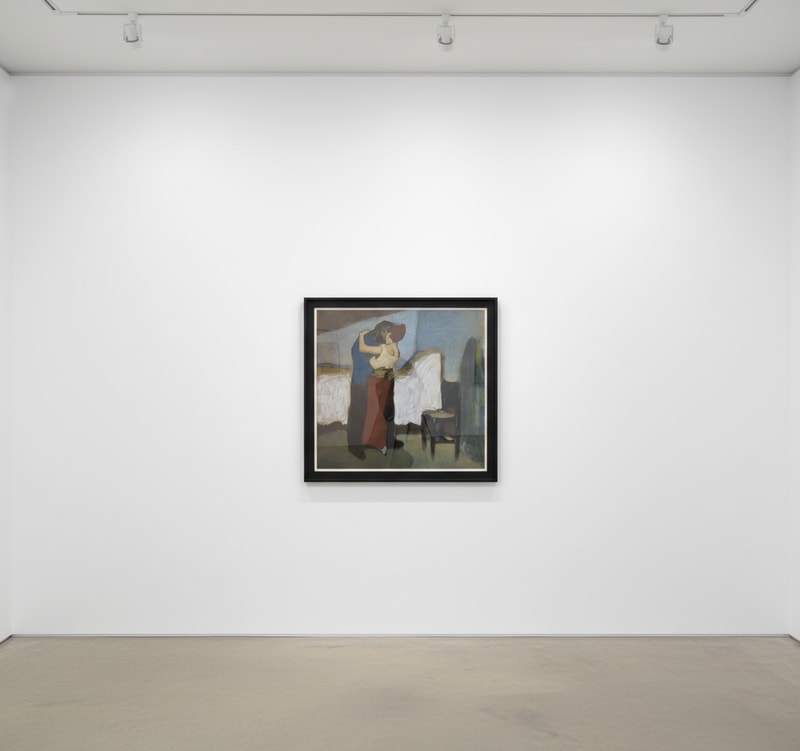
24 works available
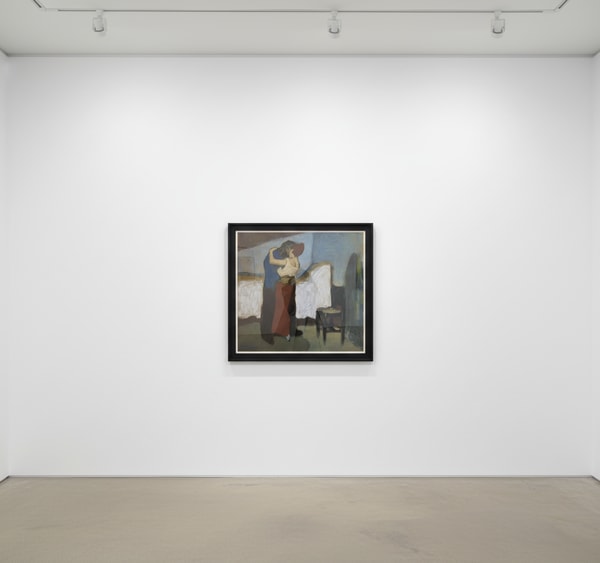
Pablo Picasso
After The Embrace
1901

Pablo Picasso
Buste
1957
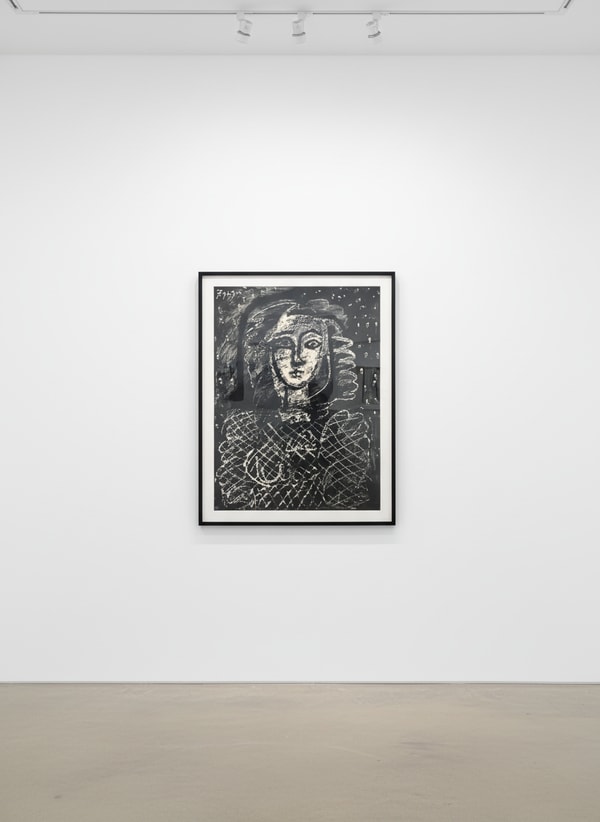
Pablo Picasso
Buste au fond étoilé (Bust with Star Background)
1949
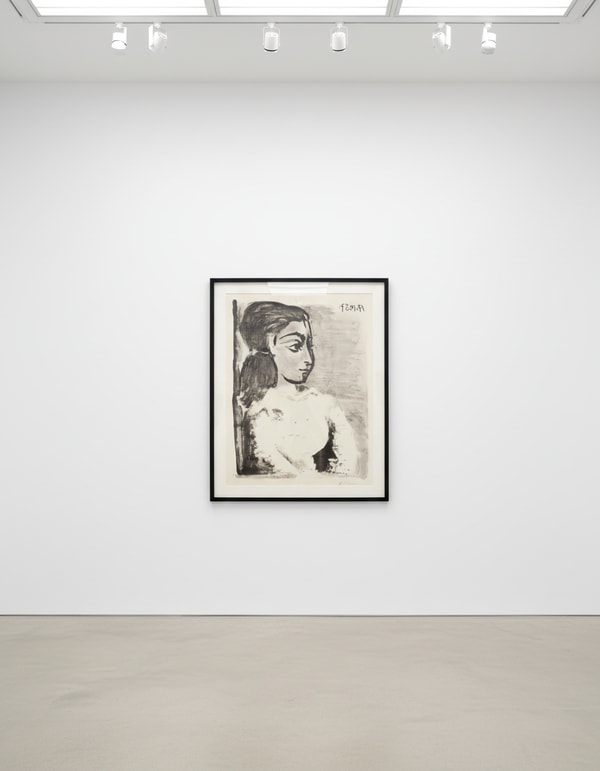
Pablo Picasso
Buste de Femme au Corsage Blanc (Jacqueline de Profil)
1957

Pablo Picasso
Femme à L'Italienne d'après le tableau de Victor Orsel (Bloch 740)
1953
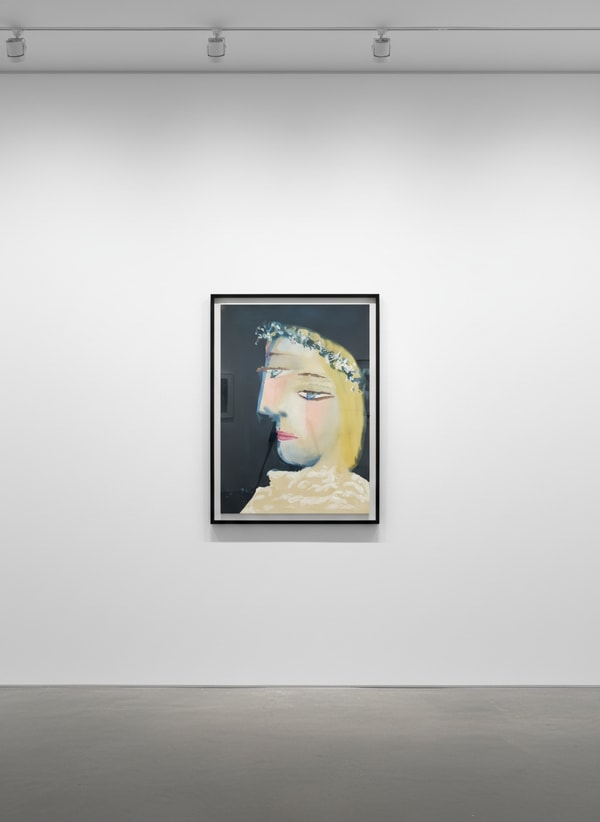
Pablo Picasso
Femme à la Robe
Lithograph on Arches paper Estate signed in pencil with publisher's Blind Stamp, Lower Right
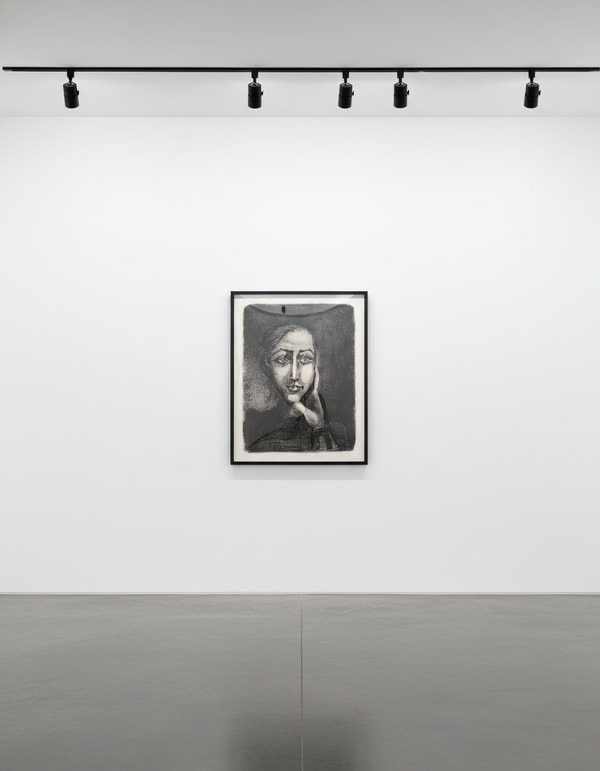
Pablo Picasso
Françoise Sur Fond Gris
1950
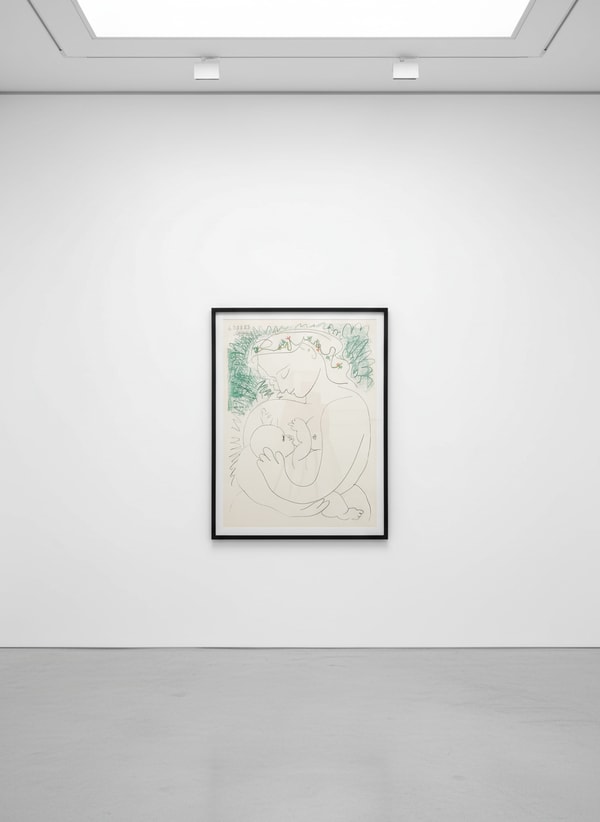
Pablo Picasso
Grand Maternite
1963
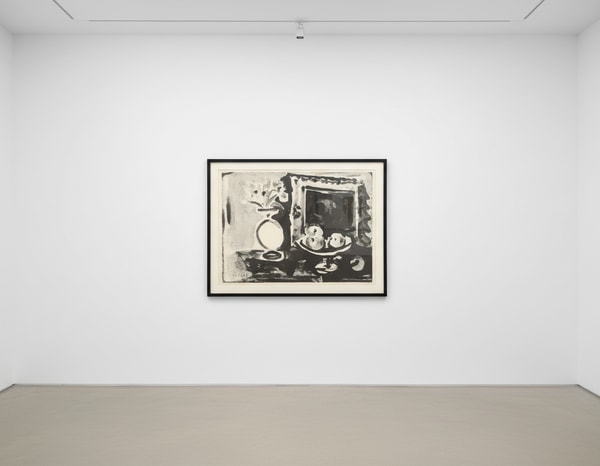
Pablo Picasso
Grand Nature Mort au Compotier
1947

Pablo Picasso
Jacqueline Profile to the Right
1958

Pablo Picasso
Jacqueline with Roses
1956

Pablo Picasso
Jeu De La Cape (Bloch 1015)
1961
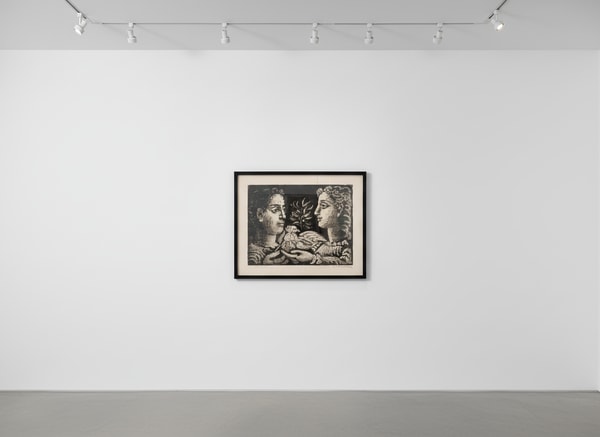
Pablo Picasso
Jeunesse
1950
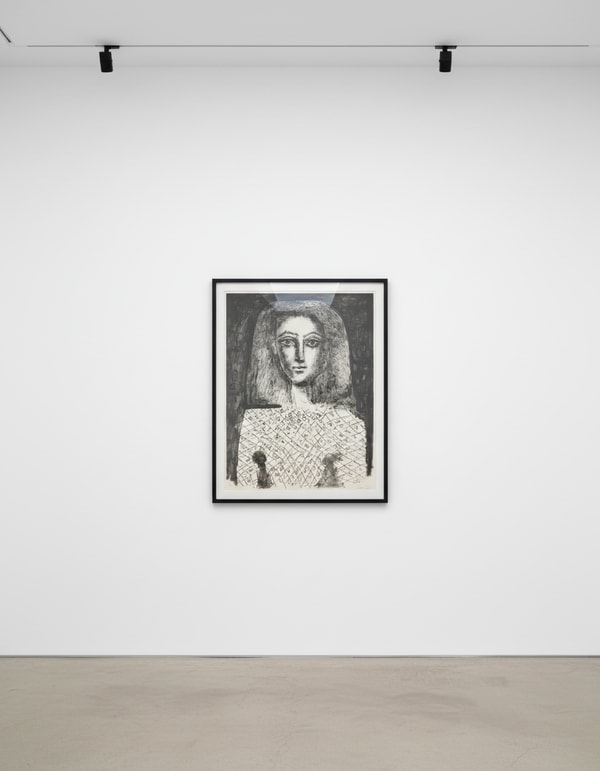
Pablo Picasso
Le Corsage à Carreaux
1949
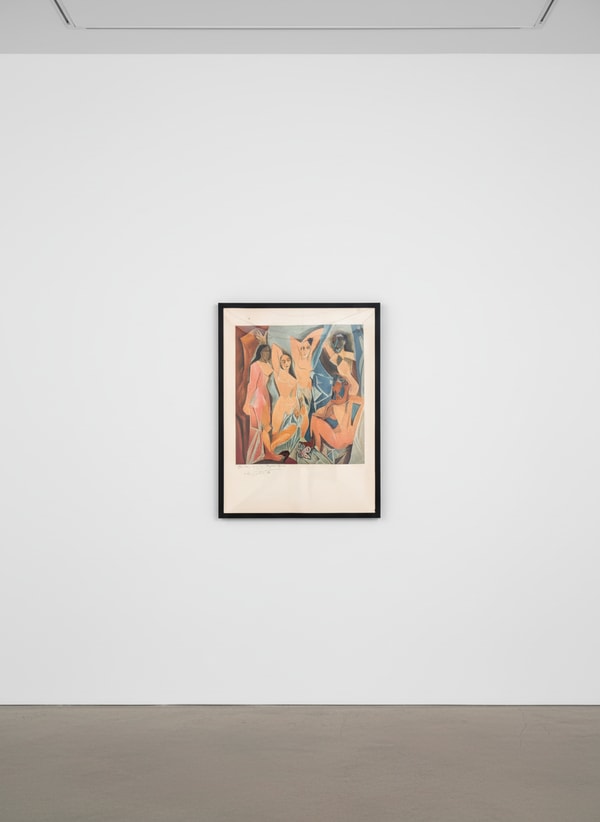
Pablo Picasso
Les Demoiselles d'Avignon
1953
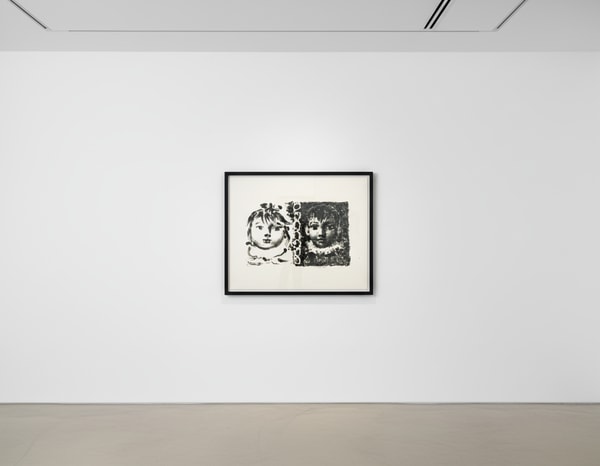
Pablo Picasso
Paloma et Claude
1950
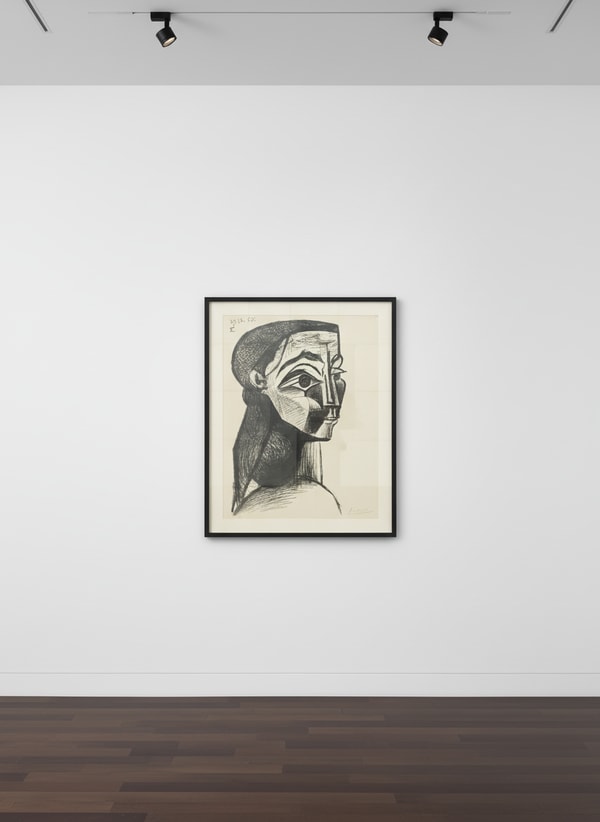
Pablo Picasso
Portrait de Femme II
1955
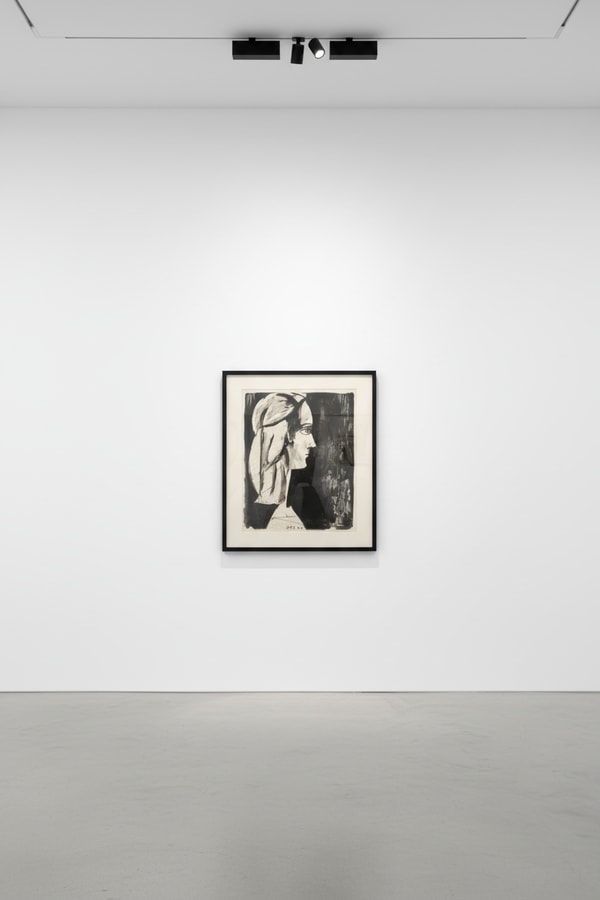
Pablo Picasso
Profil au fond noir
1947
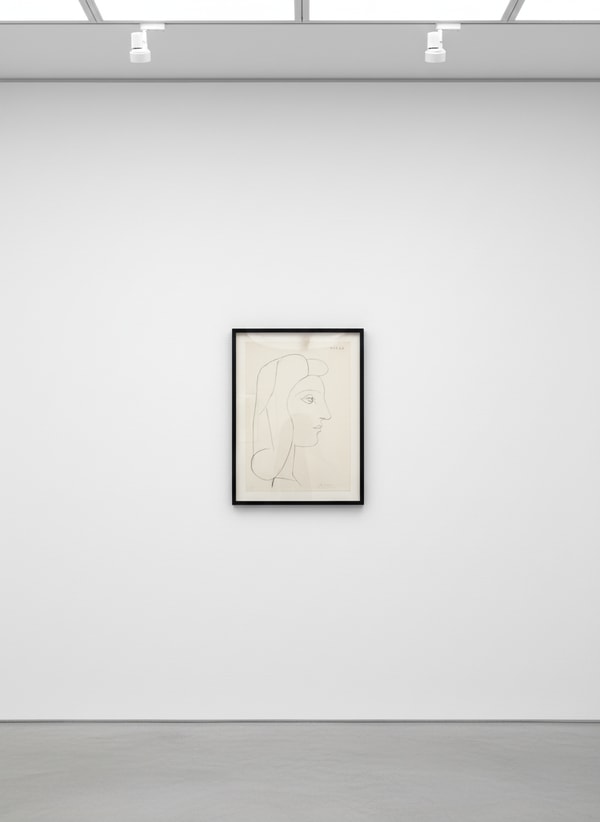
Pablo Picasso
Profil de Femme
Lithograph Signed by in pecil lower right Printed by Mourlot Bloch 436

Pablo Picasso
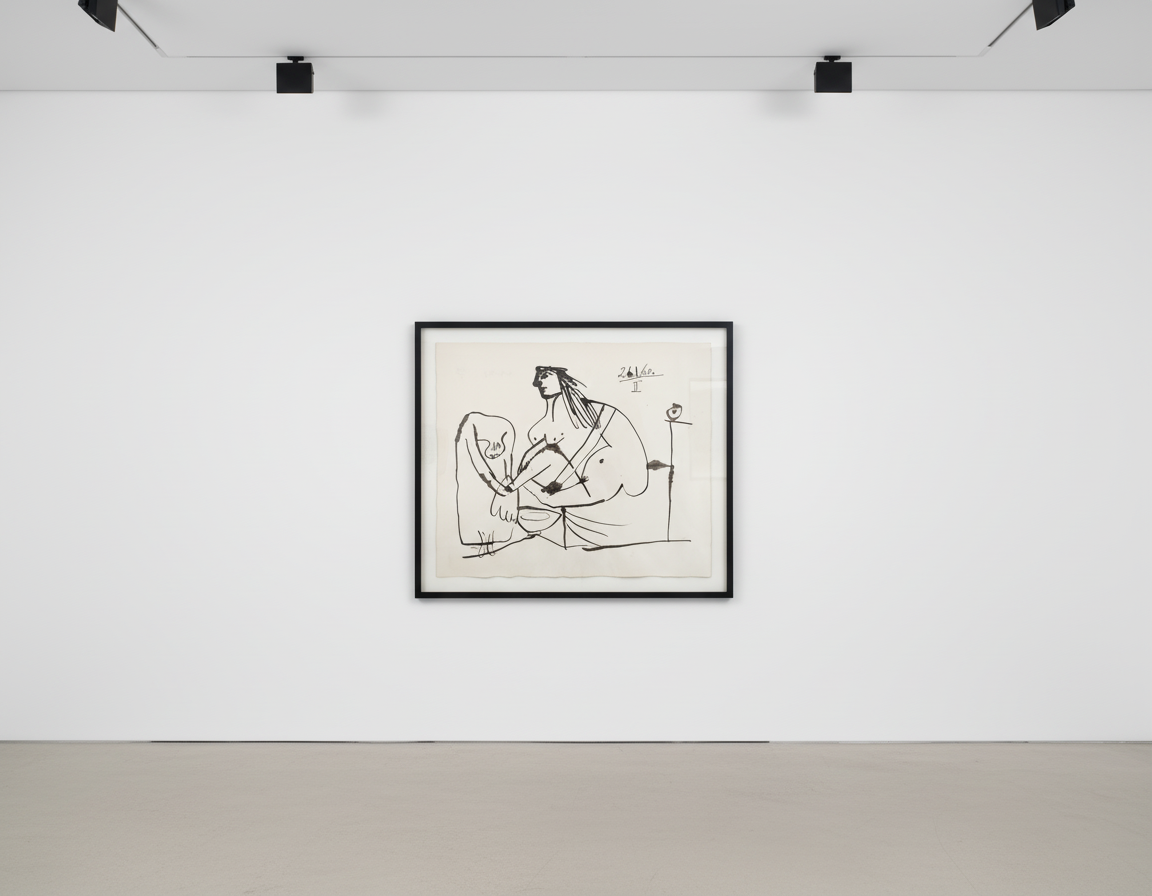
Reclining Man and Crouching Woman | Homme couché et femme accroupie
1956
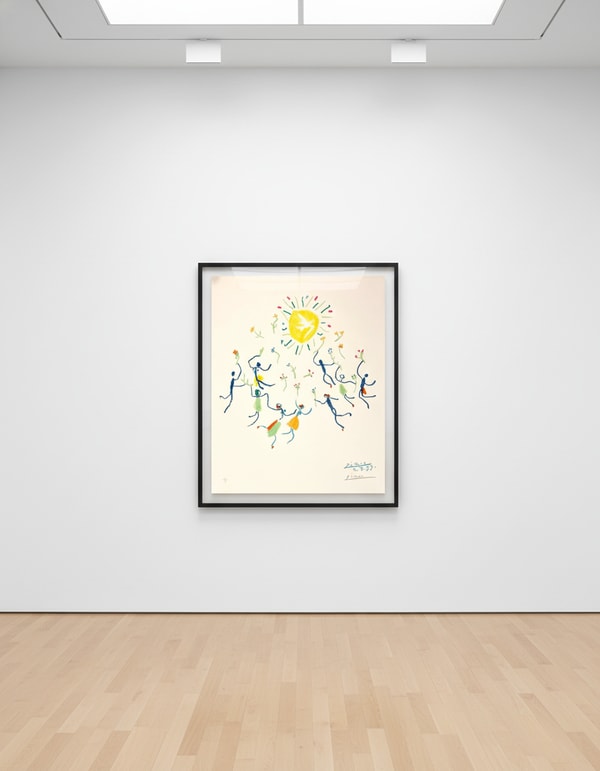
Pablo Picasso
Ronde de la Jeunesse
1961
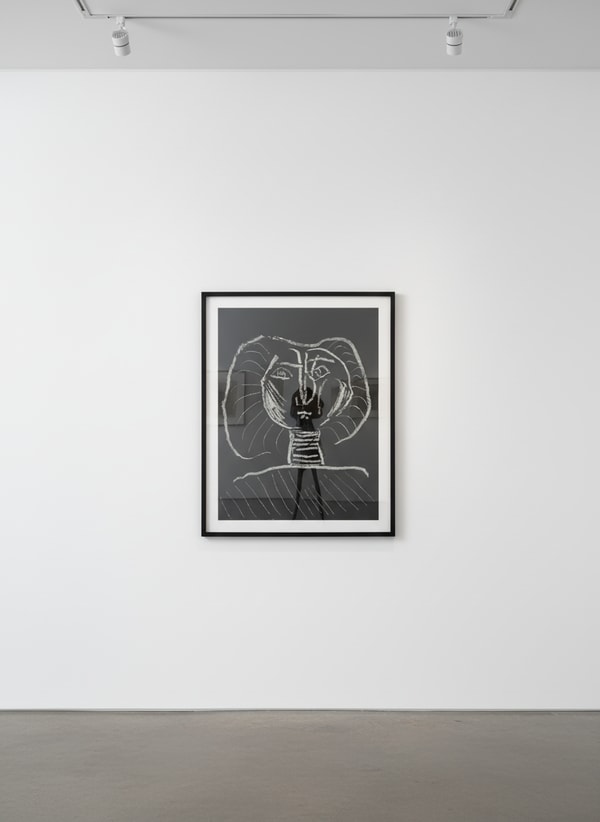
Pablo Picasso
Tete De Femme Fond Noir
1946
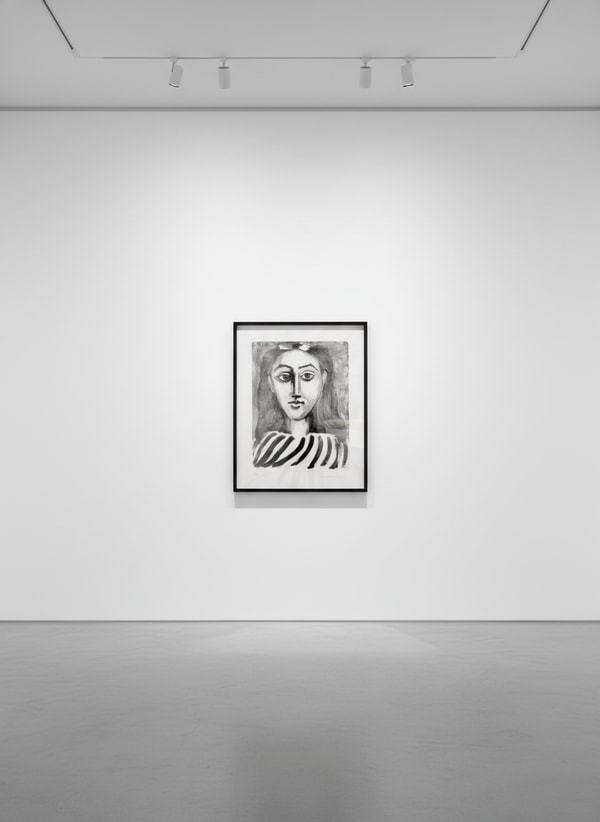
Pablo Picasso
Tête de Jeune Fille – Portrait de Françoise
1949
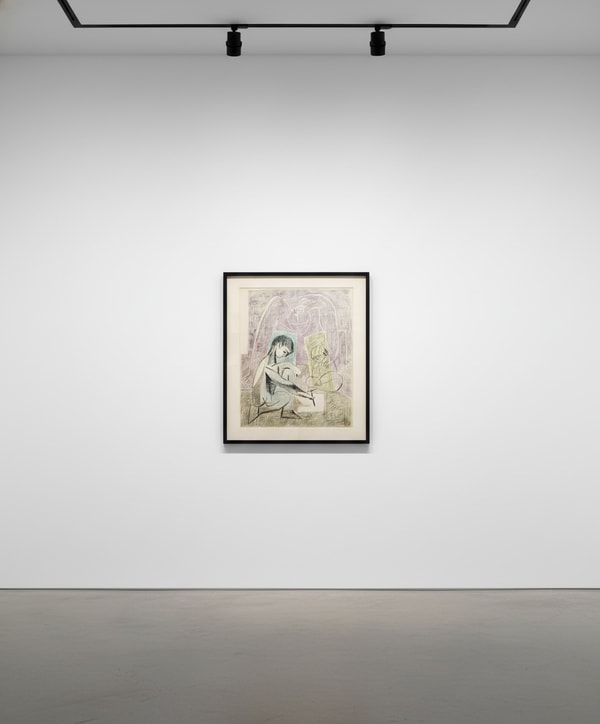
Pablo Picasso
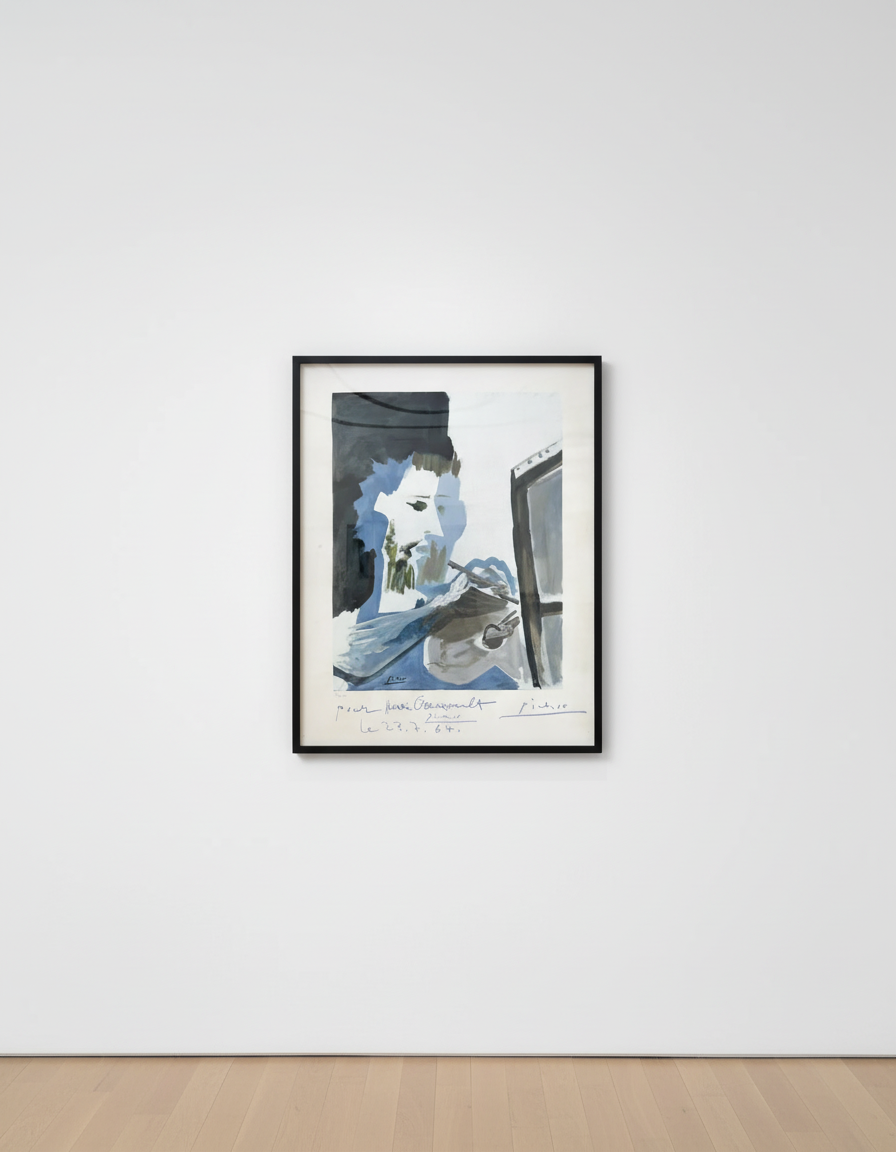
The Little Artist (Draughtsman) | Le petit dessinateur
1954
Five Facts About Pablo Picasso Lithograph
Picasso chose the Mourlot print studio in Paris to relaunch his printmaking career in 1945, working there for extended stretches over the following two decades.
Between 1945 and 1969, Picasso produced nearly 400 lithographs at the Mourlot workshop, sometimes working twelve-hour days for months at a time.
On 9 January 1949, Picasso created his lithograph Dove at Mourlot's studio; the image was subsequently used for the poster of the Paris Peace Congress.
Le Taureau (The Bull), created between December 1945 and January 1946, is a suite of eleven lithographs that progressively reduce a bull image from naturalistic detail to a few abstract lines.
Picasso experimented with lithographic technique at Mourlot, including drawing directly with his fingers instead of a brush or crayon, and using zinc plates as a portable alternative to traditional stone.
Market Data
See real auction history, estimate ranges and price benchmarks for individual Lithograph prints, sourced from Christie's, Sotheby's and other major auction houses.
Frequently Asked Questions
Pablo Picasso Lithograph prints for sale are available at Guy Hepner Gallery, 177 Tenth Avenue, New York. We offer authenticated editions with full provenance documentation sourced from the secondary market and directly from publishers.
Pablo Picasso Lithograph works — 24 available — are typically produced as limited editions, individually signed and numbered by the artist. Contact Guy Hepner Gallery for edition details on specific works.
Pricing for Pablo Picasso Lithograph prints varies by edition size, date, and condition. Contact Guy Hepner Gallery for current market pricing and availability.
More Pablo Picasso Series
View all Pablo Picasso works →