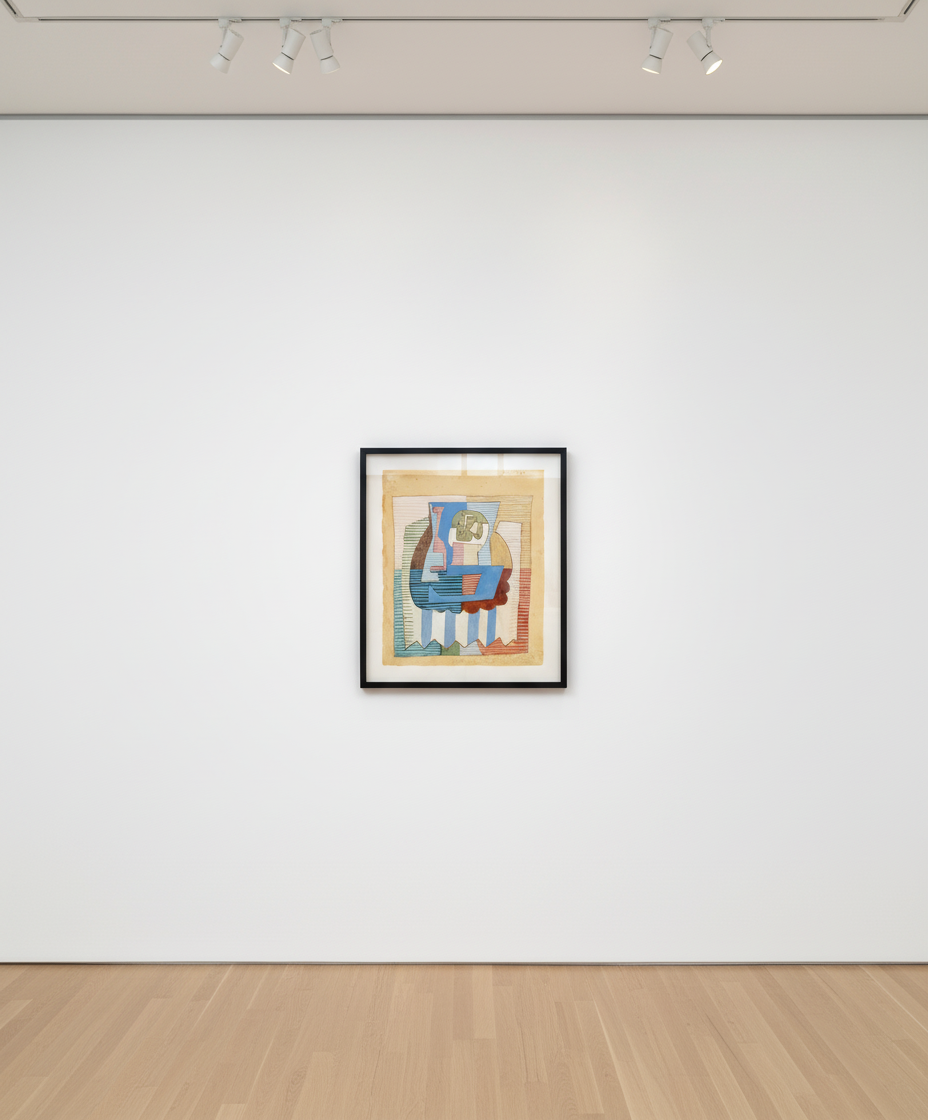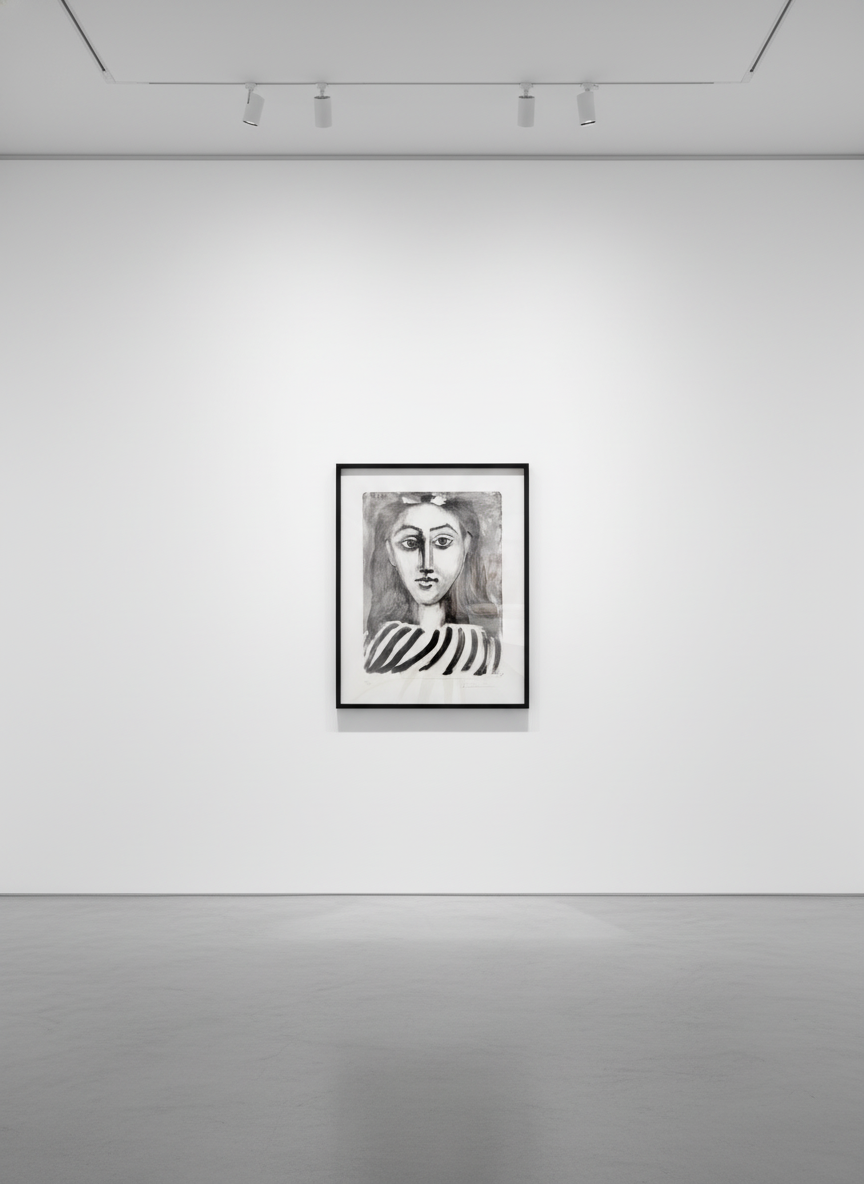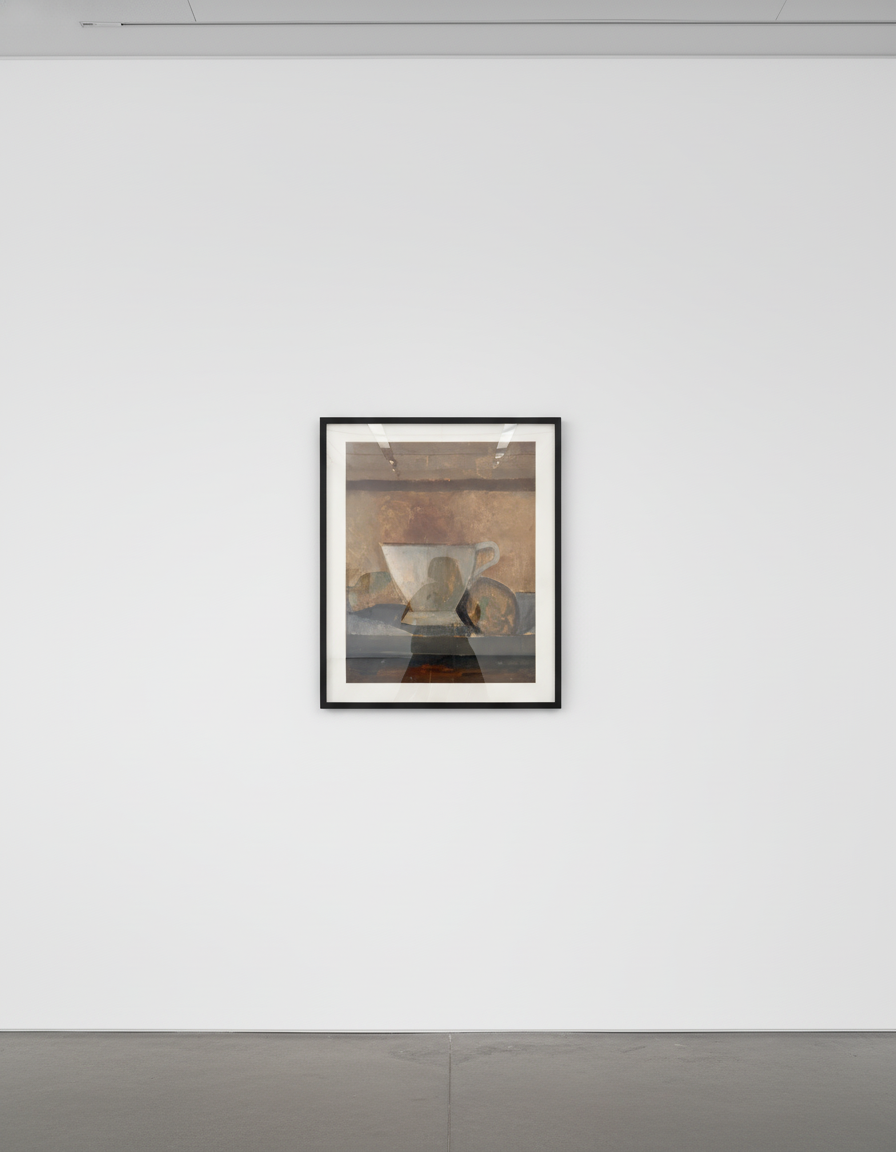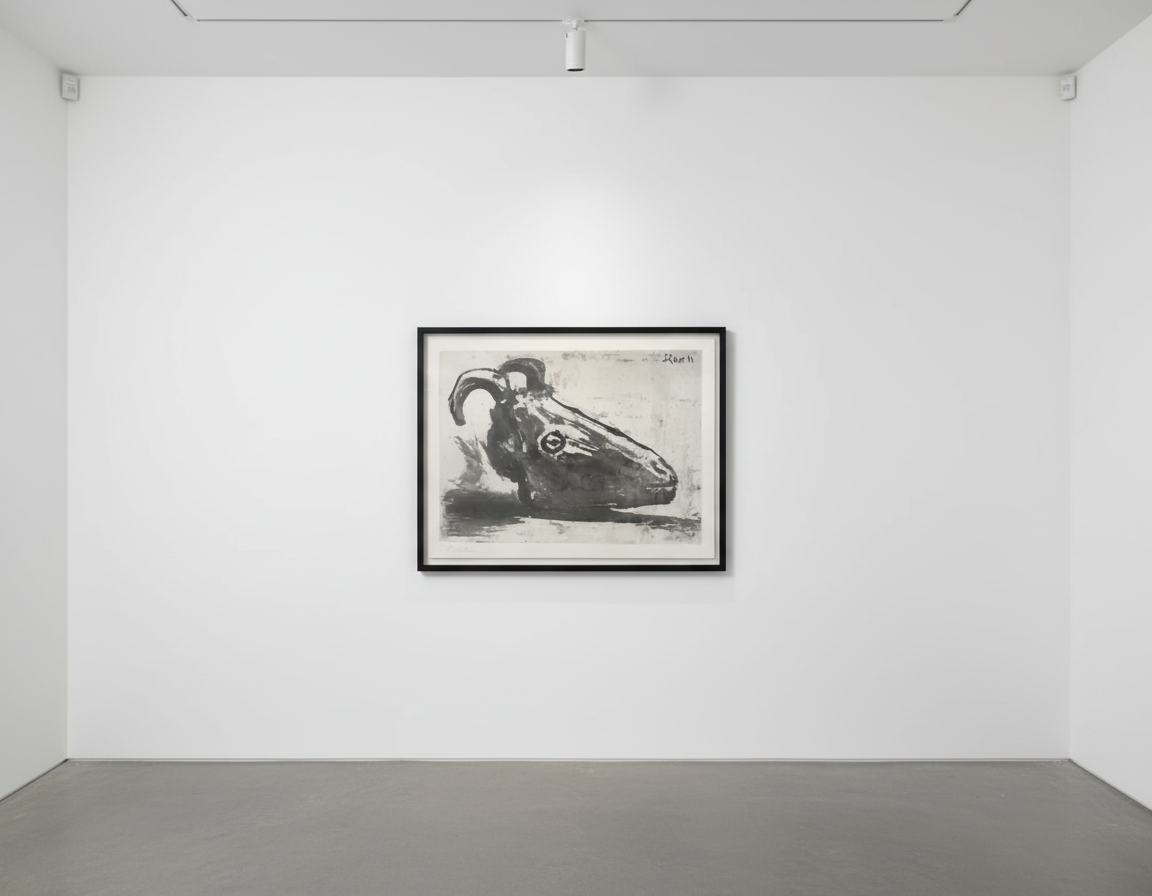
Aquatint
13 works

Guy Hepner New York presents an exceptional collection of Pablo Picasso linocuts, representing the artist's groundbreaking exploration of a medium he transformed between 1958 and 1963.
Picasso's market dominance remains unparalleled in modern art history, establishing the pricing architecture that supports collector confidence across all Picasso mediums, including his technically innovative linocut editions.
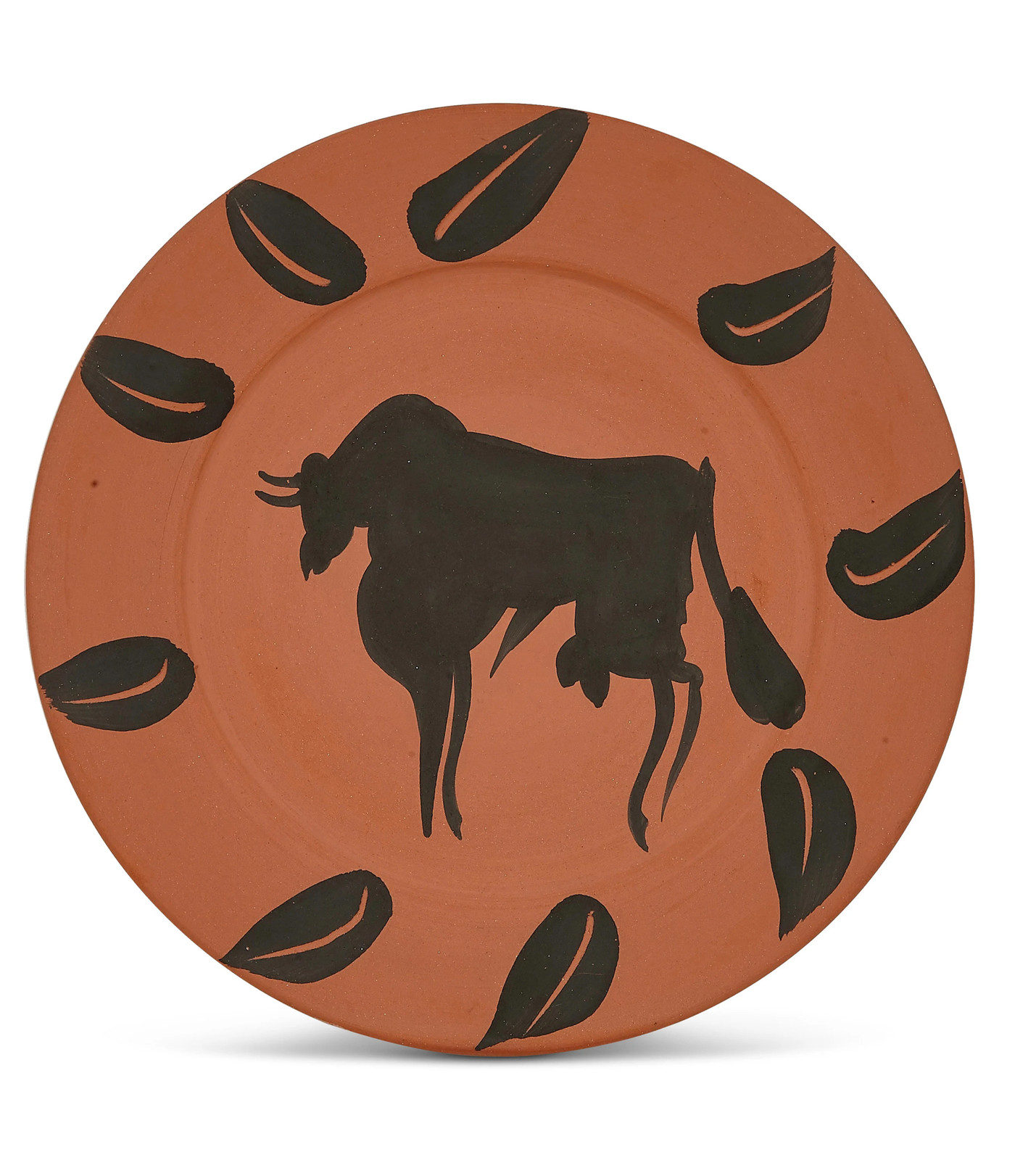
Pablo Picasso's engagement with linoleum cut printing emerged during his residence in Vallauris, the same southern French region where he revolutionized ceramic production at the Madoura pottery from 1947 to 1971, creating approximately 3,500 ceramic pieces documented in the scholarly record. Born in Málaga in 1881 and working until his death in 1973, Picasso approached the linocut medium with characteristic innovation, transforming what had been considered a craft technique into a vehicle for serious artistic expression.
The linocut series represents a concentrated period of technical experimentation spanning 1958 to 1963, during which Picasso developed the reduction printing method that would influence generations of printmakers. Rather than carving separate blocks for each color—the traditional approach—Picasso progressively cut away portions of a single linoleum block, printing each color stage before removing additional material. This technique demanded absolute precision, as each cutting decision was irreversible and the printing sequence predetermined.
The Zervos catalogue raisonné, comprising 33 volumes of scholarly documentation, establishes the academic foundation for Picasso authentication, while the Bloch catalogue specifically addresses his print oeuvre with systematic rigor essential for market verification.
Picasso's linocuts on Arches paper represent the intersection of industrial materials and fine art sensibility. Arches wove paper, manufactured in France since the 15th century, provided the archival substrate necessary for museum-quality permanence. The paper's consistent texture and exceptional receptivity to oil-based printing inks allowed Picasso to achieve the saturated color fields and precise linear definition characteristic of his strongest linocut impressions.
The reduction method Picasso championed created inherent edition limitations. Each successive color printing destroyed the previous state, meaning proof impressions from early states possess particular rarity within the market. Hand-signed and inscribed examples carry additional documentation value, establishing direct provenance connection to Picasso's studio practice.
Color linocuts demanded sophisticated registration systems to ensure precise alignment across multiple printing passes. Picasso's mastery of this technical challenge enabled him to create works of remarkable chromatic complexity while maintaining the bold graphic clarity that distinguishes his strongest print compositions.
Bacchanale au Taureau Noir (Bloch 935), 1959 — This color linocut synthesizes Picasso's lifelong fascination with mythological subjects and Spanish bullfighting traditions. The Bloch catalogue number provides definitive scholarly reference essential for institutional acquisition consideration.
La Pique en Rouge et Jaune (The Bullfight in Red and Yellow), 1959 — Executed in Picasso's characteristic palette of Spanish ceremonial colors, this work demonstrates his ability to translate the kinetic drama of the corrida into the graphic medium's demands for compositional economy.
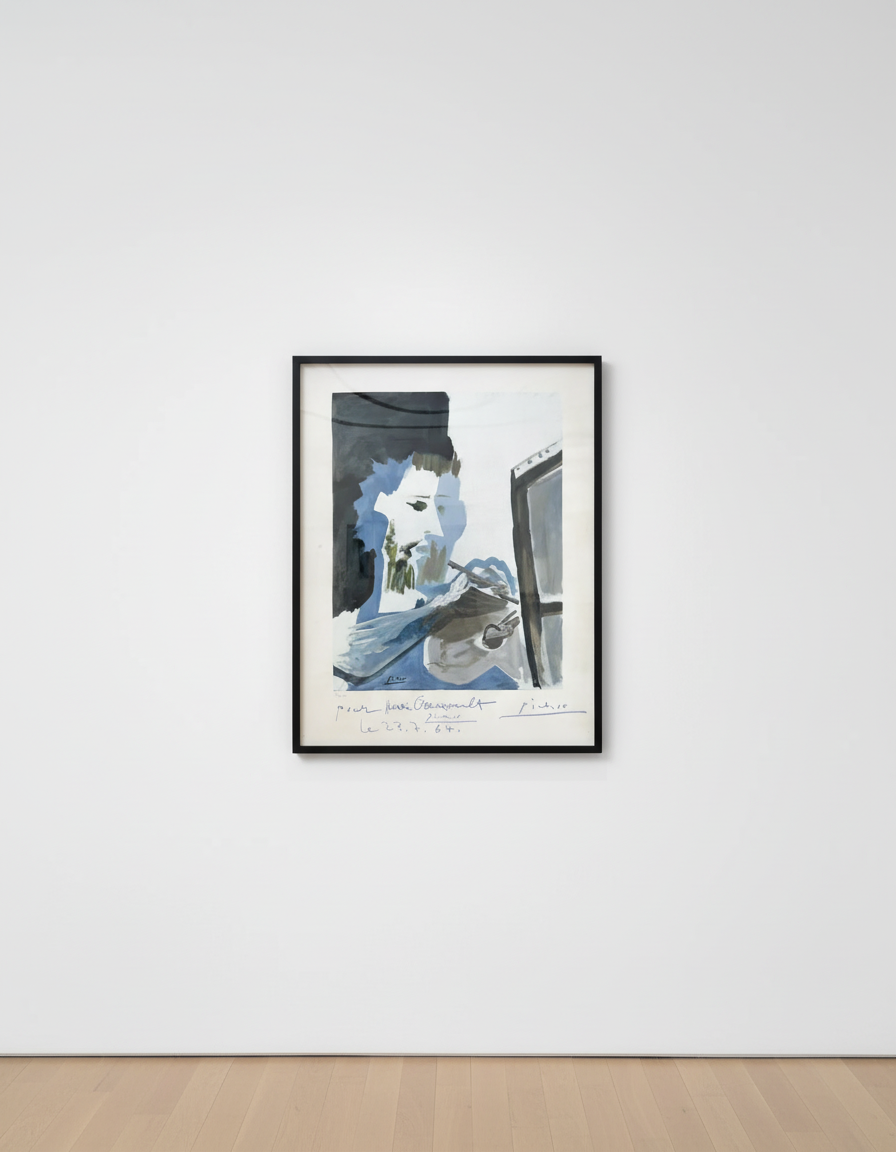
Jacqueline au chapeau à Fleurs I, 1962 — Picasso's final wife Jacqueline Roque appears throughout his late linocut production, her distinctive profile becoming an iconic motif of his final creative decades.
Portrait de Jacqueline en Carmen (L'Espagnole), 1962 — This three-color linocut on Arches paper merges portraiture with theatrical reference, connecting Jacqueline's image to the operatic tradition Picasso engaged throughout his career.
Faune et Chèvre, 1959 — Classical mythology pervades this composition, linking Picasso's linocut production to the Mediterranean iconographic traditions he explored in his Vallauris ceramics.
Boy with a Crown of Leaves (Jeune homme couronné de feuillage), 1959 — Hand-signed and inscribed examples of this classical subject demonstrate Picasso's continued dialogue with Greco-Roman visual traditions.
Pablo Picasso produced an extraordinarily large body of prints across his career, working continuously in etching, aquatint, linocut, lithography, and drawing alongside his painting and sculpture. His print output — spanning from his early Blue Period through his final decades of prolific late work — represents one of the most sustained and technically varied printmaking practices of any twentieth-century artist, and remains central to scholarly understanding of his overall development.
Picasso's paintings and prints are held in the permanent collections of virtually every major museum with a modern art department worldwide, and his position as one of the most significant and influential artists of the twentieth century continues to inform critical and market interest across every medium in which he worked, including his extensive print editions.

38 works available

Pablo Picasso
Aubade, with a Woman in an Armchair | L'aubade, avec femme dans un fauteuil
1959
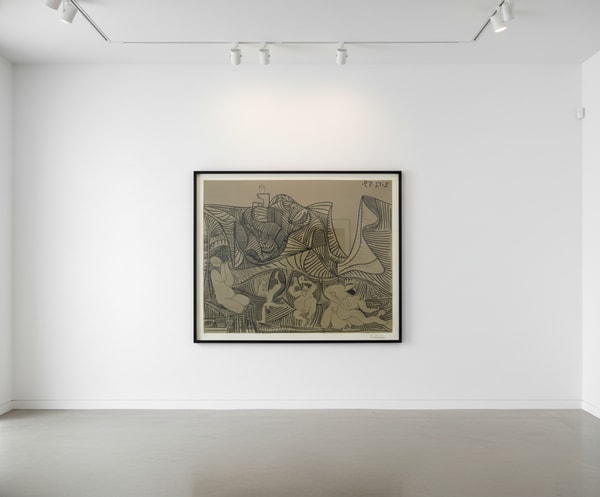
Pablo Picasso
Bacchanale au Hibou (bloch 938)
1959
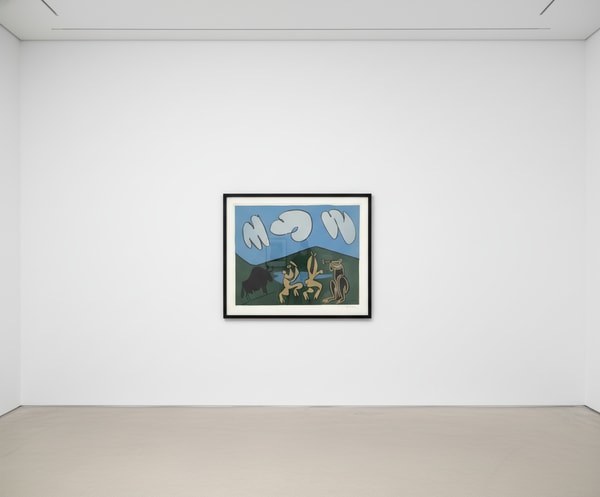
Pablo Picasso
Bacchanale au Taureau Noir (Bloch 935)
1959

Pablo Picasso
Boy with a Crown of Leaves | Jeune homme couronné de feuillage
1959
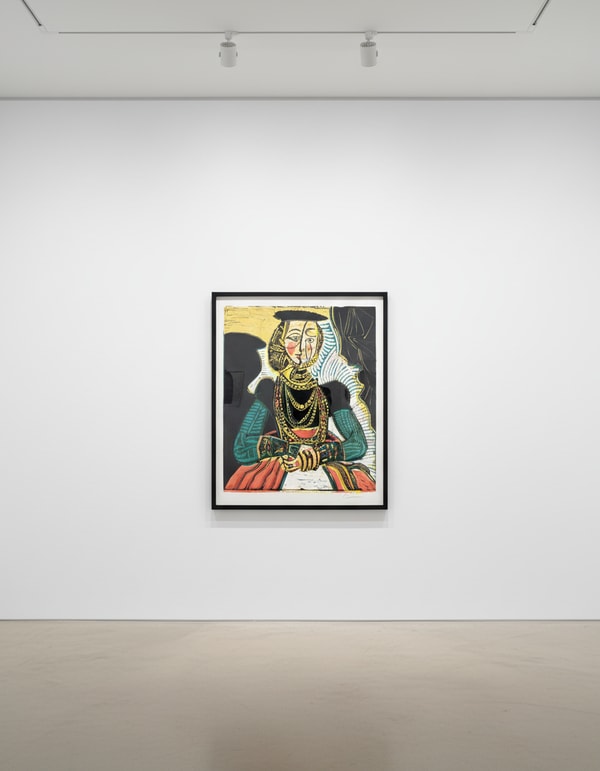
Pablo Picasso
Buste de Femme d'après Cranach le Jeune, (Bloch 859)
1958
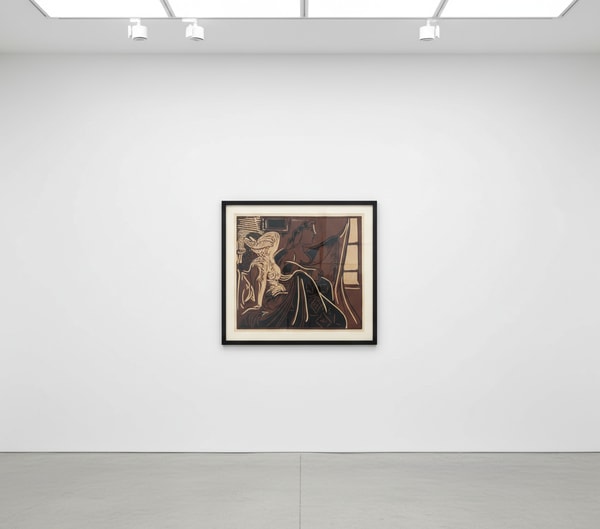
Pablo Picasso
Deux Femmes Prés de la Fenêtre
1959
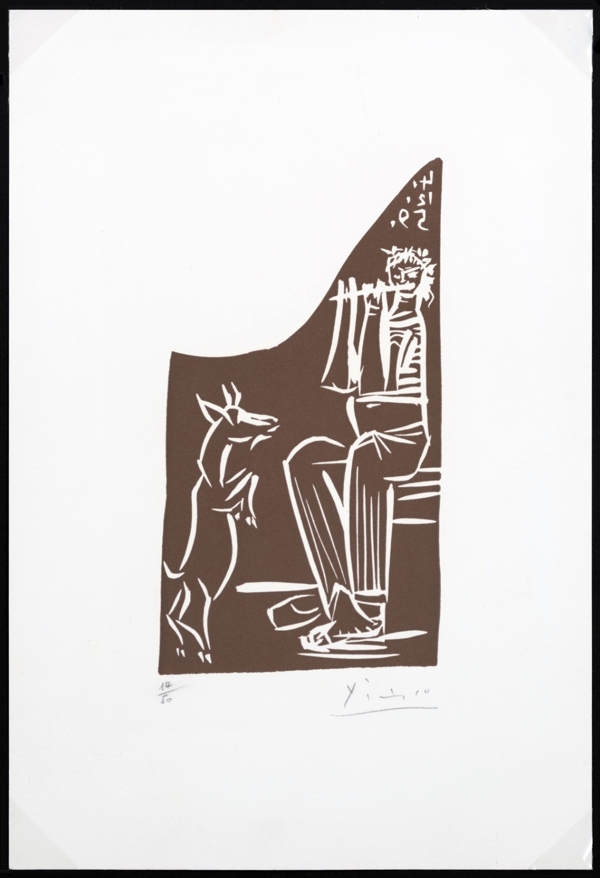
Pablo Picasso
Faune et Chévre
1959
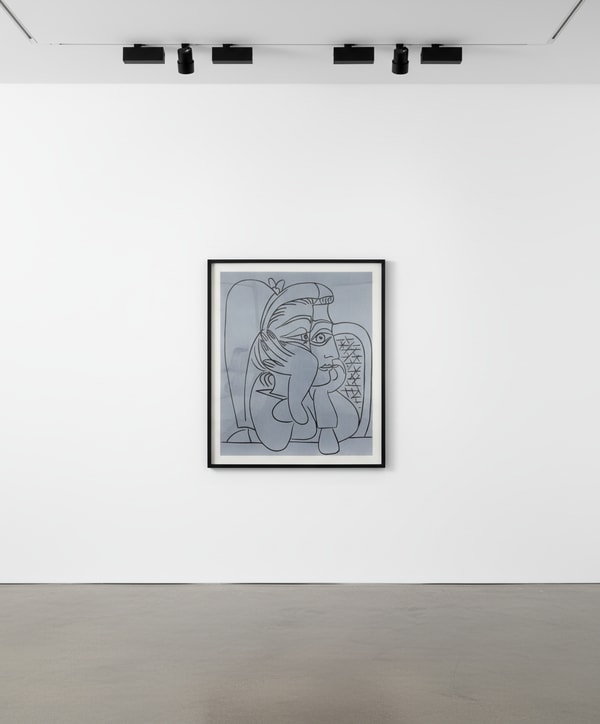
Pablo Picasso
Femme Accoudée (Bloch 922)
1959

Pablo Picasso
Femme au Chapeau (Portrait de Jacqueline au chapeau de paille multicolore).
1962

Pablo Picasso
Femme nue à la source
1963
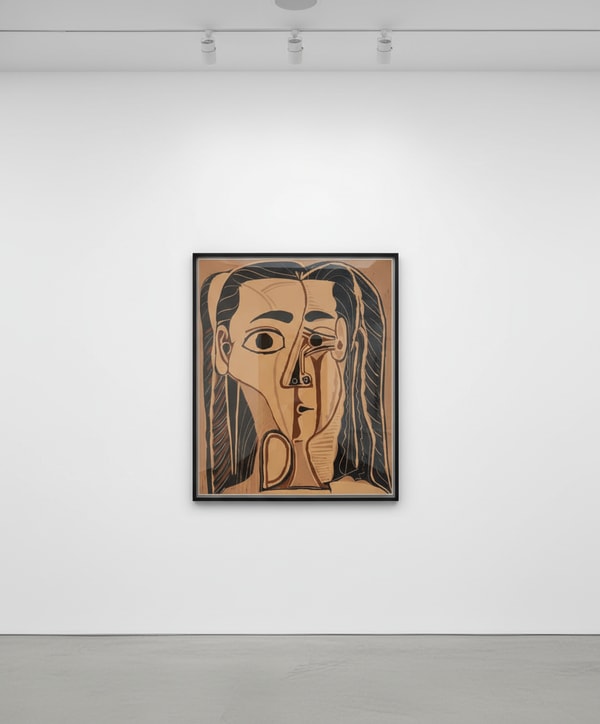
Pablo Picasso
Grande Tete De Femme (Bloch 1069)
1962
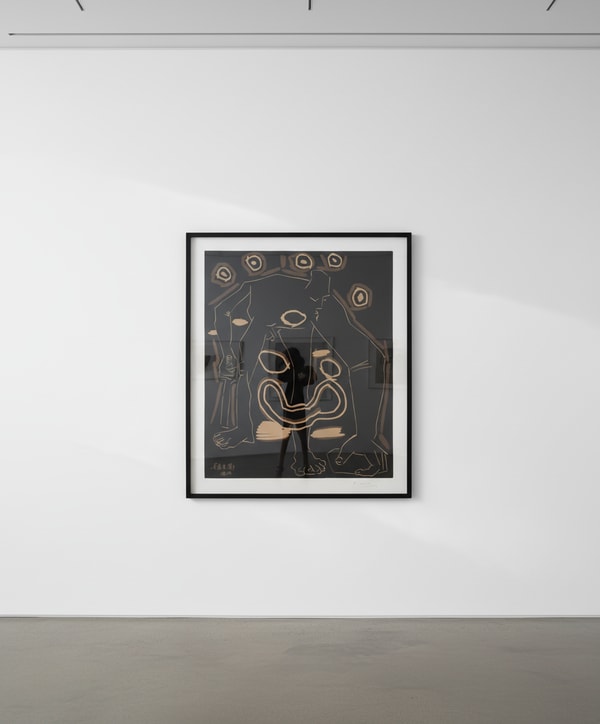
Pablo Picasso
Homme au batôn / Le Vieux bouffon
1963
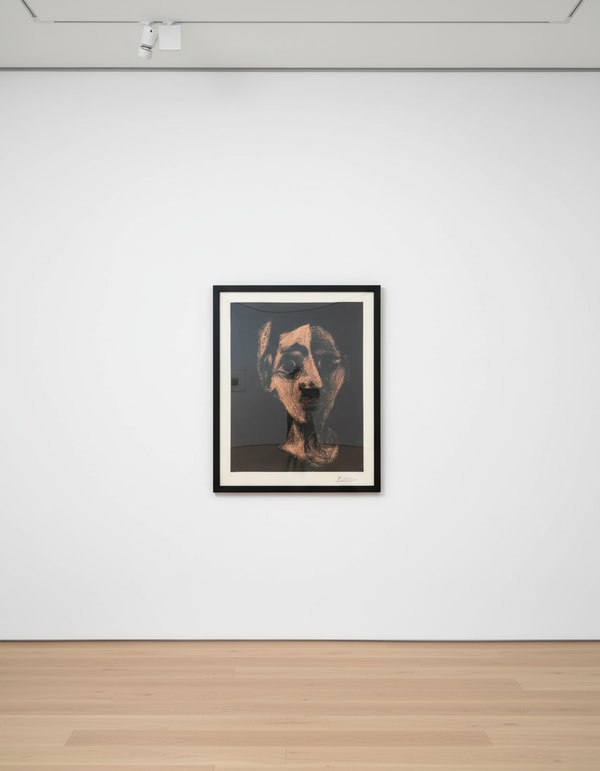
Pablo Picasso
Jacqueline au Bandeau
1962
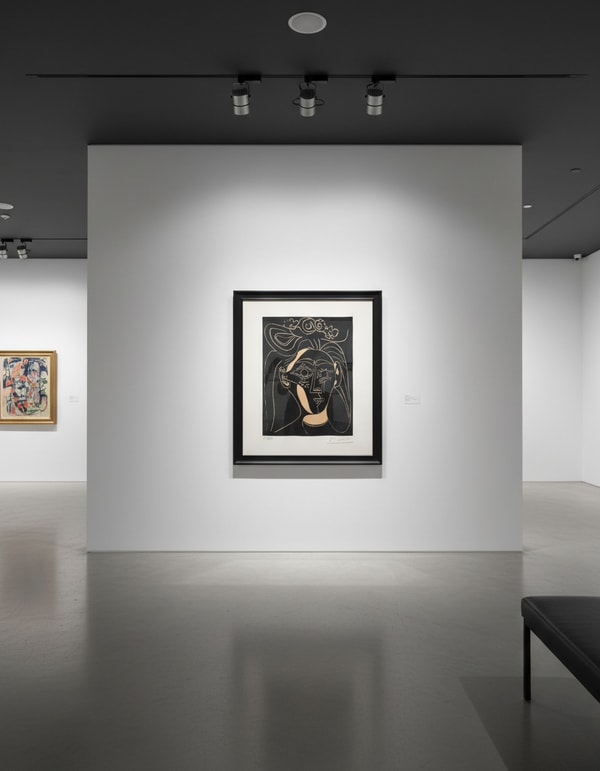
Pablo Picasso
Jacqueline au chapeau à Fleurs. I
1962
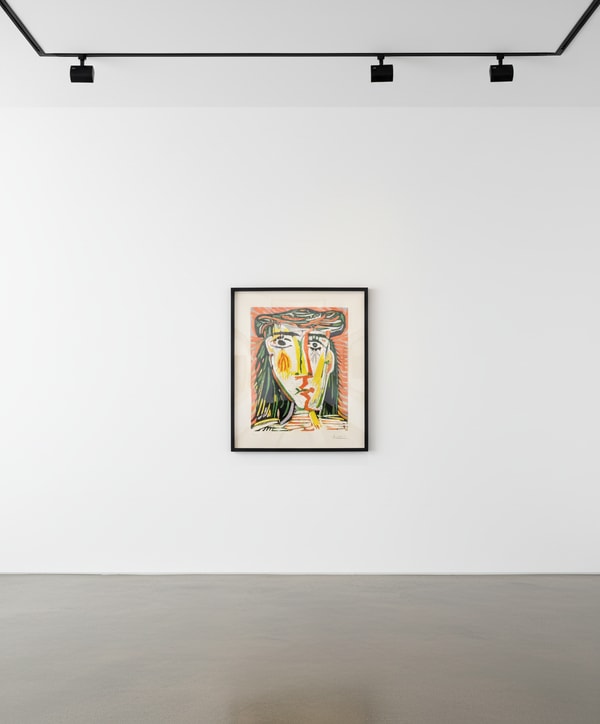
Pablo Picasso
Jacqueline au chapeau de paille
1962
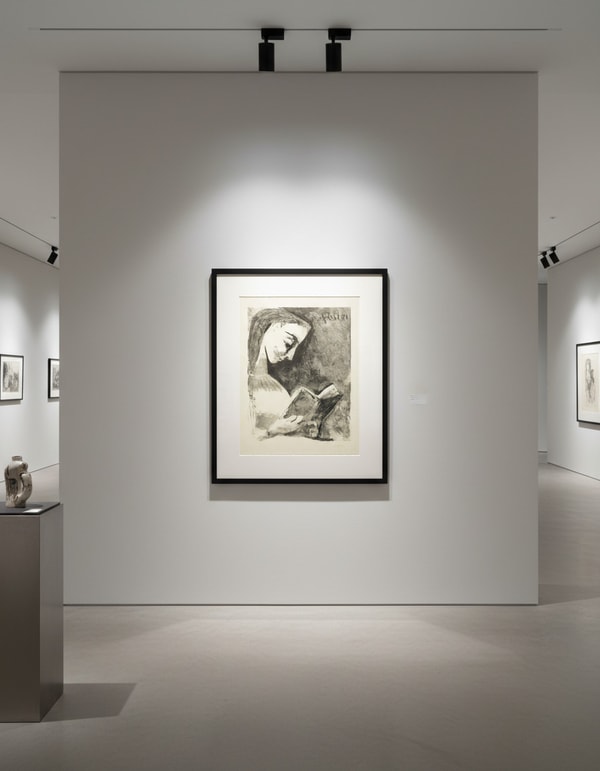
Pablo Picasso
Jacqueline Lisant
1964
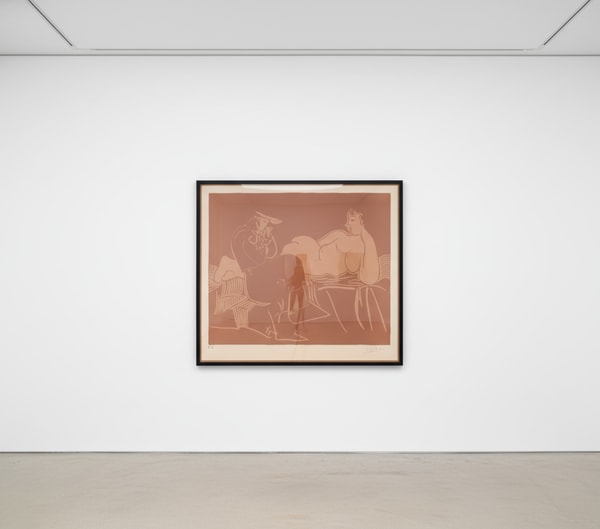
Pablo Picasso
L'Aubade, avec Femme Accoudee
1959

Pablo Picasso
L'Etreinte (Bloch 1150)
1963

Pablo Picasso
La Pique en Rouge et Jaune (The Bullfight in Red and Yellow)
1959

Pablo Picasso
Le Déjeuner sur l'herbe d'aprés Edouard Manet. (The Luncheon on the Grass after Edouard Manet)
1954

Pablo Picasso
Le Vieux bouffon
1963
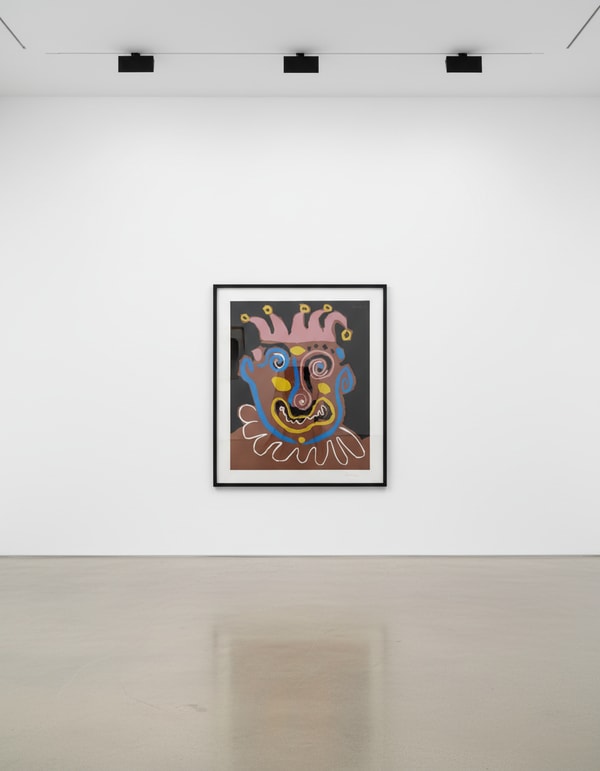
Pablo Picasso
Le Vieux Roi (B. 1152) (The Old King)
1963
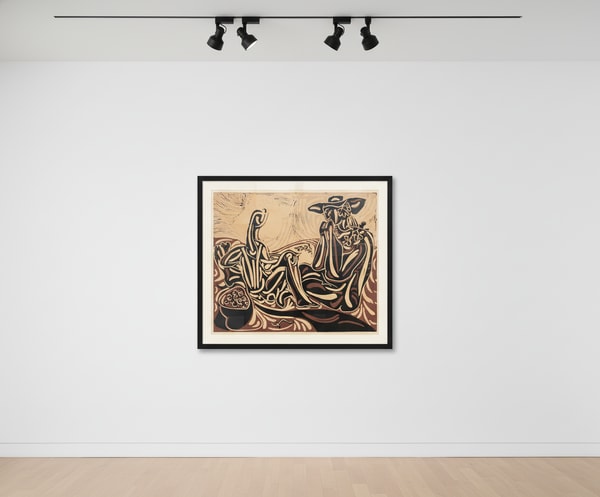
Pablo Picasso
Les vendangeurs
1959
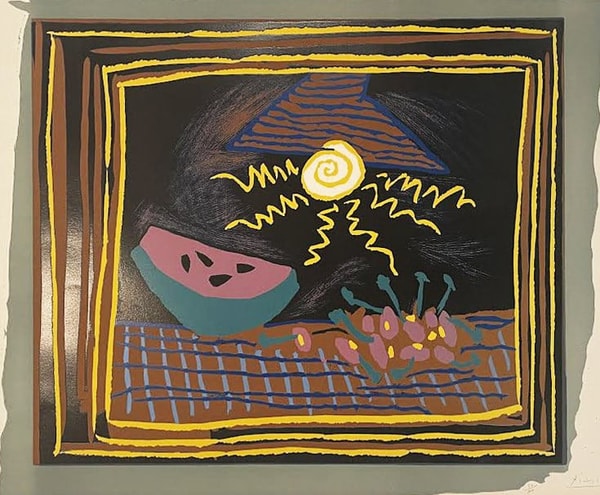
Pablo Picasso
Nature Morte a la Pasteque
1962
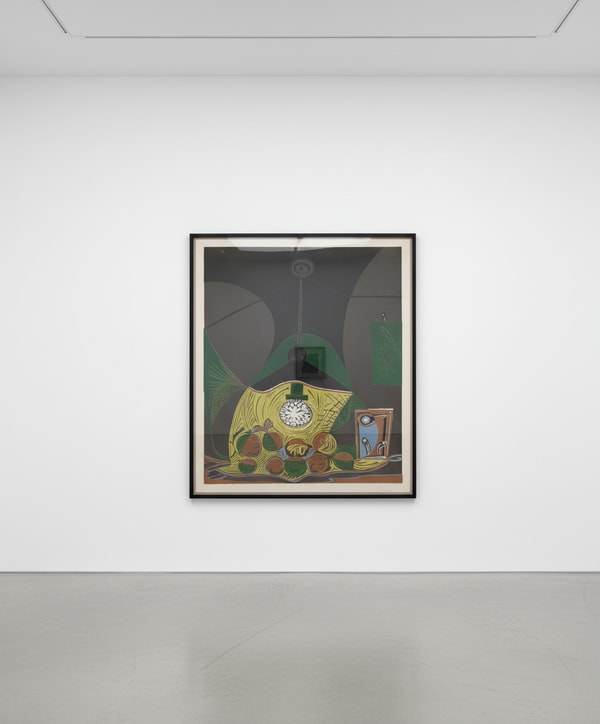
Pablo Picasso
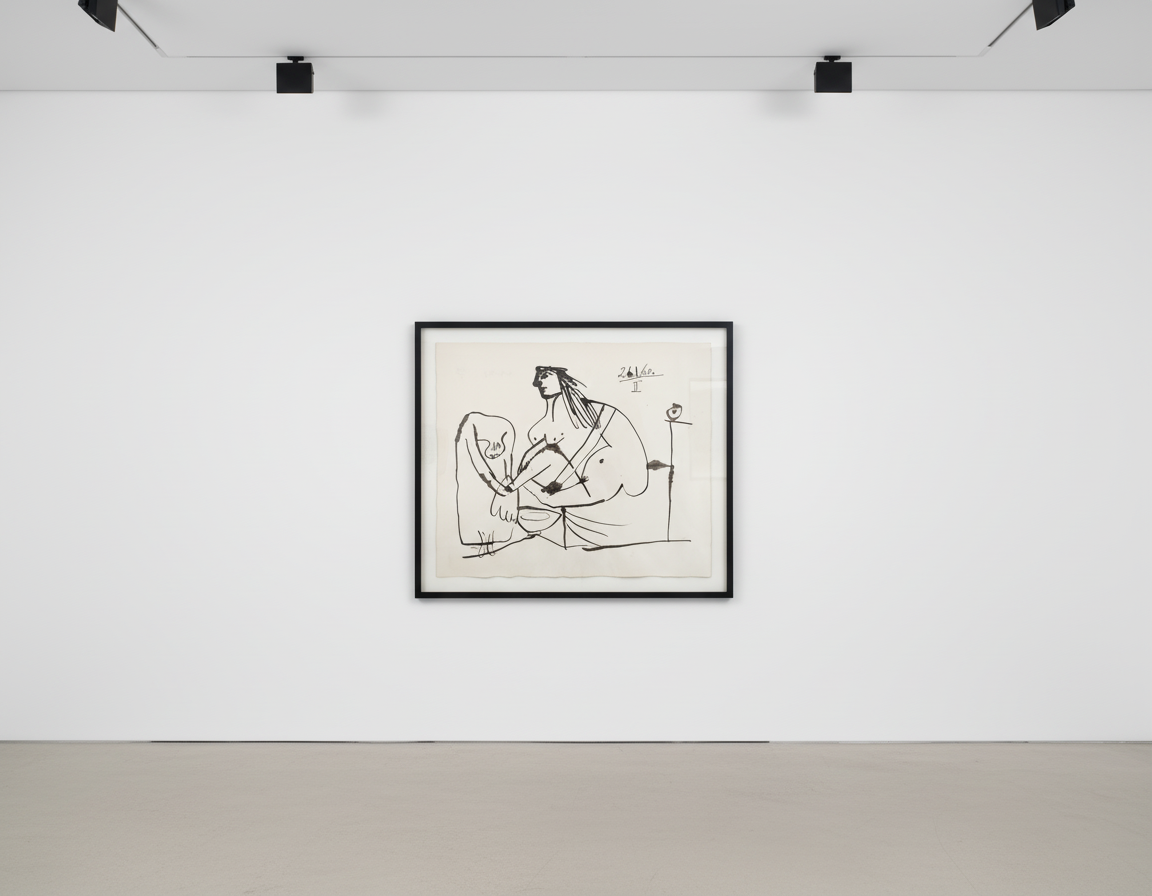
Nature morte à la suspension, 26 mars
1962
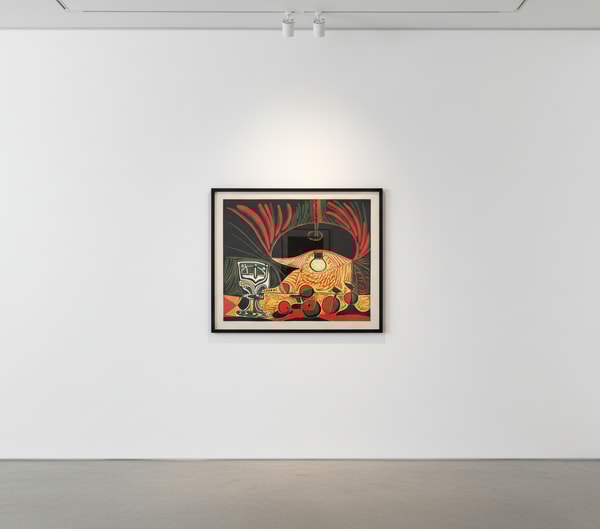
Pablo Picasso
Nature Morte Au Verre Sous La Lampe
1962
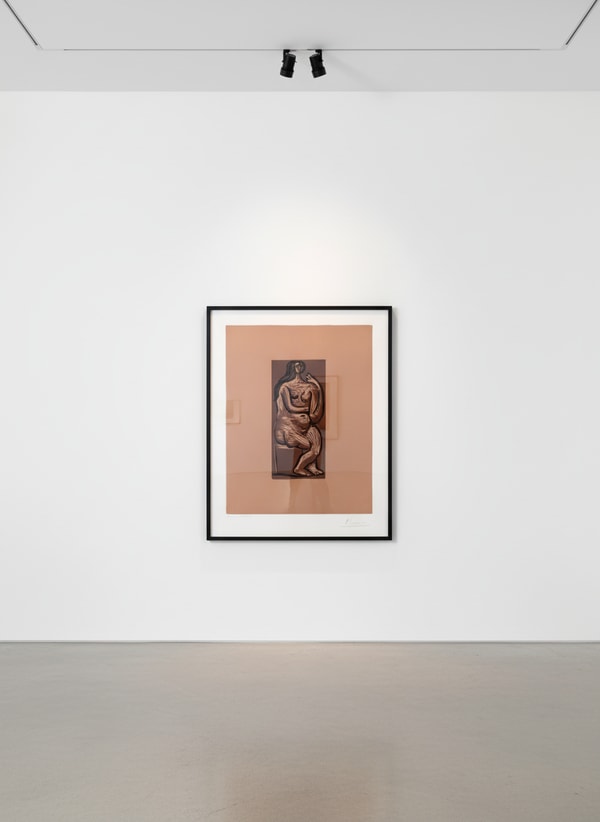
Pablo Picasso
Nu Assis
1962
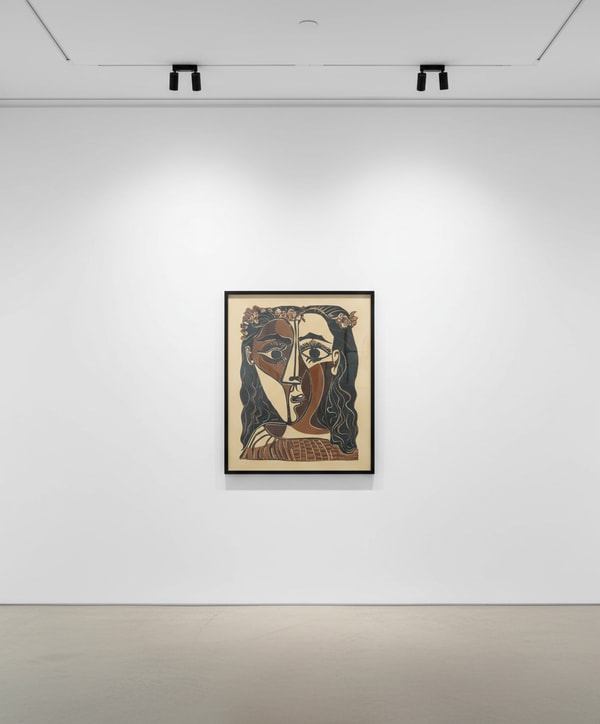
Pablo Picasso
Petite Tête de Femme Couronnée
`962

Pablo Picasso
Portrait de Femme a la Fraise et au Chapeau
1962
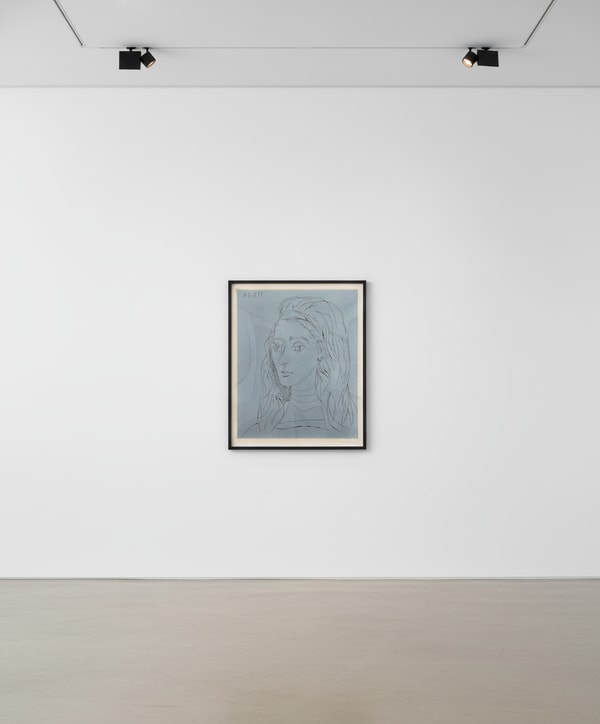
Pablo Picasso
Portrait De Jacqueline (Bloch 923)
1959
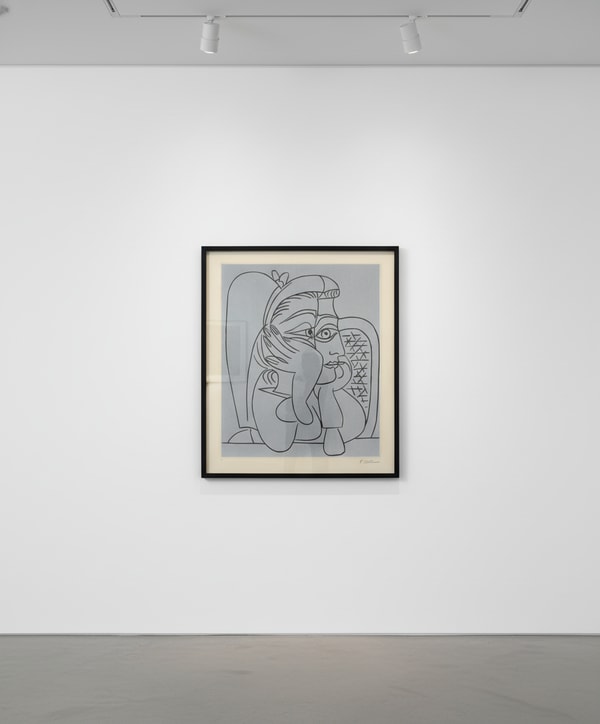
Pablo Picasso
Portrait de Jacqueline Accoudée
1959
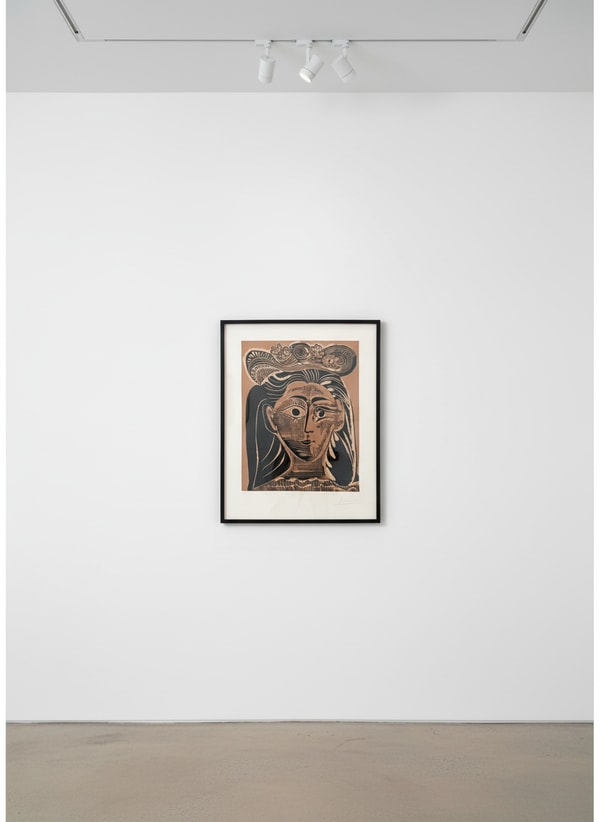
Pablo Picasso
Portrait de Jacqueline Au Chapeau De Paille Fleuri
1962
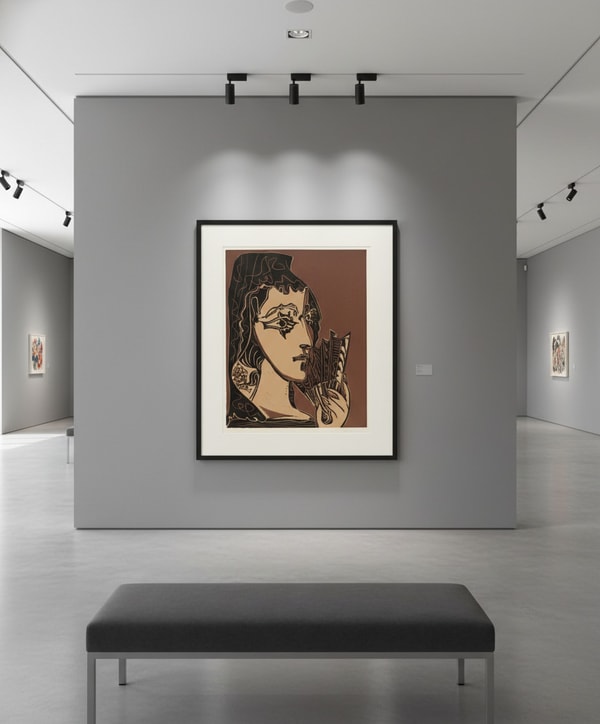
Pablo Picasso
Portrait de Jacqueline en Carmen (L'Espagnole)
1962

Pablo Picasso
Taureau et Picador
1959
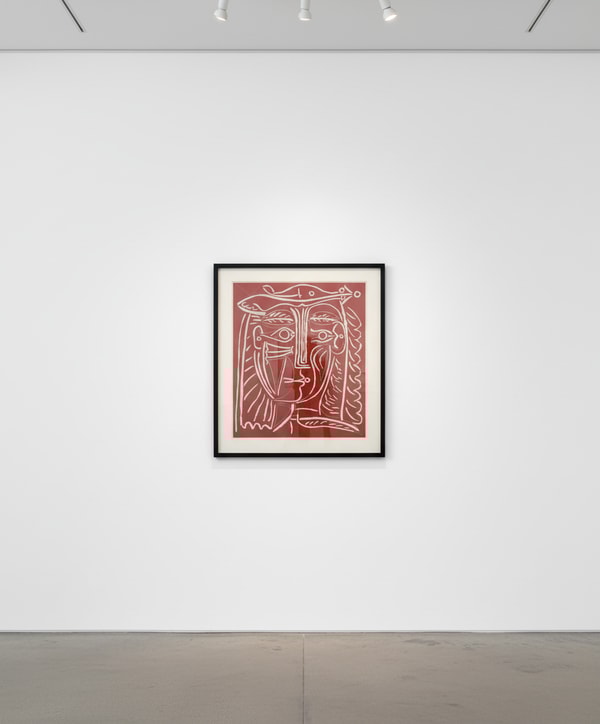
Pablo Picasso
Tête de Femme au Chapeau
1962

Pablo Picasso
Two Women by the Window | Deux femmes près de la fenêtre
1959
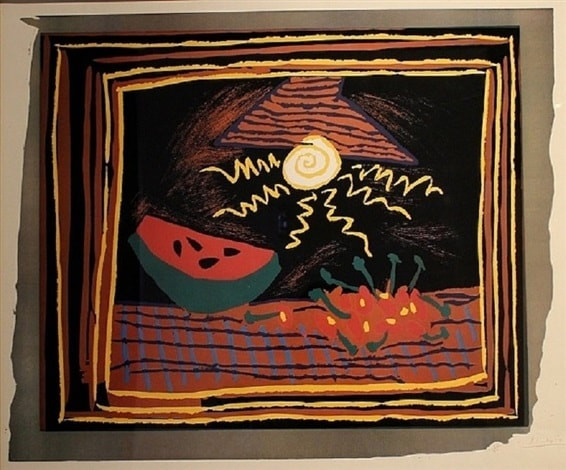
Pablo Picasso
Watermelon Still Life
1962
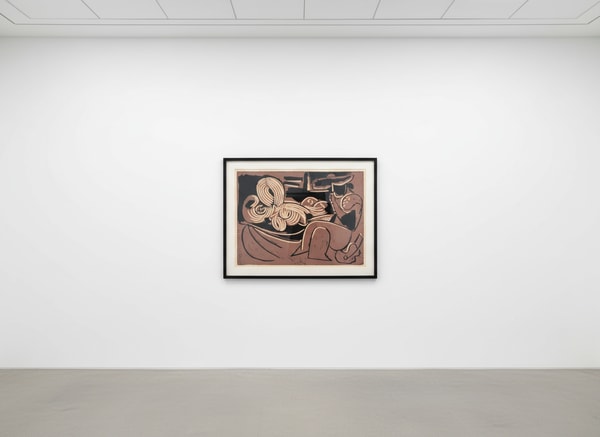
Pablo Picasso
Woman Reclining and Man with a Guitar | Femme couchée et homme à la guitare,
1959
Five Facts About Pablo Picasso Linocut
Picasso began making linocuts in Vallauris in the 1950s, after local printer Hidalgo Arnéra suggested linoleum as an inexpensive alternative for making posters for local bullfight and ceramics-fair announcements.
Working with Arnéra, Picasso developed the reduction linocut technique in the late 1950s, cutting progressively into a single block and printing successive colours from lightest to darkest rather than using a separate block per colour.
Jacqueline with Glossy Hair (Buste de femme, 1962), held by the Harvard Art Museums, is a celebrated example of Picasso and Arnéra's reduction linocut method.
Still Life under the Lamp is another well-documented example of Picasso's reduction linocut process.
Picasso's linocut period followed his move from Paris to the south of France in 1959, after lithography at Mourlot's Paris studio became less practical given the distance.
Market Data
See real auction history, estimate ranges and price benchmarks for individual Linocut prints, sourced from Christie's, Sotheby's and other major auction houses.
Frequently Asked Questions
Pablo Picasso Linocut prints for sale are available at Guy Hepner Gallery, 177 Tenth Avenue, New York. We offer authenticated editions with full provenance documentation sourced from the secondary market and directly from publishers.
Pablo Picasso Linocut works — 38 available — are typically produced as limited editions, individually signed and numbered by the artist. Contact Guy Hepner Gallery for edition details on specific works.
Pricing for Pablo Picasso Linocut prints varies by edition size, date, and condition. Contact Guy Hepner Gallery for current market pricing and availability.
More Pablo Picasso Series
View all Pablo Picasso works →