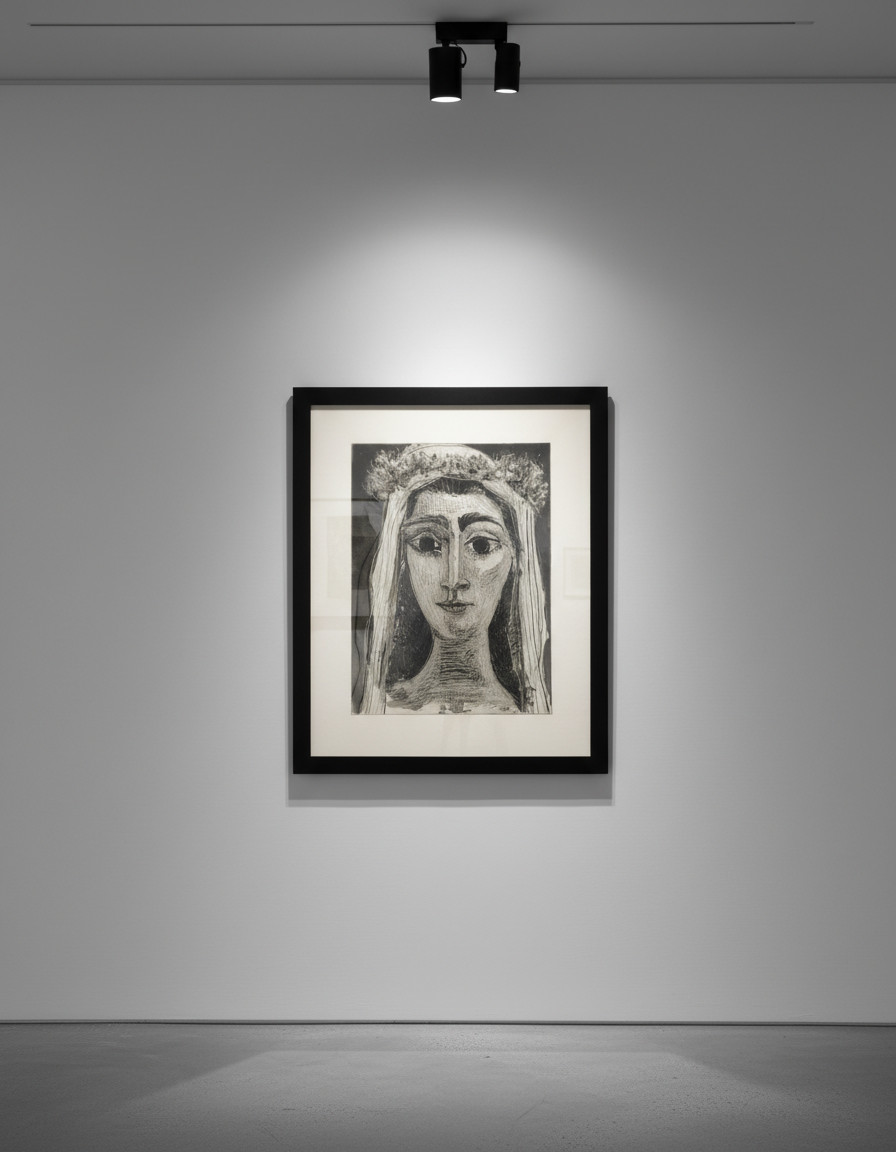
Aquatint

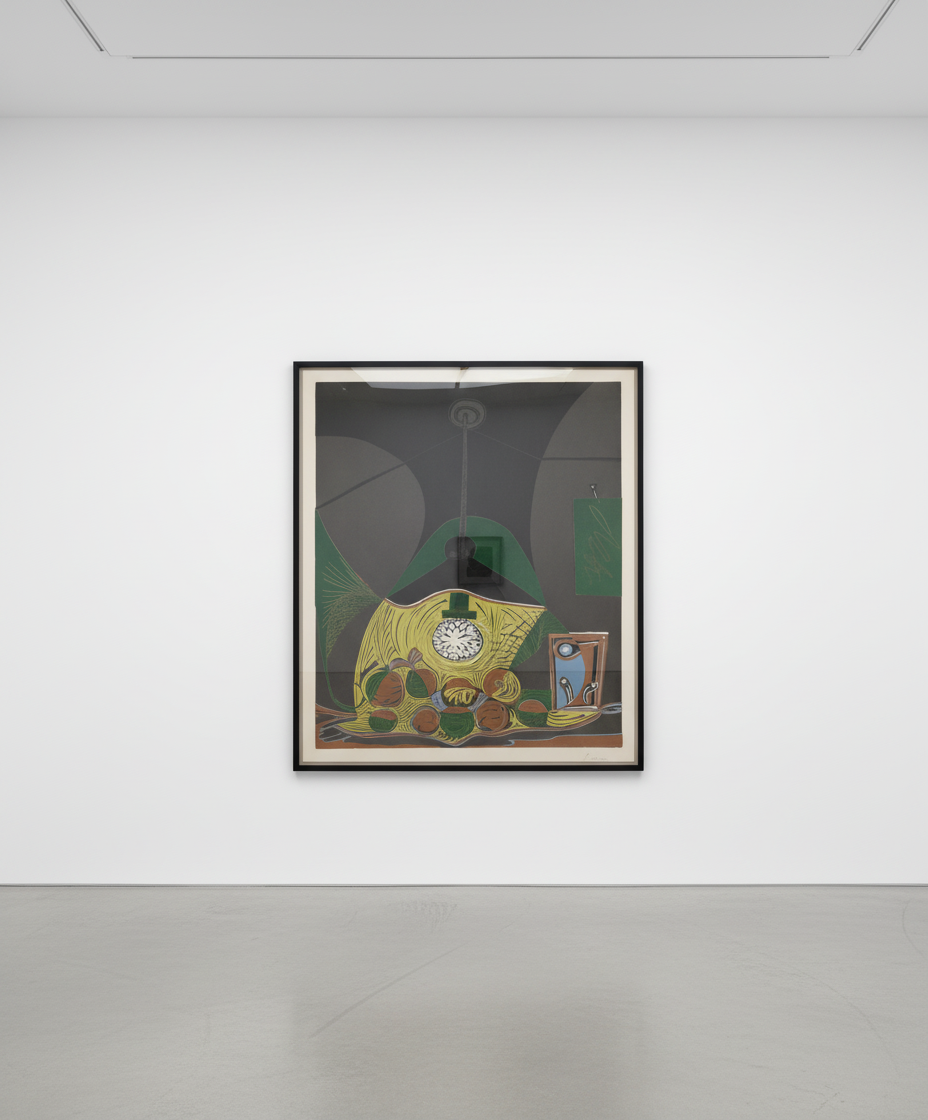
Portraiture sits at the very centre of twentieth-century art, and few artists reshaped its language more decisively than Andy Warhol and Pablo Picasso. Though separated by generation, temperament, and technique, both masters used portraiture to confront identity, fame, intimacy, and the construction of modern myth. Seen together, their approaches form a compelling conversation about how faces become symbols and how muses define entire eras. This dialogue between two titans offers collectors a unique lens through which to understand the evolution of representational art and its enduring power in contemporary culture.
Andy Warhol's celebrity portraits stand as some of the most recognisable images in post-war art. Emerging in the early 1960s, his adoption of screenprinting transformed publicity photographs into artworks of radical clarity and visual impact. By working from mass-circulated images - film stills, magazine covers, press photographs - Warhol collapsed the distance between high art and popular culture, reflecting a society increasingly shaped by media repetition and image saturation.
In works such as his portraits of Marilyn Monroe, Elizabeth Taylor, and other cultural icons, Warhol's process is inseparable from meaning. Screenprinting allowed for bold, flat colour, sharp contours, and serial variation, creating images that feel simultaneously intimate and distant. The faces he rendered became masks - beautiful, enigmatic surfaces that reveal nothing of the inner life while exposing everything about the machinery of fame. This paradox remains central to understanding Warhol's enduring relevance.
Warhol's commissioned portraits from the 1970s and 1980s extended this investigation into the realms of society, business, and art world celebrity. These works democratised the icon-making process, offering collectors the opportunity to see themselves through the same transformative lens that had immortalised Hollywood legends. The result was a new category of portraiture - one that acknowledged the performative nature of identity in an age of mass media.
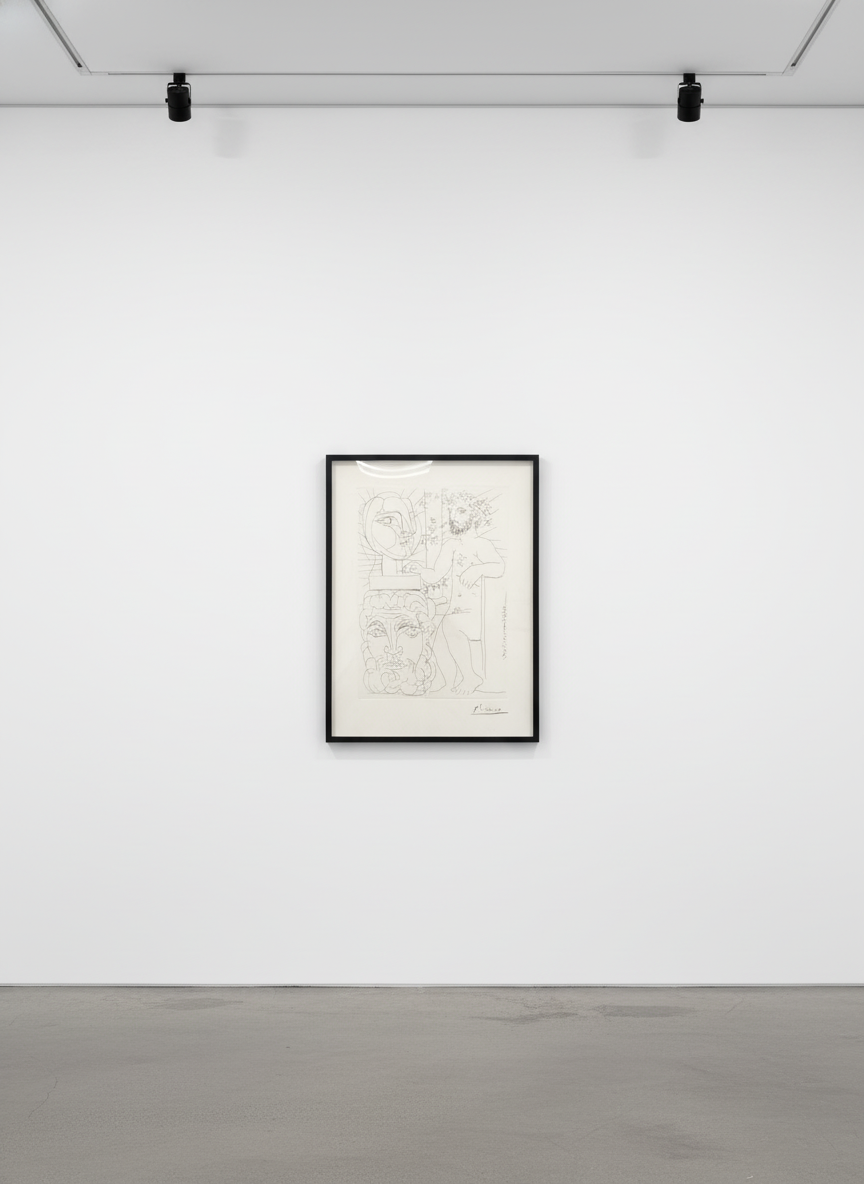
Sculpteur et Deux Têtes sculptées (La Suite Vollard) — Pablo Picasso. Available at Guy Hepner, New York.
The market for Warhol portraits has demonstrated remarkable resilience and growth over the past two decades. According to Sotheby's, Warhol consistently ranks among the top three most valuable post-war artists at auction, with major portrait works regularly achieving prices in excess of one hundred million dollars. The 2022 sale of Shot Sage Blue Marilyn for one hundred and ninety-five million dollars at Christie's established a new benchmark for American art and confirmed the artist's position at the apex of the collecting hierarchy.
Where Warhol looked outward to the celebrity image, Pablo Picasso turned portraiture into a vehicle for psychological excavation and formal revolution. Throughout his seven-decade career, Picasso returned obsessively to the faces of those closest to him - lovers, friends, dealers, and fellow artists - transforming them through successive stylistic innovations that redefined what a portrait could be.
Picasso's portraits are never neutral observations. From his Blue Period melancholy to the fractured planes of Analytical Cubism, from the classical serenity of the 1920s to the visceral distortions of his late work, each phase brought new formal vocabularies to bear on the human face. His muses - Fernande Olivier, Olga Khokhlova, Marie-Thérèse Walter, Dora Maar, Françoise Gilot, and Jacqueline Roque - became subjects of sustained creative investigation, their features abstracted and reassembled according to emotional rather than optical truth.
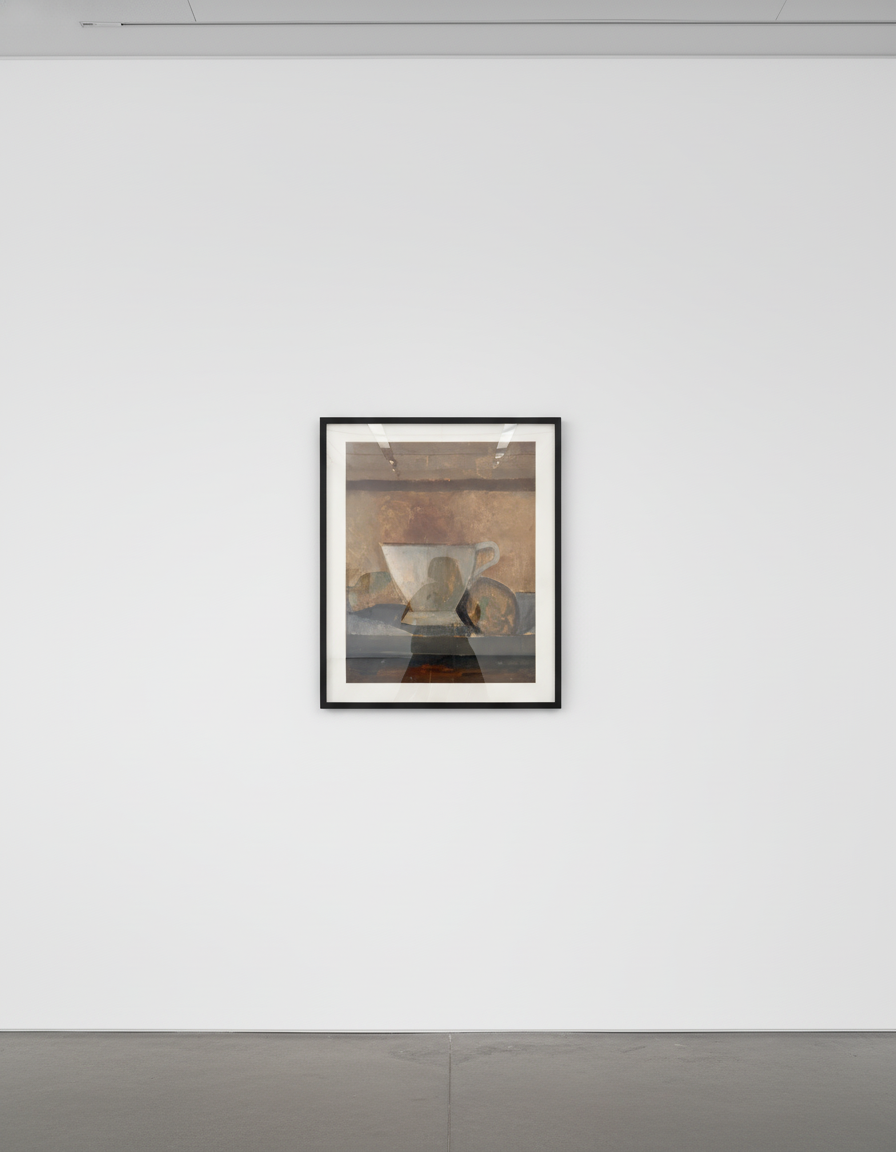
Tasse et bananes — Pablo Picasso. Available at Guy Hepner, New York.
The Etching and printmaking practice that occupied Picasso throughout his career offers particularly rich territory for understanding his approach to portraiture. In series such as the Suite Vollard and the remarkable prints exploring classical themes, Picasso demonstrated how line alone could capture character, desire, and psychological complexity. These works on paper reveal an artist in constant dialogue with art history, from Rembrandt to Velázquez, while pushing the boundaries of graphic expression into entirely new territory.
According to the Art Basel and UBS Global Art Market Report, Picasso remains the most frequently transacted artist at the upper echelons of the market, with works appearing at major auctions with consistent regularity. Christie's has noted that Picasso's portraits of his muses represent the most sought-after category within his vast output, combining art historical significance with the romantic narratives that collectors find deeply compelling.
The juxtaposition of Warhol and Picasso illuminates fundamental questions about representation, authenticity, and the relationship between artist and subject. Picasso's portraits emerge from sustained personal engagement - the emotional turbulence of love affairs, the intensity of artistic friendship, the complex negotiations of intimacy. Warhol's portraits begin with distance - the photograph already exists, the face already circulates, the identity is already public property.
Yet both artists understood that portraiture in the modern age could never be innocent. Picasso's Cubist fracturing of the face acknowledged that no single viewpoint could capture a person's truth. Warhol's silkscreen repetitions suggested that in a world of infinite reproduction, authenticity itself becomes a kind of performance. Together, they bracket the twentieth century's transformation of how we understand and represent human identity.
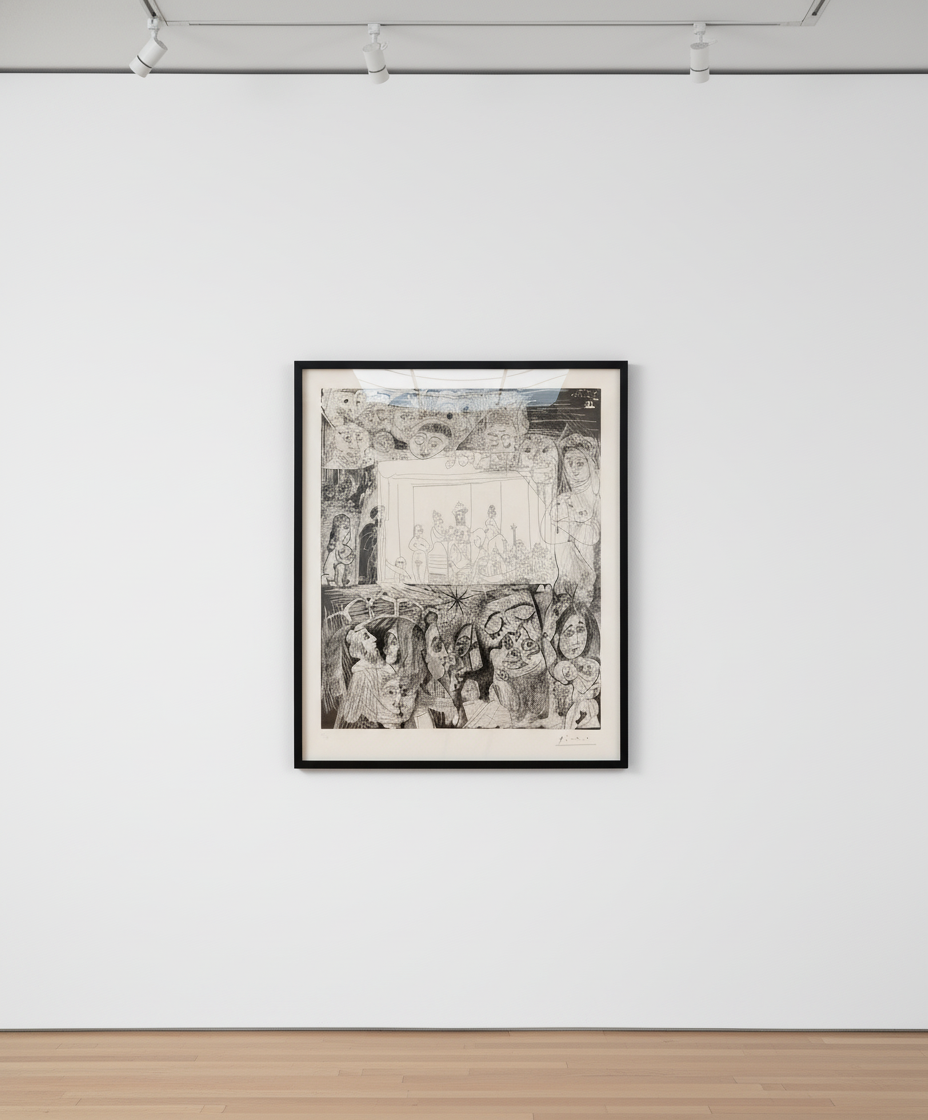
Ecce Homo, d’Après Rembrandt — Pablo Picasso. Available at Guy Hepner, New York.
For collectors, this pairing offers complementary strengths. Picasso's works carry the weight of art historical canonisation, representing the last great master of the European tradition. Warhol's portraits speak directly to contemporary experience, anticipating our current moment of social media self-fashioning and celebrity culture. Both artists produced works across a range of scales and price points, from unique paintings to editioned prints, making entry into their markets accessible while leaving room for significant growth.
The market for portraiture by both artists demonstrates the category's sustained appeal. Sotheby's has reported that portrait subjects with strong biographical narratives - particularly Picasso's muses and Warhol's most iconic celebrities - command significant premiums over comparable works with less compelling provenance or subject matter. Collectors increasingly recognise that acquiring portraits by these masters represents not merely aesthetic pleasure but participation in cultural history.
The graphic works of both artists present particularly compelling opportunities. Picasso's prints, produced throughout his career with technical mastery and emotional depth, allow collectors to acquire museum-quality works by the most influential artist of the twentieth century. Similarly, Warhol's editioned prints offer accessible entry points to one of the most recognisable visual vocabularies in contemporary art.
Guy Hepner is pleased to offer exceptional portraits and figure studies by both Pablo Picasso and Andy Warhol, including rare prints and works on paper that demonstrate each artist's mastery of the human subject. Our gallery specialises in sourcing museum-quality works for discerning collectors seeking to build holdings of historical significance and enduring value. To enquire about available works, pricing, or to arrange a private viewing, please contact our team at Guy Hepner to discuss how these transformative artists might enhance your collection.
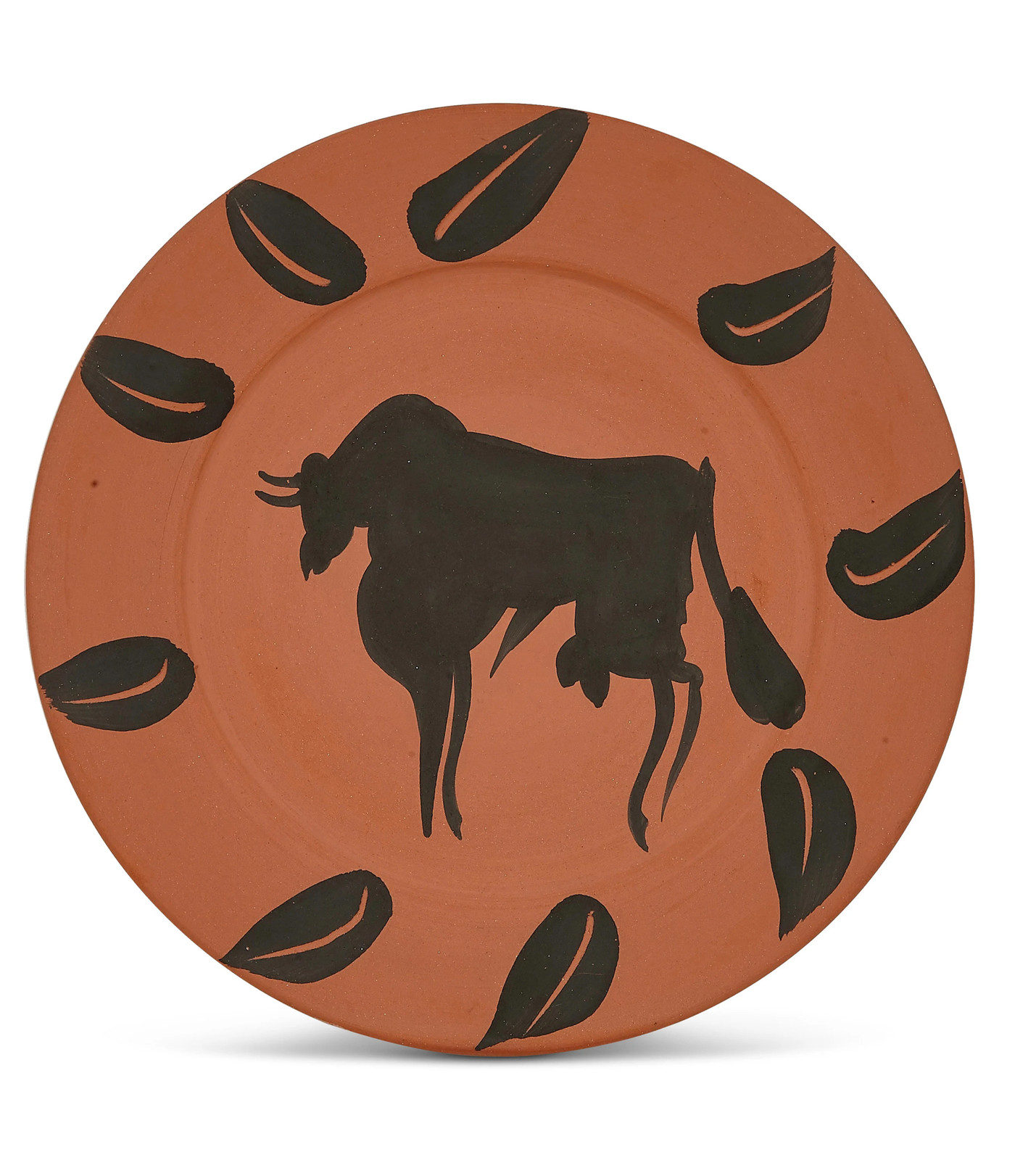
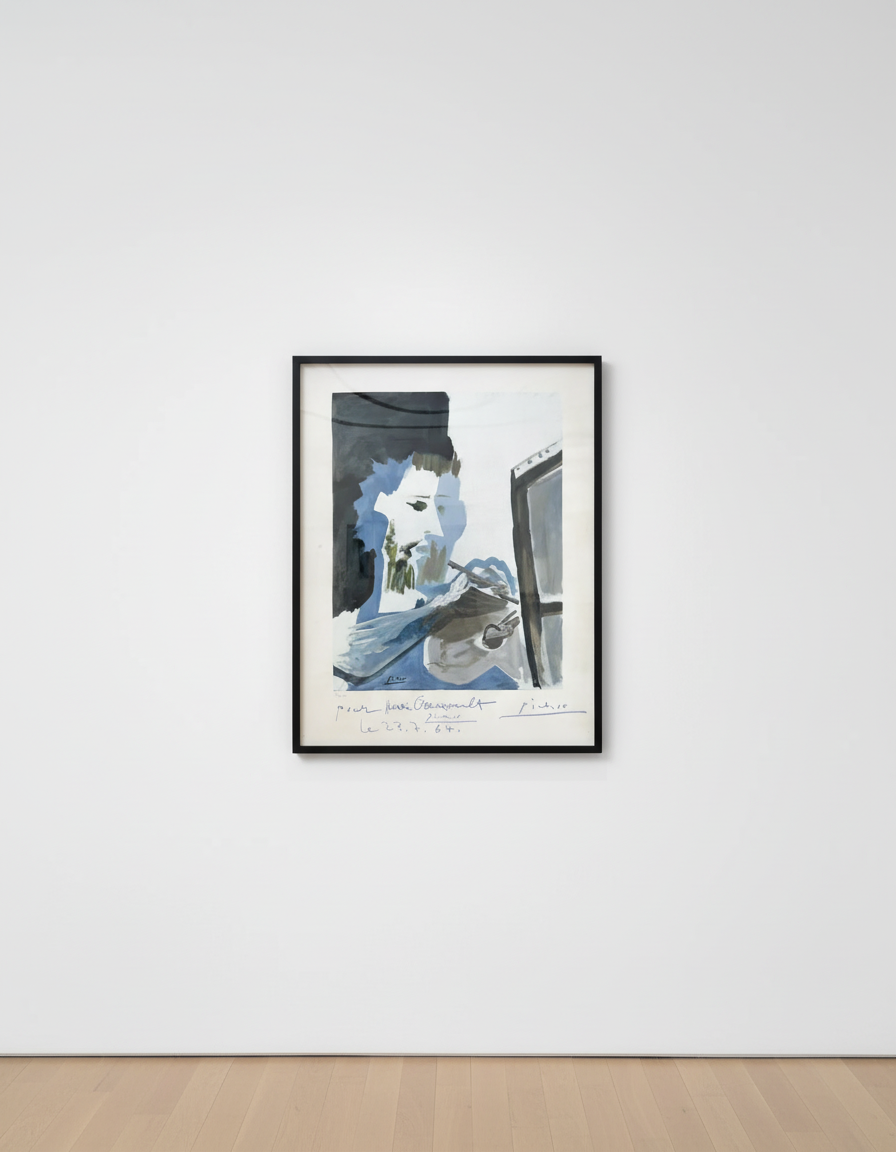
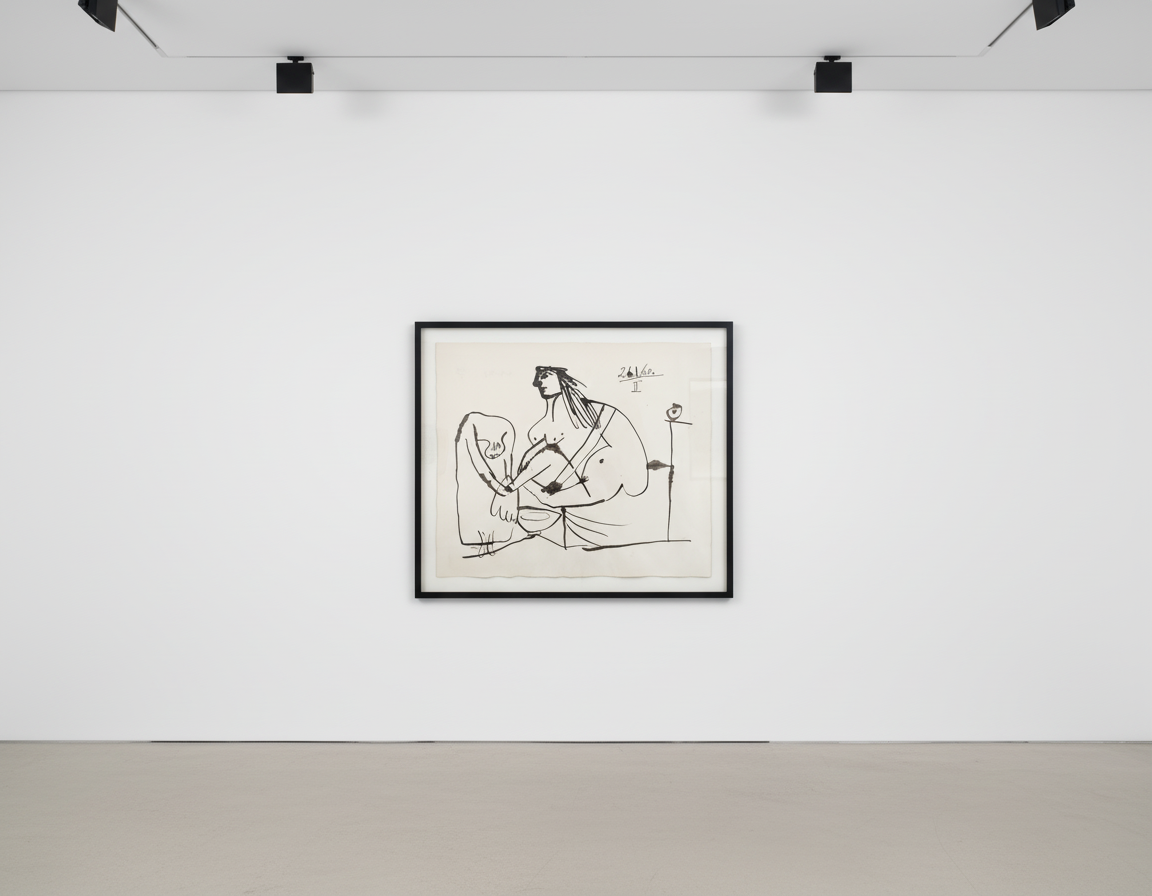
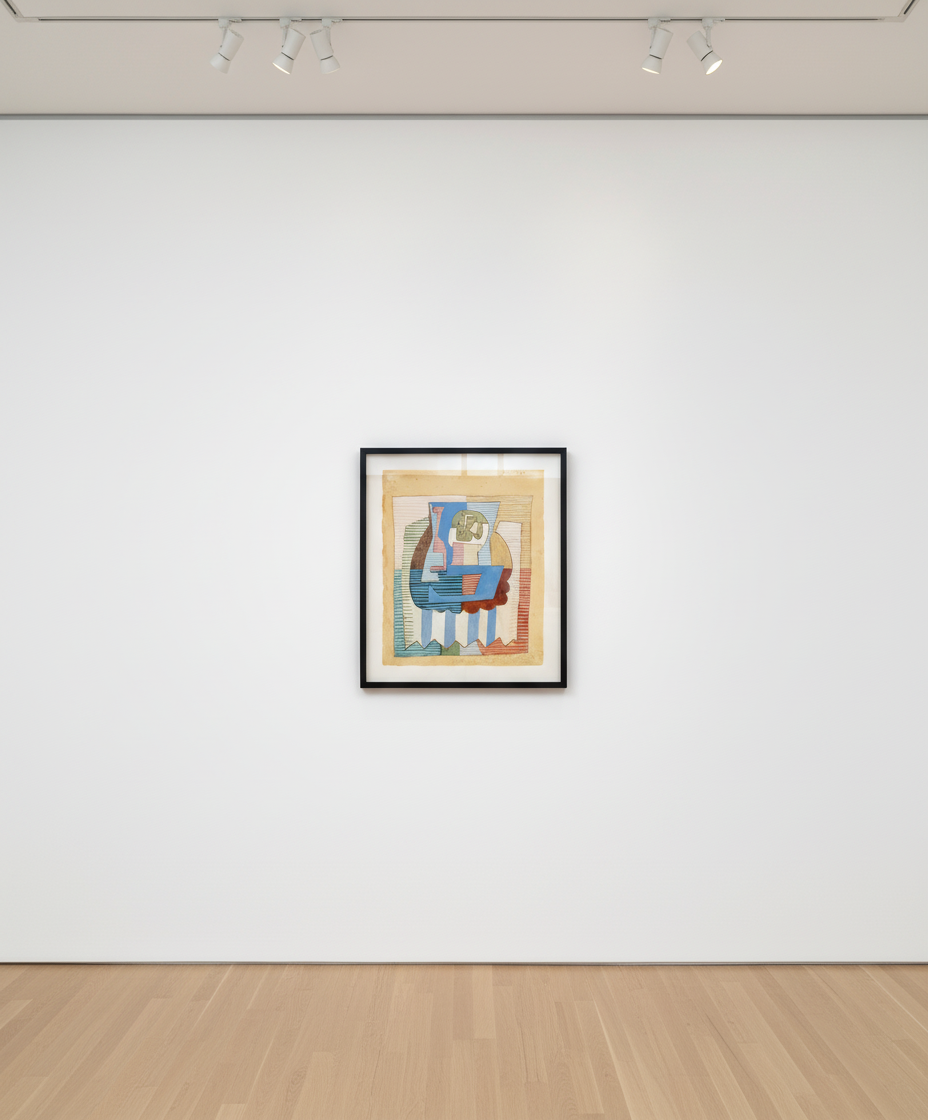
Explore Pablo Picasso prints for sale at Guy Hepner: Aquatint, Ceramics, Collotype, Drawing, Etching.
Related Series