Aquatint

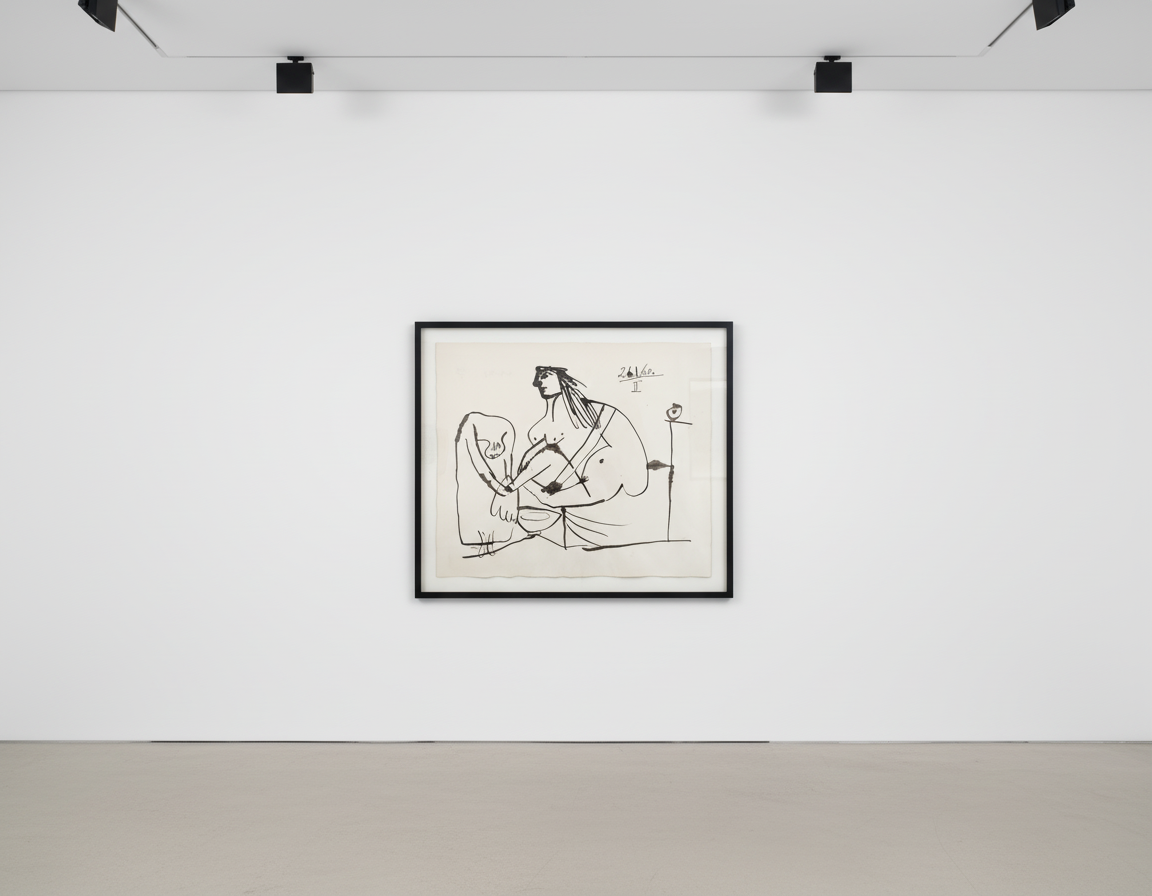
Pablo Picasso stands as perhaps the most influential artist of the twentieth century, a creative force whose radical innovations fundamentally altered the trajectory of Western art. Yet to understand Picasso's revolutionary impact, one must first recognise that his genius emerged not from a wholesale rejection of tradition but from an extraordinary capacity to absorb, deconstruct, and reimagine the artistic heritage of centuries past. His work represents an ongoing dialogue between antiquity and modernity, between classical technique and avant-garde experimentation. Through this dynamic fusion, Picasso did not simply create masterpieces - he transformed the very language through which art communicates with its audience.
Though Picasso is celebrated for his radical abstractions and formal innovations, his artistic development was firmly rooted in academic tradition. Born in Málaga in 1881, he demonstrated prodigious talent from an exceptionally young age. By fourteen, he had surpassed most of his instructors at the Real Academia de Bellas Artes in Barcelona, displaying technical abilities that astounded the Spanish art establishment. Early paintings such as The First Communion from 1896 and his remarkable Portrait of Aunt Pepa from the same year reveal complete mastery of academic conventions - precise anatomical rendering, sophisticated handling of light and shadow, and a mature understanding of compositional structure.
This classical training would prove essential to Picasso's later innovations. Unlike artists who pursued abstraction without first mastering representational technique, Picasso possessed the rare ability to deconstruct form precisely because he understood it so completely. His Blue Period and Rose Period works of the early 1900s demonstrate this transitional mastery, combining traditional figuration with increasingly expressive and emotionally resonant imagery. These formative years established the technical vocabulary that would later enable his most daring experiments.
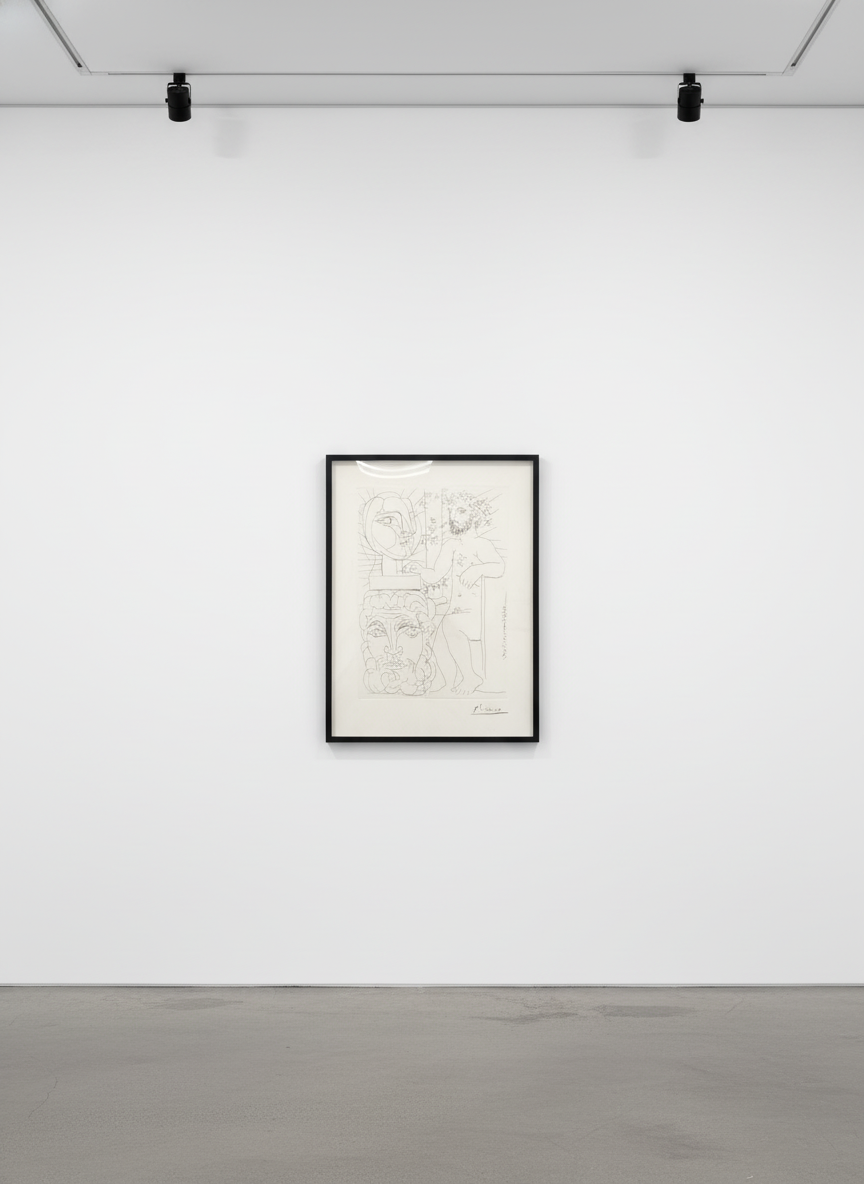
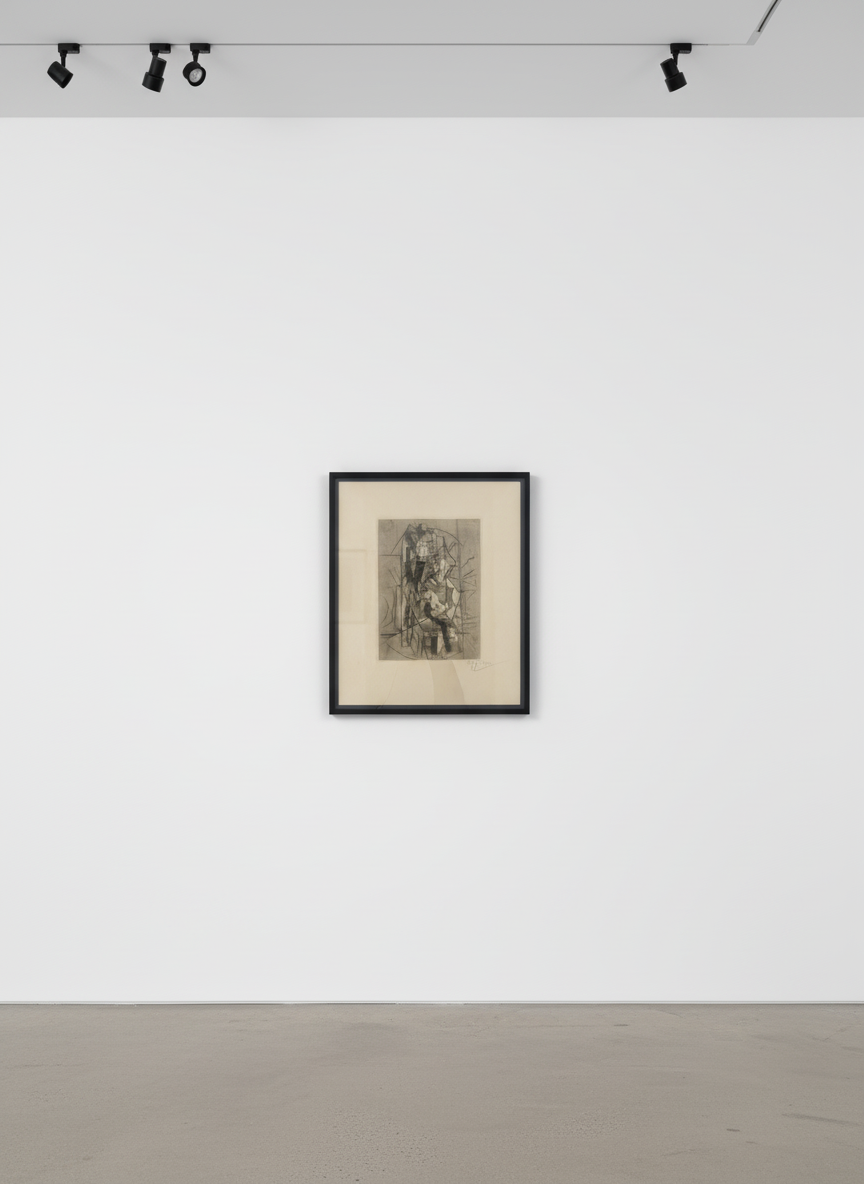
Sculpteur et Deux Têtes sculptées (La Suite Vollard) — Pablo Picasso. Available at Guy Hepner, New York.
The emergence of Cubism between 1907 and 1914 marked Picasso's most decisive break with representational tradition, yet even this revolutionary movement drew deeply from historical sources. Les Demoiselles d'Avignon, completed in 1907, synthesised influences ranging from Iberian sculpture to African masks, from El Greco's elongated figures to Cézanne's geometric simplifications of natural form. Picasso was not abandoning the past but rather excavating it, finding within ancient and non-Western art traditions alternative approaches to representing three-dimensional reality on a two-dimensional surface.
Analytical Cubism fragmented objects into geometric planes, presenting multiple viewpoints simultaneously and challenging the single-point perspective that had dominated Western Painting since the Renaissance. Synthetic Cubism introduced collage elements - newspaper clippings, wallpaper, and other materials - further expanding the boundaries of what constituted a painting. These innovations influenced virtually every subsequent modern art movement, from Futurism and Constructivism to Abstract Expressionism and beyond. According to analysis from Art Basel and UBS, Cubist works remain among the most historically significant and sought-after pieces in the contemporary art market, with Picasso's contributions to the movement commanding particular scholarly and collector interest.
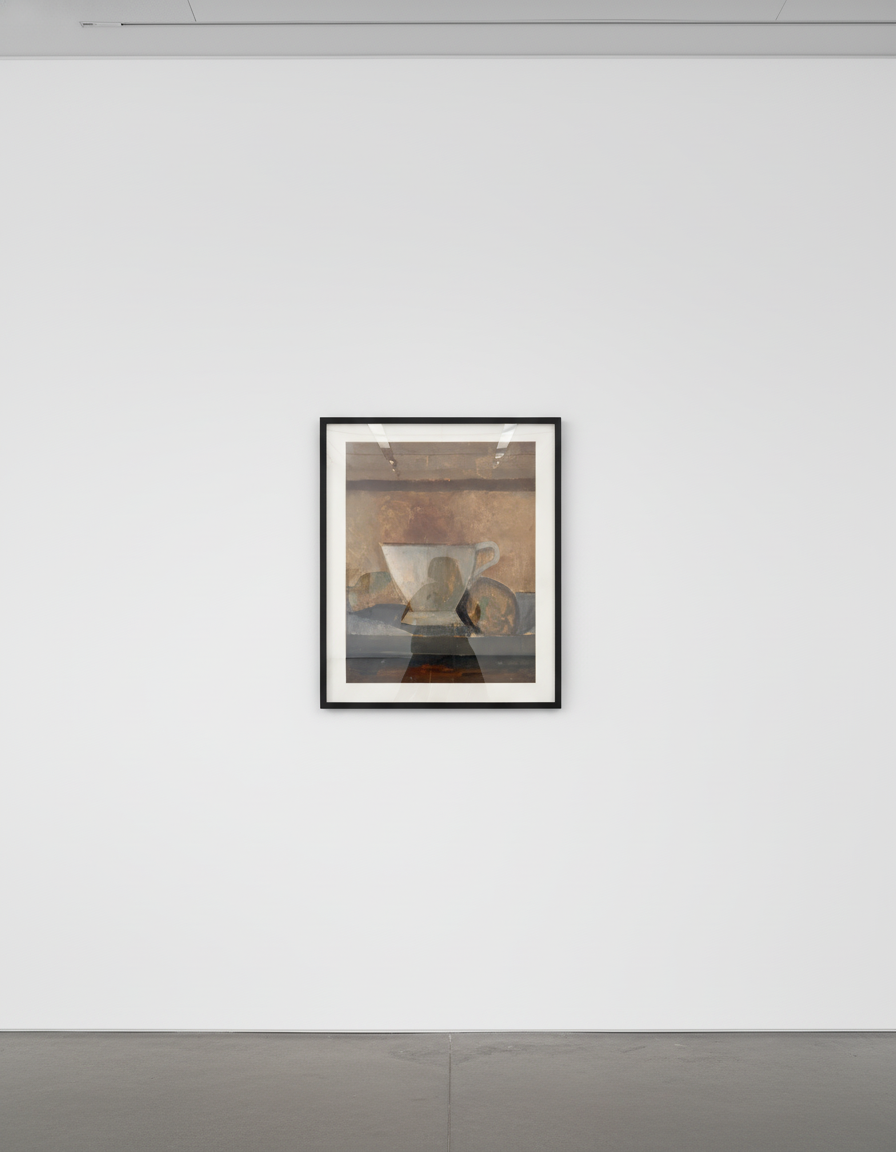
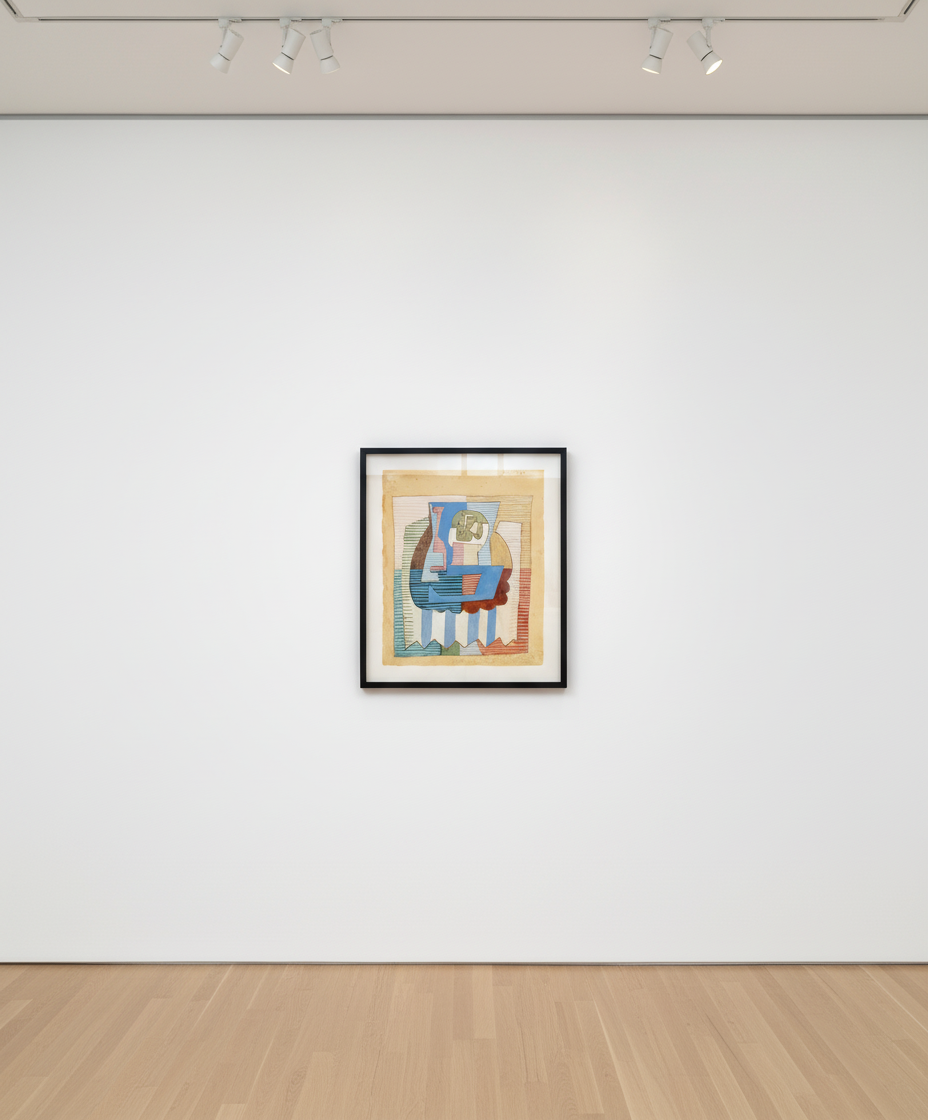
Tasse et bananes — Pablo Picasso. Available at Guy Hepner, New York.
Throughout his career, Picasso maintained an active conversation with the great masters of European painting. His numerous variations on works by Velázquez, Delacroix, Manet, and Rembrandt demonstrate not mere homage but rather a process of critical reinterpretation. The Ecce Homo series, inspired by Rembrandt's profound religious imagery, exemplifies Picasso's approach to art historical dialogue - taking canonical compositions and subjecting them to his distinctive formal vocabulary while preserving their emotional and thematic resonance.
His celebrated Suite Vollard, created between 1930 and 1937, represents another dimension of this engagement with tradition. The series of one hundred etchings explores themes drawn from classical mythology - sculptors and their models, the Minotaur, and scenes of artistic creation - rendered through Picasso's masterful command of printmaking techniques. Works such as Sculpteur et Deux Têtes sculptées reveal his deep appreciation for classical form even as he reimagined these ancient subjects through a modernist lens. The Suite Vollard remains one of the most important print series of the twentieth century, demonstrating that Picasso's innovations extended well beyond painting into graphic arts.
His mythological subjects, including interpretations of the Vertumnus and Pomona narrative from Ovid's Metamorphoses, further illustrate this synthesis of classical content and modern form. Picasso approached these ancient stories not as museum pieces but as living material capable of expressing contemporary concerns about desire, transformation, and artistic creation.
Picasso's position in the art market reflects his unparalleled art historical importance. According to data from Christie's and Sotheby's, Picasso consistently ranks among the highest-grossing artists at auction, with works spanning all periods of his career attracting significant collector interest. His prints and works on paper offer accessible entry points to collecting this foundational modern master, while his major paintings regularly achieve record-breaking results.
The enduring appeal of Picasso's work stems from multiple factors - the sheer quality and technical accomplishment of individual pieces, their art historical significance, and the artist's cultural prominence. For collectors, acquiring a Picasso means owning a tangible connection to the very origins of modern art, a physical object that participated in the reinvention of visual culture. Works such as Le Repas Frugal from his early career demonstrate the emotional depth and technical mastery that established his reputation, while later pieces reveal his continued evolution and experimentation across seven decades of artistic production.
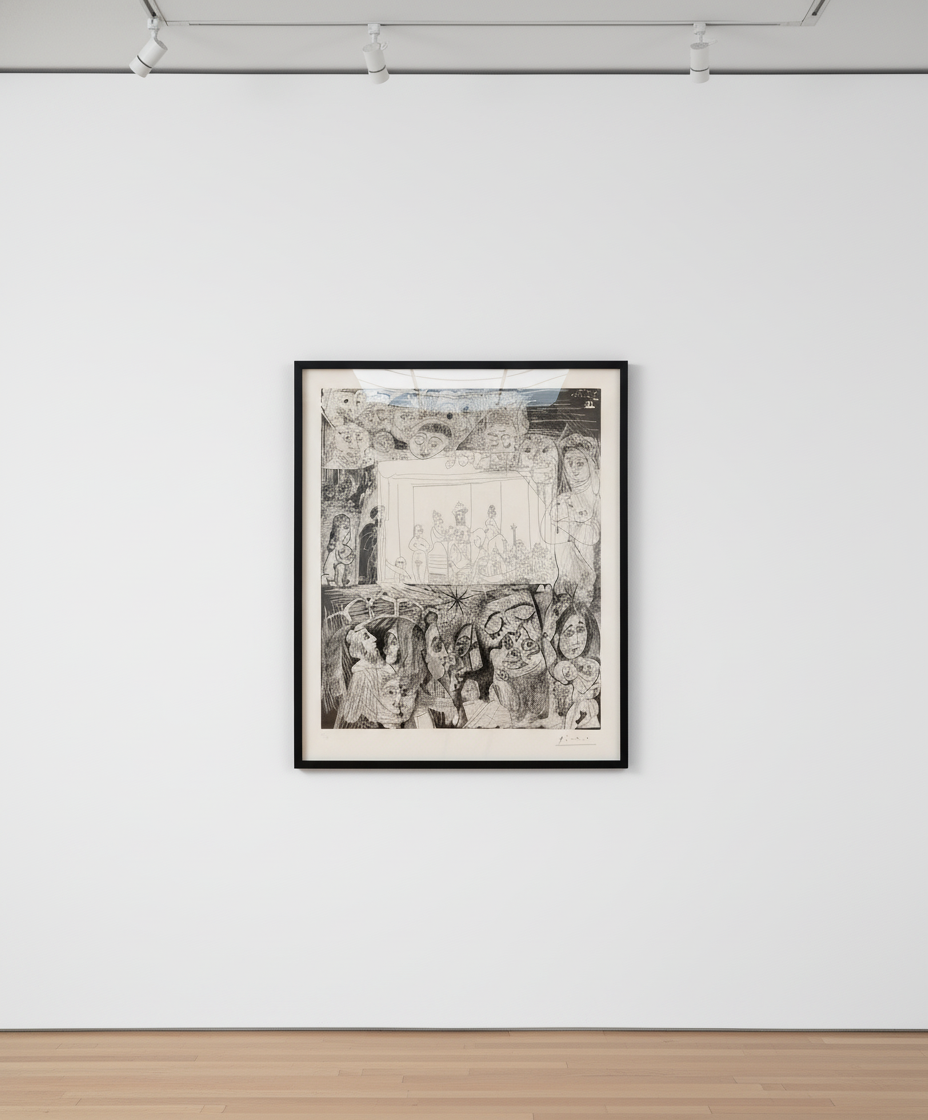
Ecce Homo, d’Après Rembrandt — Pablo Picasso. Available at Guy Hepner, New York.
Guy Hepner gallery offers discerning collectors the opportunity to acquire exceptional works by Pablo Picasso, including significant prints and works on paper from key periods of the artist's career. Our specialists provide comprehensive guidance on provenance, condition, and art historical context, ensuring that each acquisition represents both aesthetic excellence and sound investment. We invite collectors and enthusiasts to contact Guy Hepner to discuss available works and explore how Picasso's revolutionary vision might enhance their collections.
Explore Pablo Picasso prints for sale at Guy Hepner: Aquatint, Ceramics, Collotype, Drawing, Etching.
Related Series