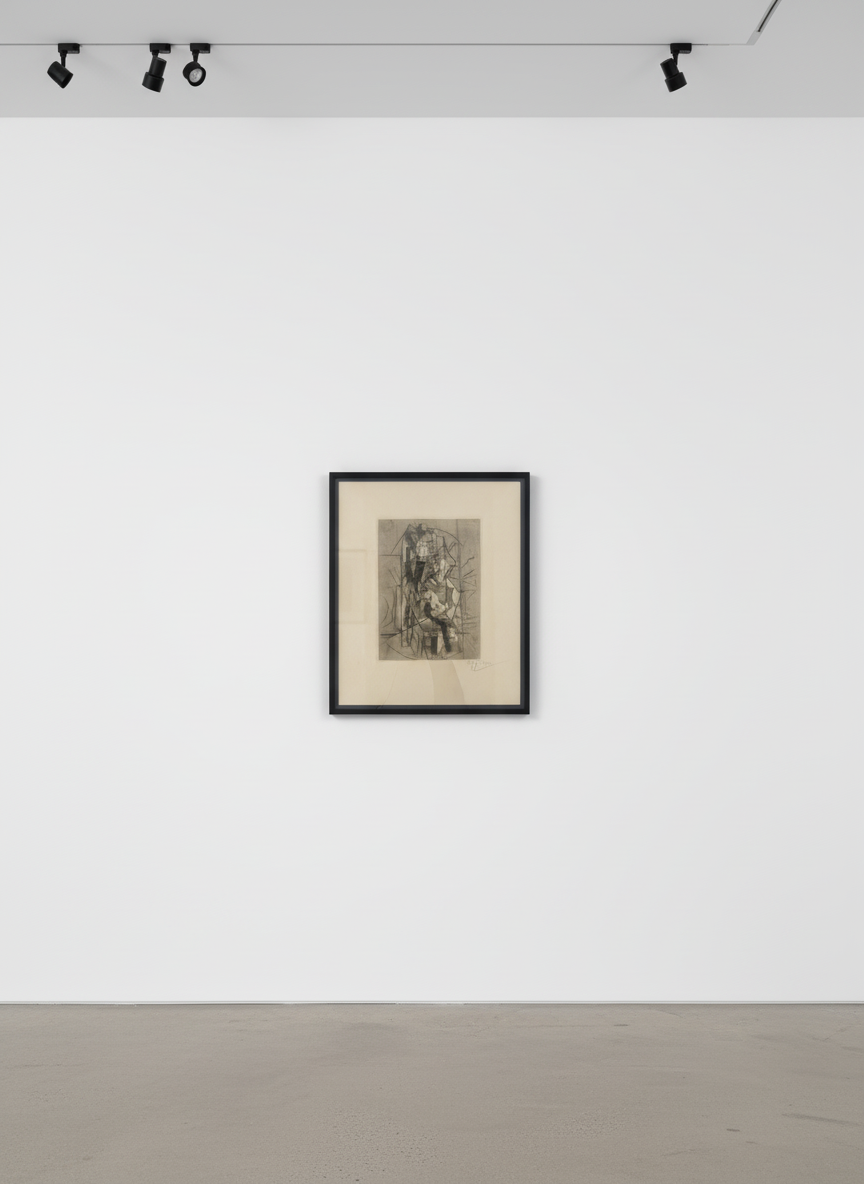
Aquatint

Pablo Picasso stands as the towering figure of twentieth-century art, an artist whose name has become synonymous with creative genius and revolutionary vision. His influence extends far beyond the Cubist movement he co-founded - Picasso fundamentally transformed how we understand visual representation, challenging conventions across Painting, sculpture, Ceramics, and printmaking. For collectors seeking to acquire works by this legendary master, understanding the nuances of his vast output is essential. This guide explores the key considerations for building a meaningful Picasso collection, with particular emphasis on his remarkable prints and graphic works.
Few artists in history have achieved the cultural omnipresence of Pablo Picasso. Born in Málaga, Spain in 1881, Picasso demonstrated prodigious talent from childhood, eventually relocating to Paris where he would spend much of his career at the epicentre of the avant-garde. His artistic journey encompassed the melancholic Blue Period, the warmer Rose Period, the groundbreaking experiments of Analytical and Synthetic Cubism, Surrealist explorations, and the expressive late works that continue to captivate scholars and collectors alike.
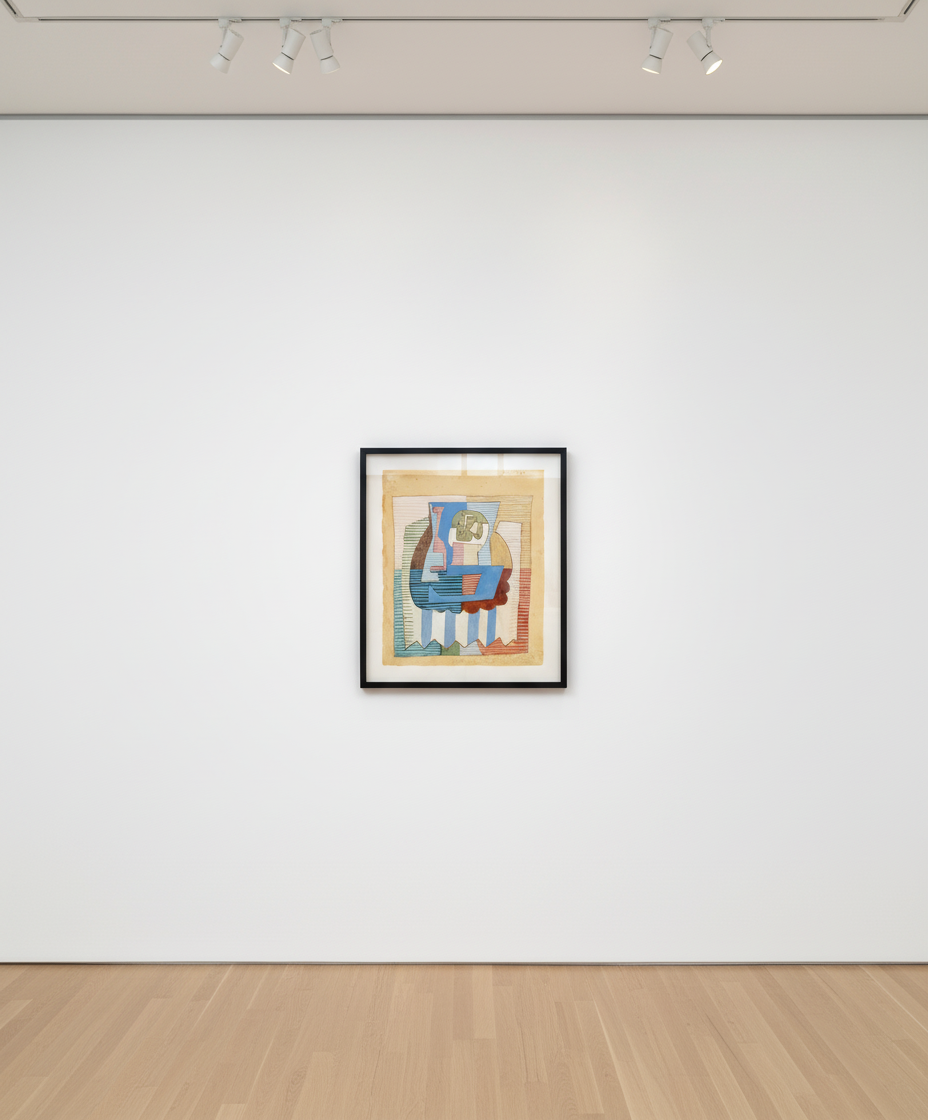
What distinguishes Picasso from his contemporaries is not merely his technical virtuosity but his relentless capacity for reinvention. Each decade brought new approaches, new mediums, and new visual vocabularies. This perpetual evolution means that collecting Picasso offers extraordinary diversity - from tender portraits to visceral political statements, from classical line drawings to fragmented Cubist compositions.
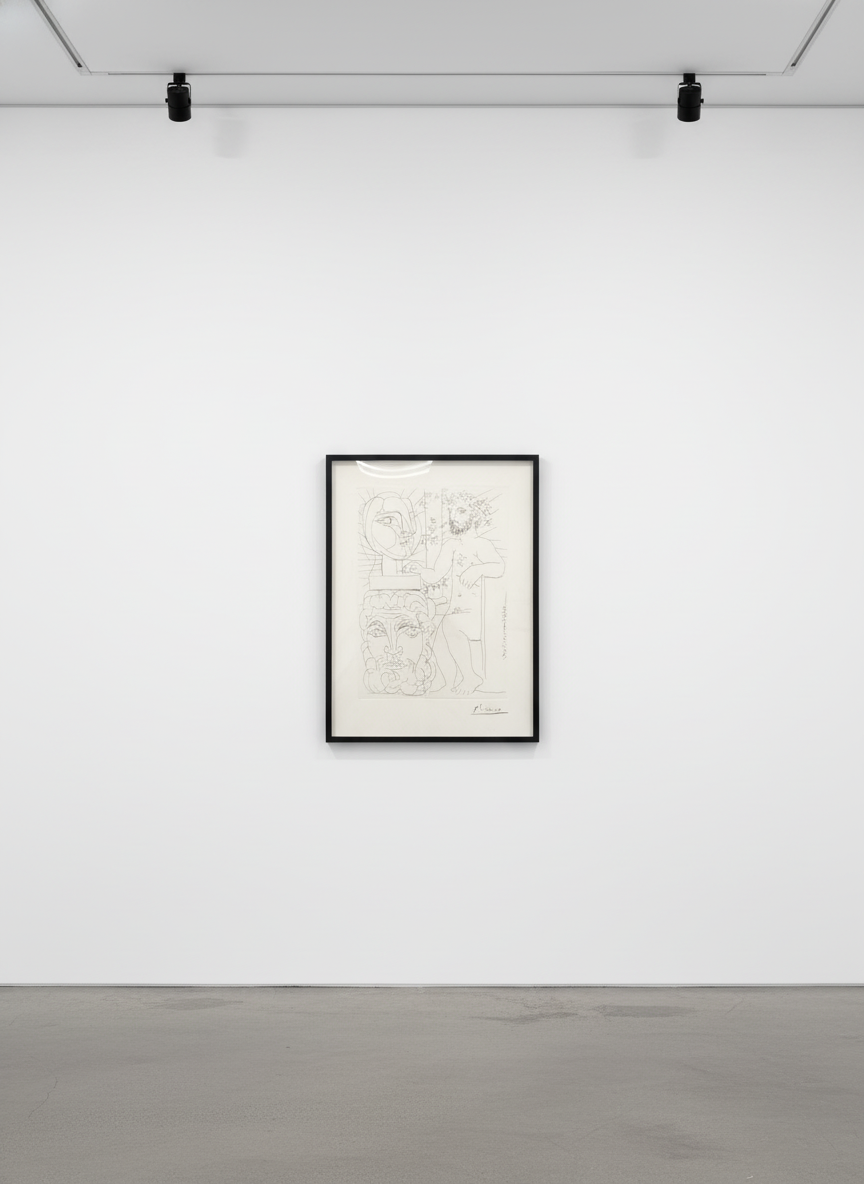
Sculpteur et Deux Têtes sculptées (La Suite Vollard) — Pablo Picasso. Available at Guy Hepner, New York.
The market for Picasso's work reflects his canonical status. According to data from Christie's and Sotheby's, Picasso consistently ranks among the top-selling artists at auction globally. His paintings have achieved prices exceeding $100 million, while his works on paper and prints command figures ranging from several thousand to several million dollars. The Art Basel and UBS Global Art Market Report regularly identifies Picasso as a cornerstone of the secondary market, with demand remaining robust across economic cycles.
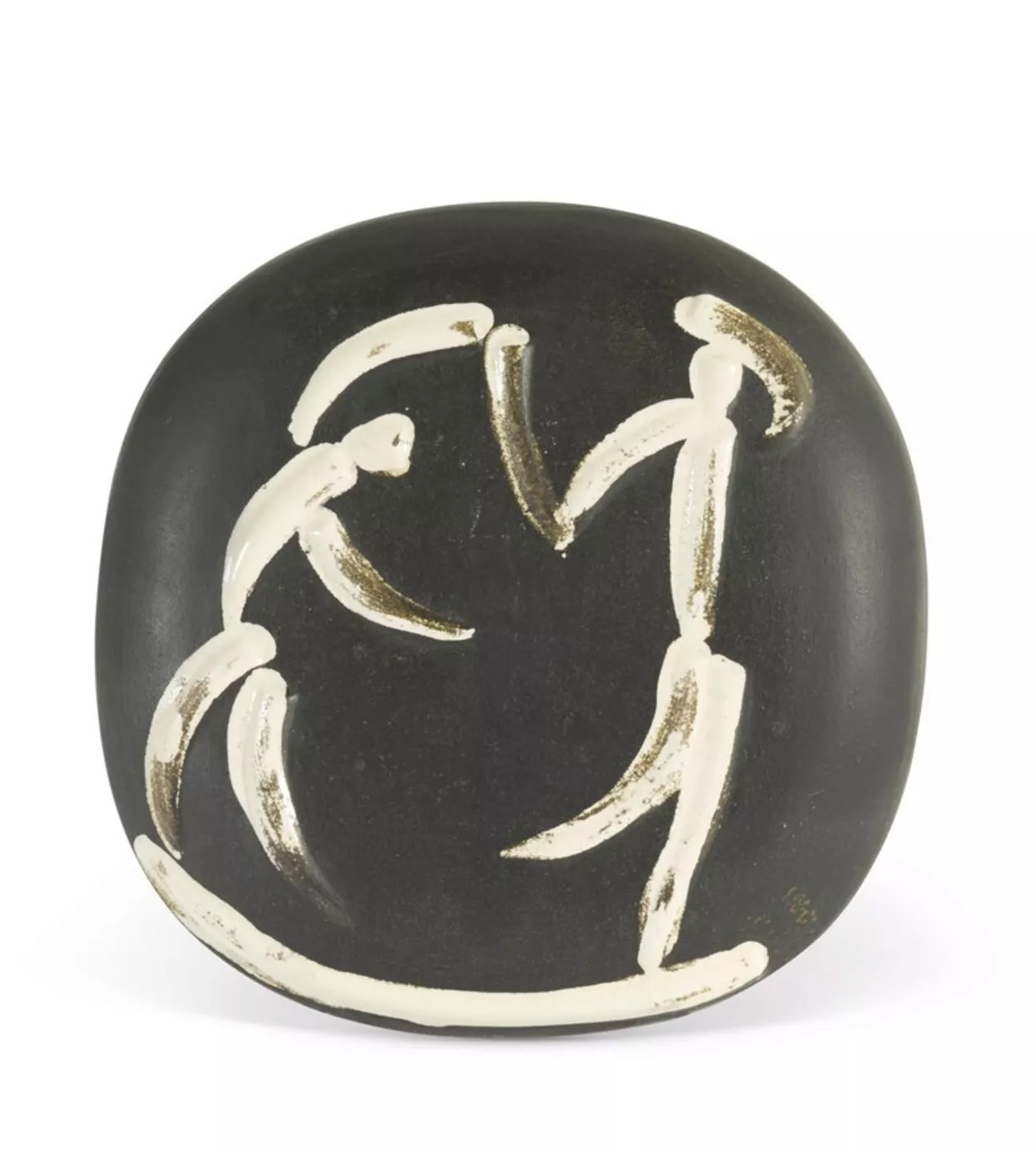
While Picasso's paintings remain the province of major institutions and the most capitalised collectors, his prints offer a compelling and more accessible pathway into ownership. Picasso was extraordinarily prolific as a printmaker, producing more than 2,400 prints across seven decades of activity. He mastered and innovated within every printmaking technique - Etching, Aquatint, drypoint, lithography, and Linocut - approaching each medium with the same inventive spirit he brought to painting.
Picasso's prints were created in editions, meaning multiple impressions exist of each image. However, these editions were typically limited, numbered, and frequently signed by the artist. This combination of accessibility and scarcity makes prints particularly attractive to collectors building significant holdings. A signed, numbered impression from a notable series carries the artist's direct authentication while remaining attainable at a fraction of the cost of unique works.
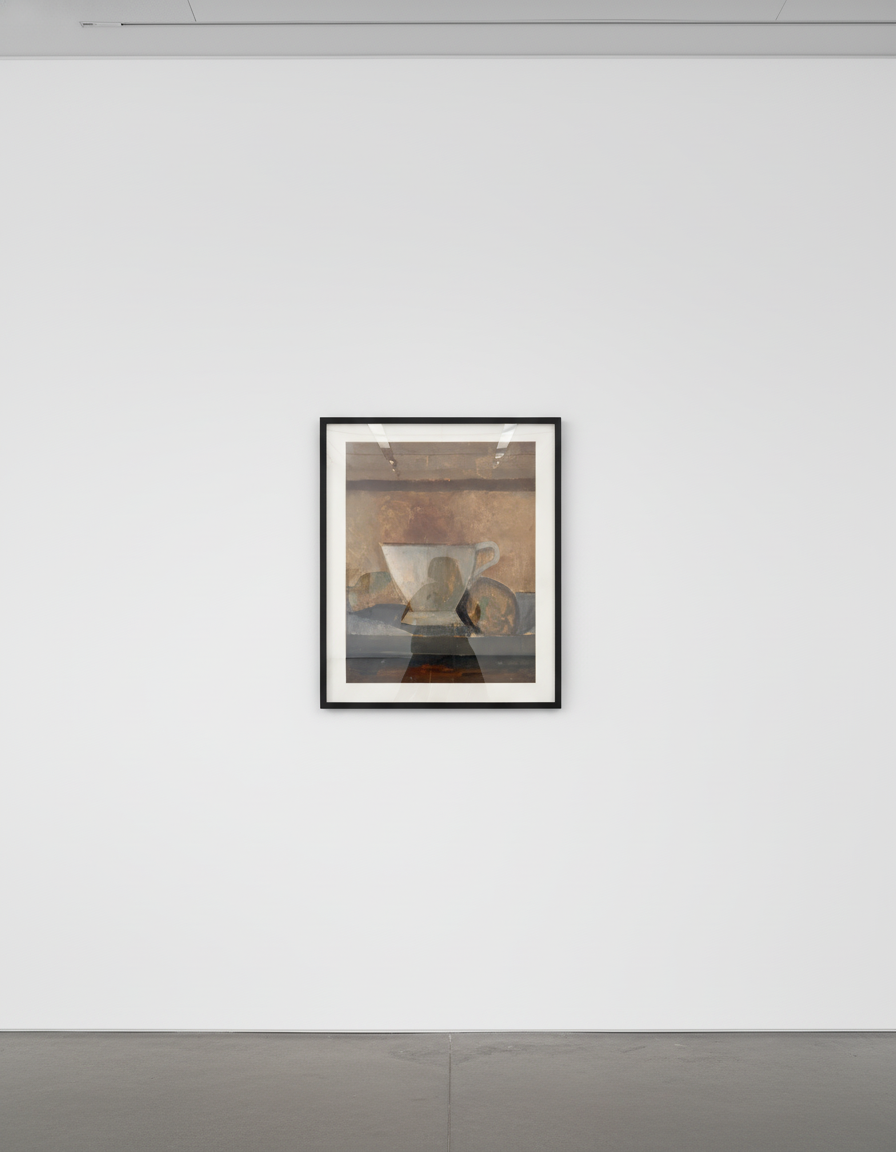
Tasse et bananes — Pablo Picasso. Available at Guy Hepner, New York.
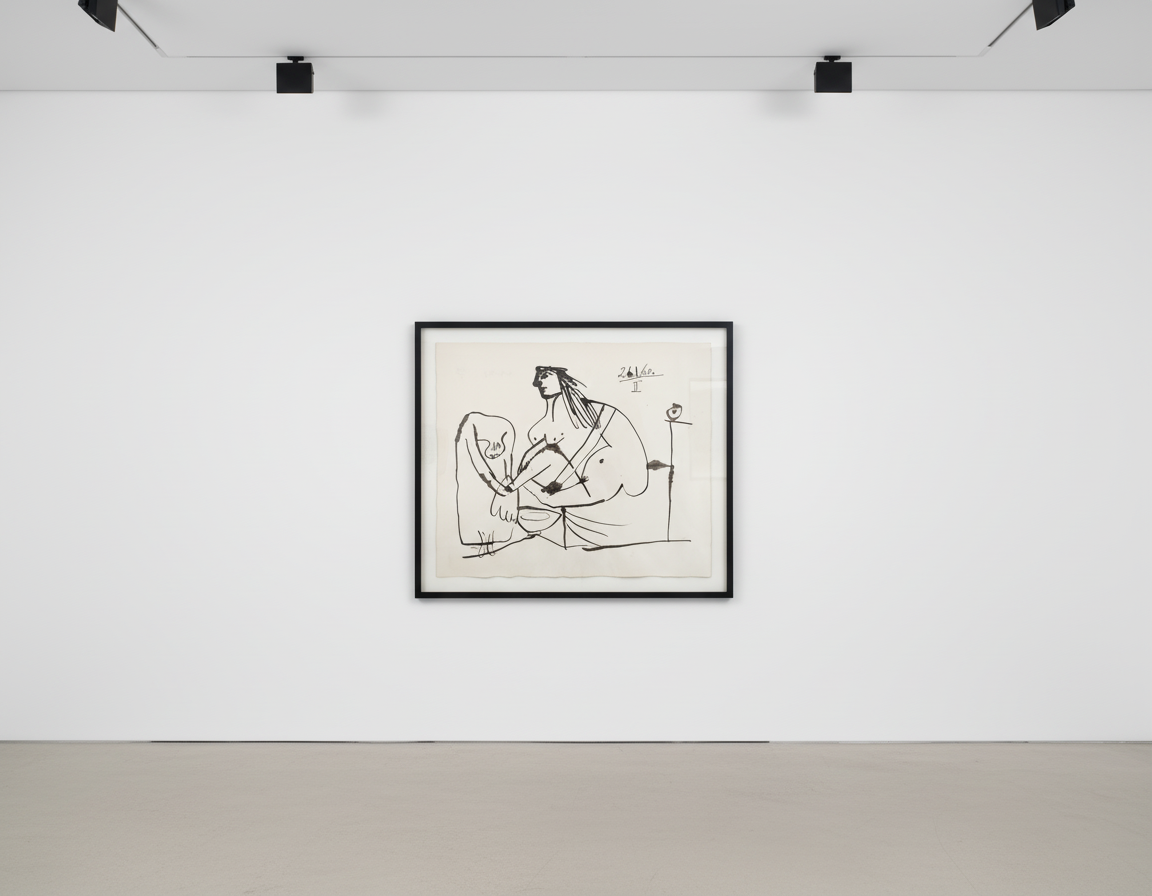
Among the most celebrated of Picasso's print projects is the Suite Vollard, a series of 100 etchings and aquatints created between 1930 and 1937 for the dealer Ambroise Vollard. These works explore themes of the artist's studio, the Minotaur mythology, and classical beauty, rendered with extraordinary technical refinement. Impressions from this suite represent some of the most desirable prints in the secondary market.
Equally significant is Le Repas Frugal from 1904, an early masterpiece from the Blue Period that stands as one of the most important prints of the twentieth century. This haunting depiction of poverty and human connection demonstrates Picasso's command of etching technique even in his early twenties and remains highly sought after by serious collectors.
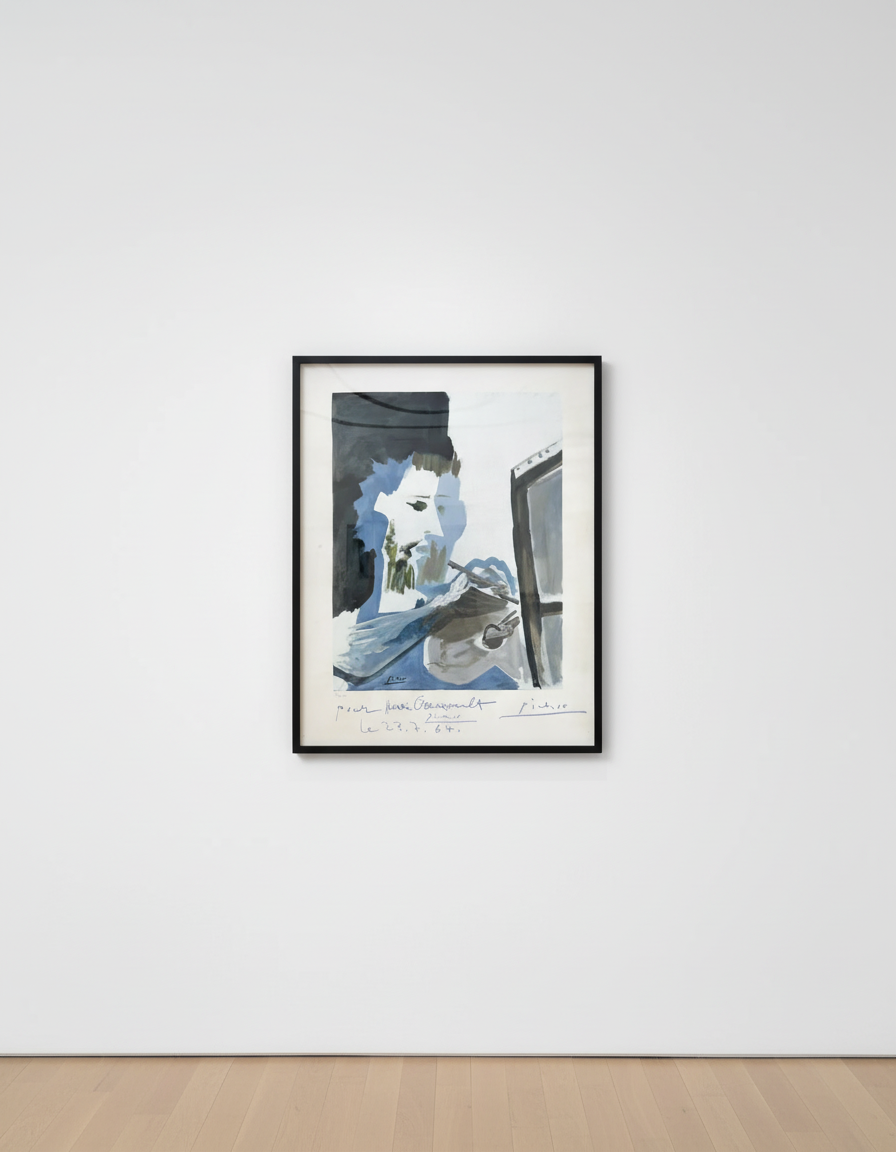
The linocuts Picasso produced from the late 1950s onwards offer another collecting category with distinct appeal. Working in Vallauris, Picasso transformed this relatively humble medium into a vehicle for bold experimentation with colour and form. These works, often depicting portraits, still lifes, and bacchanalia scenes, showcase his late-period vitality and continue to attract strong collector interest.
Understanding the market dynamics surrounding Picasso prints requires attention to several factors. Edition size significantly impacts value - smaller editions and unique proofs command premiums. Condition is paramount, as prints are vulnerable to light damage, foxing, and handling wear. Provenance tracing back to notable collections or directly to the artist's estate adds considerable appeal.
The authentication landscape for Picasso prints is well-established. The catalogue raisonné compiled by the Picasso Project and earlier scholarship by Bernhard Geiser and Brigitte Baer provides essential reference for verifying authenticity and edition information. Collectors should insist on documentation and work only with established sources.
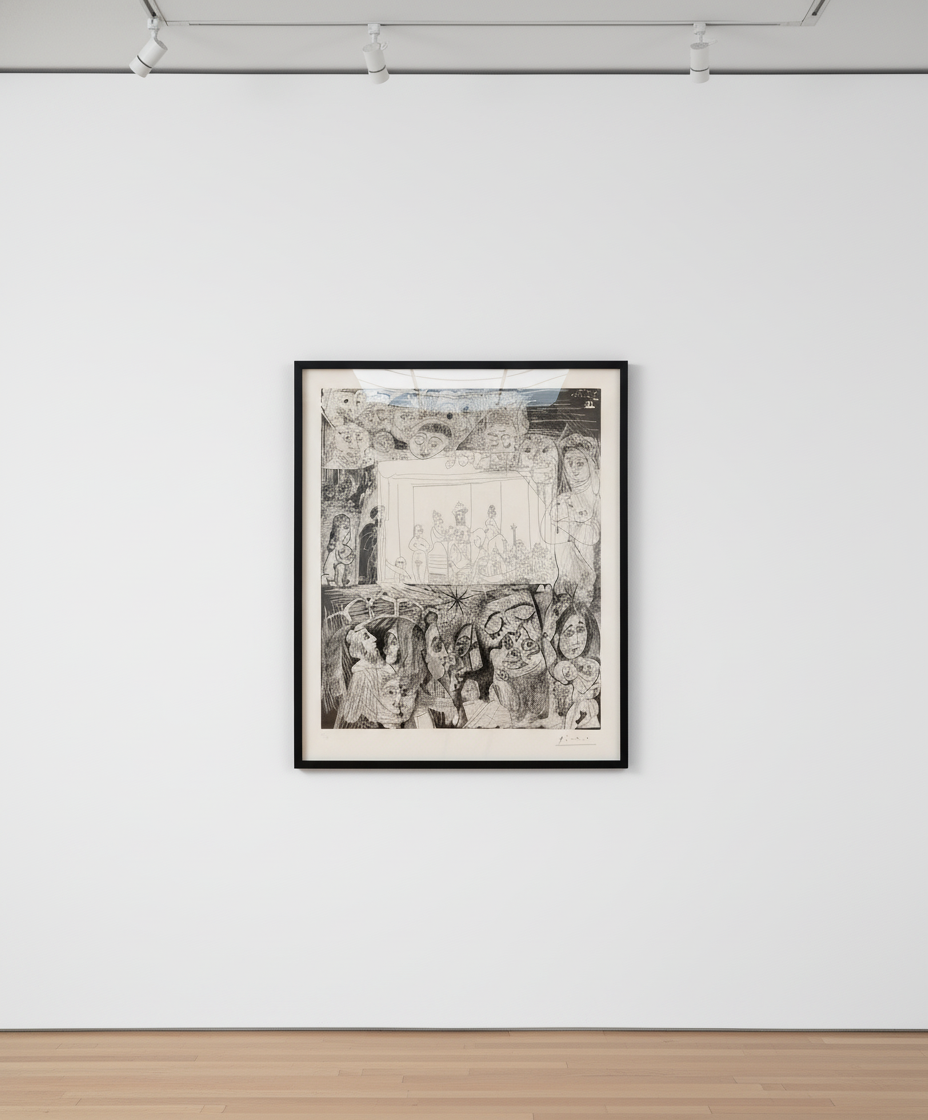
Ecce Homo, d’Après Rembrandt — Pablo Picasso. Available at Guy Hepner, New York.
Sotheby's and Christie's regularly feature Picasso prints in their Prints and Multiples sales, providing transparent market data for collectors. Recent seasons have demonstrated particularly strong results for exceptional impressions from major suites and for linocuts in vibrant condition. The Art Basel and UBS market reports indicate sustained collector appetite for blue-chip prints as part of diversified art portfolios.
For those new to collecting Picasso, prints from the 1950s and 1960s offer an intelligent starting point. These works benefit from strong documentation, relative availability, and prices that allow for meaningful acquisition without requiring the capital necessary for earlier rare impressions. As collectors develop their holdings, they may pursue earlier etchings, unique states, or works from celebrated series.
Guy Hepner is pleased to offer collectors access to exceptional works by Pablo Picasso, including significant prints and graphic works spanning his prolific career. Our curatorial team provides guidance on acquisition strategy, condition assessment, and authentication verification, ensuring that each addition to your collection meets the highest standards. To enquire about available Pablo Picasso works or to discuss building your collection, please contact the gallery directly by email or telephone.
Explore Pablo Picasso prints for sale at Guy Hepner: Aquatint, Ceramics, Collotype, Drawing, Etching.
Related Series