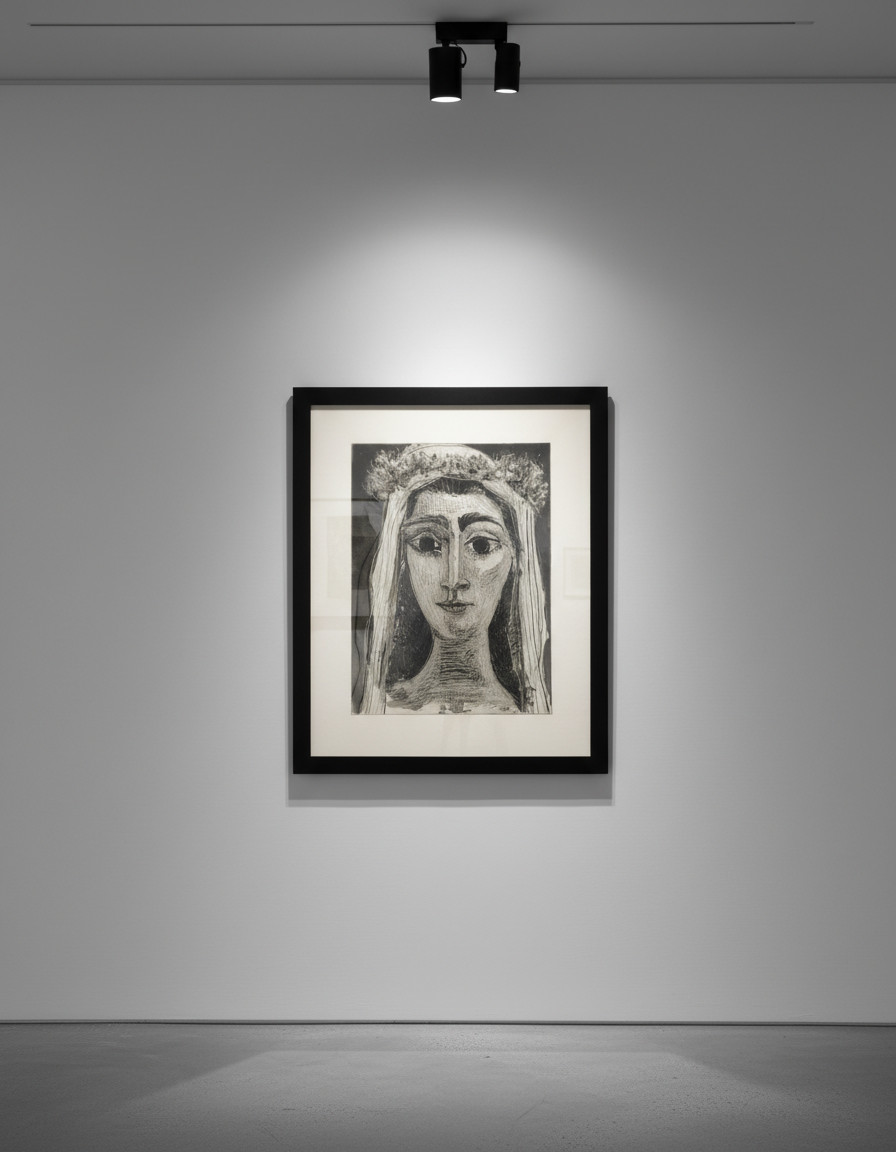
Aquatint

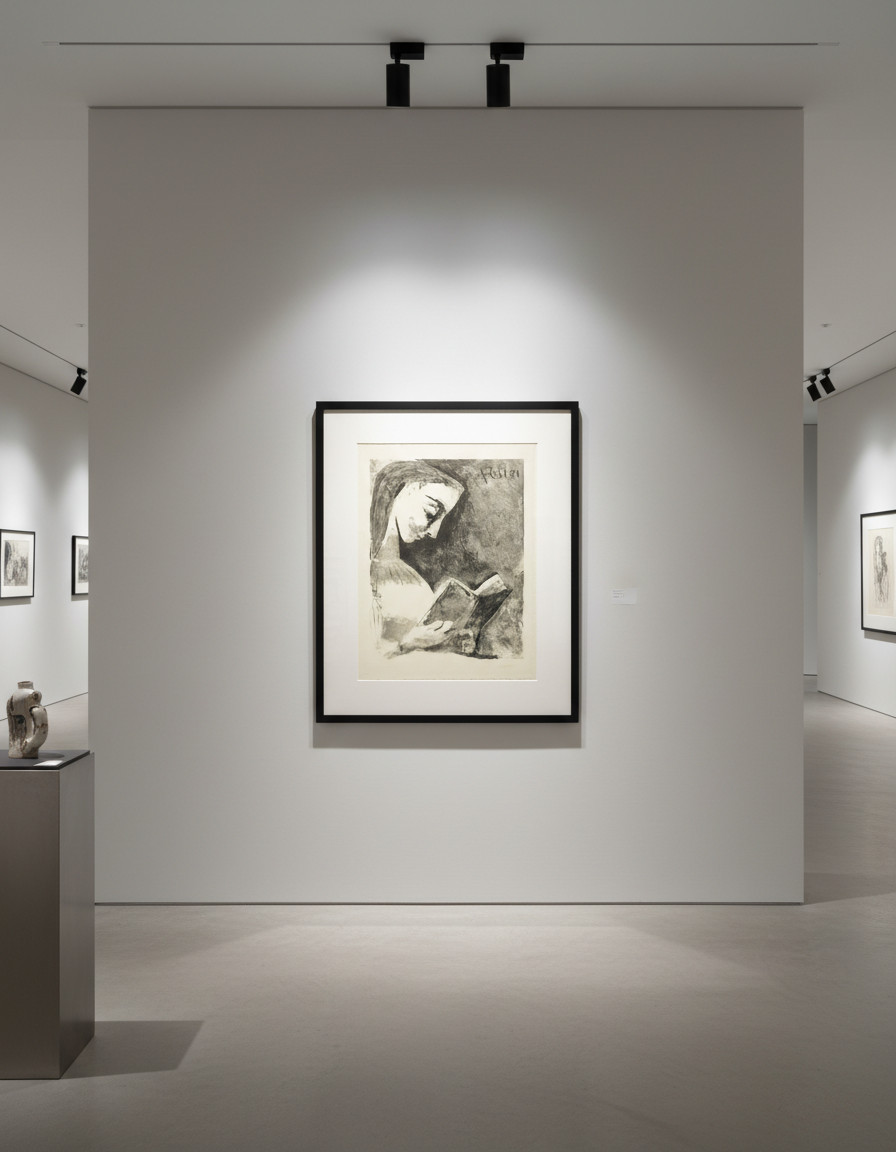
Portraiture has served as one of art history's most stable and recognisable genres. From the idealised heads of Renaissance nobility to the psychological interiors crafted by Rembrandt, European portraiture traditionally aspired to convey likeness, status, virtue, or emotional depth through a coherent and legible visual language. By the nineteenth century, this language remained fundamentally intact. Whether through the naturalism of Ingres or the atmospheric modernity of Manet, the portrait still assumed a subject whose identity was anchored in recognisable physiognomy and consistent viewpoint.
The arrival of Pablo Picasso in the first years of the twentieth century transformed this stability. More than perhaps any figure in the modern era, Picasso dismantled inherited assumptions about what a portrait should be, what it could show, and how it might represent a living human being. This transformation emerged not from a rejection of history but from a deep engagement with it. Picasso absorbed centuries of European portraiture - Spanish court Painting, French Romanticism, the Venetian colourists, the sculptural weight of the Italian masters - and refracted these influences through a radically new visual syntax that would permanently alter how artists approached the human face.
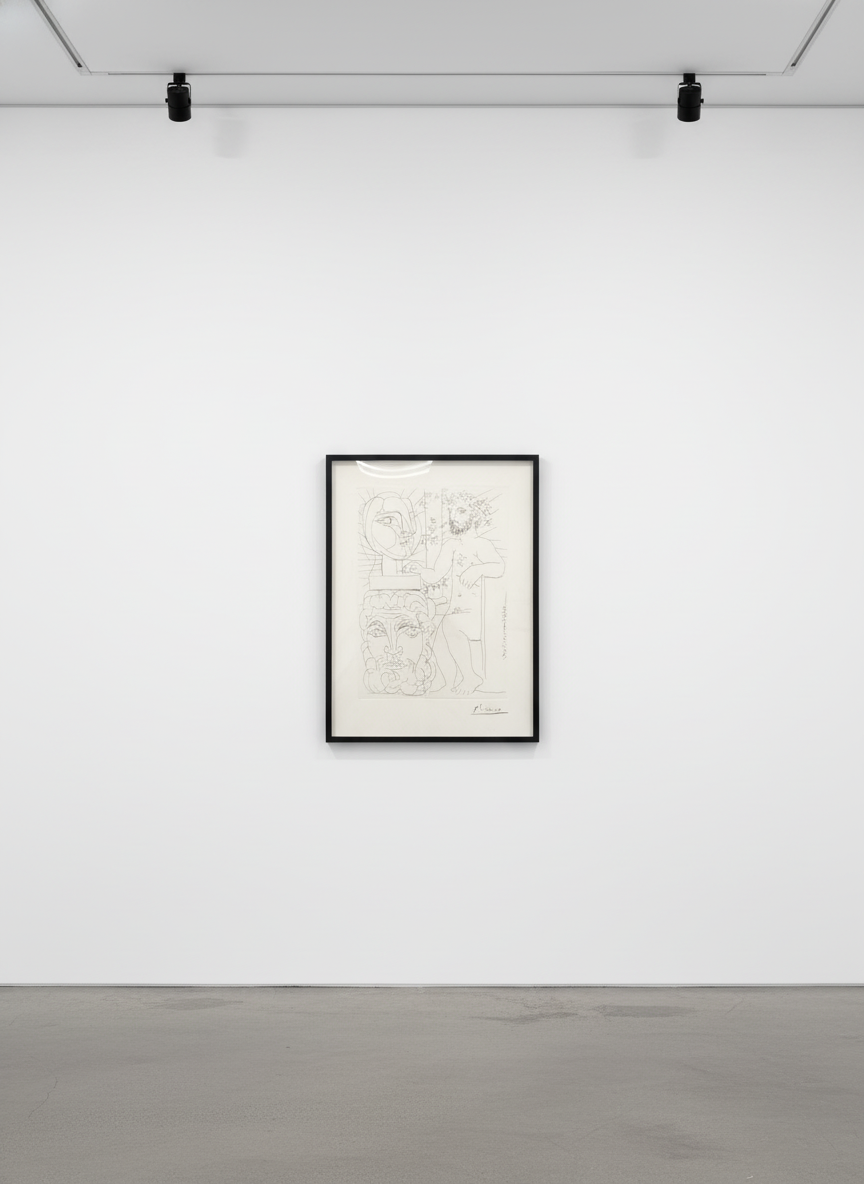
Sculpteur et Deux Têtes sculptées (La Suite Vollard) — Pablo Picasso. Available at Guy Hepner, New York.
Pablo Picasso's reinvention of portraiture cannot be separated from his broader project of Cubism, developed alongside Georges Braque in the years between 1907 and 1914. Yet while Cubism is often discussed in terms of still life and spatial fragmentation, its implications for portraiture proved equally profound. By dismantling the single viewpoint that had governed Western representation since the Renaissance, Picasso introduced a mode of seeing that was simultaneously analytical and synthetic - breaking the face into planes and facets while reconstructing it as a dynamic field of visual information.
This approach reached full maturity in works that depicted lovers, wives, and companions throughout his career. The women in Picasso's life - Fernande Olivier, Olga Khokhlova, Marie-Thérèse Walter, Dora Maar, Françoise Gilot, and Jacqueline Roque - became subjects for continuous formal experimentation. Each relationship coincided with distinct stylistic phases, from the classical serenity of his portraits of Olga to the voluptuous curves defining Marie-Thérèse, to the sharp angular distortions characterising his depictions of Dora Maar during the turbulent late 1930s. These were not merely likenesses but visual translations of emotional and psychological states, rendered through colour, line, and the deliberate dissolution of anatomical coherence.
Picasso's portraits also engaged extensively with art historical precedent through direct dialogue with the masters. Works such as Ecce Homo, d'Après Rembrandt demonstrate his practice of reinterpreting canonical images, filtering Rembrandt's profound humanism through his own modernist vocabulary. This method of creative appropriation allowed Picasso to position himself within a lineage while simultaneously asserting his radical departure from tradition.
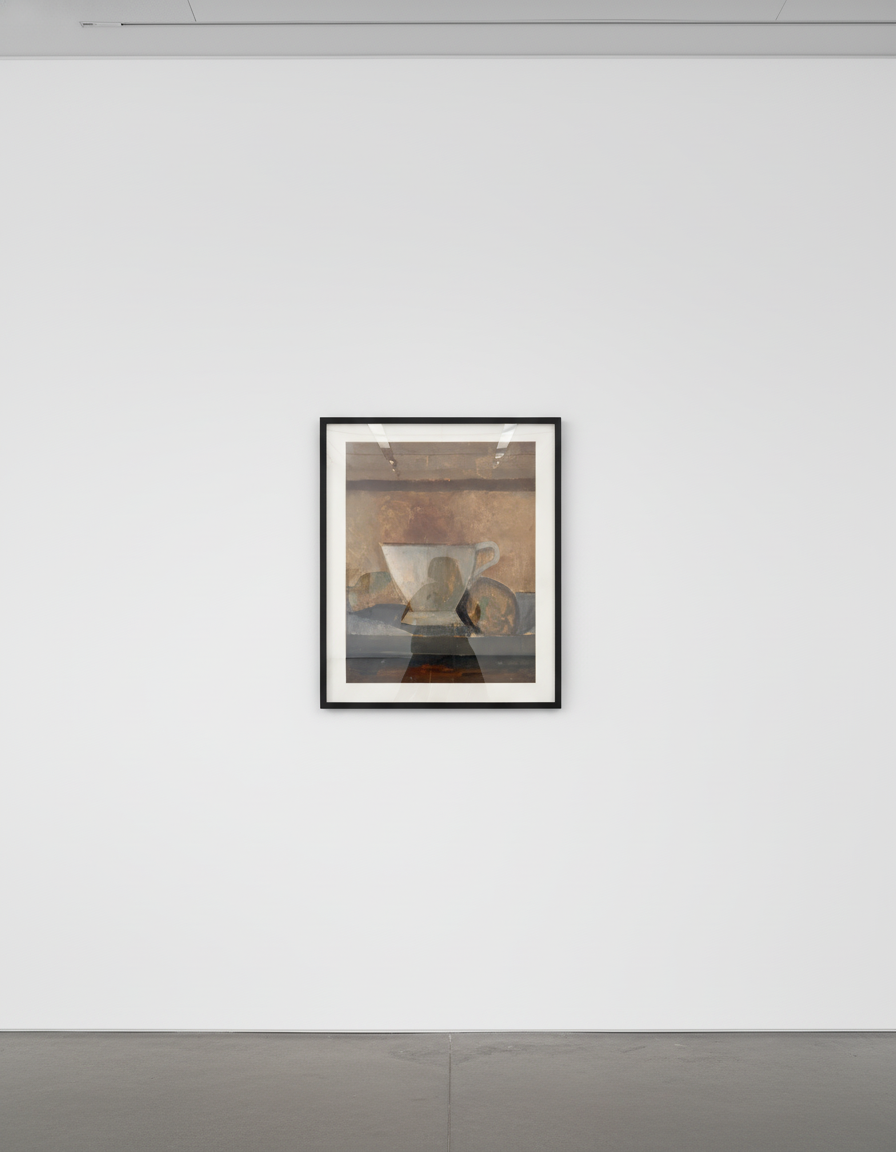
Tasse et bananes — Pablo Picasso. Available at Guy Hepner, New York.
While painting remains central to discussions of Picasso's portraiture, his graphic work - particularly the monumental Suite Vollard - reveals equally significant innovations. Commissioned by the dealer Ambroise Vollard and executed between 1930 and 1937, this suite of one hundred etchings includes numerous explorations of the artist-model relationship, mythological subjects, and sculptural themes. Works such as Sculpteur et Deux Têtes sculptées present the portrait not as a finished statement but as a process of becoming, capturing the dialogue between the sculptor and the forms emerging under his hand.
The Suite Vollard exemplifies Picasso's ability to reinvent portraiture through medium as much as style. The Etching needle allowed for a directness and intimacy distinct from oil painting, producing images that feel both classical in their linear clarity and modern in their psychological complexity. These prints have become cornerstones of twentieth-century graphic art, highly sought by collectors who recognise their position at the intersection of technical mastery and conceptual innovation.
Le Repas Frugal, created earlier in 1904 during Picasso's Blue Period, demonstrates another dimension of his portrait practice - the depiction of anonymous figures whose gaunt faces and elongated forms convey profound human dignity amid poverty. This work established Picasso's capacity to invest portraiture with social commentary while maintaining formal sophistication.
The market for Pablo Picasso's portraits and figural works remains among the most robust in the global art economy. According to data compiled by Art Basel and UBS in their annual art market reports, Picasso consistently ranks among the highest-grossing artists at auction worldwide. Christie's and Sotheby's regularly feature major Picasso portraits in their marquee evening sales, where works depicting his muses command exceptional prices reflective of their art historical importance and visual power.
Collectors are drawn to Picasso's portraits for multiple reasons. These works represent tangible connections to the most influential artist of the twentieth century while embodying specific moments in his stylistic evolution. The biographical dimension - knowing which lover or friend inspired a particular image - adds narrative depth that enhances both scholarly interest and market appeal. Furthermore, Picasso's relentless experimentation ensures tremendous variety within his portrait oeuvre, allowing collectors to acquire works ranging from tender realism to aggressive abstraction.
The graphic works offer particular opportunities for collectors seeking museum-quality Picasso at accessible price points. Prints from the Suite Vollard and other major series combine rarity with historical significance, representing the artist's hand while demonstrating his mastery across media.
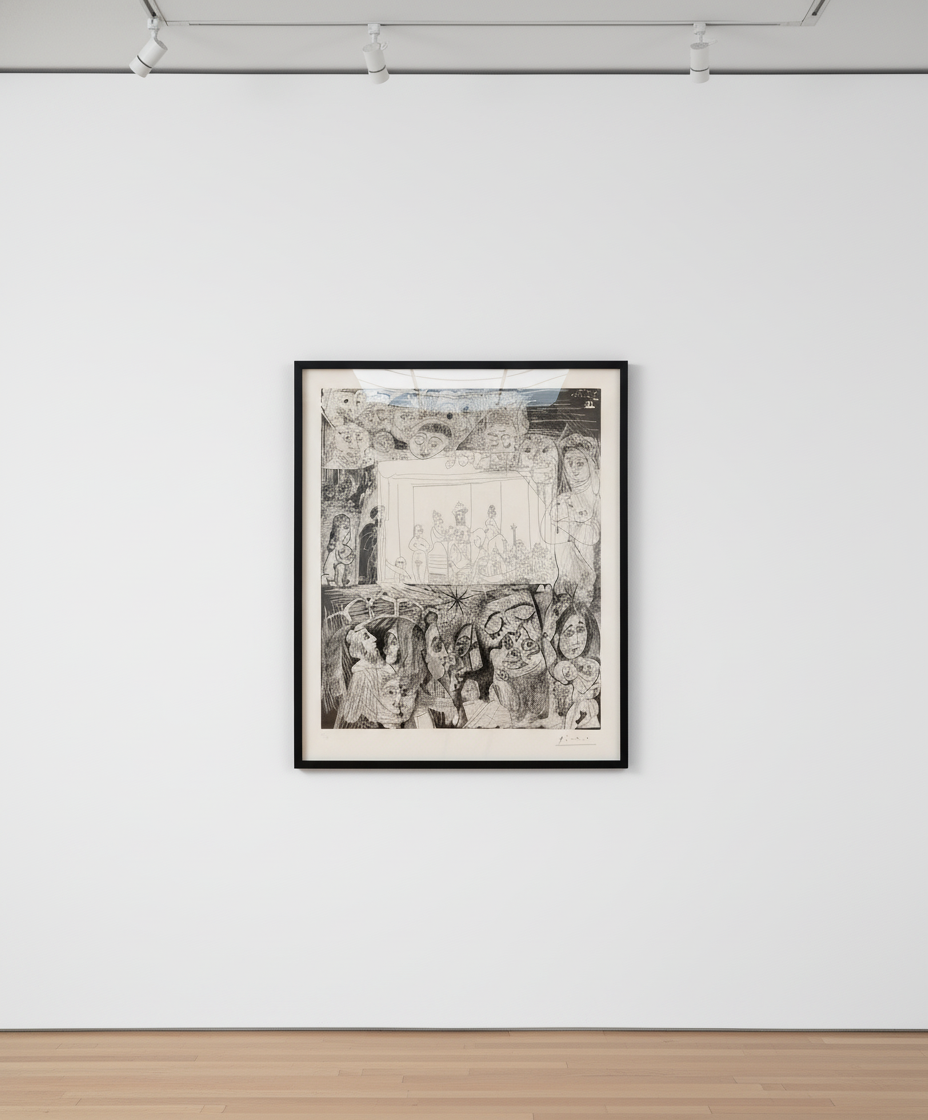
Ecce Homo, d’Après Rembrandt — Pablo Picasso. Available at Guy Hepner, New York.
Guy Hepner is proud to offer exceptional works by Pablo Picasso that exemplify his revolutionary approach to portraiture and the human figure. Our curated selection includes significant prints and works on paper that demonstrate Picasso's technical brilliance and conceptual innovation. We invite collectors to explore these remarkable pieces and contact our advisory team to discuss acquisition opportunities, whether building a focused Picasso collection or incorporating a masterwork into a broader programme. Each work is accompanied by full provenance documentation and authentication, ensuring the highest standards of integrity for our discerning international clientele.
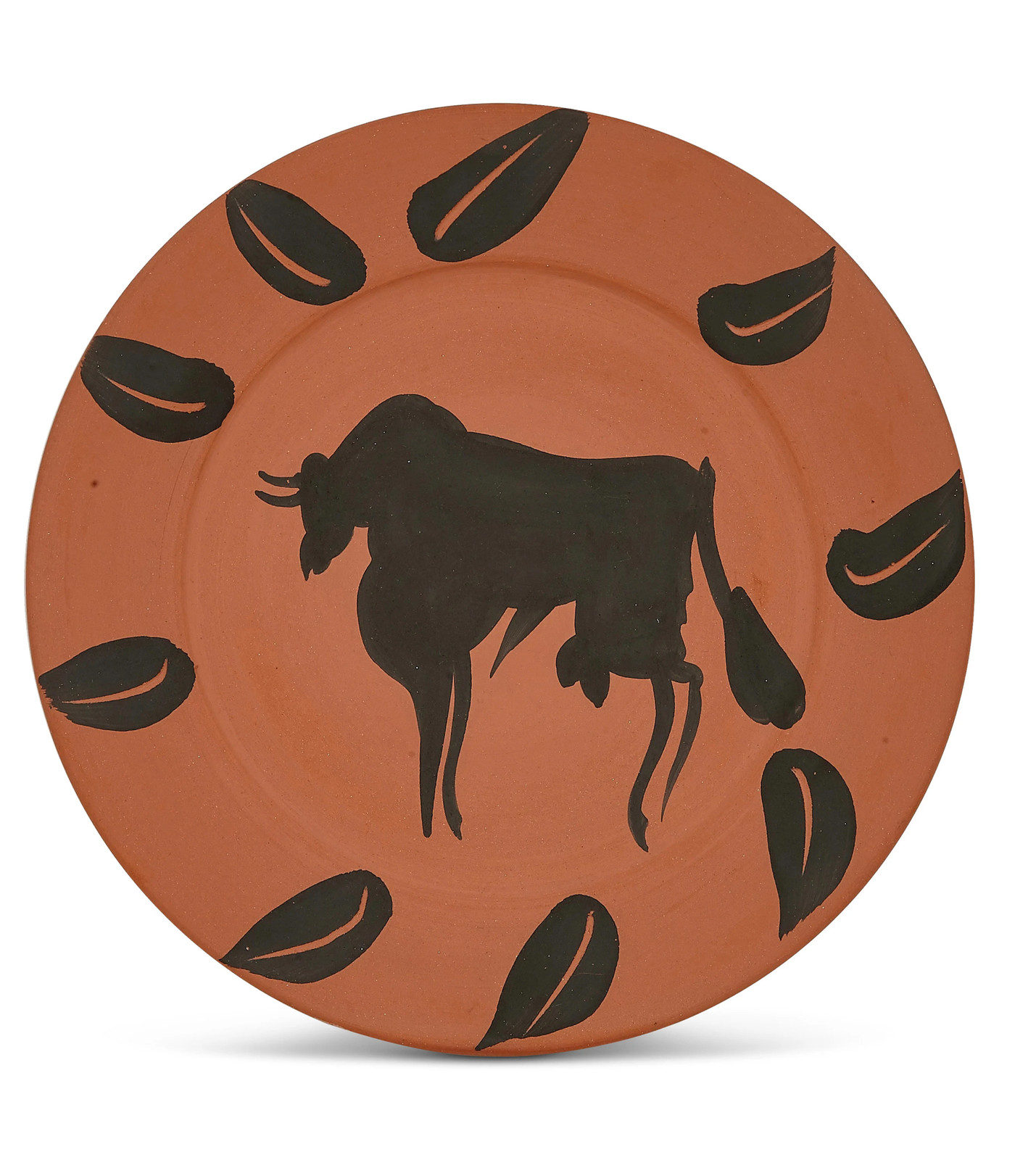
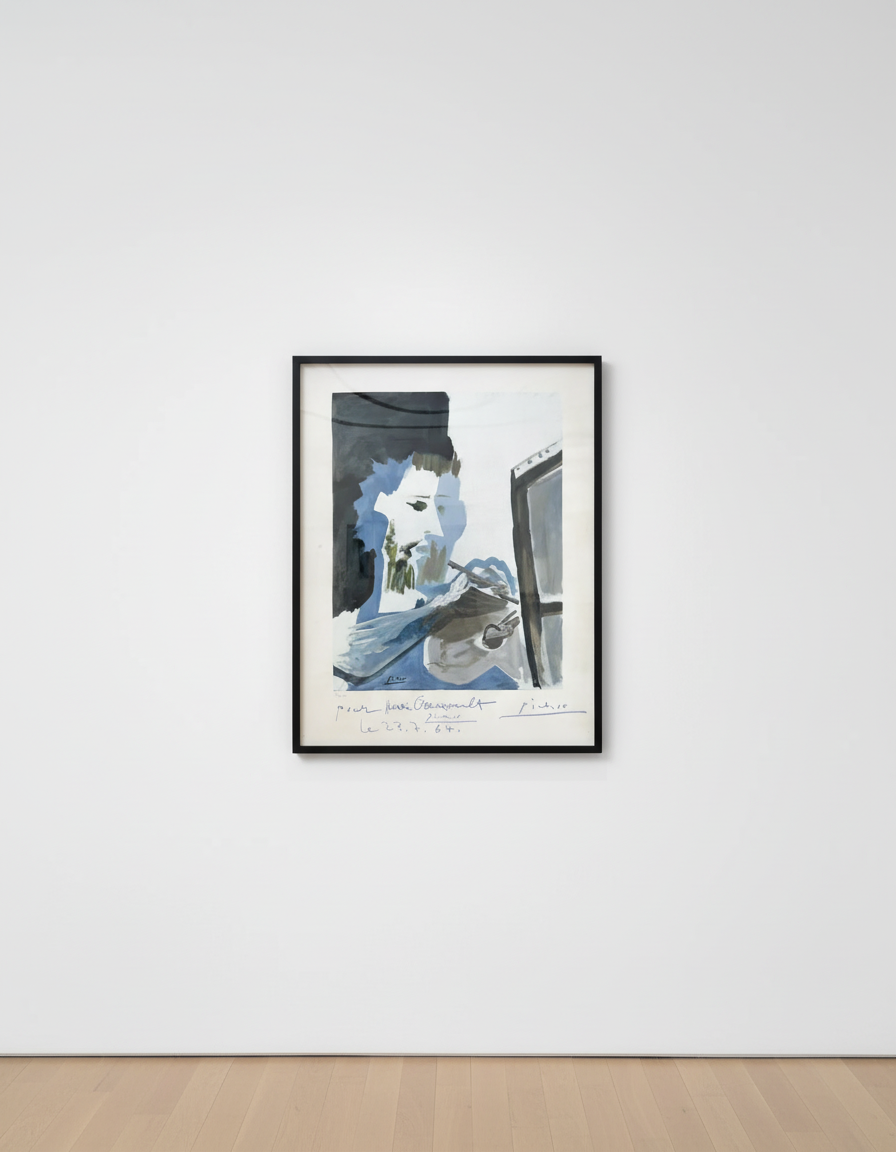
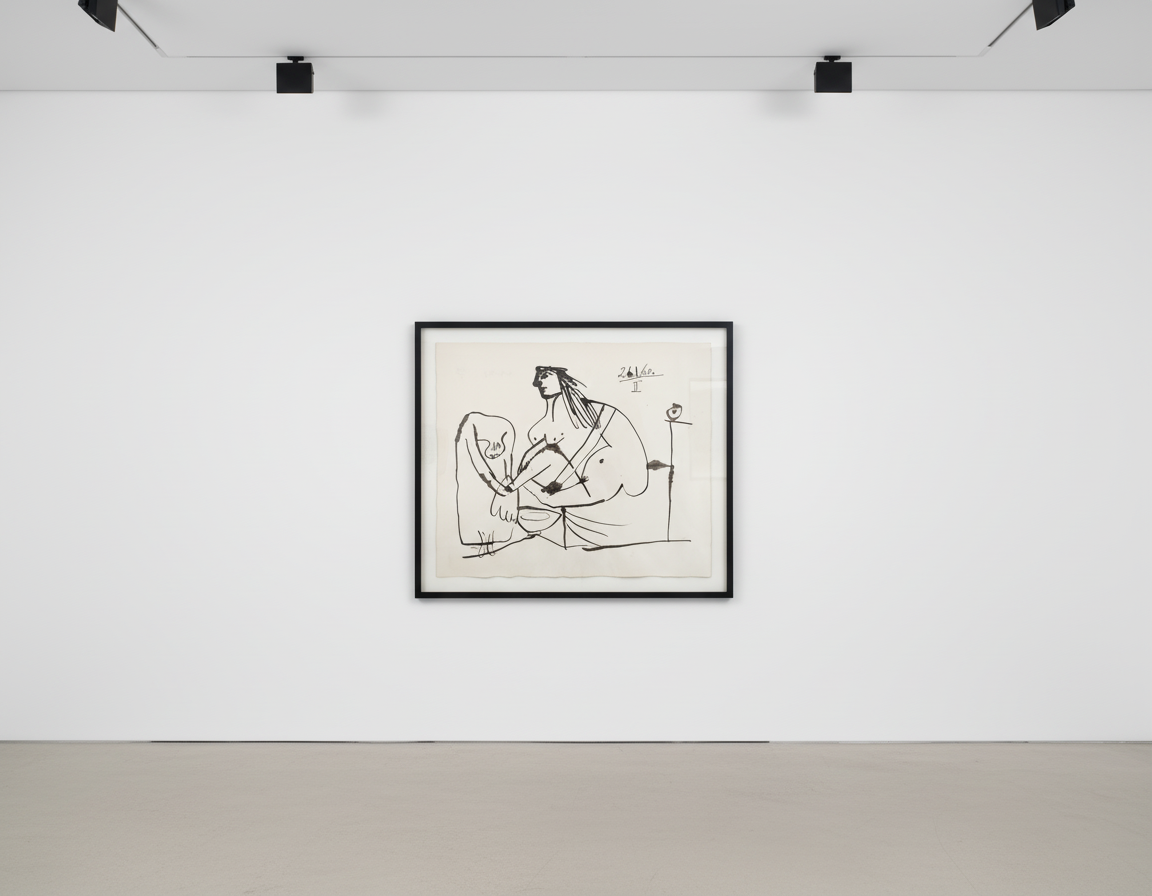
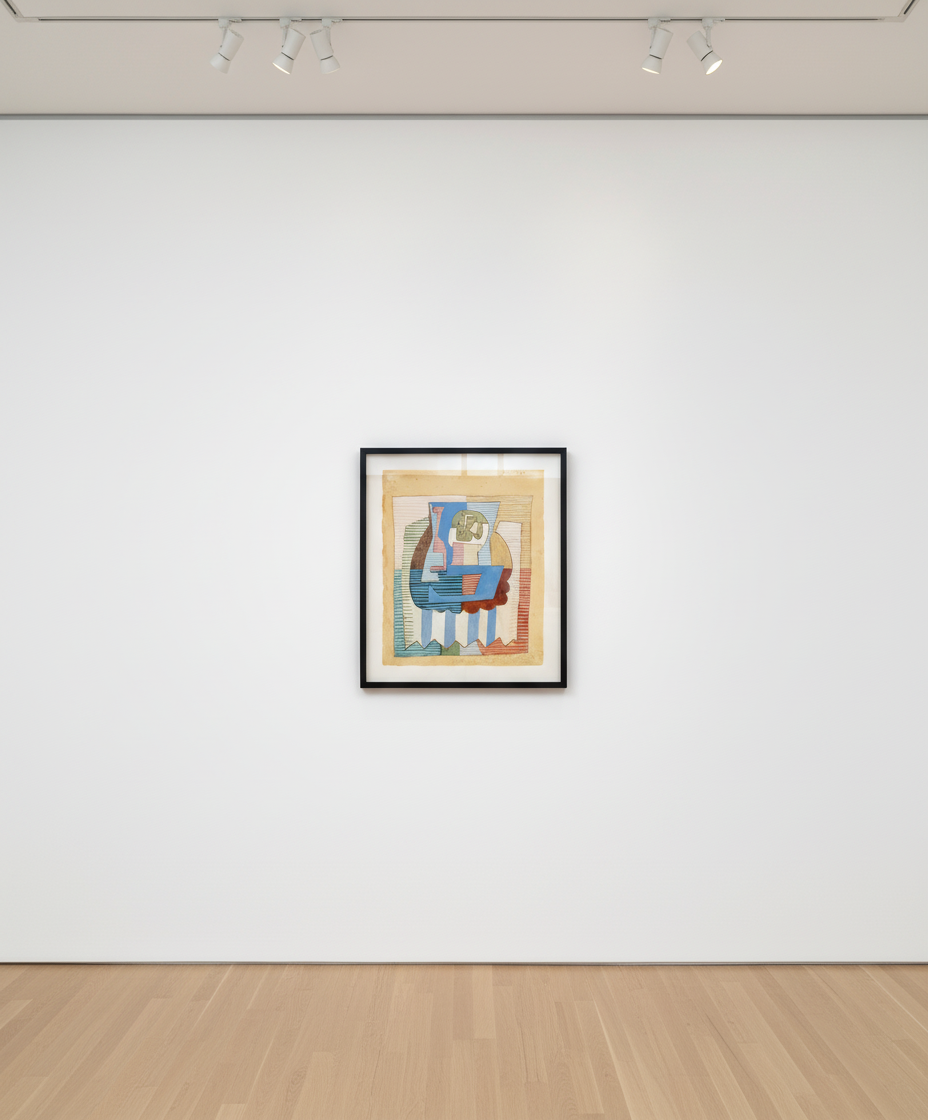
Explore Pablo Picasso prints for sale at Guy Hepner: Aquatint, Ceramics, Collotype, Drawing, Etching.
Related Series