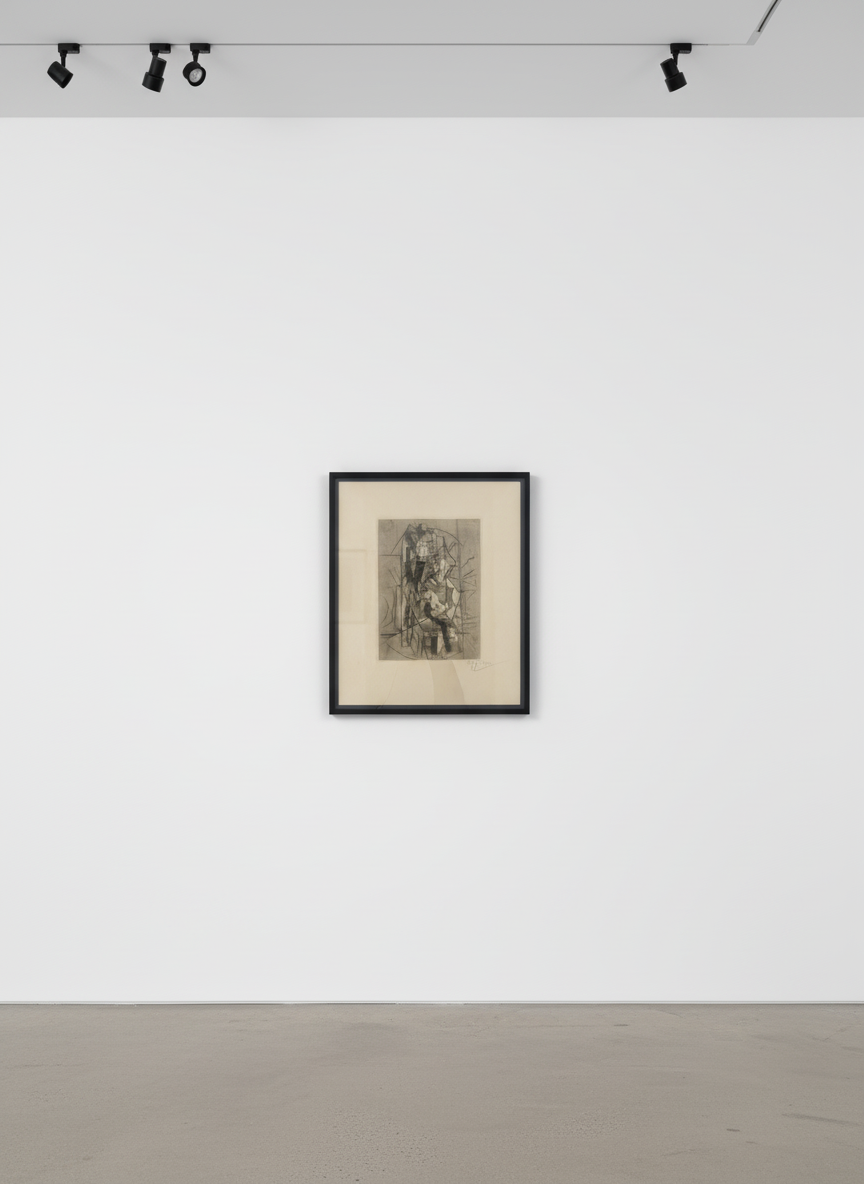
Aquatint

May 23, 2026
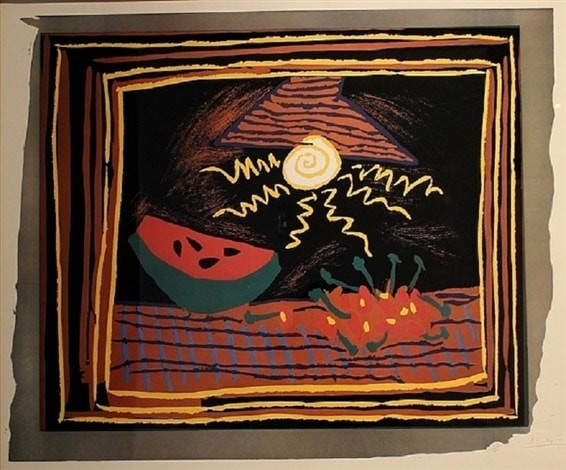
Few artists have reshaped the trajectory of modern art like Pablo Picasso. A name synonymous with innovation, rebellion, and sheer creative force, Picasso remains a towering figure whose influence ripples far beyond the confines of galleries and auction houses. More than fifty years after his death, his works continue to command record-breaking prices, inspire contemporary artists, and captivate collectors worldwide. This exploration examines the enduring importance of Picasso's work - why he matters, how he changed the course of art history, and what lessons his legacy holds for artists, collectors, and enthusiasts navigating the art market today.
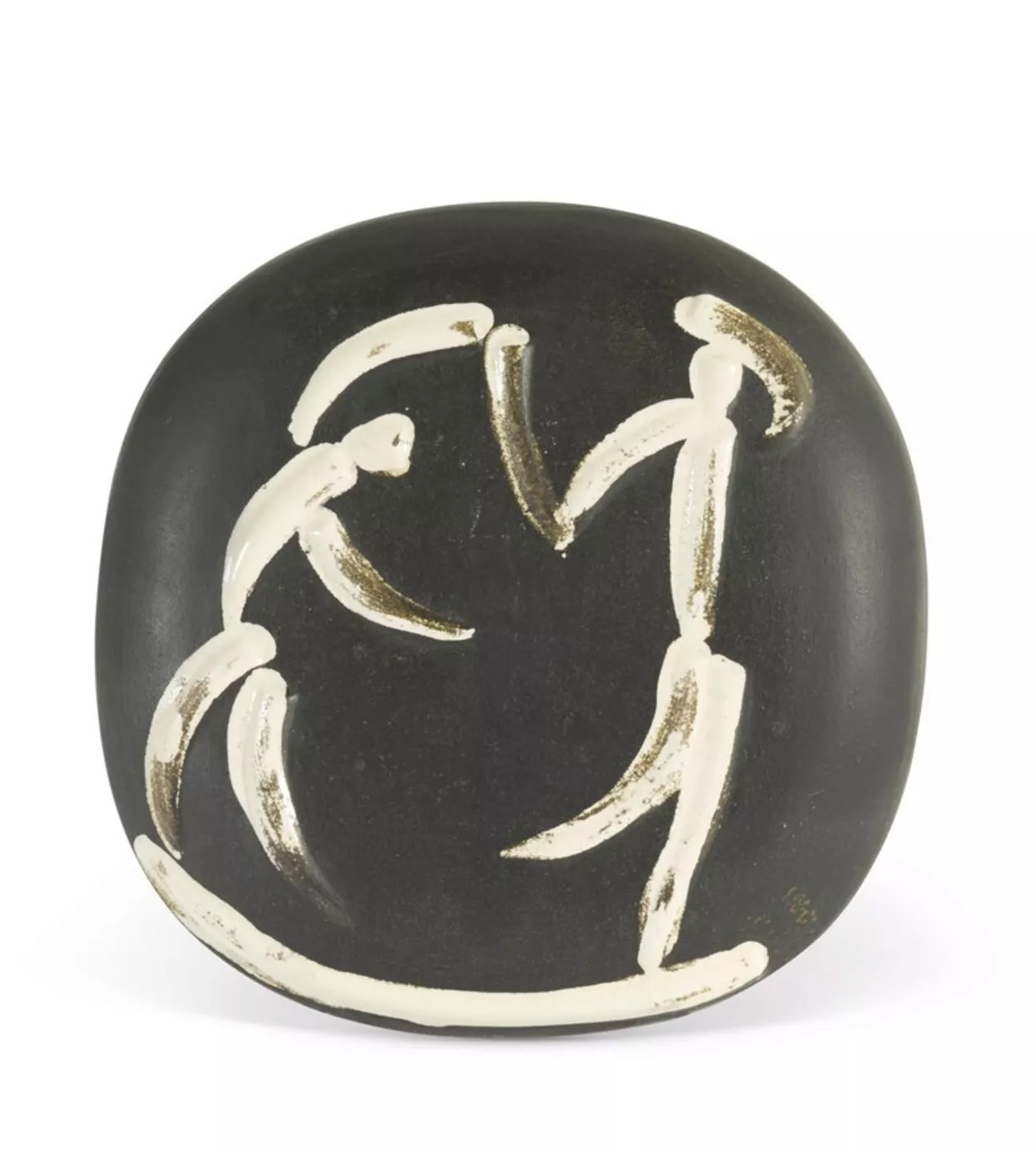
Pablo Picasso (1881-1973) was never content with repeating himself. Across more than seventy years of relentless artistic production, he created over 20,000 artworks, moving fluidly through styles, techniques, and mediums. From the somber melancholy of the Blue Period to the fractured geometries of Cubism, from political masterpieces like Guernica to playful Ceramics in his later years, Picasso constantly reinvented himself. He believed, famously, that "every act of creation is first an act of destruction." That mantra drove him to continually break away from tradition, dismantling established conventions only to rebuild them in revolutionary new forms.
His refusal to accept artistic stagnation made him not merely a painter but a perpetual force of disruption. While his contemporaries often settled into recognizable signatures, Picasso treated each phase of his career as an opportunity for complete transformation. The Rose Period gave way to African-influenced works, which evolved into the analytical and synthetic phases of Cubism, later dissolving into Surrealist explorations and Neoclassical returns. This restless evolution ensured that Picasso's body of work functions less as a singular artistic statement and more as an encyclopedia of twentieth-century visual possibility.
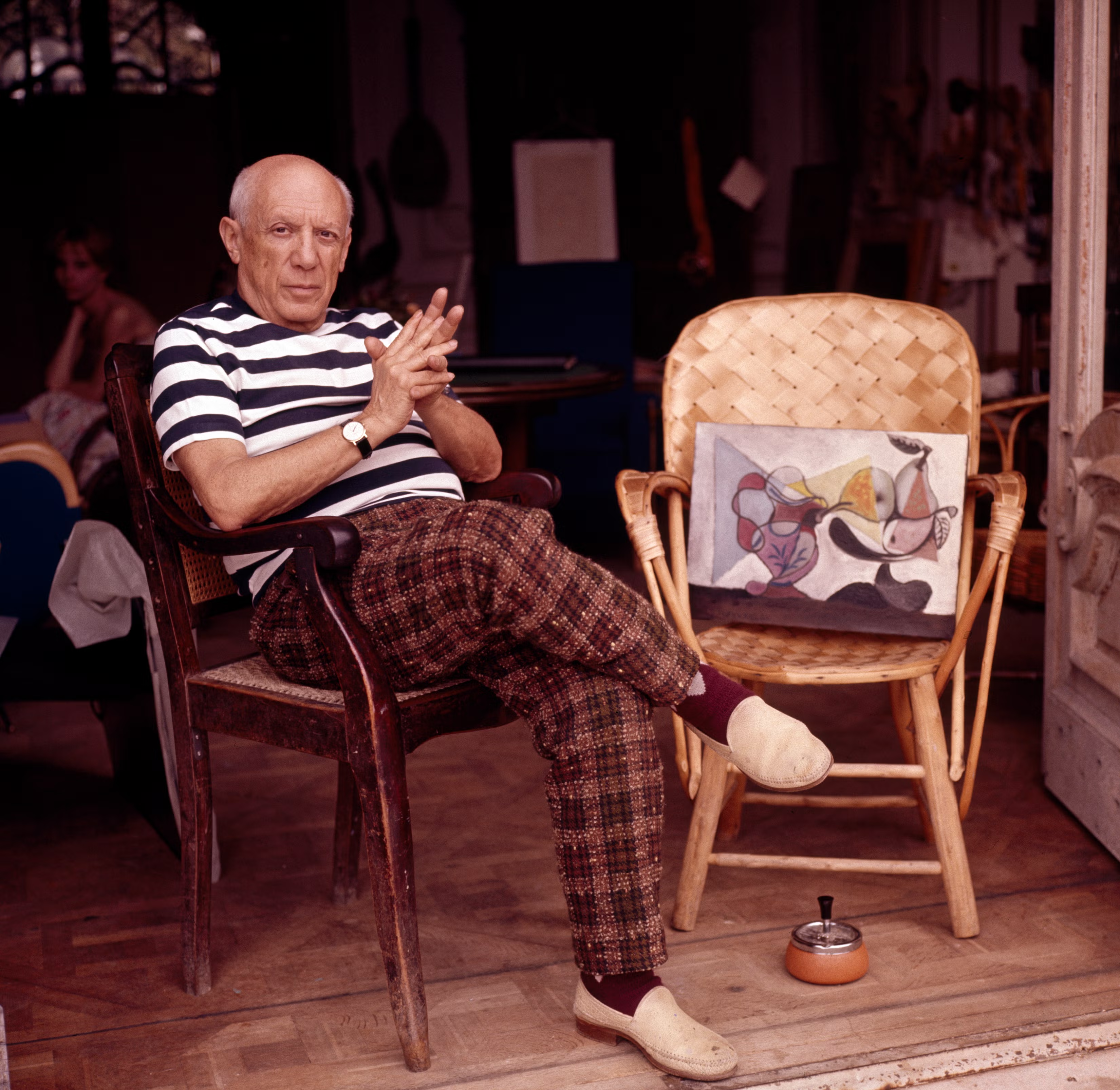No discussion of Picasso's significance can overlook Cubism - the movement he co-founded with Georges Braque that fundamentally altered how artists and viewers perceive representation. Before Cubism, Western art had spent centuries perfecting the illusion of three-dimensional space on two-dimensional surfaces. Picasso shattered this tradition by presenting multiple perspectives simultaneously, fragmenting forms into geometric planes that challenged viewers to reassemble reality in their minds.
Works from this period did not simply depict subjects - they interrogated the very nature of perception. A face could be seen from the front and profile at once. A still life could collapse spatial relationships while revealing hidden dimensions of everyday objects. This was not mere stylistic experimentation but a philosophical revolution rendered in paint and line. Cubism laid the groundwork for abstraction, influenced movements from Futurism to Constructivism, and fundamentally expanded what art could express about human experience.
The Suite Vollard, a collection of one hundred etchings created between 1930 and 1937, demonstrates how Picasso carried his innovative vision into printmaking. These works explore themes of artistic creation, mythology, and desire with the same formal daring that characterized his paintings. The series remains among the most significant print achievements of the twentieth century.
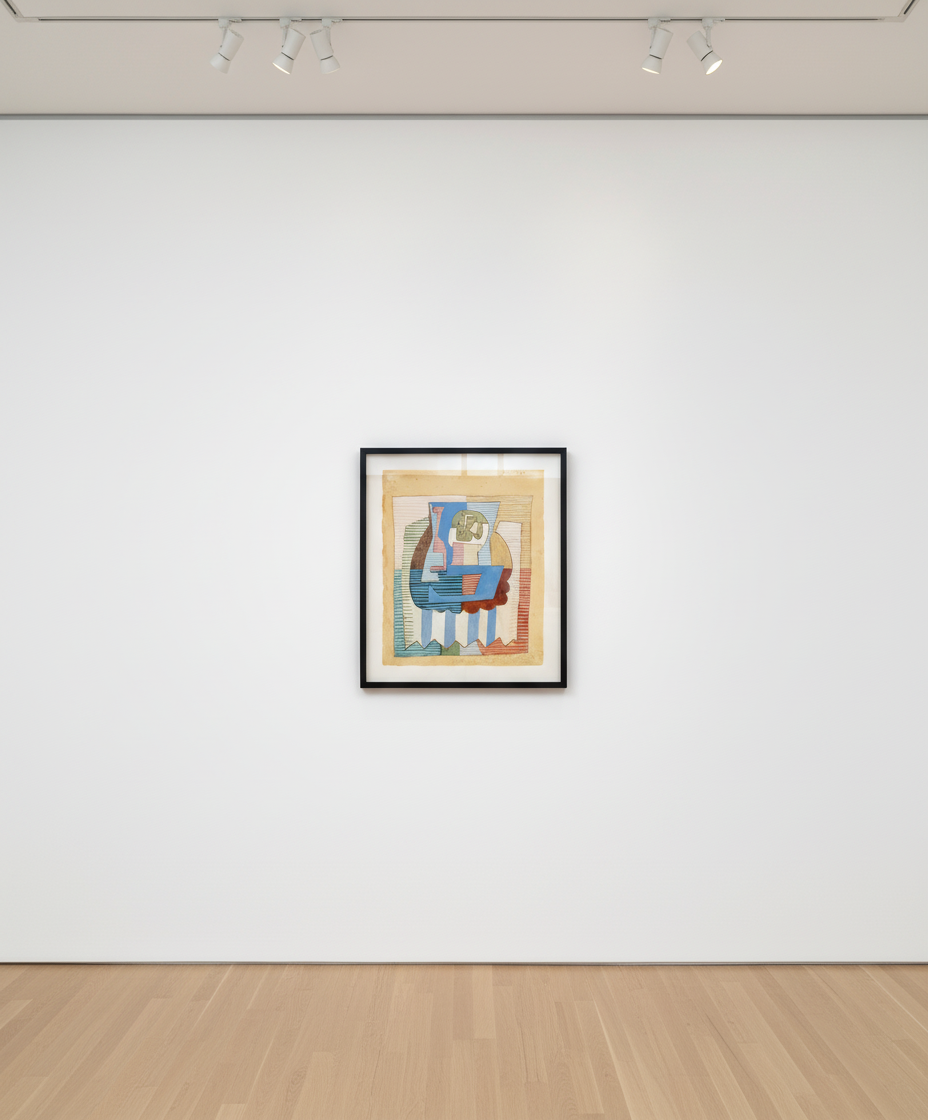
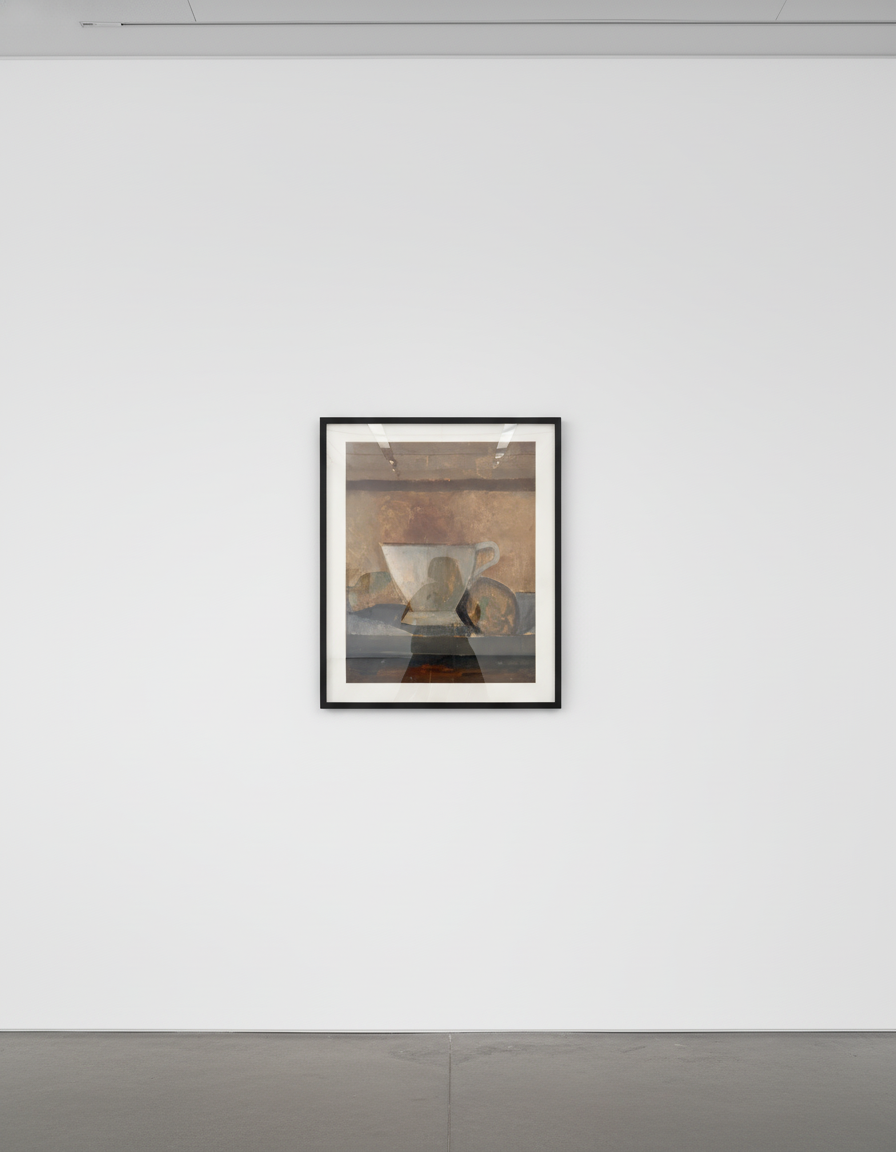Tasse et bananes — Pablo Picasso. Available at Guy Hepner, New York.
Picasso's artistic importance finds concrete expression in his commanding presence within the global art market. According to data from Christie's and Sotheby's, Picasso consistently ranks among the highest-grossing artists at auction year after year. His works have achieved prices exceeding $100 million, with pieces from his most celebrated periods attracting fierce competition among institutional collectors, private foundations, and individual connoisseurs.
The Art Basel and UBS Global Art Market Report regularly confirms Picasso's position as a market cornerstone. His works offer collectors something increasingly rare - the combination of unimpeachable art-historical significance with demonstrated investment resilience. Blue Period paintings, Cubist masterworks, and works on paper from throughout his career maintain strong demand regardless of broader economic fluctuations.
For serious collectors, Picasso represents more than prestige acquisition. His oeuvre provides entry points across multiple price levels, from major paintings commanding eight-figure sums to prints and ceramics accessible to emerging collectors building foundational holdings. This range ensures that engagement with Picasso's legacy remains possible for collectors at various stages of their journey, while the depth of scholarly attention surrounding his work guarantees ongoing institutional interest and exhibition opportunities.
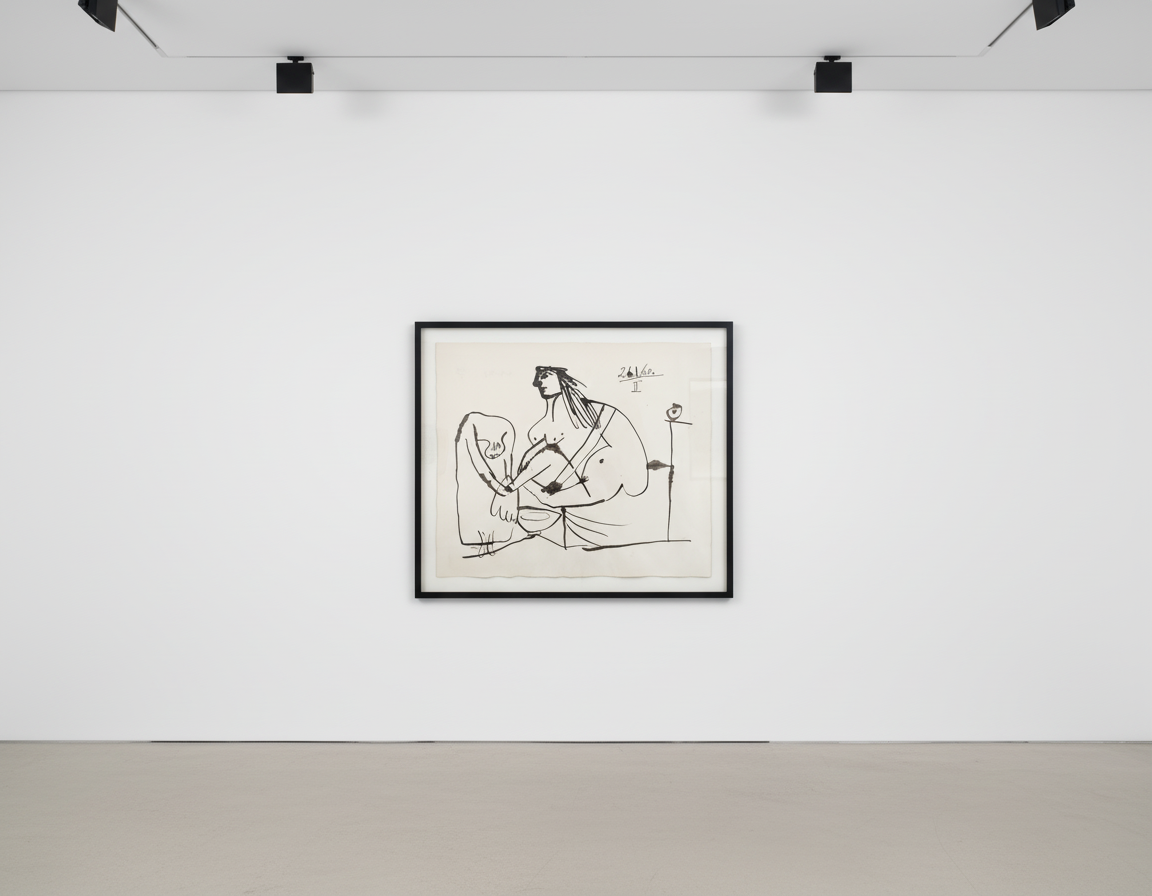
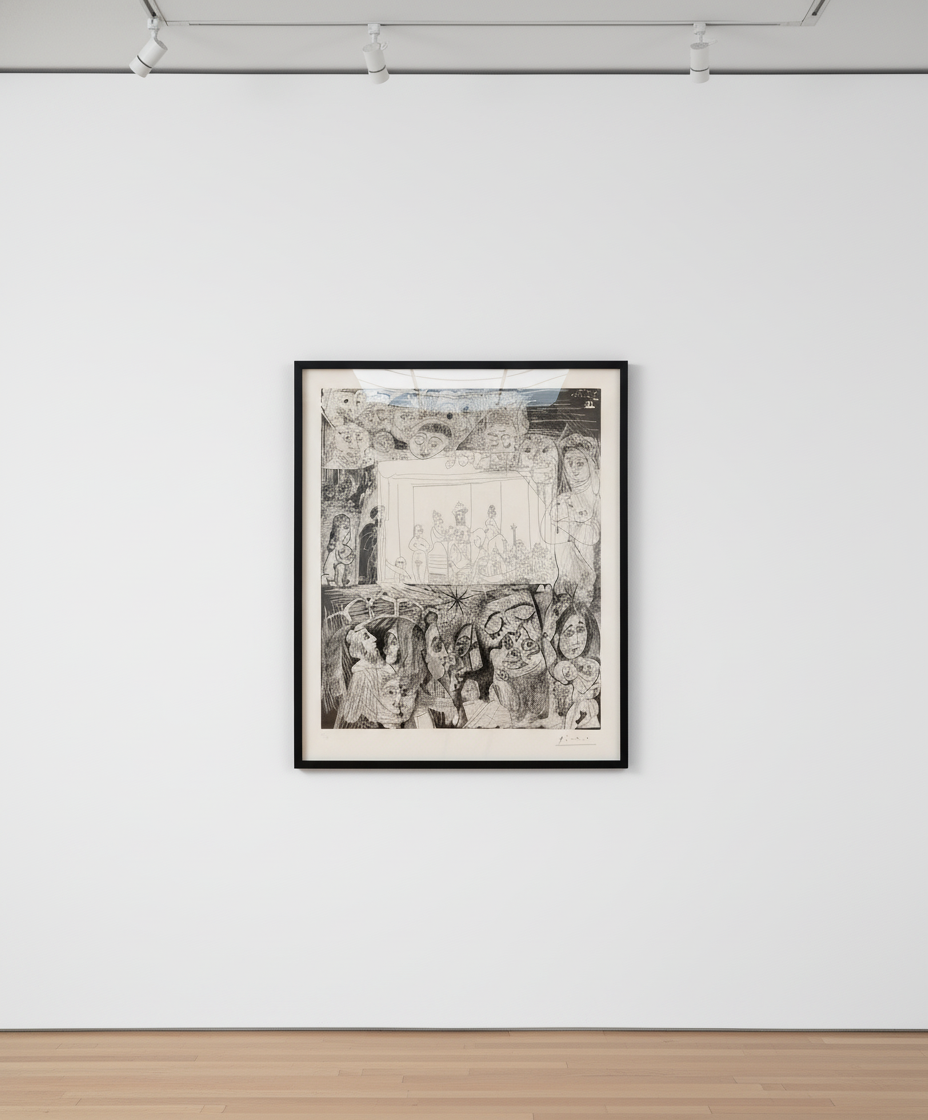Ecce Homo, d’Après Rembrandt — Pablo Picasso. Available at Guy Hepner, New York.
What ultimately makes Picasso matter - decades after his death, in an art world transformed by digital media and globalized perspectives - is the model he provides for creative courage. He demonstrated that artistic greatness requires perpetual risk, that mastery of tradition must precede meaningful innovation, and that authenticity demands constant evolution rather than comfortable repetition.
Contemporary artists continue Drawing inspiration from his example. His willingness to absorb influences from African sculpture, Iberian artifacts, and classical antiquity while synthesizing them into wholly original expressions presaged today's cross-cultural artistic dialogues. His movement between mediums - Painting, sculpture, printmaking, ceramics, stage design - anticipated the multidisciplinary practices now common among leading contemporary figures.
For collectors, Picasso's endurance offers validation that acquiring historically significant work creates lasting value. His pieces anchor collections with intellectual weight while providing aesthetic pleasure that deepens across viewings. The ongoing scholarly engagement with his oeuvre ensures that new insights continually emerge, keeping his work fresh for successive generations.
Guy Hepner is privileged to offer authenticated works by Pablo Picasso, including significant prints and works on paper that embody his revolutionary vision. Our gallery provides collectors with the expertise, provenance documentation, and personalized guidance essential for acquiring works of this caliber. We invite collectors to explore available Picasso works through our gallery and to contact our advisory team to discuss acquisition opportunities that align with individual collecting goals.
Explore Pablo Picasso prints for sale at Guy Hepner: Aquatint, Ceramics, Collotype, Drawing, Etching.
Related Series