Picasso: Breaking The Mould
Picasso: Breaking The Mould
"When I was a child my mother said to me, 'If you become a soldier, you'll be a general. If you become a monk, you'll be the pope.' Instead I became a painter and wound up as Picasso."
Few names in art history ignite the imagination quite like Pablo Picasso. A prolific and mercurial genius, Picasso revolutionized the very foundations of artistic practice in the twentieth century. His career - spanning over seven decades and encompassing more than 20,000 works - was defined by constant reinvention, fearless experimentation, and a radical rethinking of what art could be and do. At the heart of Picasso's revolution was his absolute refusal to stand still, transforming himself and the medium with each passing decade while lesser artists remained tethered to a single style or period.
The Early Years and the Seeds of Revolution
Born in 1881 in Málaga, Spain, Pablo Picasso demonstrated prodigious artistic talent from an early age. His early academic works, such as The First Communion (1896), showcased his complete mastery of traditional technique - a mastery that made his subsequent rejection of classical form all the more radical. By his teenage years, Picasso had absorbed everything the academies could teach him, and he grew restless with convention.
His formative periods - the melancholic Blue Period and the warmer Rose Period - revealed an artist already pushing against boundaries while developing the emotional depth that would characterize his entire oeuvre. These early explorations of human suffering, isolation, and tenderness established Picasso not merely as a technically gifted painter but as a profound interpreter of the human condition. Yet even these celebrated phases were merely preludes to the seismic shifts that would follow.
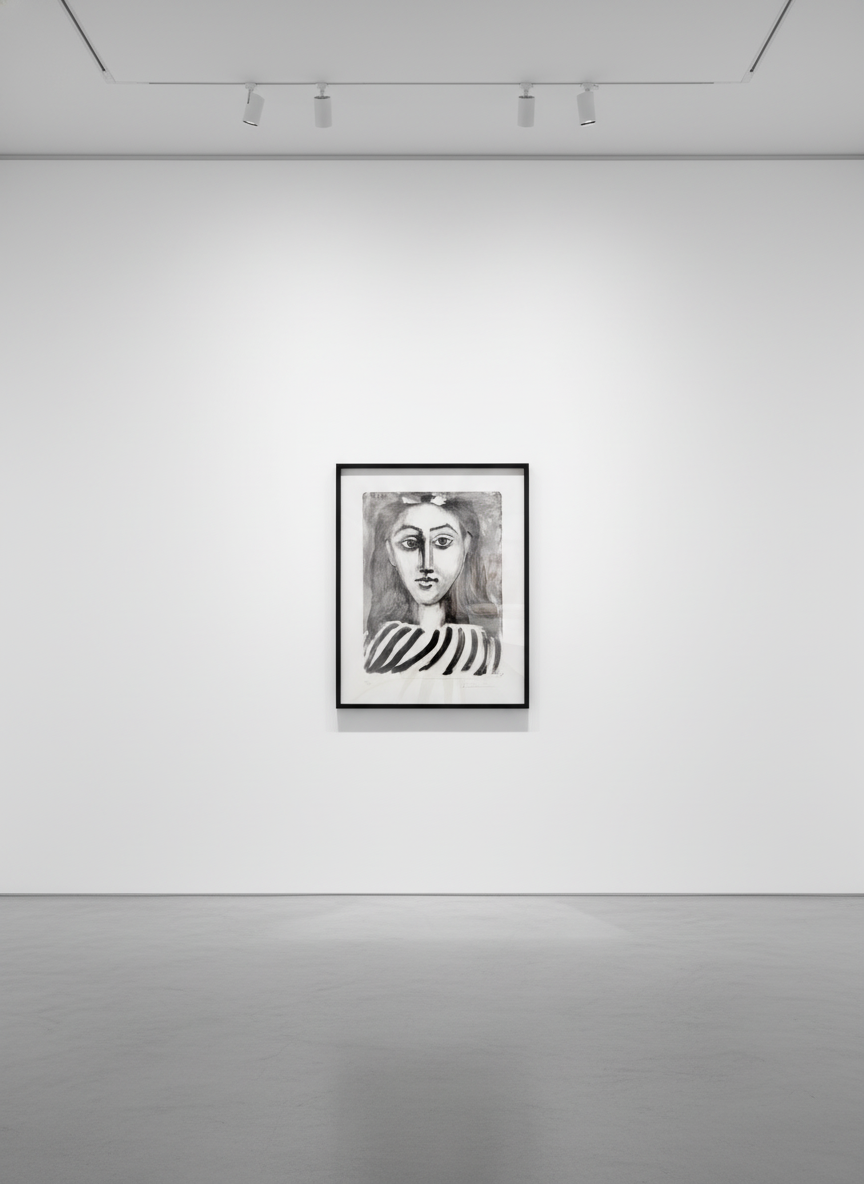
Tête de Jeune Fille – Portrait de Françoise — Pablo Picasso. Available at Guy Hepner, New York.
Cubism and the Destruction of Perspective
The revolution that Picasso unleashed upon the art world reached its apex with the development of Cubism, created in collaboration with Georges Braque between 1907 and 1914. Works such as Les Demoiselles d'Avignon (1907) shattered centuries of Western pictorial tradition, dismantling the single-point perspective that had governed representation since the Renaissance. In its place, Picasso proposed a radical new visual language - one that showed multiple viewpoints simultaneously, fragmenting form and reassembling it according to an internal logic rather than external observation.
This was not destruction for its own sake but rather a profound reimagining of how we perceive and represent reality. Picasso recognized that human experience is not fixed but fluid, that we understand objects and people through accumulated perspectives rather than a single frozen moment. Cubism translated this truth into paint, creating works that were intellectually rigorous yet emotionally resonant. The movement's influence extended far beyond painting, reshaping sculpture, architecture, literature, and design throughout the twentieth century.
Picasso's portraits from this period and beyond demonstrate his extraordinary ability to capture psychological truth through formal innovation. His depictions of women - lovers, muses, and companions - reveal an artist constantly interrogating the relationship between representation and reality, between the observed and the felt.
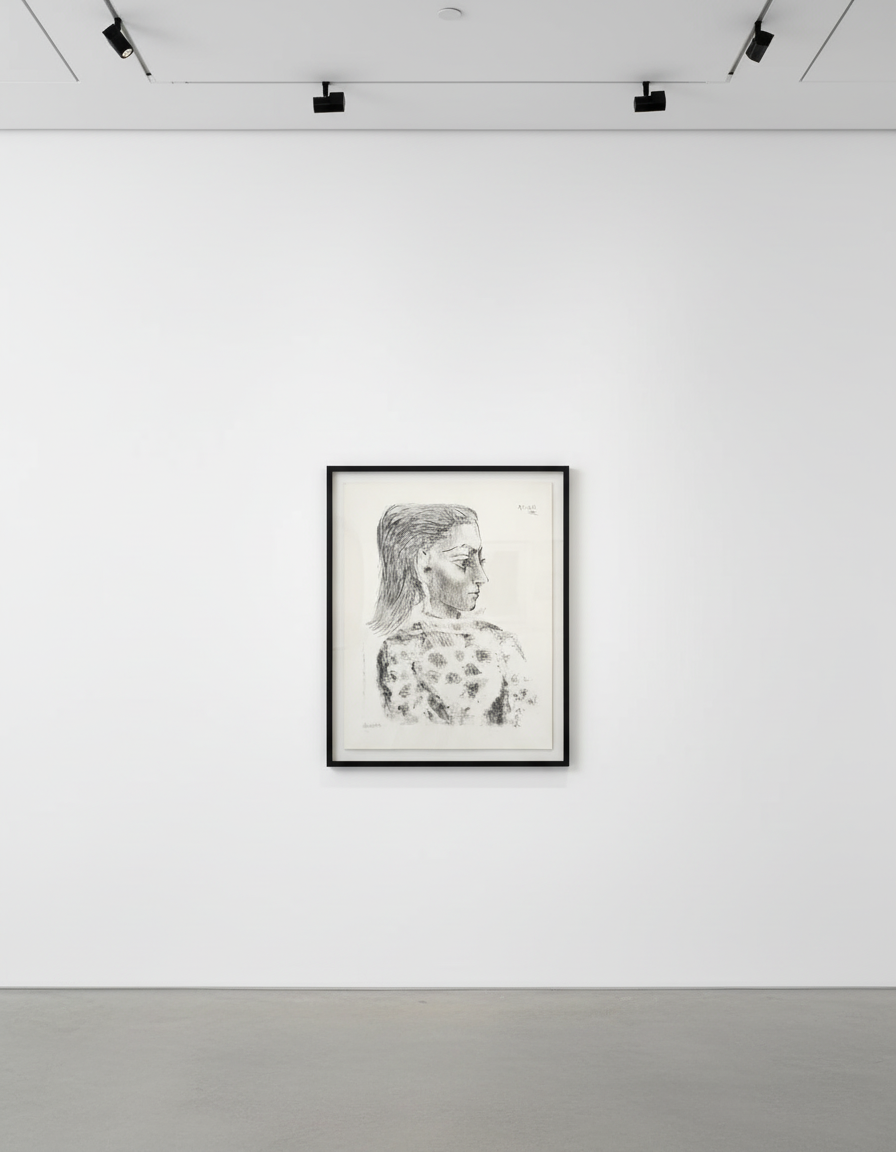
Buste — Pablo Picasso. Available at Guy Hepner, New York.
Perpetual Reinvention and Late Mastery
What distinguished Picasso from other revolutionary artists was his refusal to rest upon his achievements. Where others might have spent a lifetime refining Cubism, Picasso moved restlessly forward - through Neoclassicism in the 1920s, Surrealist-influenced works in the 1930s, and the politically charged masterpiece Guernica (1937), which remains one of the most powerful anti-war statements in art history.
His later decades proved equally vital. The portraits of Françoise Gilot and Jacqueline Roque - women who shared his life during his mature and final periods - demonstrate an artist whose creative powers remained undiminished by age. Works such as Tête de Jeune Fille and Profil de Femme exemplify Picasso's late style: bold, economical, and possessed of a directness that strips portraiture to its essential elements. These pieces synthesize a lifetime of formal experimentation into images of startling immediacy.
Picasso's still life works, including pieces like Tasse et bananes, reveal the same innovative spirit applied to traditional subject matter. In his hands, everyday objects become vehicles for exploring colour, form, and composition with a freedom that only decades of mastery could permit.
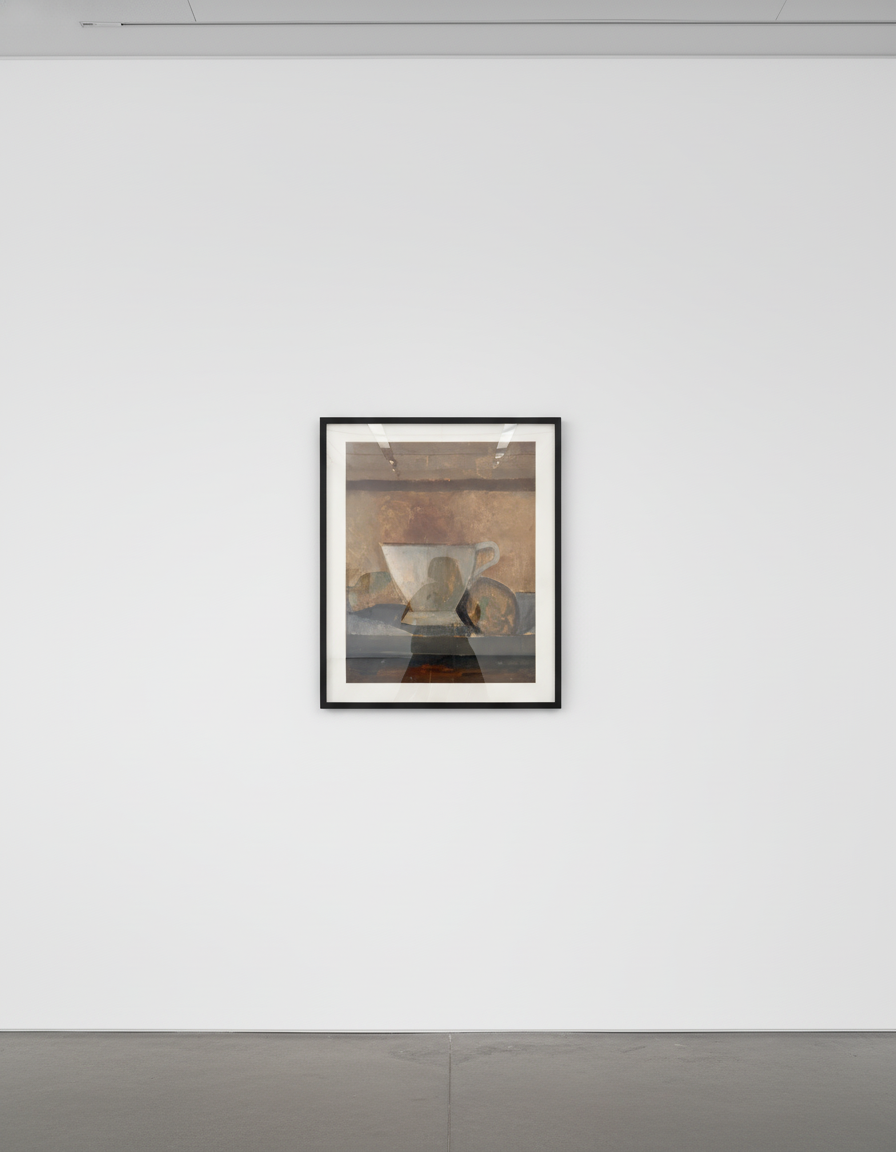
Tasse et bananes — Pablo Picasso. Available at Guy Hepner, New York.
Market Significance and Collector Appeal
Pablo Picasso consistently ranks among the most sought-after artists at auction, with his works regularly achieving record-breaking prices at Christie's and Sotheby's. According to the Art Basel and UBS Global Art Market Report, Picasso remains a cornerstone of the blue-chip art market, with demand spanning his entire career - from early academic pieces to late-period portraits and prints. His works offer collectors not merely aesthetic pleasure but historical significance, representing pivotal moments in the development of modern art.
The breadth of Picasso's output means that collectors at various levels can engage with his legacy. Original ceramics, lithographs, linocuts, and drawings offer entry points into ownership of works by this towering figure, while major paintings and sculptures command prices reflecting their art-historical importance. What unites all Picasso works is their authenticity of vision - each piece, regardless of medium or scale, bears the unmistakable imprint of an artist who broke the mould of artistic convention and remade it in his own image.
Acquire Works by Pablo Picasso at Guy Hepner
Guy Hepner is proud to offer an exceptional selection of works by Pablo Picasso, including rare prints, portraits, and original pieces that represent key moments in the artist's revolutionary career. Our specialists provide comprehensive guidance on provenance, condition, and market positioning, ensuring that each acquisition meets the highest standards of quality and authenticity. To inquire about available works by Picasso or to discuss building your collection, contact Guy Hepner directly at sales@guyhepner.com or call our New York gallery.
Browse Series
Works For Sale
Available through Guy Hepner
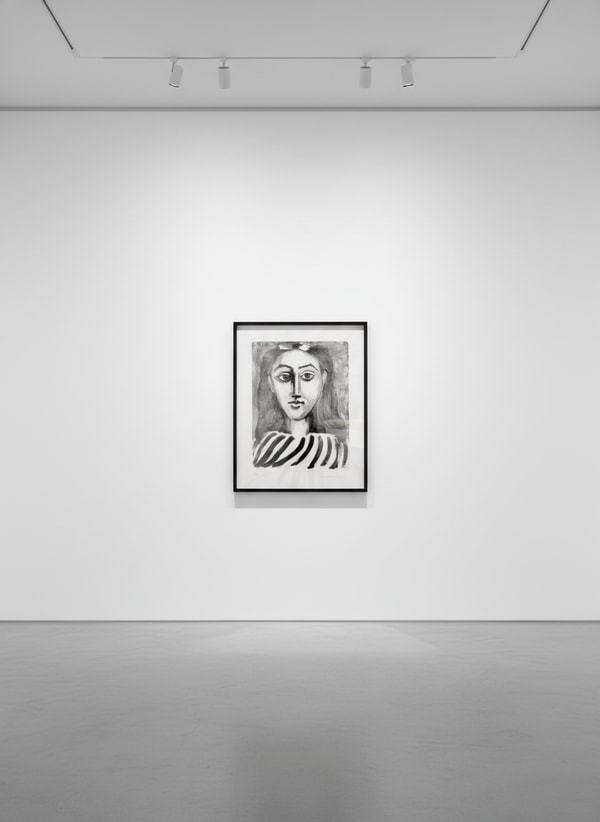
Pablo Picasso
Tête de Jeune Fille – Portrait de Françoise
1949
Enquire →

Pablo Picasso
Buste
1957
Enquire →

Pablo Picasso
Tasse et bananes
1908
Enquire →
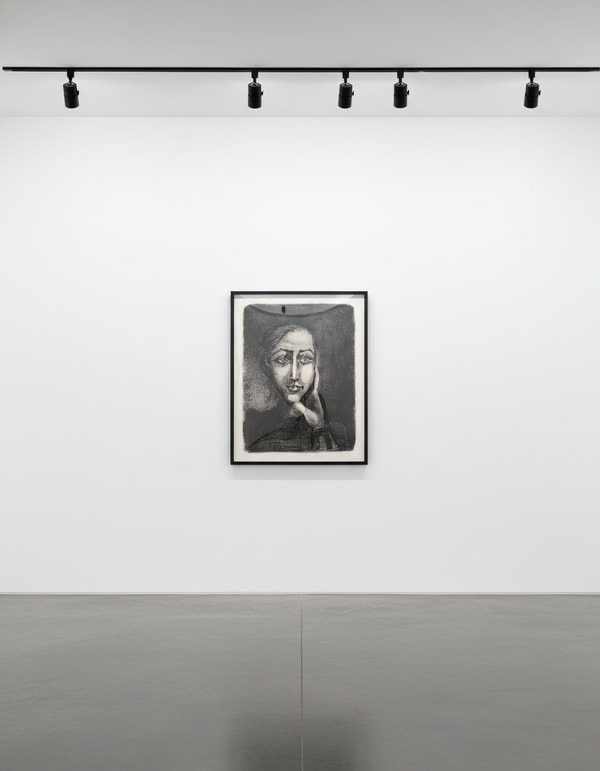
Pablo Picasso
Françoise Sur Fond Gris
1950
Enquire →
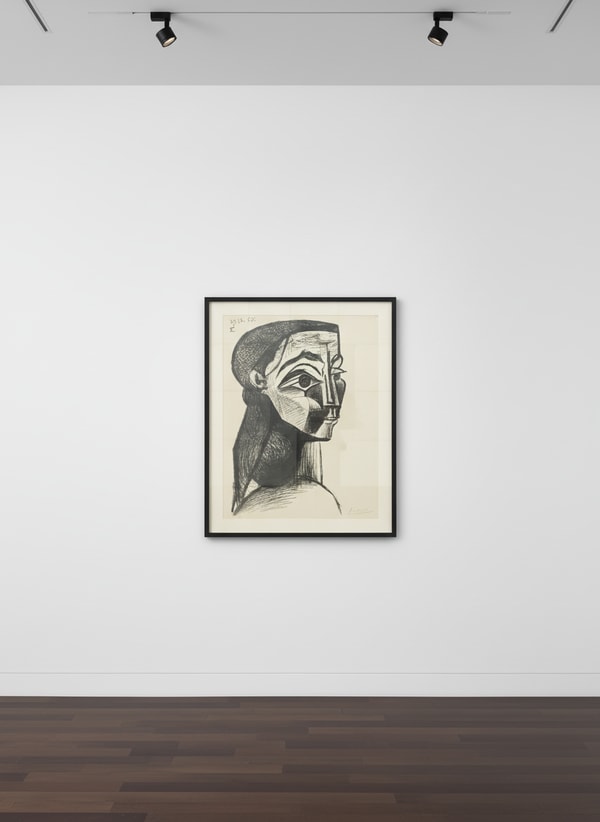
Pablo Picasso
Portrait de Femme II
1955
Enquire →
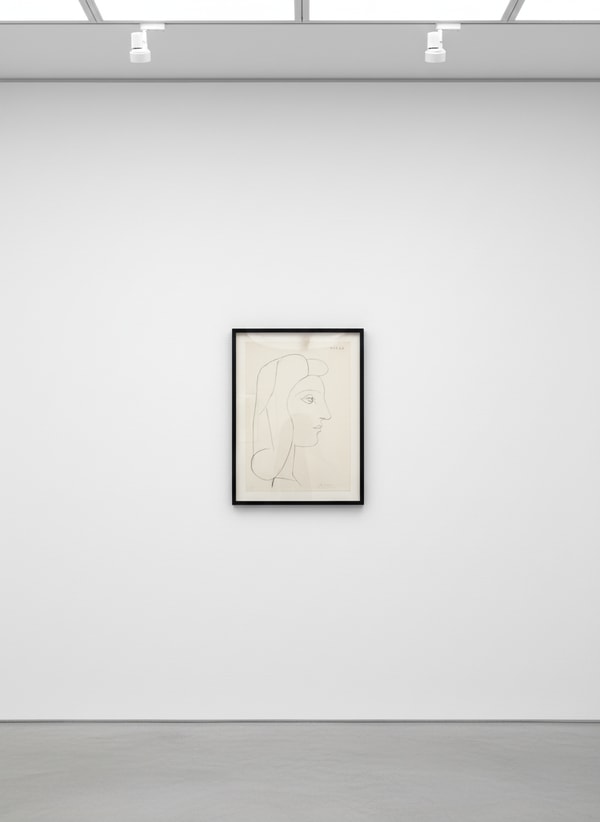
Pablo Picasso
Profil de Femme
Enquire →
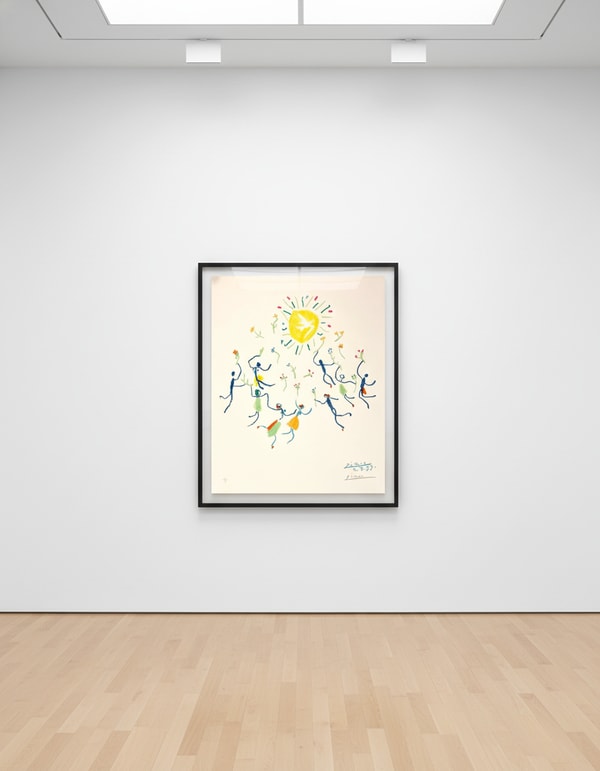
Pablo Picasso
Ronde de la Jeunesse
1961
Enquire →

Pablo Picasso
Jacqueline with Roses
1956
Enquire →
More from Guy Hepner