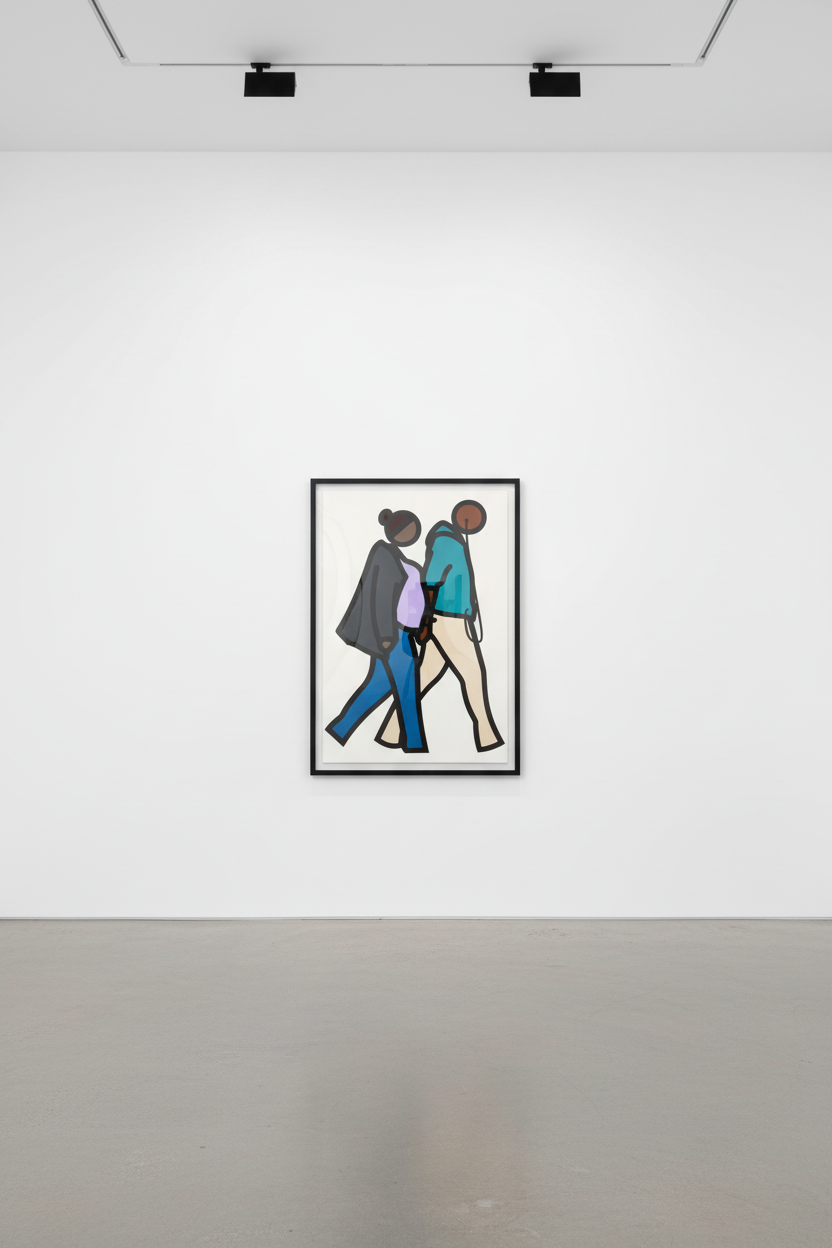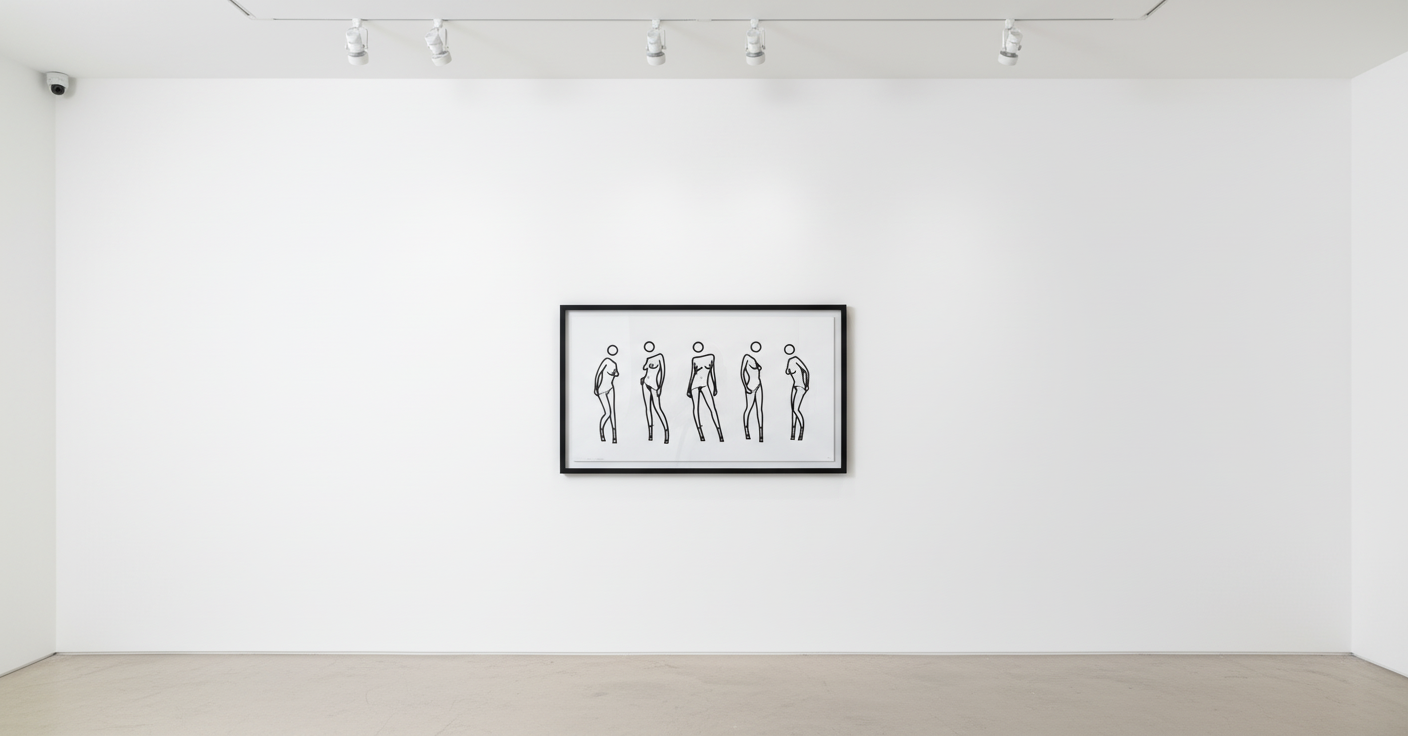
Bijou Gets Undressed

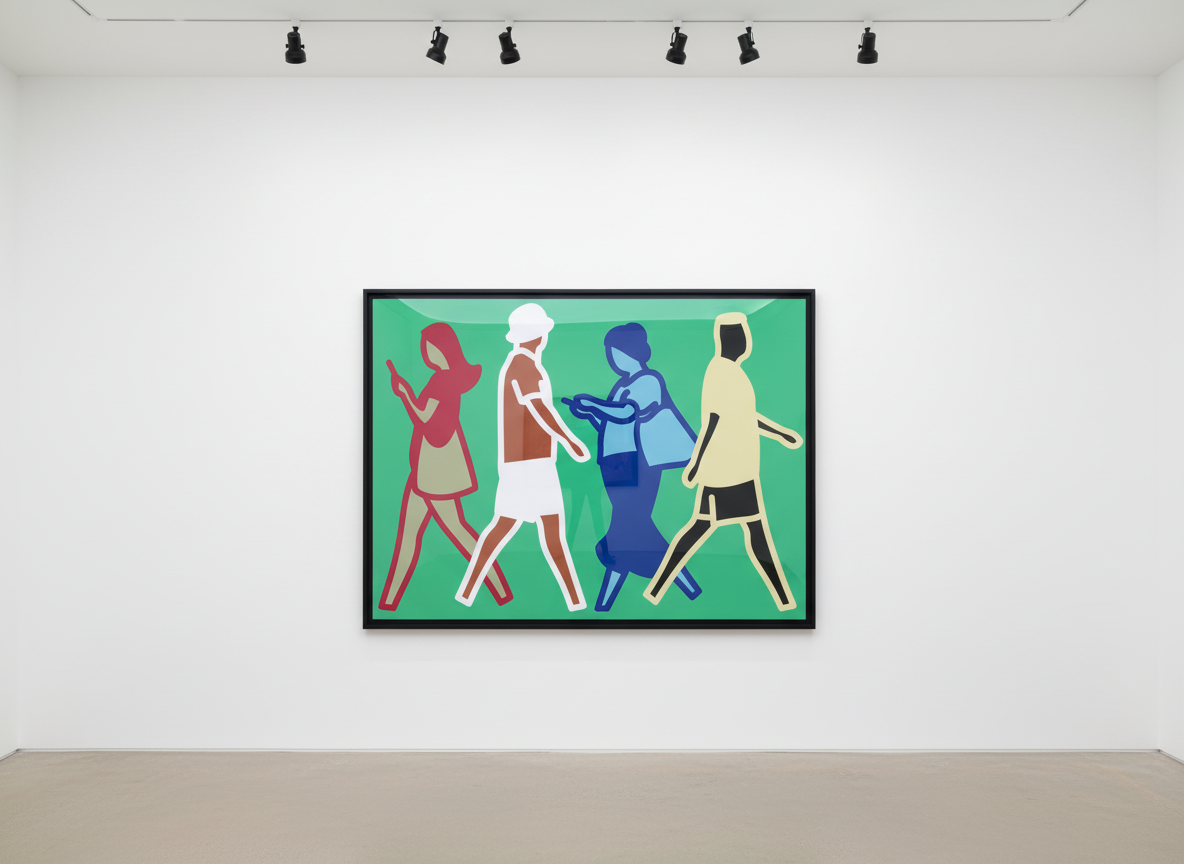
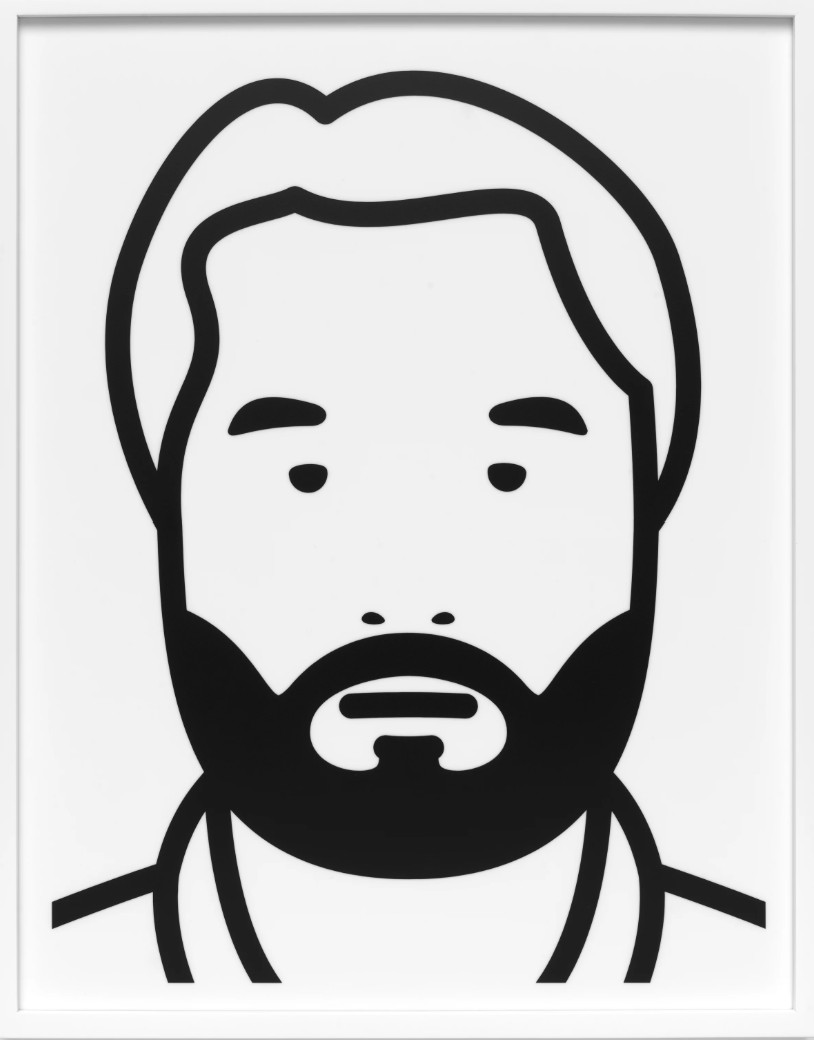
Julian Opie stands among the most recognisable and influential British artists working today, celebrated for his radical reduction of the human form into bold, graphic compositions that feel simultaneously ancient and futuristic. His Passers By series represents a culmination of decades spent exploring how we perceive and represent the human figure in motion. Through deceptively simple means - thick black outlines, flat planes of colour, and an almost hieroglyphic approach to portraiture - Opie has created a visual language that resonates across cultural boundaries and speaks to our contemporary experience of urban anonymity and fleeting human connection.
Julian Opie emerged from the vibrant British art scene of the 1980s, initially associated with the New British Sculpture movement before developing the distinctive figurative style that has defined his mature practice. His artistic journey reflects a persistent investigation into the mechanics of representation - how minimal visual information is required for the human brain to recognise a face, a body, a gesture. This inquiry has led him through painting, sculpture, installation, and digital media, always returning to the fundamental question of perception.
The Passers By works represent Opie at his most distilled and essential. These figures - anonymous pedestrians captured mid-stride - embody the artist's fascination with the rhythm and poetry of everyday movement. Drawing inspiration from sources as diverse as Egyptian tomb paintings, Japanese woodblock prints, and contemporary digital signage, Opie synthesises these influences into something entirely his own. The resulting images possess an iconic quality that transcends their apparent simplicity, functioning as universal symbols of human presence and transience.
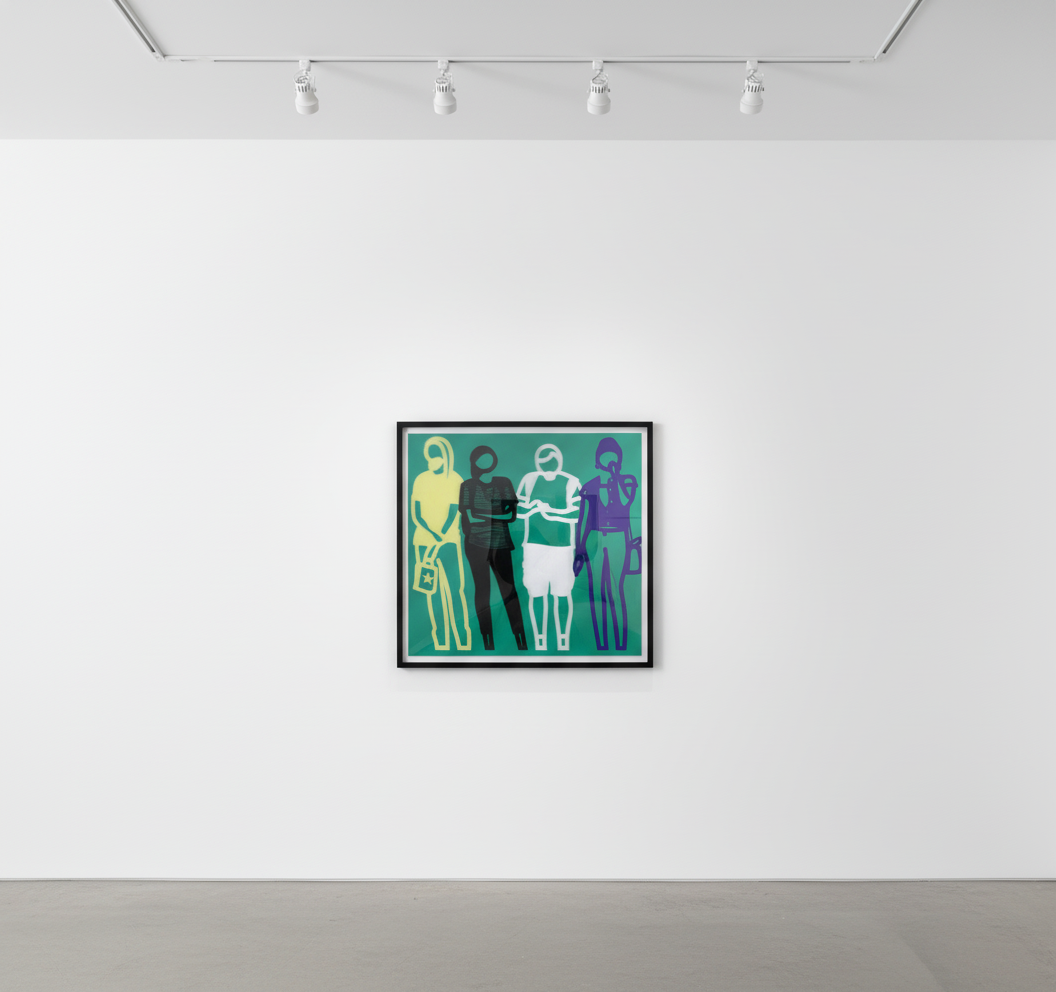
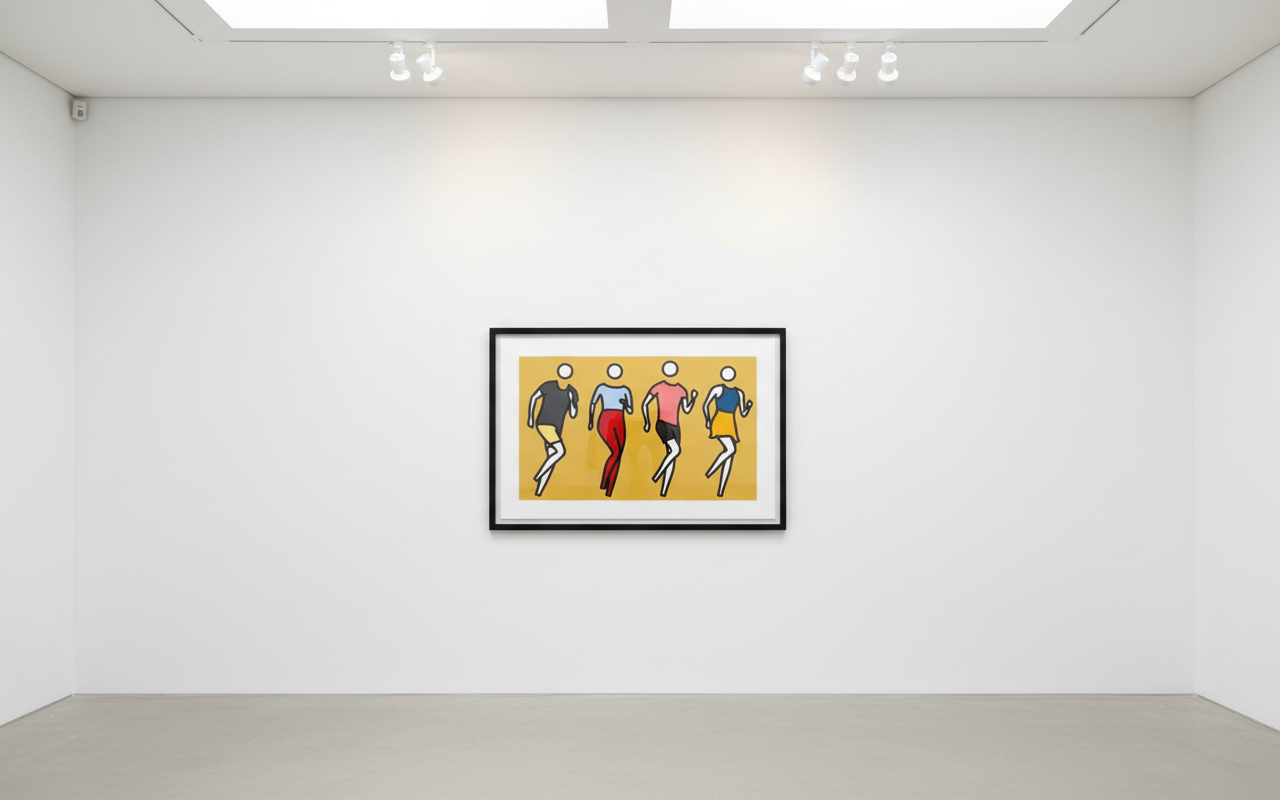
Yellow Black White Blue (Standing People) — Julian Opie. Available at Guy Hepner, New York.
Opie's significance within contemporary art extends beyond his aesthetic innovations. He has consistently challenged hierarchies between fine art and commercial design, creating album covers, public sculptures, and architectural interventions that bring his vision into the everyday environment. This democratic approach to art-making, combined with his technically sophisticated execution, has earned him institutional recognition worldwide, with works held in the collections of major museums including Tate, the Museum of Modern Art, and the National Portrait Gallery.
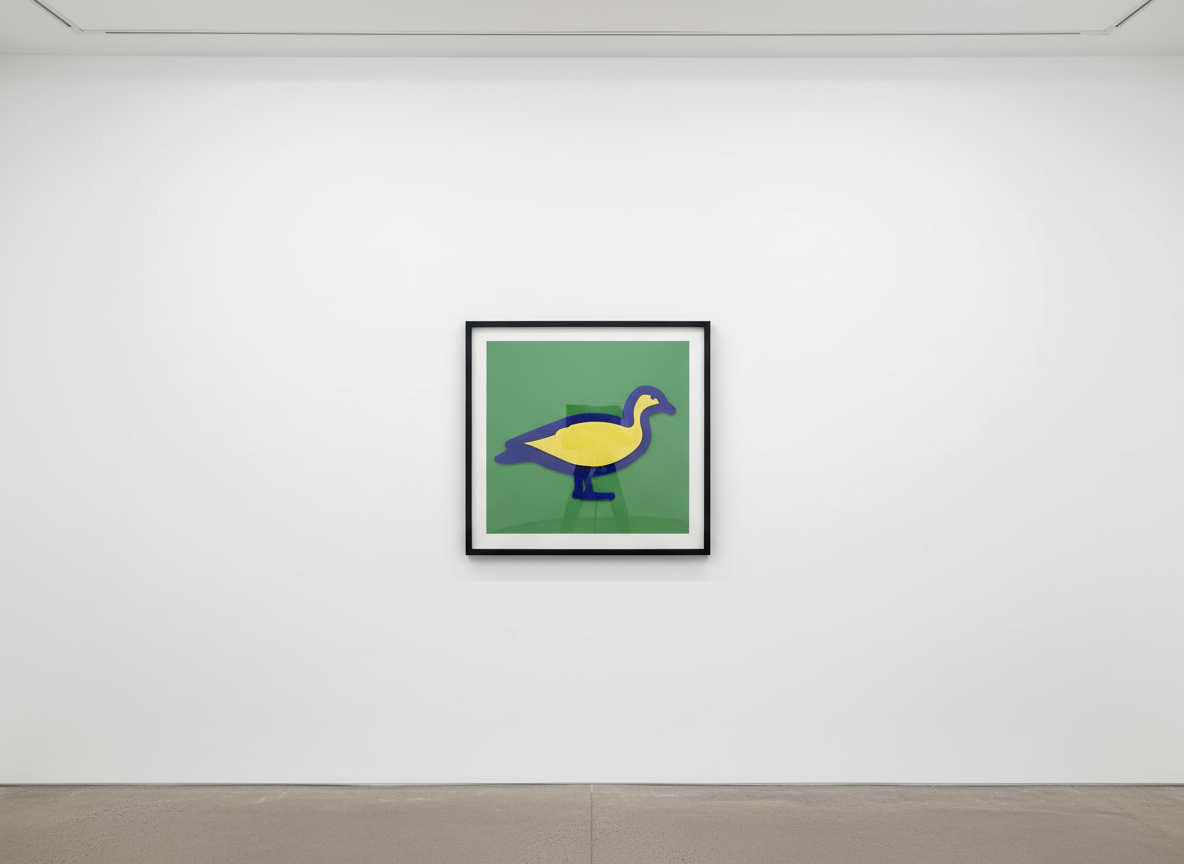
Among the most compelling expressions of Opie's artistic vision are his lenticular prints, which bring his signature figures to vivid, animated life. Lenticular printing employs a specialised plastic lens surface that reveals different images depending on the viewing angle, creating convincing illusions of depth and motion. For an artist whose entire practice centres on the representation of movement, this technology offers profound possibilities.
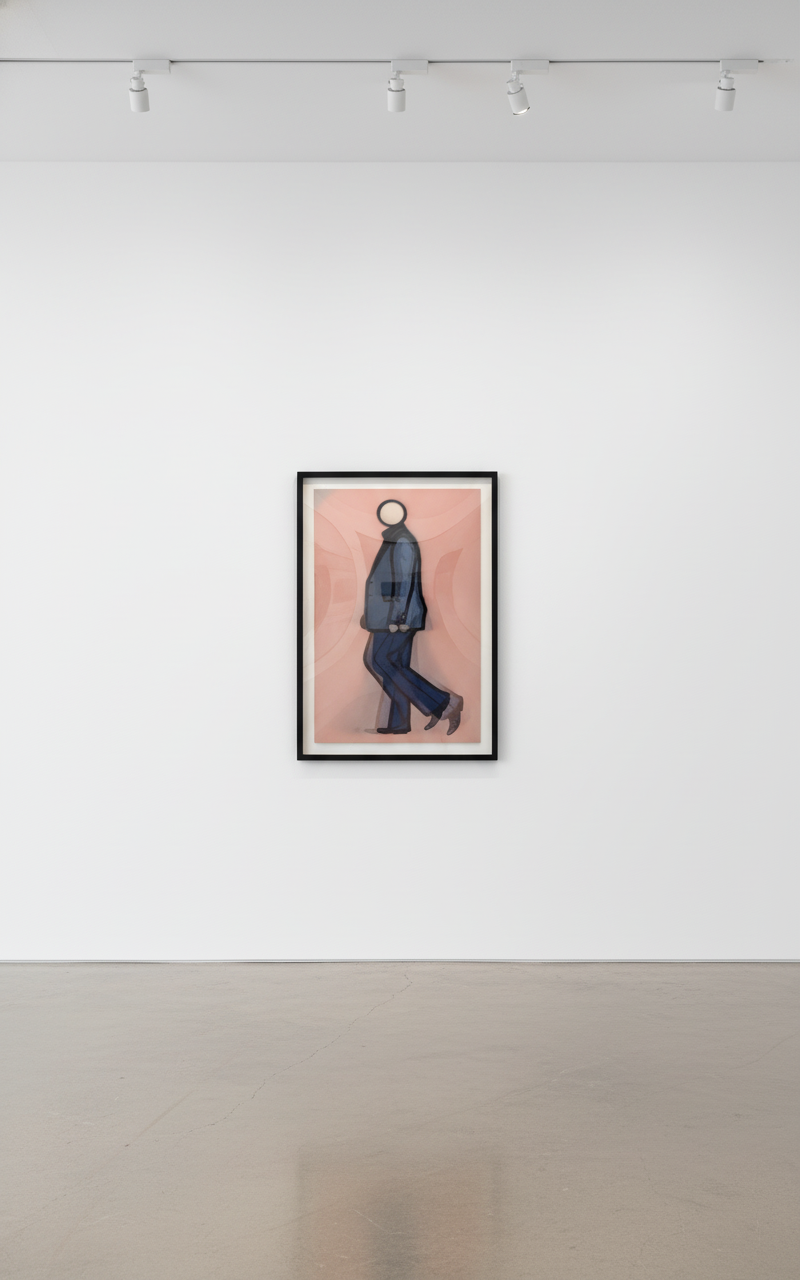
In works such as Rod Walking, Opie harnesses lenticular printing to transform a static image into a genuinely kinetic experience. The figure appears to stride forward, legs cycling through the walking motion as the viewer shifts position. This effect bridges the gap between Opie's digital animations - which have appeared on LED screens in public spaces from Seoul to New York - and the collectible fine art object. The viewer becomes an active participant, their own movement activating the artwork and completing the perceptual circuit that Opie has carefully constructed.
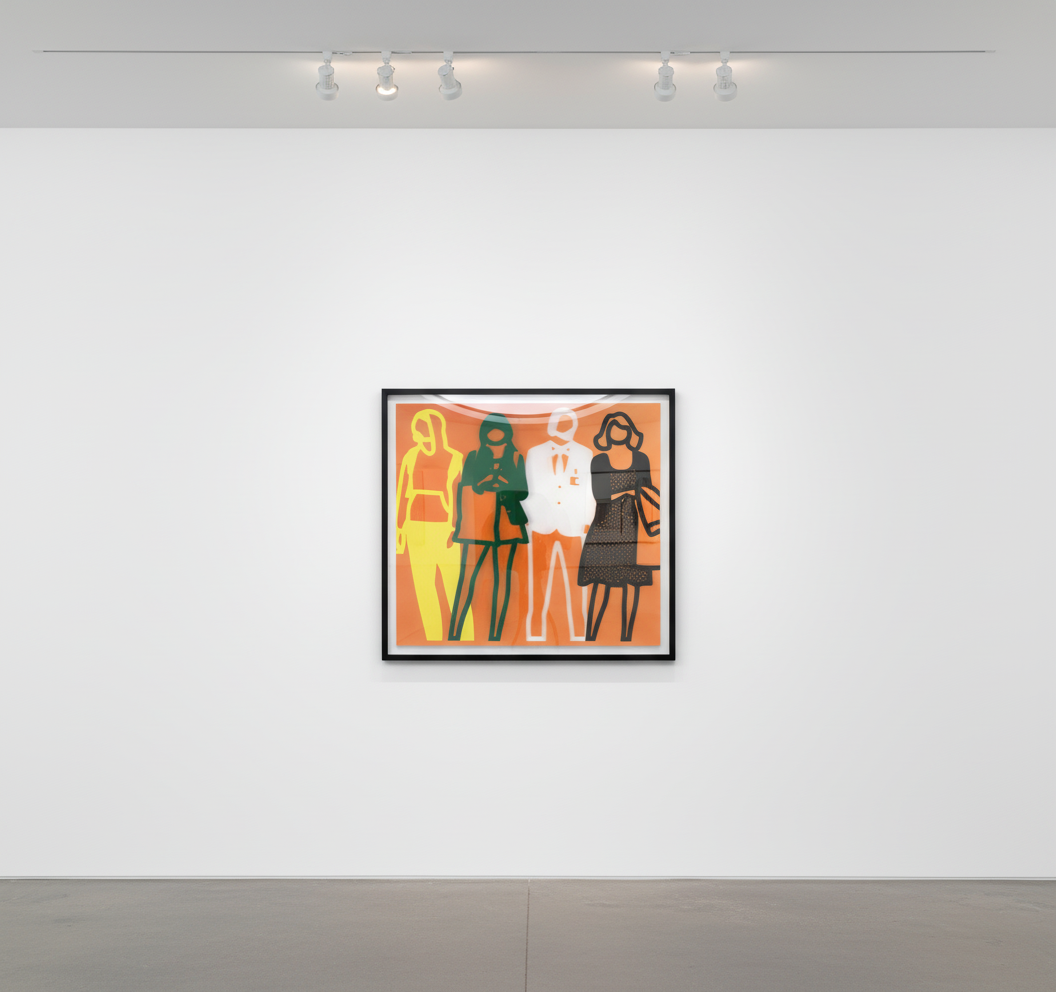
Standing People (Yellow , Green , White , Black) — Julian Opie. Available at Guy Hepner, New York.
The Dance series extends this exploration further, capturing figures in the fluid gestures of contemporary movement. Works like Dance 1 and Dance 3 demonstrate how lenticular technology can convey not merely locomotion but expression, rhythm, and bodily awareness. These pieces pulse with energy, their subjects seeming to sway and turn within the confines of their frames. The effect is mesmerising - simultaneously mechanical and organic, digital and deeply human.
Opie's standing figures, including Standing People (Yellow, Green, White, Black) and Yellow Black White Blue (Standing People), offer a counterpoint to these animated works. Here, the lenticular technique creates subtle shifts in posture and gaze, suggesting the small unconscious movements that occur even in apparent stillness. These works remind us that the human body is never truly static, always engaged in the minute adjustments that constitute being alive.
Julian Opie's market position reflects his unique standing within contemporary art - an artist whose work appeals equally to institutions, seasoned collectors, and those new to acquiring art. According to data compiled by Art Basel and UBS in their annual art market reports, British contemporary artists with strong international recognition continue to demonstrate resilient demand across economic cycles. Opie's work has appeared consistently at major auction houses, with Christie's and Sotheby's regularly featuring his pieces in contemporary art sales, achieving results that underscore sustained collector confidence.
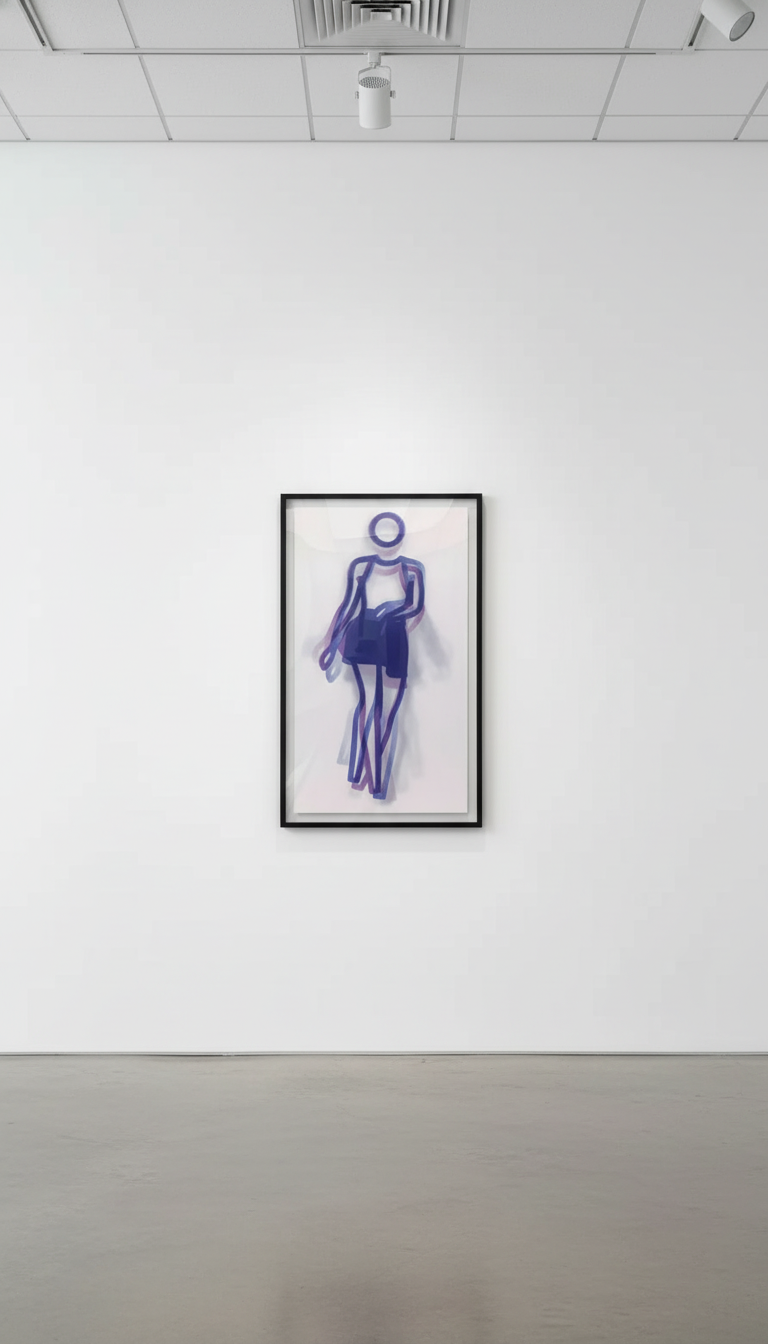
Dance 1 — Julian Opie. Available at Guy Hepner, New York.
The appeal of Opie's work to collectors operates on multiple levels. Aesthetically, his pieces possess an immediate visual impact and decorative strength that integrates naturally into both residential and corporate environments. Conceptually, they engage with enduring questions about representation, perception, and contemporary life. Technically, works such as the lenticular prints demonstrate a mastery of medium that rewards close examination and repeated viewing.
For collectors building cohesive holdings in contemporary British art, Opie represents an essential inclusion - an artist whose influence has shaped visual culture far beyond the gallery walls. His public commissions, commercial collaborations, and museum exhibitions have established him as a genuinely significant cultural figure, while his studio practice continues to evolve and surprise. The Passers By works, in particular, offer entry into one of the most recognisable artistic vocabularies of our time.
Guy Hepner is proud to offer exceptional works from Julian Opie's celebrated Passers By series, including rare lenticular prints that showcase the artist's innovative approach to depicting human movement and presence. Our gallery provides collectors with access to carefully curated examples of Opie's practice, supported by comprehensive documentation and expert guidance throughout the acquisition process. Whether you are building a collection of contemporary British art or seeking a single transformative work, our team offers personalised consultation to ensure your investment aligns with both aesthetic preferences and collecting objectives. We invite you to contact Guy Hepner to discuss available works by Julian Opie and explore how these compelling pieces might enhance your collection.
Explore Julian Opie prints for sale at Guy Hepner: Bijou Gets Undressed, Birds, Dance Synched, Everyone, Lenticular.
Related Series