Aquatint
13 works

Les vendangeurs, 1959
Color Linocut on Arches Wove Paper
Image: 25 1/8 in x 20 3/4 in (63.8 cm x 52.7 cm) Sheet: 29 1/2 x 22 1/2 in (74. 9 cm x 57.1 cm)
Edition of 50 + 20 AP
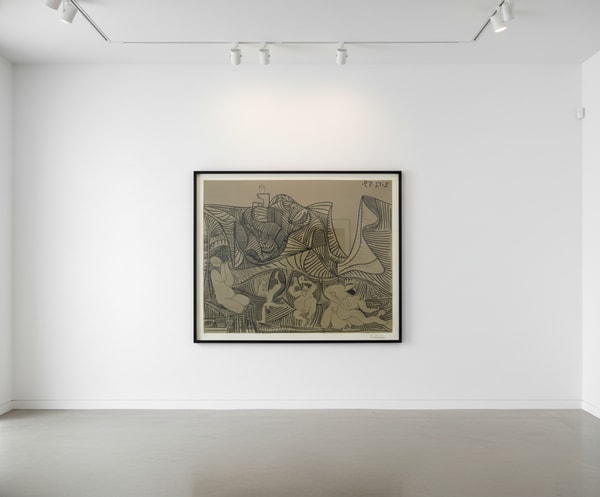
Created in 1959, Les vendangeurs (The Grape Harvesters) is a striking example of Pablo Picasso’s late-career mastery of the linocut, a printmaking technique that he helped to revolutionize. The work captures a pastoral moment — two stylised figures reclining in a vineyard during harvest time — but its execution is anything but traditional. Here, Picasso transforms a timeless rural subject into an abstract, rhythmic composition that pulses with vitality, combining his deep understanding of form with his innovative approach to graphic art.The composition is dominated by two central figures. On the left, a reclining harvester leans back, knees bent, torso twisting in a dynamic pose. Their form is articulated through bold, ribbon-like contours that flow across the body, creating a sense of movement even in repose. A basket brimming with grapes sits nearby, its rounded shapes contrasting with the sharp linearity of the figure. Opposite them, a second figure — wearing a broad-brimmed hat adorned with flowers — sits upright, hands raised to the face in a gesture that suggests tasting or contemplating the grapes. The hat’s exaggerated brim and floral decoration add a festive, almost theatrical note to the rural scene.The background, though reduced to essential curves and swirling lines, suggests the undulating landscape of a vineyard under a luminous sky. Picasso’s carved marks mimic the fluid movement of wind, the curvature of hills, and the tactile richness of grape-laden vines. This combination of figuration and abstraction allows the viewer to sense both the specific act of harvesting and the timeless rhythm of agricultural life.Technically, Les vendangeurs is a tour de force of linocut printmaking. By the late 1950s, Picasso had not only mastered the medium but had also developed his own distinctive method: the reduction or suicide linocut. Rather than carving multiple linoleum blocks for different colors, Picasso worked with a single block, progressively cutting away sections after each color was printed. This required an exacting level of planning and precision, as there was no possibility of correction once material was removed. The artist’s complete control over this process is evident in the harmonious interplay of tones here — deep black, rich brown, and the warm beige of the untouched paper — which combine to create a sculptural depth and tactile warmth.The reduction technique also allowed Picasso to work with flowing, interconnected shapes, as seen in the way the figures’ forms and the surrounding environment merge into a unified design. The interplay of positive and negative space is particularly striking: areas of flat color alternate with intricate carved lines, giving the composition both solidity and dynamism.Thematically, Les vendangeurs fits within Picasso’s broader interest in scenes of rural labor, leisure, and festivity, which he explored throughout his career in paintings, drawings, ceramics, and prints. The grape harvest, with its connotations of abundance, celebration, and the cycles of nature, provided an opportunity for Picasso to merge the human form with organic motifs. This blending of human and natural rhythms is a hallmark of his mature style, reflecting both his classical roots and his modernist sensibility.What makes Les vendangeurs particularly compelling is its balance between immediacy and refinement. The sweeping curves and bold contrasts convey a sense of spontaneous energy, as if the scene were unfolding before us, yet the precision of the carving and the careful orchestration of colors reveal a meticulous, deliberate craftsmanship. This duality — spontaneity anchored by control — is one of the defining features of Picasso’s printmaking genius.By 1959, Picasso had been living in the south of France for over a decade, immersed in the Mediterranean landscape and culture. Works like *Les vendangeurs* reflect the vitality of this environment, its traditions, and its people. At the same time, the piece transcends its local setting, becoming a universal image of human connection to the land and the pleasures of harvest.Ultimately, Les vendangeurs stands as a testament to Picasso’s ability to breathe new life into an ancient theme through the modern medium of linocut. His technical mastery, combined with his unerring sense of form and movement, transforms a simple rural subject into an artwork of enduring elegance and energy — a celebration not only of the grape harvest but of the creative harvest of an artist at the height of his powers.Thematically, Picasso’s engagement with Manet’s work reflects his broader practice of reinterpreting the masters. Throughout his career, Picasso returned to canonical artworks — from Velázquez’s Las Meninas to Delacroix’s Women of Algiers — not to copy them, but to engage in a visual dialogue across centuries. In doing so, he asserted himself as both a student and a rival of the greats, probing their compositions, altering their narratives, and reasserting their relevance in a modern context. With Le Déjeuner sur l’herbe, he channels Manet’s spirit of defiance and modernity while filtering it through his own post-Cubist sensibility.The result is a work that is both homage and reinvention. By paring away extraneous detail, Picasso focuses on the timeless human drama at the heart of Manet’s original — the interplay of gazes, the subtle gestures, the quiet yet charged intimacy of a group sharing space. Through the bold physicality of the linocut, these relationships are rendered with a monumental solidity that transcends the casual setting of a picnic.Ultimately, Le Déjeuner sur l’herbe d’après Edouard Manet stands as a testament to Picasso’s dual mastery — as an interpreter of art history and as a printmaker of extraordinary skill. His ability to honor a masterwork while utterly transforming it into something unmistakably his own reflects not only his technical command but also his deep understanding of how images live, evolve, and speak across time. This 1954 linocut is a bridge between past and present, between Manet’s radical realism and Picasso’s modernist boldness, carved with the precision and confidence of a true master of the graphic arts.For more information on Les vendangeurs (The Grape Harvesters) by Pablo Picasso for sale, contact our galleries using the form below.
Price on Application

Pablo Picasso
Aubade, with a Woman in an Armchair | L'aubade, avec femme dans un fauteuil
1959
Pablo Picasso
Bacchanale au Hibou (bloch 938)
1959
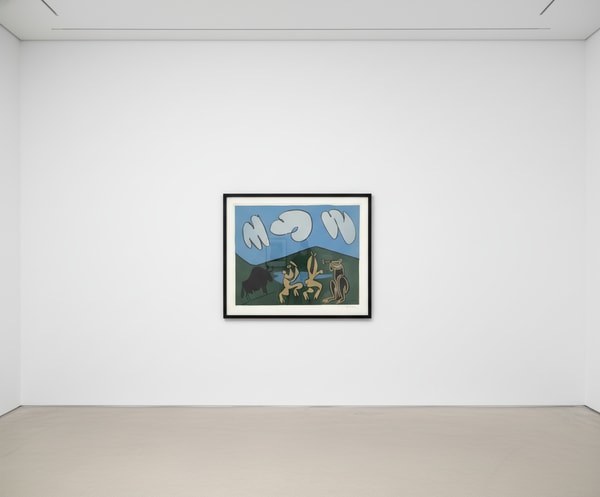
Pablo Picasso
Bacchanale au Taureau Noir (Bloch 935)
1959

Pablo Picasso
Boy with a Crown of Leaves | Jeune homme couronné de feuillage
1959
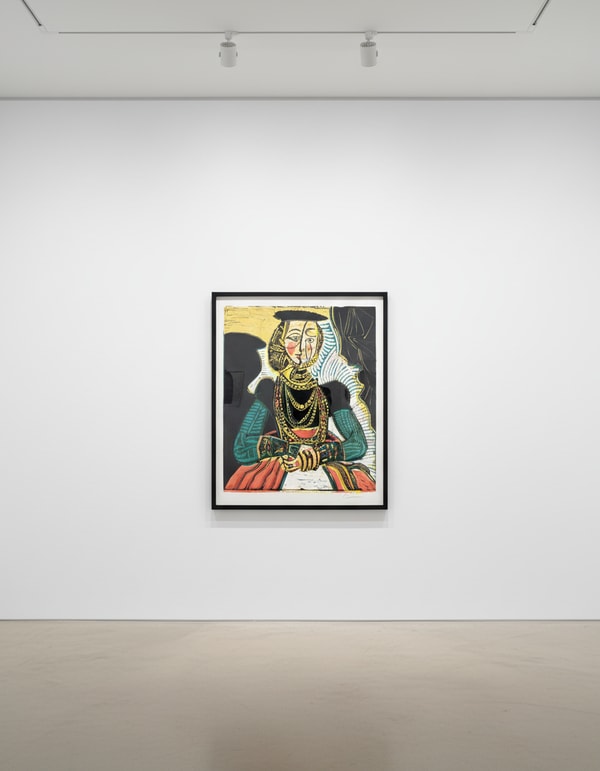
Pablo Picasso
Buste de Femme d'après Cranach le Jeune, (Bloch 859)
1958
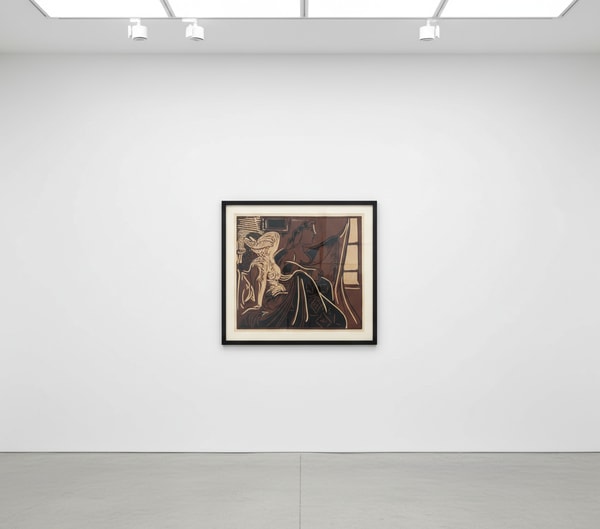
Pablo Picasso
Deux Femmes Prés de la Fenêtre
1959

Pablo Picasso
Faune et Chévre
1959
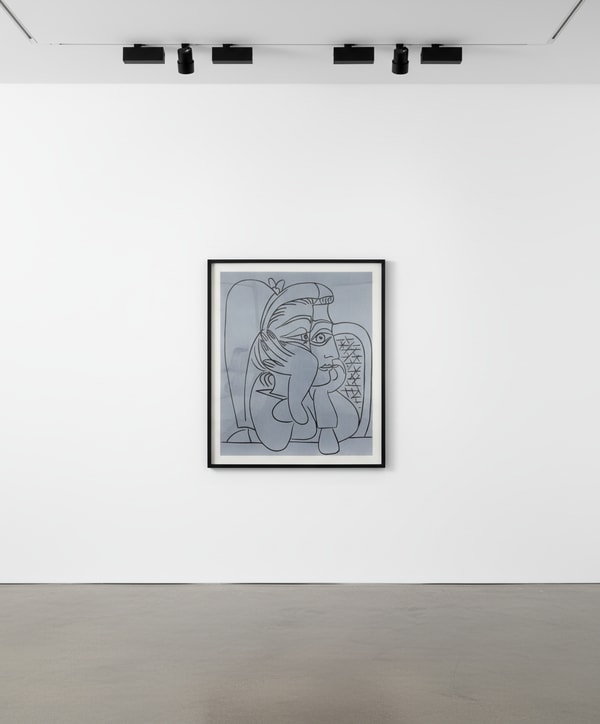
Pablo Picasso
Femme Accoudée (Bloch 922)
1959

Pablo Picasso
Femme au Chapeau (Portrait de Jacqueline au chapeau de paille multicolore).
1962

Pablo Picasso
Femme nue à la source
1963
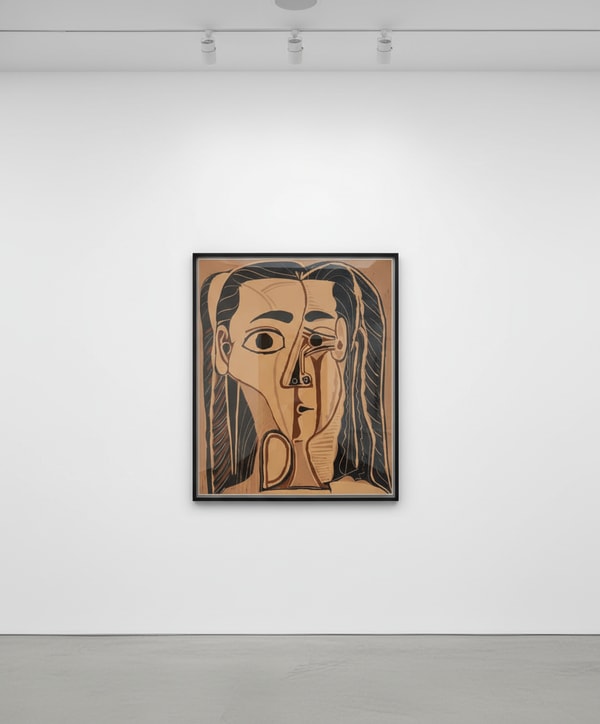
Pablo Picasso
Grande Tete De Femme (Bloch 1069)
1962
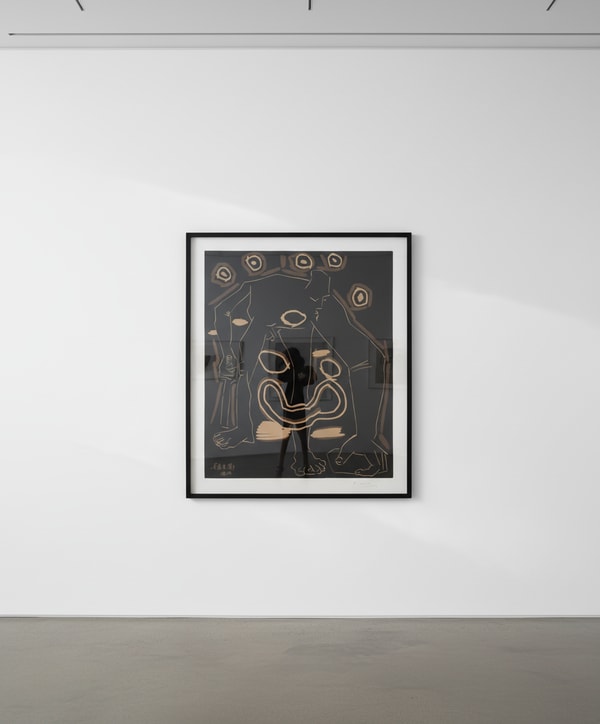
Pablo Picasso
Homme au batôn / Le Vieux bouffon
1963
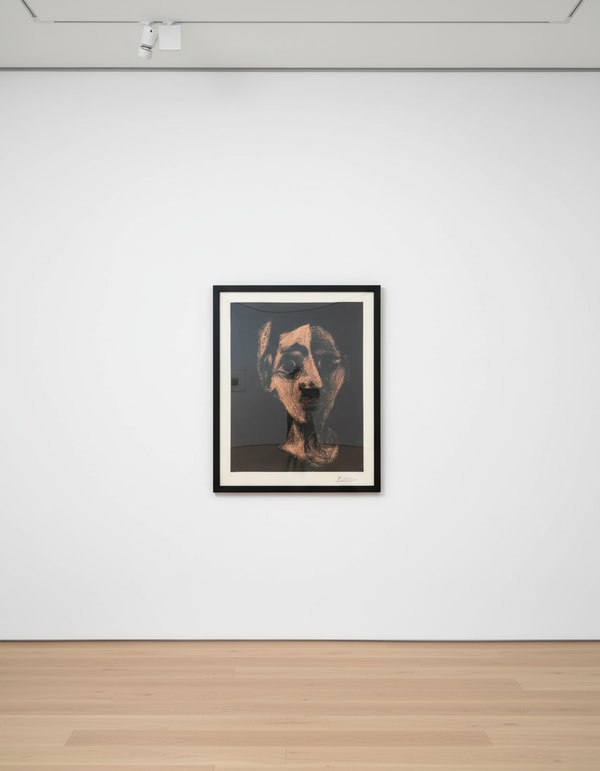
Pablo Picasso
Jacqueline au Bandeau
1962
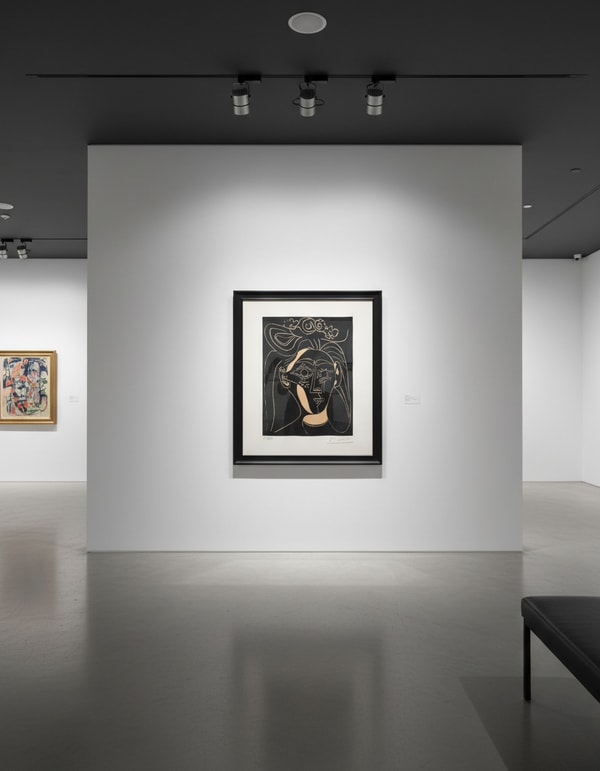
Pablo Picasso
Jacqueline au chapeau à Fleurs. I
1962
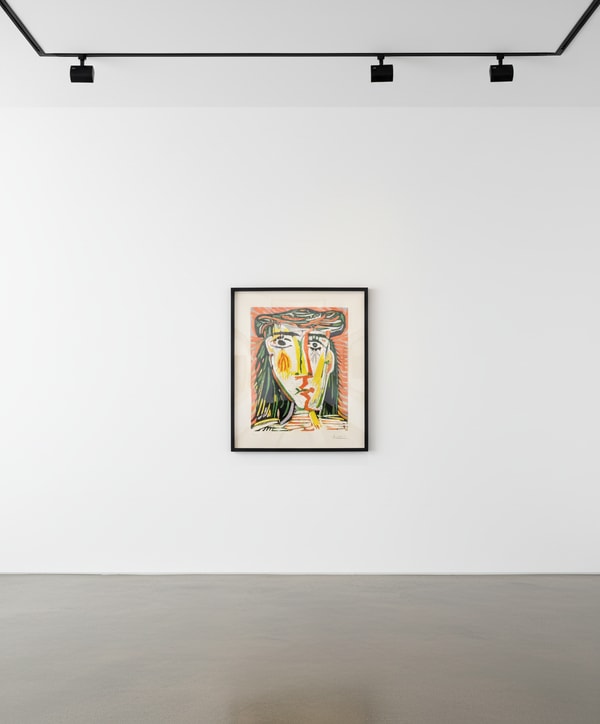
Pablo Picasso
Jacqueline au chapeau de paille
1962
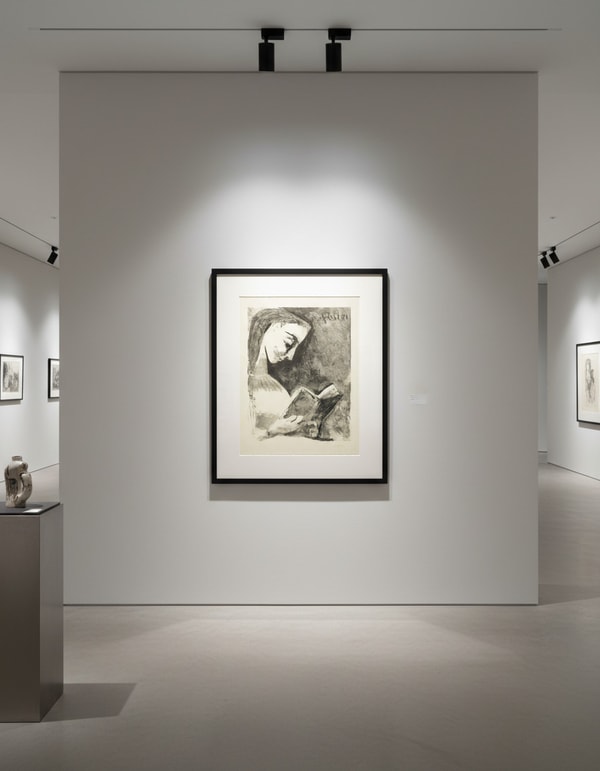
Pablo Picasso
Jacqueline Lisant
1964
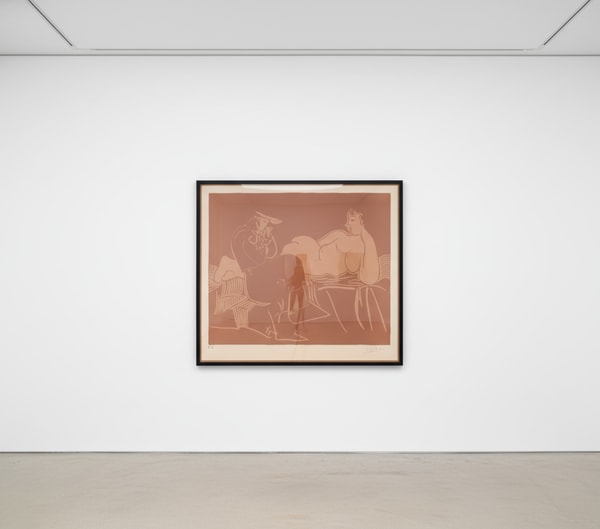
Pablo Picasso
L'Aubade, avec Femme Accoudee
1959

Pablo Picasso
L'Etreinte (Bloch 1150)
1963

Pablo Picasso
La Pique en Rouge et Jaune (The Bullfight in Red and Yellow)
1959

Pablo Picasso
Le Déjeuner sur l'herbe d'aprés Edouard Manet. (The Luncheon on the Grass after Edouard Manet)
1954

Pablo Picasso
Le Vieux bouffon
1963
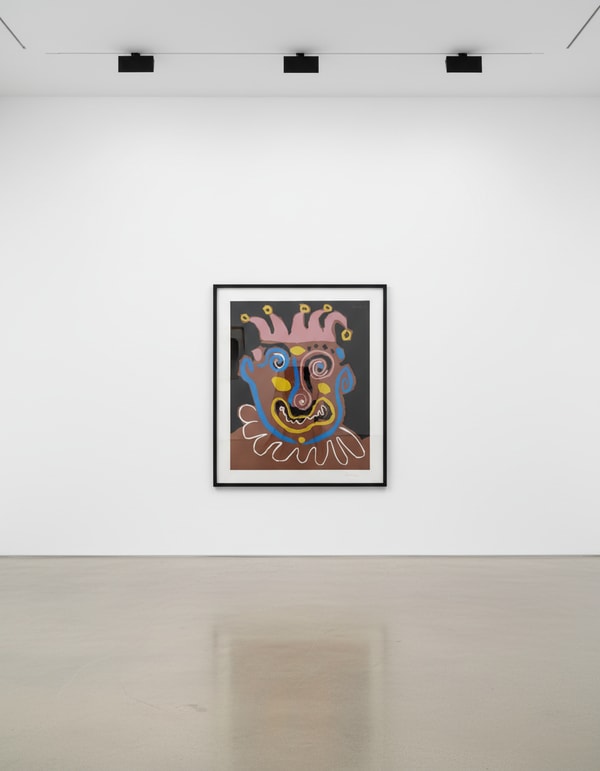
Pablo Picasso
Le Vieux Roi (B. 1152) (The Old King)
1963
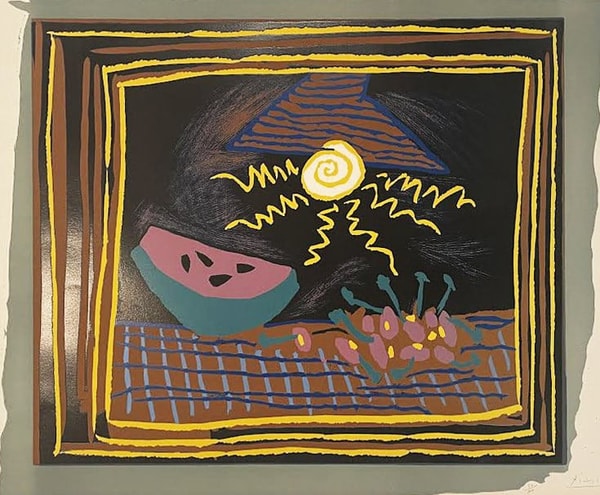
Pablo Picasso
Nature Morte a la Pasteque
1962
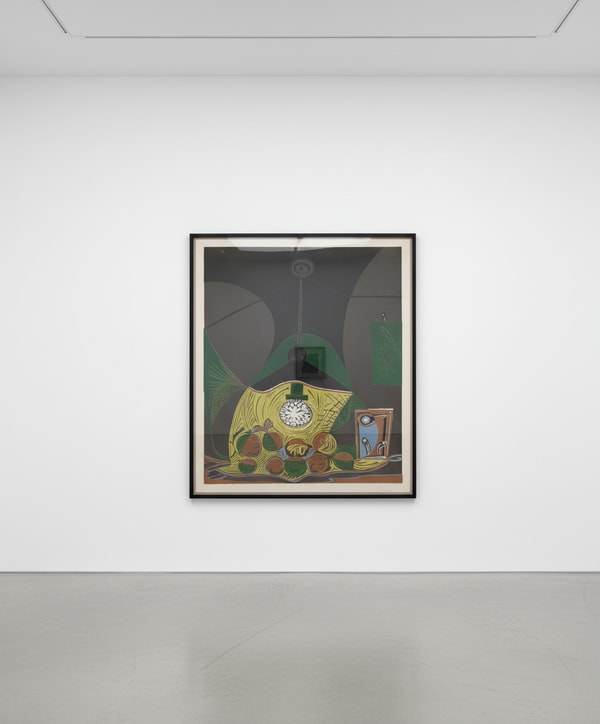
Pablo Picasso
Nature morte à la suspension, 26 mars
1962
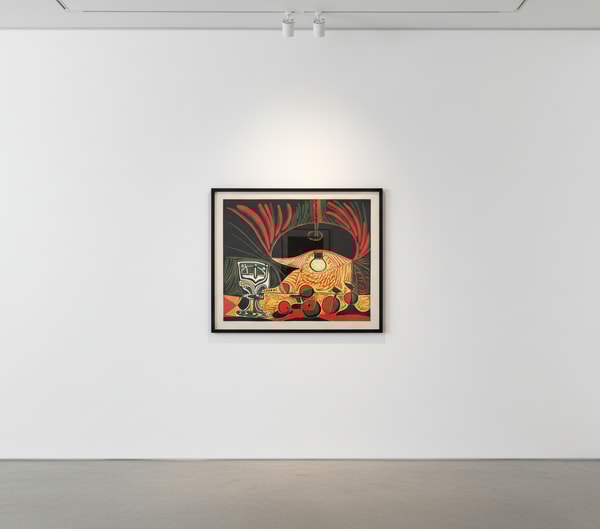
Pablo Picasso
Nature Morte Au Verre Sous La Lampe
1962
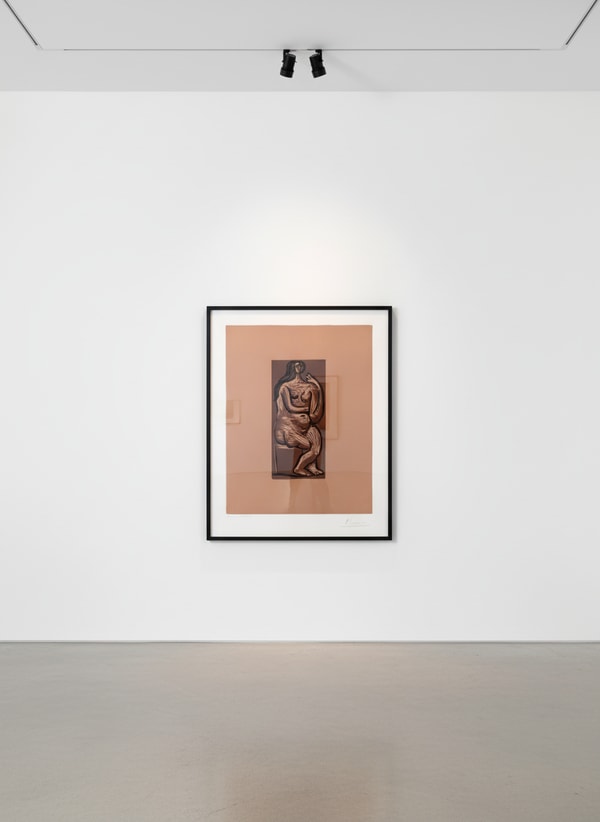
Pablo Picasso
Nu Assis
1962
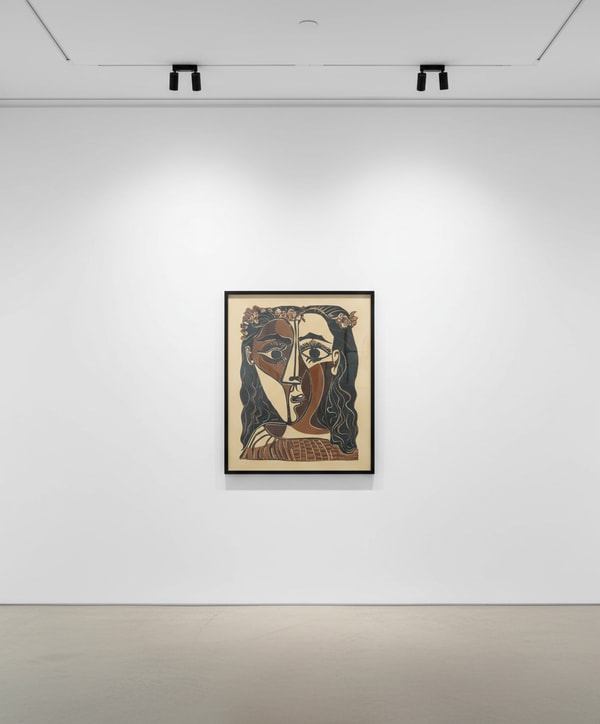
Pablo Picasso
Petite Tête de Femme Couronnée
`962

Pablo Picasso
Portrait de Femme a la Fraise et au Chapeau
1962
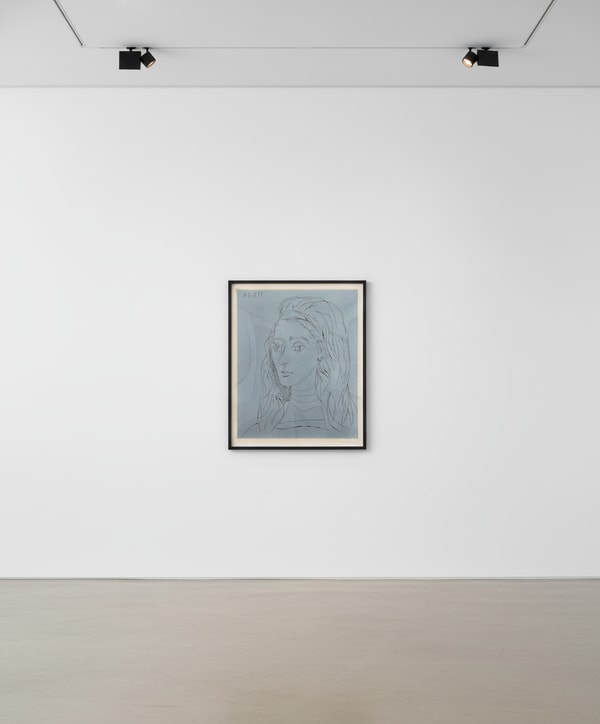
Pablo Picasso
Portrait De Jacqueline (Bloch 923)
1959
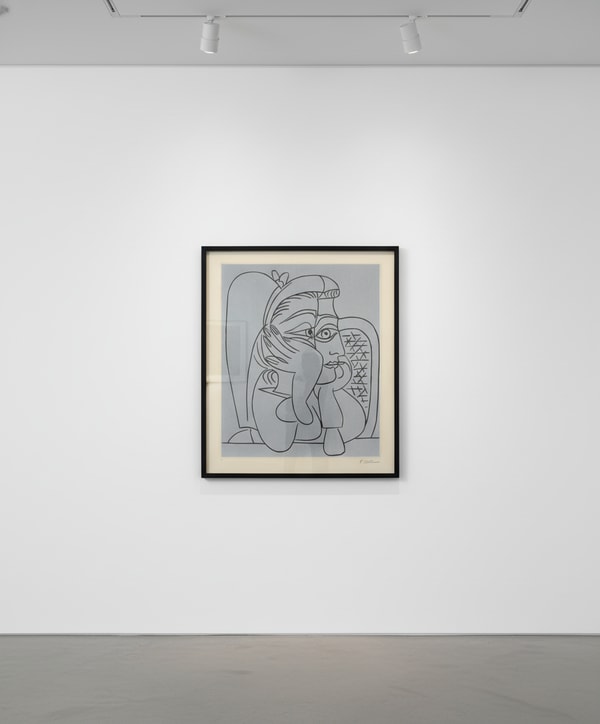
Pablo Picasso
Portrait de Jacqueline Accoudée
1959
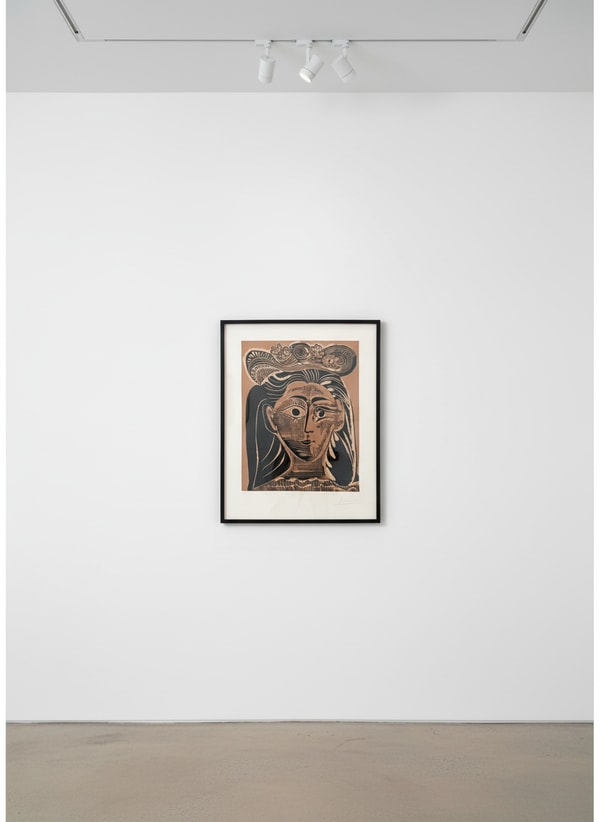
Pablo Picasso
Portrait de Jacqueline Au Chapeau De Paille Fleuri
1962
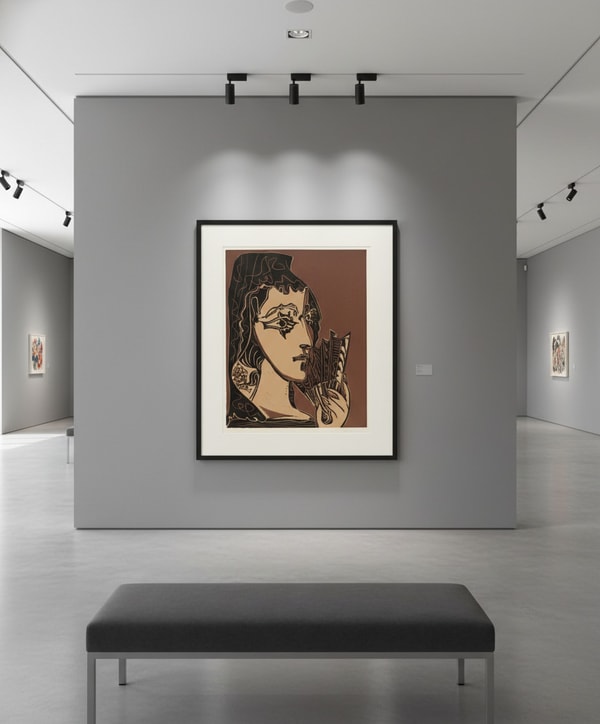
Pablo Picasso
Portrait de Jacqueline en Carmen (L'Espagnole)
1962

Pablo Picasso
Taureau et Picador
1959
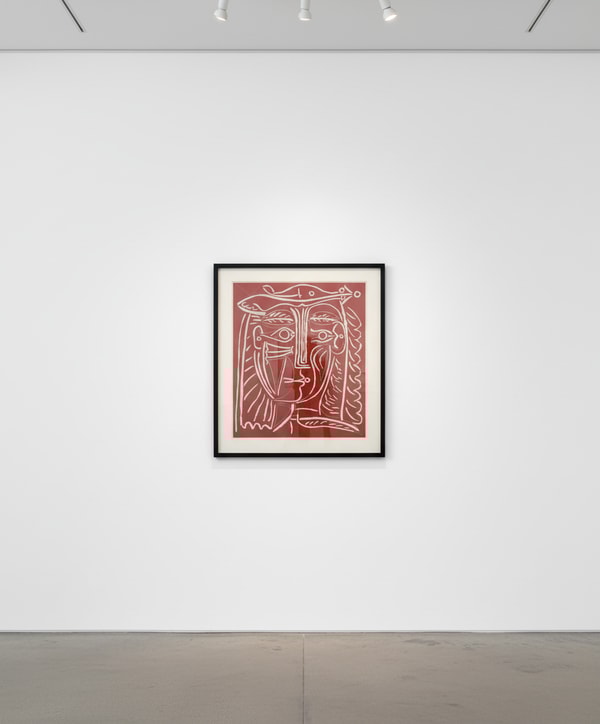
Pablo Picasso
Tête de Femme au Chapeau
1962

Pablo Picasso
Two Women by the Window | Deux femmes près de la fenêtre
1959
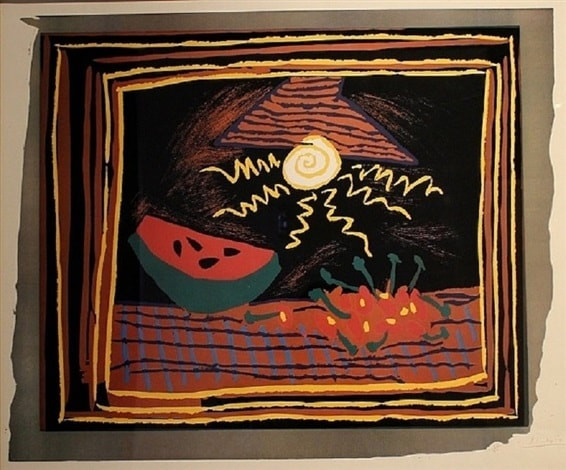
Pablo Picasso
Watermelon Still Life
1962
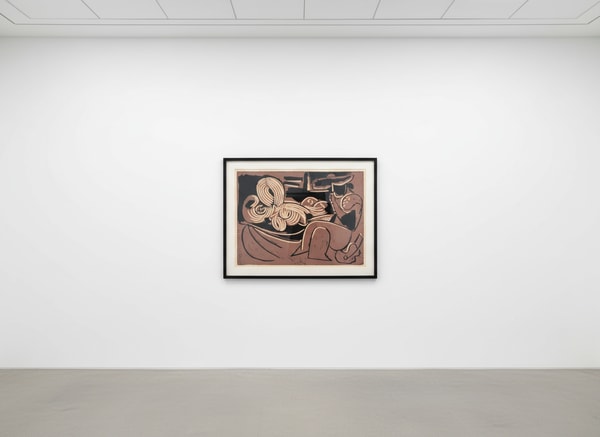
Pablo Picasso
Woman Reclining and Man with a Guitar | Femme couchée et homme à la guitare,
1959