Aquatint
13 works
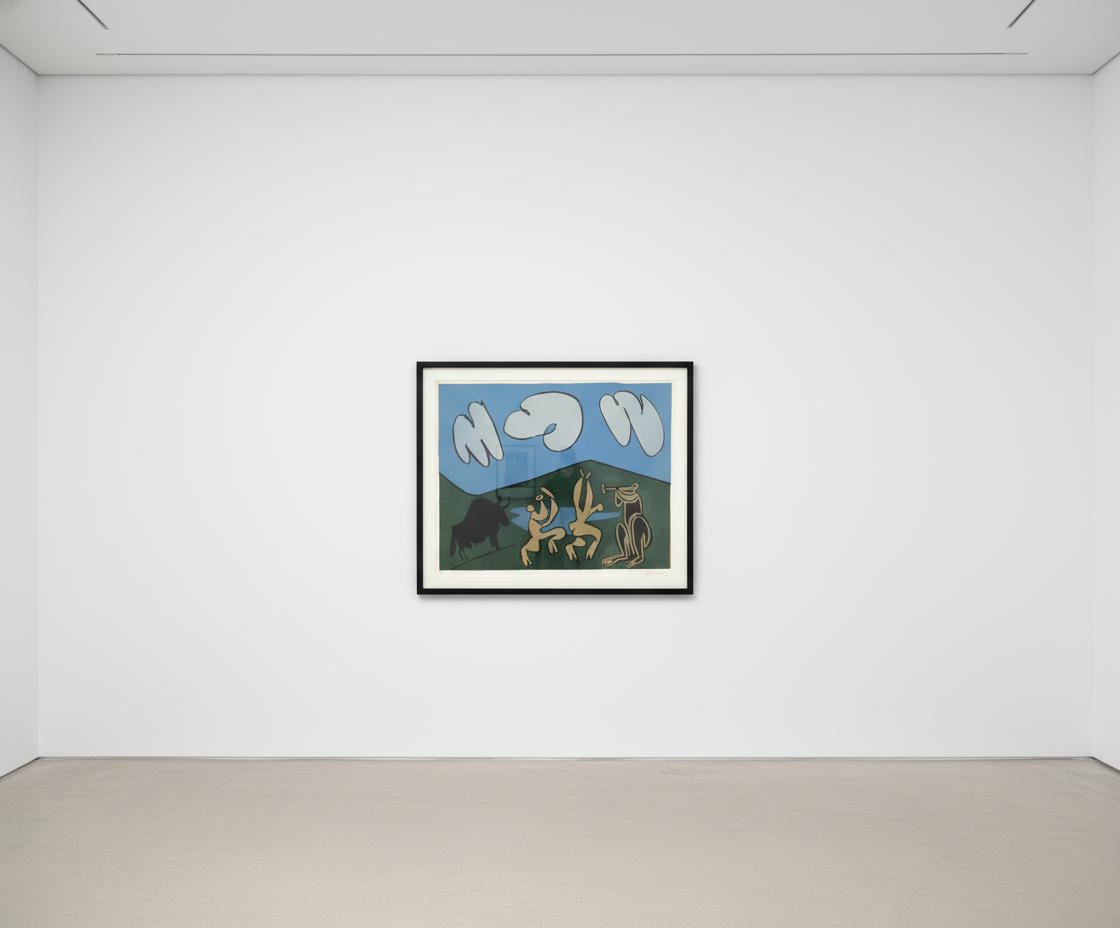
Bacchanale au Taureau Noir (Bloch 935), 1959
Color Linocut on Arches Paper This work is hand-signed by Pablo Picasso (Malaga, 1881- Mougins, 1973) in pencil in the lower right margin.
24 1/2 x 29 1/2 in 62.2 x 74.9 cm
Edition of 50
This 1959 linocut by Pablo Picasso, Bacchanale au Taureau Noir, is a vivid example of the artist’s late printmaking, where his bold use of color and form transforms a classical theme into a modernist celebration of rhythm, vitality, and myth. Executed in strong tonal contrasts on Arches paper, the work demonstrates Picasso’s technical mastery of linocut as well as his ability to infuse age-old subjects with fresh immediacy.By the late 1950s, Picasso had elevated the linocut—previously regarded as a secondary printmaking process—into a medium of radical invention. Working with the printer Hidalgo Arnéra in Vallauris, Picasso perfected the reduction method, cutting and re-cutting a single linoleum block in successive stages to create multi-colored compositions. In Bacchanale au Taureau Noir, this method produces strikingly flat but vibrant planes of color: deep green for the earth, light blue for the sky and water, and sandy ochres for the dancing figures.Printed on Arches paper, prized for its strength and fine texture, the linocut achieves both richness and crisp clarity. The bold, clean edges of form highlight Picasso’s precision, while the interplay of flat color and graphic line creates a visual language that is both monumental and playful.The scene is structured around a central group of figures engaged in dance and music. Two ochre-colored dancers move rhythmically at the water’s edge, their bodies reduced to essential, dynamic forms. To the right, a seated musician plays a pipe, his elongated figure drawn in stark black outline. On the left, the imposing silhouette of a black bull anchors the composition, introducing an element of mythic power.Above, three stylized white clouds float across the sky, their abstract, almost calligraphic forms echoing the curves of the dancers below. This repetition of rhythm between sky and earth unifies the composition, creating a harmony between environment and human action.The overall effect is one of vitality and ritual: human figures and animal presence are integrated into a timeless bacchanalian scene, celebrating music, movement, and the natural world.Bacchanale au Taureau Noir illustrates Picasso’s genius for adapting technique to subject. Where his earlier etchings, such as Accouplement I (1933), emphasized density and texture, here he exploits the linocut’s clarity and immediacy. The reduction of forms to bold silhouettes and flat planes of color distills the scene to its most essential gestures—dancing, playing, listening, observing.This economy of means is deceptive: the layering of colors in precise sequence, without room for correction, required both technical mastery and extraordinary confidence. The result is a work that appears spontaneous and playful while resting on a foundation of meticulous execution.The subject of the bacchanal—a gathering of revelers associated with the god Dionysus—had long fascinated Picasso. Here, the inclusion of the black bull connects the scene to Spanish culture and mythology, merging classical antiquity with Picasso’s personal iconography. The bull, a recurring motif in his work, stands for virility, power, and elemental force, qualities that resonate with the themes of the bacchanal.By the late 1950s, Picasso was in his late seventies, yet his printmaking output was extraordinary in both volume and innovation. Works like Bacchanale au Taureau Noir demonstrate not only his enduring fascination with the human body, myth, and ritual but also his continued willingness to reinvent artistic media.Bacchanale au Taureau Noir is a superb demonstration of Picasso’s late printmaking mastery. Through the linocut’s stark graphic power and vibrant color, he transforms a timeless theme into a modern visual statement. It embodies his lifelong dialogue with mythology, his deep connection to Spanish symbols like the bull, and his ability to reduce form to its essentials without sacrificing vitality or expressive depth.For more information or to buy Bacchanale au Taureau Noir by Pablo Picasso, contact our galleries using the form below.
Price on Application
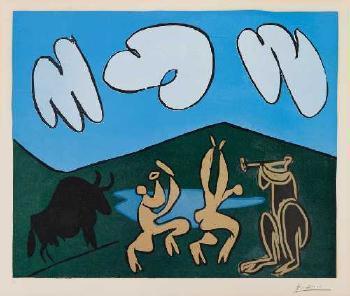
Bacchanale au taureau noir (Baer 1253 B 2/a; Bloch 935) · Pablo Picasso · Kunsthaus Lempertz · 2008-05 · $0

Pablo Picasso
Aubade, with a Woman in an Armchair | L'aubade, avec femme dans un fauteuil
1959
Pablo Picasso
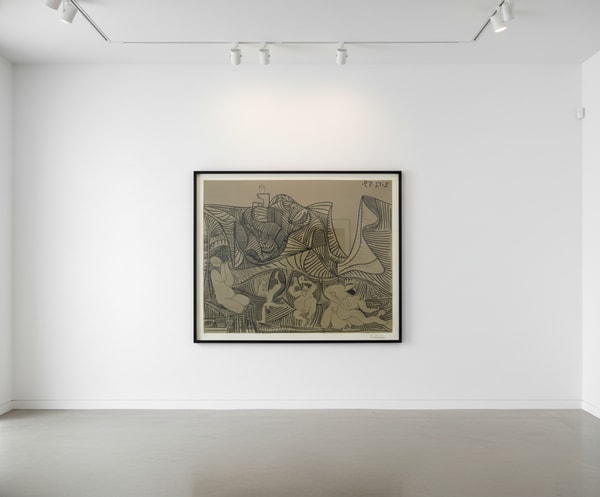
Bacchanale au Hibou (bloch 938)
1959

Pablo Picasso
Boy with a Crown of Leaves | Jeune homme couronné de feuillage
1959
Pablo Picasso
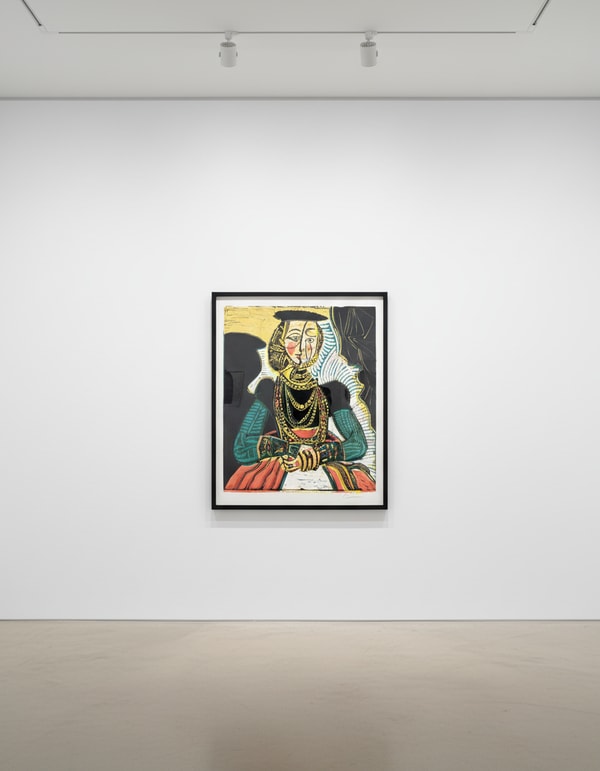
Buste de Femme d'après Cranach le Jeune, (Bloch 859)
1958
Pablo Picasso
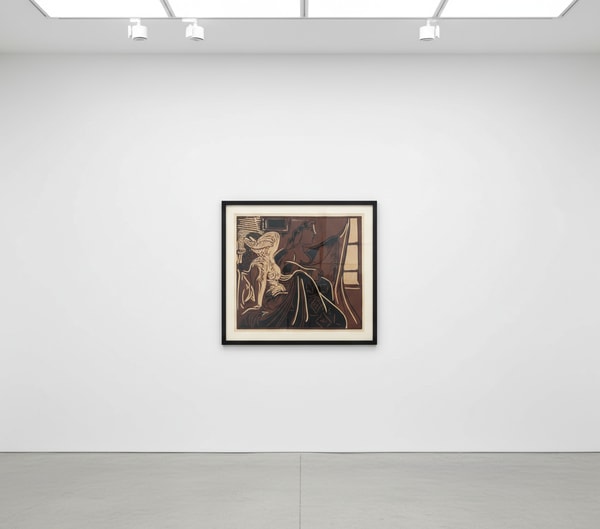
Deux Femmes Prés de la Fenêtre
1959

Pablo Picasso
Faune et Chévre
1959
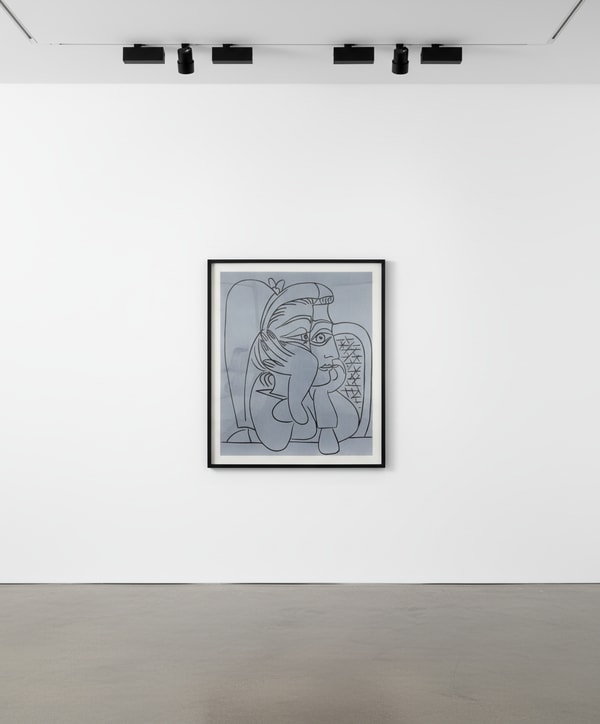
Pablo Picasso
Femme Accoudée (Bloch 922)
1959

Pablo Picasso
Femme au Chapeau (Portrait de Jacqueline au chapeau de paille multicolore).
1962

Pablo Picasso
Femme nue à la source
1963
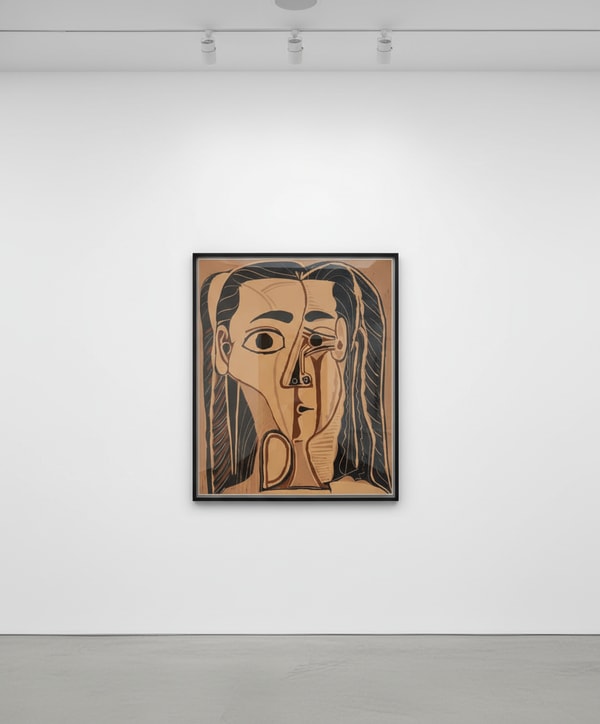
Pablo Picasso
Grande Tete De Femme (Bloch 1069)
1962
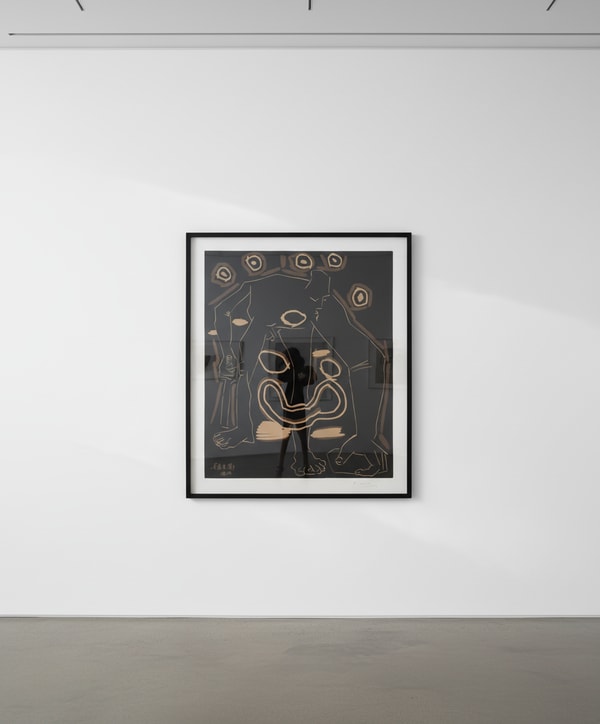
Pablo Picasso
Homme au batôn / Le Vieux bouffon
1963
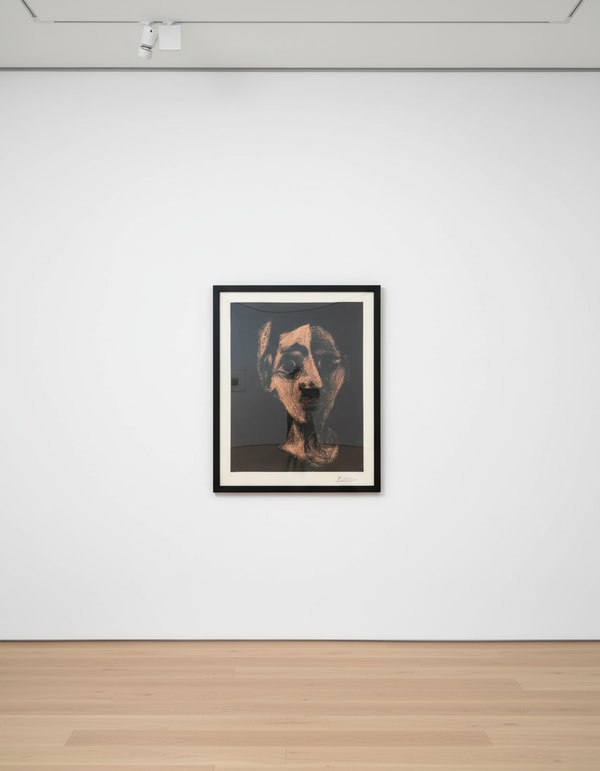
Pablo Picasso
Jacqueline au Bandeau
1962
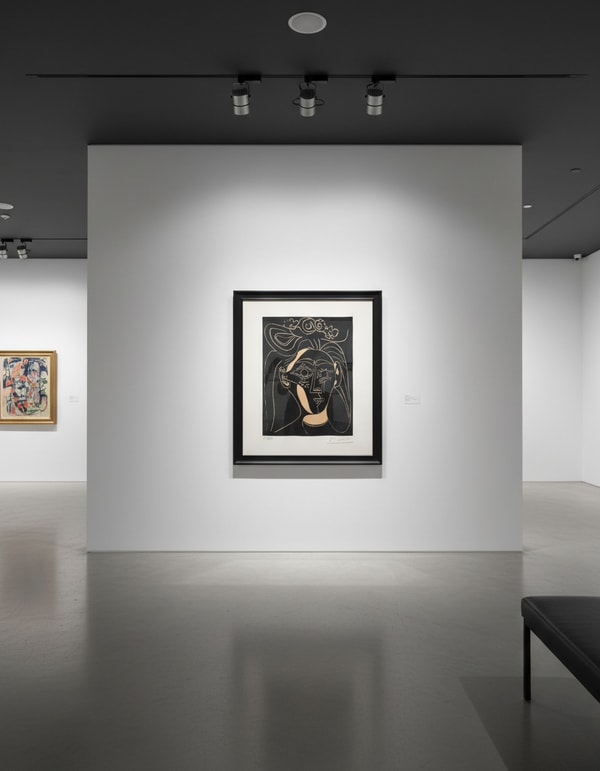
Pablo Picasso
Jacqueline au chapeau à Fleurs. I
1962
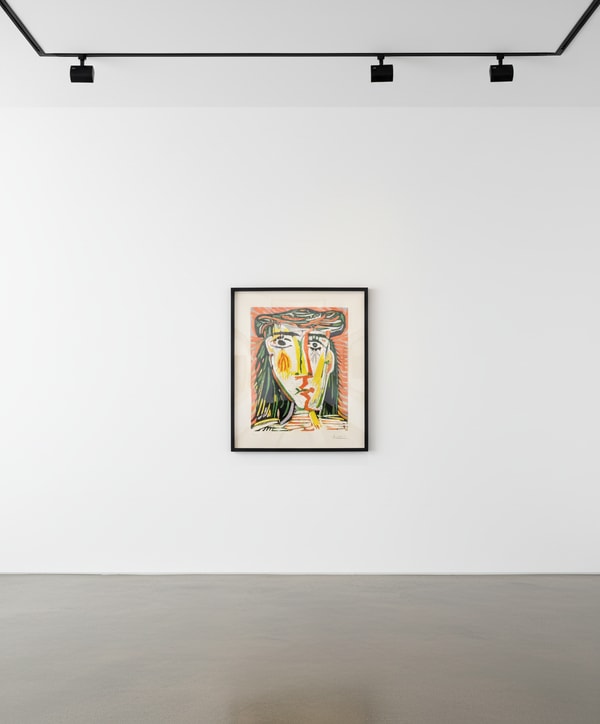
Pablo Picasso
Jacqueline au chapeau de paille
1962
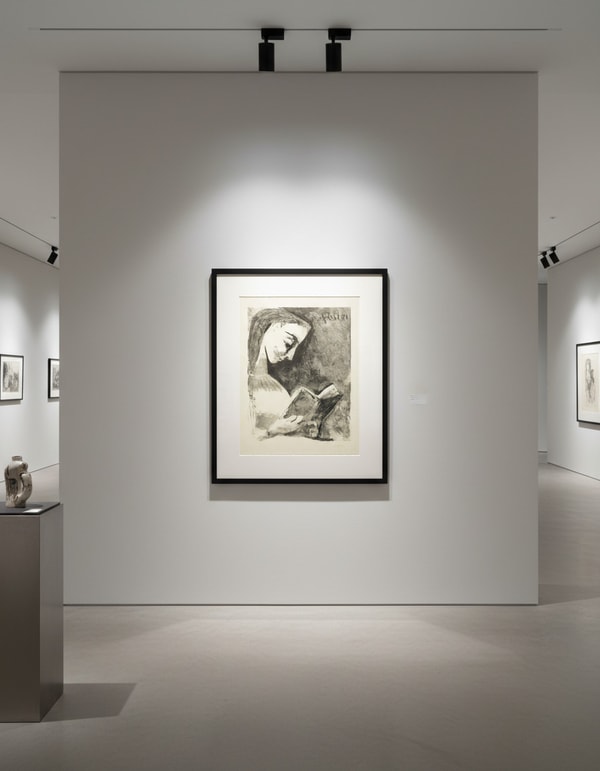
Pablo Picasso
Jacqueline Lisant
1964
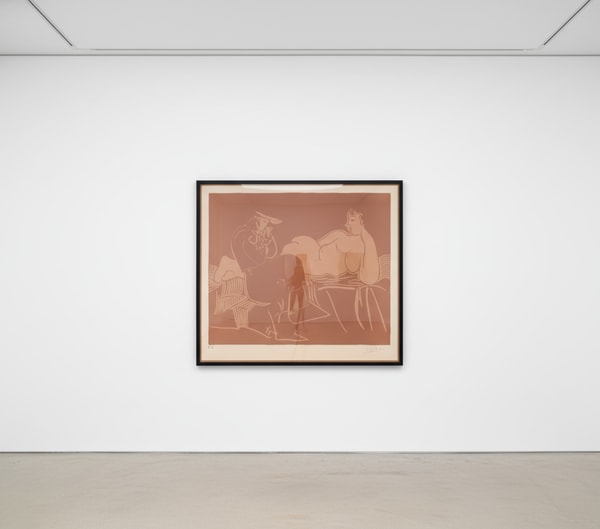
Pablo Picasso
L'Aubade, avec Femme Accoudee
1959

Pablo Picasso
L'Etreinte (Bloch 1150)
1963

Pablo Picasso
La Pique en Rouge et Jaune (The Bullfight in Red and Yellow)
1959

Pablo Picasso
Le Déjeuner sur l'herbe d'aprés Edouard Manet. (The Luncheon on the Grass after Edouard Manet)
1954

Pablo Picasso
Le Vieux bouffon
1963
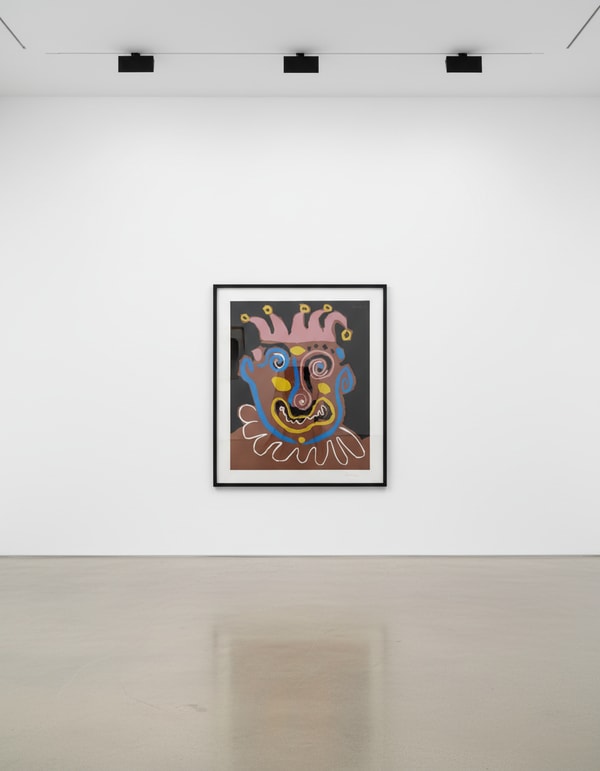
Pablo Picasso
Le Vieux Roi (B. 1152) (The Old King)
1963
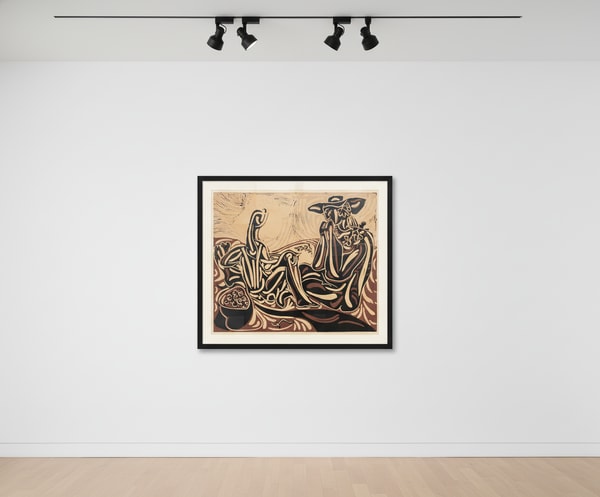
Pablo Picasso
Les vendangeurs
1959
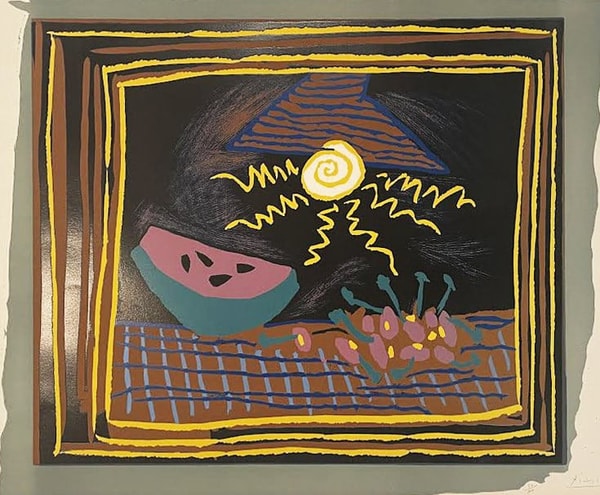
Pablo Picasso
Nature Morte a la Pasteque
1962
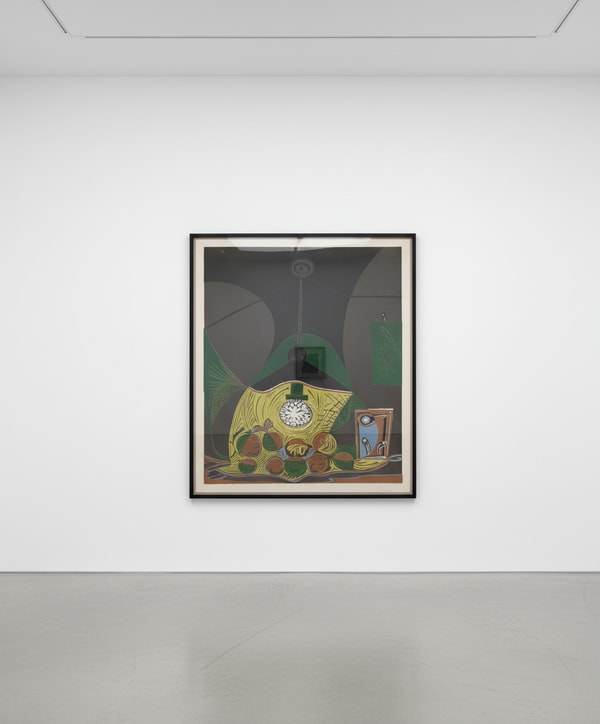
Pablo Picasso
Nature morte à la suspension, 26 mars
1962
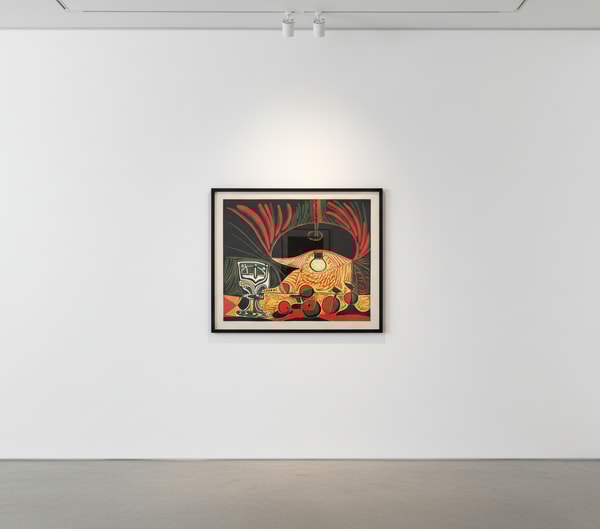
Pablo Picasso
Nature Morte Au Verre Sous La Lampe
1962
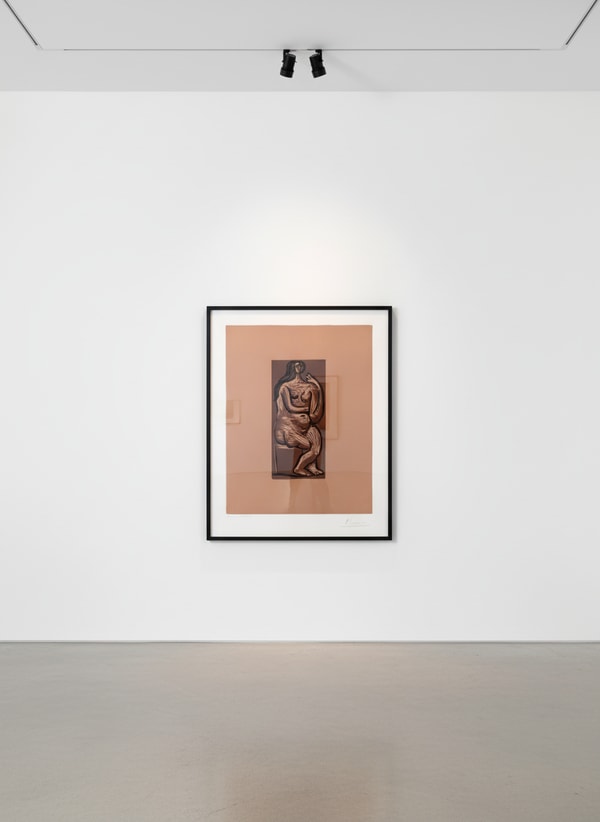
Pablo Picasso
Nu Assis
1962
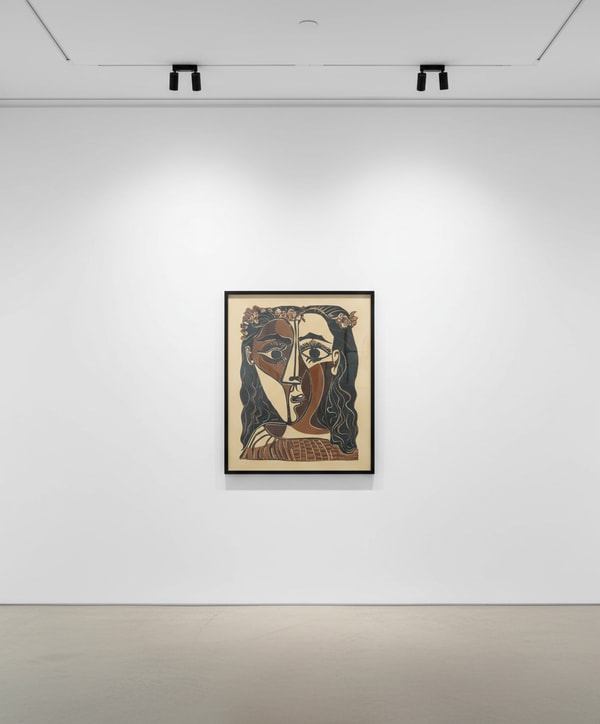
Pablo Picasso
Petite Tête de Femme Couronnée
`962

Pablo Picasso
Portrait de Femme a la Fraise et au Chapeau
1962
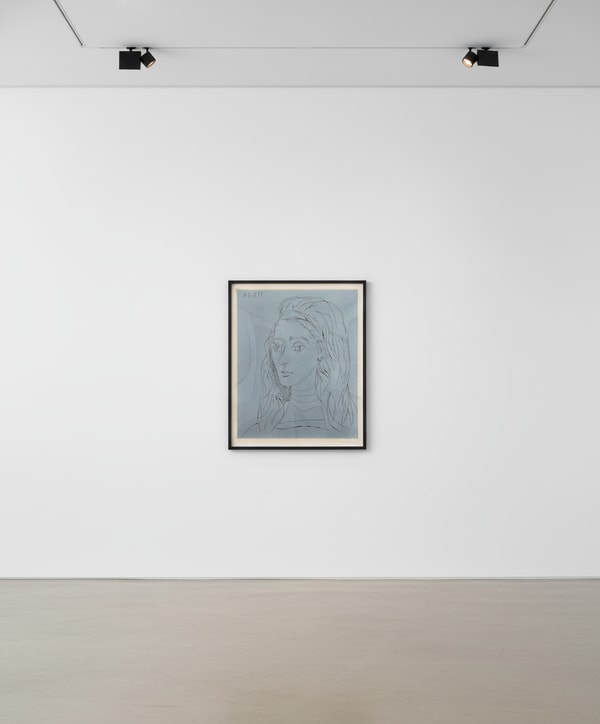
Pablo Picasso
Portrait De Jacqueline (Bloch 923)
1959
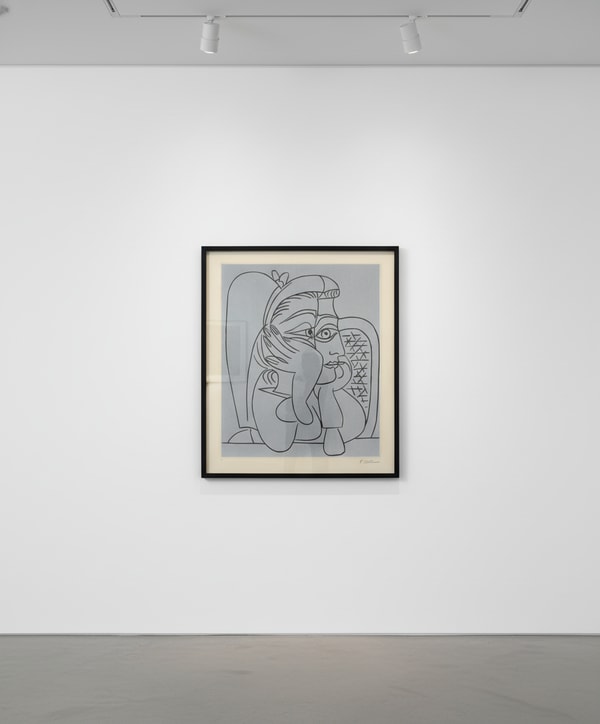
Pablo Picasso
Portrait de Jacqueline Accoudée
1959
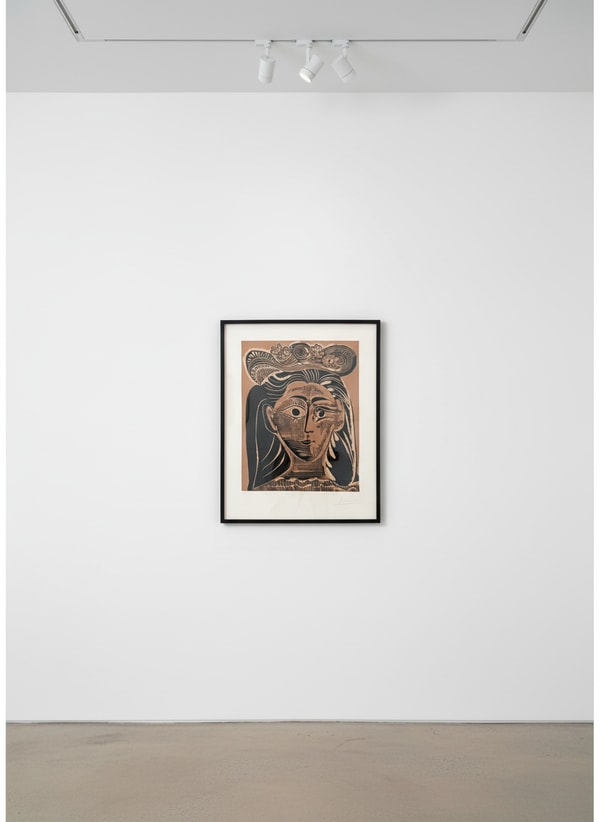
Pablo Picasso
Portrait de Jacqueline Au Chapeau De Paille Fleuri
1962
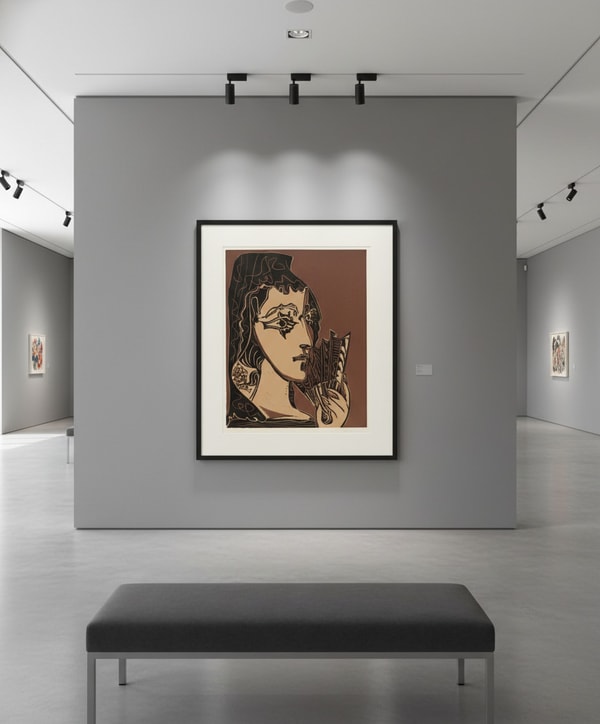
Pablo Picasso
Portrait de Jacqueline en Carmen (L'Espagnole)
1962

Pablo Picasso
Taureau et Picador
1959
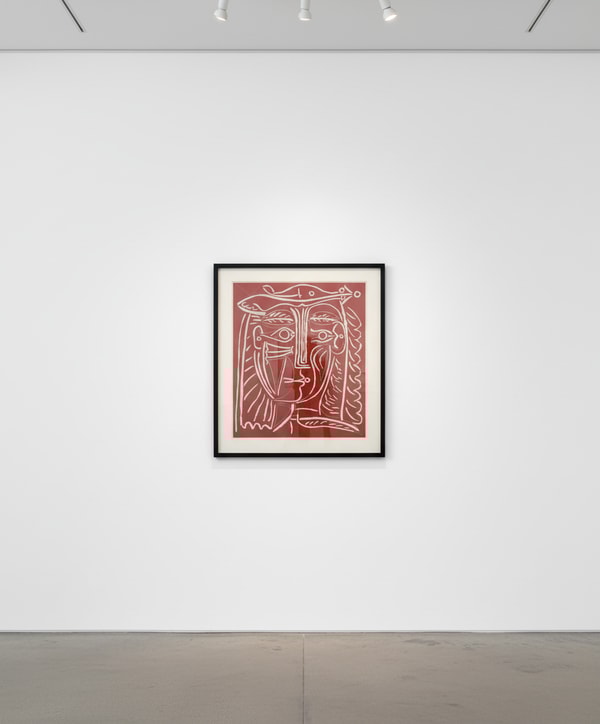
Pablo Picasso
Tête de Femme au Chapeau
1962

Pablo Picasso
Two Women by the Window | Deux femmes près de la fenêtre
1959
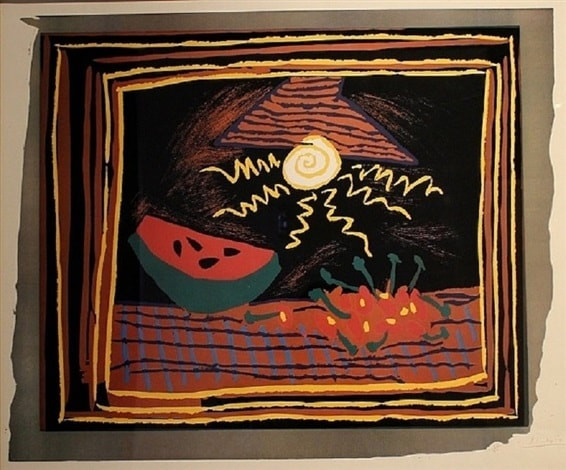
Pablo Picasso
Watermelon Still Life
1962
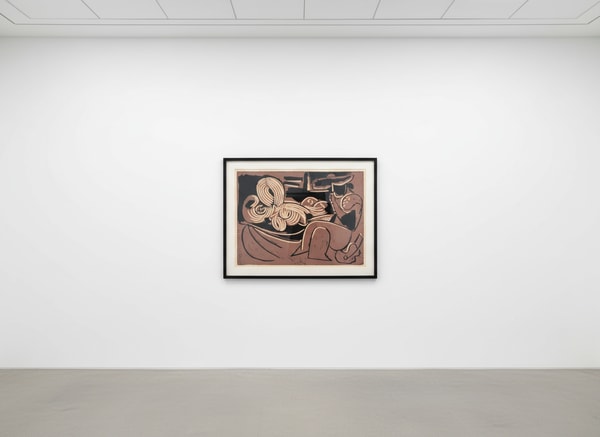
Pablo Picasso
Woman Reclining and Man with a Guitar | Femme couchée et homme à la guitare,
1959