Aquatint
13 works

Le Déjeuner sur l'herbe d'aprés Edouard Manet. (The Luncheon on the Grass after Edouard Manet), 1954
Signed in pencil lower right by Picasso, numbered lower left Linocut from one block printed in black, brown and beige on Arches wove watermarked paper, lower edge deckled.
Image size 35 x 27 cm Sheet size 62.5 x 44.1 cm
Edition of 50
In 1954, Pablo Picasso produced Le Déjeuner sur l’herbe d’après Edouard Manet, a powerful linocut reinterpretation of one of the most controversial and groundbreaking paintings in 19th-century art history. Édouard Manet’s Le Déjeuner sur l’herbe (1863) had shocked the Paris Salon for its bold depiction of a nude woman picnicking alongside clothed men, merging contemporary realism with allusions to classical art. Nearly a century later, Picasso revisited this masterpiece through his own modernist lens, translating it into the graphic medium of linocut — a format perfectly suited to his interest in bold contours, compressed forms, and sculptural surfaces.In Picasso’s 1954 version, the scene is stripped to its essentials. Three central figures dominate the composition: a bearded seated man to the left, holding a staff or cane; a nude woman to the right, partially covering her mouth in a gesture that is at once modest and introspective; and another male figure standing behind them, gazing outwards. Between the seated man and the standing figure appears a second nude woman, possibly a bather, stylised and integrated into the background. The figures are monumental and interlocked, their forms defined by sweeping curves, deep black shadows, and intricately carved hatched lines that create both texture and depth.This is not a straightforward homage to Manet but rather a transformation. Picasso’s radical simplification of the setting — the lush greenery of Manet’s original now replaced by a more abstracted background of tree trunks and patterned surfaces — shifts the focus entirely to the human forms. The result is a scene that feels timeless, as if the figures belong to an ancient frieze as much as to a modern picnic. The tactile, almost sculptural quality of the linocut technique enhances this sense of permanence, giving the figures the weight of carved stone or wood reliefs.The choice of linocut as a medium is significant. By the mid-1950s, Picasso had been working intensively in printmaking for decades, mastering etching, aquatint, lithography, and eventually linocut. Linocut, in particular, offered a distinctive visual language — its flat planes of color and sharp contrasts lent themselves to bold reimaginings of familiar themes. Unlike etching or lithography, linocut requires the artist to work subtractively, carving away material from a linoleum block so that the remaining raised surfaces will take ink. This method demands both decisiveness and confidence, as each cut is irreversible. Picasso embraced these constraints, using them to distill his compositions to their most essential, commanding forms.In Le Déjeuner sur l’herbe d’après Manet, Picasso exploits the linocut’s capacity for strong contrasts and rhythmic patterning. The rich earthy tones — black and deep brown — interplay with the cream of the paper to create a harmonious yet dramatic palette. Fine hatching carved into the figures’ bodies not only models their forms but also lends a dynamic energy to their surfaces, as if light is constantly shifting across them. This integration of line, form, and tone is a hallmark of Picasso’s printmaking genius.Thematically, Picasso’s engagement with Manet’s work reflects his broader practice of reinterpreting the masters. Throughout his career, Picasso returned to canonical artworks — from Velázquez’s Las Meninas to Delacroix’s Women of Algiers — not to copy them, but to engage in a visual dialogue across centuries. In doing so, he asserted himself as both a student and a rival of the greats, probing their compositions, altering their narratives, and reasserting their relevance in a modern context. With Le Déjeuner sur l’herbe, he channels Manet’s spirit of defiance and modernity while filtering it through his own post-Cubist sensibility.The result is a work that is both homage and reinvention. By paring away extraneous detail, Picasso focuses on the timeless human drama at the heart of Manet’s original — the interplay of gazes, the subtle gestures, the quiet yet charged intimacy of a group sharing space. Through the bold physicality of the linocut, these relationships are rendered with a monumental solidity that transcends the casual setting of a picnic.Ultimately, Le Déjeuner sur l’herbe d’après Edouard Manet stands as a testament to Picasso’s dual mastery — as an interpreter of art history and as a printmaker of extraordinary skill. His ability to honor a masterwork while utterly transforming it into something unmistakably his own reflects not only his technical command but also his deep understanding of how images live, evolve, and speak across time. This 1954 linocut is a bridge between past and present, between Manet’s radical realism and Picasso’s modernist boldness, carved with the precision and confidence of a true master of the graphic arts.For more information on Le Déjeuner sur l’herbe d’après Edouard Manet by Pablo Picasso for sale, contact our galleries using the form below.
Price on Application

Pablo Picasso
Aubade, with a Woman in an Armchair | L'aubade, avec femme dans un fauteuil
1959
Pablo Picasso
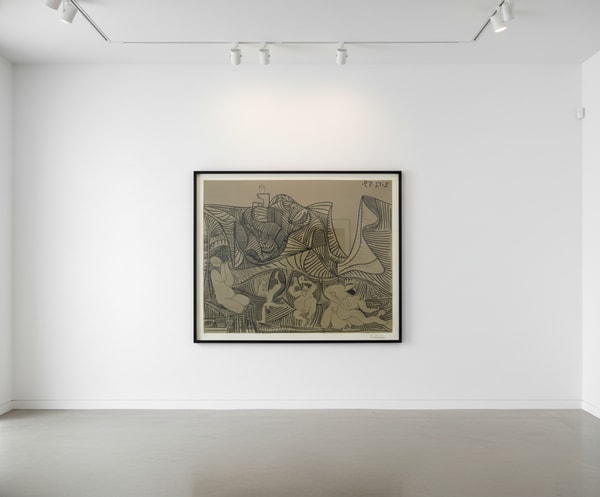
Bacchanale au Hibou (bloch 938)
1959
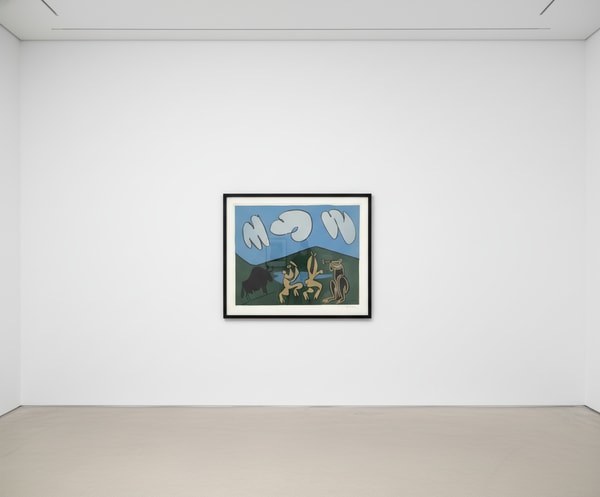
Pablo Picasso
Bacchanale au Taureau Noir (Bloch 935)
1959

Pablo Picasso
Boy with a Crown of Leaves | Jeune homme couronné de feuillage
1959
Pablo Picasso
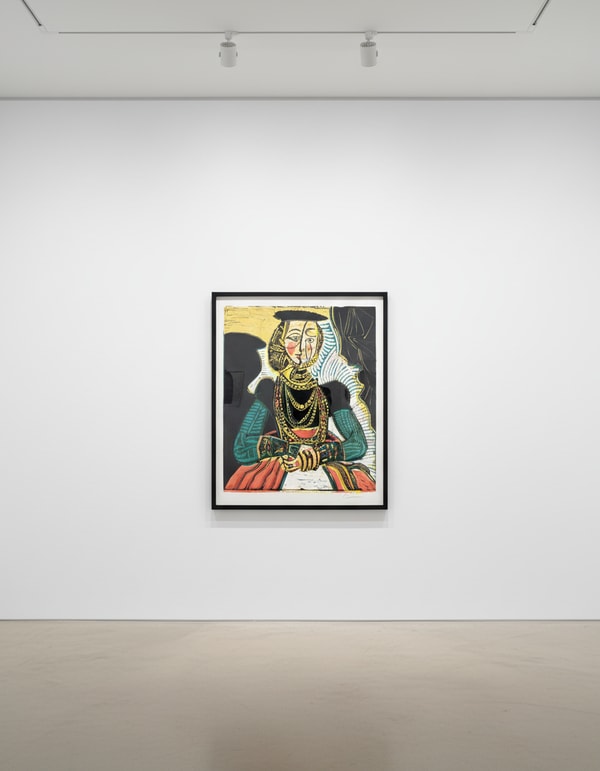
Buste de Femme d'après Cranach le Jeune, (Bloch 859)
1958
Pablo Picasso
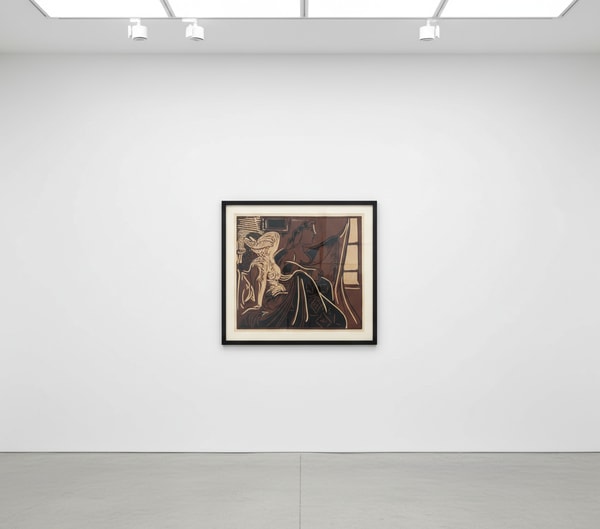
Deux Femmes Prés de la Fenêtre
1959

Pablo Picasso
Faune et Chévre
1959
Pablo Picasso
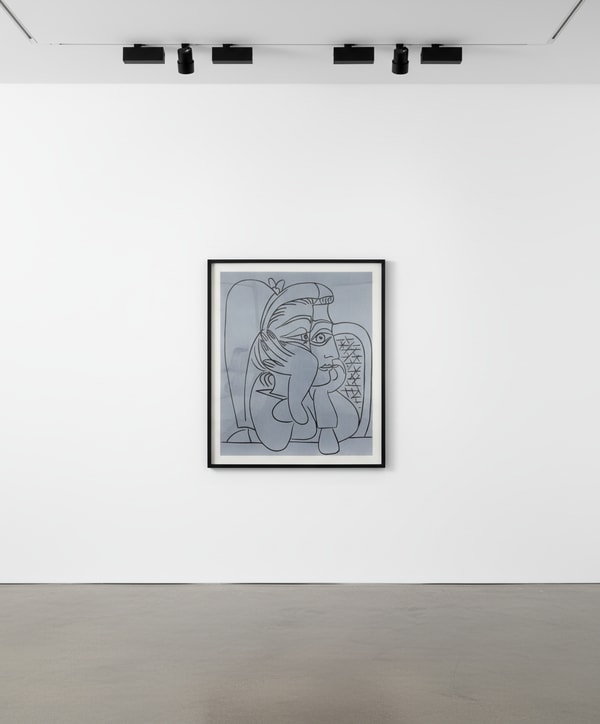
Femme Accoudée (Bloch 922)
1959

Pablo Picasso
Femme au Chapeau (Portrait de Jacqueline au chapeau de paille multicolore).
1962

Pablo Picasso
Femme nue à la source
1963
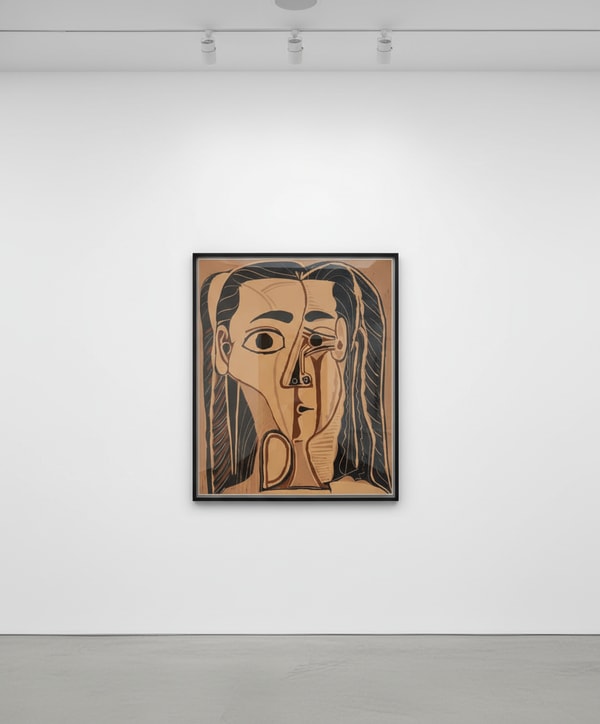
Pablo Picasso
Grande Tete De Femme (Bloch 1069)
1962
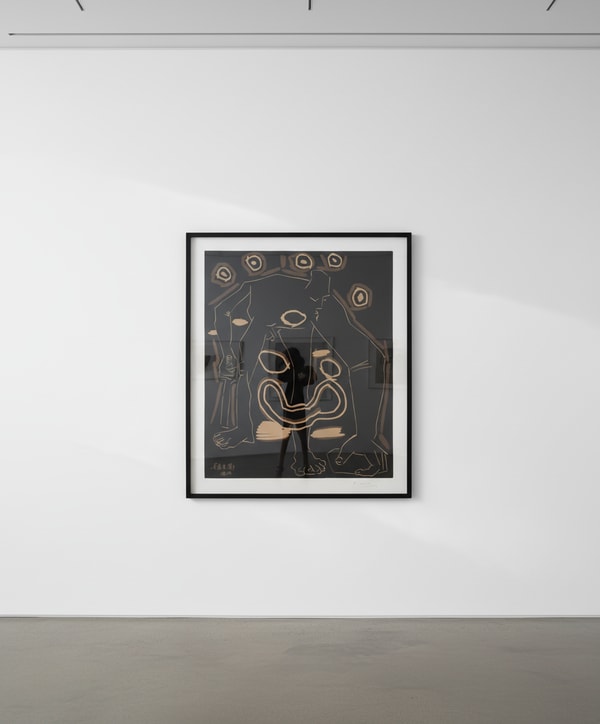
Pablo Picasso
Homme au batôn / Le Vieux bouffon
1963
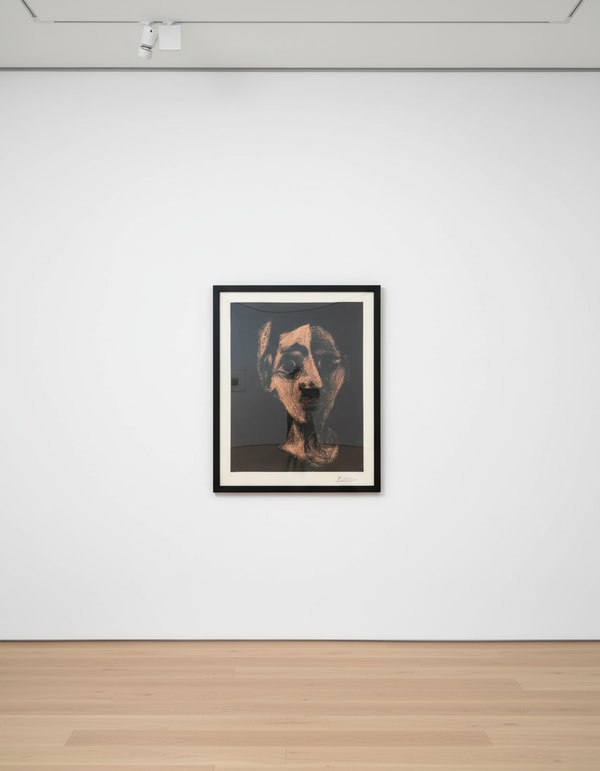
Pablo Picasso
Jacqueline au Bandeau
1962
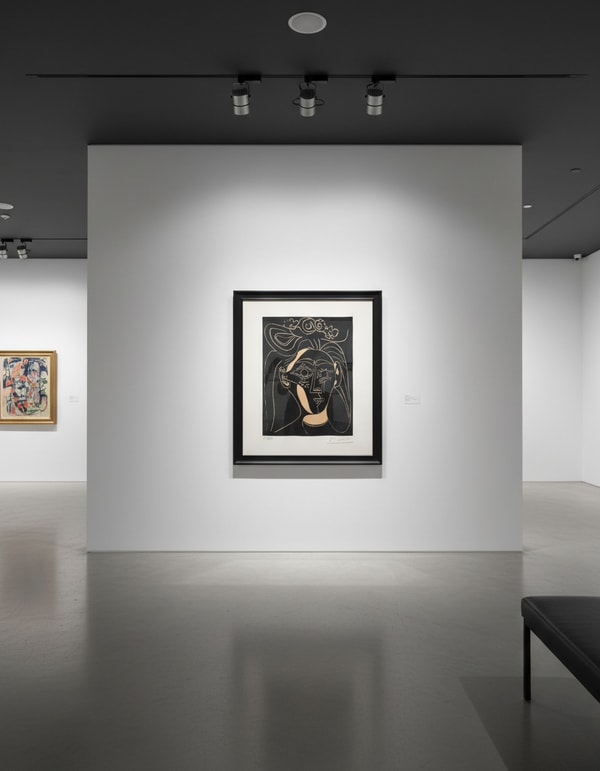
Pablo Picasso
Jacqueline au chapeau à Fleurs. I
1962
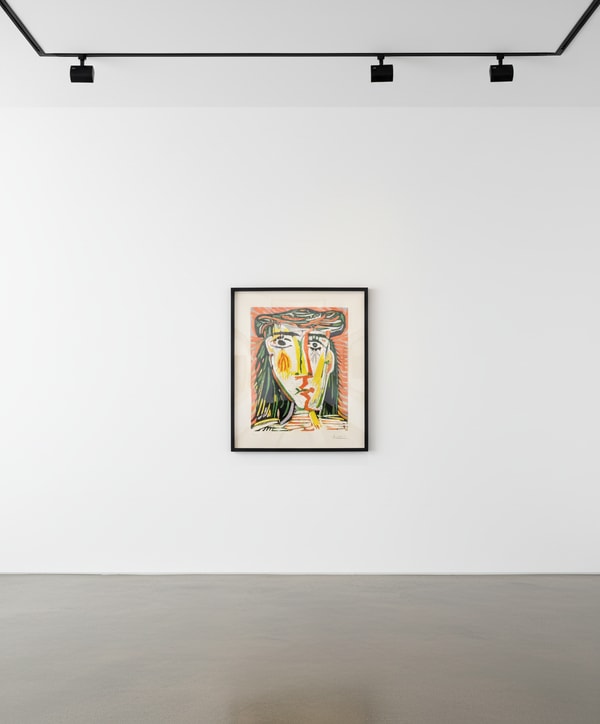
Pablo Picasso
Jacqueline au chapeau de paille
1962
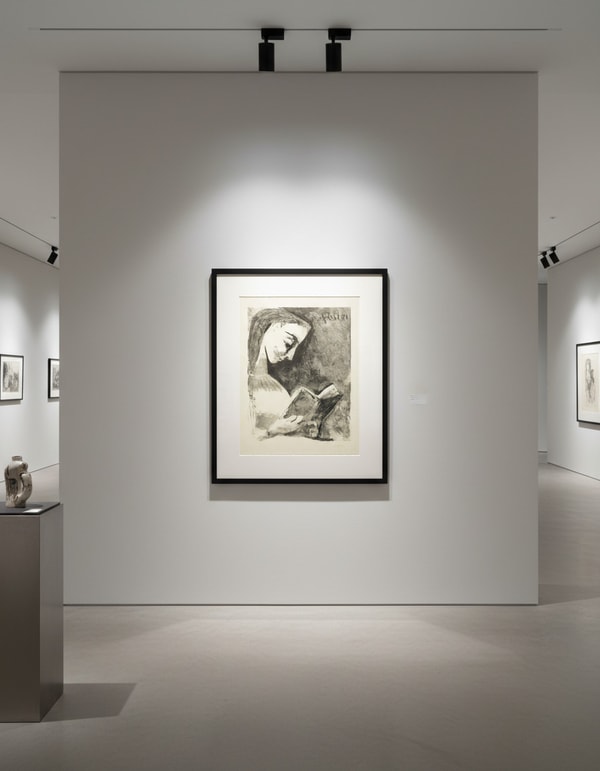
Pablo Picasso
Jacqueline Lisant
1964
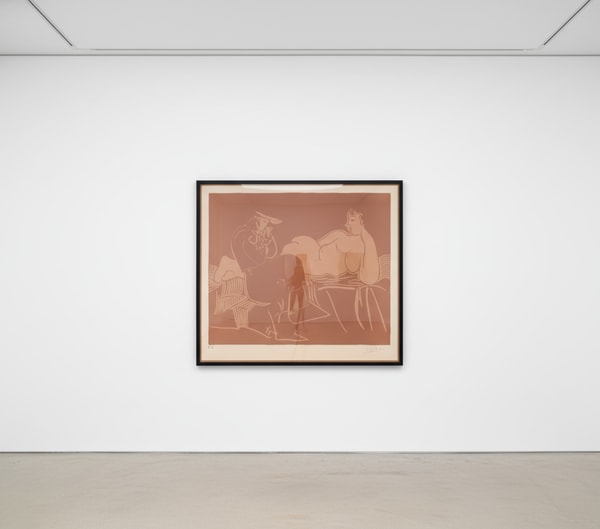
Pablo Picasso
L'Aubade, avec Femme Accoudee
1959

Pablo Picasso
L'Etreinte (Bloch 1150)
1963

Pablo Picasso
La Pique en Rouge et Jaune (The Bullfight in Red and Yellow)
1959

Pablo Picasso
Le Vieux bouffon
1963
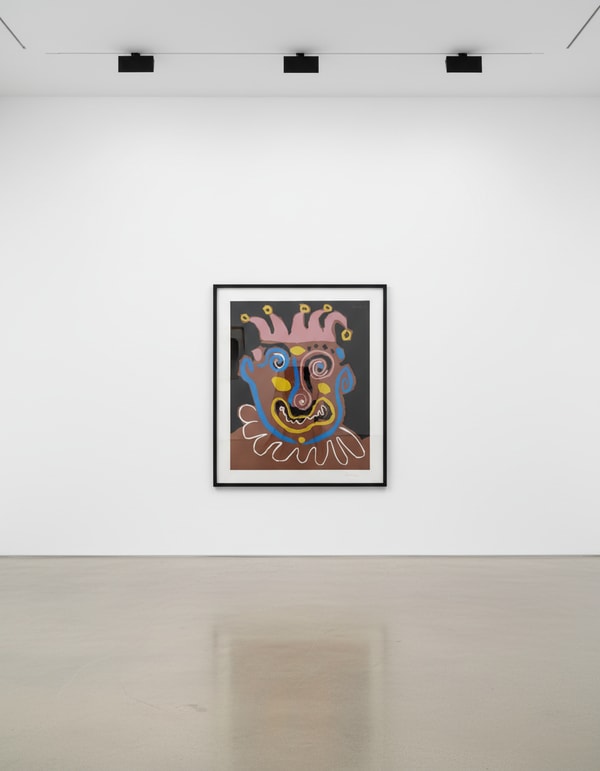
Pablo Picasso
Le Vieux Roi (B. 1152) (The Old King)
1963
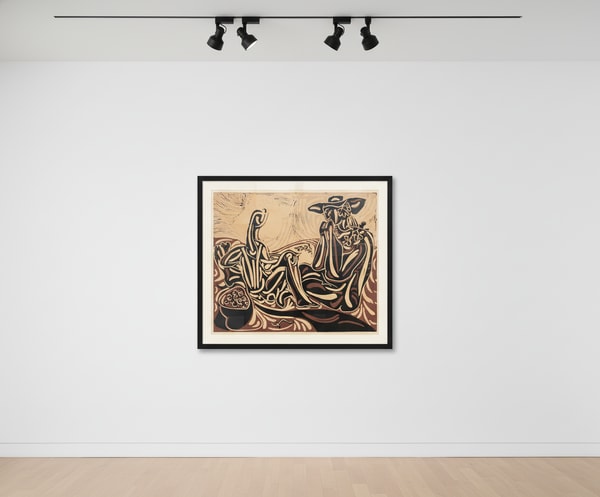
Pablo Picasso
Les vendangeurs
1959
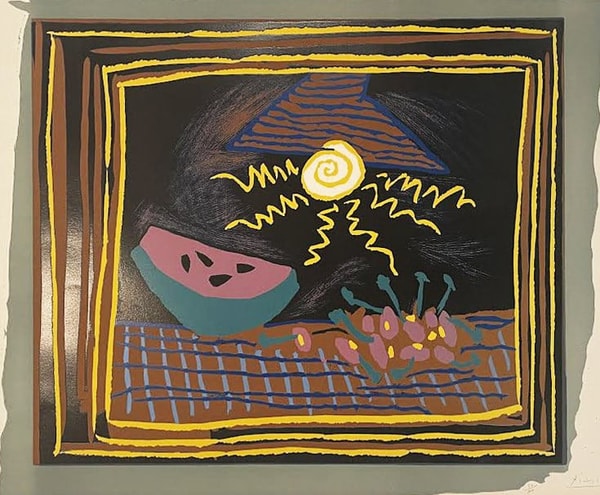
Pablo Picasso
Nature Morte a la Pasteque
1962
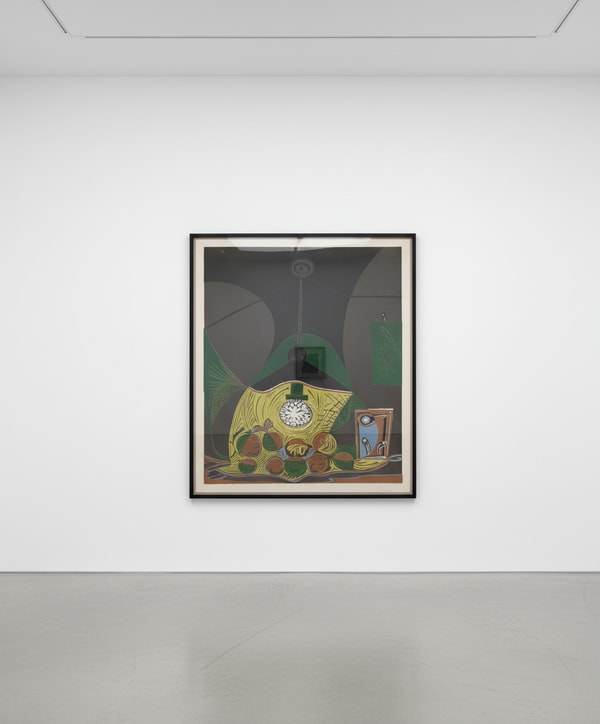
Pablo Picasso
Nature morte à la suspension, 26 mars
1962
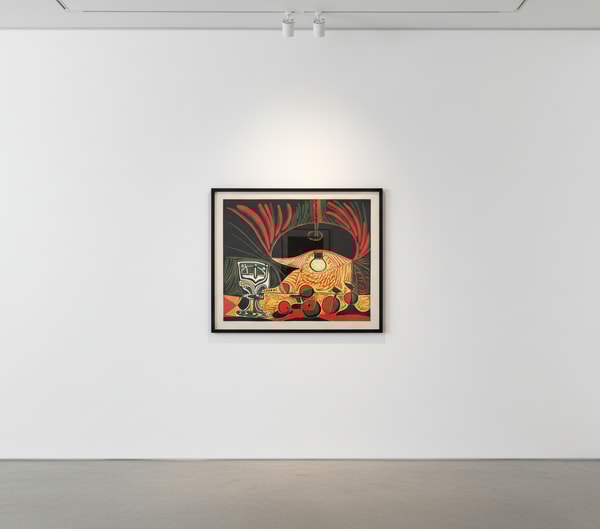
Pablo Picasso
Nature Morte Au Verre Sous La Lampe
1962
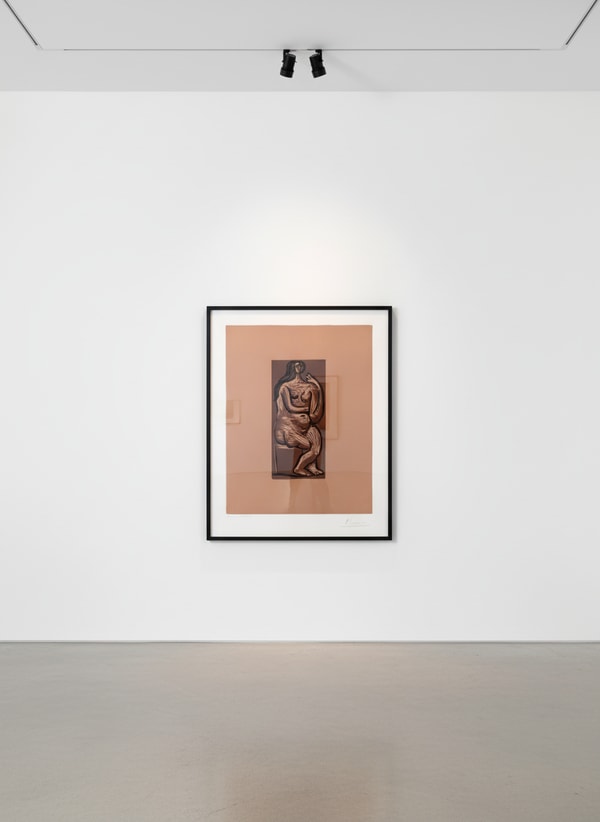
Pablo Picasso
Nu Assis
1962
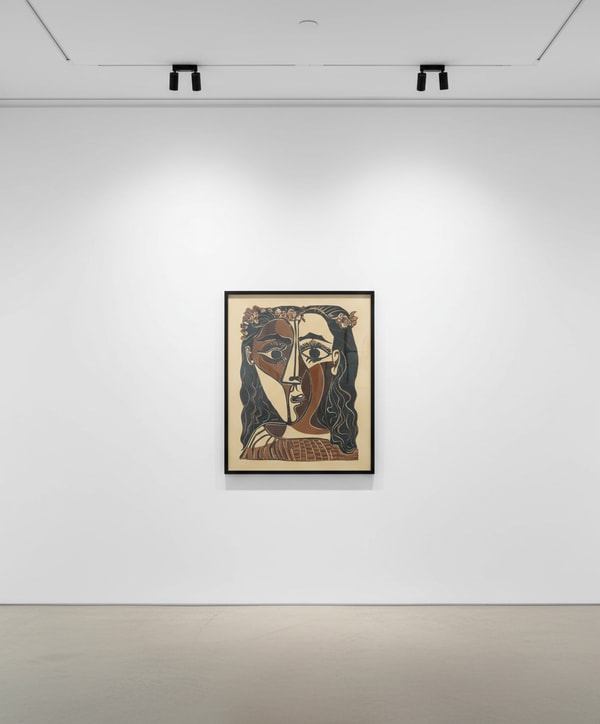
Pablo Picasso
Petite Tête de Femme Couronnée
`962

Pablo Picasso
Portrait de Femme a la Fraise et au Chapeau
1962
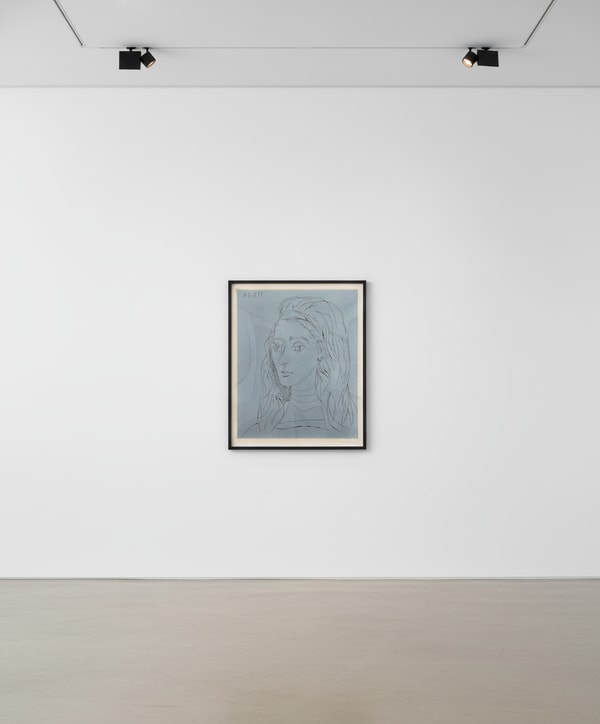
Pablo Picasso
Portrait De Jacqueline (Bloch 923)
1959
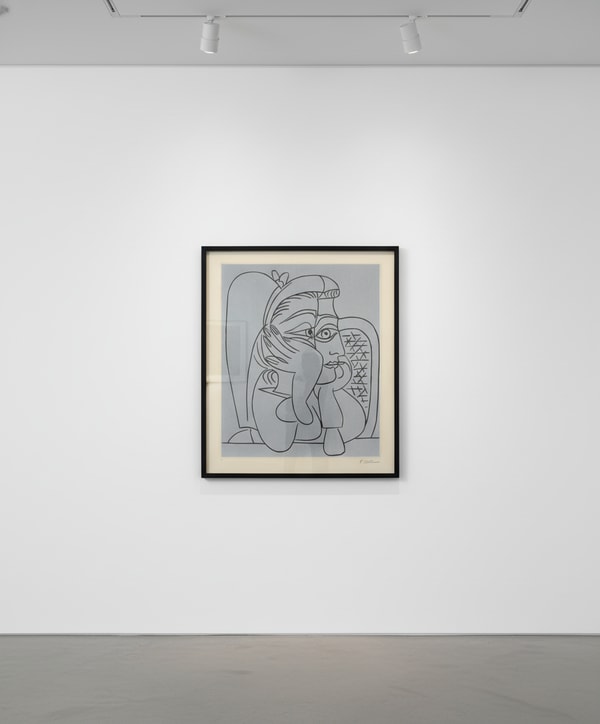
Pablo Picasso
Portrait de Jacqueline Accoudée
1959
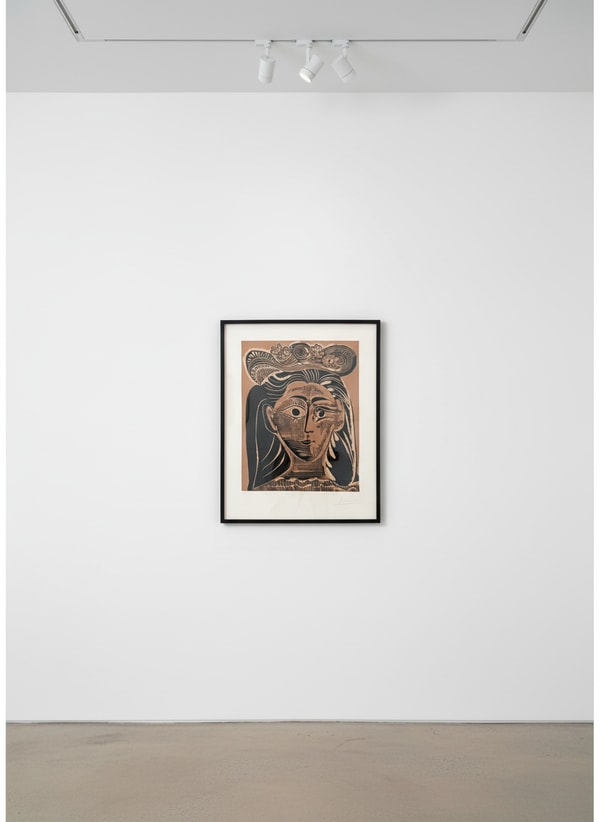
Pablo Picasso
Portrait de Jacqueline Au Chapeau De Paille Fleuri
1962
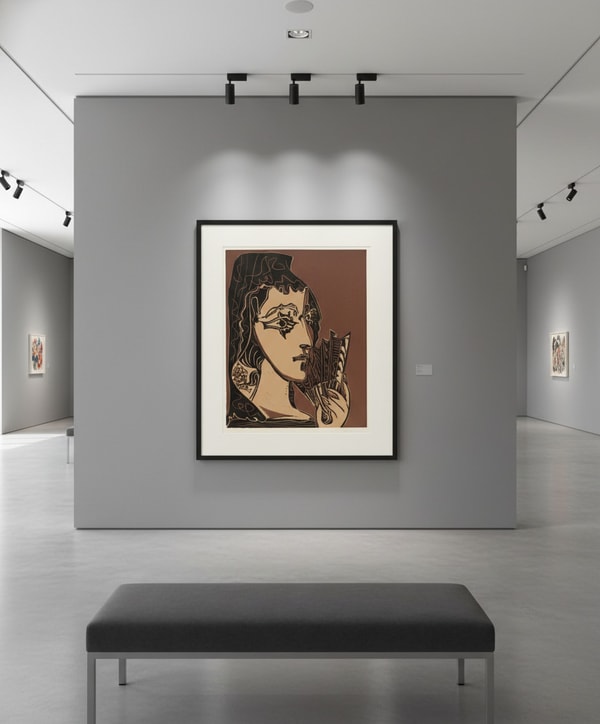
Pablo Picasso
Portrait de Jacqueline en Carmen (L'Espagnole)
1962

Pablo Picasso
Taureau et Picador
1959
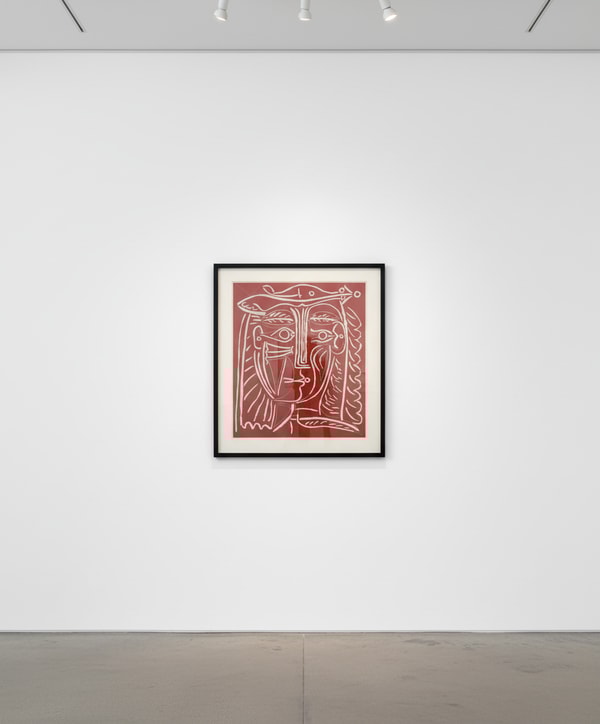
Pablo Picasso
Tête de Femme au Chapeau
1962

Pablo Picasso
Two Women by the Window | Deux femmes près de la fenêtre
1959
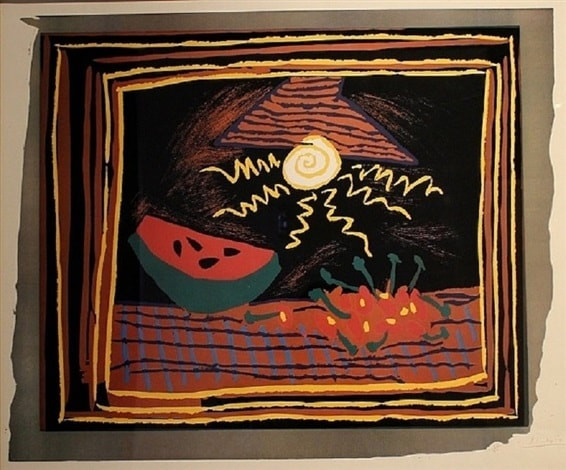
Pablo Picasso
Watermelon Still Life
1962
Pablo Picasso
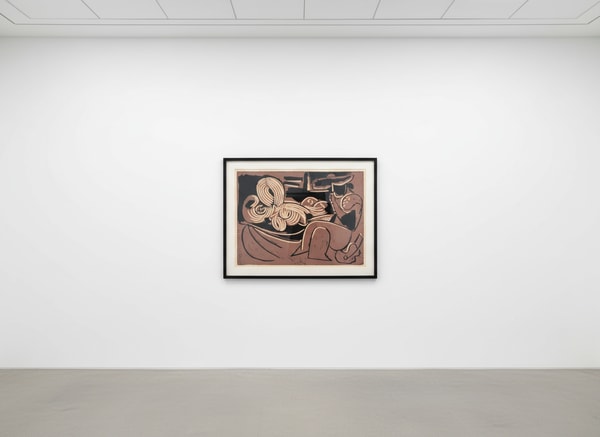
Woman Reclining and Man with a Guitar | Femme couchée et homme à la guitare,
1959