Aquatint
13 works

Boy with a Crown of Leaves | Jeune homme couronné de feuillage, 1959
Original Hand Signed and Inscribed Linocut in Colours on Arches Wove Paper
Paper size: 62.9 x 44.3 cm. / 24.8 x 17.4 in. Image size: 34.9 x 26.8 cm. / 13.7 x 10.5 in.
Edition of 50
This linocut by Pablo Picasso, Boy with a Crown of Leaves (Jeune homme couronné de feuillage), is a striking example of the artist’s late graphic work, where he harnessed the linocut medium with unparalleled boldness to create images that were at once timeless and distinctly modern. Executed on Arches wove paper, this hand-signed and inscribed linocut exemplifies Picasso’s ability to reduce form to its essentials while preserving expressive force and symbolic weight.By the late 1950s and early 1960s, Picasso had fully mastered the linocut, transforming a relatively humble printmaking method into one of his most powerful artistic tools. Unlike etching or lithography, linocut relies on carving directly into linoleum blocks, demanding both decisiveness and confidence. Picasso took this further by experimenting with the reduction method, cutting and re-cutting the same block for successive colors rather than using multiple plates.In Boy with a Crown of Leaves, the medium’s possibilities are fully realized. The bold flat planes of earthy browns and pinks are sharply juxtaposed with black outlines, creating a graphic clarity that emphasizes both structure and expression. Printed on Arches wove paper, known for its fine texture and resilience, the work carries a luminous, tactile quality that enhances its monumental simplicity.The portrait is dominated by a frontal face, symmetrically split yet subtly asymmetrical—a hallmark of Picasso’s modernist language. The large, wide-open eyes convey both innocence and intensity, while the stylized lips and simplified nose reduce the features to their most essential contours. The crown of leaves, resting delicately across the boy’s head, connects the portrait to themes of antiquity, youth, and vitality.The play between flat color and expressive line is central to the work. Picasso uses sharp contrasts to model the face without shading or depth, achieving sculptural presence through the tension of curves, angles, and bold outlines. The simplicity of form recalls both archaic portraiture and modern abstraction, situating the image at the intersection of tradition and innovation.The subject of a crowned youth resonates with Picasso’s long-standing engagement with classical themes. Since the 1920s, he had returned repeatedly to Greco-Roman motifs—gods, muses, satyrs, and crowned figures—often reinterpreting them in contemporary forms. Here, the boy crowned with leaves recalls classical imagery of victory, fertility, and festivity, but rendered with the economy and graphic clarity of Picasso’s linocut style.This balance of myth and modernity is emblematic of Picasso’s late period. At a time when abstraction and minimalism were dominating postwar art, Picasso reaffirmed figuration but in radically reduced, graphic terms. The linocut provided the perfect medium for this dialogue, allowing him to merge ancient symbolism with a bold modernist visual language.What sets this work apart is how it reflects Picasso’s unparalleled command of linocut. With only a handful of colors and a few decisive cuts, he conjures a figure of immense presence. The technical precision required by the reduction method—where each stage of cutting eliminates previous surfaces forever—shows not only his confidence but also his ability to innovate within strict constraints.This print is a testament to Picasso’s restless creativity. Having mastered etching, aquatint, lithography, and ceramics, he turned to linocut in his later years and produced some of the most iconic prints of the 20th century, proving once again that no medium was too modest to become a vessel for his genius.Boy with a Crown of Leaves (Jeune homme couronné de feuillage) encapsulates Picasso’s late style: bold, economical, and deeply rooted in both classical tradition and modern innovation. Through the linocut medium, he distilled portraiture to its essence—flat planes, stark contrasts, and symbolic clarity—while imbuing it with a timeless vitality. It is not just a portrait of a crowned youth but also a meditation on the enduring power of myth and the endless capacity of line and form to reinvent human expression.For more information or to buy Bouquet à la pomme by Pablo Picasso, contact our galleries using the form below.
Price on Application
Jeune homme couronné de feuillage (Boy with a Crown of Leaves) · Pablo Picasso · Phillips · 2015-04 · $30,000

Pablo Picasso
Aubade, with a Woman in an Armchair | L'aubade, avec femme dans un fauteuil
1959
Pablo Picasso
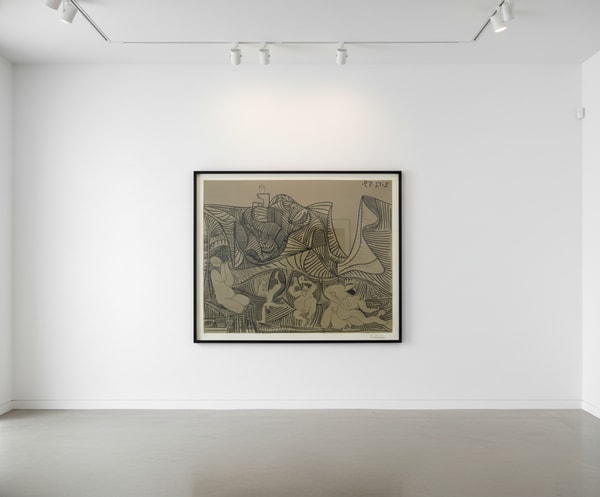
Bacchanale au Hibou (bloch 938)
1959
Pablo Picasso
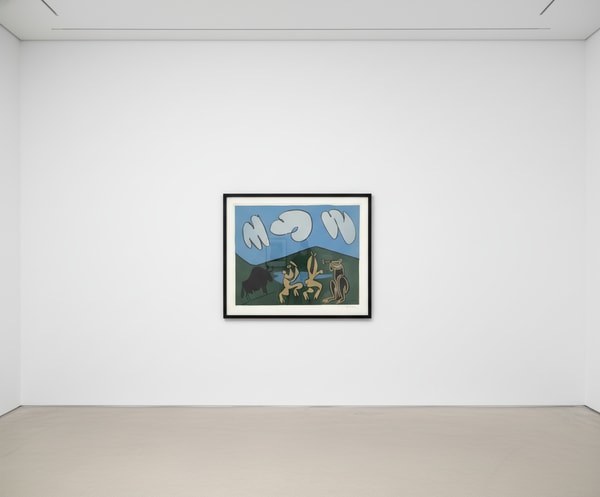
Bacchanale au Taureau Noir (Bloch 935)
1959
Pablo Picasso
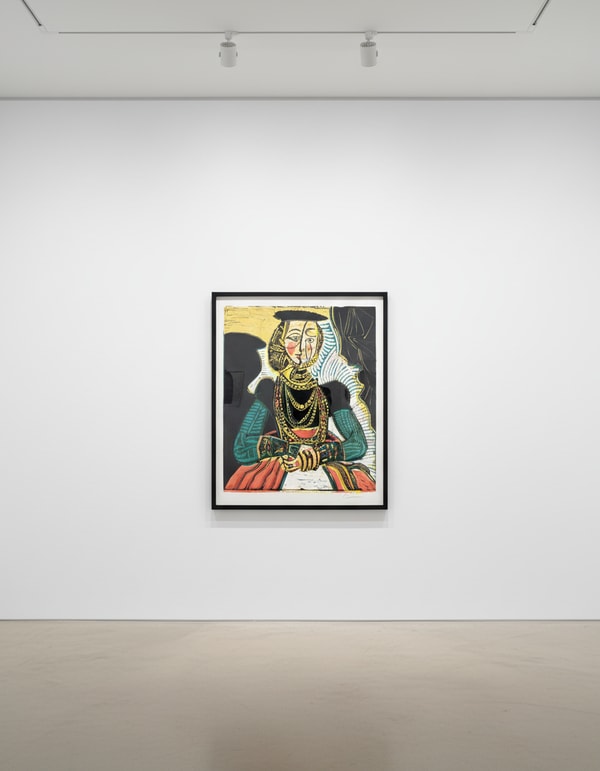
Buste de Femme d'après Cranach le Jeune, (Bloch 859)
1958
Pablo Picasso
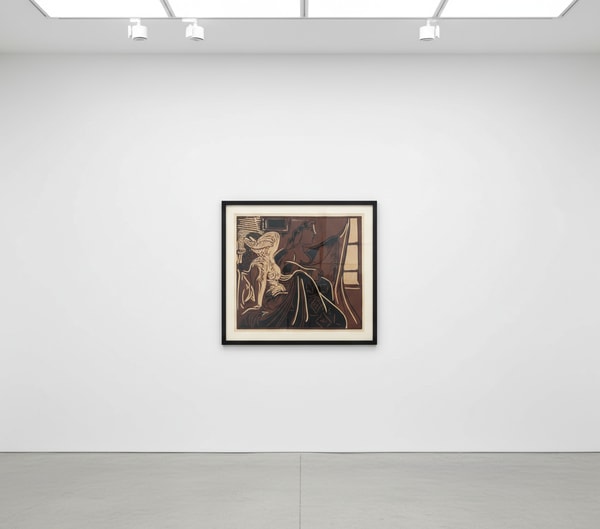
Deux Femmes Prés de la Fenêtre
1959

Pablo Picasso
Faune et Chévre
1959
Pablo Picasso
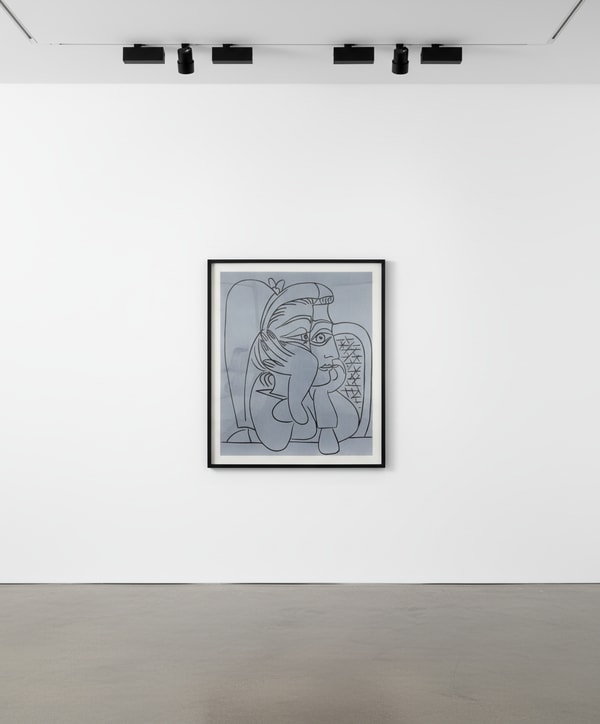
Femme Accoudée (Bloch 922)
1959

Pablo Picasso
Femme au Chapeau (Portrait de Jacqueline au chapeau de paille multicolore).
1962

Pablo Picasso
Femme nue à la source
1963
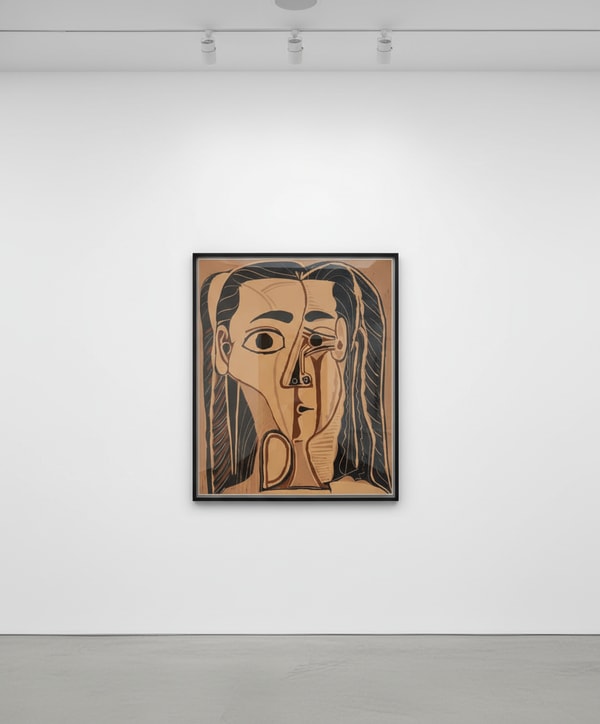
Pablo Picasso
Grande Tete De Femme (Bloch 1069)
1962
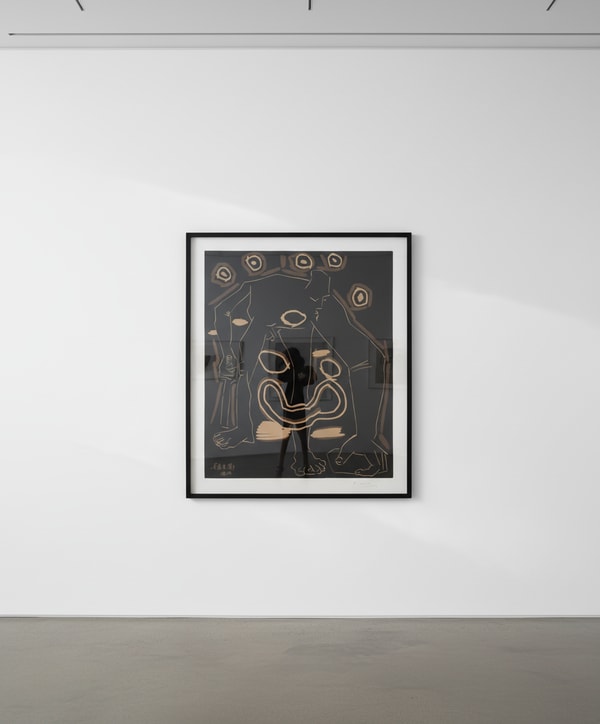
Pablo Picasso
Homme au batôn / Le Vieux bouffon
1963
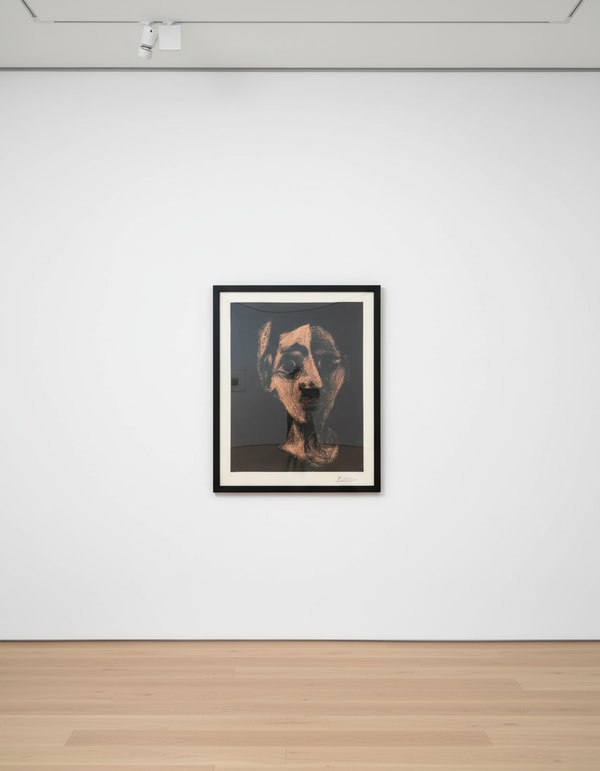
Pablo Picasso
Jacqueline au Bandeau
1962
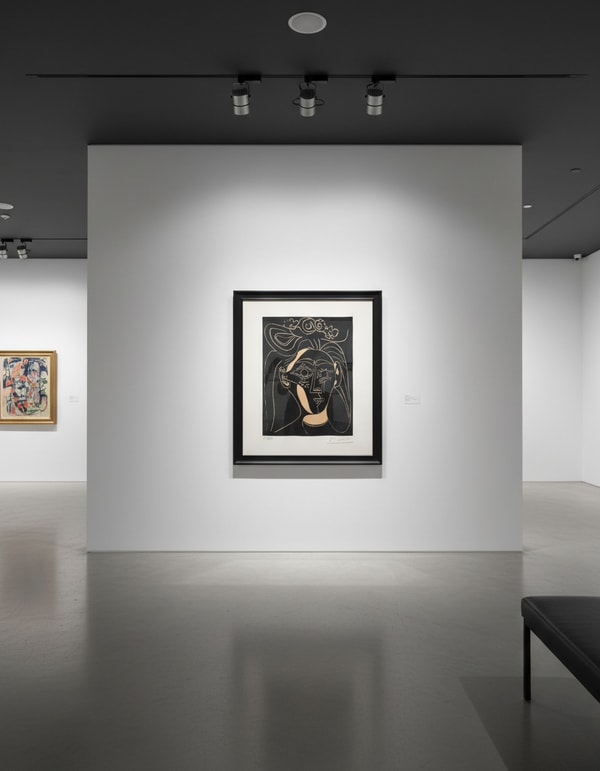
Pablo Picasso
Jacqueline au chapeau à Fleurs. I
1962
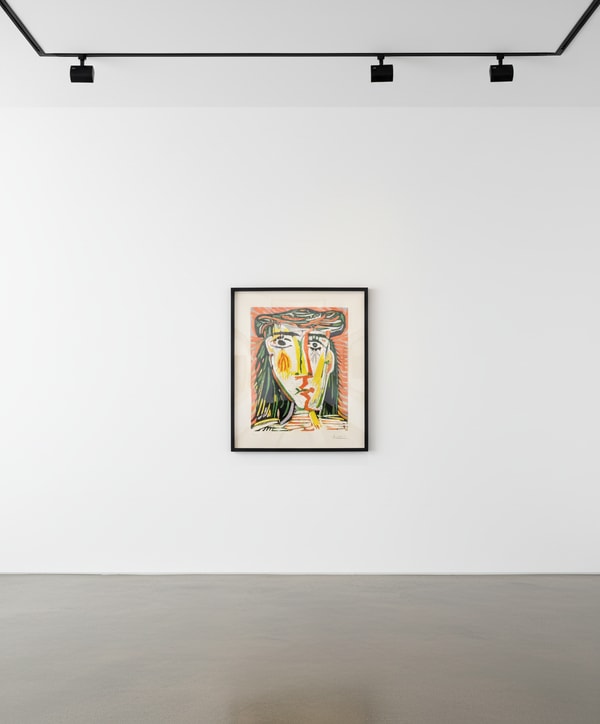
Pablo Picasso
Jacqueline au chapeau de paille
1962
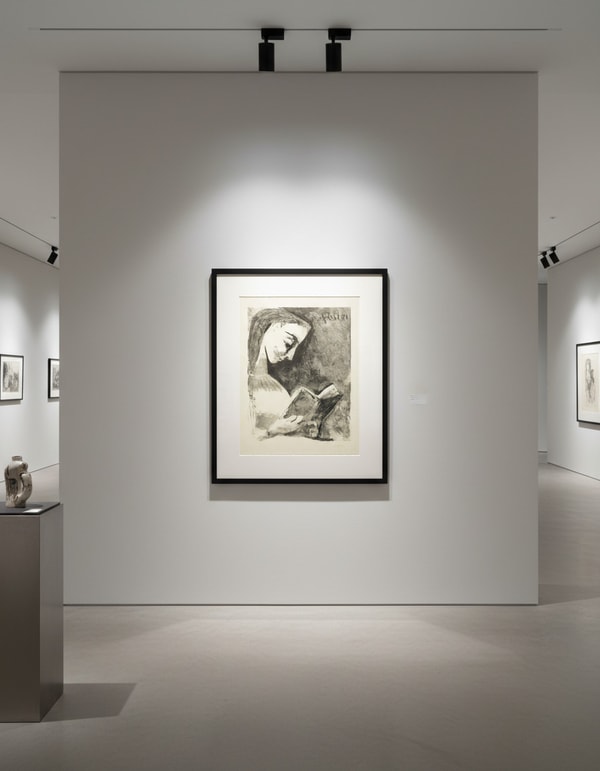
Pablo Picasso
Jacqueline Lisant
1964
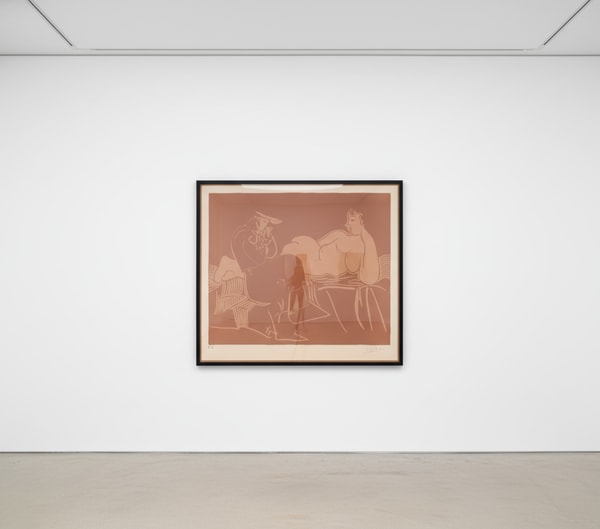
Pablo Picasso
L'Aubade, avec Femme Accoudee
1959

Pablo Picasso
L'Etreinte (Bloch 1150)
1963

Pablo Picasso
La Pique en Rouge et Jaune (The Bullfight in Red and Yellow)
1959

Pablo Picasso
Le Déjeuner sur l'herbe d'aprés Edouard Manet. (The Luncheon on the Grass after Edouard Manet)
1954

Pablo Picasso
Le Vieux bouffon
1963
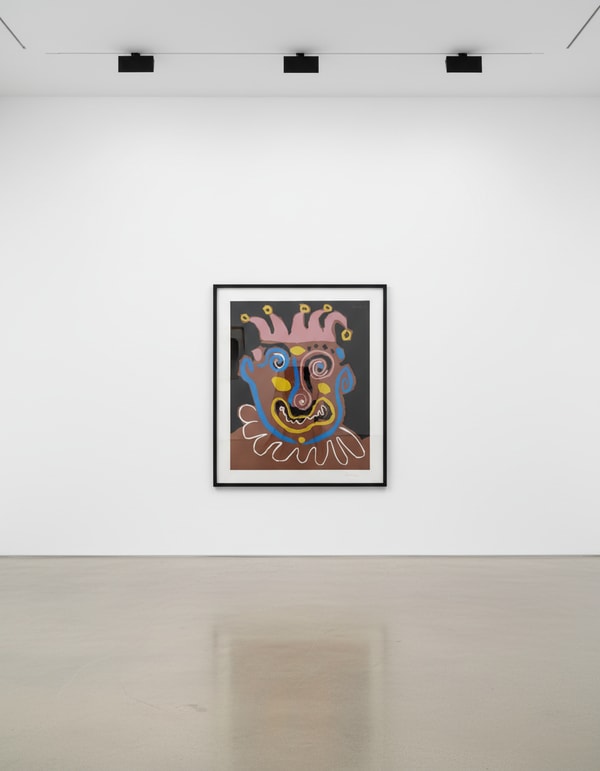
Pablo Picasso
Le Vieux Roi (B. 1152) (The Old King)
1963
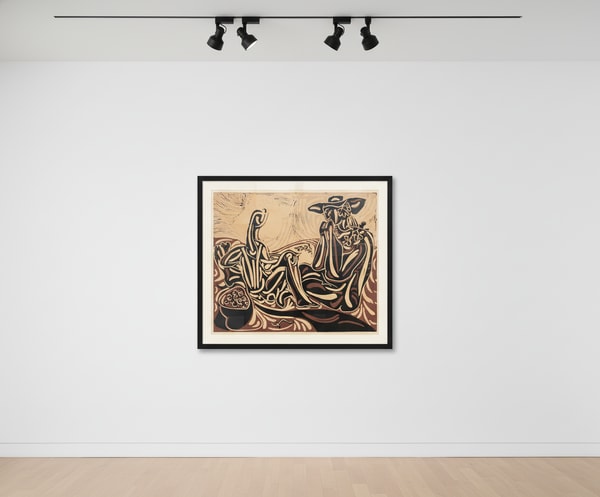
Pablo Picasso
Les vendangeurs
1959
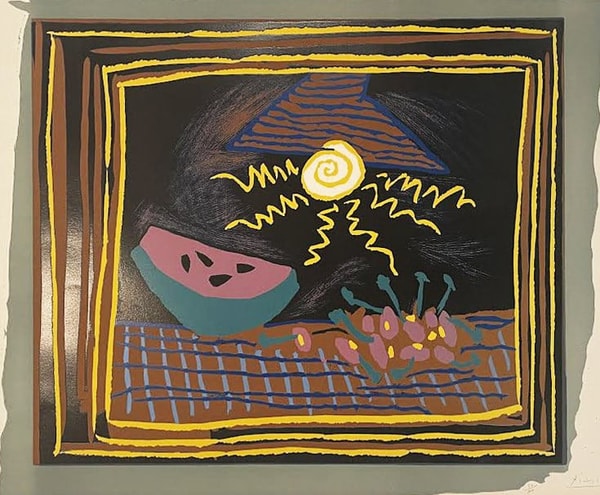
Pablo Picasso
Nature Morte a la Pasteque
1962
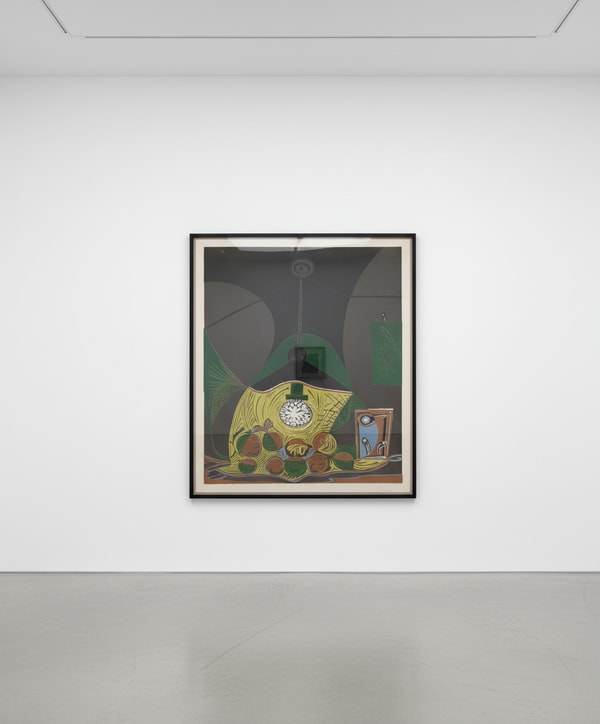
Pablo Picasso
Nature morte à la suspension, 26 mars
1962
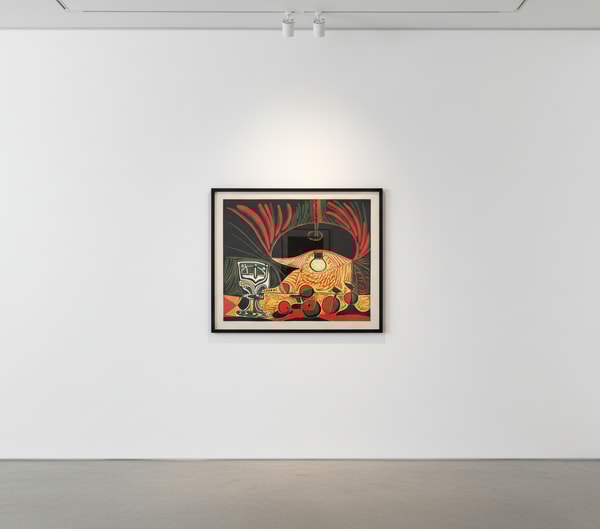
Pablo Picasso
Nature Morte Au Verre Sous La Lampe
1962
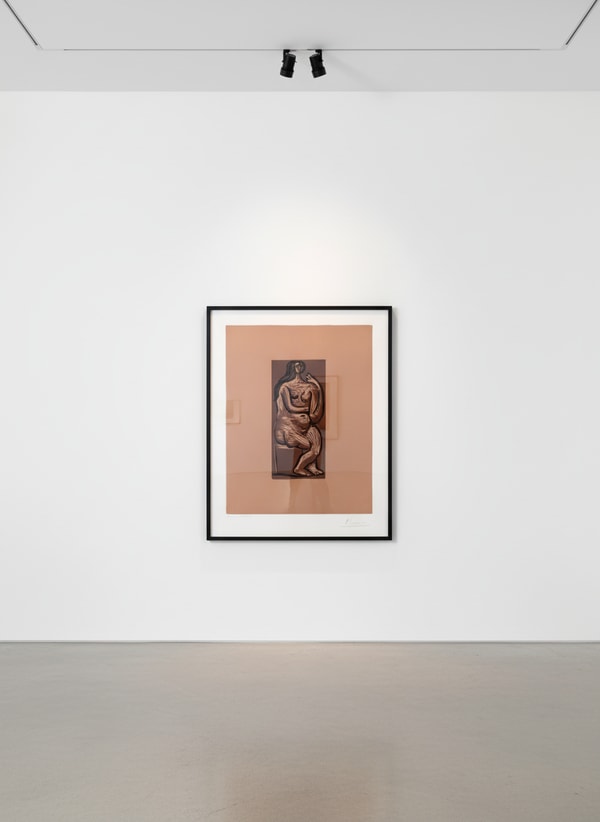
Pablo Picasso
Nu Assis
1962
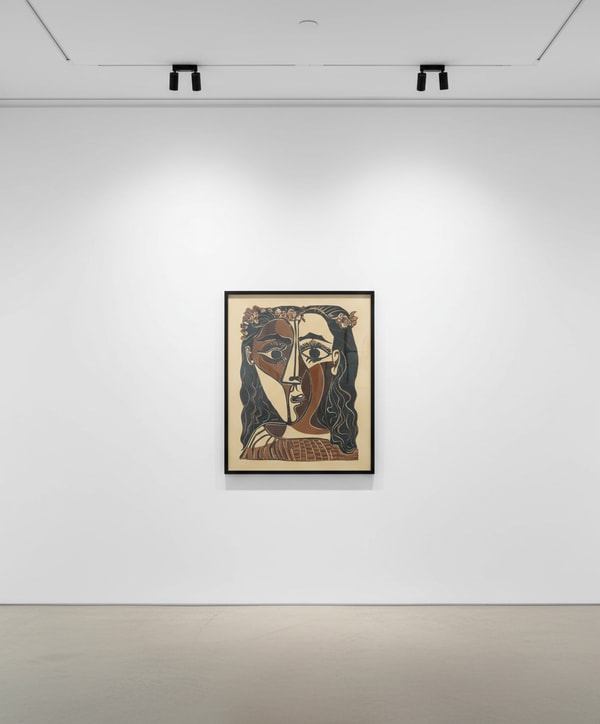
Pablo Picasso
Petite Tête de Femme Couronnée
`962

Pablo Picasso
Portrait de Femme a la Fraise et au Chapeau
1962
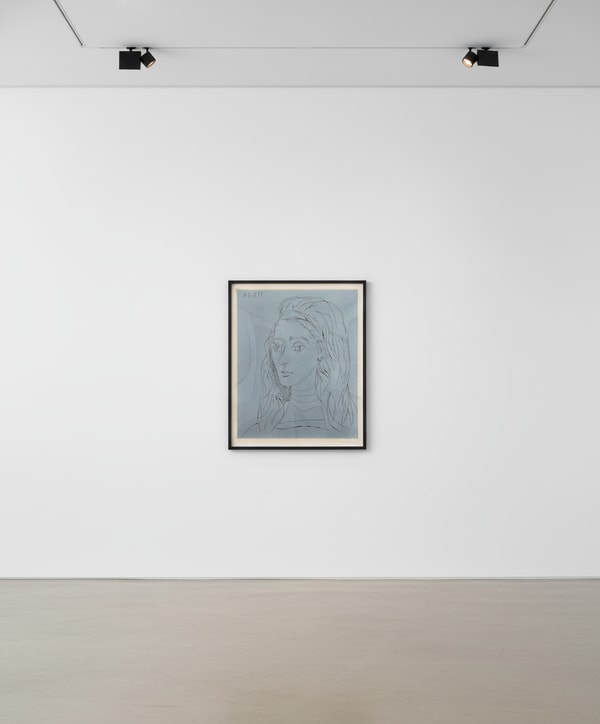
Pablo Picasso
Portrait De Jacqueline (Bloch 923)
1959
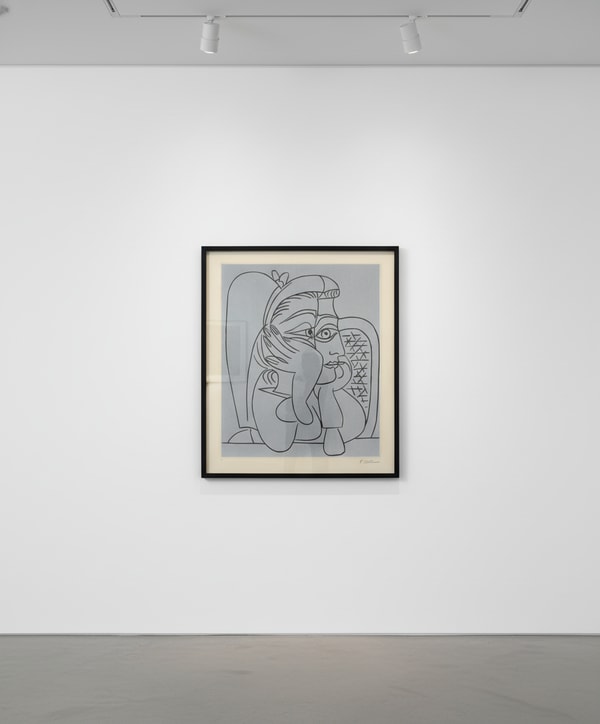
Pablo Picasso
Portrait de Jacqueline Accoudée
1959
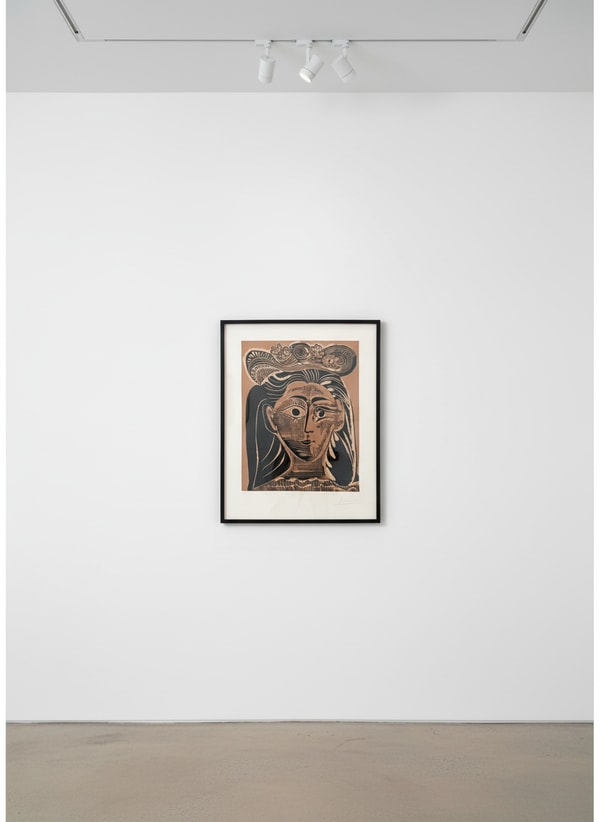
Pablo Picasso
Portrait de Jacqueline Au Chapeau De Paille Fleuri
1962
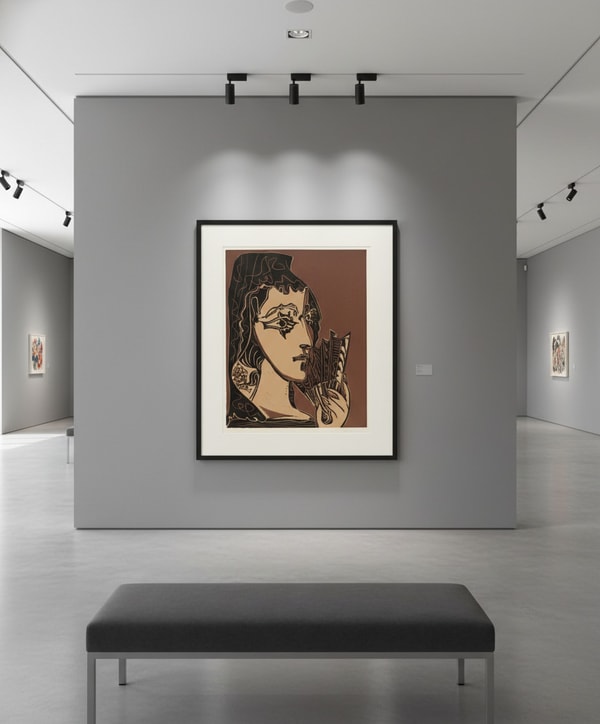
Pablo Picasso
Portrait de Jacqueline en Carmen (L'Espagnole)
1962

Pablo Picasso
Taureau et Picador
1959
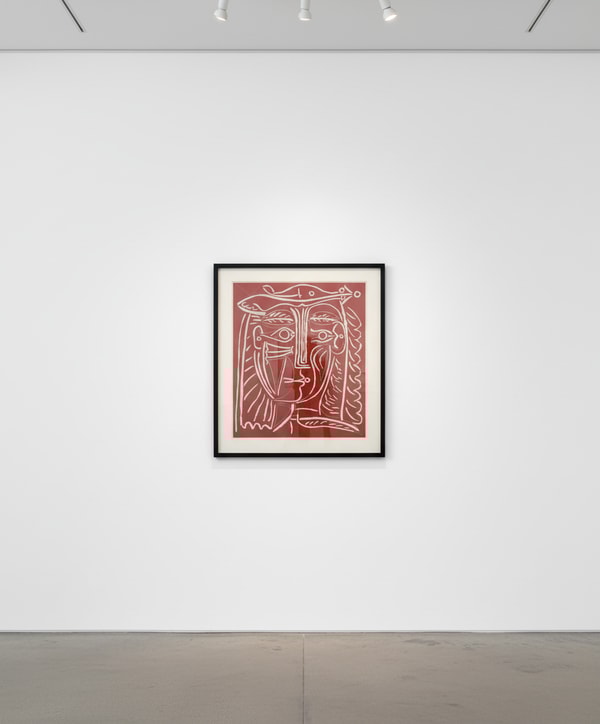
Pablo Picasso
Tête de Femme au Chapeau
1962

Pablo Picasso
Two Women by the Window | Deux femmes près de la fenêtre
1959
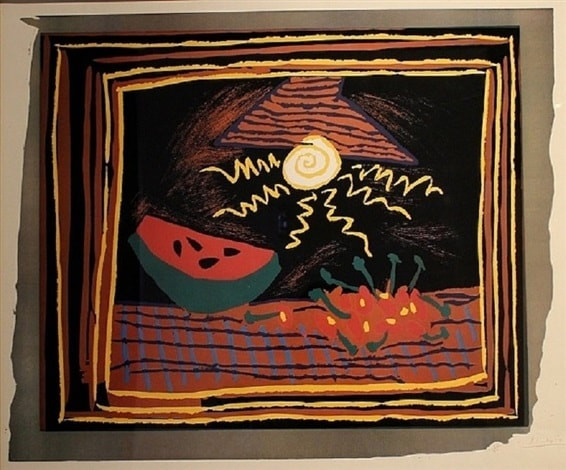
Pablo Picasso
Watermelon Still Life
1962
Pablo Picasso
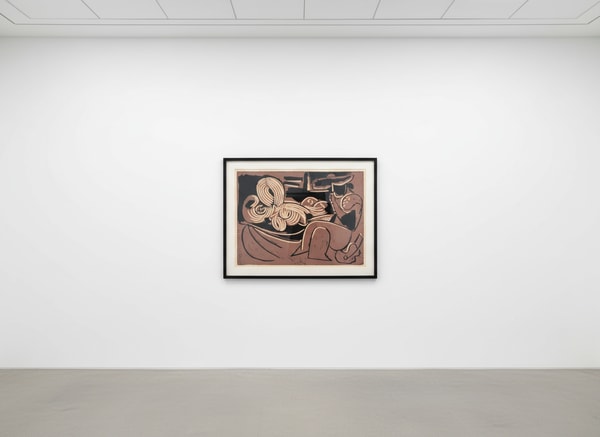
Woman Reclining and Man with a Guitar | Femme couchée et homme à la guitare,
1959