Flower Paintings

Andy Warhol remains one of the most influential and commercially significant artists of the twentieth century, a visionary who fundamentally transformed our understanding of art, commerce, and visual culture. As the leading figure of the Pop Art movement, Warhol challenged traditional hierarchies of artistic subject matter, elevating the mundane and mass-produced to the realm of high art. Among his extensive and varied body of work, the Andy Warhol Flowers series, created during the vibrant mid-1960s, stands as a remarkable testament to his ingenious ability to merge fine art with consumer culture through the lens of mechanical reproduction. While Warhol achieved universal acclaim for his iconic depictions of Campbell's Soup cans and celebrity portraits, his exploration of floral imagery represents a lesser-known yet equally captivating dimension of his artistic legacy - one that continues to command extraordinary attention from collectors and institutions worldwide.
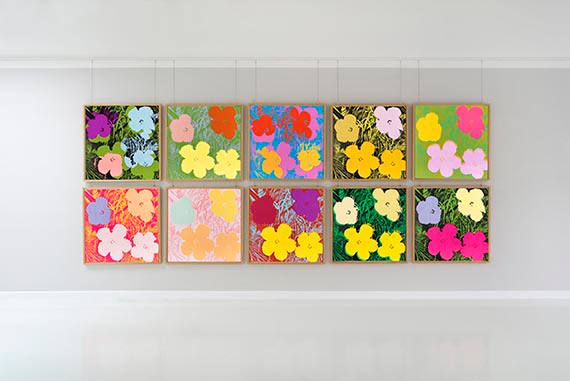
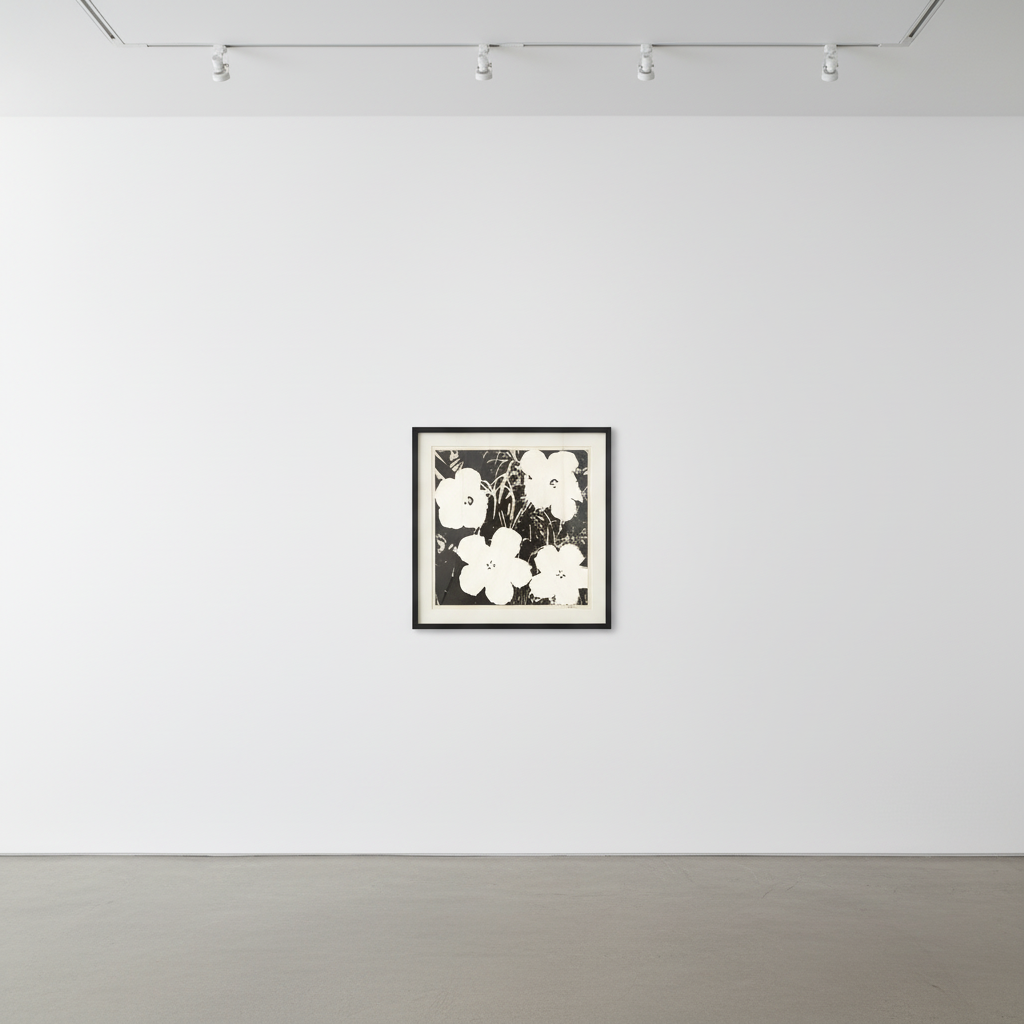
The inception of the Andy Warhol Flowers series in 1964 marked a pivotal moment in the artist's career, demonstrating his remarkable capacity to transform found imagery into works of enduring artistic significance. Warhol based the series on a photograph of hibiscus flowers captured by Patricia Caulfield, which originally appeared in a 1964 issue of Modern Photography magazine. Through his signature silkscreen technique, Warhol appropriated this photographic source material and subjected it to a radical process of artistic reinterpretation. The transformation of a straightforward nature photograph into a series of bold, graphic silkscreen prints exemplified the conceptual underpinnings of Pop Art - questioning notions of originality, authorship, and the boundaries between high and low culture.
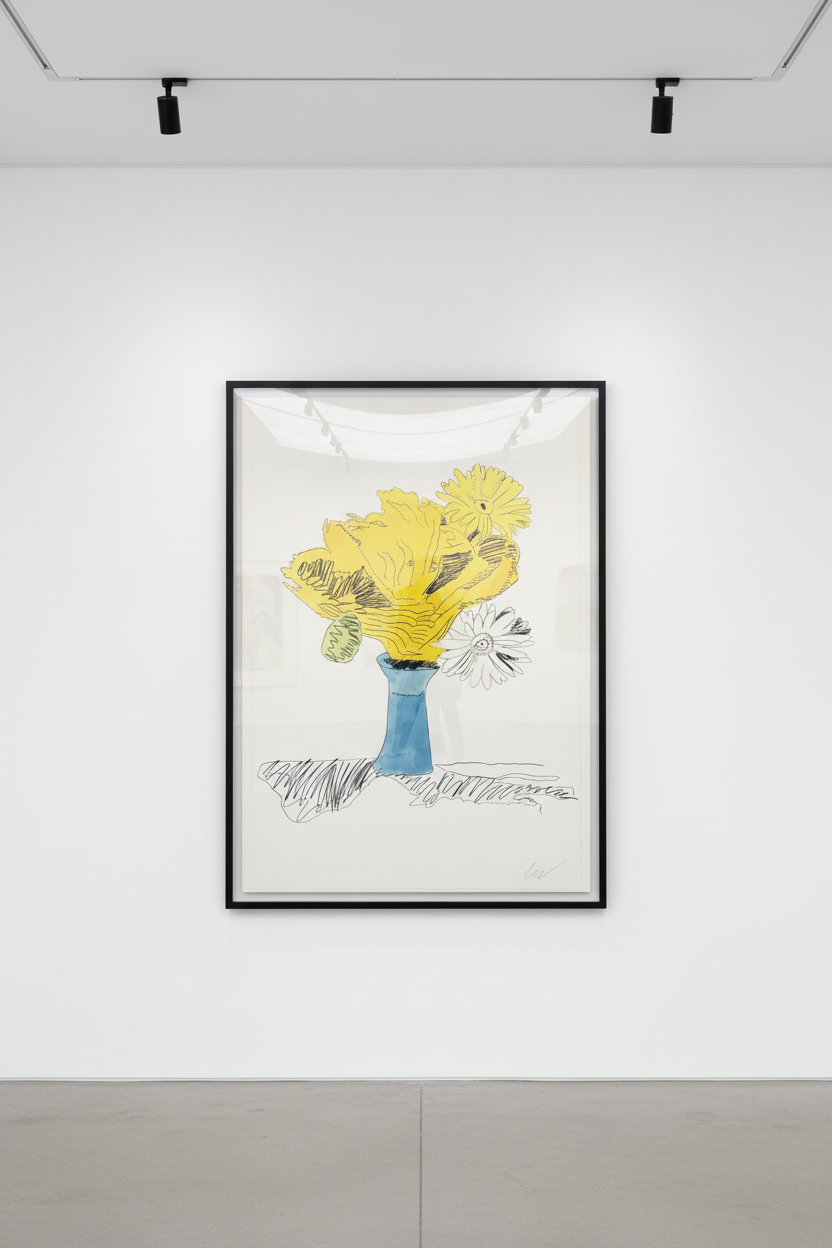
The choice of flowers as subject matter represented a deliberate departure from the overtly commercial or celebrity-focused themes that had defined much of Warhol's earlier output. Rather than depicting consumer products or famous personalities, the Flowers series engaged with one of art history's most enduring motifs - the floral still life. Yet Warhol approached this traditional subject through a distinctly contemporary lens, flattening the natural forms into graphic shapes and subjecting them to vibrant, often unnatural color combinations. The resulting images possess an electric intensity that simultaneously evokes the beauty of nature and the artificial quality of mass-produced imagery.
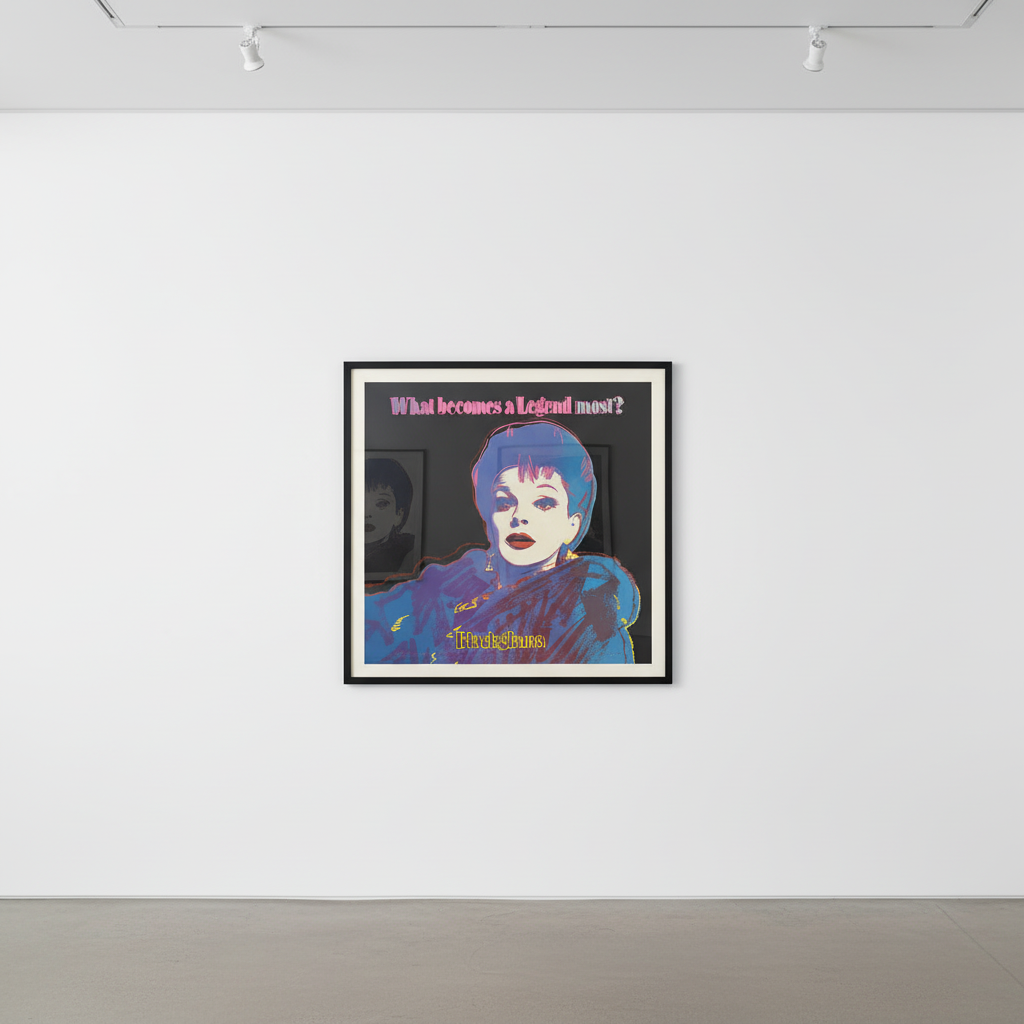
Shadows V (Red and Blue) ` — Andy Warhol. Available at Guy Hepner, New York.
The Andy Warhol Flowers series showcases the artist's masterful command of the silkscreen printing process, a technique he had adopted in 1962 and would continue to employ throughout his career. This method allowed Warhol to create multiple variations of the same image, each distinguished by different color combinations and subtle variations in ink application. The Flowers exist in numerous sizes and chromatic iterations, ranging from intimate small-scale prints to monumental canvases that command entire gallery walls. This multiplicity was central to Warhol's artistic philosophy, challenging romantic notions of the unique art object while celebrating the aesthetic possibilities of serial production.
The visual power of the Andy Warhol Flowers lies in their striking juxtaposition of organic subject matter with bold, synthetic colors. Warhol typically rendered the hibiscus blossoms in saturated hues - vivid reds, electric blues, sunny yellows, and deep magentas - set against backgrounds of equally intense greens and blacks representing stylized grass or foliage. This chromatic intensity transforms the natural subject into something decidedly artificial, creating images that hover between representation and abstraction. The flowers become graphic symbols rather than botanical illustrations, their simplified forms lending themselves to endless reinterpretation across different color schemes.
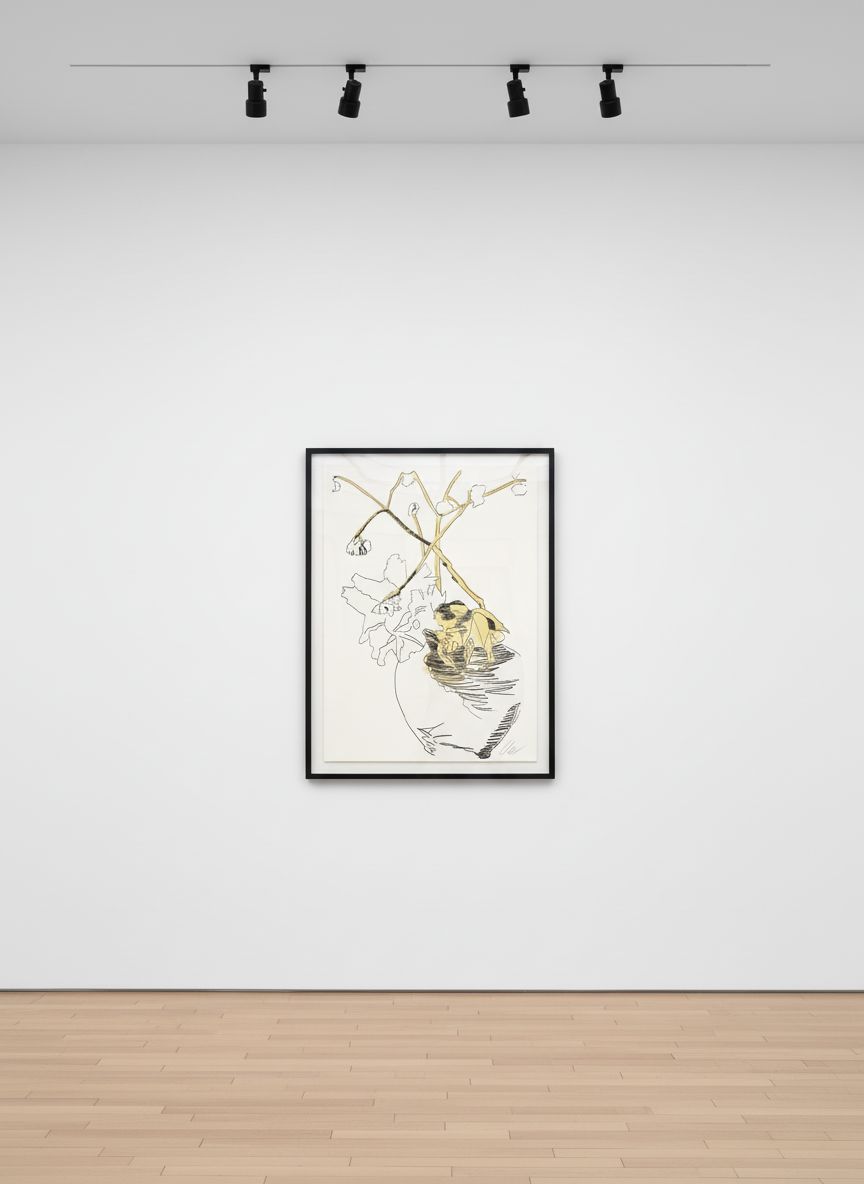
Goethe F.S. II 272 — Andy Warhol. Available at Guy Hepner, New York.
Warhol's treatment of the floral motif also carries deeper conceptual resonances that have contributed to the series' enduring critical appreciation. The flowers can be read as memento mori - traditional symbols of beauty's transience and the inevitability of decay. Yet rendered in Warhol's Pop idiom, these intimations of mortality are filtered through the lens of contemporary consumer culture, where even death and decline become subjects for aesthetic consumption. This tension between surface beauty and underlying darkness characterizes much of Warhol's finest work and helps explain the continued scholarly and collector interest in the Flowers series.
The Andy Warhol Flowers series occupies a position of considerable importance within the contemporary art market, consistently achieving strong results at auction and demonstrating sustained collector demand across multiple decades. According to data published by Art Basel and UBS in their annual art market reports, Warhol remains among the most commercially successful artists at auction, with works from the 1960s - his most celebrated period - commanding particular premium prices. The Flowers series, created at the height of Warhol's creative powers, represents an accessible entry point into his oeuvre while simultaneously offering works of genuine art historical significance.
Major auction houses including Christie's and Sotheby's have handled numerous examples from the Andy Warhol Flowers series, with exceptional examples achieving prices in the millions of dollars. The series' appeal to collectors stems from multiple factors - the works' immediate visual impact, their connection to one of Pop Art's most important figures, and their representation of a pivotal moment in twentieth-century art history. The existence of multiple versions across various scales and color combinations means that collectors can engage with the series at different price points, from more modestly scaled prints to major painted works.
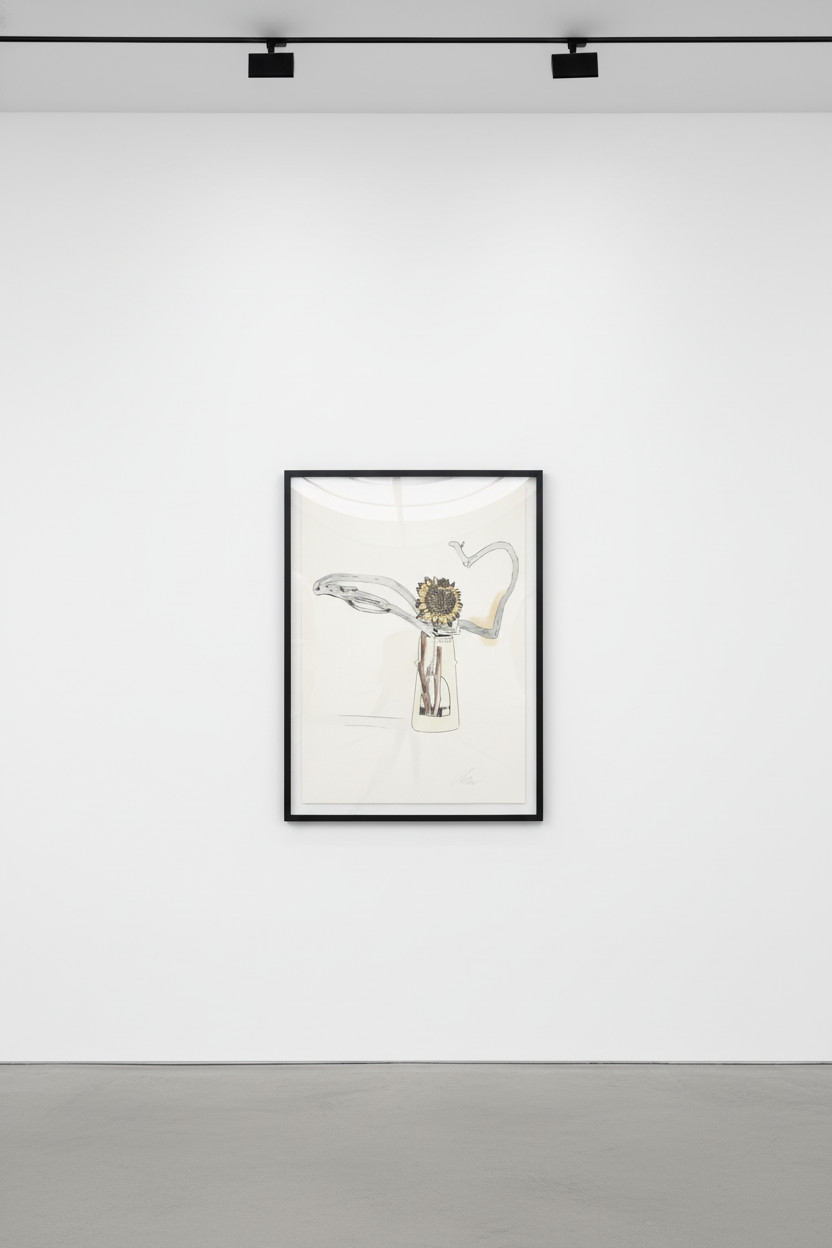
Sunset F.S. II 85 - 88 — Andy Warhol. Available at Guy Hepner, New York.
For discerning collectors, the Andy Warhol Flowers series offers an opportunity to acquire works that combine blue-chip artist provenance with genuine aesthetic pleasure. The series' exploration of beauty, reproduction, and the transformation of photographic source material into fine art speaks to concerns that remain urgently relevant in our contemporary image-saturated culture. As institutional and private collections continue to seek significant examples of Pop Art, works from the Flowers series represent astute acquisitions that honor both artistic achievement and market awareness.
Guy Hepner is pleased to offer collectors access to exceptional works by Andy Warhol, including examples from the celebrated Flowers series and related masterworks from throughout his career. As a gallery specializing in contemporary and Pop Art, Guy Hepner provides knowledgeable guidance to collectors seeking museum-quality works by this seminal American artist. Our expertise encompasses authentication, provenance research, and market analysis, ensuring that clients make informed acquisitions of enduring value. We invite collectors interested in Andy Warhol Flowers and other significant works to contact Guy Hepner directly to discuss currently available pieces and commission specific searches tailored to individual collecting goals.
--- **Browse Andy Warhol prints** at Guy Hepner: [Andy Warhol art for sale](/andy-warhol) | [Sell your Warhol](/sell/andy-warhol)Explore Andy Warhol prints for sale at Guy Hepner: Flower Paintings, Flowers 1970, 25 Cats Named Sam, A Gold Book, A La Recherche Du Shoe Perdu.
Related Series