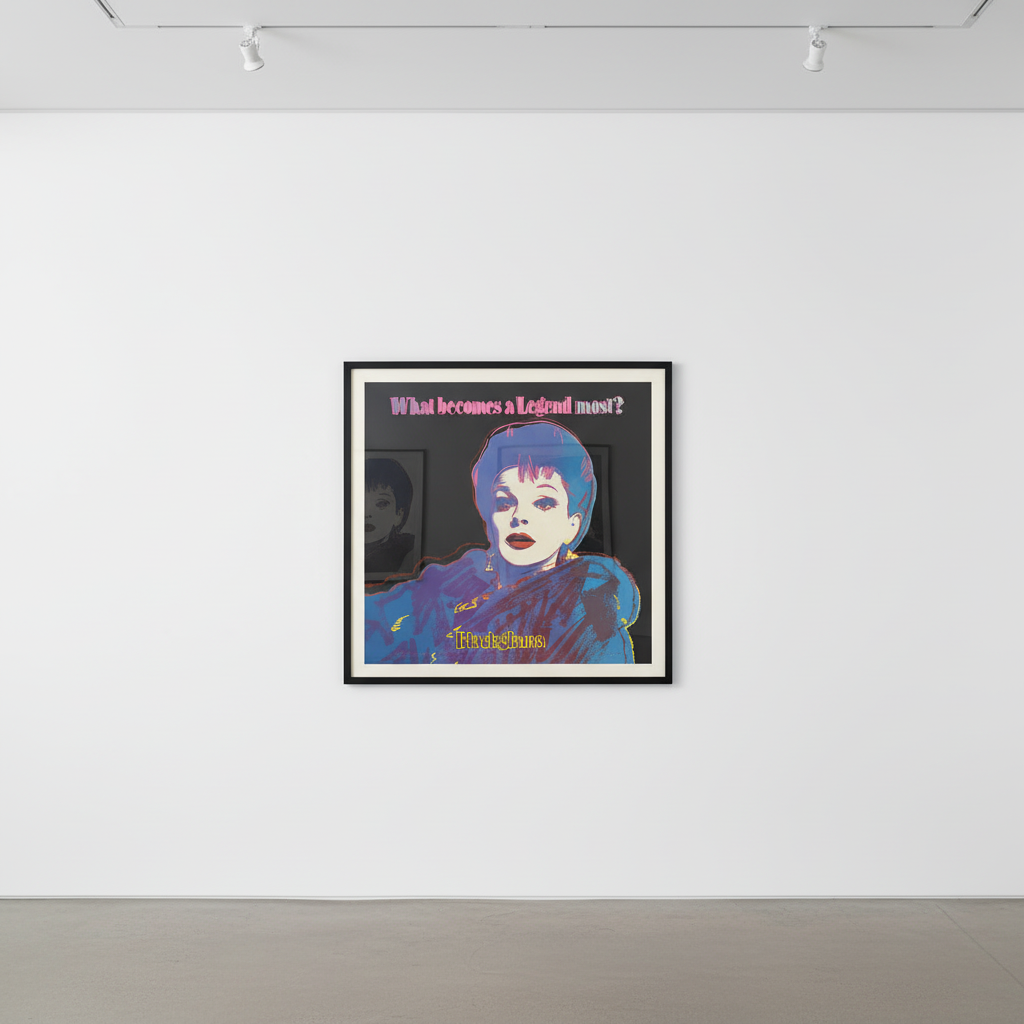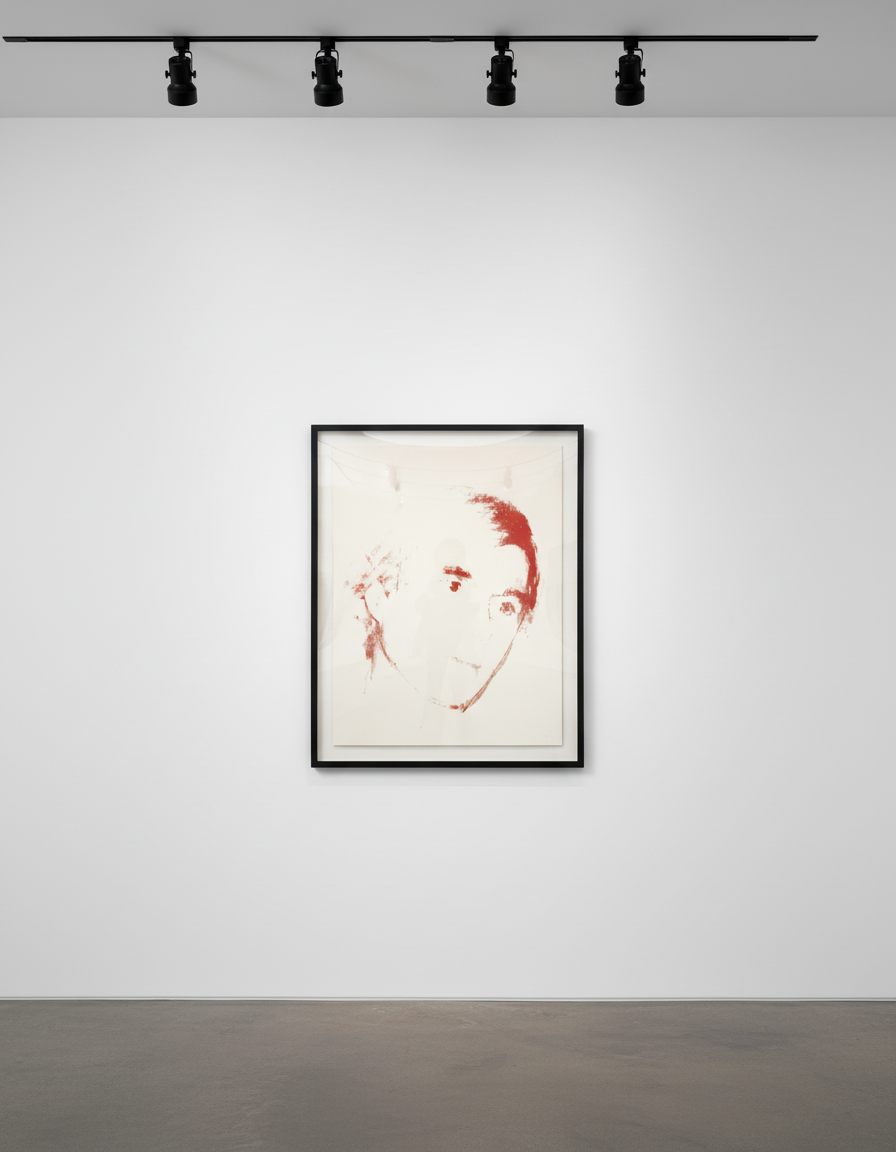
Self Portraits

Andy Warhol did not simply portray celebrities—he decoded them. In his hands, the portrait was transformed from a traditional vehicle of status into a diagnostic tool for understanding power in the twentieth century. Film stars, rock musicians, political leaders, royalty, and eventually Warhol himself were treated as participants in the same system: a culture where identity is constructed, circulated, and monetised through image. Warhol collapsed hierarchies between Hollywood and monarchy, between revolutionary politics and pop music, revealing that all forms of power now function within a single visual economy. For collectors, this is precisely why Andy Warhol celebrity portraits remain foundational acquisitions. They do not merely depict icons; they are icons—objects that simultaneously document and generate cultural capital.
Warhol's adoption of silkscreen printing in the early 1960s marked a decisive break from painterly tradition. Rather than celebrate the artist's hand, he embraced mechanical reproduction as both method and message. Publicity photographs, studio headshots, official portraits—these became raw material stripped of their original context. Through enlargement, flattening, and saturated colour overlays, Warhol removed psychological depth and emphasised surface. The slight misregistration inherent in his process introduced an element of controlled imperfection, a visual stutter that paradoxically humanised the mechanical while mechanising the human.
This technique proved revolutionary for celebrity portraiture. By processing images of Marilyn Monroe, Elvis Presley, and Elizabeth Taylor through the same industrial method, Warhol revealed the manufacturing process behind stardom itself. The celebrity face became a product—infinitely reproducible, instantly recognisable, and fundamentally commodified. Warhol understood before almost anyone else that fame in the media age operated through repetition and saturation rather than scarcity and mystique.
Ladies and Gentlemen (Wilhelmina Ross) — Andy Warhol. Available at Guy Hepner, New York.
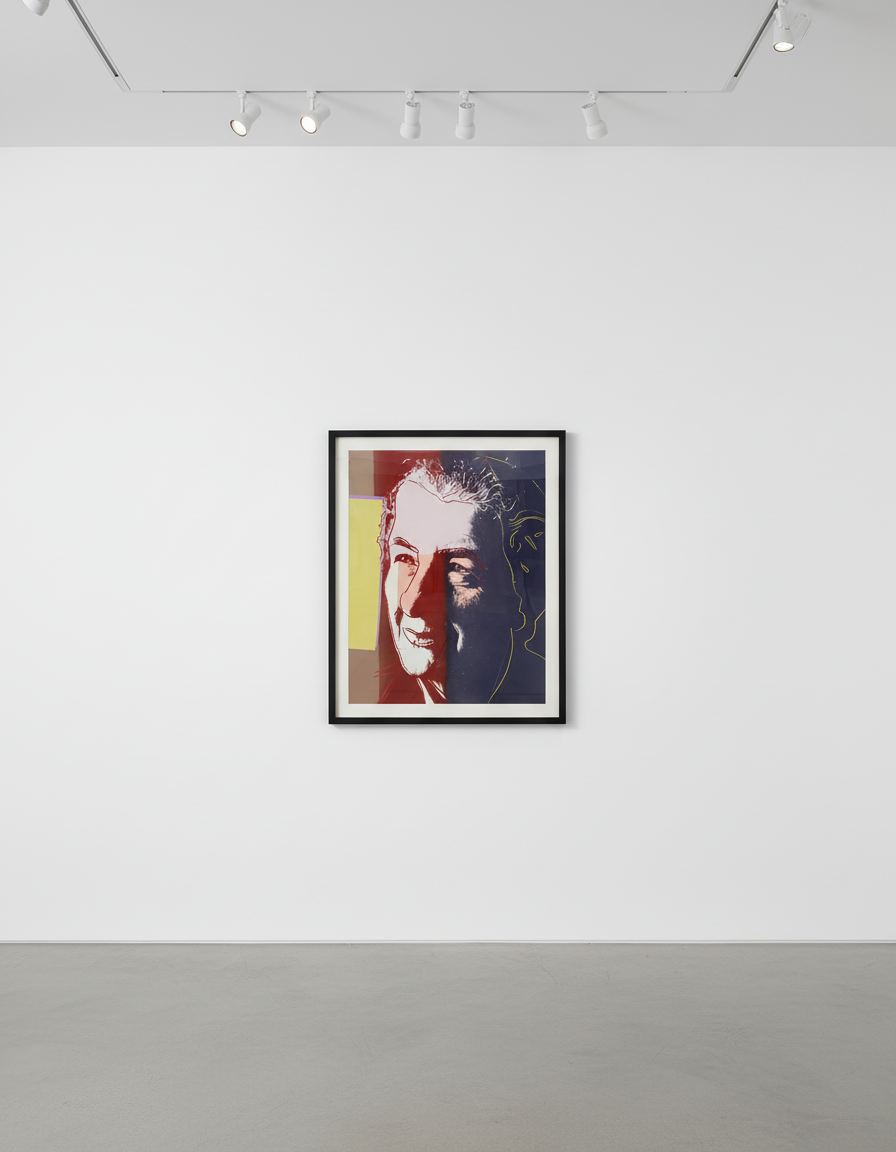
Warhol's celebrity portraits extended far beyond Hollywood, encompassing political figures whose images carried profound ideological weight. His Mao series, begun in 1972 following President Nixon's historic visit to China, stands as perhaps the most audacious collision of Pop art and political iconography. Warhol appropriated the official portrait of Chairman Mao Zedong—an image already reproduced billions of times throughout China—and subjected it to his signature treatment of garish colours and gestural brushwork. The result was deeply subversive: the face of communist revolution rendered through the vocabulary of Western consumer culture.
The Mao portraits demonstrate Warhol's understanding that political leaders function as celebrities within their own systems of image production. By applying lipstick-pink highlights and electric blue Shadows to Mao's visage, Warhol simultaneously glamorised and destabilised the chairman's carefully controlled image. These works remain among the most sought-after Andy Warhol celebrity portraits at auction, with major examples achieving significant results at Christie's and Sotheby's. The series continues to resonate because it captures the fundamental tension between political authority and media spectacle that defines contemporary governance.
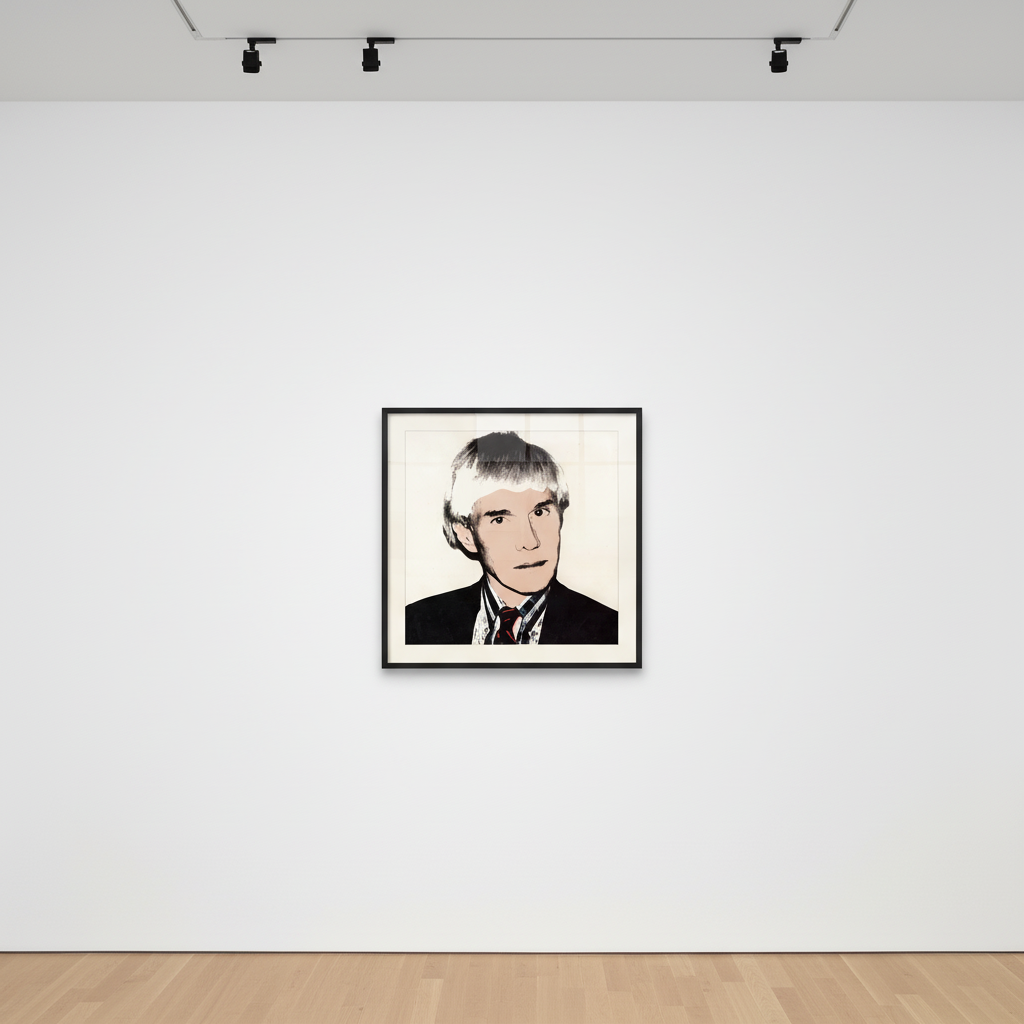
Self - Portrait F.S. IIIA 10 — Andy Warhol. Available at Guy Hepner, New York.
Throughout his career, Warhol turned his diagnostic lens upon himself, producing self-portraits that rank among the most penetrating examinations of artistic identity in the twentieth century. Beginning in the 1960s and continuing until his death in 1987, these works chart Warhol's transformation from commercial illustrator to international art star to cultural institution. Unlike traditional self-portraiture, which typically seeks to reveal inner character, Warhol's self-portraits emphasise the constructed nature of identity itself.
His Ladies and Gentlemen series from 1975 further complicated questions of identity and celebrity by portraying drag performers and transgender women from New York's underground scene. These subjects, including the iconic Wilhelmina Ross, existed outside mainstream celebrity culture yet possessed their own systems of glamour and performance. Warhol recognised in these individuals the same mechanisms of image construction that governed Hollywood stardom—the wig, the makeup, the carefully crafted persona. The series remains historically significant for its sympathetic documentation of marginalised communities and its prescient understanding that all gender presentation involves performance.
Warhol's Beethoven portraits from 1987, completed in the final year of his life, represent another dimension of his celebrity practice. By portraying the classical composer—dead for over 150 years—Warhol demonstrated that celebrity status transcends mortality. Beethoven's image, derived from a romanticised nineteenth-century portrait, had become as recognisable and reproducible as any contemporary star's. These late works confirm that Warhol's celebrity portraits were never simply about famous individuals but about the broader cultural machinery that produces and sustains fame across generations.
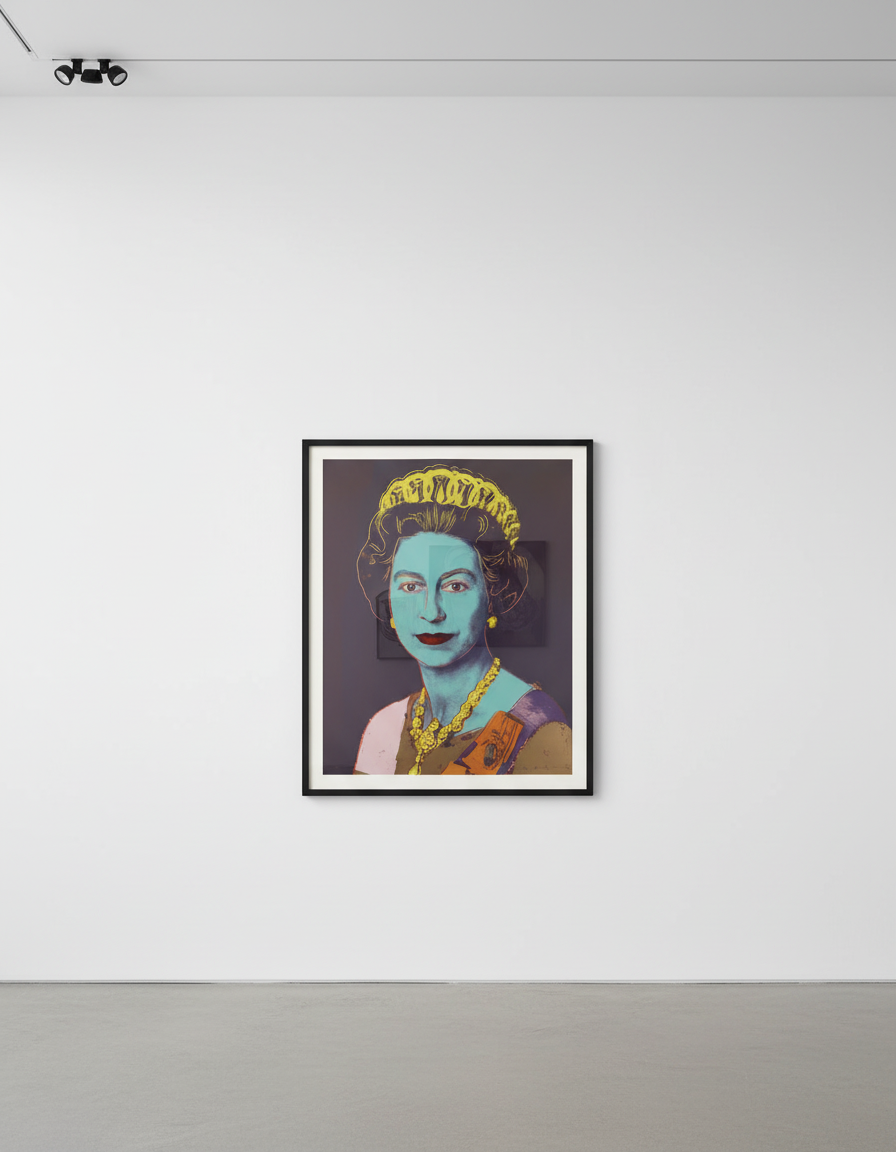
Camouflage Trial Proof TP 4/84 — Andy Warhol. Available at Guy Hepner, New York.
The market for Andy Warhol celebrity portraits has demonstrated remarkable resilience and growth over decades. According to the Art Basel and UBS Global Art Market Report, Warhol consistently ranks among the highest-grossing artists at auction worldwide. His celebrity portraits command particular premiums due to their combination of art-historical significance and immediate visual impact. Works featuring recognisable subjects benefit from dual appeal: they function both as sophisticated commentary on media culture and as striking decorative objects that require no art-historical knowledge to appreciate.
For collectors, Andy Warhol celebrity portraits represent strategic acquisitions that anchor collections while maintaining broad accessibility. These works have proven their institutional credentials through inclusion in major museum collections globally while retaining the commercial appeal that ensures liquidity. The celebrity portrait format also offers entry points across various price levels, from unique paintings that achieve eight-figure results at Christie's and Sotheby's to print editions that provide access to Warhol's most iconic imagery at more accessible thresholds.
The continued relevance of these works stems from their prophetic understanding of contemporary culture. Warhol anticipated the Instagram age, the influencer economy, and the collapse of distinctions between fame, politics, and commerce. His celebrity portraits do not feel dated because the conditions they diagnose have only intensified.
Guy Hepner maintains a carefully curated selection of Andy Warhol celebrity portraits, including significant examples from the Mao series, Ladies and Gentlemen, Beethoven, and self-portrait editions. Our specialists provide comprehensive provenance research, condition assessment, and market analysis for collectors seeking to acquire these foundational works. Whether building a focused Warhol collection or seeking a singular statement piece, Guy Hepner offers the expertise and inventory to facilitate acquisitions of the highest calibre. Contact our gallery to discuss available works and current opportunities in this essential category of twentieth-century art.
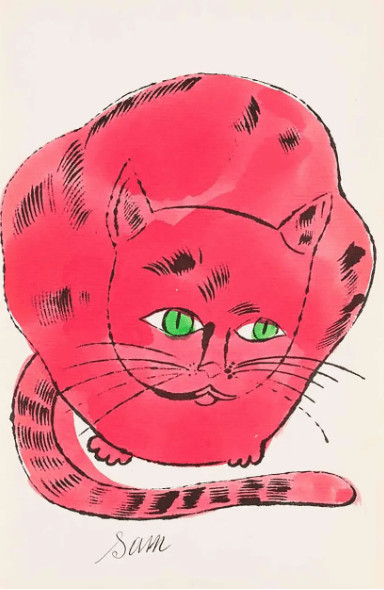
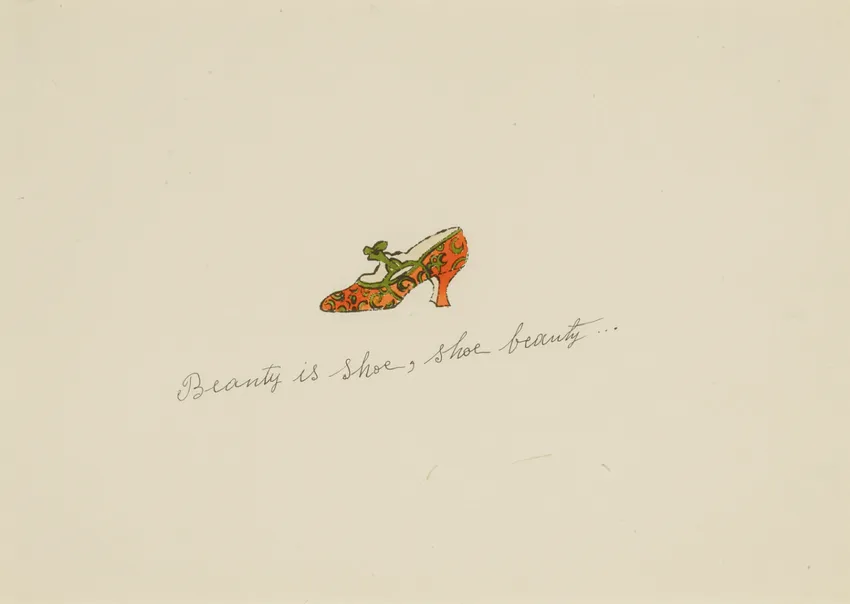
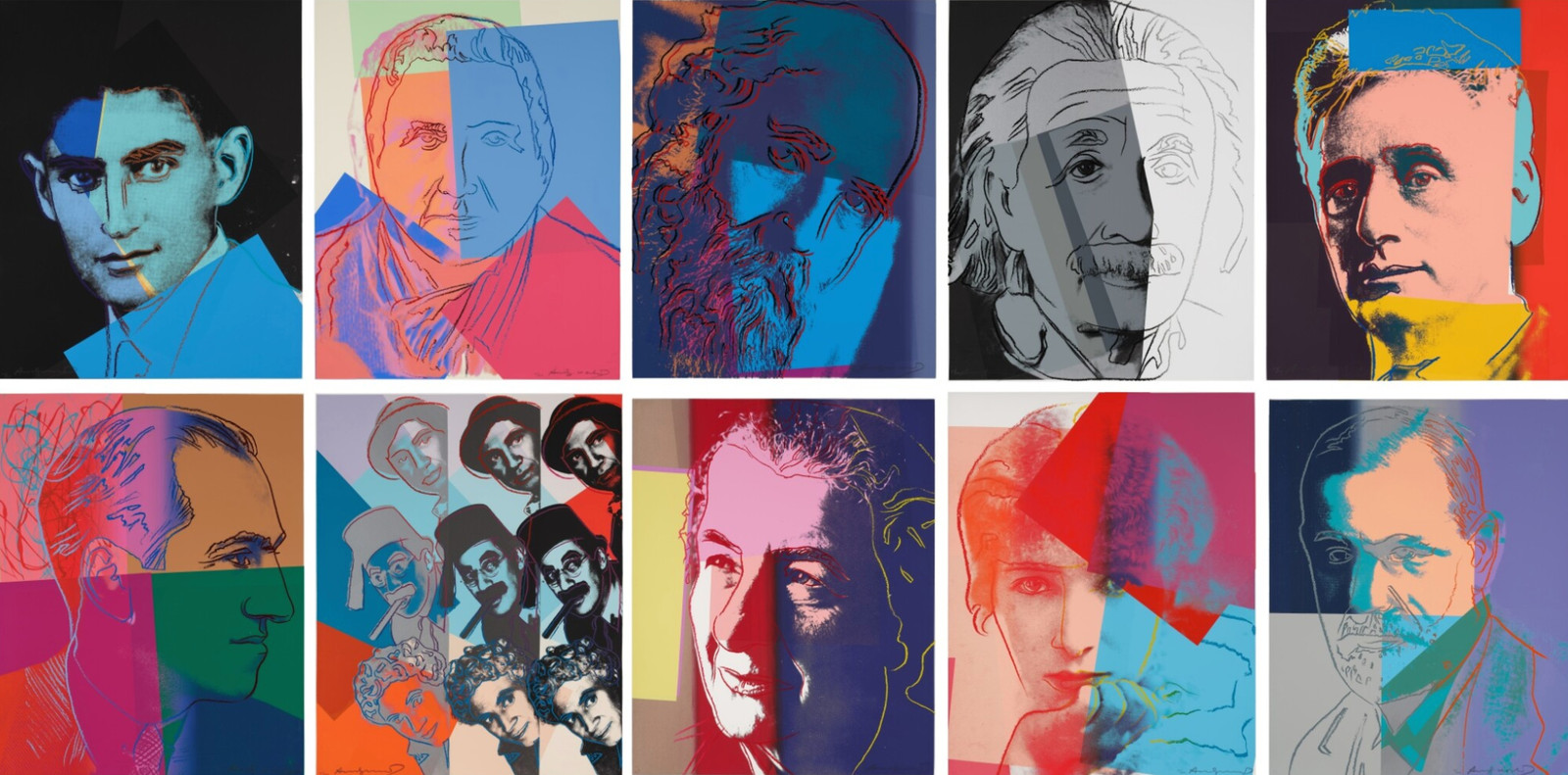
--- **Browse Andy Warhol prints** at Guy Hepner: [Andy Warhol art for sale](/andy-warhol) | [Sell your Warhol](/sell/andy-warhol)Explore Andy Warhol prints for sale at Guy Hepner: Self Portraits, Ten Portraits of Jews of the Twentieth Century, 25 Cats Named Sam, A Gold Book, A La Recherche Du Shoe Perdu.
Related Series