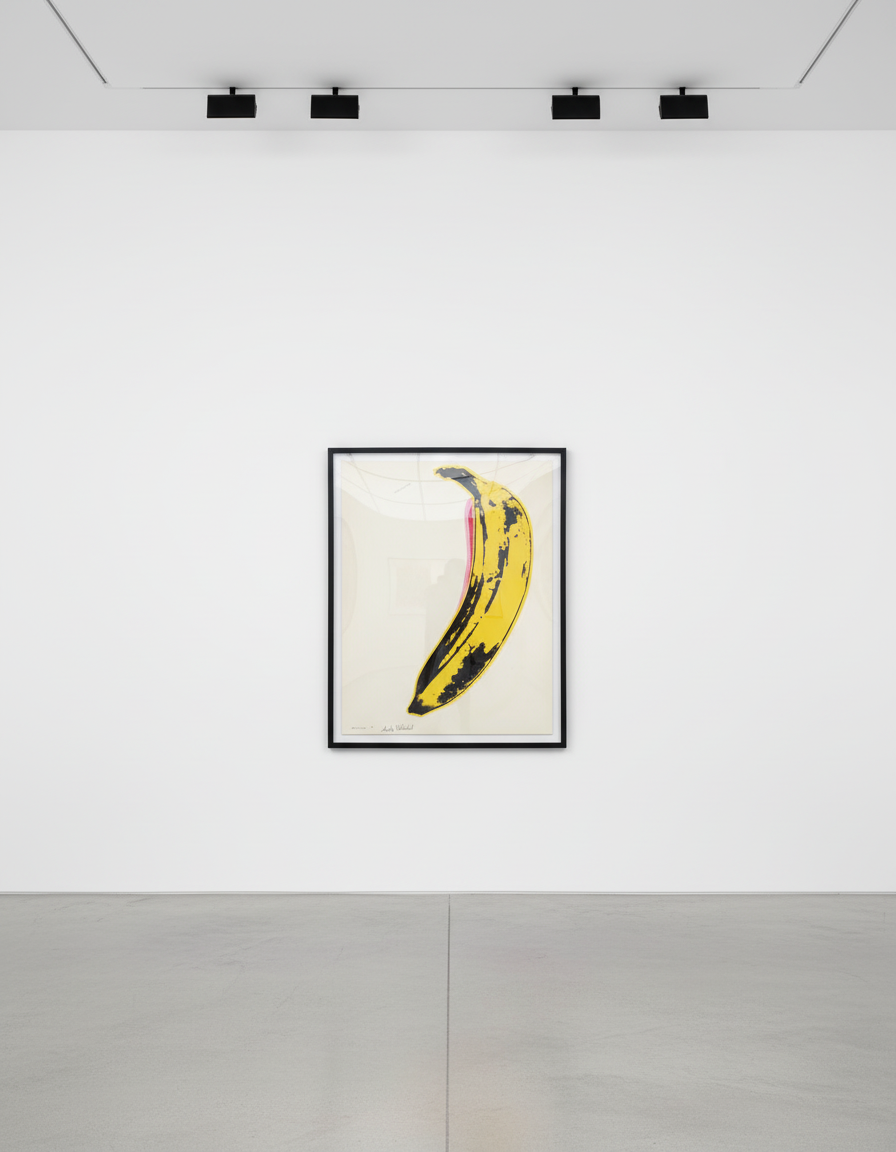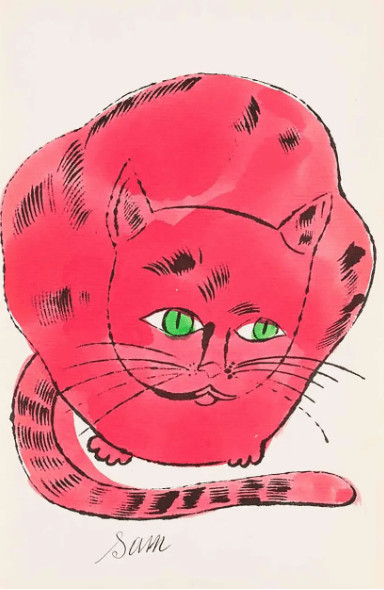
25 Cats Named Sam

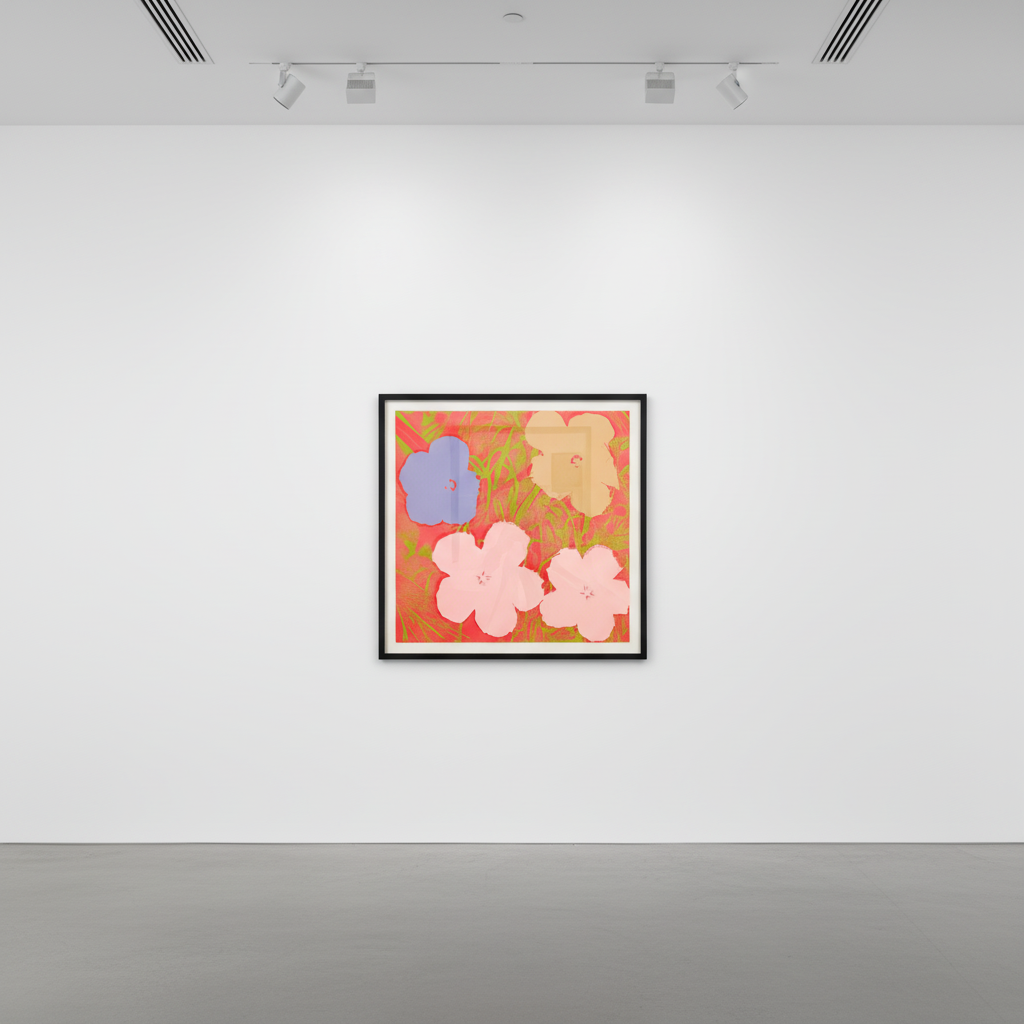
Christopher Makos occupies a singular position in the landscape of late twentieth-century photography, bridging documentary clarity with a flair for experimentation that feels unmistakably his own. Best known for his close relationship with Andy Warhol and his extensive documentation of the Factory scene, Makos brought a sharp, modern sensibility to portraiture at a moment when art, fashion, celebrity, and subculture were converging in unprecedented ways. His lens captured an era defined by boundary-crossing creativity, and his intimate access to Warhol's world produced some of the most revealing and enduring images of the Pop Art icon. Through his photographs, Makos did not merely document legends - he helped shape how we understand them.
Makos' artistic foundation was shaped by two powerful influences that would define his distinctive approach. The first was his early exposure to European avant-gardism, particularly through his mentorship under Man Ray in Paris during the early 1970s. This connection instilled in him a profound respect for photography as a medium capable of both capturing reality and transcending it. Man Ray's influence is evident in Makos' willingness to experiment with form, his understanding of light as a sculptural element, and his belief that portraiture could reveal psychological depths beyond surface appearance.
The second formative influence was his immersion in the downtown New York scene of the late 1970s and 1980s. Here, Makos found himself at the epicentre of a cultural revolution where art, music, fashion, and nightlife merged into a singular creative force. His camera became a passport into exclusive spaces - from Studio 54 to the Factory, from punk clubs to haute couture shows. This access, combined with his technical skill and conceptual sophistication, allowed Makos to create images that functioned simultaneously as historical documents and artistic statements.
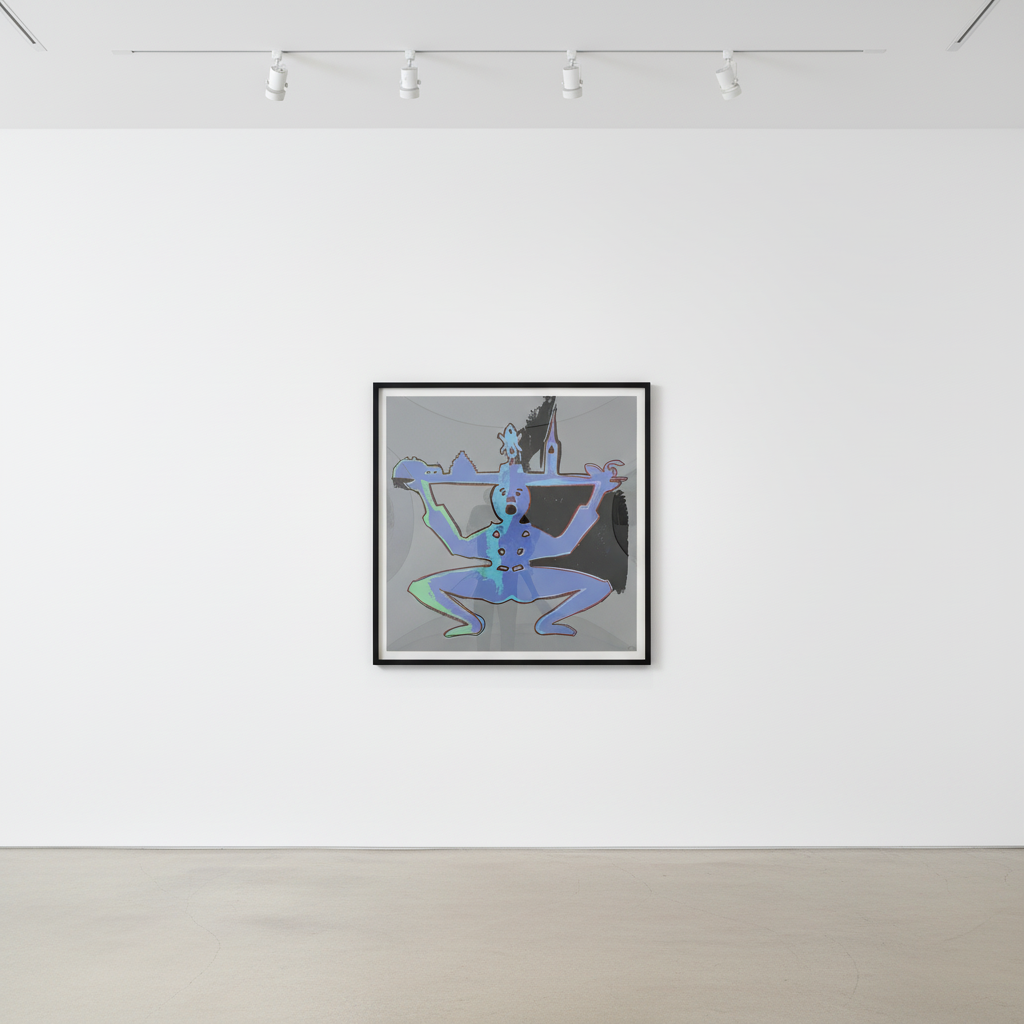
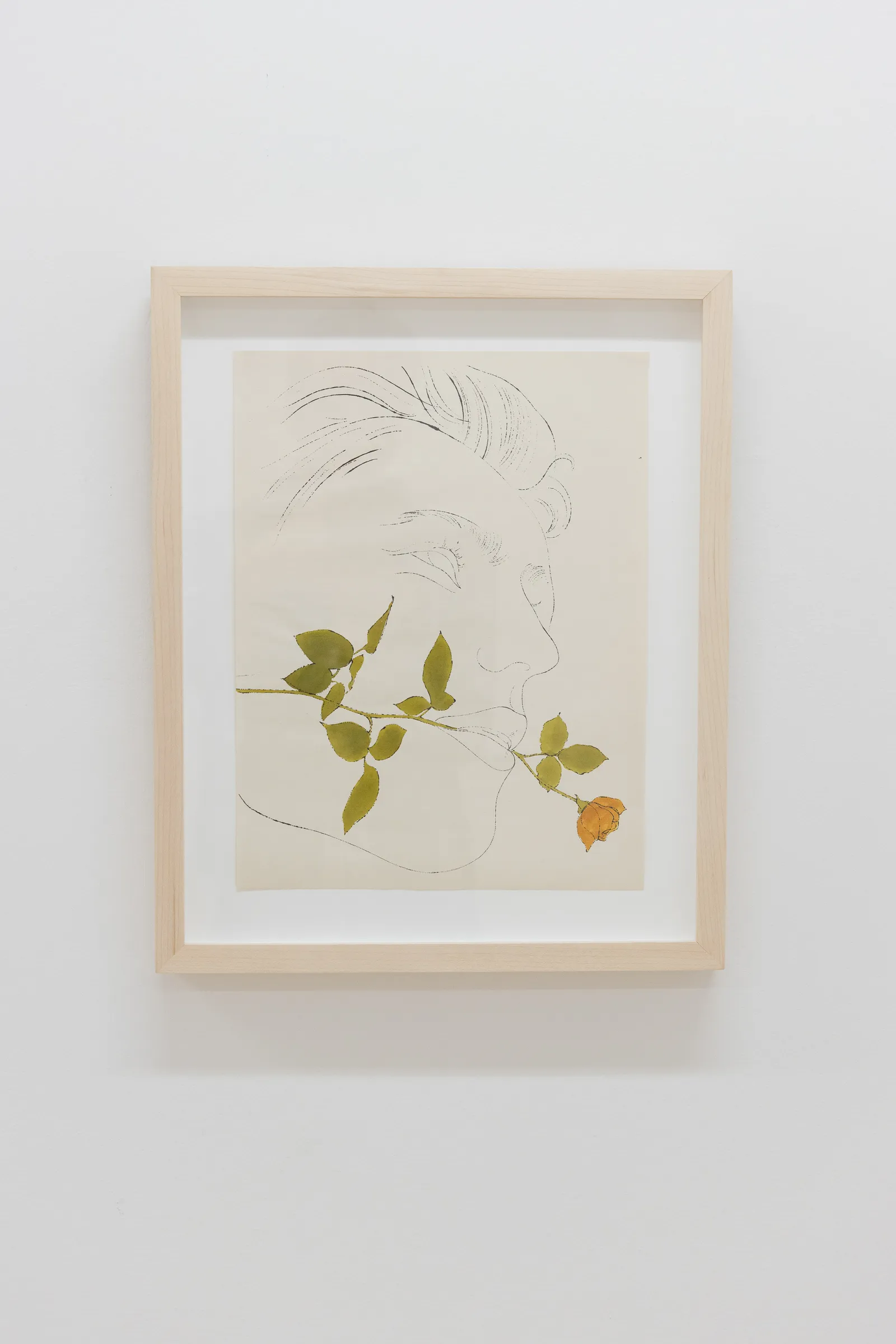
Hans Christian Andersen (F&S.II 396) — Andy Warhol. Available at Guy Hepner, New York.
The relationship between Christopher Makos and Andy Warhol represents one of the most productive artistic friendships of the twentieth century. Warhol famously dubbed Makos "the most modern photographer in America," a designation that speaks to the younger artist's ability to synthesise contemporary visual culture into images that felt both immediate and timeless. For over a decade, Makos served as Warhol's unofficial photographer, travelling companion, and creative collaborator, producing thousands of images that offer unprecedented insight into Warhol's private world.
What distinguishes Makos' Warhol photographs from countless other images of the Pop Art master is their intimacy and psychological acuity. Where many photographers captured Warhol's carefully constructed public persona - the silver wig, the blank affect, the deliberate ambiguity - Makos was able to photograph the man behind the mask. His images reveal Warhol laughing, contemplating, working, and simply existing in unguarded moments. This body of work has become essential to understanding Warhol as both an artist and a human being.
Makos' documentation extended far beyond Warhol to encompass an extraordinary range of cultural figures. His portraits of Jean-Michel Basquiat, Keith Haring, Elizabeth Taylor, John Lennon, Mick Jagger, and countless others form a visual encyclopedia of late twentieth-century celebrity and creativity. Each image demonstrates Makos' remarkable ability to establish rapport with his subjects and capture something essential about their character within a single frame.
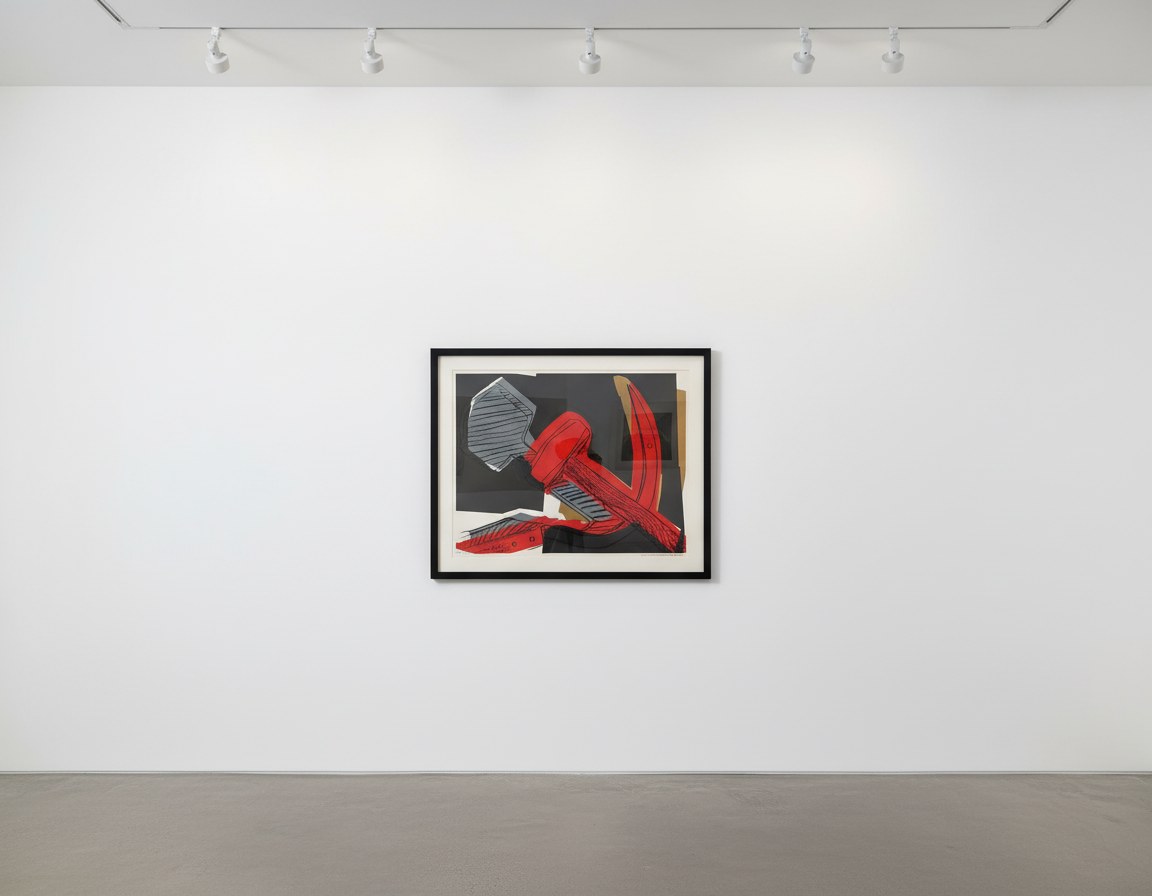
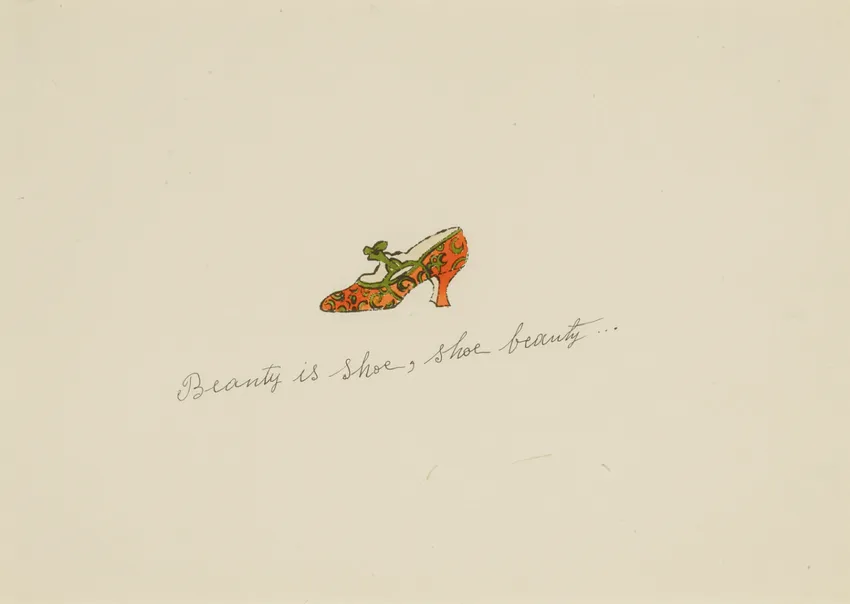
Hammer and Sickle (F & S. II 164) — Andy Warhol. Available at Guy Hepner, New York.
The market for Christopher Makos' photography has demonstrated consistent strength, reflecting growing institutional and collector recognition of his historical importance and artistic achievement. According to data from the Art Basel and UBS Global Art Market Report, photography as a collecting category has seen sustained growth, with works documenting significant cultural moments commanding particular attention. Makos' photographs, which capture irreplaceable moments in art history, occupy a privileged position within this market segment.
Major auction houses including Christie's and Sotheby's have featured Makos' work in important photography and contemporary art sales, where his Warhol-related images and celebrity portraits consistently attract competitive bidding. The provenance of many works - often printed during or shortly after the period they document - adds historical significance that sophisticated collectors value. His photographs of Warhol, in particular, benefit from the enduring market strength of all things related to the Pop Art movement, which continues to drive collector interest across categories.
For collectors of Andy Warhol's work, acquiring photographs by Makos offers a compelling opportunity to deepen their holdings with contextually rich material. Owning a Makos photograph alongside Warhol prints or paintings creates a dialogue between works that enhances understanding and appreciation of both artists. Warhol's exploration of imagery, celebrity, and identity finds a natural complement in Makos' photographic investigations of the same themes.
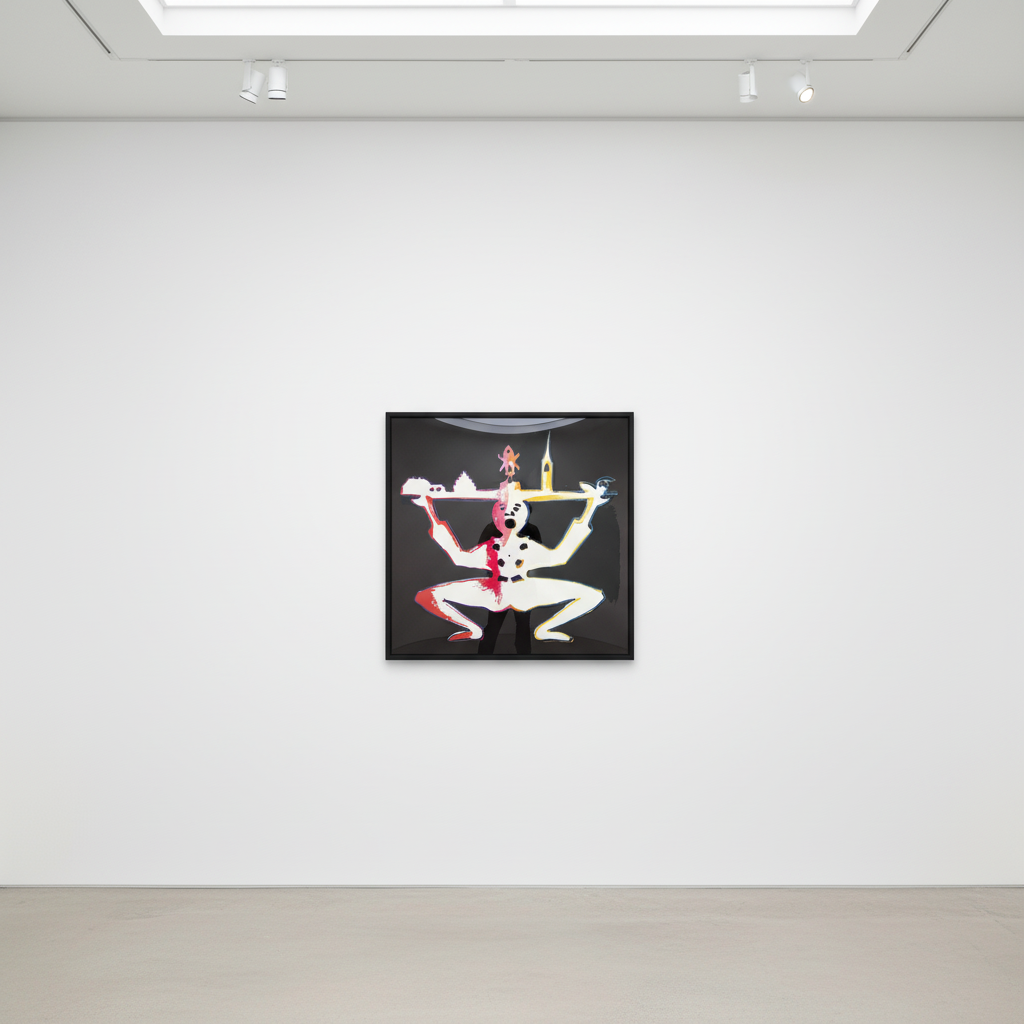
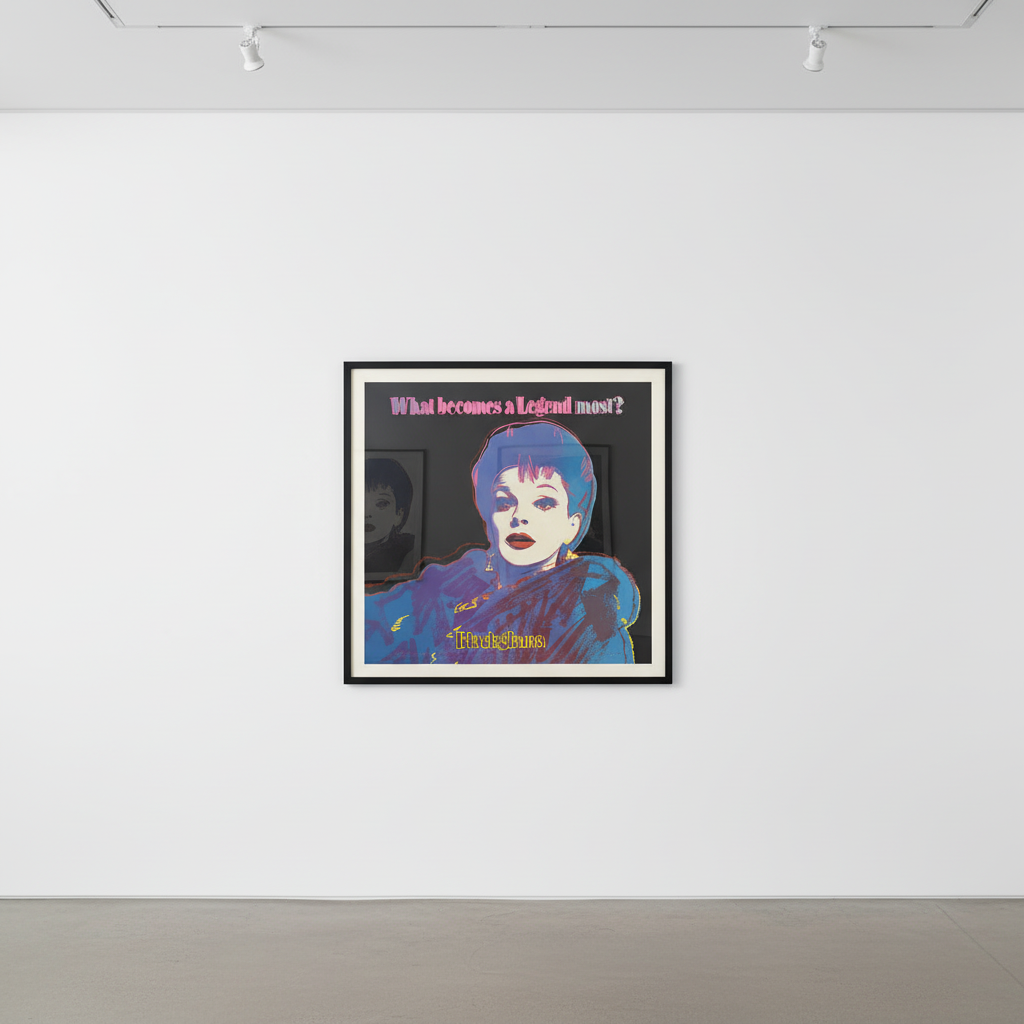
Hans Christian Andersen (F&S.II 400) — Andy Warhol. Available at Guy Hepner, New York.
Christopher Makos' contribution to photography extends beyond his individual images to encompass a methodology and perspective that influenced subsequent generations of artists. His understanding that documentation and creation need not be opposing impulses - that a photograph can be both a truthful record and an artistic interpretation - anticipated much contemporary practice. His collage works, which fragment and reassemble photographic imagery, further demonstrate his conceptual sophistication and his recognition that identity in the media age is constructed rather than fixed.
The continuing relevance of Makos' work reflects our ongoing fascination with the cultural moment he documented. The Factory era, with its boundary-dissolving creativity and its prescient understanding of celebrity culture, feels increasingly contemporary. Makos' photographs serve as primary sources for understanding this pivotal period while simultaneously functioning as aesthetically compelling artworks in their own right.
Guy Hepner is proud to offer works by Andy Warhol and related artists from this extraordinary period of creative ferment. Our gallery maintains a carefully curated selection of prints, photographs, and editions that allow collectors to engage with this important chapter in art history. For acquisition inquiries regarding works featured in this article or to discuss building a collection that explores the intersections of Pop Art, photography, and cultural documentation, we invite you to contact our advisory team for a private consultation.
--- **Browse Andy Warhol prints** at Guy Hepner: [Andy Warhol art for sale](/andy-warhol) | [Sell your Warhol](/sell/andy-warhol)Explore Andy Warhol prints for sale at Guy Hepner: 25 Cats Named Sam, A Gold Book, A La Recherche Du Shoe Perdu, Alexander the Great, Banana.
Related Series