Auction Results

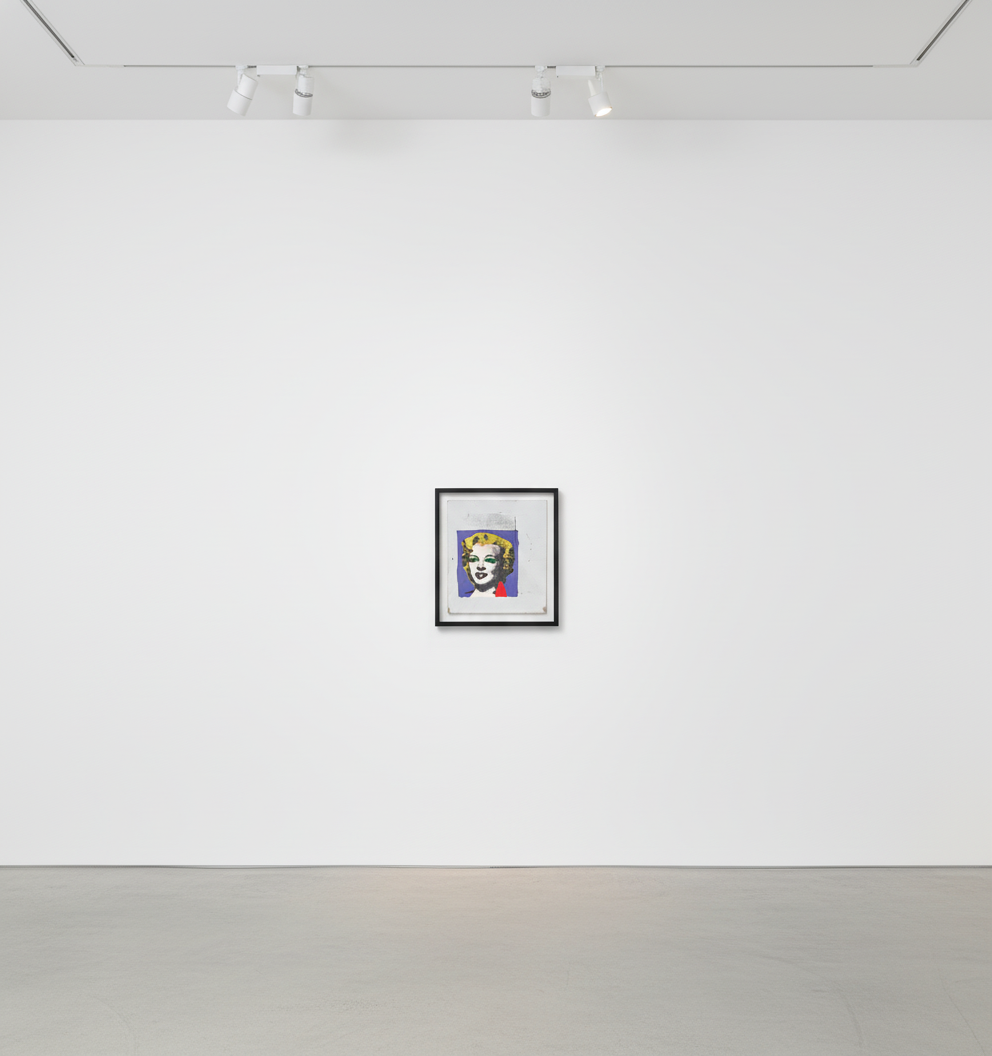
In the realm of contemporary art, Richard Pettibone stands as one of the most intellectually compelling and historically significant figures of the twentieth century. Born in 1938 in Los Angeles, Pettibone carved out a singular position within the art world by masterfully blending imitation with innovation - thereby redefining the very boundaries of artistic creation, ownership and meaning. His meticulous miniature reproductions of iconic works by Andy Warhol, Roy Lichtenstein, Frank Stella and other luminaries of modern art have positioned him as the godfather of appropriation art - a movement that would later influence generations of artists including Sherrie Levine, Jeff Koons and Richard Prince.
Pettibone's work raises profound questions about originality, authorship and the nature of artistic value itself. By painstakingly recreating famous images at a fraction of their original scale, he challenged collectors and critics alike to reconsider what constitutes an authentic artwork. His practice anticipated many of the theoretical debates that would dominate postmodern discourse - making his contributions not merely aesthetic but fundamentally philosophical.
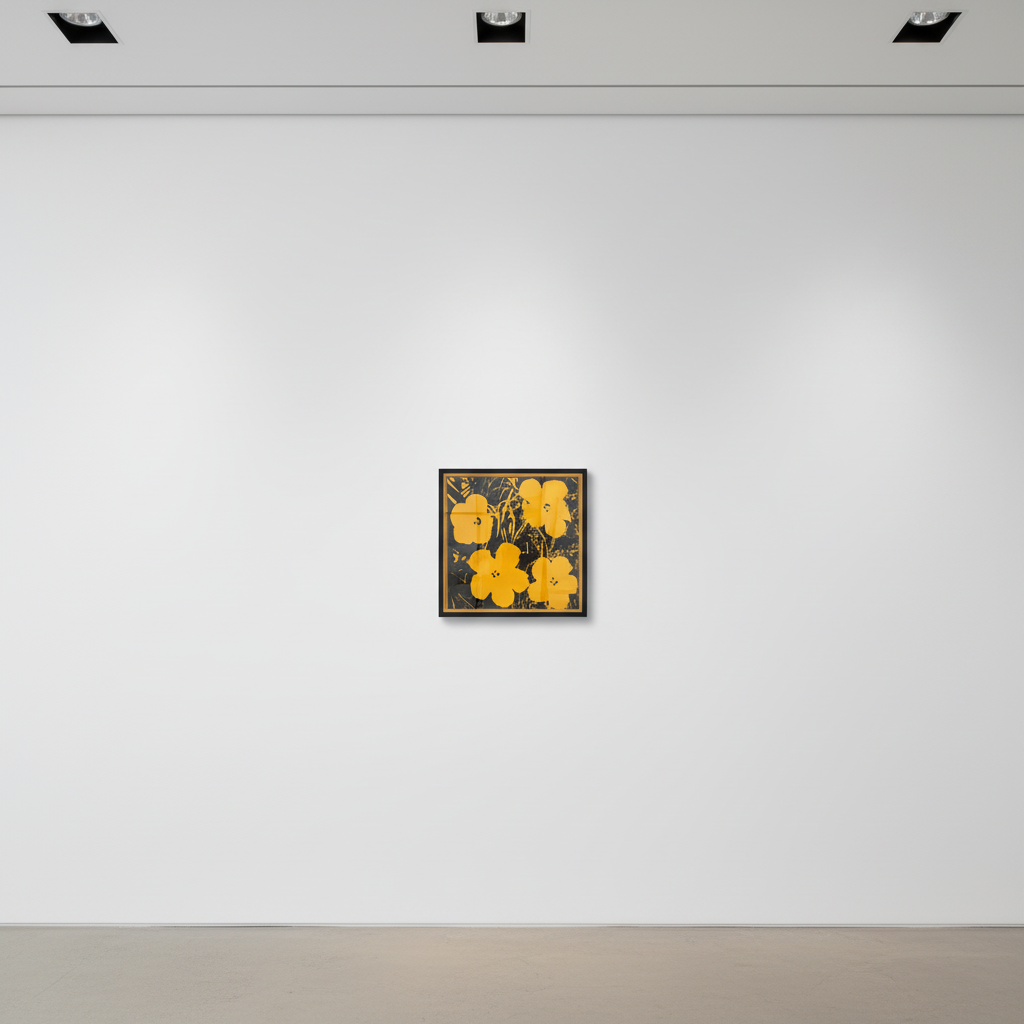
Andy Warhol Flowers (Yellow) — Richard Pettibone. Available at Guy Hepner, New York.
Richard Pettibone's journey into the world of art began in Los Angeles, where he attended the Pasadena City College before enrolling at the Otis Art Institute and later the Chouinard Art Institute. It was during the 1960s that Pettibone discovered his unique artistic voice - a period when the art world was undergoing radical transformation with movements like Pop Art gaining unprecedented momentum. The emergence of artists such as Andy Warhol and Roy Lichtenstein - who themselves appropriated imagery from commercial culture and mass media - provided Pettibone with both inspiration and conceptual framework.
His earliest appropriation works date to 1964, when he began creating diminutive reproductions of Warhol's Campbell's Soup Cans. These pieces were not mere copies but rather sophisticated commentaries on reproduction, consumer culture and the commodification of art itself. By shrinking these already iconic images, Pettibone transformed them into precious objects that simultaneously celebrated and critiqued the original works. Warhol himself recognised the brilliance of Pettibone's approach - famously remarking that Pettibone was doing what he would have done if he had thought of it first.
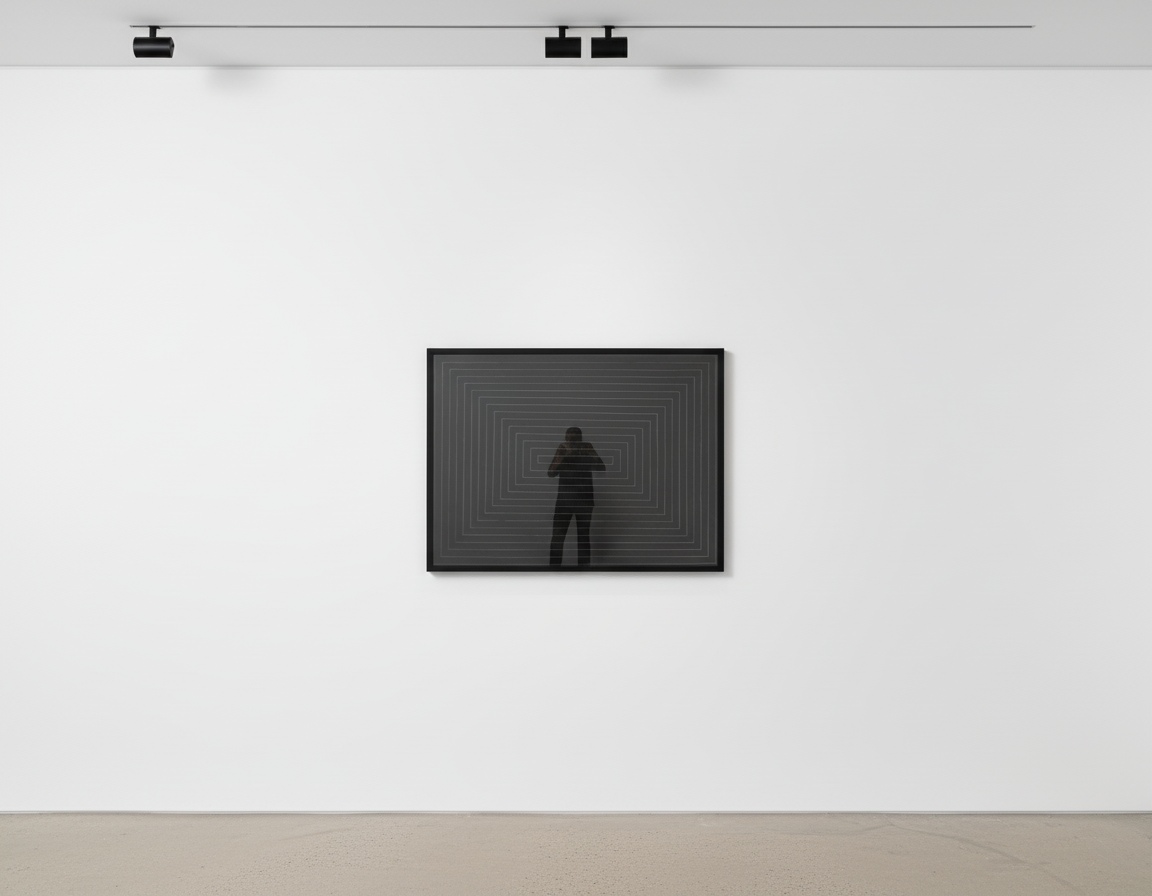
Throughout the 1960s and 1970s, Pettibone expanded his repertoire to include miniature versions of works by Jasper Johns, Frank Stella, Marcel Duchamp and numerous other modern masters. Each reproduction was executed with extraordinary precision - often taking weeks or months to complete despite their small scale. This labour-intensive process stood in deliberate contrast to Warhol's factory-style production methods - adding another layer of irony and meaning to Pettibone's conceptual project.
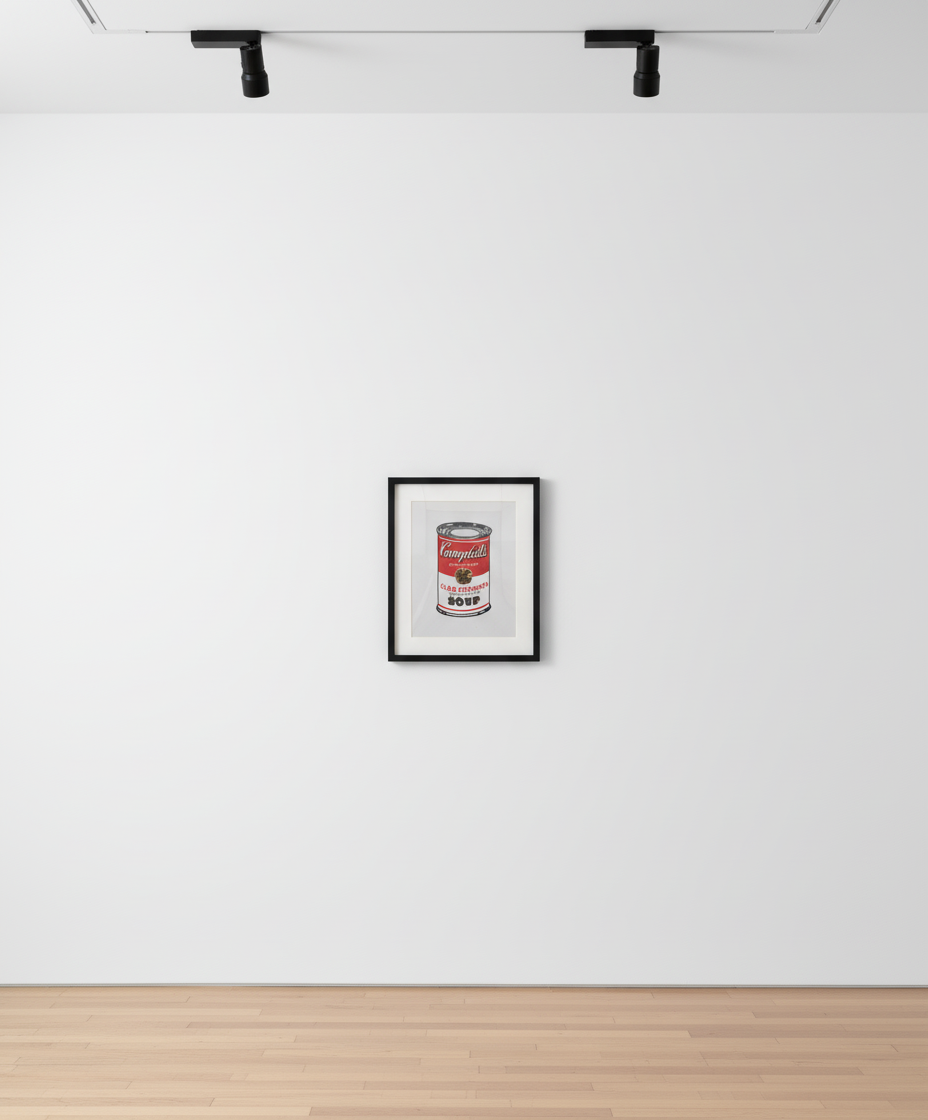
Andy Warhol, ’Clam Chowder Soup’ (1968) — Richard Pettibone. Available at Guy Hepner, New York.
What distinguishes Richard Pettibone from other appropriation artists is the remarkable combination of conceptual rigour and technical virtuosity that characterises his work. Unlike artists who employ mechanical reproduction or digital manipulation, Pettibone hand-paints each miniature with painstaking attention to detail. His reproductions of Warhol's Flowers series, Lichtenstein's brushstroke paintings and Stella's geometric abstractions demonstrate not only his deep understanding of these artists' techniques but also his own considerable skill as a painter.
The market has increasingly recognised the importance of Pettibone's contributions to art history. According to data from Christie's and Sotheby's - the world's leading auction houses - prices for Pettibone's works have shown consistent appreciation over the past two decades. Collectors have come to understand that his miniatures are not derivative works but rather original artistic statements that engage critically with the history of modern art. The Art Basel and UBS Global Art Market Report has noted the growing institutional and private collector interest in conceptual artists whose practices interrogate questions of authorship and originality - a trend that has benefited Pettibone's market position considerably.
Museums worldwide have acquired Pettibone's works for their permanent collections - recognising his crucial role in bridging Pop Art and Conceptualism. His pieces can be found in the collections of the Museum of Modern Art, the Whitney Museum of American Art, the San Francisco Museum of Modern Art and numerous other prestigious institutions. This institutional validation has further solidified his position within the canon of postwar American art.
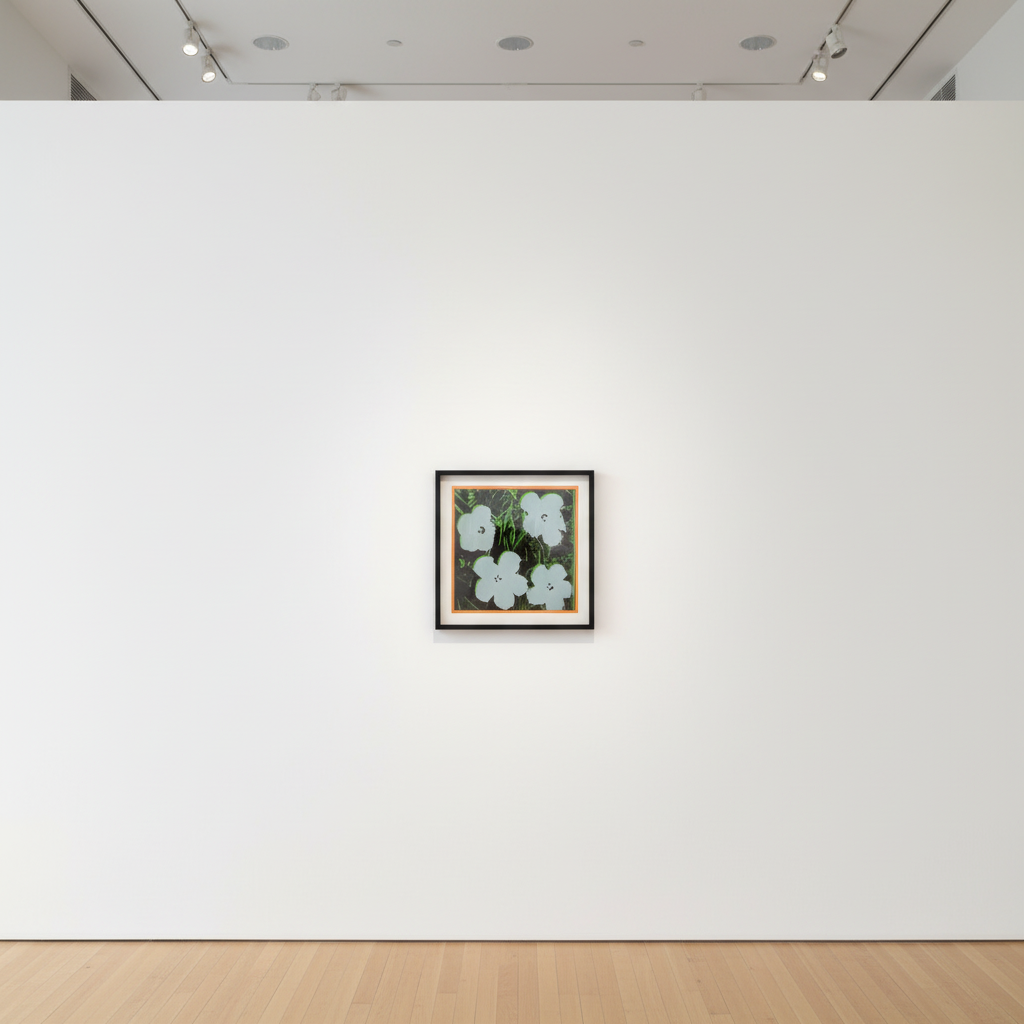
Warhol Flowers 1964 (Blue) — Richard Pettibone. Available at Guy Hepner, New York.
For contemporary collectors, Richard Pettibone represents a uniquely compelling investment opportunity. His works offer direct engagement with some of the most celebrated images in modern art history - while simultaneously providing the intellectual satisfaction of owning a conceptually sophisticated artistic statement. A Pettibone miniature of a Warhol or Lichtenstein allows collectors to possess the essence of these iconic works in a more intimate and often more accessible format.
The scarcity of Pettibone's output further enhances its collectibility. Unlike the prolific production of some Pop artists, Pettibone's hand-painted approach naturally limited his oeuvre. Each work required substantial time and effort to complete - resulting in a relatively small body of work that has become increasingly sought after as appreciation for his contributions has grown. The combination of art historical significance, technical excellence, conceptual depth and relative scarcity makes Pettibone's works particularly attractive to discerning collectors.
Furthermore, Pettibone's influence on subsequent generations of appropriation artists has cemented his legacy as a pivotal figure in contemporary art history. His practice laid the groundwork for many of the strategies employed by later artists - making his works essential for collectors seeking to understand the development of postmodern artistic practice.
Guy Hepner is privileged to offer exceptional works by Richard Pettibone to collectors worldwide. Our gallery maintains a carefully curated selection of Pettibone's miniature masterpieces - including his celebrated appropriations of Warhol, Stella and other modern masters. We invite collectors to contact our team to inquire about current availability, pricing and acquisition opportunities for these historically significant works by one of appropriation art's most important practitioners.
Explore Richard Pettibone prints for sale at Guy Hepner: Auction Results, Flowers, Marilyn Monroe.
Related Series