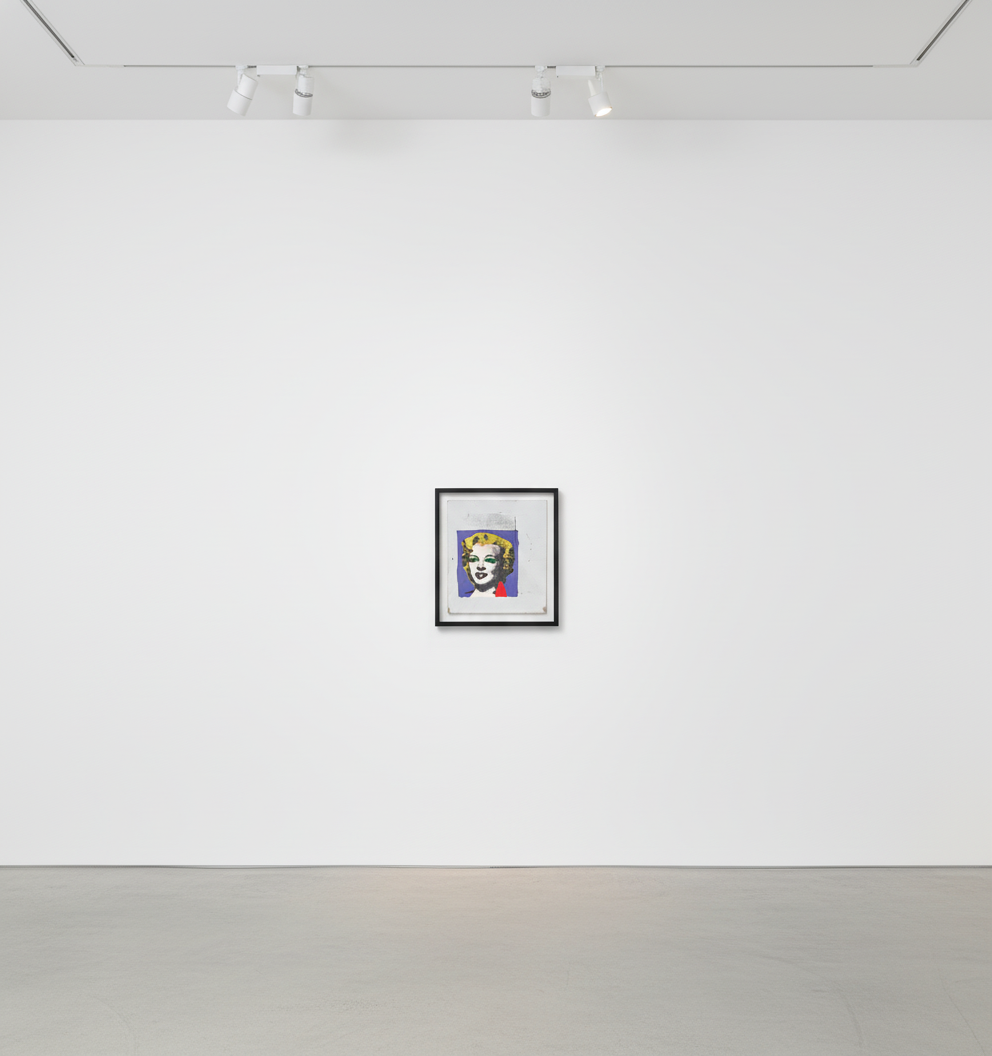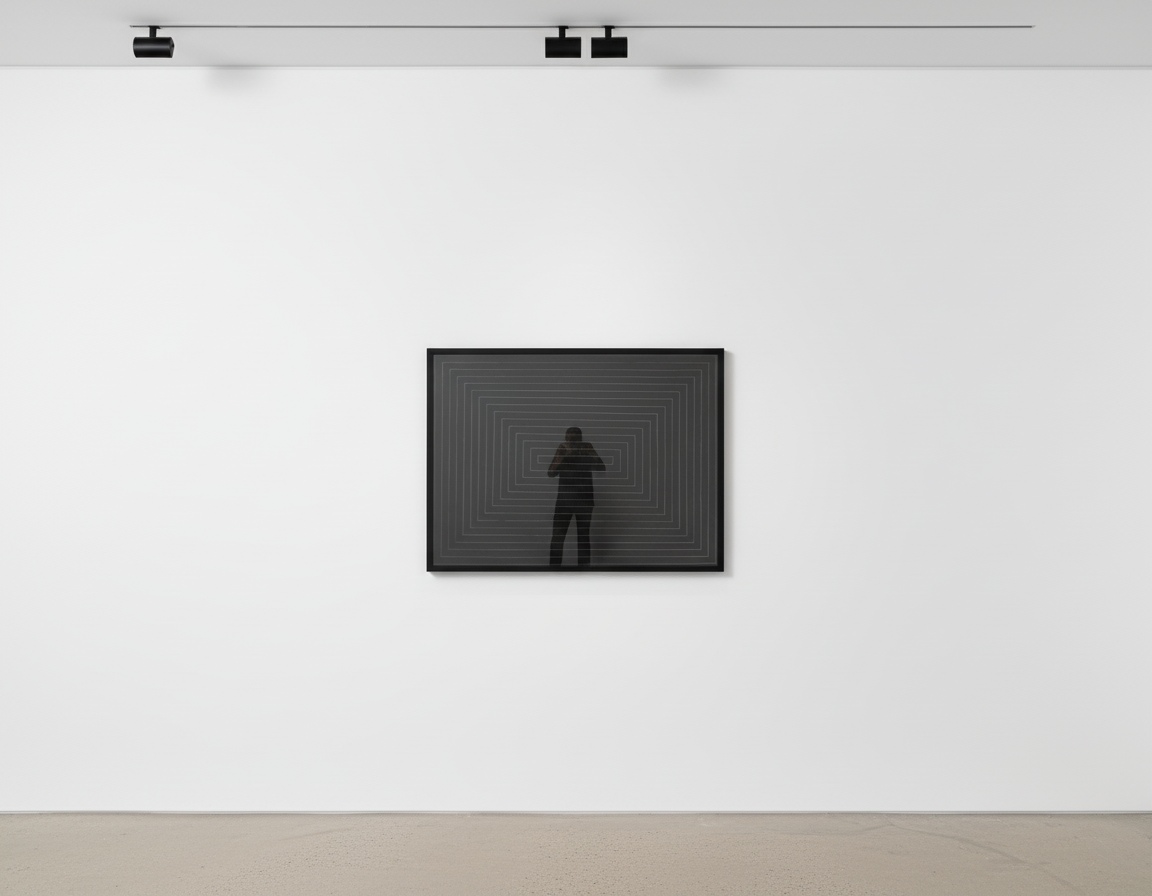
Auction Results

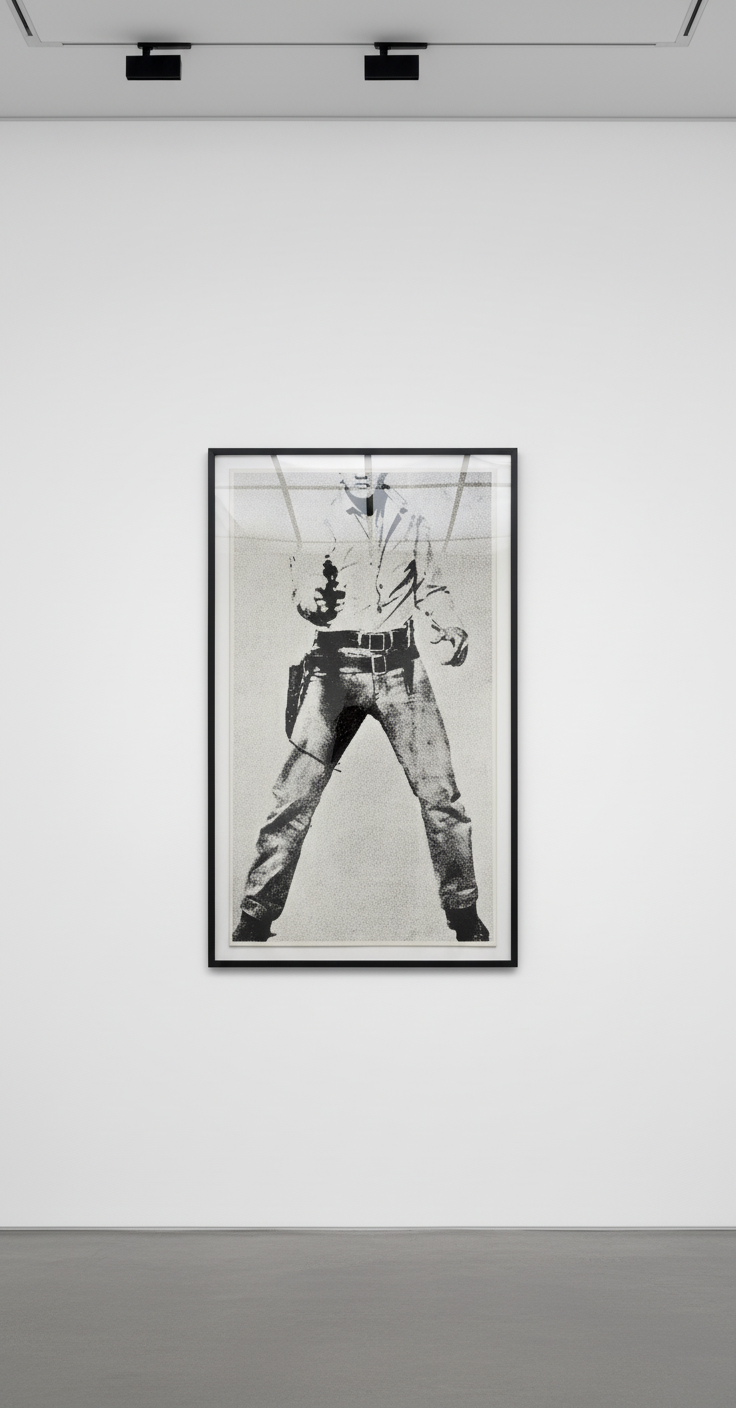
Richard Pettibone stands as one of the most intellectually provocative artists to emerge from the American post-war period, crafting a body of work that challenges fundamental assumptions about originality, authorship, and value in contemporary art. His meticulously executed miniature reproductions of iconic works by Andy Warhol, Roy Lichtenstein, and Frank Stella represent far more than simple copies - they constitute profound philosophical statements about the nature of art itself in an age of mechanical reproduction. Through his diminutive yet powerful canvases, Pettibone makes BIG statements about what it means to create, collect, and appreciate art in the modern era.
Long before appropriation art became a recognised movement in the 1980s, Richard Pettibone was quietly revolutionising contemporary art practice from his studio. Beginning in the early 1960s, Pettibone embarked on what would become a five-decade exploration of reproduction, seriality, and artistic identity. His approach was both radical and remarkably prescient - by creating painstakingly hand-painted miniatures of works by his contemporaries, he anticipated debates about originality and authenticity that continue to dominate art discourse today.
Pettibone's artistic lineage traces directly to Marcel Duchamp, whose readymades first questioned the boundaries between art object and everyday item. Yet Pettibone pushed these inquiries further, asking what happens when an artist appropriates an image that is itself already an appropriation. When he reproduces a Warhol soup can - itself a reproduction of a commercial product - he creates a layered meditation on the endless cycle of image-making that defines contemporary visual culture.
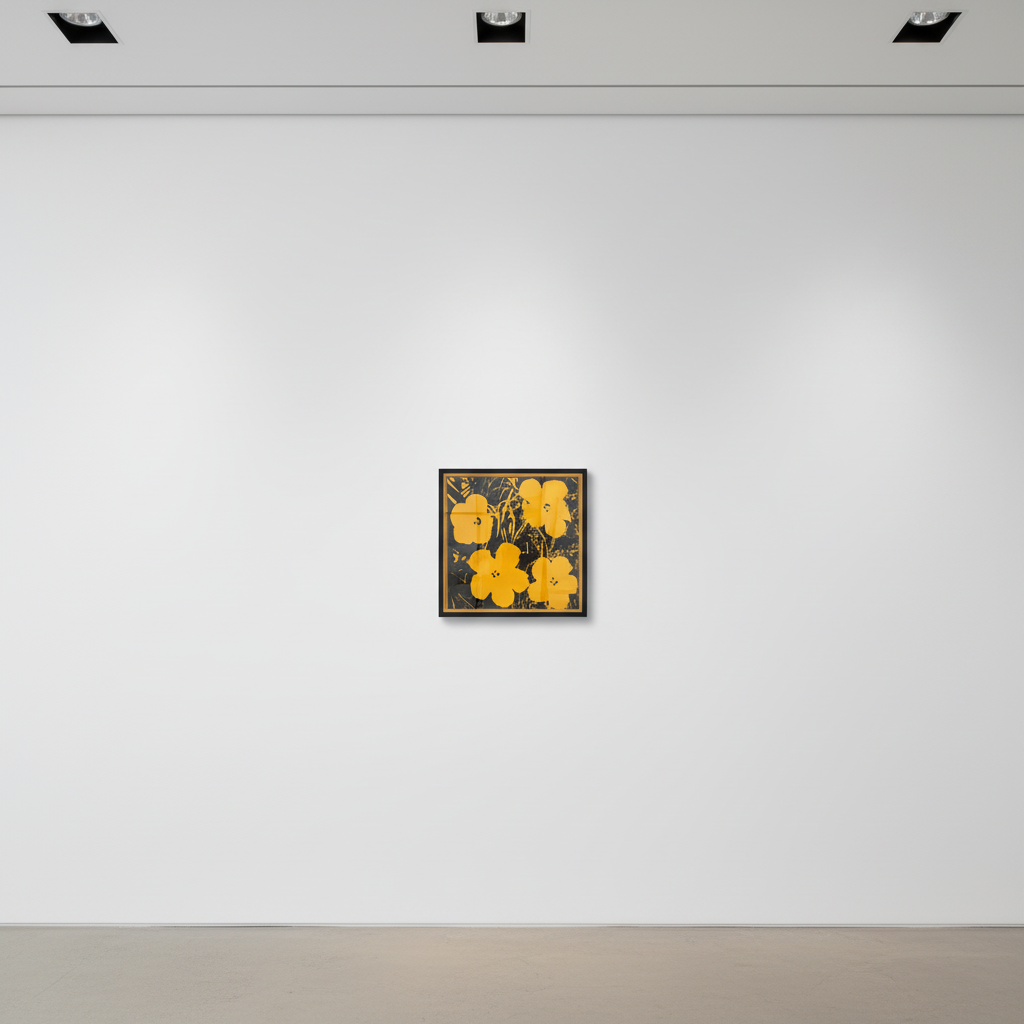
Andy Warhol Flowers (Yellow) — Richard Pettibone. Available at Guy Hepner, New York.
What distinguishes Pettibone from other artists working with appropriated imagery is his remarkable technical skill and the intimate scale of his works. Some pieces measure as small as two by two inches, requiring extraordinary precision and dedication. These diminutive dimensions transform monumental Pop Art statements into precious, jewel-like objects that reward close examination. The reduction in scale paradoxically amplifies the viewer's engagement, demanding intimate attention rather than the passive consumption associated with mass media imagery.
The deliberate smallness of Pettibone's reproductions constitutes a sophisticated artistic strategy rather than mere technical limitation. By shrinking iconic images to pocket-sized proportions, he fundamentally alters their relationship to the viewer and their cultural significance. A Warhol flower painting that might dominate a gallery wall becomes, in Pettibone's hands, an intimate object that invites contemplation rather than spectacle.
This miniaturisation also raises pointed questions about value and authenticity in the art market. If a tiny hand-painted copy can capture the essential qualities of a famous work, what exactly are collectors paying for when they acquire originals? Pettibone's practice suggests that the aura of the original - that ineffable quality Walter Benjamin identified as diminishing in the age of mechanical reproduction - might be more constructed than inherent. His works function simultaneously as tributes to and critiques of the artists he reproduces.
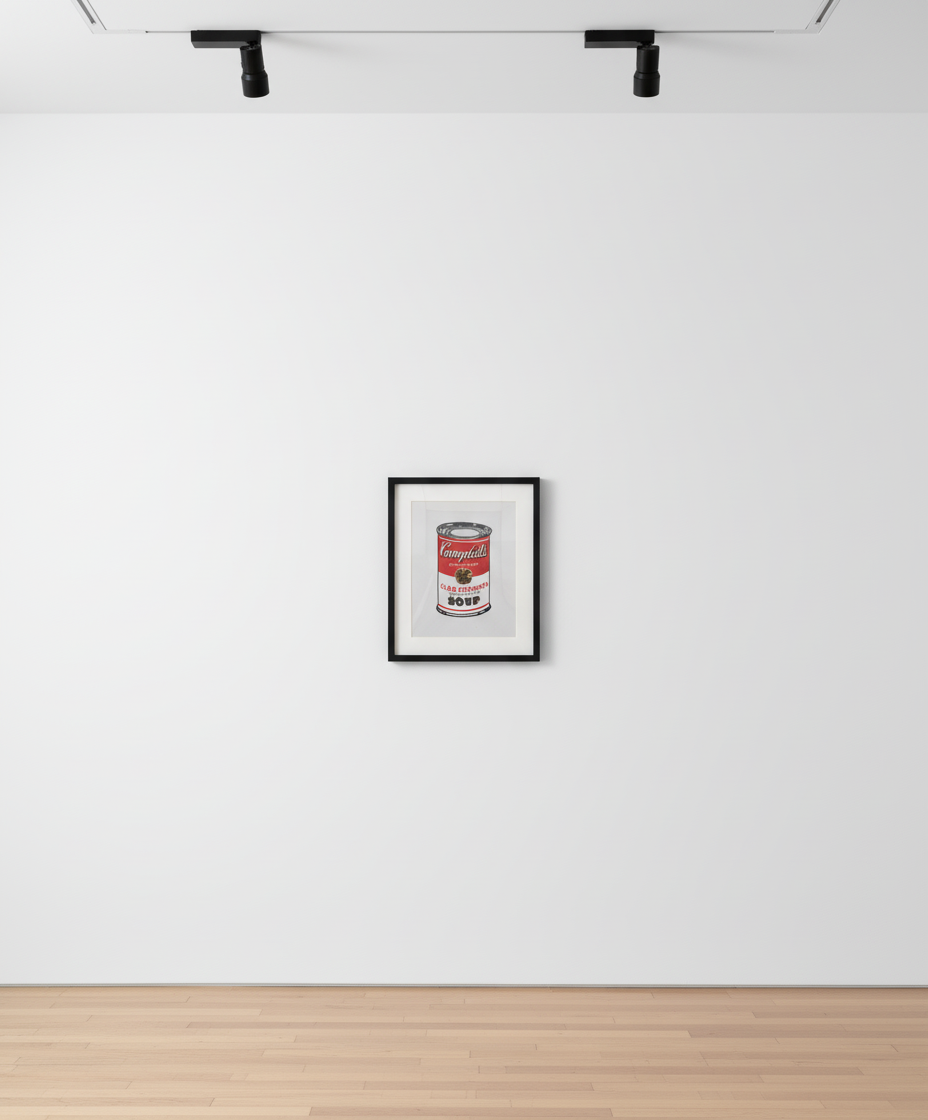
Andy Warhol, ’Clam Chowder Soup’ (1968) — Richard Pettibone. Available at Guy Hepner, New York.
Throughout his career, Pettibone focused particularly on artists whose own work engaged with themes of reproduction and seriality. His reproductions of Andy Warhol's silkscreened images add an additional layer of complexity - Warhol's mechanical aesthetic becomes hand-crafted labour, while Pettibone's evident skill highlights the often-overlooked craftsmanship in Warhol's supposedly impersonal production methods. Similarly, his versions of Frank Stella's geometric abstractions and Roy Lichtenstein's Ben-Day dot paintings transform industrial imagery into intimate, handmade objects.
The art market has increasingly recognised Richard Pettibone's significance within the contemporary art canon. According to data from Christie's and Sotheby's, his works have demonstrated consistent collector demand, particularly among those who appreciate conceptual rigour combined with technical excellence. The Art Basel and UBS Global Art Market Report has noted growing institutional and private interest in appropriation art more broadly, with Pettibone's pioneering role in the movement garnering renewed scholarly attention.
Collectors are drawn to Pettibone's work for multiple reasons. First, his pieces offer an intellectually sophisticated engagement with art history - owning a Pettibone means participating in an ongoing dialogue about creativity, influence, and artistic legacy. Second, the intimate scale of his works makes them particularly suited to private collections, allowing owners to live closely with art that rewards repeated viewing. Third, his technical mastery is undeniable - each miniature demonstrates virtuosic painting skill that stands on its own merits regardless of its conceptual framework.
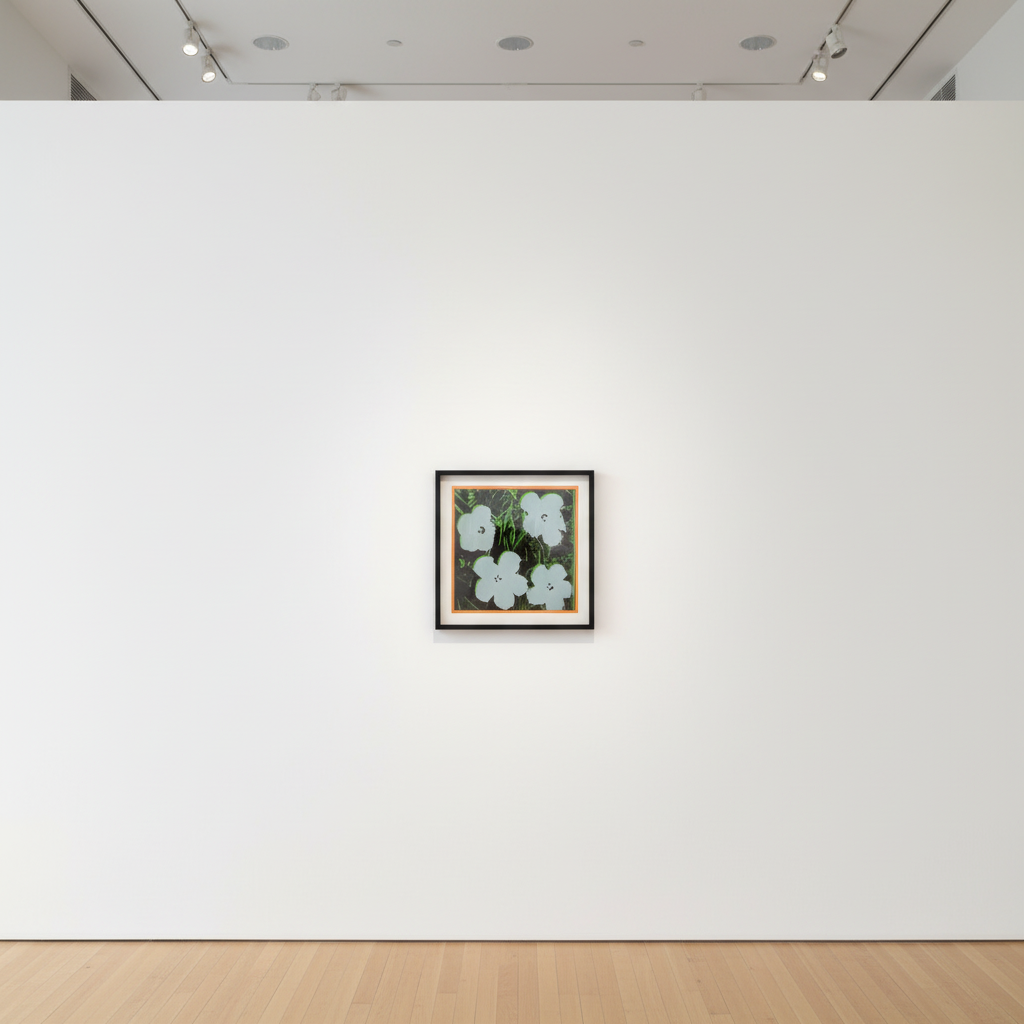
Warhol Flowers 1964 (Blue) — Richard Pettibone. Available at Guy Hepner, New York.
The investment potential of Pettibone's oeuvre remains compelling. As appropriation art continues to influence contemporary practice - visible in the work of numerous artists working today - Pettibone's historical position as a foundational figure becomes ever more significant. His works represent not merely aesthetic objects but key documents in the evolution of post-war American art. For collectors seeking works that combine visual appeal with intellectual depth and historical importance, Pettibone offers an exceptionally strong proposition.
Richard Pettibone's artistic project resonates perhaps more powerfully today than when he began working over six decades ago. In an era dominated by digital reproduction, sampling, remixing, and viral imagery, his hand-painted explorations of copying and originality feel remarkably contemporary. The questions he poses about authorship and authenticity have only intensified as artificial intelligence and digital tools make reproduction ever more seamless and widespread.
His influence extends beyond the art world into broader cultural conversations about intellectual property, creative ownership, and the nature of originality itself. Museums and institutions have increasingly recognised this significance, with his works entering major permanent collections and featuring in exhibitions devoted to appropriation art and its legacy. Pettibone's BIG statements, delivered through his characteristically small canvases, continue to provoke and inspire new generations of artists and collectors alike.
Guy Hepner is pleased to offer works by Richard Pettibone to discerning collectors worldwide. Our gallery maintains access to exceptional examples from throughout his career, including his celebrated reproductions of Warhol, Stella, and other iconic artists. For acquisition enquiries, pricing information, or to arrange a private viewing of available Pettibone works, please contact our specialist team directly.
Explore Richard Pettibone prints for sale at Guy Hepner: Auction Results, Flowers, Marilyn Monroe.
Related Series