Auction Results

Richard Pettibone stands as one of the most intellectually provocative figures in contemporary American art, occupying a singular position at the crossroads of appropriation, conceptualism, and Pop Art. His meticulously crafted miniature reproductions of works by Andy Warhol, Roy Lichtenstein, Frank Stella, and other twentieth-century masters have earned him recognition as both a shrewd commentator on artistic authorship and a technically brilliant painter in his own right. Through his distinctive practice of creating small-scale homages to iconic artworks, Pettibone challenges fundamental assumptions about originality, value, and the nature of the art object itself.
Born in Los Angeles in 1938, Richard Pettibone emerged during a pivotal moment in American art history. While Pop Art was reshaping the cultural landscape in the early 1960s, Pettibone developed an approach that was simultaneously reverential and subversive. Rather than simply copying celebrated works, he transformed them through a radical reduction in scale - often shrinking monumental canvases to dimensions that could fit in the palm of one's hand. This deliberate miniaturisation creates an intimate viewing experience that fundamentally alters the relationship between artwork and observer.
Pettibone's method demands extraordinary technical precision. Each brushstroke must be scaled proportionally, requiring a level of craftsmanship that paradoxically emphasises the hand of the artist even as it appears to efface individual expression. His reproductions of Warhol's silkscreens, for instance, are painstakingly rendered in oil and silkscreen on canvas, capturing not merely the image but the texture and materiality of the original works. This labour-intensive process distinguishes Pettibone from mere copyists, positioning him instead as an artist who uses reproduction as a medium for philosophical inquiry.
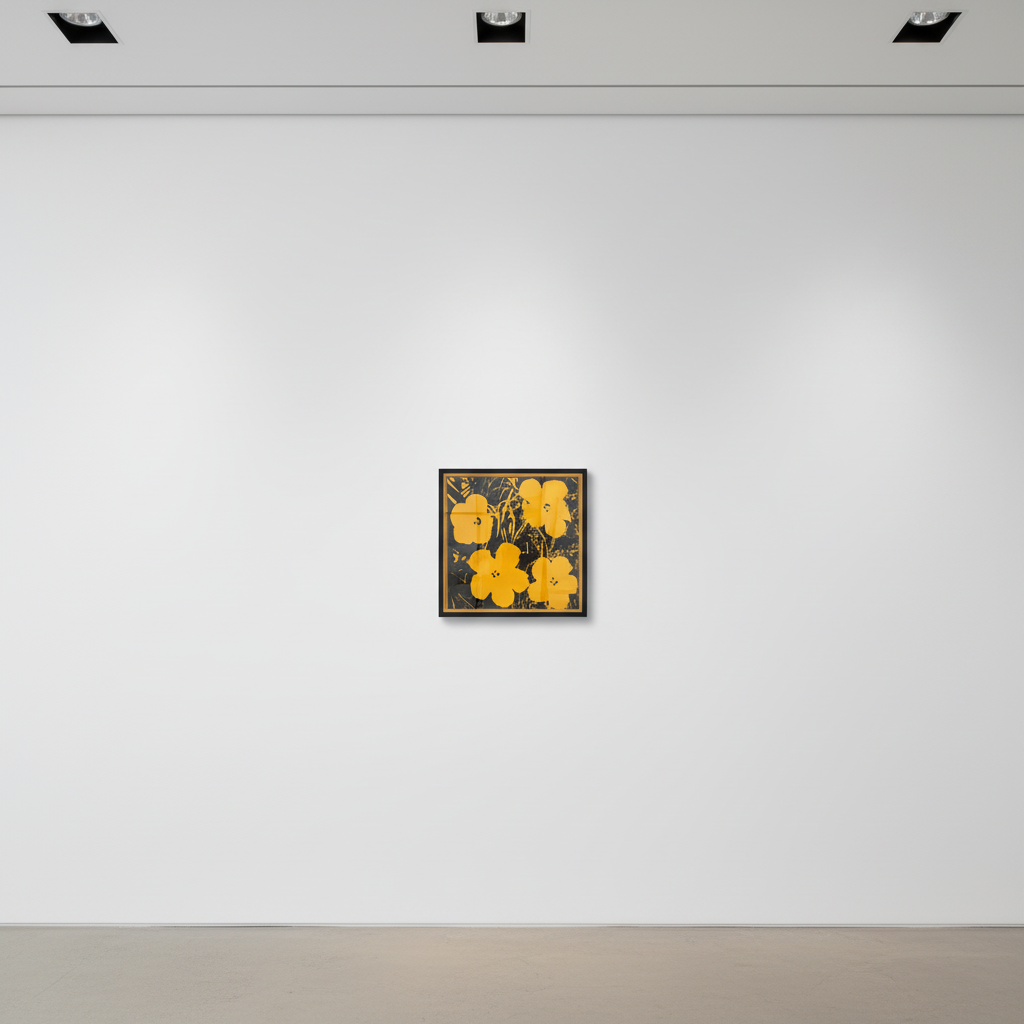
Andy Warhol Flowers (Yellow) — Richard Pettibone. Available at Guy Hepner, New York.
The implications of Pettibone's project extend far beyond technical virtuosity. By appropriating works that themselves appropriated imagery from mass culture, he creates a layered commentary on the circulation of images in contemporary society. His miniatures function as art about art, raising questions that remain urgently relevant in our era of digital reproduction and social media dissemination.
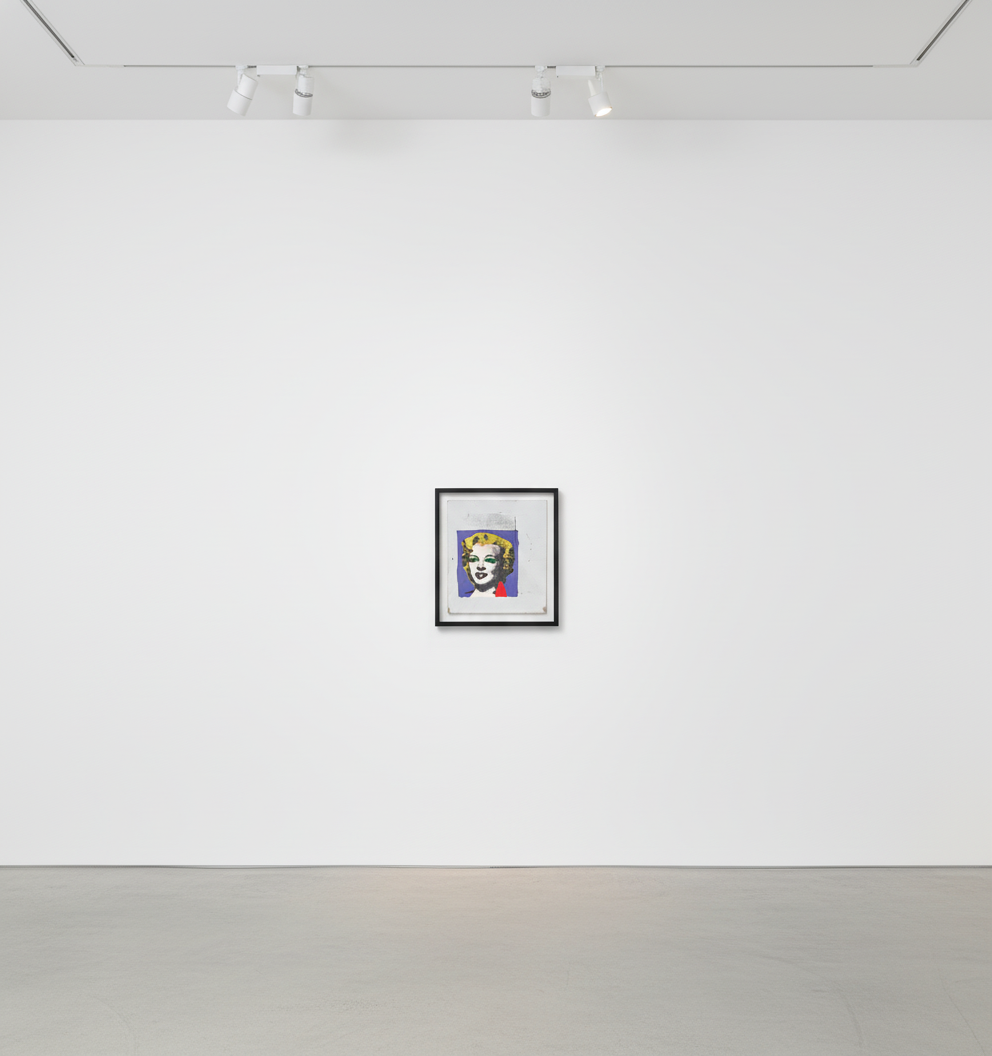
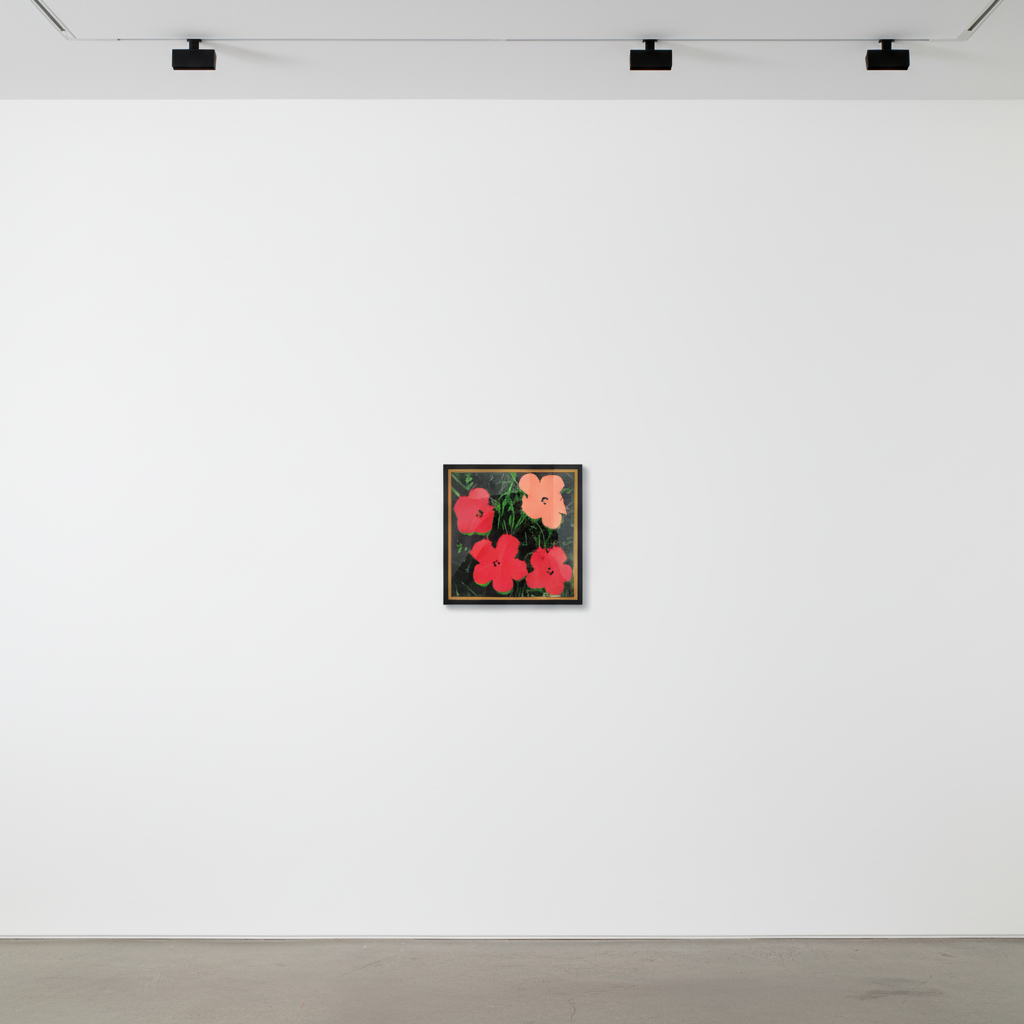
Among Pettibone's most celebrated bodies of work are his reinterpretations of Andy Warhol's iconic images. The Flowers series, originally created by Warhol in 1964, receives particularly compelling treatment in Pettibone's hands. These vibrant botanical compositions - rendered in striking variations of yellow, blue, pink, and other saturated hues - demonstrate how scale fundamentally transforms perception. Where Warhol's versions could dominate gallery walls, Pettibone's intimate renditions invite close examination and contemplation.
The Campbell's Soup Cans represent another crucial intersection between these two artists. Pettibone's versions of works like the Clam Chowder Soup canvas capture Warhol's transformation of mundane consumer products into cultural icons while adding new dimensions of meaning through their diminutive presentation. The irony inherent in Warhol's original gesture - elevating mass-produced goods to the status of fine art - becomes doubly resonant when the artwork itself is miniaturised, creating a precious object from imagery that celebrated the disposable.
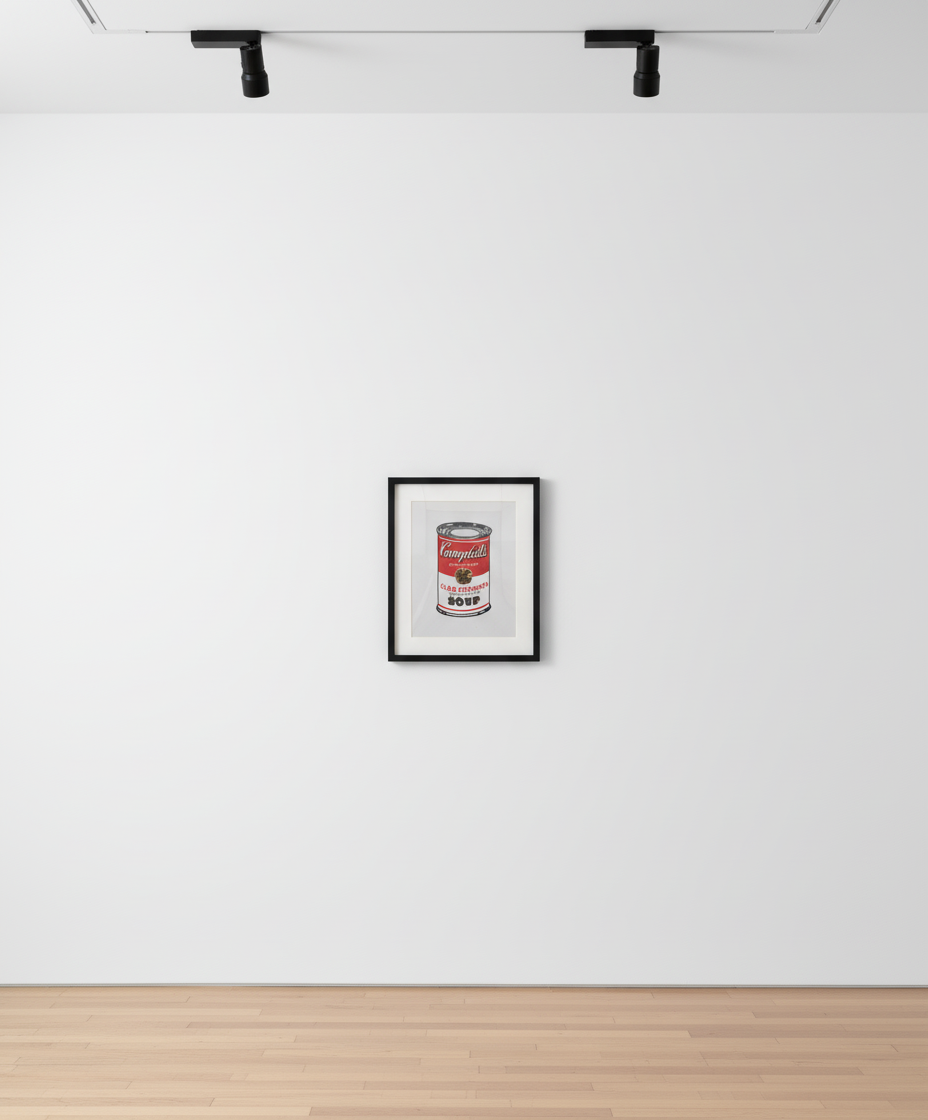
Andy Warhol, ’Clam Chowder Soup’ (1968) — Richard Pettibone. Available at Guy Hepner, New York.
Pettibone's engagement with Warhol's celebrity portraits, including the legendary Elvis images, reveals yet another facet of his conceptual approach. These works examine how fame and iconography function in American culture, with the reduced scale suggesting both the manufactured nature of celebrity and its paradoxical intimacy in the lives of ordinary people. The Elvis paintings, originally depicting the musician as a gunslinging cowboy, become almost talismanic objects in Pettibone's treatment - pocket-sized icons for a media-saturated age.
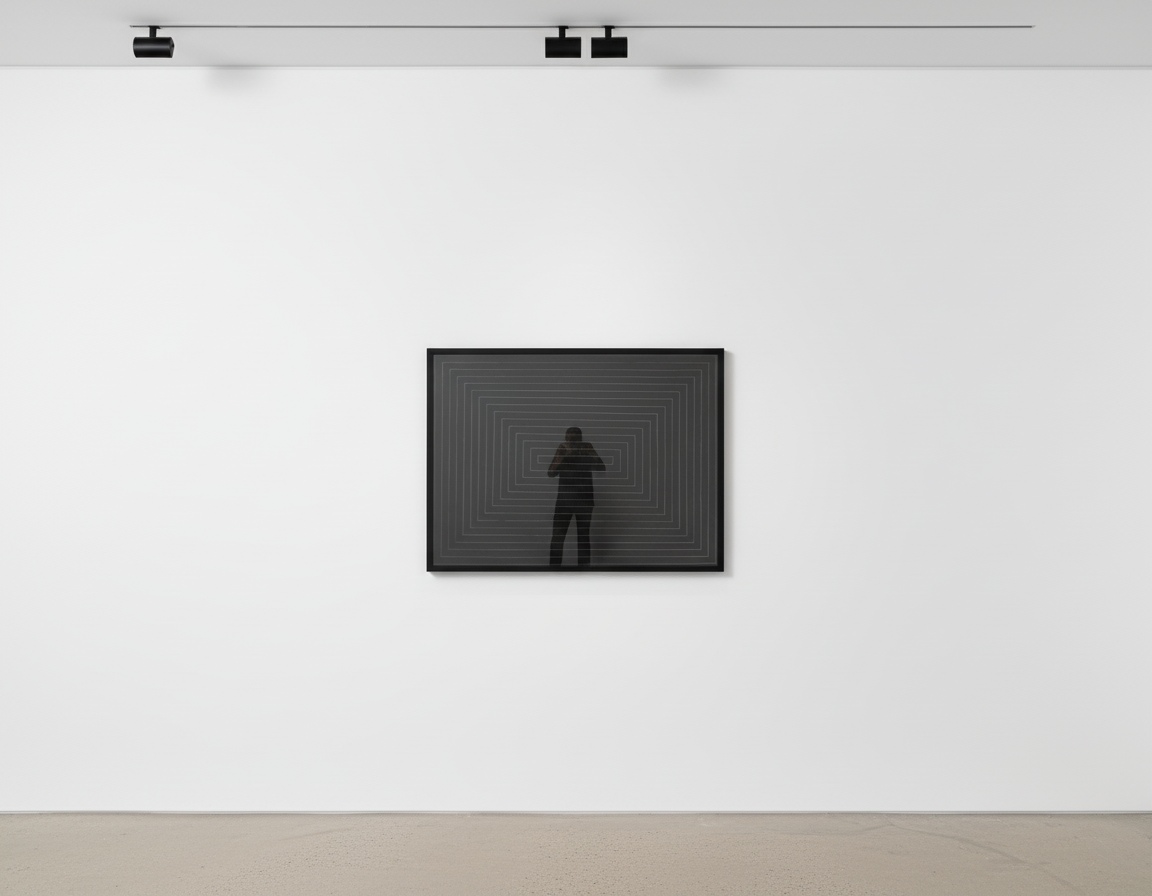
While Warhol remains central to Pettibone's practice, his appropriations extend across the spectrum of post-war American art. His interpretations of Frank Stella's geometric abstractions, including works based on the Tomlinson Court Park series, demonstrate that his project encompasses far more than Pop imagery. These hard-edge compositions, with their precise bands of colour and shaped canvases, present particular challenges at miniature scale, yet Pettibone renders them with remarkable fidelity.
The breadth of Pettibone's source material positions him as a chronicler of twentieth-century art movements. By selecting works from diverse artists and styles, he constructs a personal canon while simultaneously questioning how canons form and perpetuate themselves. Each miniature becomes both a tribute to its source and an assertion of Pettibone's own artistic identity.
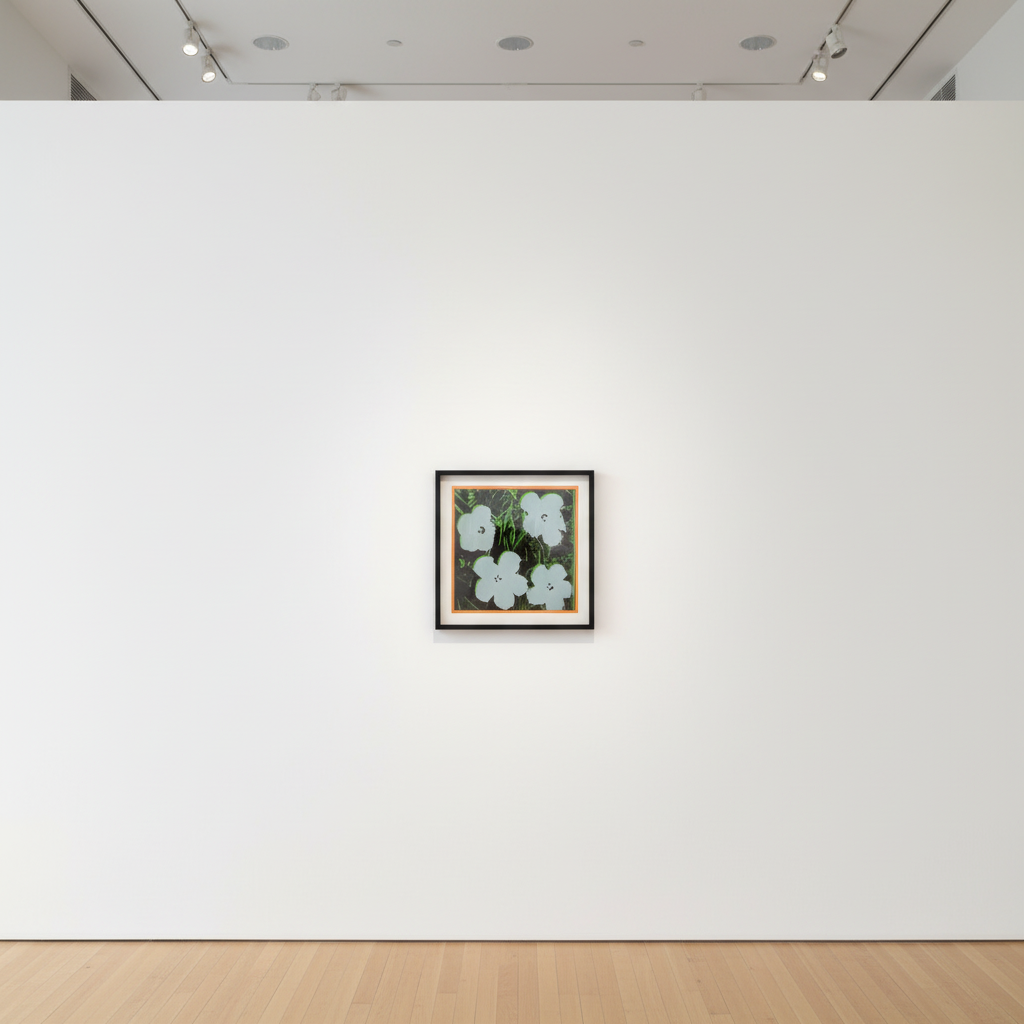
Warhol Flowers 1964 (Blue) — Richard Pettibone. Available at Guy Hepner, New York.
The art market has increasingly validated Pettibone's unique contribution to contemporary art history. Auction Results at Christie's and Sotheby's reflect growing institutional and collector recognition of his significance, with his miniatures achieving prices that underscore their status as important works in their own right rather than mere curiosities. The Art Basel and UBS Global Art Market Report has documented sustained interest in appropriation art, a category in which Pettibone remains a pioneering figure.
For collectors, Pettibone's works offer multiple dimensions of value. They provide access to the visual language of blue-chip artists within a more intimate format, while simultaneously representing the work of a historically significant artist whose conceptual innovations anticipated many developments in contemporary practice. The scarcity of high-quality examples and the technical demands of the work ensure continued market appreciation.
Guy Hepner is pleased to offer exceptional examples of Richard Pettibone's pop miniatures for discerning collectors worldwide. Our curated selection includes outstanding interpretations of Warhol's Flowers series, Campbell's Soup Cans, and other landmark appropriations that exemplify Pettibone's masterful technique and conceptual depth. To inquire about available works, pricing, or to arrange a private viewing, contact Guy Hepner directly at sales@guyhepner.com or telephone +1 212-252-4277. Our expert team provides comprehensive acquisition services, including authentication guidance and art advisory support for both emerging and established collectors seeking to add this important artist to their holdings.
Explore Richard Pettibone prints for sale at Guy Hepner: Auction Results, Flowers, Marilyn Monroe.
Related Series