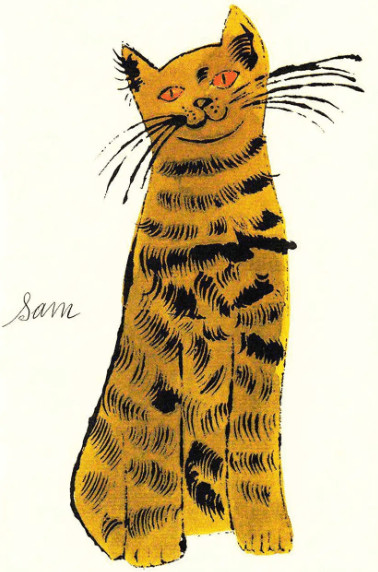
25 Cats Named Sam

Few artists blurred the boundaries between art, celebrity, and commerce as deftly as Andy Warhol. While his silkscreens of Marilyn Monroe, soup cans, and electric chairs cemented his reputation as a pioneer of Pop Art, it was the Polaroid camera that became one of his most essential and revealing tools. From the 1950s through the 1980s, Warhol captured tens of thousands of instant photographs, using them both as raw material for his iconic paintings and as standalone works of art that offer an unfiltered window into his creative process and social world.
Today, Andy Warhol Polaroids occupy a fascinating and increasingly significant niche in the contemporary art market. They are intimate, authentic, and unmistakably Warhol - yet considerably more accessible than his large-scale silkscreens. For discerning investors and collectors, these works represent a blue-chip photographic market in their own right, one that has demonstrated steady appreciation while offering unique exposure to the cult of Warhol and his legendary celebrity universe.
Warhol began experimenting with Polaroid cameras in the 1950s, but his most prolific and artistically significant period commenced after 1969, when Polaroid Corporation provided him with their revolutionary SX-70 model. He wielded the camera obsessively, photographing celebrities, models, socialites, drag queens, and everyday objects with the same detached fascination that characterized his paintings. The Polaroid became an extension of his artistic vision - a mechanical eye that could capture and flatten reality in ways that aligned perfectly with his Pop Art sensibilities.
The immediacy of the Polaroid format suited Warhol's working method impeccably. Unlike traditional photography, which required darkroom development and introduced delays into the creative process, the instant photograph allowed Warhol to see results immediately, make adjustments, and shoot prolifically. This resulted in an extraordinary archive estimated at over 100,000 Polaroids, documenting everyone from Mick Jagger and Liza Minnelli to anonymous subjects who wandered into the Factory.
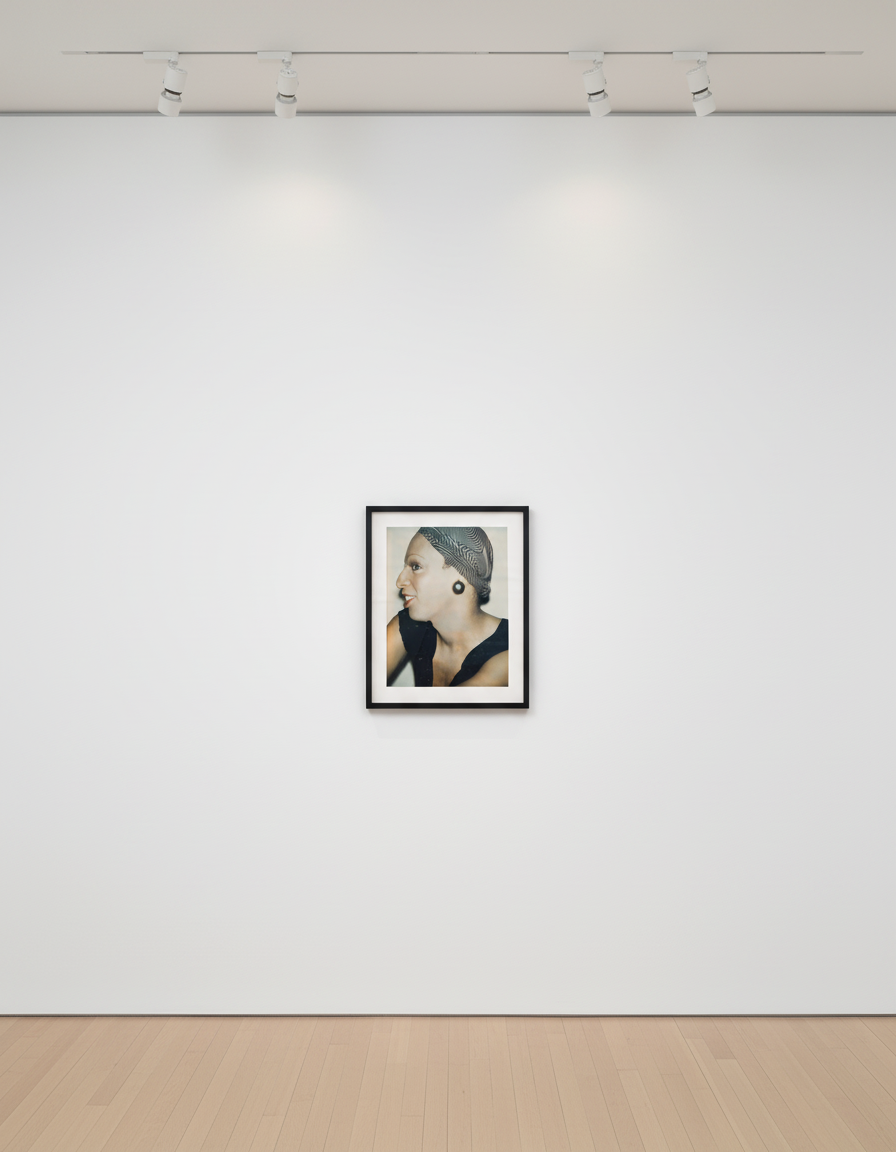
Ladies and Gentlemen (Wilhelmina Ross) — Andy Warhol. Available at Guy Hepner, New York.
What distinguished Warhol's approach was his treatment of the Polaroid not merely as a preparatory sketch but as a complete artistic statement. The distinctive square format, the particular color saturation of Polaroid film, and the slightly surreal quality of instant photography all contributed to an aesthetic that Warhol recognized and cultivated. His portraits often featured subjects against plain backgrounds, lit with harsh Flash that eliminated Shadows and created the flat, iconic look that would translate seamlessly into his silkscreen portraits.
Understanding the relationship between Warhol's Polaroids and his painted works illuminates why these photographs command such serious attention from collectors and institutions alike. The Polaroids served as the foundation for his celebrated commissioned portrait practice, which became a significant revenue stream from the 1970s onward. Wealthy patrons would sit for Polaroid sessions at the Factory, and Warhol would select the most compelling images to transform into silkscreen paintings.
This process meant that certain Polaroids exist as the original source for paintings now valued in the millions. The photograph captures the authentic moment of encounter between Warhol and his subject, before the mechanical reproduction process that defined his silkscreen technique. In this sense, the Polaroid represents something paradoxical within Warhol's oeuvre - a genuinely unique, unreproducible object created by an artist famous for questioning the very concept of originality.
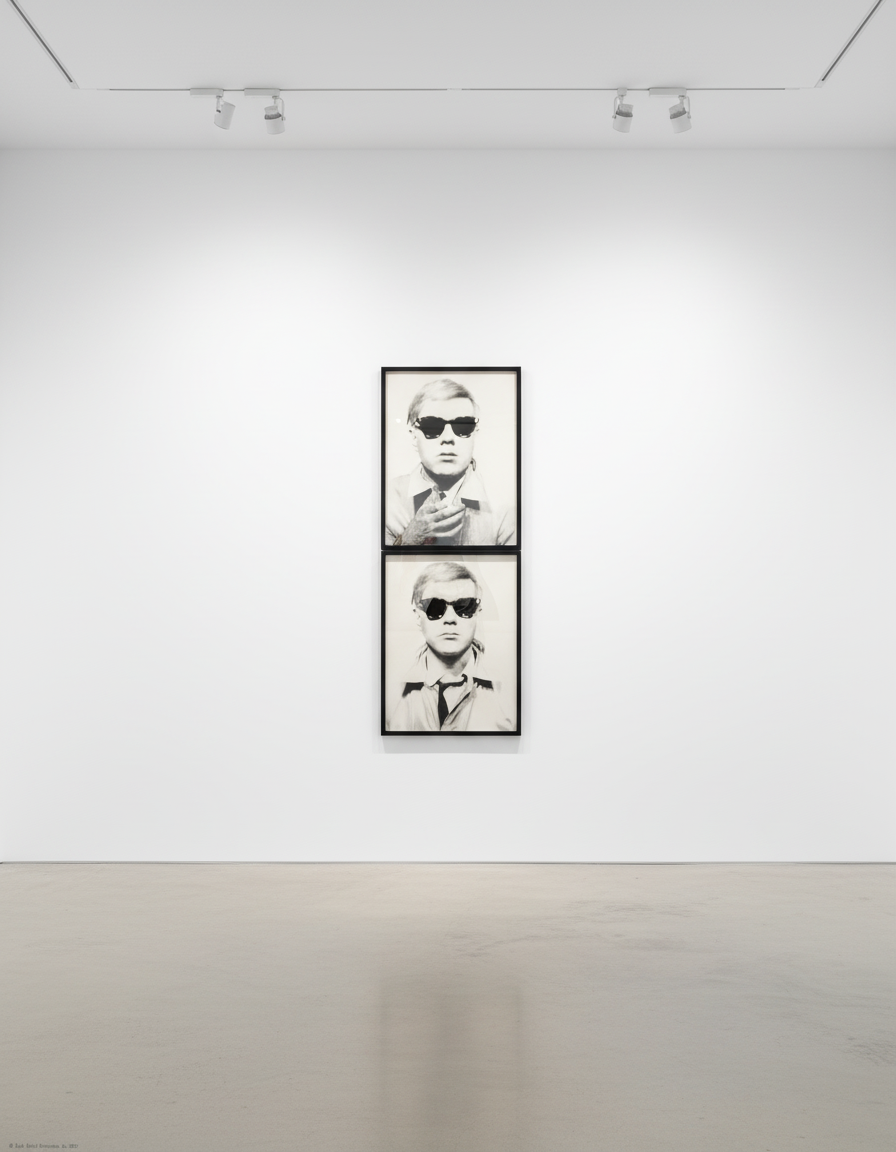
Self - Portrait F.S. IIIA 10 — Andy Warhol. Available at Guy Hepner, New York.
Beyond their function as preparatory materials, many Polaroids were never translated into other media, existing purely as photographic works. These images reveal Warhol's eye in its most spontaneous form - his attraction to certain faces, his interest in gender performance and glamour, his documentation of the social scene that orbited the Factory. Series such as his photographs of drag queens for the Ladies and Gentlemen portfolio demonstrate how the Polaroid captured subjects and perspectives that challenged social conventions while celebrating individual expression and identity.
The market for Andy Warhol Polaroids has matured significantly over the past two decades, transitioning from a collector's curiosity to a recognized category within the broader Warhol market. According to data tracked by major auction houses including Christie's and Sotheby's, Warhol photographs have demonstrated consistent demand, with particularly strong results for celebrity subjects and images directly connected to known paintings.
Several factors contribute to the investment appeal of Warhol Polaroids. First, authenticity is relatively straightforward to establish, as the works are catalogued and their provenance often traces directly to the Andy Warhol Foundation. Second, the finite supply - while large - is ultimately limited, and many significant examples have already entered permanent museum collections. Third, as the Art Basel and UBS Global Art Market Report has consistently noted, works on paper and photographs by blue-chip artists represent an attractive entry point for collectors building positions in major names.
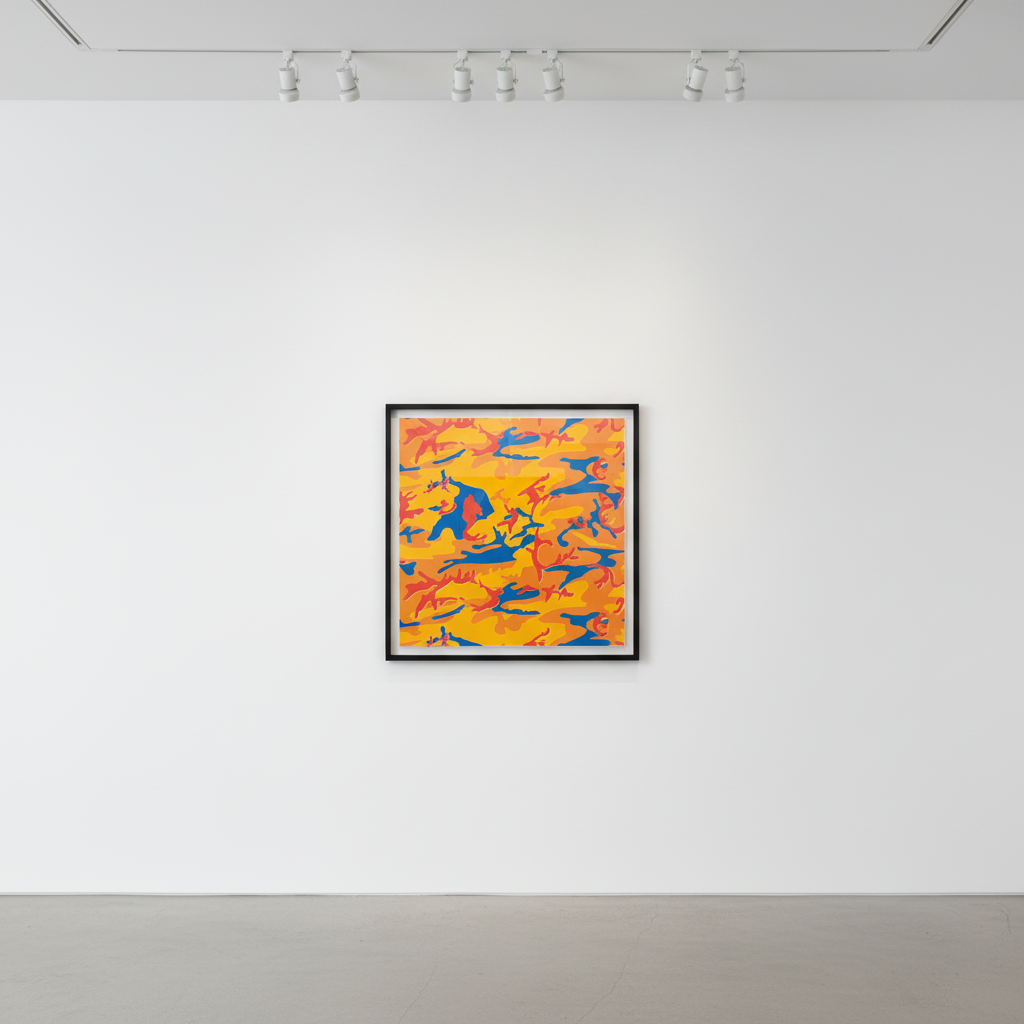
Camouflage Trial Proof TP 4/84 — Andy Warhol. Available at Guy Hepner, New York.
Price points for Warhol Polaroids vary considerably based on subject matter, condition, and provenance. Celebrity portraits - particularly of figures like Muhammad Ali, Debbie Harry, or Jean-Michel Basquiat - command premium prices, while lesser-known subjects remain more accessible. Self-Portraits hold particular appeal, offering direct connection to Warhol himself rather than his network of famous acquaintances. For collectors seeking exposure to Warhol's artistic vision without the seven-figure commitment required for major silkscreens, Polaroids present a compelling alternative that nonetheless carries genuine art historical weight.
Guy Hepner maintains an exceptional selection of Andy Warhol works, including Polaroids and related photographic pieces that showcase the artist's distinctive vision and technical approach. Our gallery specializes in guiding collectors through the nuances of the Warhol market, providing expertise on authentication, provenance, and the relative significance of individual works. Whether you are establishing a new collection or adding depth to existing holdings, our team offers personalized consultation to identify works that align with your aesthetic preferences and investment objectives. To inquire about available Andy Warhol Polaroids and related works, contact Guy Hepner directly to schedule a private viewing or receive detailed information on current inventory.
--- **Browse Andy Warhol prints** at Guy Hepner: [Andy Warhol art for sale](/andy-warhol) | [Sell your Warhol](/sell/andy-warhol)Explore Andy Warhol prints for sale at Guy Hepner: 25 Cats Named Sam, A Gold Book, A La Recherche Du Shoe Perdu, Alexander the Great, Banana.
Related Series