Anatomy

Jean-Michel Basquiat emerged from the vibrant streets of New York City to become one of the most influential artists of the twentieth century. Born in Brooklyn in 1960 to a Haitian father and Puerto Rican mother, Basquiat's multicultural heritage would profoundly shape his artistic vision and thematic concerns. His meteoric rise from graffiti artist to international art star represents one of the most remarkable trajectories in contemporary art history. Beginning his career as part of the graffiti duo SAMO, Basquiat transitioned to gallery exhibitions by the early 1980s, capturing the attention of collectors, critics, and fellow artists alike - including Andy Warhol, who would become a close collaborator and friend.
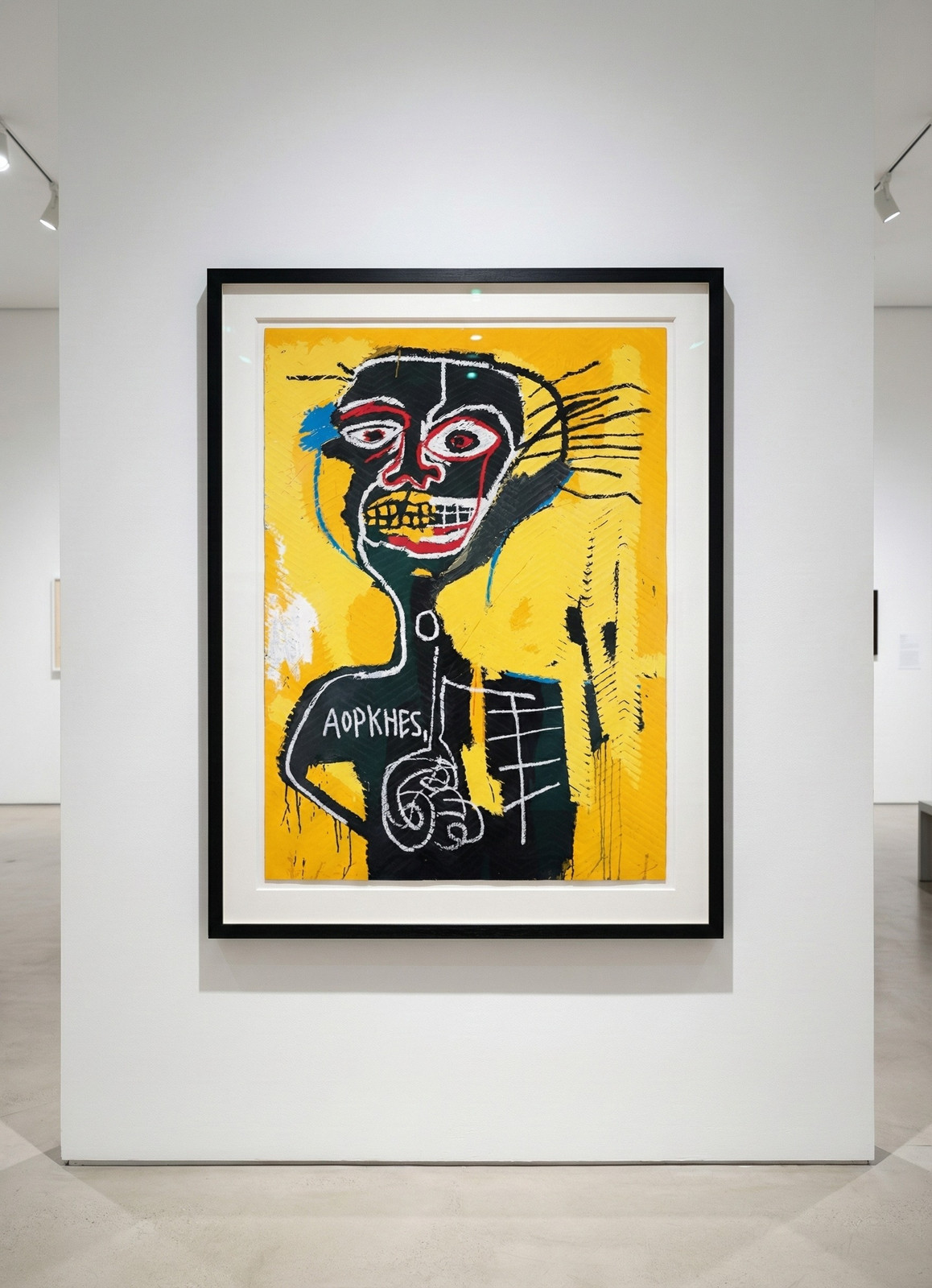
Basquiat's work defies simple categorization, blending elements of Neo-Expressionism, primitivism, and street art with deeply personal symbolism. His canvases pulse with raw energy, featuring crowned figures, skeletal forms, cryptic text, and references spanning African diaspora history, Anatomy, jazz music, and contemporary social critique. The artist's ability to synthesize high and low culture, merging art historical references with urban vernacular, created a visual language that remains instantly recognizable and profoundly moving.
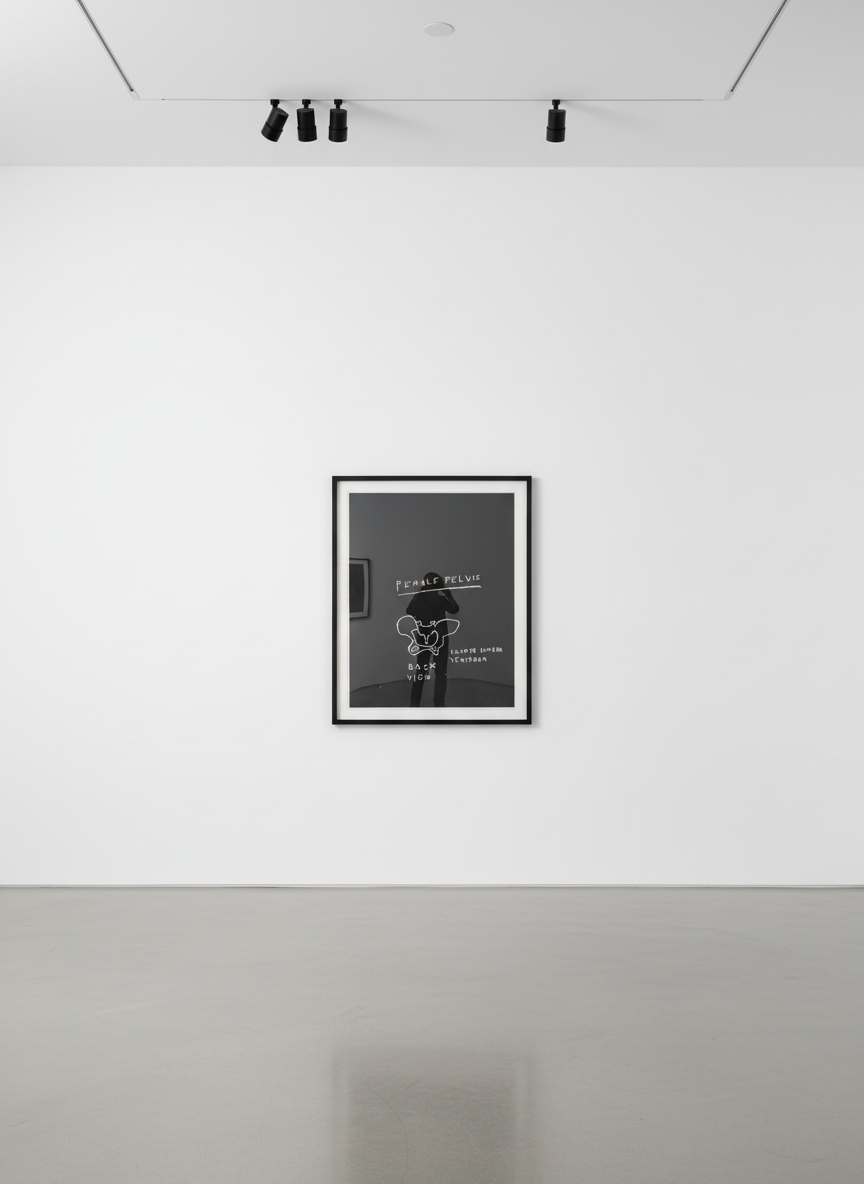
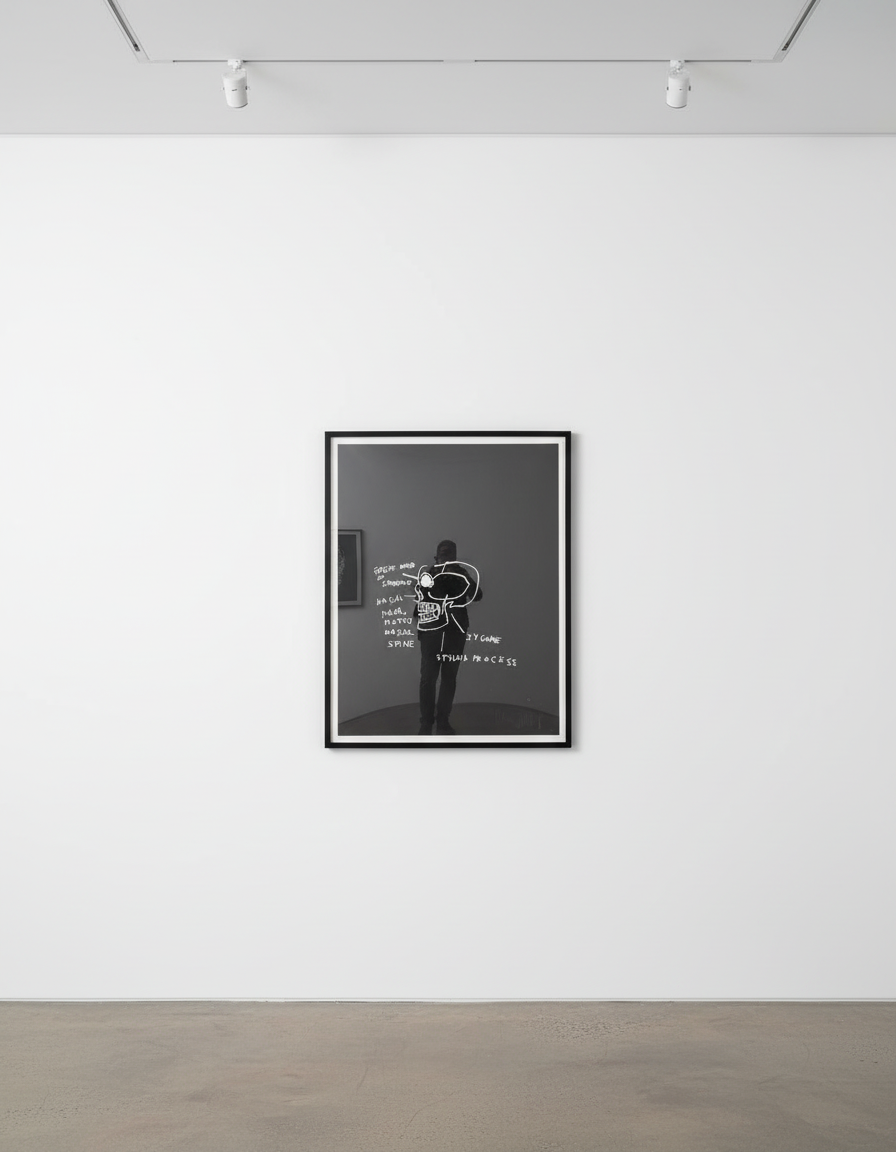
Female Pelvis, Back View, from Anatomy — Jean-Michel Basquiat. Available at Guy Hepner, New York.
His untimely death in 1988 at the age of 27 left behind a finite body of work - approximately 1,500 drawings and 600 paintings created during an intensely productive eight-year period. This limited supply, combined with the enduring relevance of his themes, has contributed significantly to the extraordinary demand for Basquiat works in today's market.
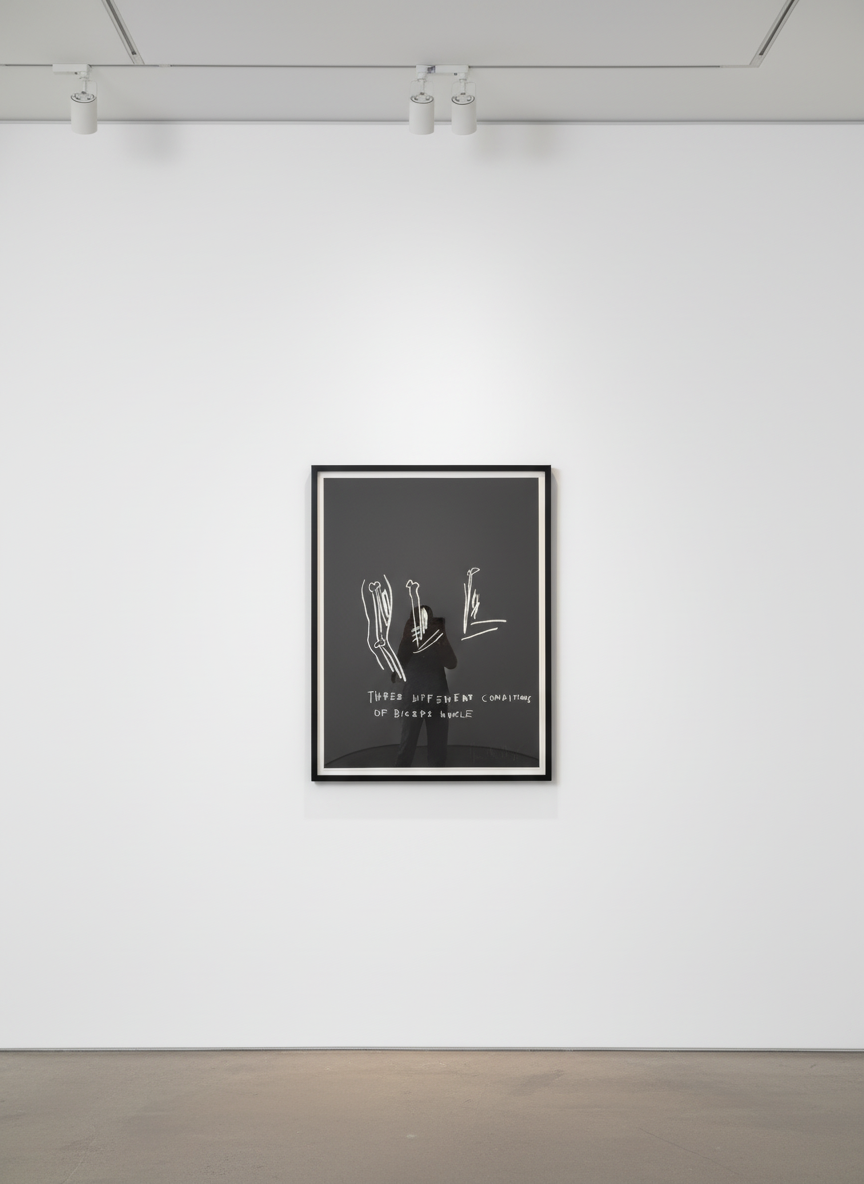
Among Basquiat's most intellectually compelling bodies of work is his Anatomy series, created in collaboration with the Italian gallerist and publisher Bruno Bischofberger in 1982. This remarkable suite of screenprints demonstrates the artist's fascination with the human body as both biological mechanism and cultural symbol. Works such as Great Wind of Sphenoid, Three Views of The Shoulder Joint Opened, and The Scapula reveal Basquiat's engagement with medical illustration and his ongoing exploration of mortality - themes that would pervade his entire oeuvre.
The Anatomy series draws from Gray's Anatomy, the seminal medical textbook that Basquiat's mother gave him during a childhood hospitalization following a car accident. This formative experience - the young artist studying detailed illustrations of the human body while recovering from his injuries - planted seeds that would flourish throughout his career. In these works, Basquiat transforms clinical diagrams into something simultaneously beautiful and unsettling, layering his characteristic scratchy marks, vibrant colors, and handwritten annotations over anatomical precision.
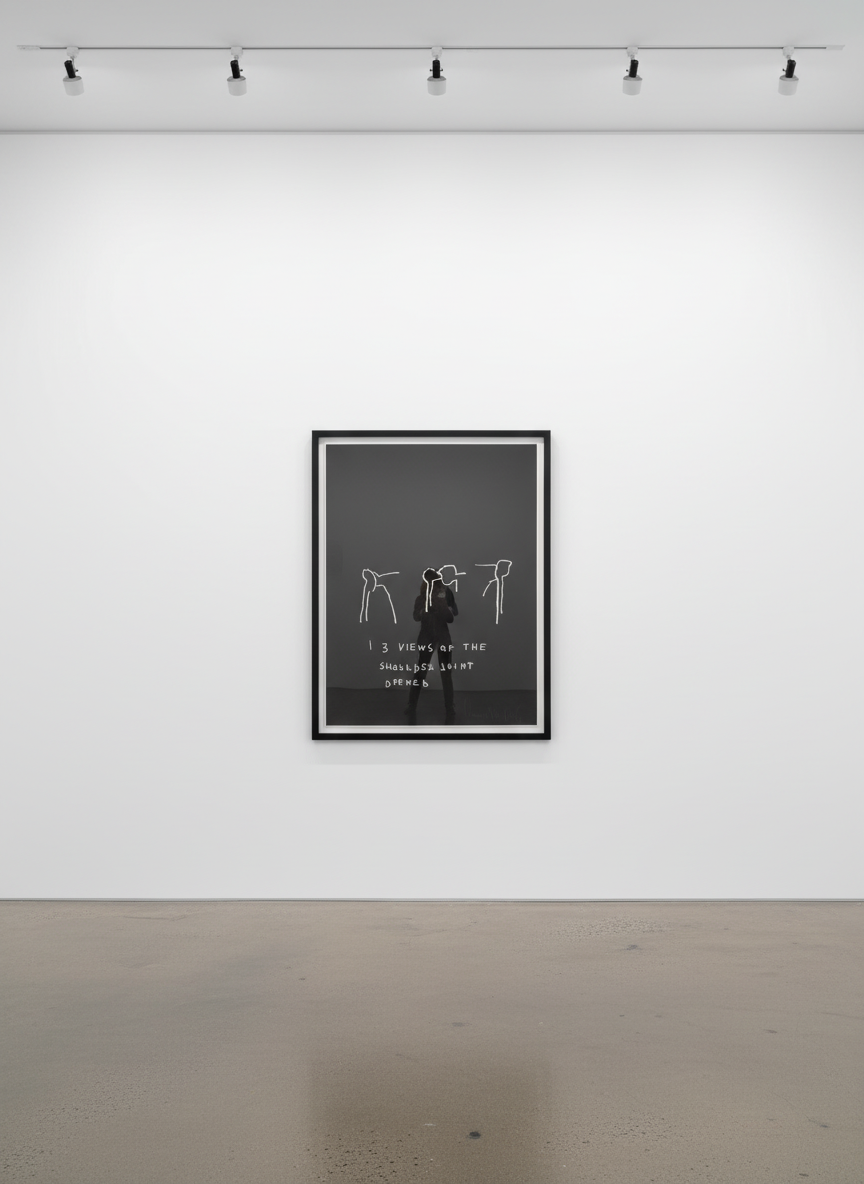
Three Views of The Shoulder Joint Opened, from Anatomy — Jean-Michel Basquiat. Available at Guy Hepner, New York.
Pieces like Thyroid and Female Pelvis, Back View demonstrate how Basquiat elevated appropriated imagery through his distinctive touch. The screenprint medium allowed for reproduction while maintaining the gestural quality essential to his aesthetic. These works occupy a unique position within the artist's catalogue - more accessible than his monumental paintings yet bearing all the hallmarks of his mature vision. For collectors, the Anatomy series represents an opportunity to acquire historically significant Basquiat works that encapsulate his philosophical preoccupations with the body, knowledge systems, and the intersection of scientific and artistic ways of seeing.
Jean-Michel Basquiat has ascended to the highest echelons of the contemporary art market, commanding prices that place him among the most valuable artists of any era. The landmark sale of Untitled from 1982 at Sotheby's New York in 2017 for a staggering 110.5 million dollars fundamentally reshaped perceptions of post-war American art values. This iconic skull painting - executed in spray paint, acrylic, and oil stick - set multiple records as the most expensive work by an African-American artist ever sold at auction and the first artwork created after 1980 to surpass the 100 million dollar threshold.
Subsequent sales have reinforced Basquiat's position at the market's apex. In This Case from 1983 - created when the artist was just 22 years old - achieved exceptional results at Christie's, demonstrating sustained collector appetite for his most powerful compositions. According to the Art Basel and UBS Global Art Market Report, Basquiat consistently ranks among the top-selling artists globally, with demand spanning established collectors, major institutions, and high-profile figures from entertainment, sports, and business. Renowned collectors including Jay-Z have publicly expressed their commitment to acquiring Basquiat works, further elevating the artist's cultural cachet and market visibility.
Great Wind of Sphenoid, from Anatomy — Jean-Michel Basquiat. Available at Guy Hepner, New York.
Major retrospectives at prestigious institutions have amplified scholarly and public engagement with Basquiat's legacy. The Brooklyn Museum's comprehensive exhibition and the Fondation Louis Vuitton's acclaimed Paris presentation introduced new generations to the artist's revolutionary vision while reinforcing his canonical status. These institutional endorsements translate directly to collector confidence, as museum-quality works become increasingly scarce on the secondary market.
The enduring appeal of Jean-Michel Basquiat extends far beyond market performance. His unflinching commentary on race, identity, power structures, and systemic inequality resonates with particular urgency amid contemporary socio-political dialogues. Works that addressed police brutality, Black heroism, and cultural erasure in the 1980s speak with renewed force today, positioning Basquiat as both historical figure and contemporary voice.
The finite nature of his output intensifies collector interest. Unlike artists who enjoyed long careers producing extensive bodies of work, Basquiat's compressed creative period means each painting, drawing, and print carries heightened significance. Collectors recognize that opportunities to acquire major works will only diminish over time as pieces enter permanent museum collections or long-term private holdings.
Furthermore, Basquiat's influence on subsequent generations of artists - from Kehinde Wiley to KAWS - ensures his continued relevance within evolving artistic conversations. Owning a Basquiat means possessing a pivotal link in contemporary art's chain of influence, a work that helped define the visual culture of its era while anticipating aesthetic and thematic concerns that remain vital today.
Guy Hepner is proud to offer exceptional works by Jean-Michel Basquiat, including rare pieces from the celebrated Anatomy series. Our gallery specializes in sourcing museum-quality works by the most significant contemporary artists, providing collectors with access to historically important pieces accompanied by comprehensive provenance documentation and expert guidance. Whether you are building a distinguished collection or seeking a singular masterwork, our team offers the expertise and discretion that discerning collectors expect. Contact Guy Hepner today to inquire about available works by Jean-Michel Basquiat and discover how we can assist in acquiring pieces by this transformative artist.
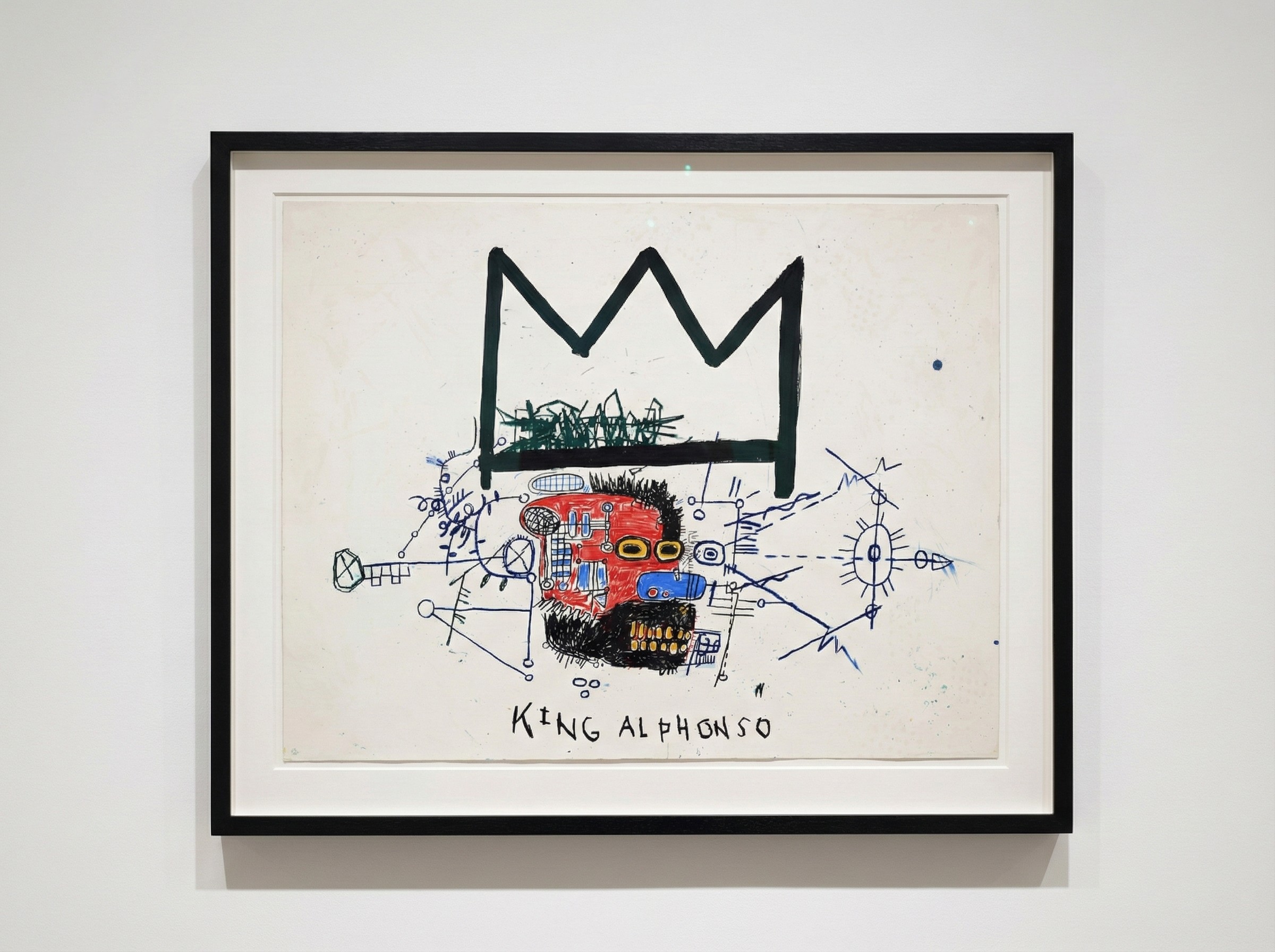
Explore Jean Michel Basquiat prints for sale at Guy Hepner: Anatomy, Daros Suite, Estate Prints, King Alphonso, Portfolio I.
Related Series