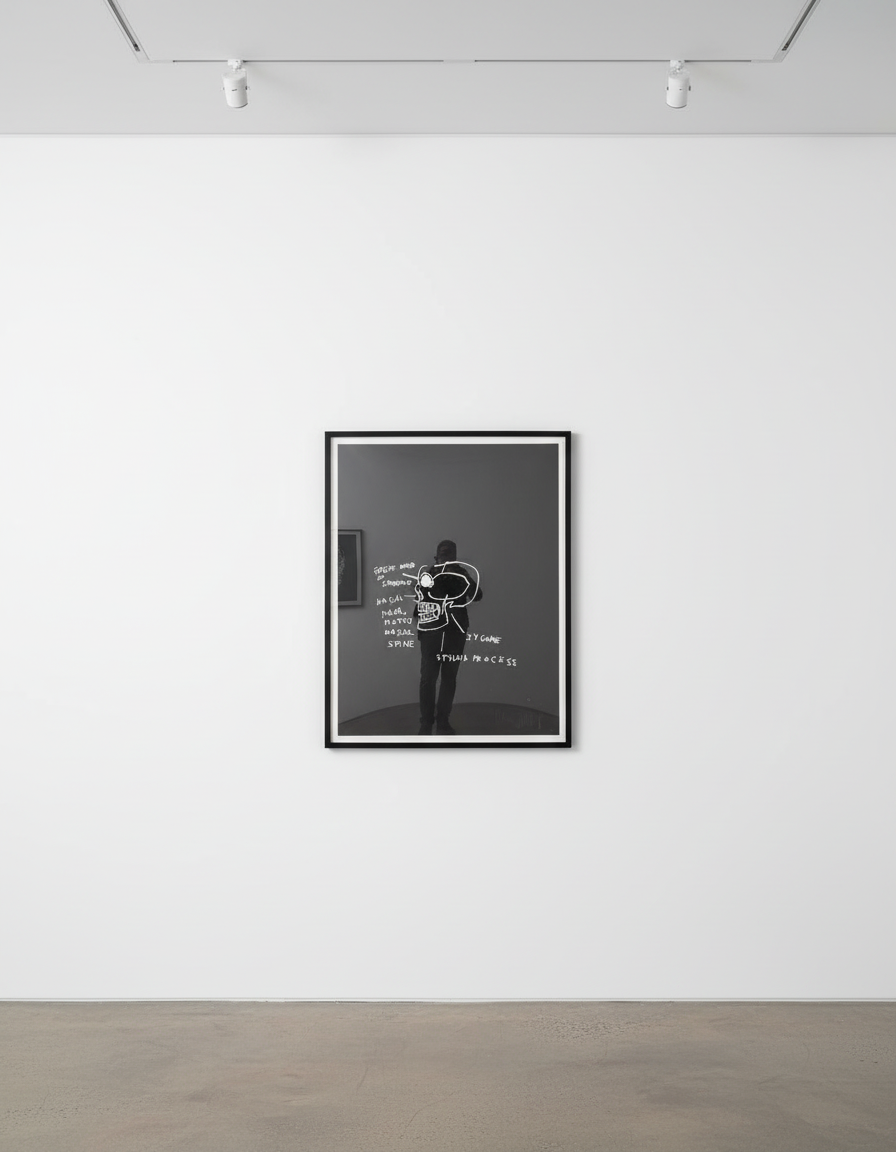
Anatomy

In May 2017, Untitled (1982) by Jean-Michel Basquiat sold at Sotheby's in New York for $110.5 million. The result was not merely a record - it was a structural shift in how the market values postwar American art. With that single evening sale, Basquiat formally entered the highest echelon of twentieth-century masters, competing directly with canonical figures whose markets function as generational asset classes rather than cyclical trends.
For collectors, the importance of that moment lies less in the number itself and more in the pattern it confirmed. The painting distilled every attribute that the most sophisticated buyers consistently reward: peak-year execution, intellectual density, iconic imagery, monumentality, and institutional validation. When studied carefully, Untitled (1982) becomes not a headline but a blueprint for understanding what drives value in the Jean-Michel Basquiat market - and why his position continues to strengthen with each passing decade.
The record-setting painting emerged from 1982 - a year that dominates Basquiat's highest auction results with remarkable consistency. This dominance is not anecdotal; it reflects a broad market consensus that 1982 represents the full articulation of his visual language. During this period, Basquiat fused street energy with art-historical literacy at a scale and intensity he would never replicate. The canvases from this year possess a particular urgency - raw yet deliberate, chaotic yet structurally sophisticated.
Data from Sotheby's and Christie's confirms the pattern. Works from 1981-1983 consistently achieve the highest hammer prices, with 1982 functioning as the apex. Collectors pursuing Jean-Michel Basquiat at the highest levels understand this chronological premium implicitly. The $110.5 million result did not create this hierarchy; it validated what informed buyers had recognised for years.
What distinguishes the 1982 works is their synthesis of influences that Basquiat would later separate or dilute. The skull imagery, the anatomical references, the layered text, the aggressive mark-making - all converge with an energy that feels simultaneously controlled and explosive. This is the Basquiat that institutions acquire for permanent collections, and consequently, the Basquiat that private collectors compete for most intensely.
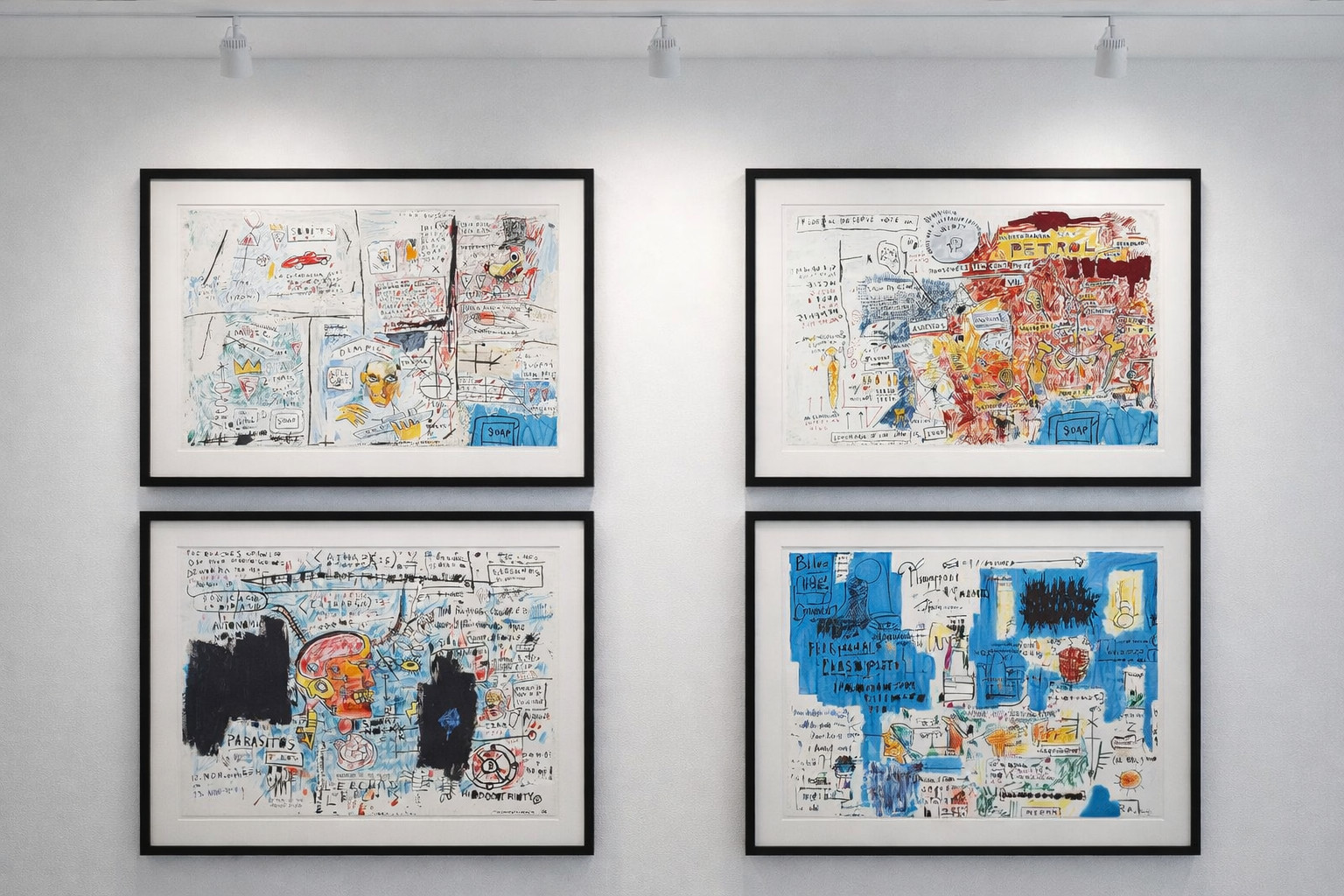
Great Wind of Sphenoid, from Anatomy — Jean-Michel Basquiat. Available at Guy Hepner, New York.
Central to understanding the $110.5 million painting - and the broader Jean-Michel Basquiat market - is recognising how the artist transformed anatomical imagery into a vehicle for exploring identity, mortality, and systemic power. The skull that dominates Untitled (1982) is not decorative symbolism. It emerges from Basquiat's deep engagement with Gray's Anatomy, a text he absorbed after a childhood accident left him hospitalised, and which his mother gifted him during recovery.
This biographical detail matters because it explains the intellectual foundation beneath the seemingly spontaneous surfaces. Basquiat's anatomical works function as self-portraits and cultural critiques simultaneously. The exposed skeletal structures speak to vulnerability and mortality, while the aggressive application of paint asserts presence and defiance. For collectors, this duality represents precisely the kind of conceptual depth that sustains long-term value.
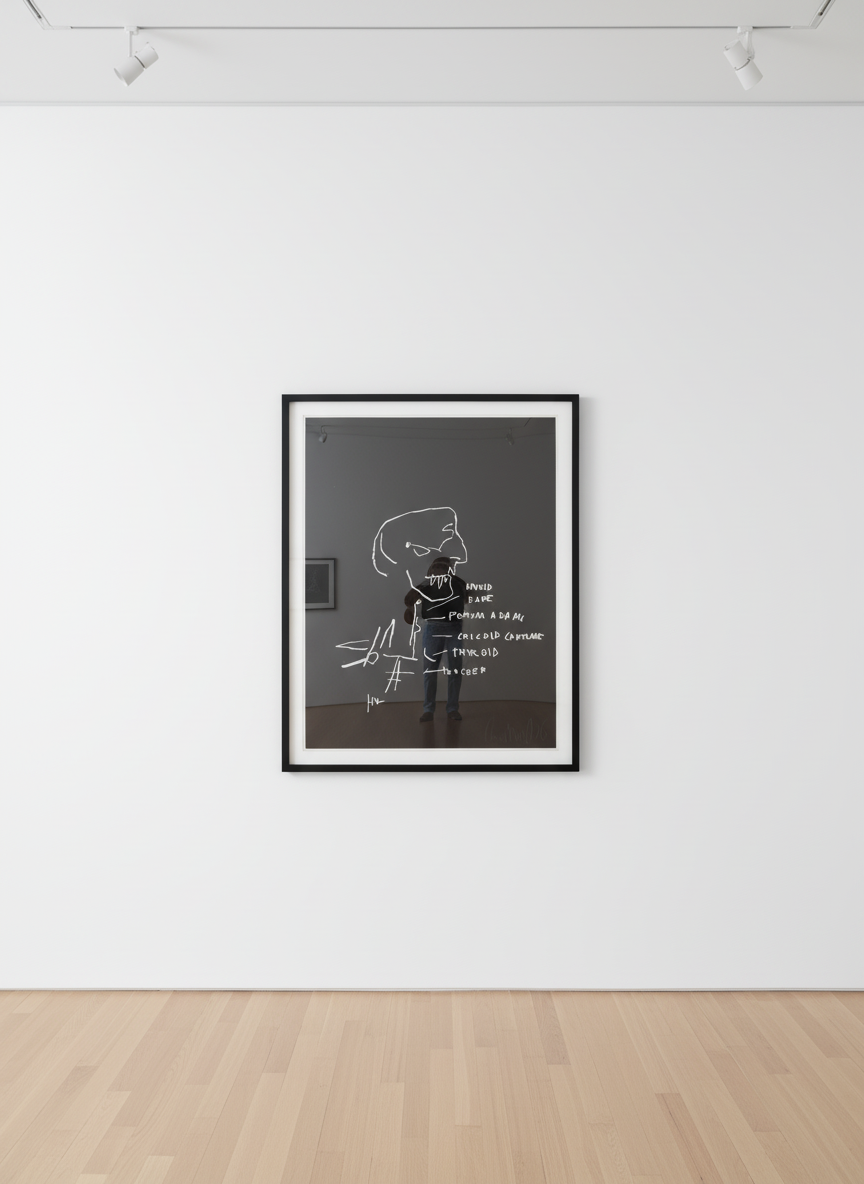
The anatomical theme runs throughout Basquiat's most sought-after works, appearing in paintings, drawings, and prints across his brief but prolific career. His Anatomy series demonstrates this investigation at its most focused, rendering the body's internal architecture with the same raw energy he applied to street imagery and jazz references. These works connect directly to the visual vocabulary that made the $110.5 million painting so compelling to its buyer.
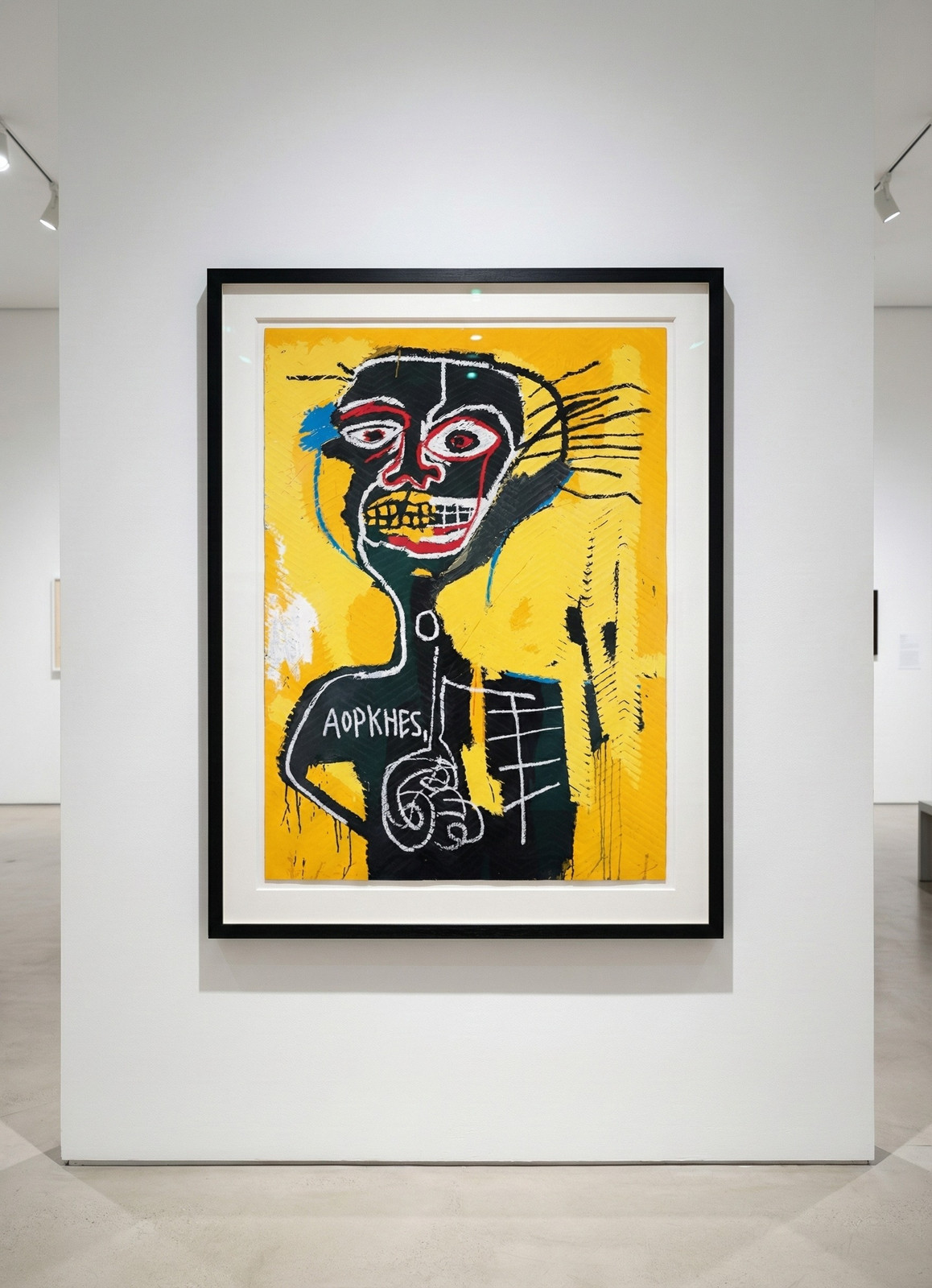
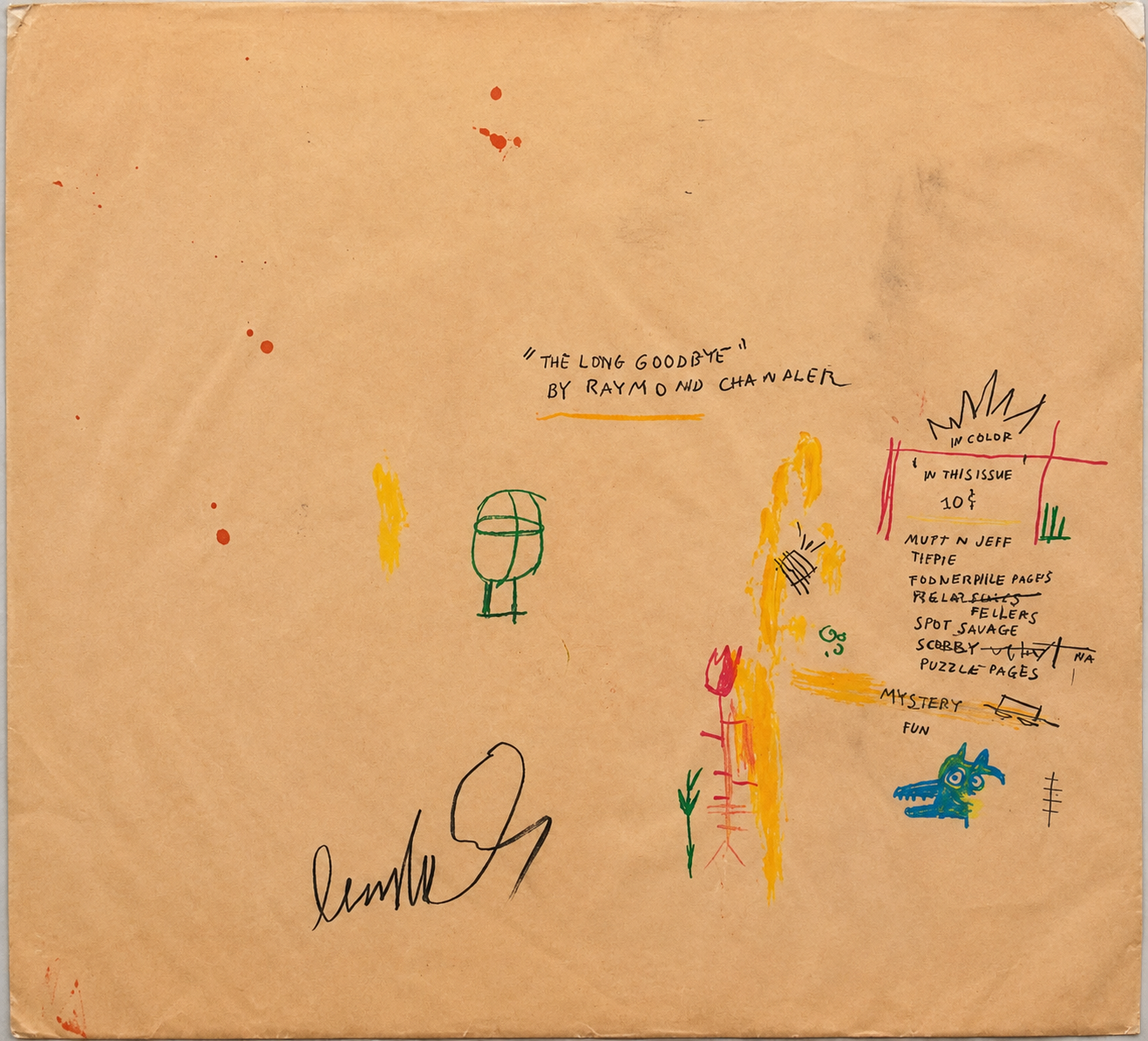
Cabeza, from Portfolio Ii — Jean-Michel Basquiat. Available at Guy Hepner, New York.
The 2017 sale represented more than a personal record for Jean-Michel Basquiat - it repositioned the artist within the broader hierarchy of postwar art. According to analysis from Art Basel and UBS, Basquiat has consistently ranked among the top-selling artists globally in the years since, with his market demonstrating resilience even during periods of broader contraction.
What distinguishes Basquiat's market from other contemporary artists is the relationship between auction performance and institutional presence. Major retrospectives at the Fondation Louis Vuitton, the Barbican, and numerous American museums have introduced his work to new audiences while reinforcing his canonical status. This institutional momentum creates a virtuous cycle: museum exhibitions validate collector interest, which drives auction results, which in turn attracts further institutional attention.
For collectors considering Jean-Michel Basquiat today, the $110.5 million result functions as both ceiling and foundation. It establishes the theoretical maximum for exceptional works while simultaneously legitimising the entire market beneath it. Works on paper, prints, and collaborative pieces all benefit from the halo effect of that single transformative sale.
Christie's and Sotheby's continue to present major Basquiat works in their flagship evening sales - a placement reserved for artists whose results can anchor an entire auction. This positioning reflects confidence in sustained demand across collecting categories, from first-time buyers seeking accessible entry points to established collectors pursuing museum-quality canvases.
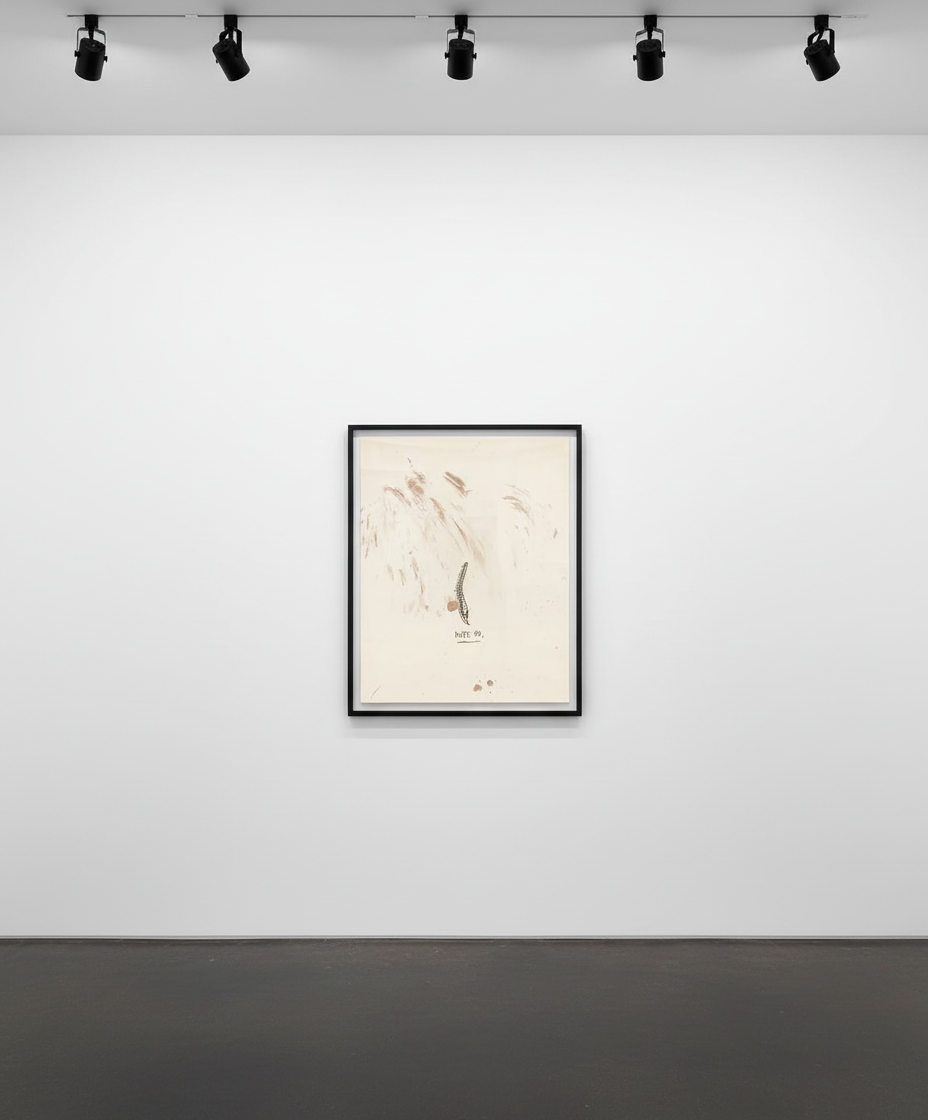
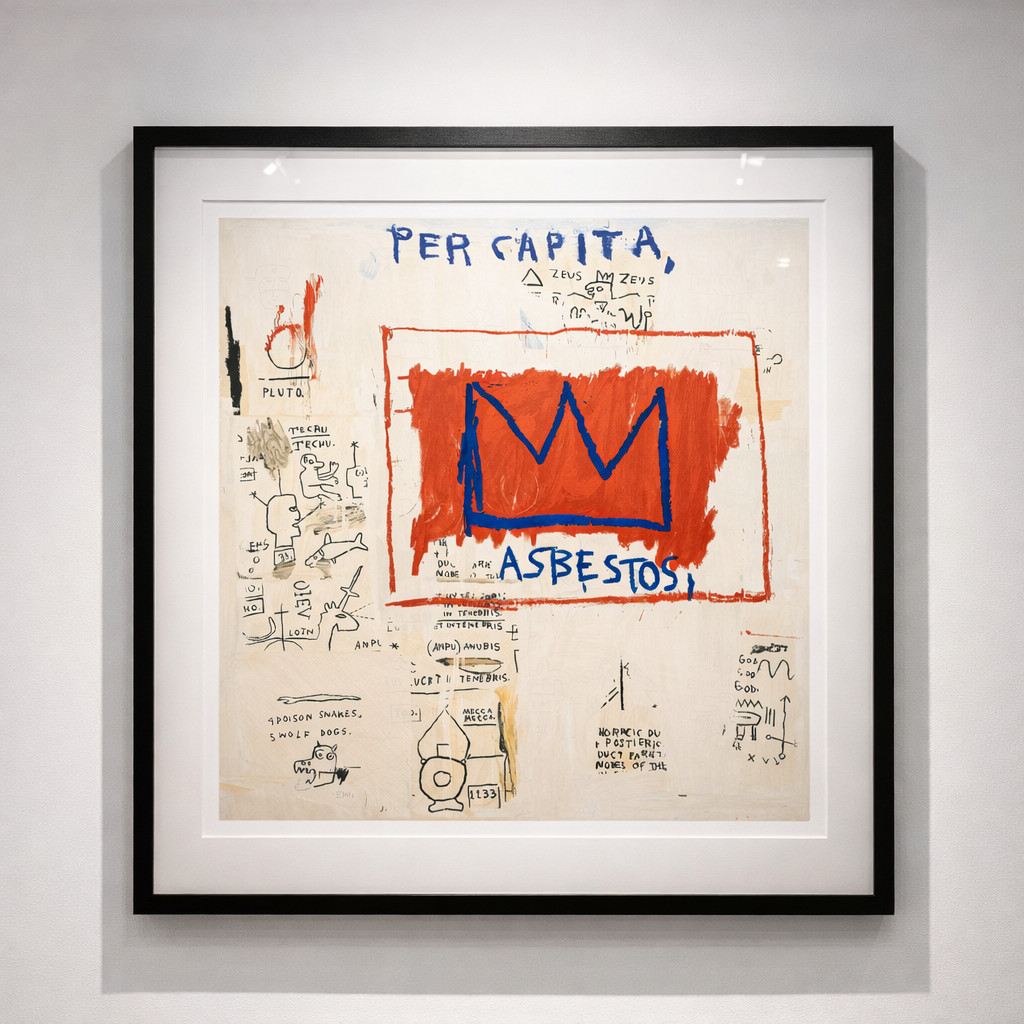
Untitled 4 (from Leonardo) — Jean-Michel Basquiat. Available at Guy Hepner, New York.
What explains the persistent demand for Jean-Michel Basquiat among today's collectors? The answer lies in an unusual combination of factors that few artists possess simultaneously. Basquiat offers intellectual credibility validated by decades of scholarly analysis, visual impact that functions across multiple scales, cultural relevance that continues to deepen rather than diminish, and a finite supply constrained by his tragically brief career.
The artist's exploration of race, power, and American identity resonates with contemporary audiences in ways that feel urgent rather than historical. His references to jazz, boxing, and Black history connect to ongoing cultural conversations, ensuring that new collectors encounter his work not as artifact but as living commentary.
For those building significant collections, Basquiat represents a rare opportunity: an artist whose market has matured sufficiently to offer stability, yet whose cultural importance continues to expand. The $110.5 million painting proved that the ceiling remains undefined - and that serious collectors recognise value that transcends any single transaction.
Guy Hepner maintains access to authenticated works by Jean-Michel Basquiat, including prints, works on paper, and select unique pieces from important private collections. Our advisory team provides comprehensive acquisition support - from authentication verification to market analysis - ensuring that each purchase aligns with both collecting vision and investment objectives. For collectors seeking to acquire Basquiat at any level, Guy Hepner offers the expertise and inventory access that this demanding market requires. Contact our New York gallery to discuss currently available works and upcoming opportunities.
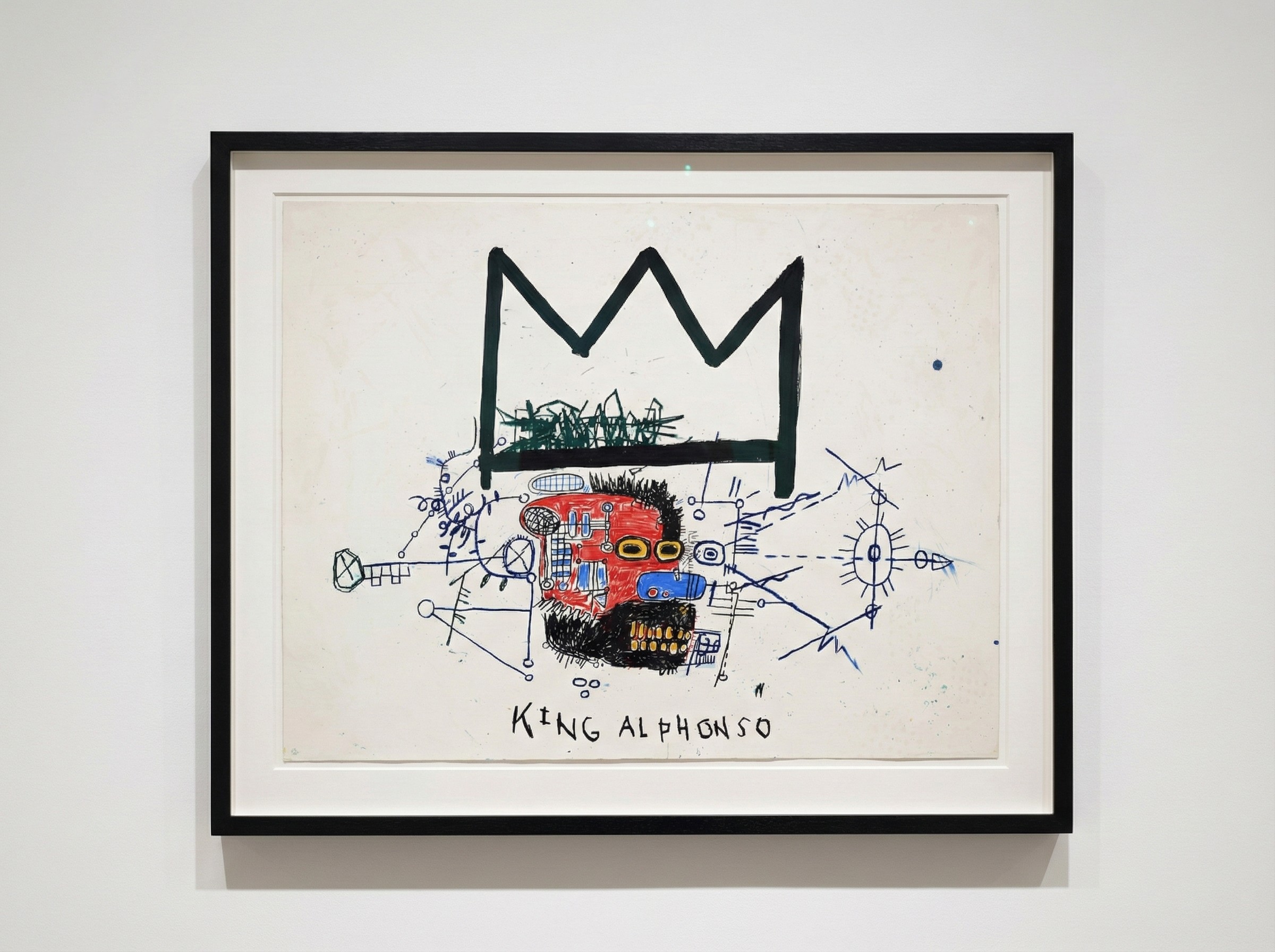
Explore Jean Michel Basquiat prints for sale at Guy Hepner: Anatomy, Daros Suite, Estate Prints, King Alphonso, Original Works.
Related Series