Anatomy


Few artists have reshaped the visual and cultural language of the late 20th century as powerfully as Jean-Michel Basquiat. In a brief yet incandescent career spanning just eight years, Basquiat transformed street iconography into museum-worthy fine art, redefined the role of Black identity in Western painting, and bridged the worlds of graffiti, jazz, poetry, and high fashion. His canvases pulsate with raw energy, intellectual depth, and an urgent commentary on race, power, and mortality that remains strikingly relevant today. According to the Art Basel and UBS Art Market Report, works by Jean-Michel Basquiat consistently rank among the highest-selling pieces by American artists, with his paintings regularly achieving eight-figure results at major auction houses. This comprehensive guide explores the essential themes, symbols, and cultural forces that define Basquiat's enduring legacy and explain why collectors worldwide continue to pursue his work with extraordinary passion.
Jean-Michel Basquiat's obsession with anatomy stemmed from a formative childhood experience that would permanently shape his artistic vision. After being struck by a car at age seven in Brooklyn, the young Basquiat spent months recovering from serious injuries, including a ruptured spleen. During his convalescence, his mother gifted him a copy of Gray's Anatomy, the seminal medical textbook filled with detailed illustrations of the human body. This book became a profound influence, and anatomical references - bones, skulls, musculature, internal organs, and skeletal structures - emerged as recurring symbols throughout his paintings.
These anatomical elements function on multiple levels within Basquiat's work. They serve as metaphors for human vulnerability and mortality, as commentaries on racial visibility and the Black body in Western art history, and as connections to his interest in medical knowledge systems. In masterworks such as Untitled (Skull) from 1981 and Flexible from 1984, dissected figures appear simultaneously human and divine, exposing the fragility beneath societal myths while asserting the dignity of Black existence. The exposed interior becomes a site of revelation rather than violation, transforming clinical imagery into spiritual documentation.
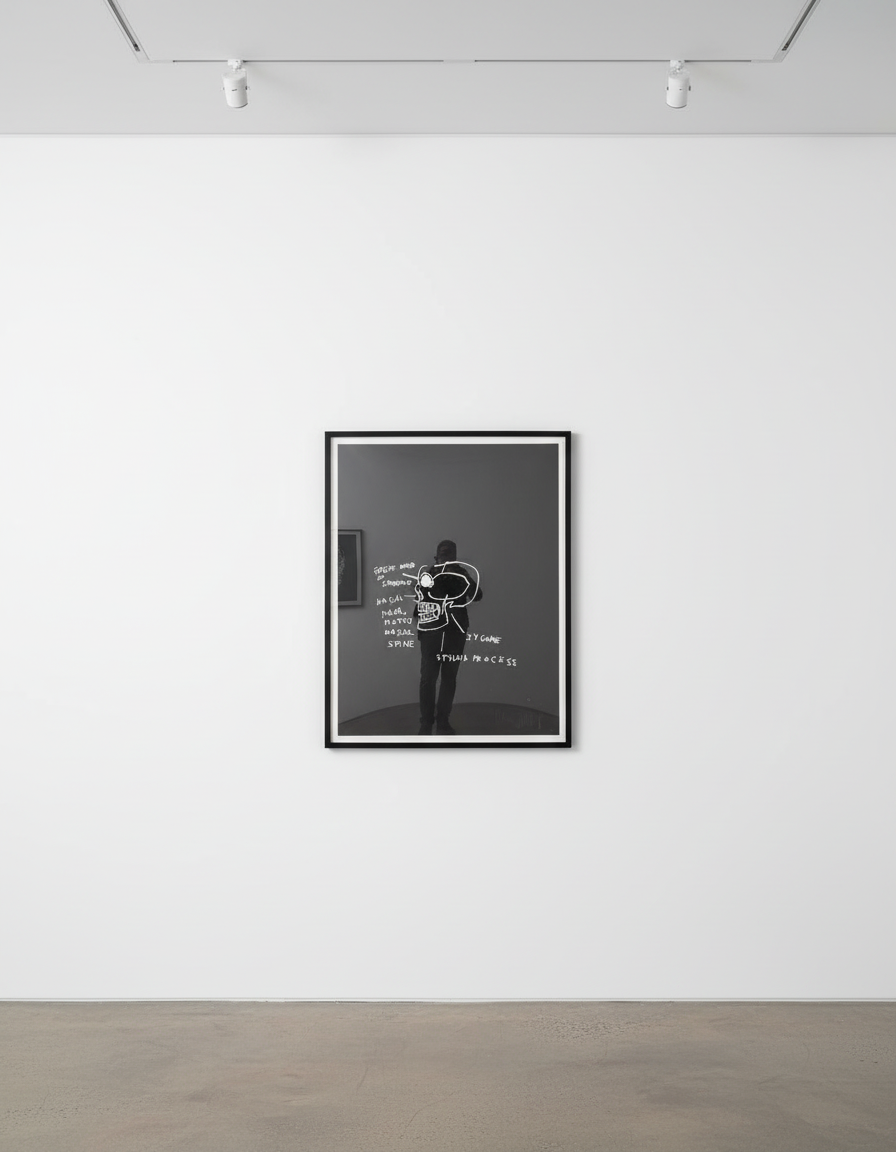
Basquiat's Anatomy portfolio, created in collaboration with Andy Warhol in 1982, represents a particularly significant exploration of these themes. Works from this series demonstrate his ability to synthesize medical illustration with his signature neo-expressionist style, creating pieces that feel both scientifically precise and emotionally raw.
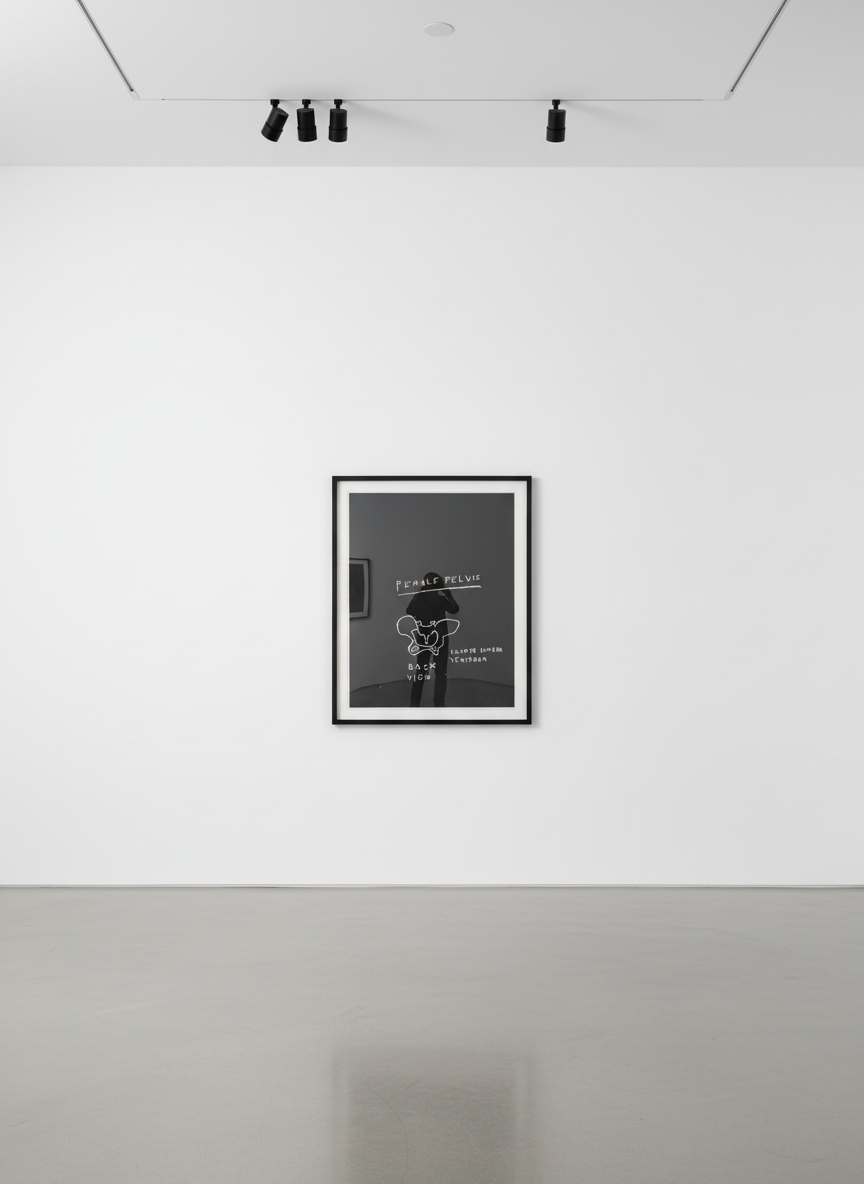
Female Pelvis, Back View, from Anatomy — Jean-Michel Basquiat. Available at Guy Hepner, New York.
The Anatomy works reveal Basquiat's sophisticated understanding of art historical traditions. By depicting the interior body, he joined a lineage stretching from Renaissance anatomical studies through Francis Bacon's contorted figures, yet his approach remained distinctly his own - infused with street culture aesthetics and pointed racial commentary.
Central to Jean-Michel Basquiat's artistic mission was a profound engagement with Black identity, history, and representation. As one of the first African-American artists to achieve international superstar status in the predominantly white contemporary art world, Basquiat used his platform to challenge systemic racism while celebrating Black cultural achievement. His canvases became battlegrounds where he contested centuries of erasure and stereotyping.
Basquiat populated his paintings with Black heroes - jazz musicians like Charlie Parker and Dizzy Gillespie, boxers such as Sugar Ray Robinson and Joe Louis, and historical figures including Egyptian pharaohs and Haitian revolutionary Toussaint L'Ouverture. By crowning these figures with his signature three-pointed crown motif, Basquiat insisted on their royalty and importance, countering narratives that had long marginalized Black contributions to civilization. The recurring copyright symbol in his work underscored his awareness of cultural appropriation and his determination to claim ownership of Black creative expression.
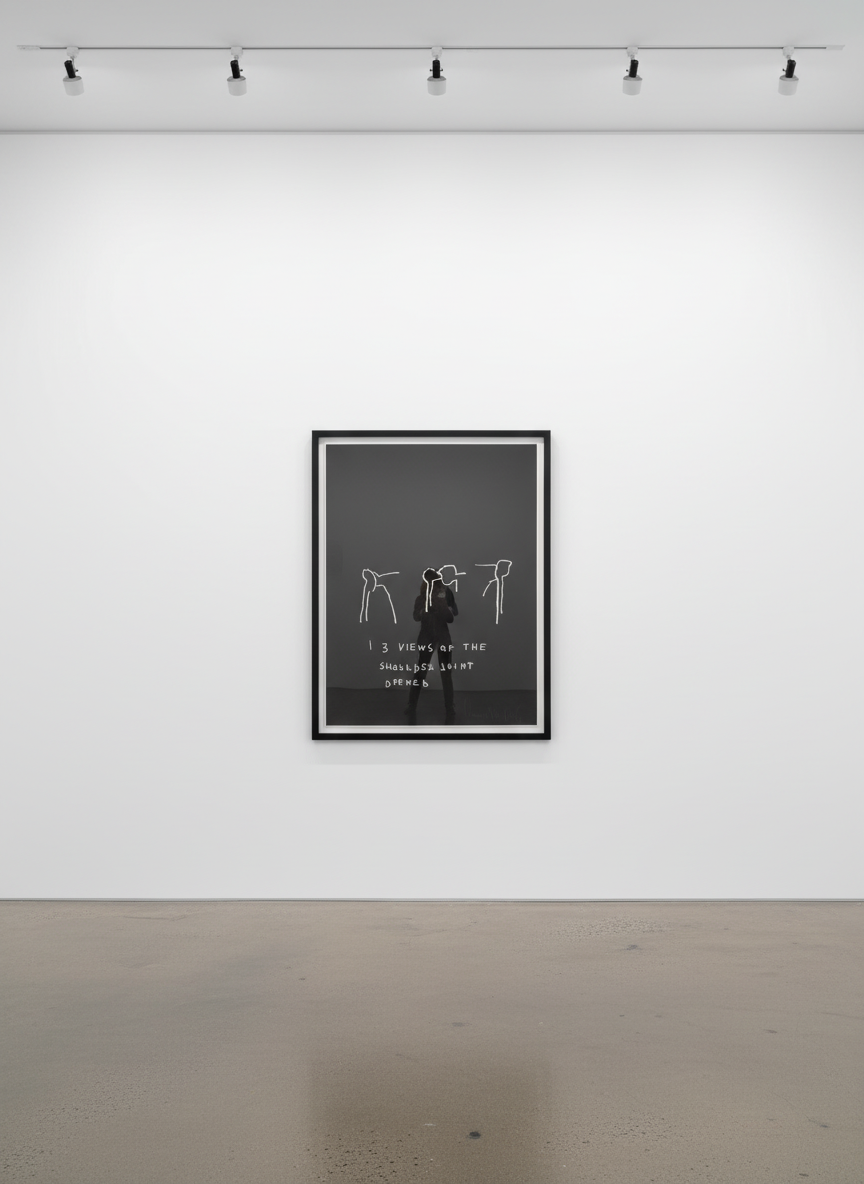
Three Views of The Shoulder Joint Opened, from Anatomy — Jean-Michel Basquiat. Available at Guy Hepner, New York.
His technique itself embodied this reclamation. The graffiti-influenced mark-making, the deliberate crossing out of words to draw attention to them, and the layering of cultural references created what scholars describe as a visual vocabulary of resistance. Basquiat understood that visibility in the art world carried political weight, and he wielded that visibility strategically.
The market for Jean-Michel Basquiat's work has achieved extraordinary heights, establishing him as one of the most valuable artists of any era. In 2017, his Untitled painting from 1982 sold at Sotheby's for $110.5 million, setting a record for any American artist at auction. Christie's has similarly achieved remarkable results for Basquiat's work, with multiple paintings exceeding $50 million. These figures reflect not merely speculative enthusiasm but genuine recognition of Basquiat's art historical importance.
According to analysis from the Art Basel and UBS Art Market Report, Basquiat's market demonstrates remarkable resilience and consistent growth. His works appeal to a diverse collector base spanning traditional art collectors, contemporary art enthusiasts, and those drawn to his cultural significance. The artist's relatively limited output - he produced approximately 600 paintings and 1,500 drawings before his death at age 27 - creates inherent scarcity that intensifies demand.
Great Wind of Sphenoid, from Anatomy — Jean-Michel Basquiat. Available at Guy Hepner, New York.
For collectors, acquiring a Basquiat represents more than a financial investment. It means owning a piece of art history that speaks to enduring questions about race, identity, creativity, and the American experience. His work bridges street culture and institutional acceptance, making it particularly meaningful to collectors who value both aesthetic innovation and cultural relevance.
Guy Hepner gallery offers discerning collectors the opportunity to acquire authenticated works by Jean-Michel Basquiat, including pieces from his celebrated Anatomy portfolio. Our expertise in the secondary market for blue-chip contemporary art ensures that clients receive comprehensive guidance on provenance, condition, and investment potential. To inquire about available Jean-Michel Basquiat works or to discuss building a collection that includes this transformative artist, contact Guy Hepner directly for a private consultation.
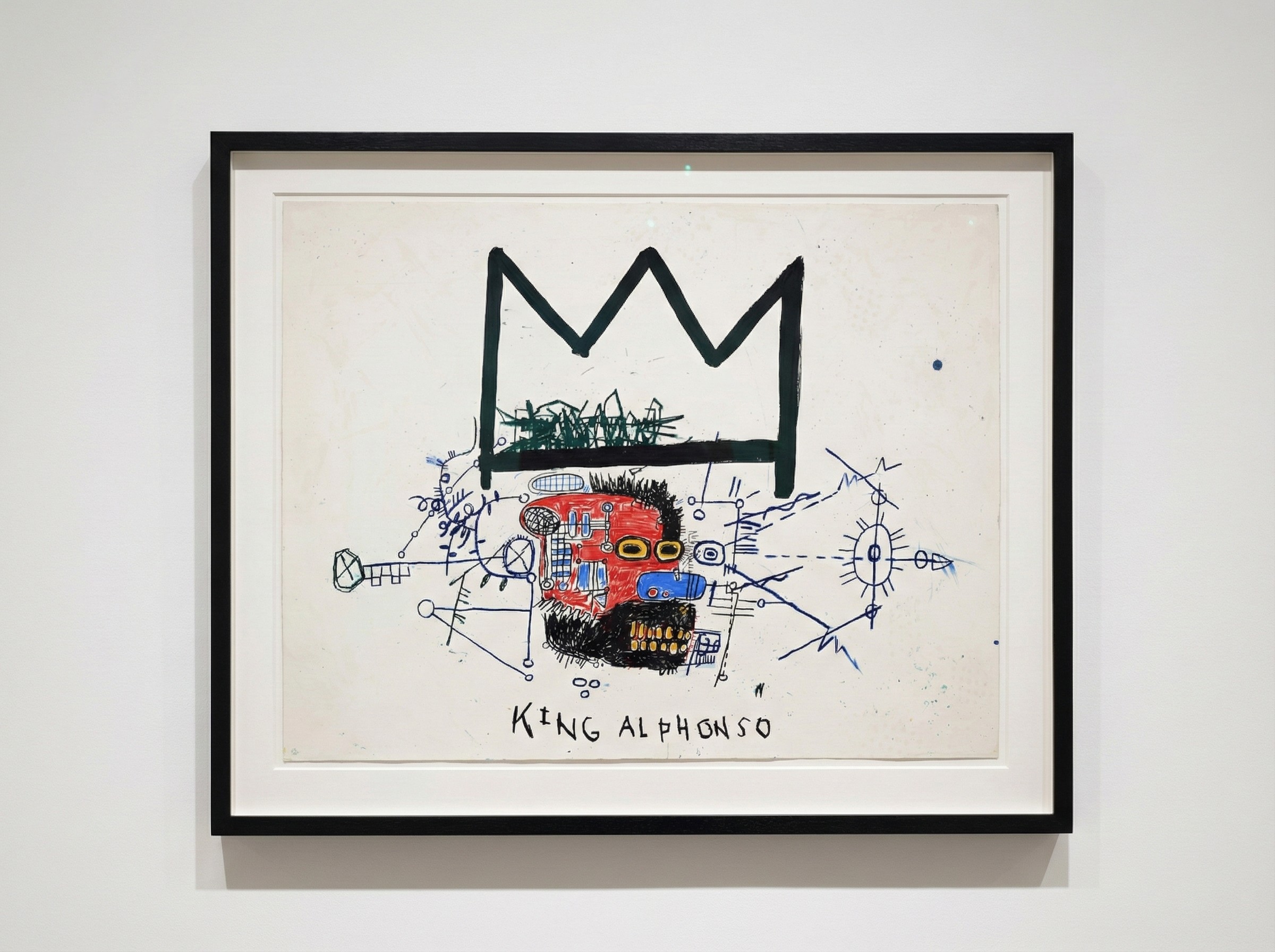
--- **Browse Jean-Michel Basquiat prints and editions** at Guy Hepner: [Basquiat art for sale](/jean-michel-basquiat) | [Sell your Basquiat](/sell/jean-michel-basquiat)Explore Jean Michel Basquiat prints for sale at Guy Hepner: Anatomy, Daros Suite, Estate Prints, King Alphonso, Portfolio I.
Related Series