Bagdad

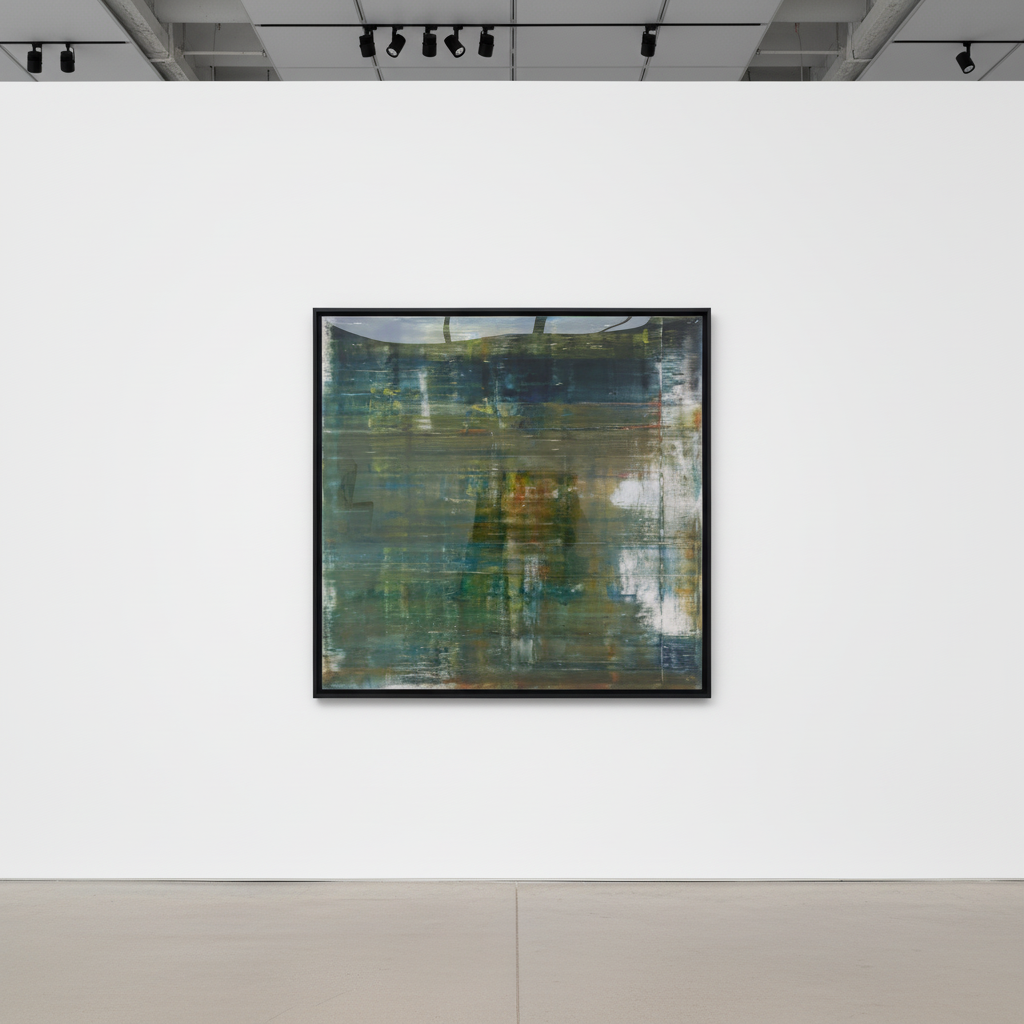
Gerhard Richter occupies a singular position in the history of post-war art, not simply because his paintings command extraordinary market attention, but because his practice fundamentally reshaped how images are understood, produced, and consumed in the contemporary era. Born in Dresden in 1932 and trained under the dogmatic regime of Socialist Realism before escaping to West Germany in 1961, Richter's life and work are inseparable from the ideological fissures that defined Europe in the mid-twentieth century. His art grapples with the profound instability of representation - how images mediate memory, shape perception, and simultaneously obscure and fabricate truth.
For collectors seeking to acquire works by one of the most significant living artists, understanding how to collect Gerhard Richter requires navigating a complex landscape of editions, prints, and paintings that span over six decades of relentless experimentation. His practice encompasses a remarkable range of styles: from blurred photo-paintings and forensic portraits to sublime abstractions, colour charts, squeegee works, glass objects, and photographic multiples. Rather than treat this stylistic plurality as contradiction, Richter approached each shift as a form of research, interrogating the boundaries between painting and photography, chance and intention, realism and skepticism.
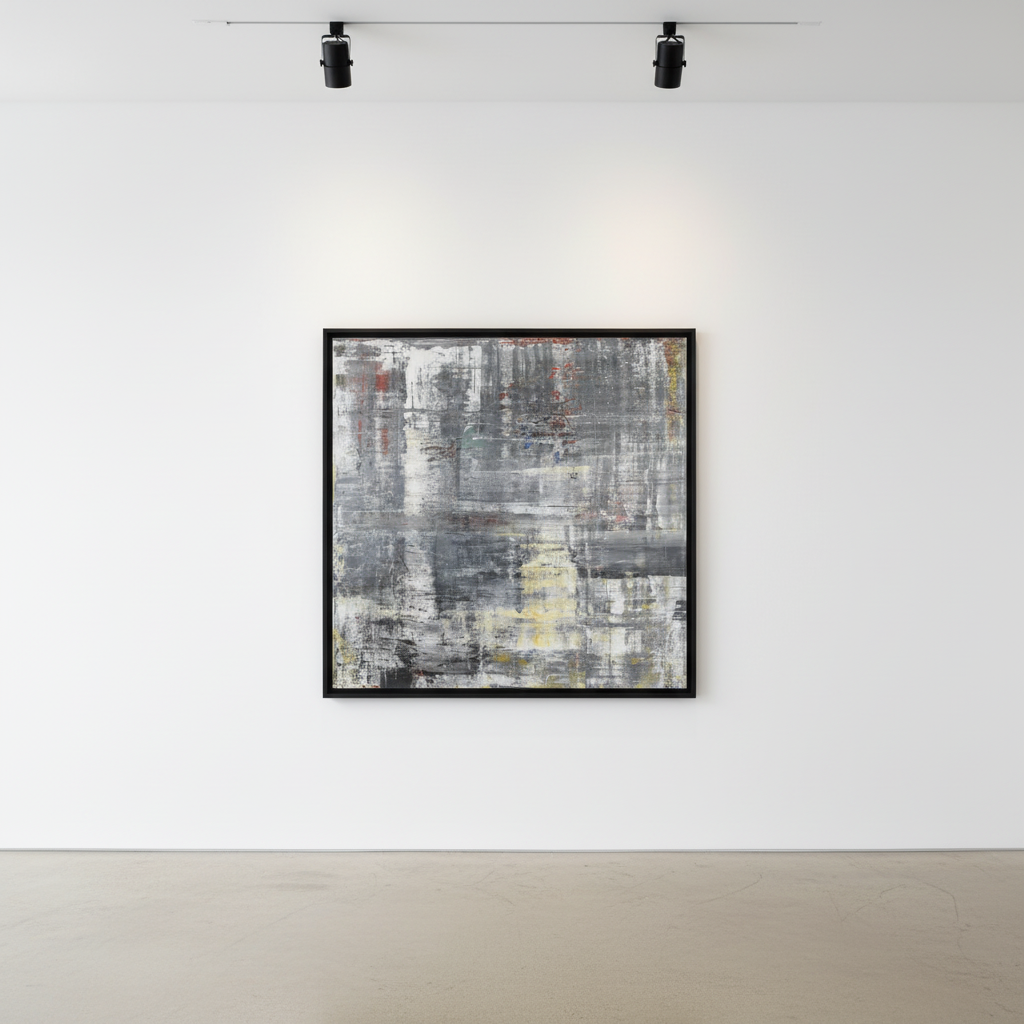
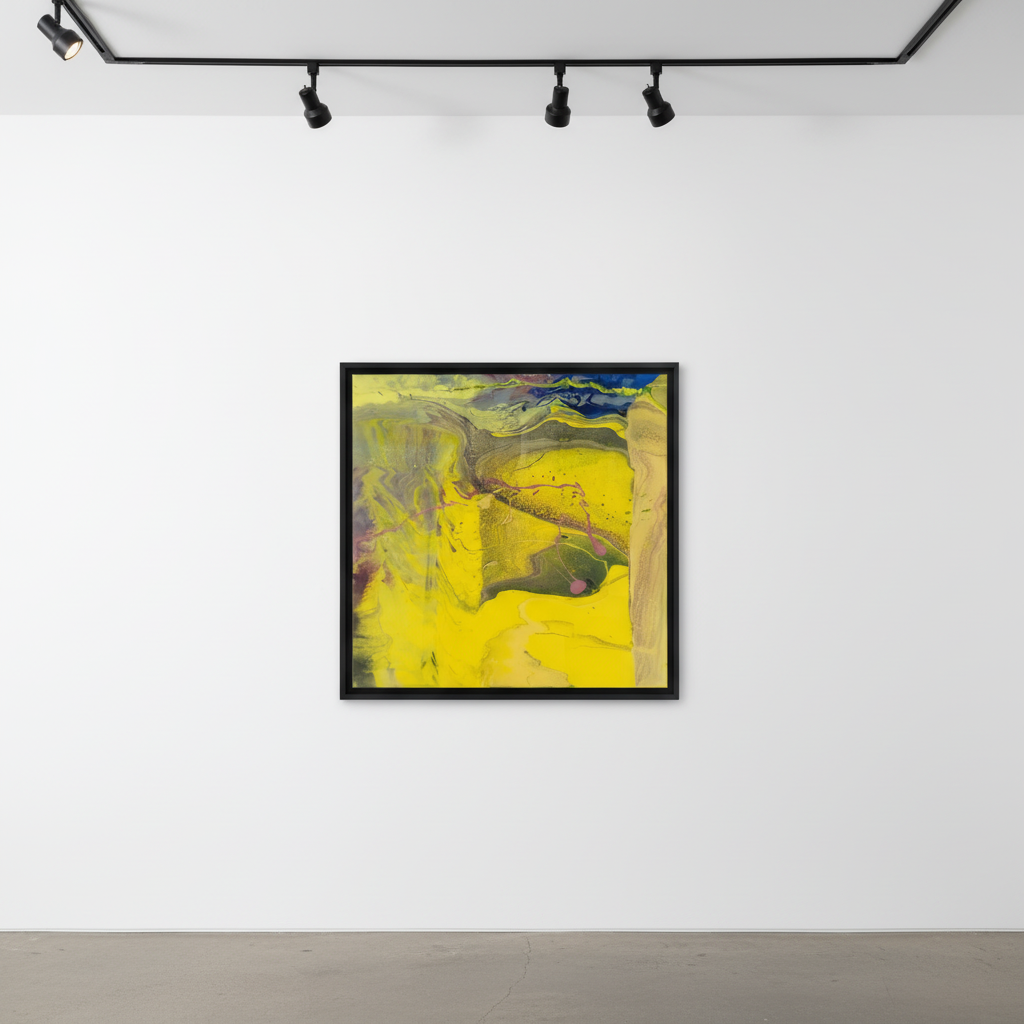
Cage: P19-5 — Gerhard Richter. Available at Guy Hepner, New York.
Richter's practice stands at the crossroads of Pop Art, Minimalism, Conceptualism, and Abstract Expressionism while belonging fully to none of these movements. This deliberate resistance to categorisation has made his work both critically celebrated and endlessly debated. His photo-paintings, begun in the early 1960s, challenged the supremacy of photography as a truthful medium by introducing deliberate blurring and painterly intervention. Works such as his iconic portraits and landscapes appear simultaneously familiar and estranged, forcing viewers to confront the constructed nature of visual representation.
The abstract paintings that emerged from the 1970s onward represent another dimension of Richter's investigation into image-making. Using large squeegees to drag, smear, and layer pigment across canvases, Richter introduced controlled chance into his process. The resulting works pulse with chromatic intensity and spatial ambiguity, their surfaces revealing and concealing previous layers of paint in a geological accumulation of mark-making. These abstractions reject the expressionist notion of painting as emotional discharge while simultaneously producing works of undeniable visual power.
His Cage series, named after the experimental composer John Cage, exemplifies this mature period of abstraction. Created in 2006, these works translate Cage's principles of indeterminacy and structured randomness into visual form. The prints derived from this series - including the Cage: P19 editions - offer collectors access to Richter's abstract vocabulary through meticulously produced giclée prints that capture the luminous complexity of the original paintings.
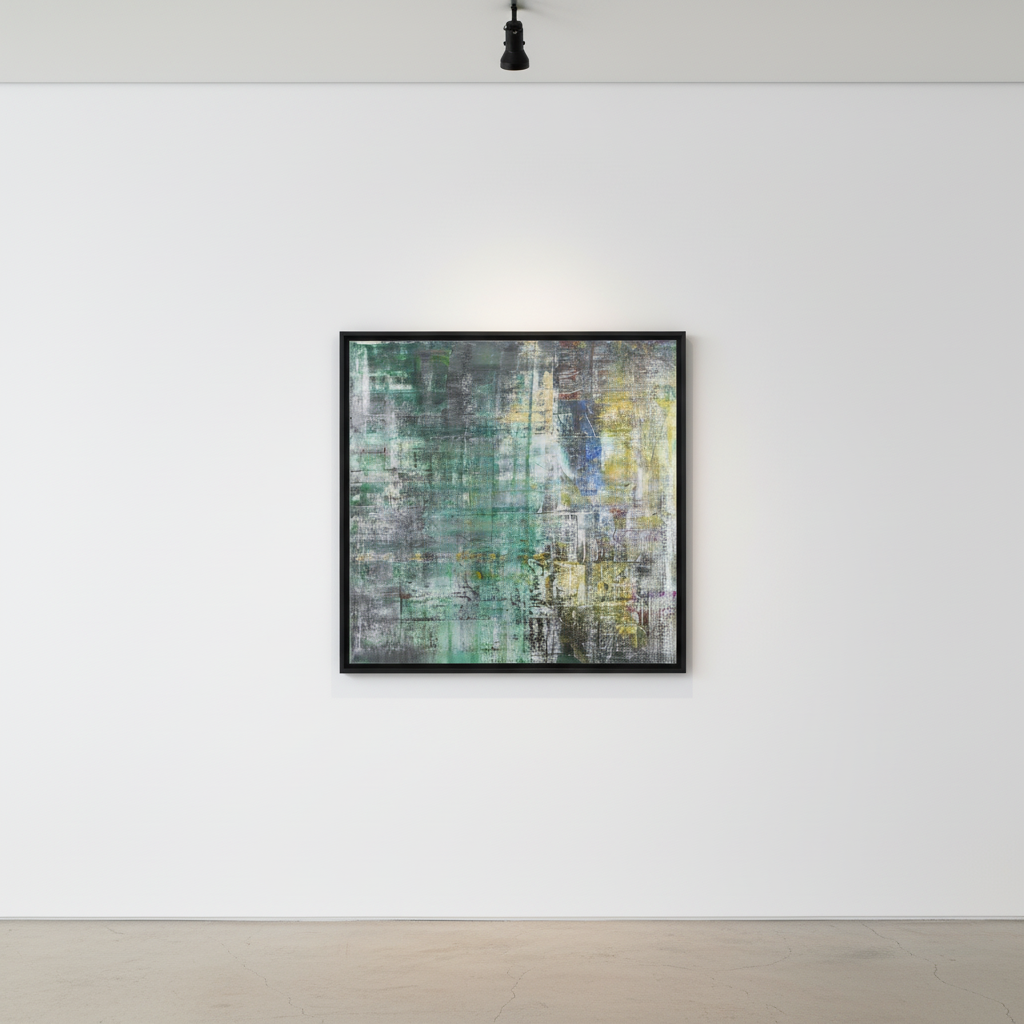
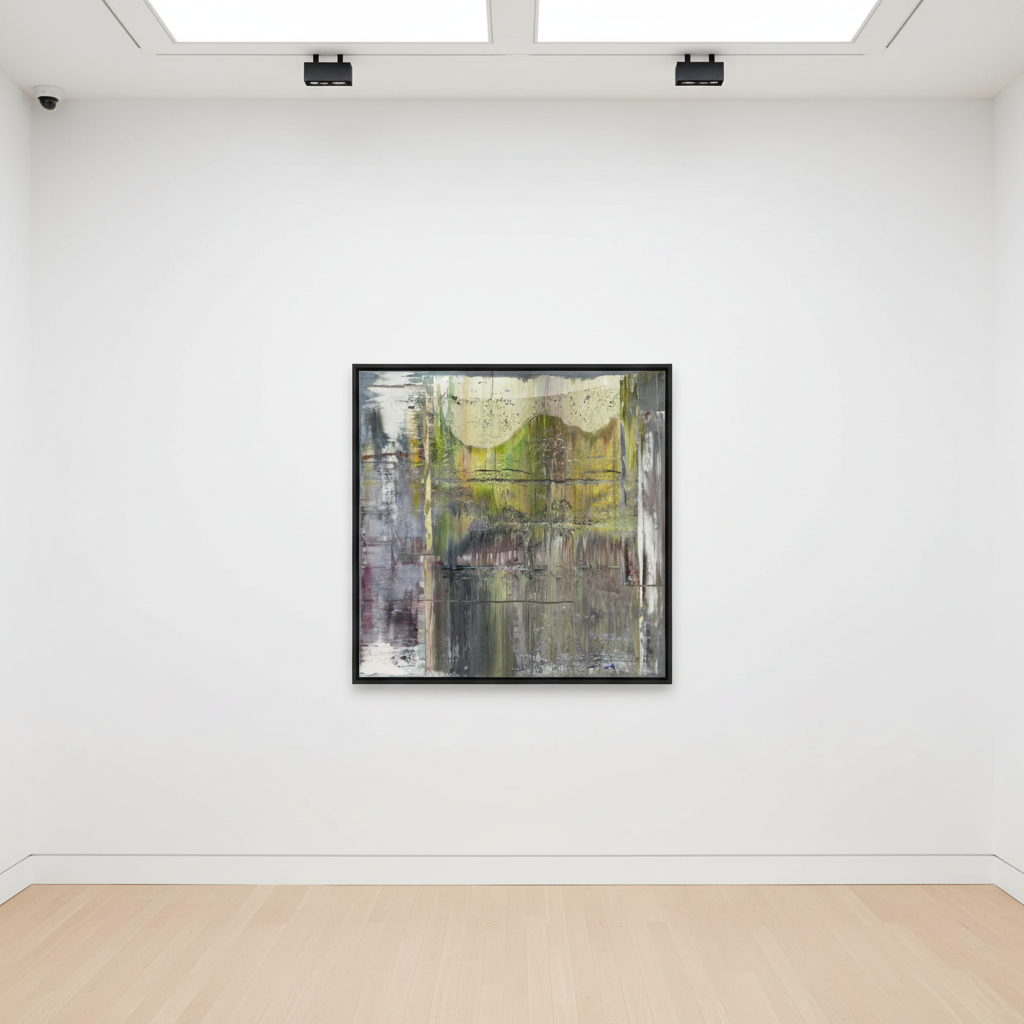
Cage: P19-6 — Gerhard Richter. Available at Guy Hepner, New York.
According to data tracked by Christie's and Sotheby's, Gerhard Richter consistently ranks among the highest-selling living artists at auction. His paintings have achieved results exceeding $40 million at major evening sales, while his editions and prints maintain strong demand across all price levels. The Art Basel and UBS Global Art Market Report has repeatedly identified Richter as a bellwether artist whose market performance reflects broader trends in post-war and contemporary collecting.
The strength of Richter's market stems from several factors that collectors should understand. First, his critical reputation remains unassailable - major retrospectives at institutions worldwide have cemented his canonical status. Second, his output, while substantial, is finite and increasingly held in museum collections, creating natural scarcity. Third, the diversity of his practice means collectors can enter at various price points, from affordable editions to museum-quality paintings.
Editions and prints represent a particularly compelling entry point for collectors learning how to collect Gerhard Richter. Throughout his career, Richter has produced carefully controlled editions that extend his painterly investigations into reproducible formats. Unlike many artists who treat prints as secondary to their primary practice, Richter approaches editions with the same rigorous attention that characterises his paintings. The Cage: P19 series demonstrates this commitment - each print captures the layered complexity of the original abstractions while existing as an autonomous work worthy of serious collection.
Collectors approaching Richter's work should consider several strategic factors. Provenance matters significantly - works with clear exhibition histories and documentation from established galleries command premium prices and ensure long-term value retention. Condition is equally critical, particularly for works on paper, which require proper framing and climate-controlled storage.
Understanding the relationship between Richter's editions and his unique works provides essential context. The Cage prints, for instance, derive from paintings that represent a culmination of Richter's abstract practice. Acquiring these prints means participating in the conceptual framework of one of his most celebrated series. For collectors who may never access the original paintings - most now held in permanent museum collections - the editions offer meaningful connection to Richter's artistic vision.
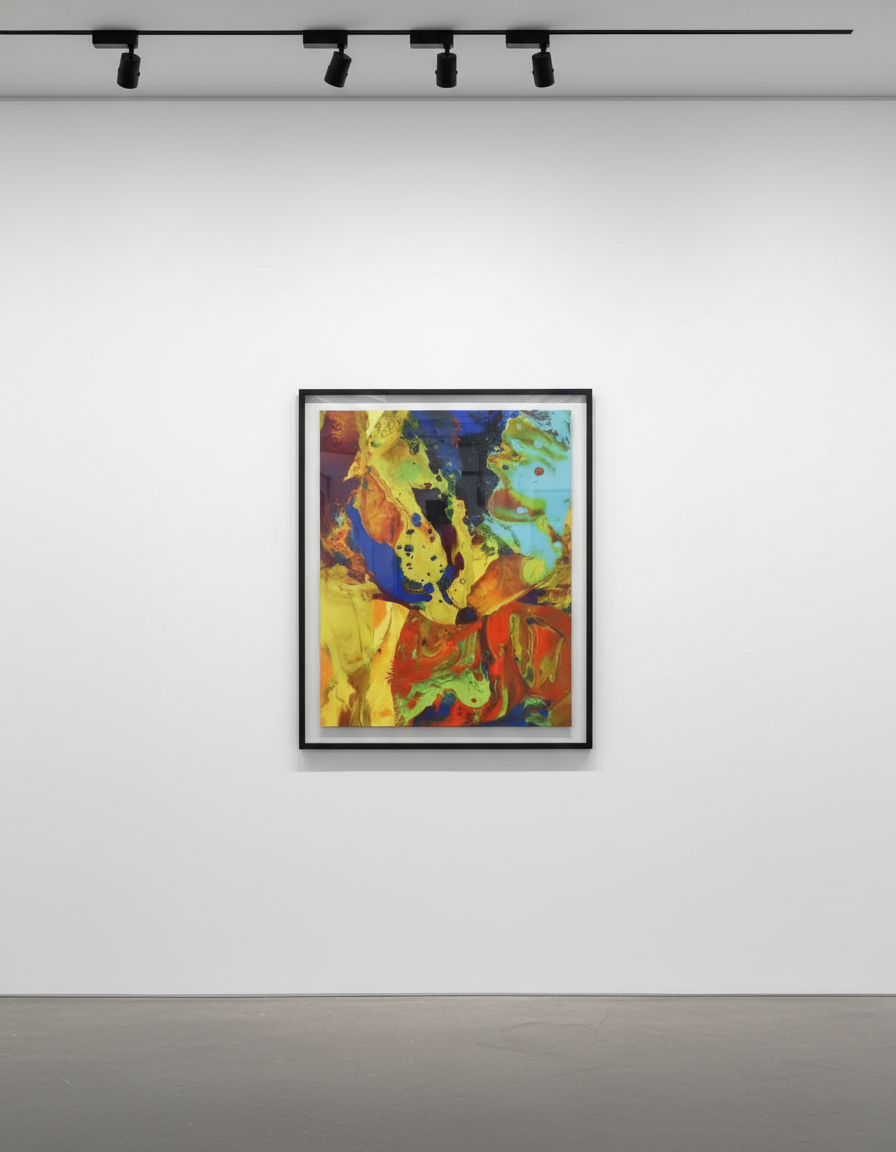
Cage: P19-1 — Gerhard Richter. Available at Guy Hepner, New York.
Timing also plays a role in collection building. As Richter, now in his nineties, produces fewer new works, the market increasingly focuses on historical pieces and existing editions. The Art Basel and UBS reports indicate sustained institutional and private demand for post-war German art, with Richter serving as the category's defining figure. Collectors who establish positions now benefit from both current enjoyment and potential long-term appreciation.
Guy Hepner maintains an exceptional selection of Gerhard Richter editions and prints, including works from the highly sought-after Cage: P19 series. Our expertise in post-war and contemporary masters positions us to guide collectors through the nuances of acquiring Richter's work - from authentication and provenance verification to framing recommendations and collection placement. Whether you are building a focused Richter collection or seeking a single exemplary work, Guy Hepner offers the knowledge, inventory, and discretion that serious collectors require. Contact our advisory team to explore available Gerhard Richter works and begin your collecting journey with one of the most consequential artists of our time.
Explore Gerhard Richter prints for sale at Guy Hepner: Bagdad, Cage, Flow, Other Editions.
Related Series