Bagdad

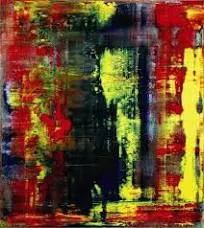
Gerhard Richter stands as one of the most significant and intellectually rigorous artists of the post-war era, commanding a position of unparalleled influence in contemporary art discourse. Born in Dresden in 1932, Richter's artistic journey spans more than six decades, during which he has systematically interrogated the nature of painting, perception, and the reliability of images in modern consciousness. His work represents a sustained meditation on what painting can achieve in an age saturated with photography, media imagery, and digital reproduction - questions that remain profoundly relevant to collectors and institutions worldwide.
What distinguishes Richter from his contemporaries is his deliberate refusal to adopt a singular style. Instead, he moves fluidly between photorealistic works, gestural abstractions, colour charts, and grey monochromes, treating each approach as an equally valid means of pictorial investigation. This methodological diversity has not diminished his market standing but rather enhanced it, demonstrating that conceptual depth and commercial success need not exist in opposition. For collectors, acquiring a Richter means possessing a work that participates in one of the most ambitious and sustained artistic projects of our time.
Gerhard Richter's auction history reads as a chronicle of contemporary art market milestones, with his works consistently achieving prices that confirm his status among the most sought-after living artists. The robust demand for Richter pieces reflects not merely speculative interest but genuine recognition of his historical importance and the enduring visual power of his paintings.
In 2012, Sotheby's witnessed a watershed moment when "Abstraktes Bild (809-4)" from 1994 achieved approximately $46.3 million, establishing what was then the highest price ever paid for a work by a living artist at auction. This monumental abstract painting, with its characteristic squeegee-dragged layers of paint, exemplified Richter's ability to create images that appear simultaneously constructed and revealed - as though the painting itself determined its final form. The result sent a clear signal to the international collecting community regarding Richter's market position.
The following year, Sotheby's offered "Domplatz, Mailand" from 1968, which realised approximately $37.1 million. This photo-painting depicting Milan's cathedral square demonstrated that Richter's figurative works command equally impressive prices, appealing to collectors who appreciate his nuanced engagement with photographic source material. The deliberate blurring technique Richter employs in these works creates a haunting temporal ambiguity, suggesting memory, distance, and the limitations of visual documentation.
Christie's has similarly presented landmark Richter sales, including "Düsenjäger" from 1963, which achieved approximately $25.6 million in 2013. This early work depicting a fighter jet underscores collector appreciation for Richter's formative period, when he first began exploring the tension between painted and photographic representation. Additionally, "A.B. Courbet" from 1986 realised around $22.1 million at Christie's in 2015, further demonstrating sustained institutional and private interest across his varied production.
According to the Art Basel and UBS Global Art Market Report, Richter consistently ranks among the highest-grossing artists at auction, with his works representing a significant portion of post-war and contemporary sales volume. This market performance reflects the artist's dual appeal to both established collectors seeking blue-chip holdings and newer participants drawn to his conceptual sophistication.
Understanding why Gerhard Richter commands such reverence requires examining the philosophical underpinnings of his practice. Having fled East Germany in 1961, just months before the Berlin Wall's construction, Richter carried with him a profound scepticism toward ideology and absolute truth claims. This biographical experience informs his persistent questioning of images and their relationship to reality.
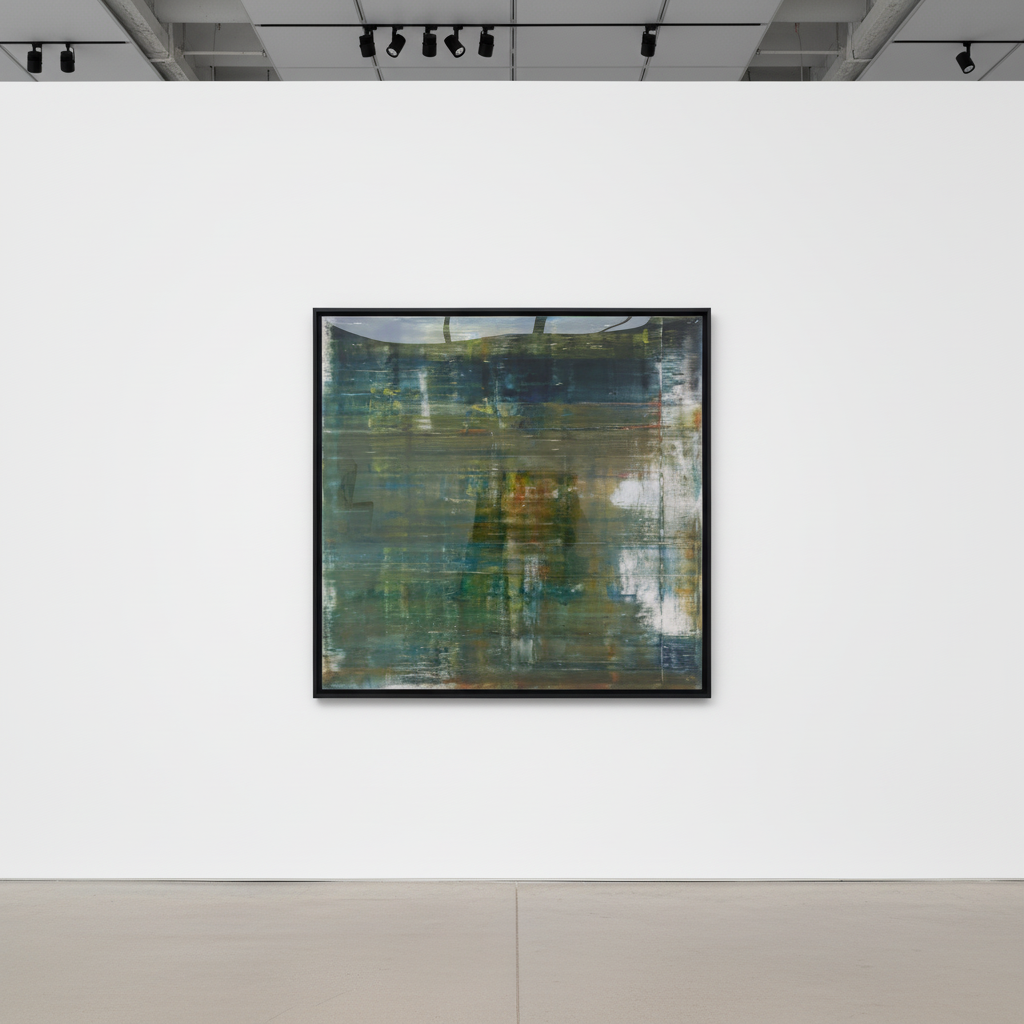
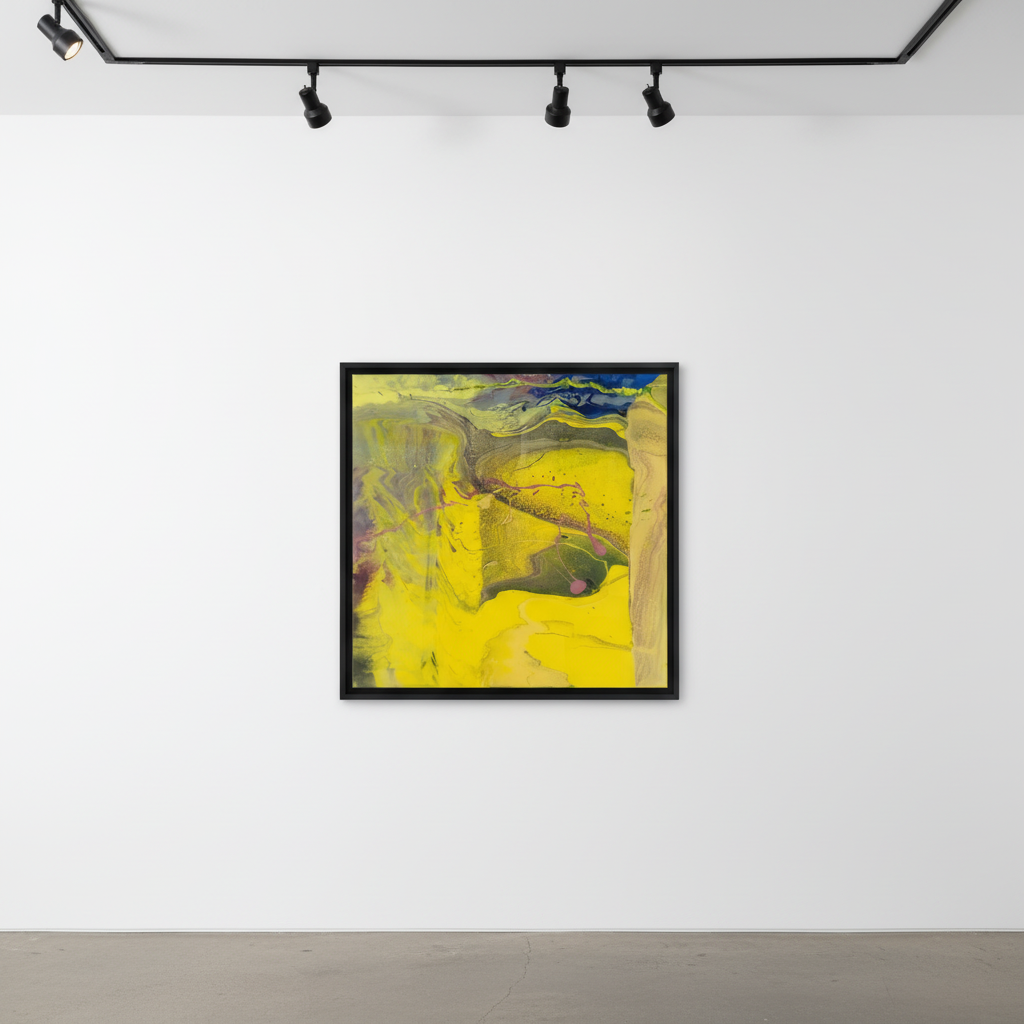
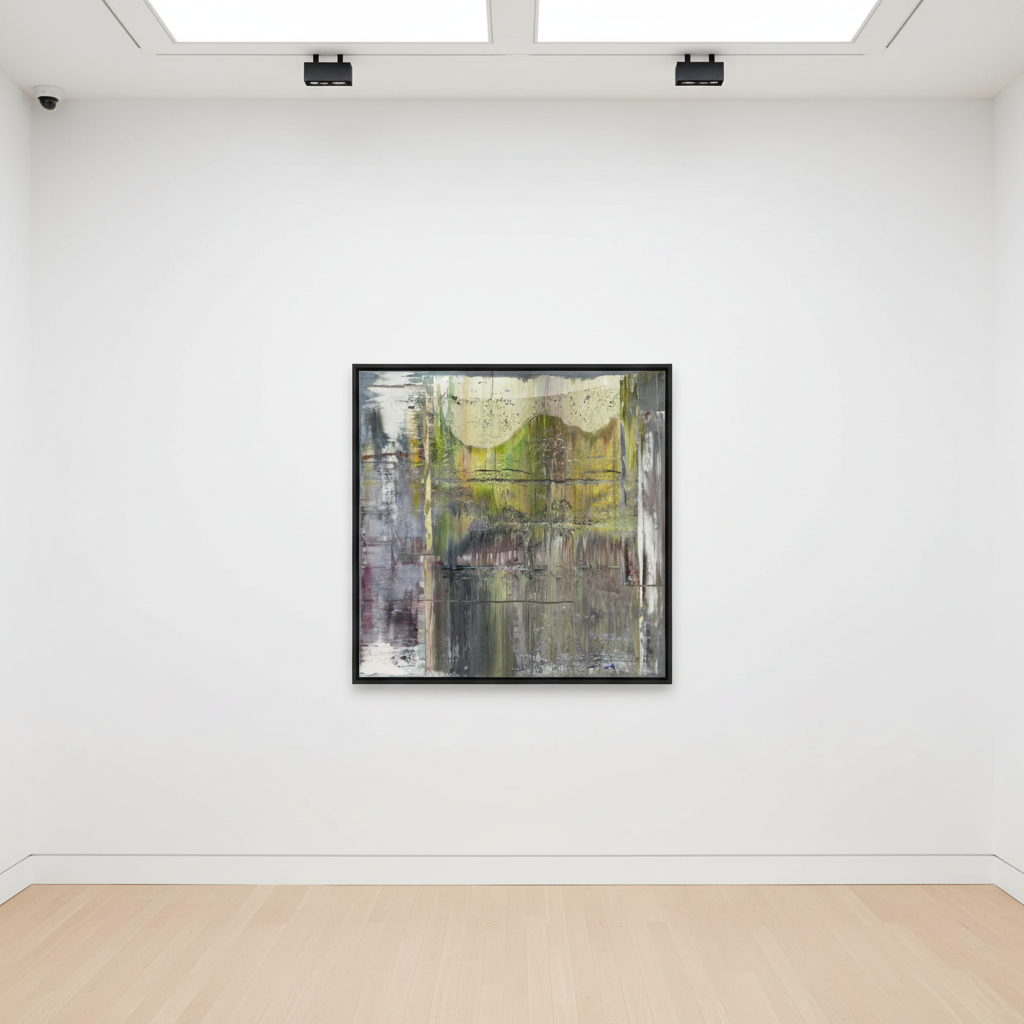
Richter's abstract paintings, often created using large squeegees to drag and scrape layers of oil paint across the canvas, represent neither purely gestural expression nor calculated design. Instead, they occupy an unsettling middle ground where chance and intention become indistinguishable. The resulting surfaces - with their luminous depths, unexpected colour relationships, and material complexity - reward sustained looking in ways that purely spontaneous or purely planned compositions cannot.
His photo-paintings, meanwhile, challenge viewers to reconsider the status of photography as documentary evidence. By painstakingly recreating photographs in paint and then deliberately blurring the results, Richter creates images that feel simultaneously more present than photographs and more distant. This productive paradox speaks directly to contemporary concerns about image manipulation, artificial intelligence, and the erosion of visual truth.
For serious collectors, Gerhard Richter represents an exceptionally rare combination of intellectual credibility, historical importance, and proven market performance. His works appear in virtually every major museum collection worldwide, ensuring ongoing institutional validation. The finite nature of his output - particularly significant given his advanced age - means that primary market opportunities have become increasingly scarce, concentrating collector attention on secondary market offerings.
Richter's influence extends across multiple generations of artists who have grappled with his innovations in photo-based painting and abstraction. Owning a Richter means participating in this ongoing dialogue, possessing a work that functions as both aesthetic object and art-historical document. The artist's systematic approach to his own archive, including his meticulous catalogue raisonné, provides collectors with exceptional provenance documentation and scholarly resources.
Furthermore, Richter's thematic range offers collectors numerous entry points. Whether drawn to the meditative calm of his grey paintings, the chromatic intensity of his abstractions, or the poignant historicity of his figurative works, collectors can build focused holdings that reflect personal resonance while maintaining investment-grade quality.
Guy Hepner is pleased to offer collectors privileged access to works by Gerhard Richter, including significant paintings and sought-after editions that represent the breadth of his artistic achievement. Our gallery maintains relationships with estates, private collections, and institutions that enable us to source exceptional Richter works for discerning clients. Whether you seek a museum-quality painting or wish to begin collecting through his acclaimed prints, our advisory team provides comprehensive guidance on acquisition strategy, provenance verification, and collection integration. We invite collectors to contact Guy Hepner directly to discuss available Gerhard Richter works and discover how his transformative vision might enhance your collection.
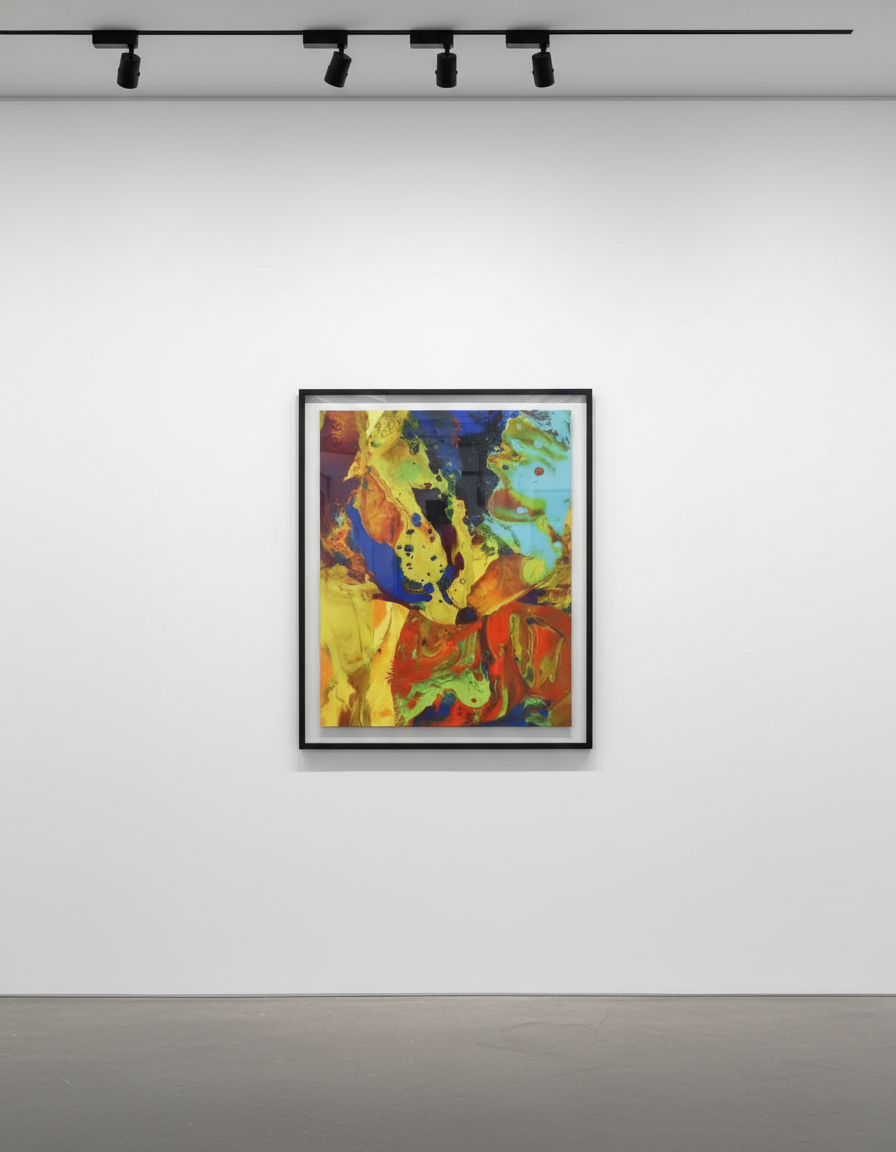
Explore Gerhard Richter prints for sale at Guy Hepner: Bagdad, Cage, Flow, Other Editions.
Related Series