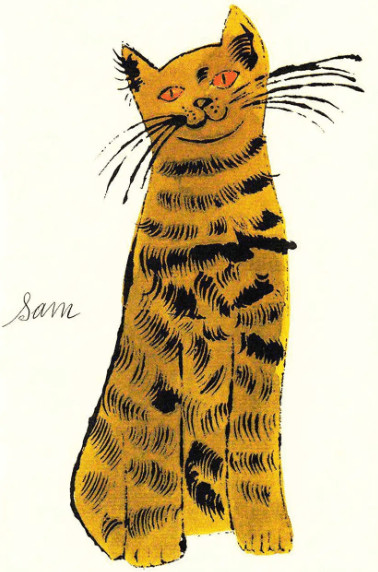
25 Cats Named Sam

Andy Warhol remains the defining figure of twentieth-century American art, a visionary whose transformation of commercial imagery into high art fundamentally altered the trajectory of contemporary visual culture. His influence extends far beyond the gallery walls of New York, permeating fashion, film, music, and the very concept of celebrity itself. For collectors seeking to build meaningful holdings in post-war and contemporary art, Warhol represents not merely an artist but an institution - a market unto himself with distinct categories, established hierarchies, and proven performance metrics. Understanding the fundamentals of Warhol collecting requires both aesthetic appreciation and strategic acumen, recognising which bodies of work offer cultural significance alongside reliable market behaviour.
Building a strong Andy Warhol collection requires discipline and an understanding of which bodies of work offer both cultural significance and dependable market performance. While Warhol's output is vast - spanning paintings, prints, photographs, drawings, films, and sculptural objects - several categories have consistently demonstrated depth, liquidity, and sustained long-term demand. A strategic approach to Warhol collecting typically includes small Flower Paintings, Marilyn portraits, Cowboys and Indians, Endangered Species, Ads, and the iconic Soup Can prints. This combination forms a balanced, credible, and resilient Warhol portfolio that can weather market fluctuations while appreciating over extended holding periods.
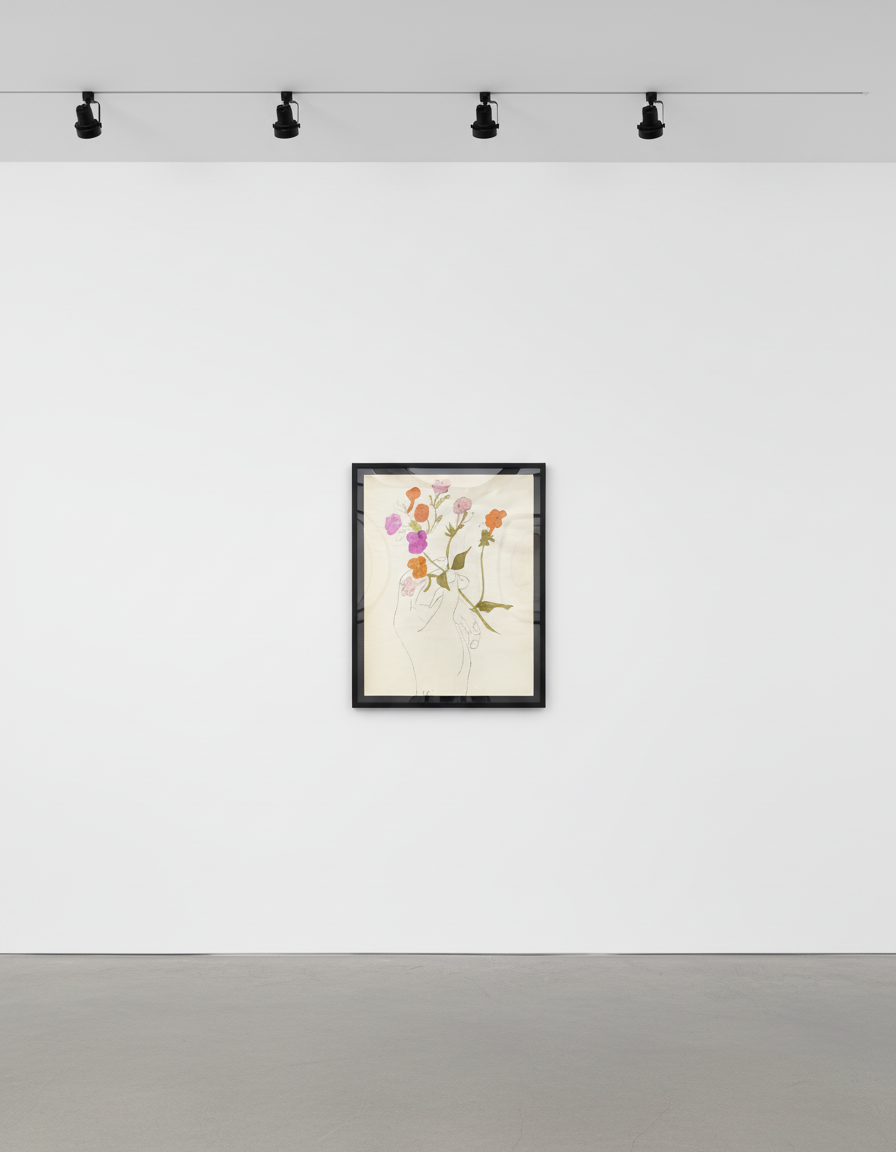
The small Flowers remain one of the most accessible and liquid entry points into serious Warhol collecting. Their compact scale attracts a wide buyer base, from emerging collectors to seasoned institutions, and the imagery is instantly recognisable as quintessential Warhol. These works benefit from strong comparables at auction, steady price behaviour documented across decades of sales at Christie's and Sotheby's, and an aesthetic versatility that allows them to integrate seamlessly into both contemporary minimalist interiors and traditional residential settings. As a foundational asset, a small Flower painting offers stability and consistent resale confidence - qualities that experienced collectors prize above speculative potential.
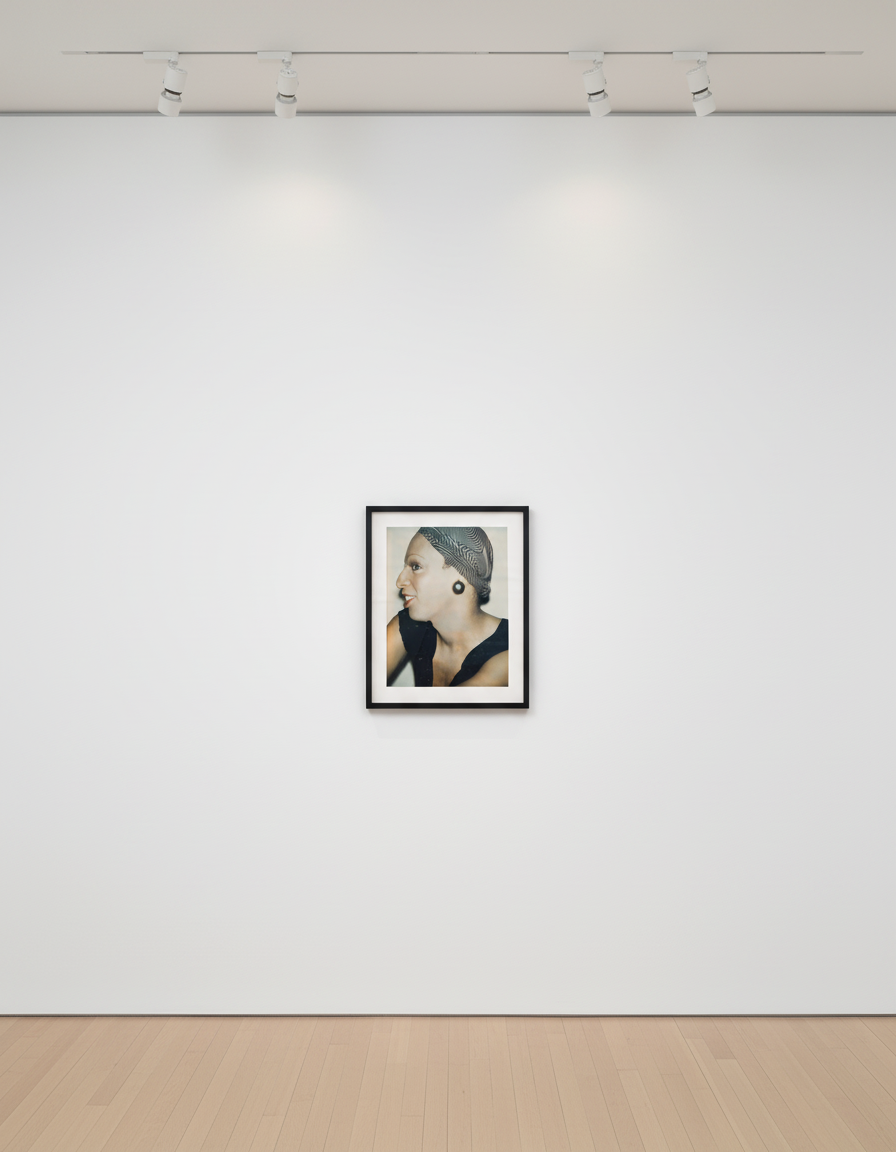
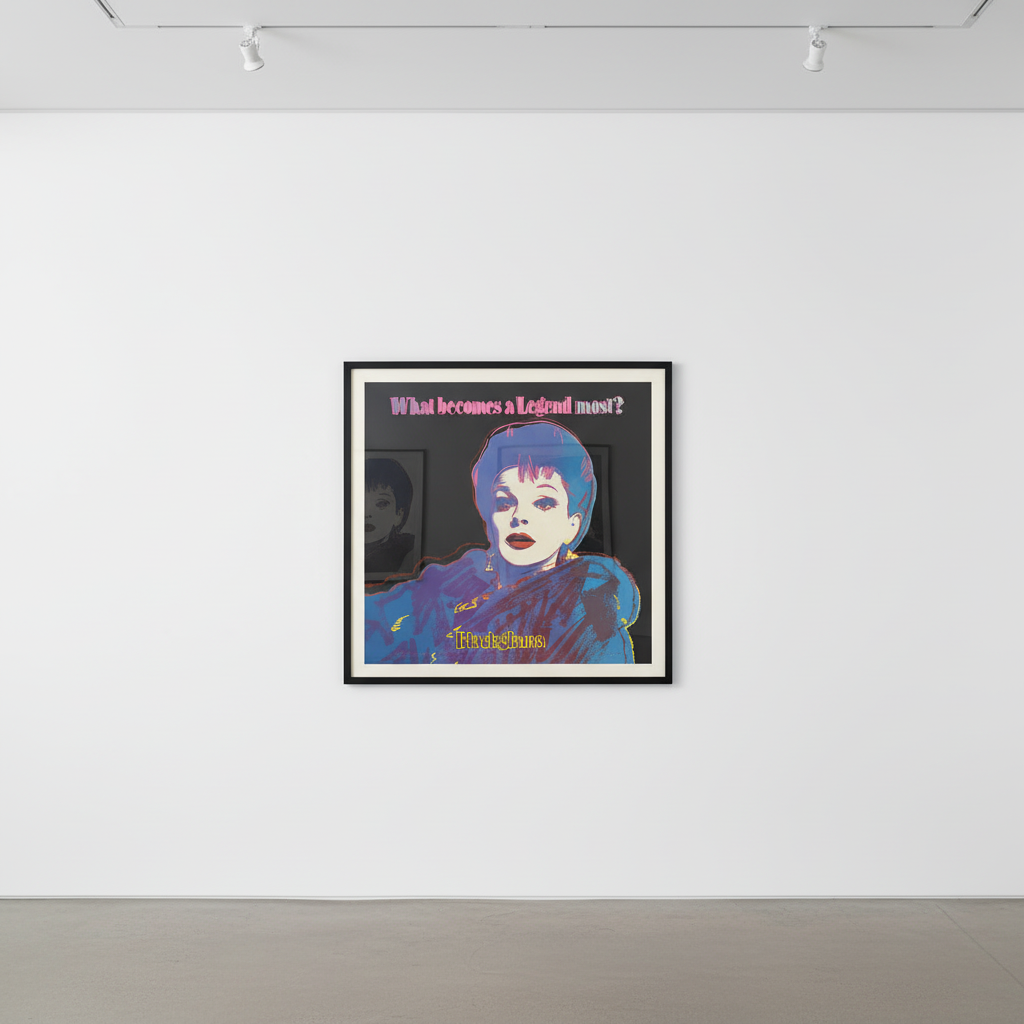
Ladies and Gentlemen (Wilhelmina Ross) — Andy Warhol. Available at Guy Hepner, New York.
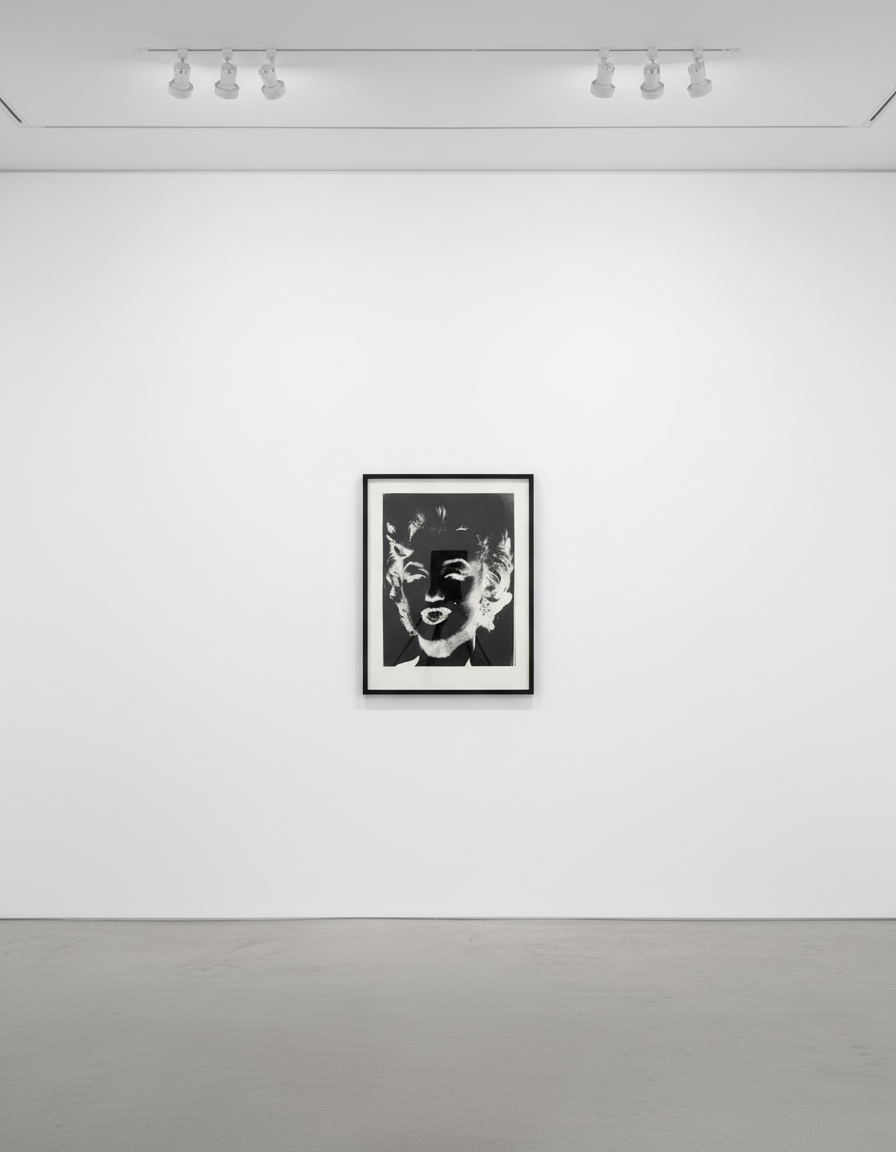
A Marilyn is the centrepiece of any serious Warhol collection. The market for Marilyn works remains one of the most reliable within Warhol's print and painting categories, backed by decades of auction data and institutional validation. According to analysis presented in the Art Basel and UBS Global Art Market Report, Warhol consistently ranks among the top-selling artists globally, with Marilyn works commanding particular premium positioning. The subject matter - combining American celebrity, tragedy, and mass-media reproduction - encapsulates everything that made Warhol revolutionary. For collectors, a Marilyn serves as both aesthetic anchor and financial cornerstone, a work that establishes credibility and demonstrates commitment to museum-quality holdings.
Beyond Marilyn, the Mao series represents another essential category for sophisticated Warhol collectors. These works, depicting the Chinese Communist leader in Warhol's signature silkscreen technique, represent a fascinating convergence of political commentary and pop aesthetics. Created during the early 1970s following President Nixon's historic visit to China, the Mao portraits demonstrate Warhol's ability to transform the most charged political imagery into objects of contemplation and consumption. The series has shown remarkable market resilience, with strong results consistently achieved at major auction houses.
The Cowboys and Indians portfolio, completed in 1986, offers collectors access to Warhol's later period while maintaining the iconic quality of his earlier work. This series celebrates American mythology through portraits of figures both real and fictional - from Annie Oakley to Geronimo - rendered in Warhol's characteristic bold palette. Similarly, the Endangered Species portfolio demonstrates Warhol's environmental consciousness and his ability to transform documentary imagery into compelling art objects. Both series benefit from complete portfolio availability, allowing collectors to acquire coherent groupings rather than isolated works.
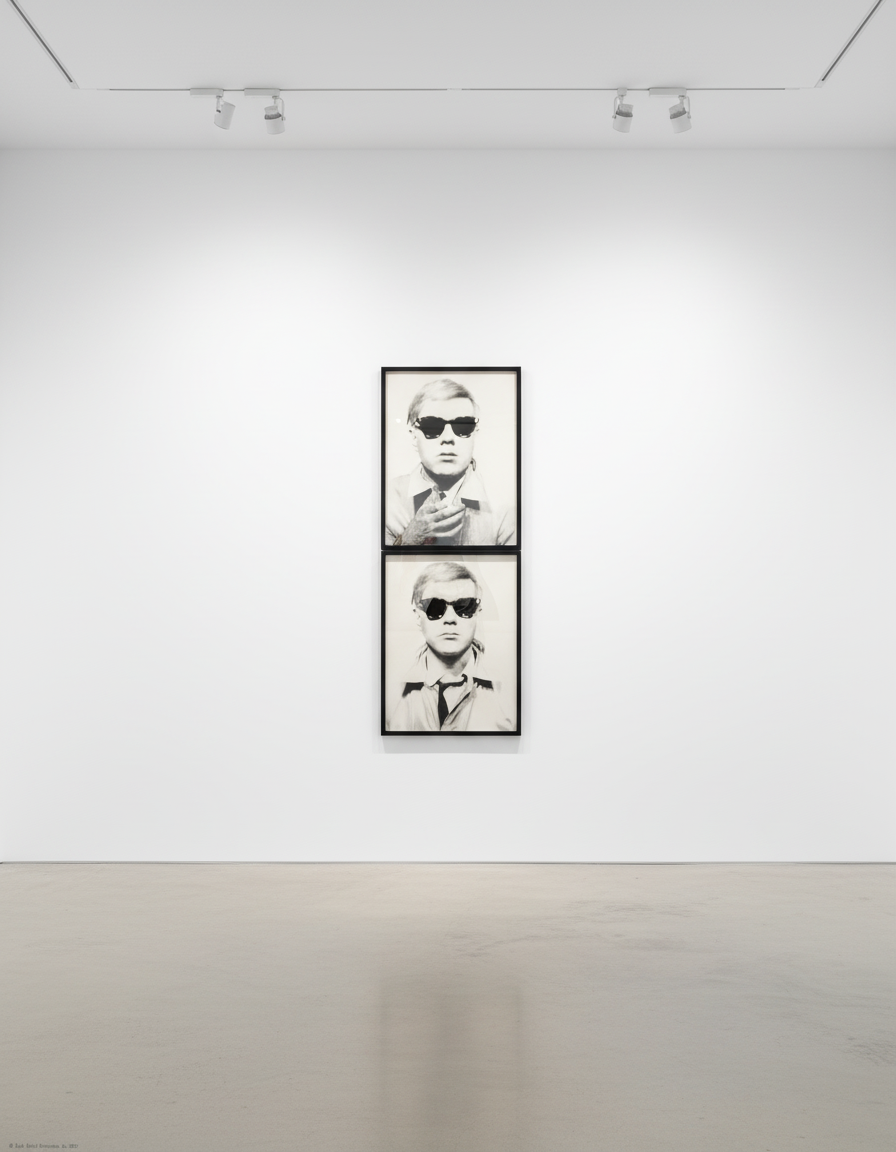
Self - Portrait F.S. IIIA 10 — Andy Warhol. Available at Guy Hepner, New York.
The Ads portfolio represents Warhol at his most self-referential, turning the commercial imagery that inspired his artistic revolution into the explicit subject matter itself. Featuring iconic American brands and products, these works speak directly to Warhol's foundational insight - that the imagery of consumer capitalism possessed an aesthetic power that traditional fine art categories had overlooked. For collectors, Ads pieces offer immediate visual impact alongside art-historical depth, making them versatile holdings suitable for both corporate and residential contexts.
The Soup Can prints, perhaps Warhol's most universally recognised imagery, complete a fundamental Warhol collection. These works established Warhol's reputation when first exhibited in 1962 and have maintained their cultural currency across six decades of shifting artistic movements. The print editions offer accessibility without sacrificing iconic status, allowing collectors to own a piece of art history at varying price points. Sotheby's and Christie's have documented consistent demand for quality Soup Can works across market cycles, confirming their status as perennial collector priorities.
What unites these categories is their combination of aesthetic clarity, cultural resonance, and market depth. Each body of work benefits from extensive auction records, museum representation, and scholarly documentation. Collectors can acquire with confidence, knowing that comparable works exist to establish fair market value and that buyer pools remain robust across economic conditions. The 2024 Art Basel and UBS report noted that blue-chip contemporary art, particularly works by established post-war masters, demonstrated remarkable price stability compared to emerging and mid-career segments - a pattern that benefits strategic Warhol collectors.
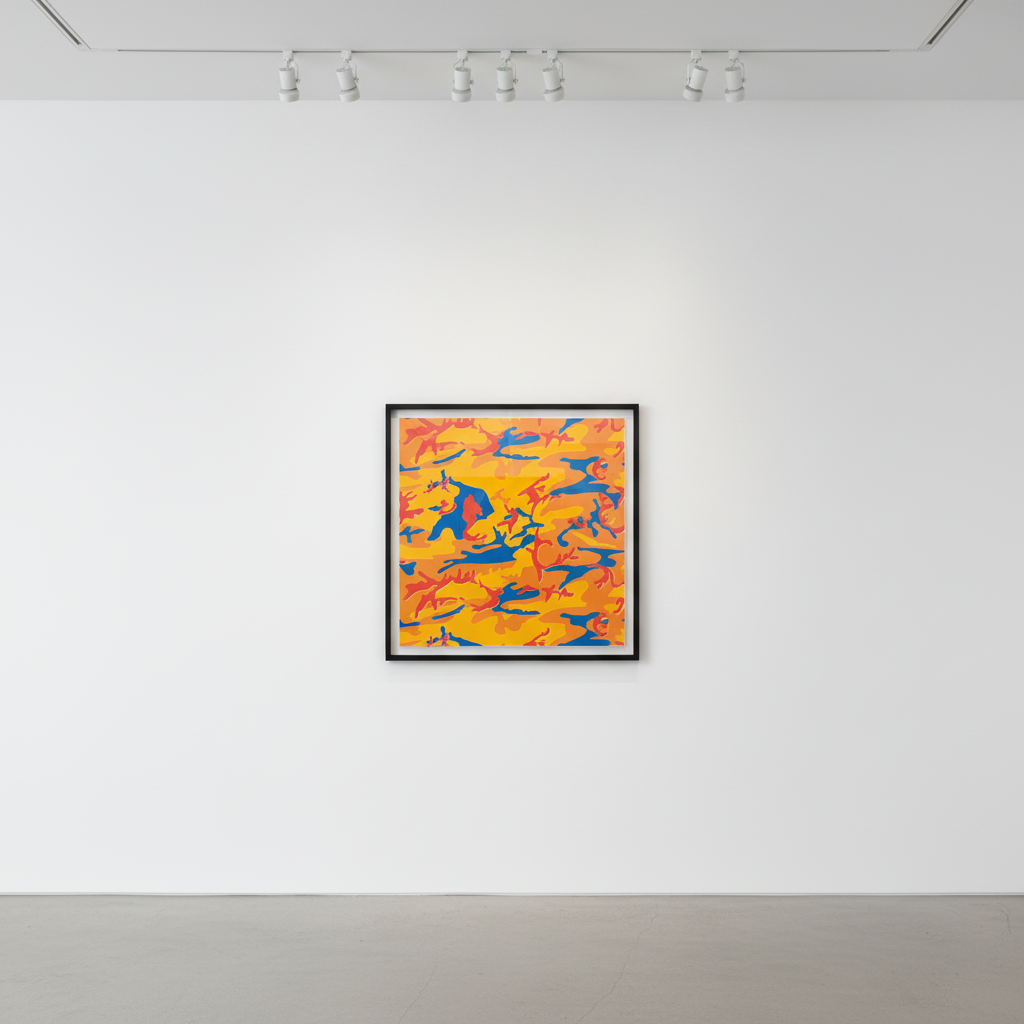
Camouflage Trial Proof TP 4/84 — Andy Warhol. Available at Guy Hepner, New York.
Guy Hepner maintains one of New York's most distinguished inventories of Andy Warhol works, offering collectors access to carefully vetted pieces across all fundamental categories. Our expertise encompasses the full spectrum of Warhol's practice, from early drawings through the celebrated print portfolios to significant unique works. Each acquisition opportunity is supported by comprehensive provenance documentation, condition reporting, and market analysis, ensuring that collectors make informed decisions aligned with both aesthetic preferences and investment objectives. Whether building a foundational Warhol collection or seeking specific works to complement existing holdings, Guy Hepner provides the discretion, expertise, and inventory depth that serious collectors require. We invite inquiries regarding currently available Warhol works and welcome the opportunity to discuss collection-building strategies tailored to individual goals.
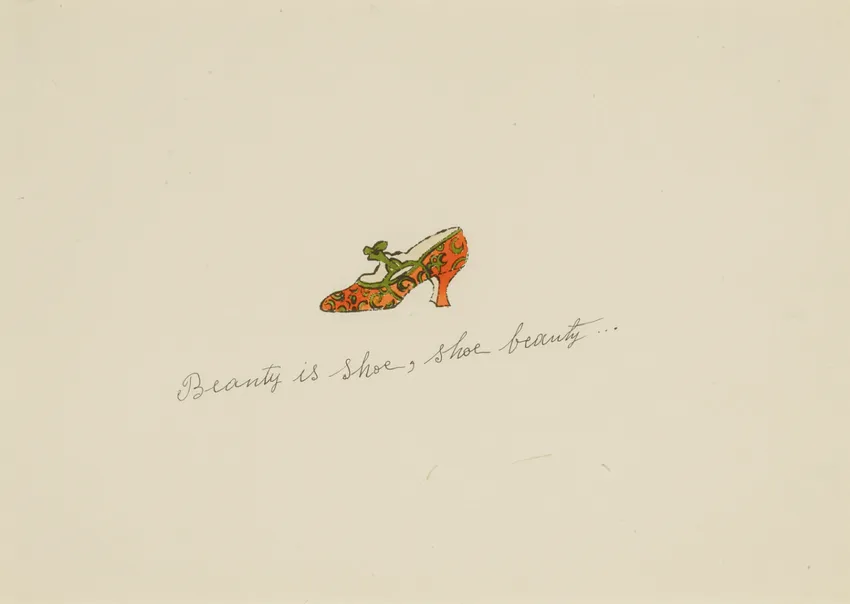
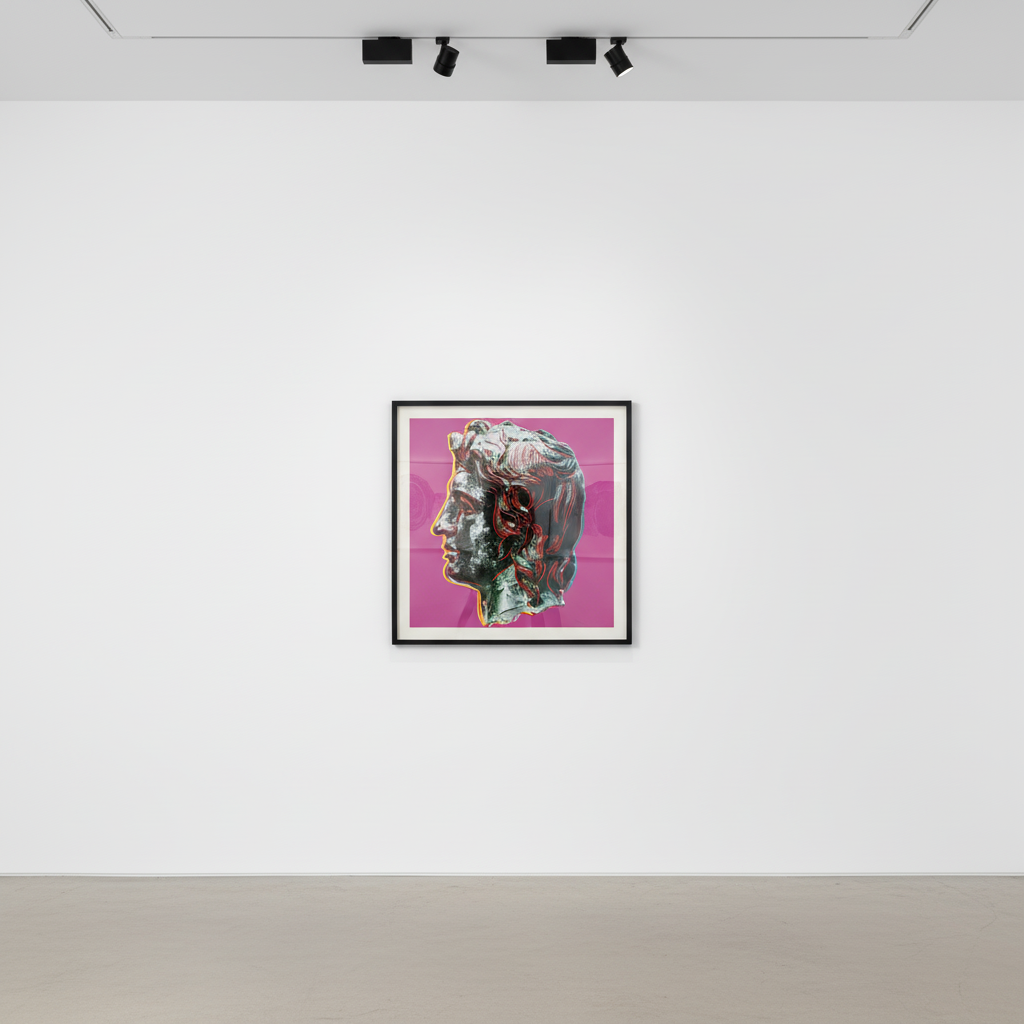
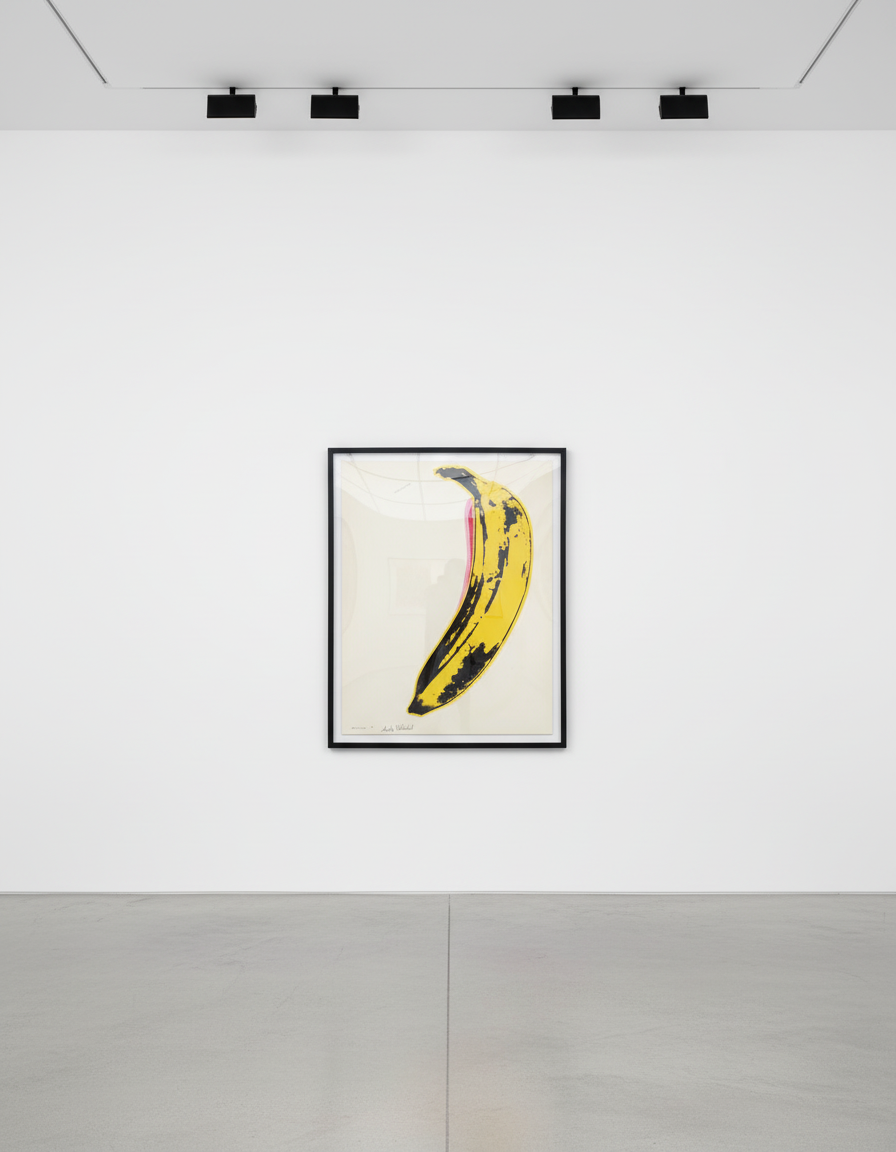
--- **Browse Andy Warhol prints** at Guy Hepner: [Andy Warhol art for sale](/andy-warhol) | [Sell your Warhol](/sell/andy-warhol)Explore Andy Warhol prints for sale at Guy Hepner: 25 Cats Named Sam, A Gold Book, A La Recherche Du Shoe Perdu, Alexander the Great, Banana.
Related Series