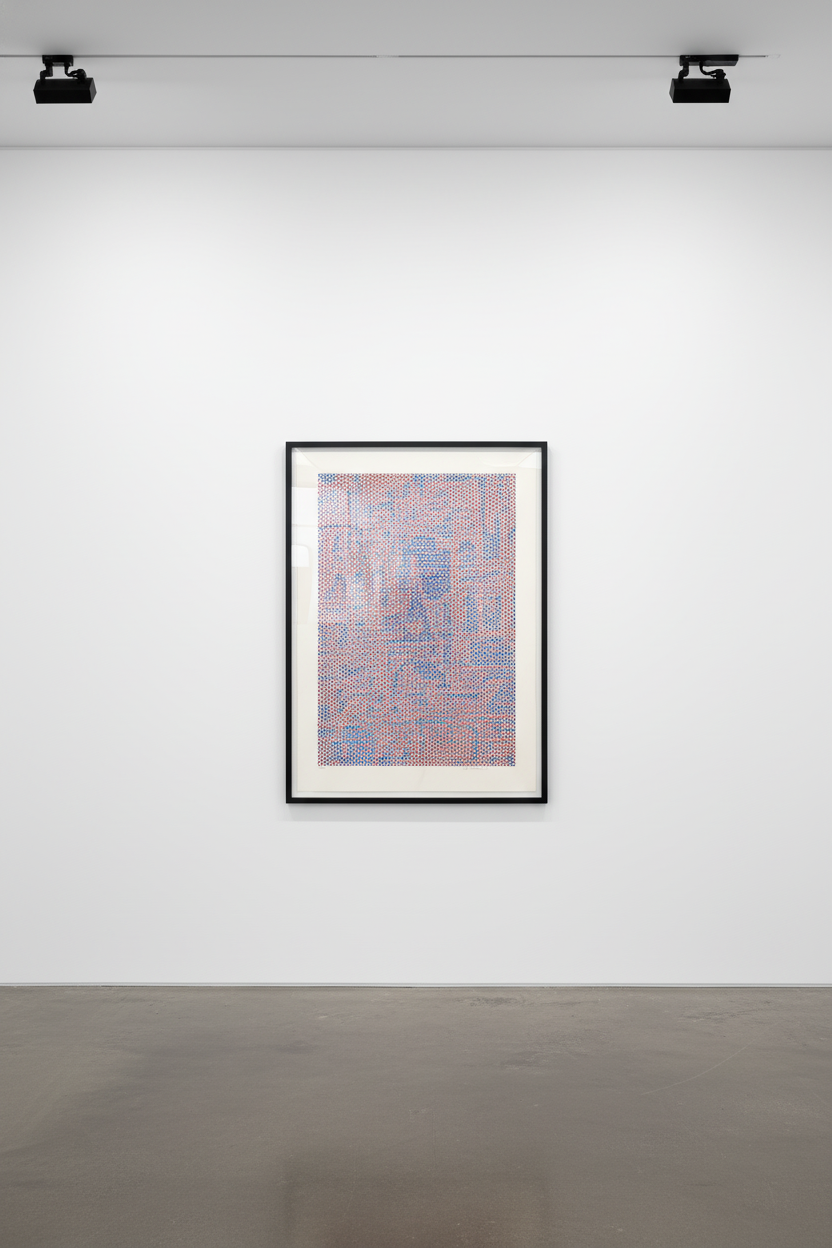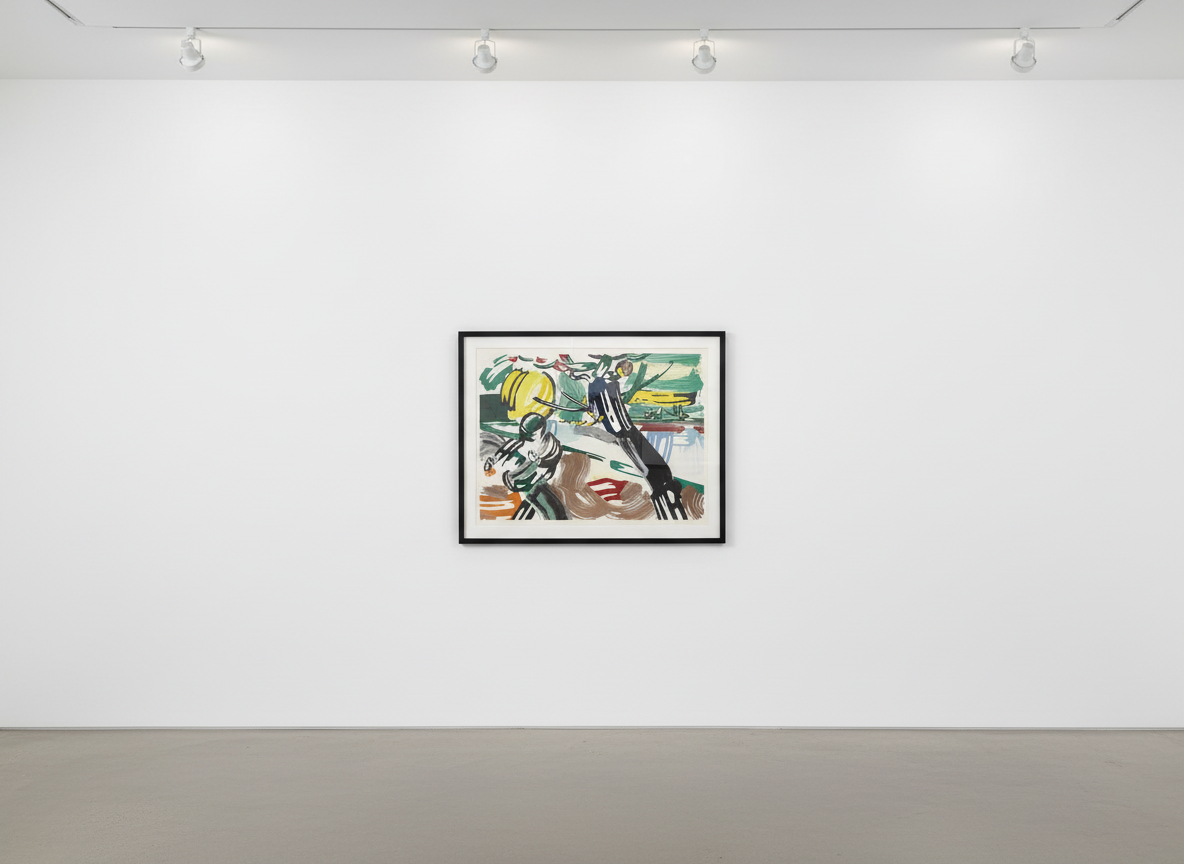
Landscapes

Roy Lichtenstein stands among the most influential American artists of the twentieth century, a pioneering figure whose bold visual language helped define the Pop Art movement and permanently altered the trajectory of contemporary art. Born in New York City in 1923, Lichtenstein developed an artistic practice that challenged entrenched hierarchies between high and low culture, drawing inspiration from mass media, advertising, and comic strips to create works of profound conceptual depth. While he remains celebrated for his iconic Ben-Day dots, vivid primary colours, and graphic compositions derived from popular imagery, Lichtenstein's oeuvre extends far beyond these familiar motifs. His landscape works - spanning from the 1960s through the 1990s - represent a sophisticated and often underappreciated dimension of his practice, demonstrating the artist's remarkable ability to synthesise art historical traditions with his distinctive Pop sensibility.
Lichtenstein's engagement with the landscape genre began shortly after his Pop Art breakthrough in the early 1960s. Initially, these works emerged from an unexpected source - the background elements of comic strips and cartoon panels. Rather than treating these incidental details as mere settings for narrative action, Lichtenstein recognised their potential as subjects worthy of isolated examination. His early landscape appropriations stripped away figures and text, presenting stylised natural scenes that simultaneously referenced centuries of landscape painting tradition while subverting its romantic associations.
The 1967 series "Ten Landscapes" marked a pivotal moment in Lichtenstein's exploration of this genre, representing his first solo print portfolio. These works combined screenprinting with photo collages and drawings, creating images that evoked the aesthetic of tourist postcards and commercial travel imagery. By elevating these vernacular sources to the status of fine art prints, Lichtenstein continued his interrogation of artistic value systems while expanding his formal vocabulary beyond the comic-derived imagery that had brought him international recognition.
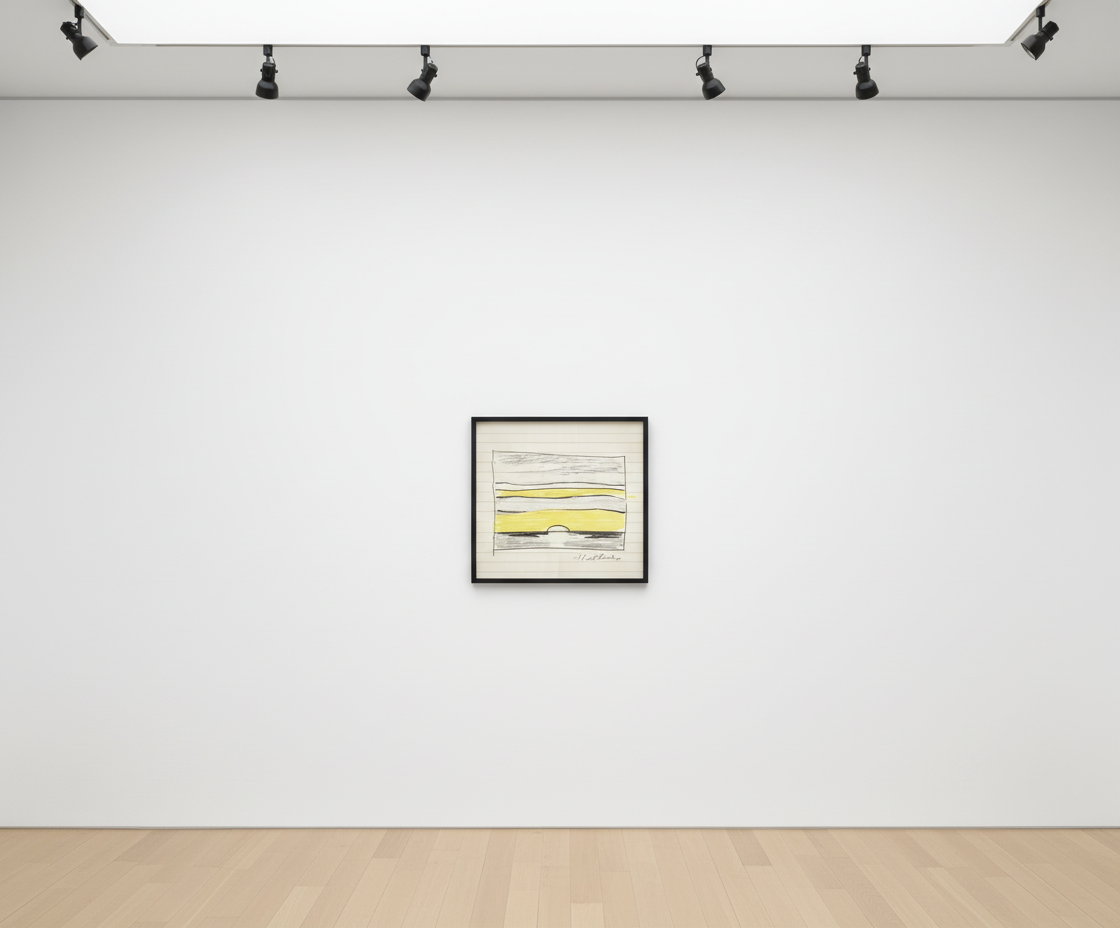
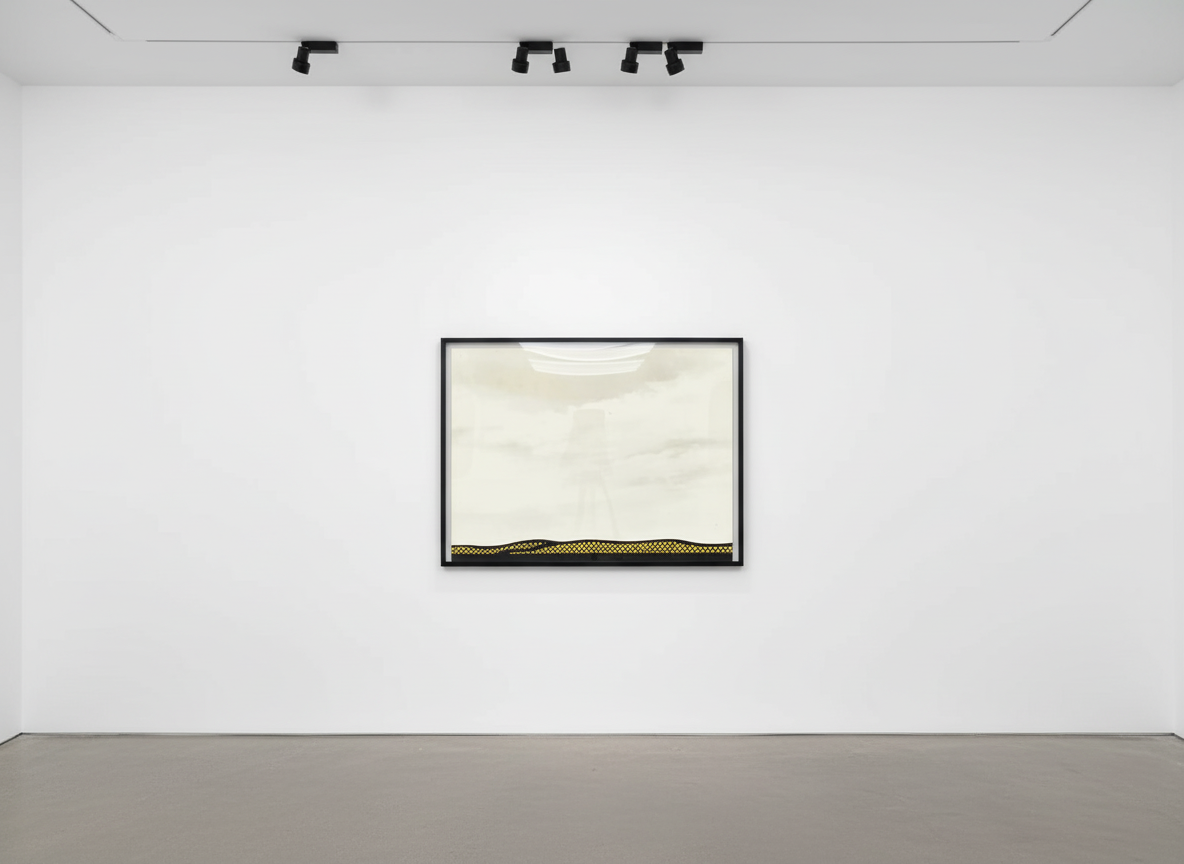
Rainforest (C. 278) — Roy Lichtenstein. Available at Guy Hepner, New York.
Throughout the 1970s, Lichtenstein continued to revisit landscape themes, integrating them into his broader investigations of art historical movements and styles. His "Artist's Studio" series and various interior compositions frequently incorporated landscape elements - whether as paintings within paintings or as views glimpsed through windows - creating complex meditations on representation, perception, and the construction of pictorial space.
The 1980s witnessed a dramatic evolution in Lichtenstein's approach to landscape, culminating in works that united abstraction with his established Pop Art methodology. This period saw the artist move decisively away from the limited compositional range that had characterised his earlier work, embracing a more expansive visual vocabulary that drew upon diverse art historical sources while maintaining his signature graphic style.
Lichtenstein's landscapes from this era demonstrate his profound understanding of modernist abstraction, referencing movements from German Expressionism to Chinese brush painting. Works such as "Rainforest" exemplify this synthesis, presenting dense tropical imagery through Lichtenstein's characteristic visual language of bold outlines and carefully orchestrated colour relationships. These pieces transform natural subjects into graphic patterns that hover between representation and pure abstraction, inviting viewers to consider both the depicted scene and the formal elements that constitute it.
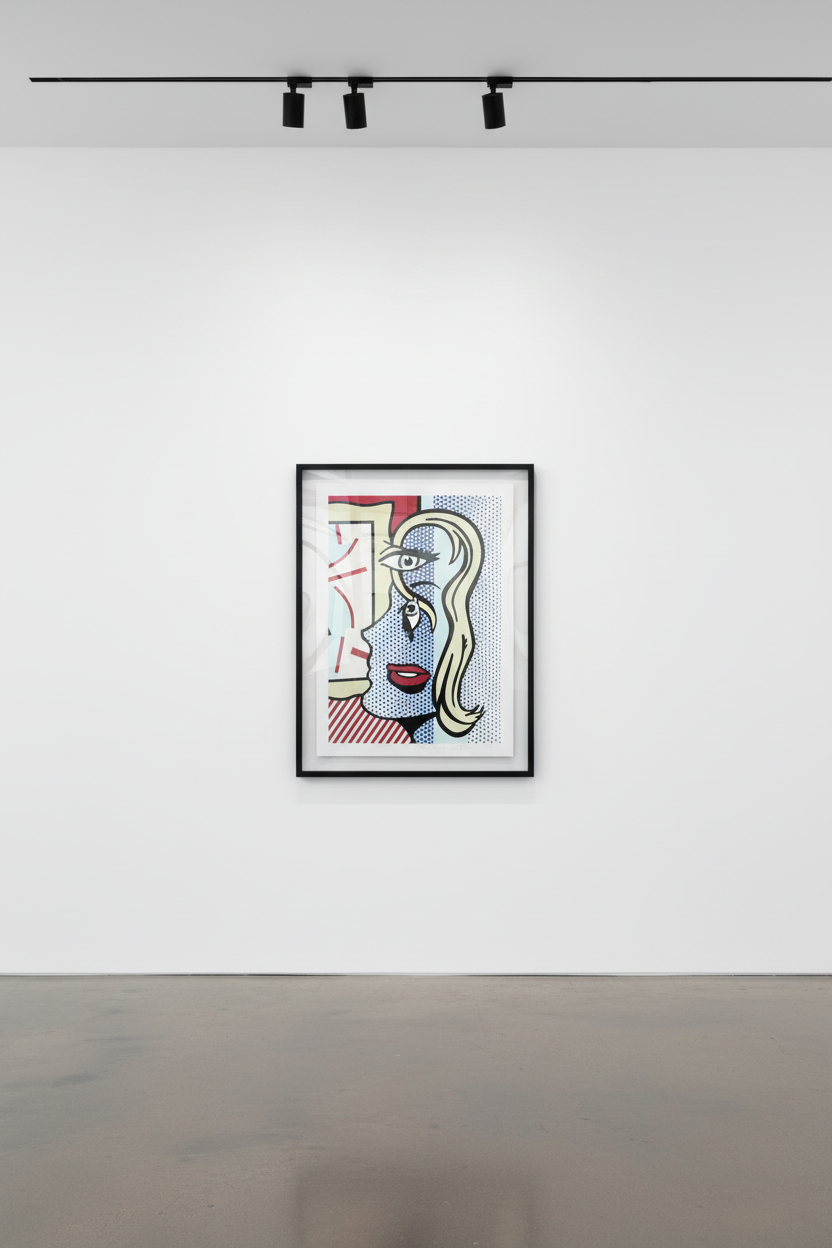
Virtual Interior With Book — Roy Lichtenstein. Available at Guy Hepner, New York.
The "Landscape Series" of the 1980s also reflected Lichtenstein's ongoing dialogue with the history of printmaking. His technical mastery allowed him to push the boundaries of screenprinting and lithography, achieving effects of remarkable complexity and visual depth. These prints demonstrated that the medium could accommodate sophisticated artistic ambitions while maintaining the reproducibility that aligned with Pop Art's democratic impulses.
Lichtenstein's landscapes have achieved substantial recognition within the secondary market, with collectors increasingly appreciating these works as essential components of the artist's legacy. According to data from Christie's and Sotheby's, prints from the landscape series have demonstrated consistent demand at auction, with exceptional examples achieving significant premiums above estimate. The Art Basel and UBS Global Art Market Report has documented sustained collector interest in Lichtenstein's print editions, with works from the 1980s period commanding particular attention from sophisticated buyers seeking depth within their Pop Art holdings.
The appeal of Lichtenstein's landscapes extends beyond their aesthetic qualities to encompass their art historical significance. These works reveal an artist of considerable intellectual depth, one whose practice extended far beyond the superficial appropriation of popular imagery that critics once attributed to Pop Art. For collectors, the landscape works offer an opportunity to engage with a less familiar aspect of Lichtenstein's output - one that demonstrates his technical virtuosity, his command of art historical precedents, and his ability to continually reinvent his practice across a career spanning more than four decades.
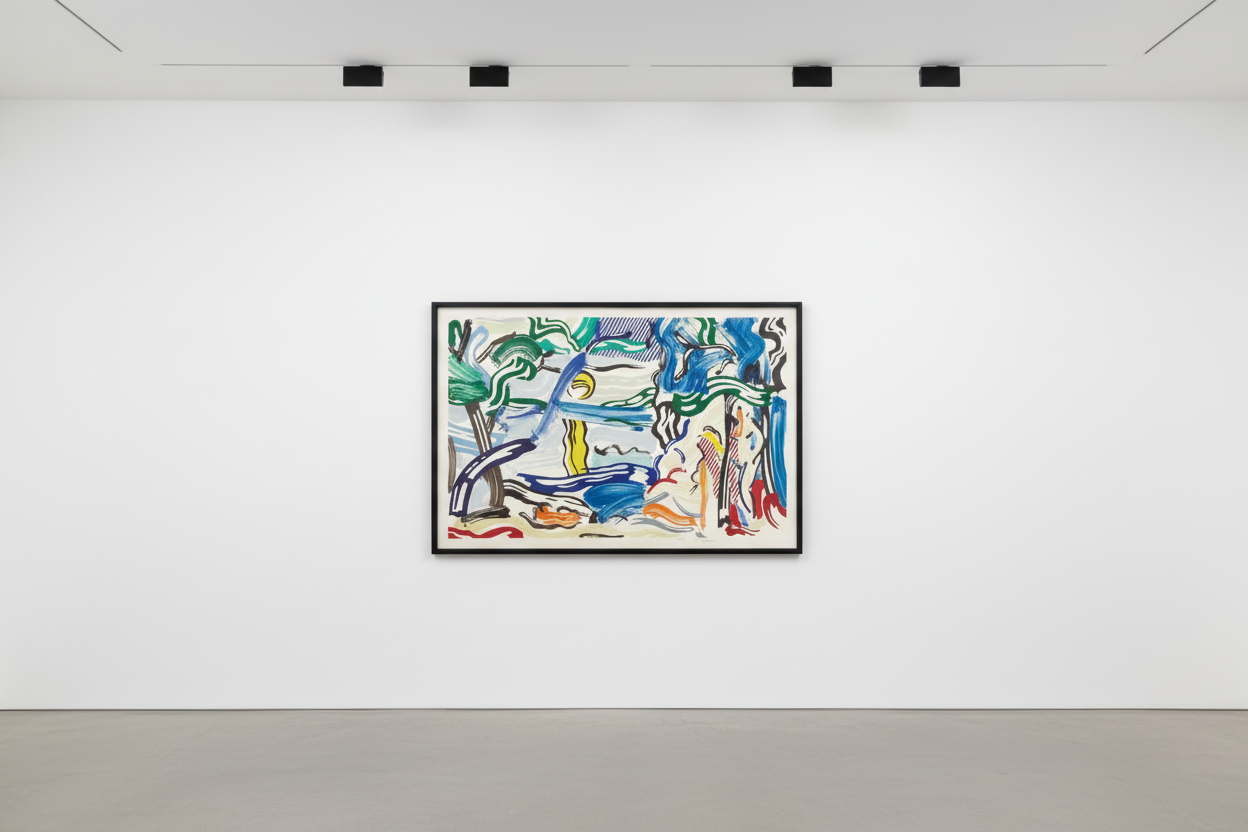
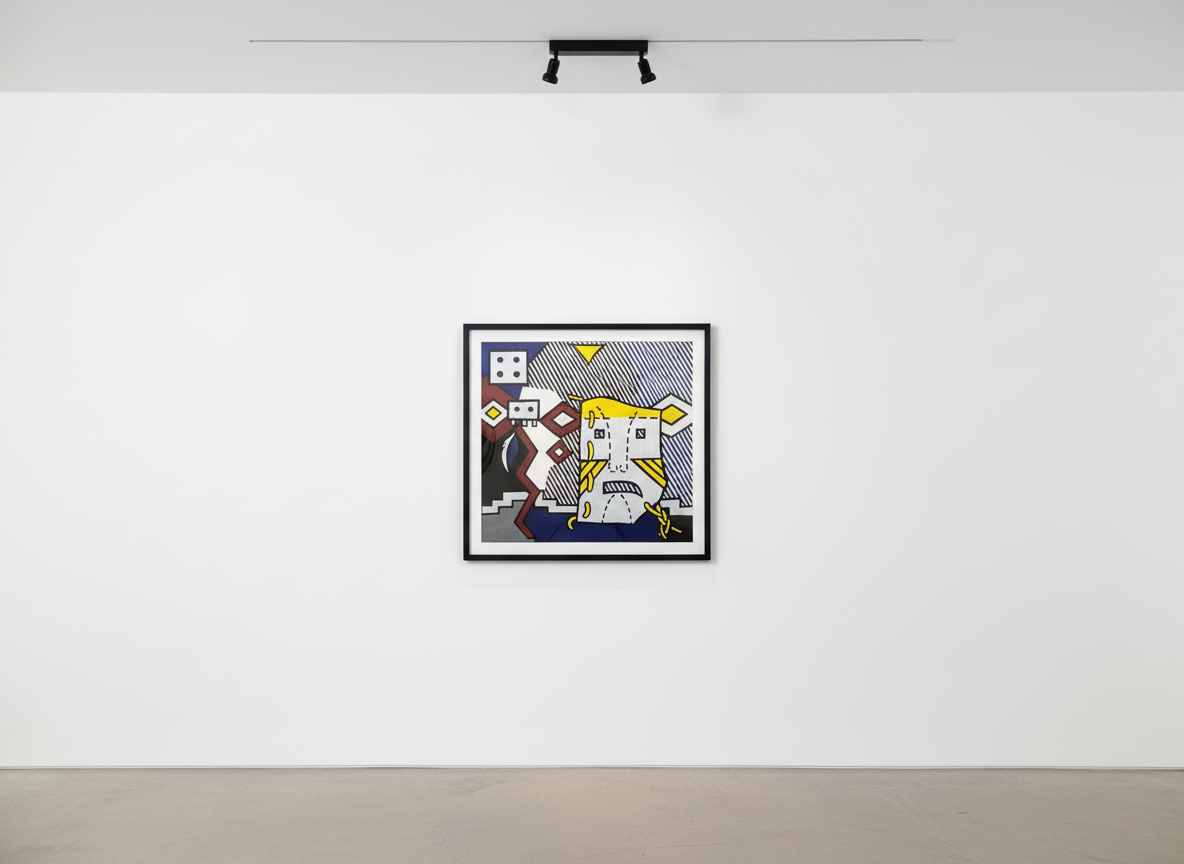
Against Apartheid (C. 200) — Roy Lichtenstein. Available at Guy Hepner, New York.
Museum collections worldwide have recognised the importance of these works, with major institutions acquiring landscape prints and paintings as essential representations of Lichtenstein's artistic range. This institutional validation has reinforced collector confidence while ensuring that the landscape works remain visible within broader narratives of twentieth-century American art.
Guy Hepner is proud to offer collectors access to exceptional works from Roy Lichtenstein's celebrated landscape series and broader print oeuvre. Our gallery maintains a carefully curated selection of Lichtenstein editions, providing discerning collectors with opportunities to acquire museum-quality examples of this Pop Art master's work. Whether you are building a focused collection of Lichtenstein prints or seeking a singular statement piece, our team offers expert guidance and access to works of impeccable provenance. To enquire about available Roy Lichtenstein landscapes and prints, or to discuss acquisition opportunities, please contact Guy Hepner directly to speak with our specialists.
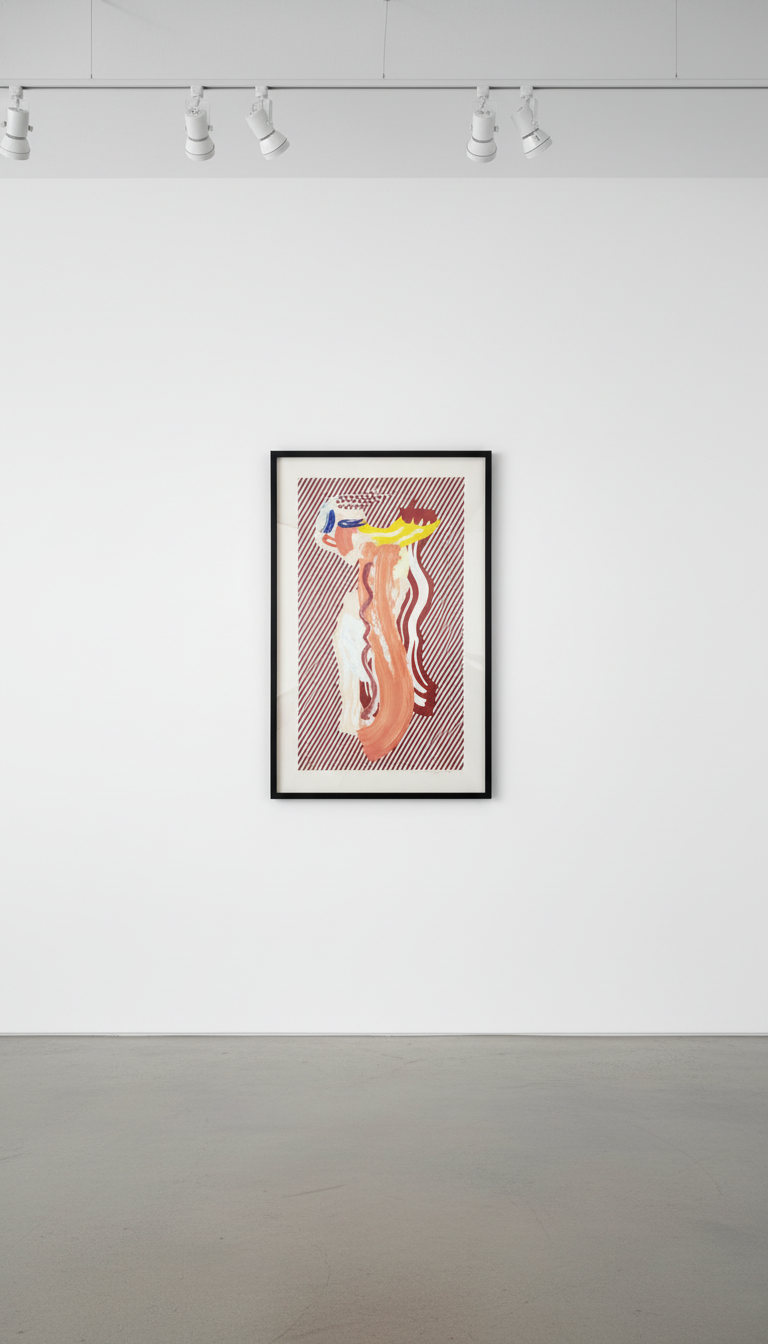
--- **Browse Roy Lichtenstein prints** at Guy Hepner: [Roy Lichtenstein art for sale](/roy-lichtenstein) | [Sell your Lichtenstein](/sell/roy-lichtenstein)Explore Roy Lichtenstein prints for sale at Guy Hepner: Landscapes, Ten Landscapes, American Indian Theme, Art Critic, Brushstrokes.
Related Series