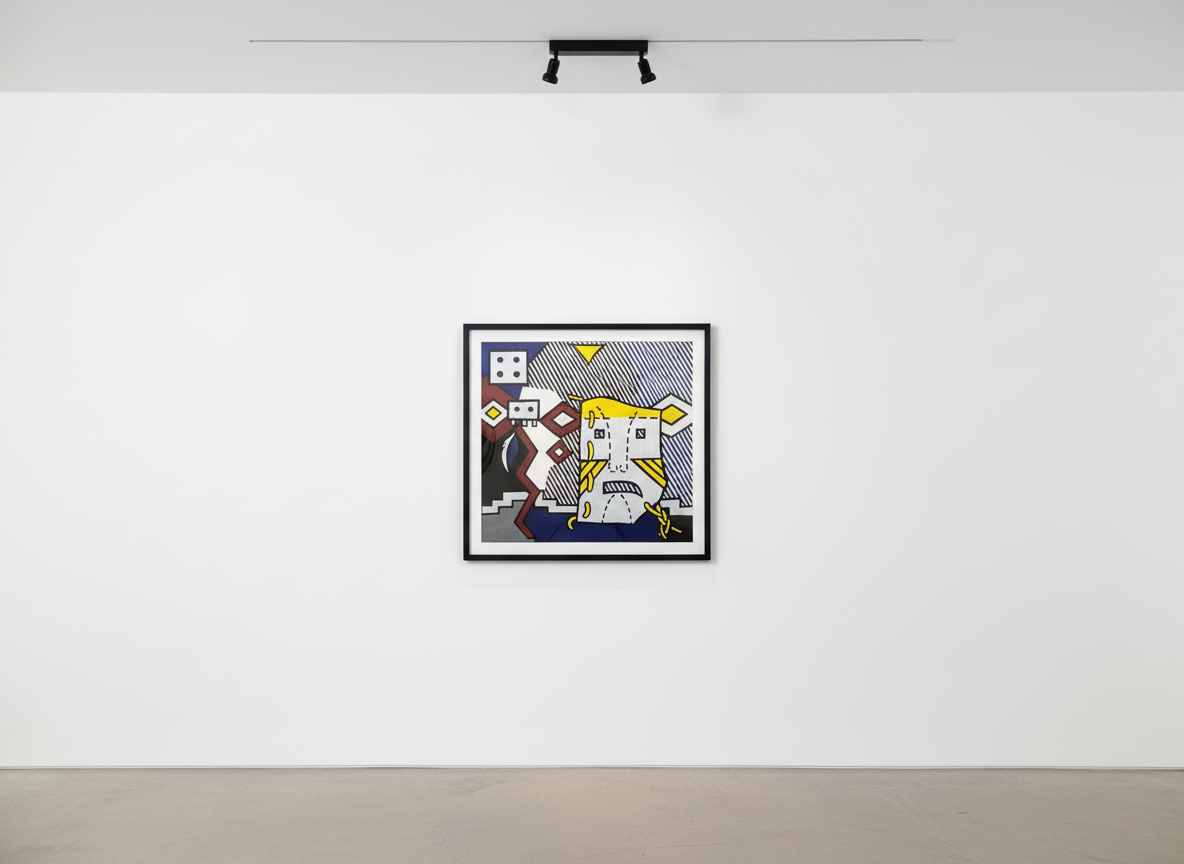
American Indian Theme

May 23, 2026
Roy Lichtenstein stands as one of the most recognizable and influential figures in 20th-century American art. His bold, comic book-inspired imagery transformed the landscape of contemporary art, bridging the gap between popular culture and fine art in ways that continue to resonate with collectors and institutions worldwide. For those seeking to understand who Roy Lichtenstein was, how he developed his career, and what inspired his revolutionary style, this educational guide presents ten fascinating facts about the artist's life, education, and enduring influence on the art world.
Roy Lichtenstein was born on October 27, 1923, in New York City, into a middle-class Jewish family. Growing up in Manhattan exposed him early to the energy and imagery of American urban life — from magazines and advertisements to movie posters and comic strips that lined the streets. This immersive environment shaped his understanding of visual communication and popular culture, establishing themes he would explore throughout his entire career.
As a teenager, Lichtenstein frequented the American Museum of Natural History and the Metropolitan Museum of Art, where he developed a profound passion for drawing. These experiences built the foundation for his later fascination with the interplay between fine art and mass media imagery. His formal art education began at the Art Students League of New York, where he studied under Reginald Marsh, an artist known for depicting scenes of urban American life.
Lichtenstein's education was interrupted by World War II, during which he served in the U.S. Army from 1943 to 1946. Following his military service, he enrolled at Ohio State University, completing both his Bachelor of Fine Arts and Master of Fine Arts degrees. He subsequently taught at the university, a period during which he experimented with various artistic styles including Abstract Expressionism and Cubism before arriving at his signature Pop Art aesthetic.
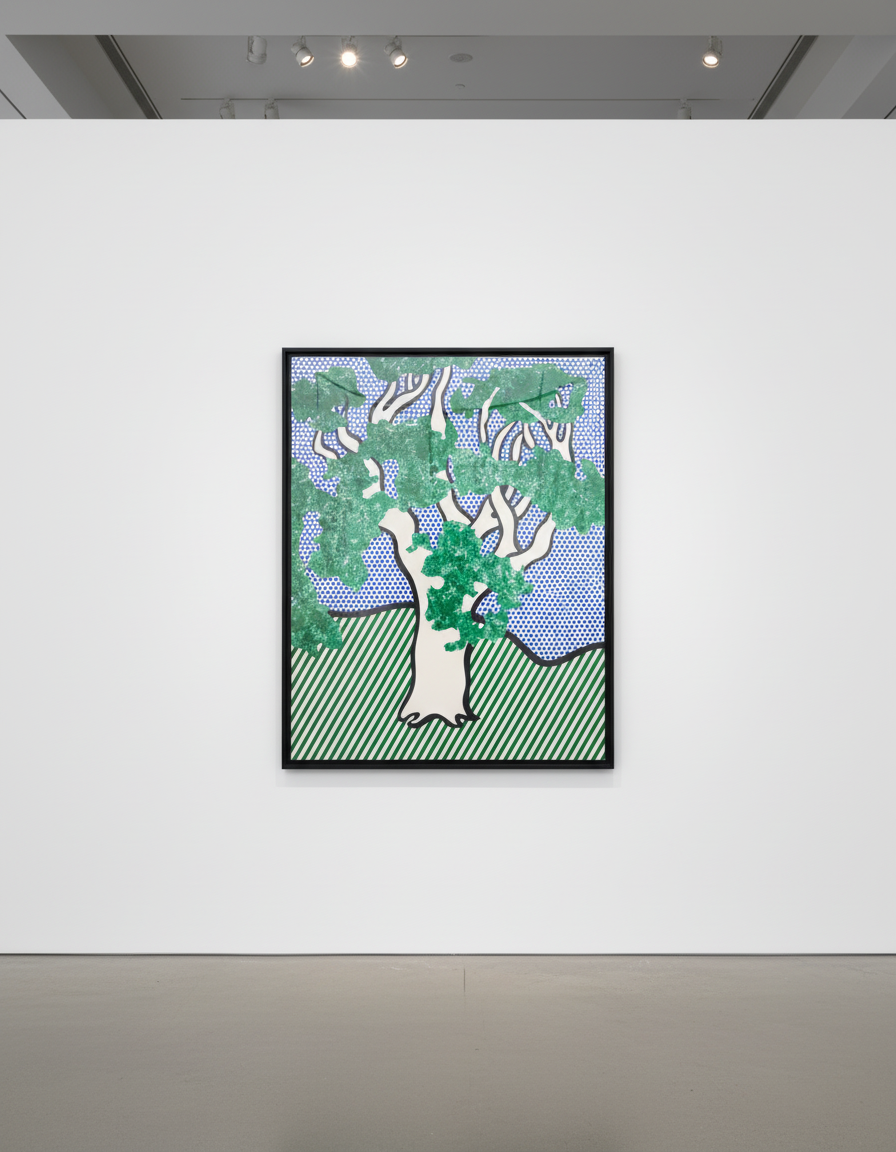
Rainforest (C. 278) — Roy Lichtenstein. Available at Guy Hepner, New York.
Perhaps the most defining moment in Lichtenstein's career came in 1961 when he created "Look Mickey," a painting based on a Mickey Mouse comic strip that his sons had shown him. This work marked his decisive break from Abstract Expressionism and established the visual vocabulary that would define his legacy — Ben-Day dots, bold outlines, primary colors, and imagery appropriated from commercial sources.
Lichtenstein's technique of hand-painting the mechanical Ben-Day dots used in commercial printing demonstrated remarkable technical precision. What appeared to be mass-produced imagery was actually meticulously crafted by hand, creating a tension between industrial reproduction and artistic creation that challenged conventional definitions of fine art. His paintings of crying women, fighter jets, and romantic scenes drawn from comic books became instantly recognizable symbols of the Pop Art movement.
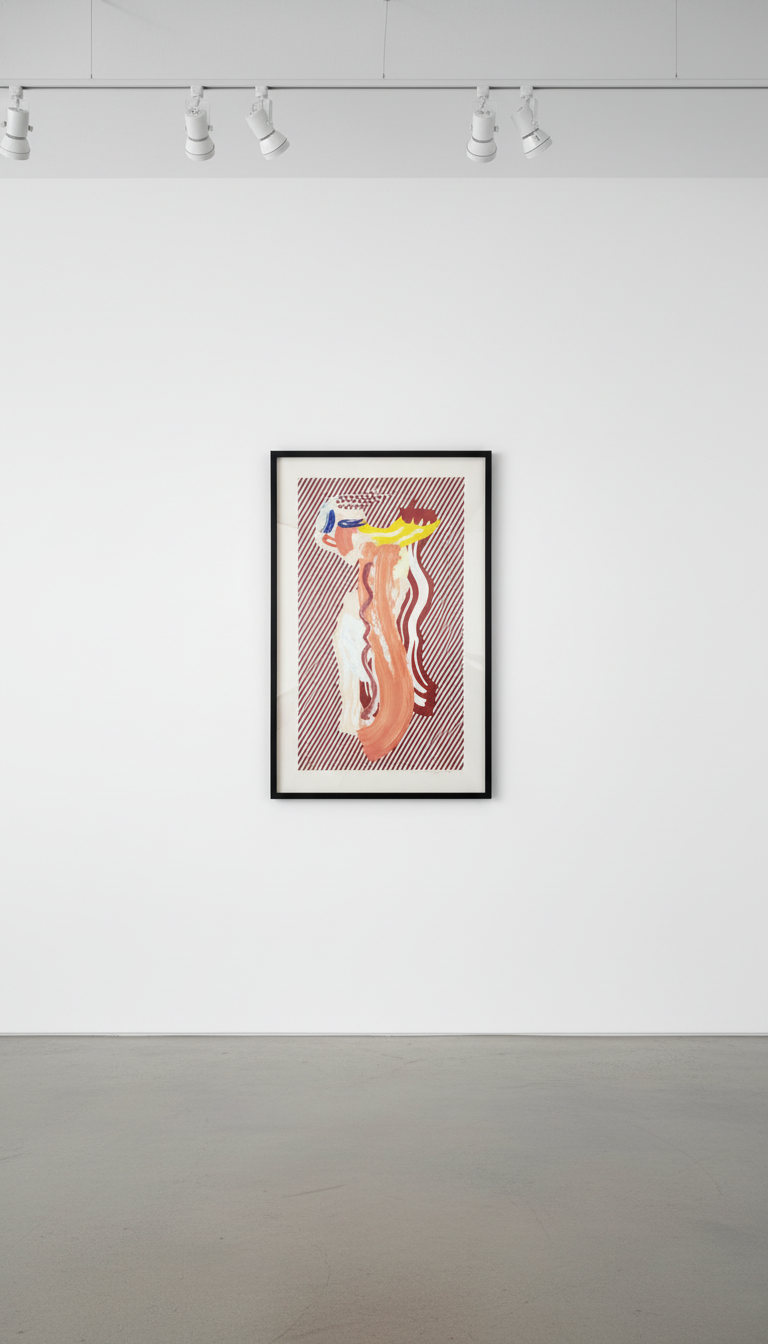
The artist's work extended far beyond comic imagery. Throughout his career, Lichtenstein explored Brushstrokes as subject matter — an ironic commentary on Abstract Expressionism — as well as art historical references, Landscapes, and interior scenes. His "Bull" series demonstrated his mastery of abstraction, systematically reducing the image of a bull from realistic representation to pure geometric forms.
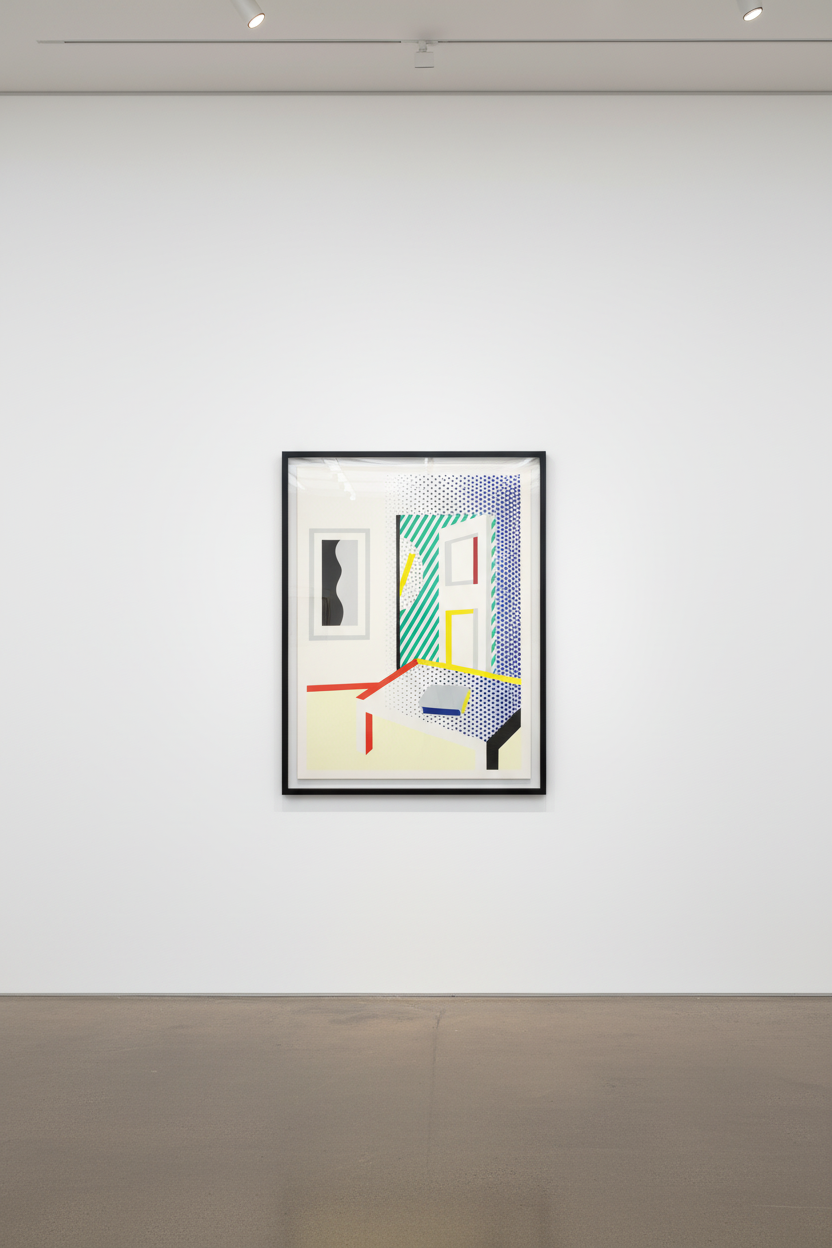
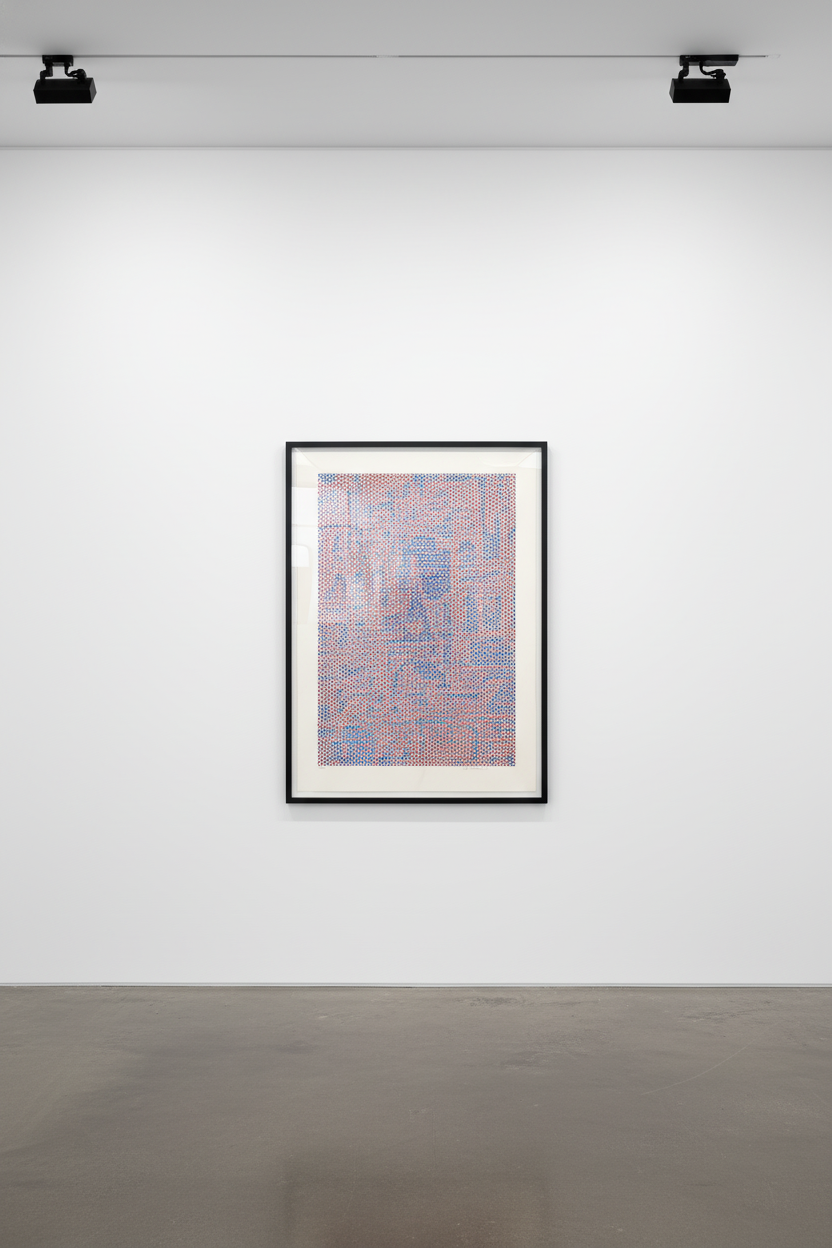
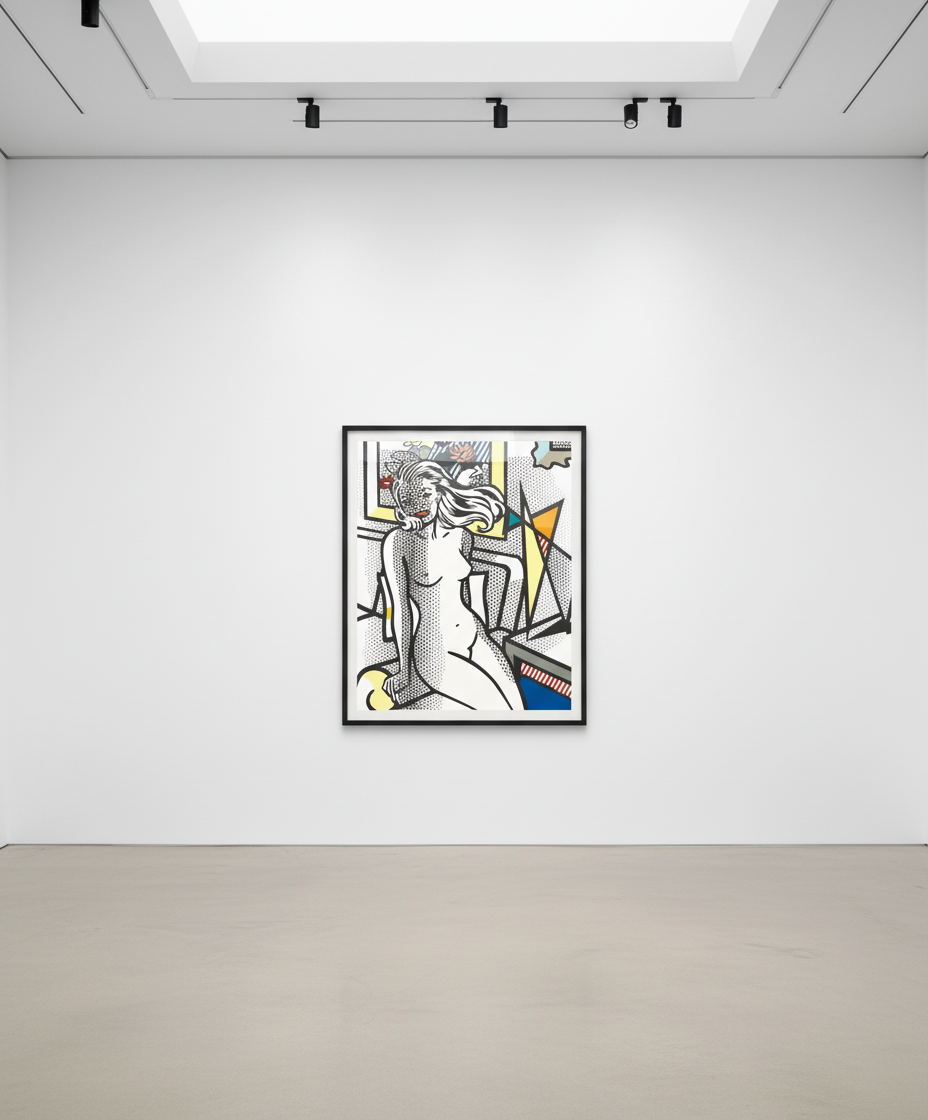
Virtual Interior With Book — Roy Lichtenstein. Available at Guy Hepner, New York.
His later work included ambitious explorations of virtual space and domestic environments, reflecting his continued evolution as an artist. Lichtenstein also created significant works addressing social and political themes, including pieces that spoke to pressing issues of his time, demonstrating that Pop Art could carry serious messages beneath its seemingly accessible surface.
Roy Lichtenstein's position in the art market reflects his canonical status within art history. According to data from Christie's and Sotheby's, Lichtenstein consistently ranks among the most sought-after American artists at auction, with major works commanding prices in the tens of millions of dollars. The Art Basel and UBS Global Art Market Report regularly identifies Lichtenstein as a cornerstone of the Post-War and Contemporary art market, with strong demand across all collecting categories from museum-quality paintings to accessible prints and multiples.
What makes Lichtenstein particularly appealing to collectors is the combination of art historical importance, instant visual recognition, and relative accessibility through his extensive print oeuvre. During his lifetime, Lichtenstein produced a substantial body of prints, sculptures, and works on paper that allow collectors at various levels to acquire works by this master of American art. His prints, in particular, demonstrate the same technical excellence and visual impact as his paintings while offering entry points into collecting a blue-chip artist.
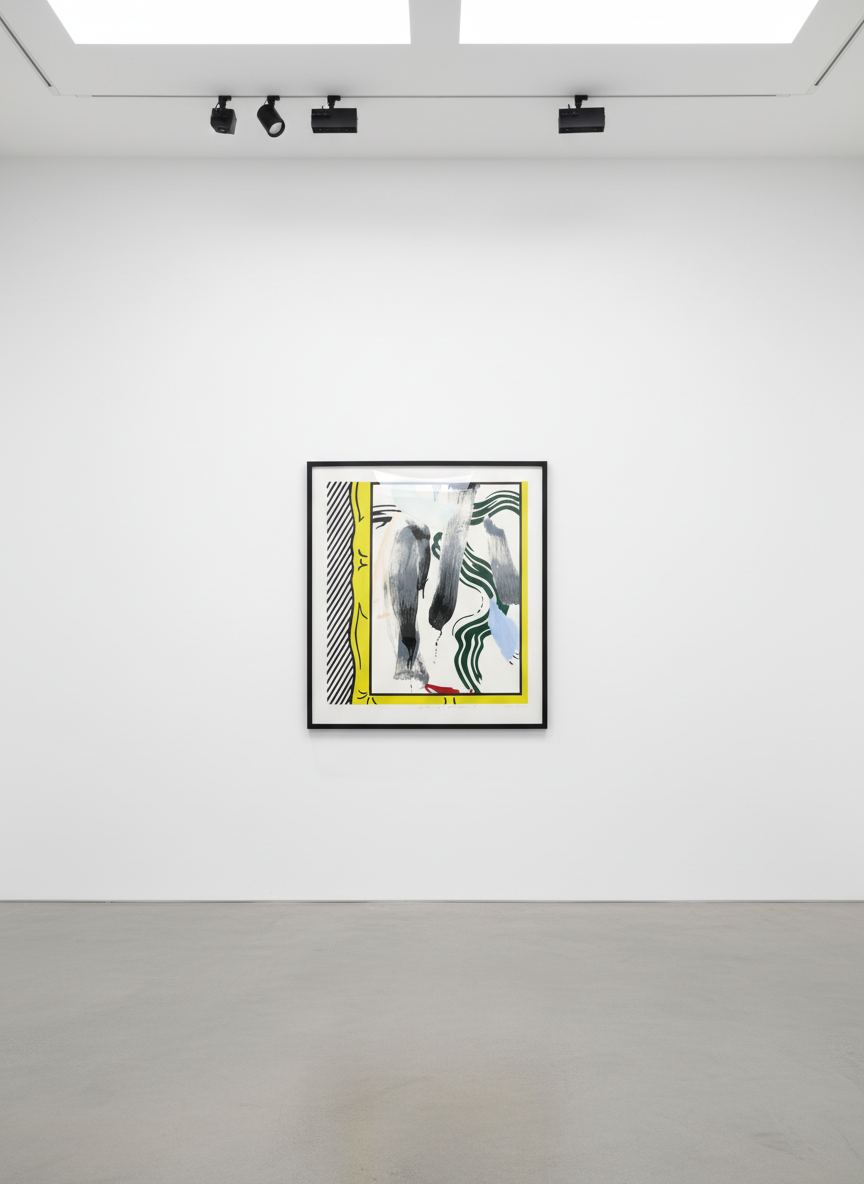
Against Apartheid (C. 200) — Roy Lichtenstein. Available at Guy Hepner, New York.
The enduring appeal of Lichtenstein's work lies in its ability to function on multiple levels — as visually striking decoration, as sophisticated commentary on art and culture, and as historically significant documents of a pivotal moment in American art. His influence extends to contemporary artists working today, and his aesthetic has permeated design, fashion, and popular culture in ways that ensure continued relevance for new generations of collectors.
Roy Lichtenstein passed away on September 29, 1997, in New York City, but his influence on contemporary art remains immeasurable. Major retrospectives at institutions including the Tate Modern, the Art Institute of Chicago, and the National Gallery of Art have cemented his place in the artistic canon. His works hang in virtually every significant museum of modern and contemporary art worldwide.
Beyond the museum context, Lichtenstein's visual language has become part of our collective cultural vocabulary. His approach to appropriation, his interrogation of high and low culture distinctions, and his technical innovations continue to inform artistic practice and critical discourse. For collectors, owning a Lichtenstein means possessing a piece of art history — a tangible connection to one of the defining movements of the 20th century.
Guy Hepner is proud to offer authenticated works by Roy Lichtenstein, including prints and multiples from significant series throughout the artist's career. Our expertise in Post-War and Contemporary art ensures that collectors receive comprehensive guidance on provenance, condition, and market positioning. To inquire about available Roy Lichtenstein works or to discuss building a collection that includes this essential American master, please contact our gallery directly for a personalized consultation.
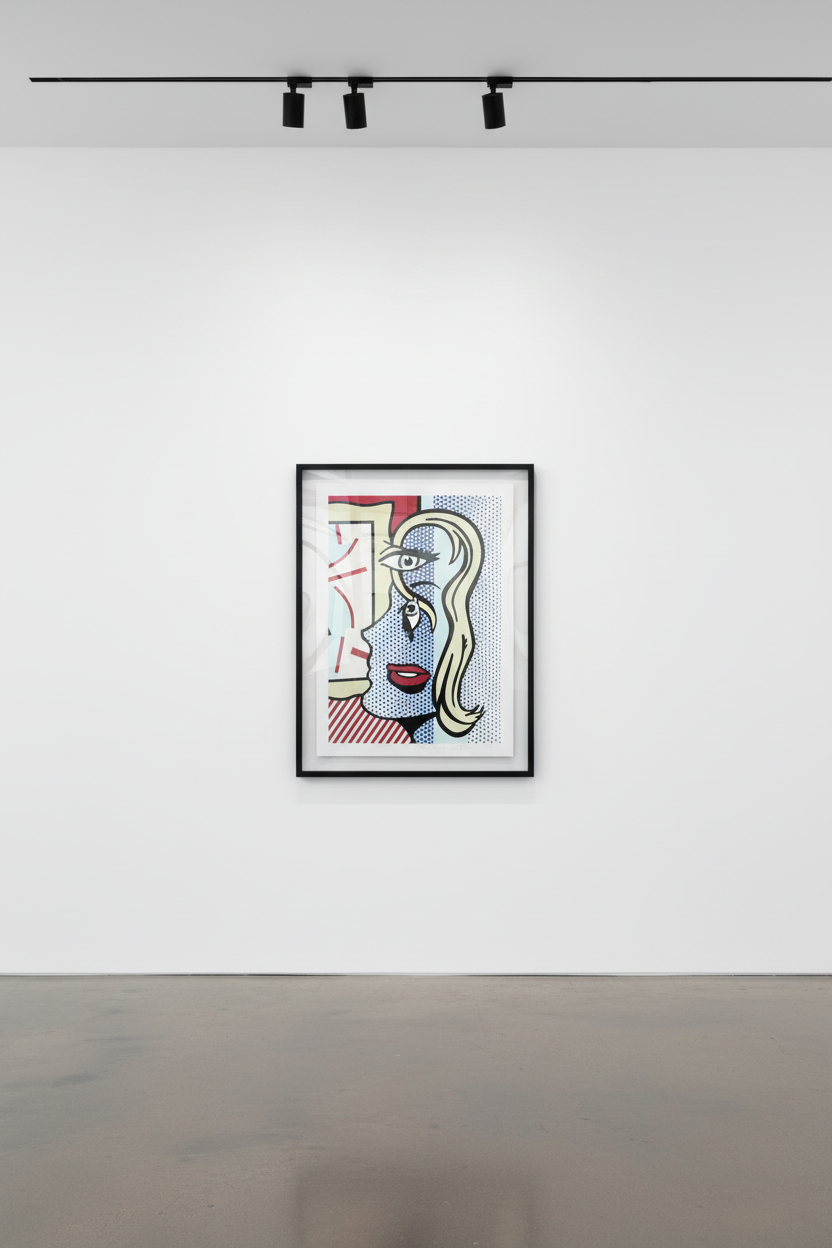
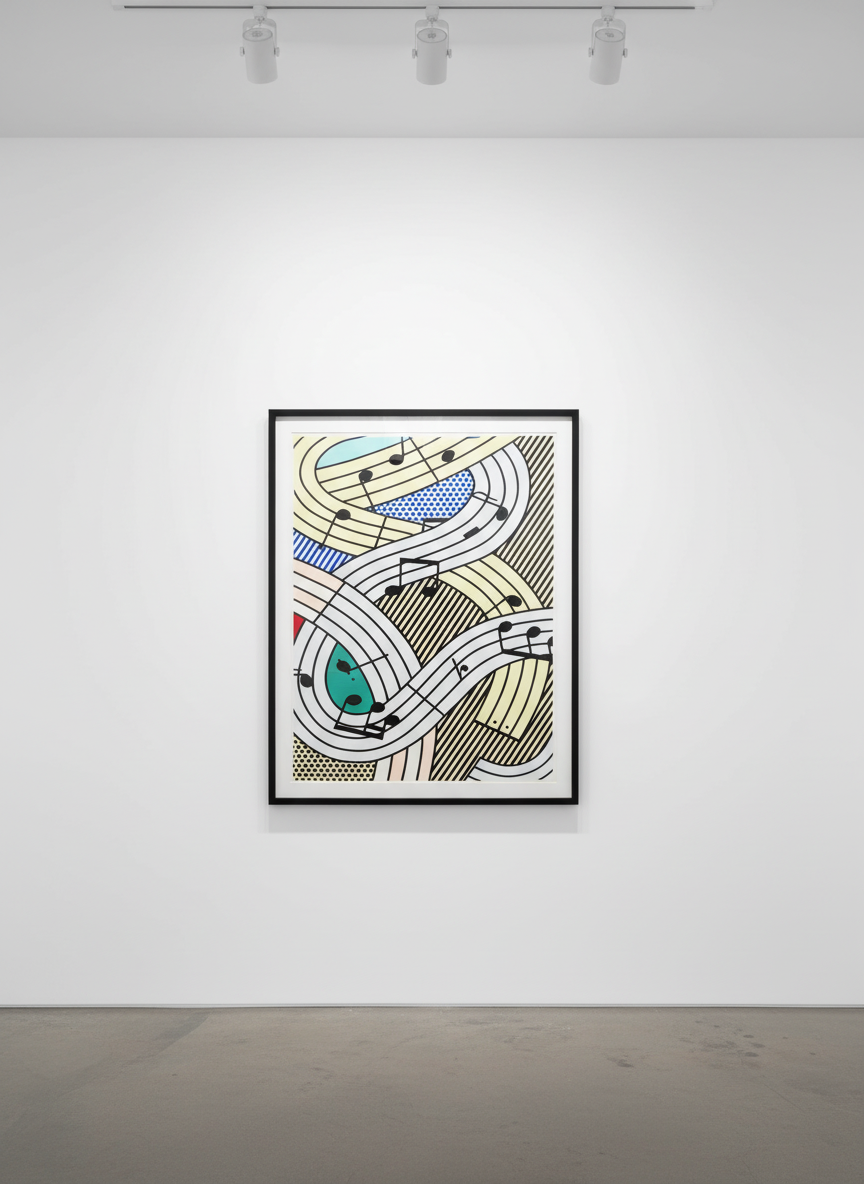
--- **Browse Roy Lichtenstein prints** at Guy Hepner: [Roy Lichtenstein art for sale](/roy-lichtenstein) | [Sell your Lichtenstein](/sell/roy-lichtenstein)Explore Roy Lichtenstein prints for sale at Guy Hepner: American Indian Theme, Art Critic, Brushstrokes, Cathedral, Composition.
Related Series