The Big Four: Warhol. Lichtenstein. Haring. Hockney
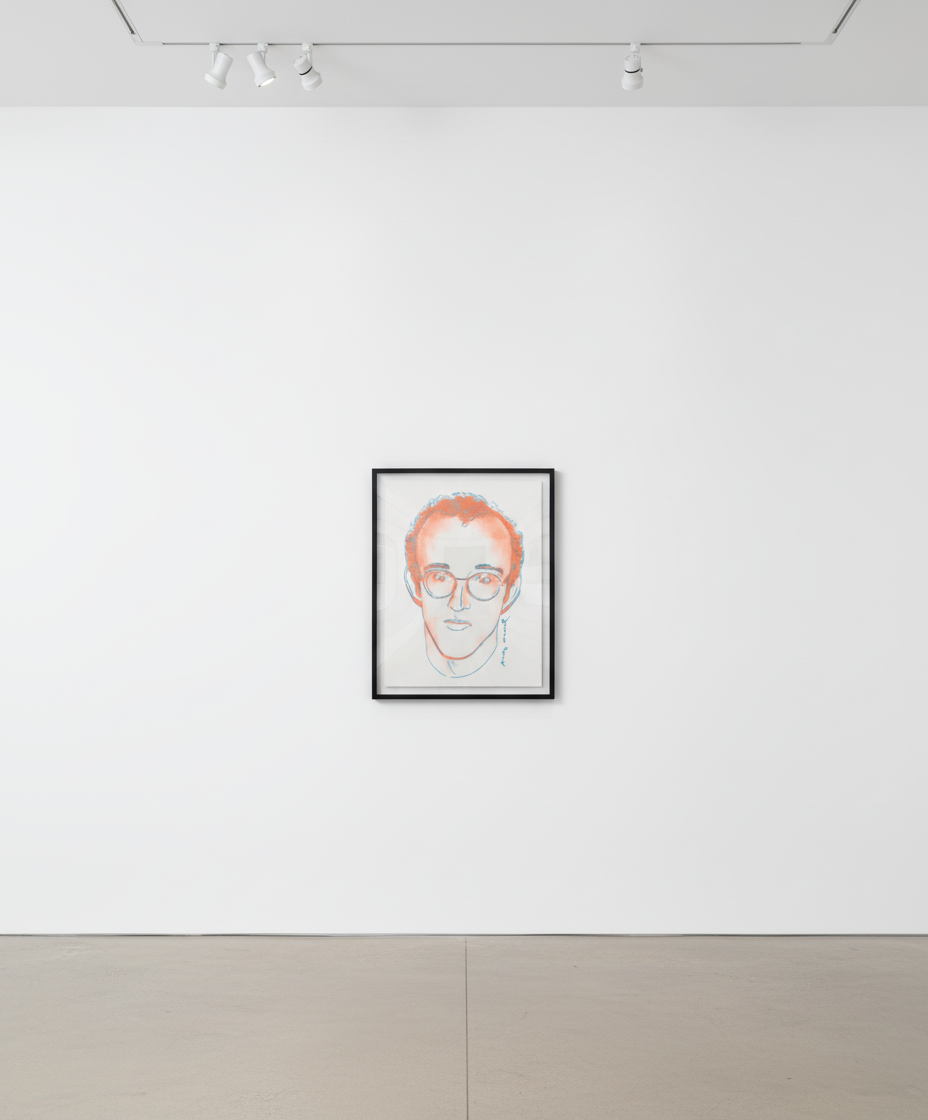
The Big Four: Warhol. Lichtenstein. Haring. Hockney
Andy Warhol and the Architecture of Pop Art Collecting
When collectors and institutions speak of post-war American art, four names invariably rise to the surface with unassailable authority: Warhol, Lichtenstein, Haring, and Hockney. These artists did not merely participate in the cultural shifts of the twentieth century—they engineered them. Their prints, multiples, and editions have become the backbone of serious contemporary collections, offering accessibility without compromise, investment potential without sacrificing aesthetic conviction. Among this quartet, Andy Warhol occupies a singular position. He is not simply a member of the canon; he is its gravitational center, the figure around whom the entire market for Pop prints continues to orbit.
Warhol's significance extends far beyond his celebrity portraits and soup cans, though these remain touchstones of modern visual culture. His radical democratization of image-making—the seriality, the flattened affect, the embrace of commercial technique—fundamentally altered how we understand originality, authorship, and value in art. The screenprint, once considered a secondary medium, became in Warhol's hands a vehicle for some of the most consequential artistic statements of the century. Today, his prints represent not nostalgia but ongoing relevance, a bridge between the avant-garde provocations of the 1960s and the image-saturated realities of contemporary life.
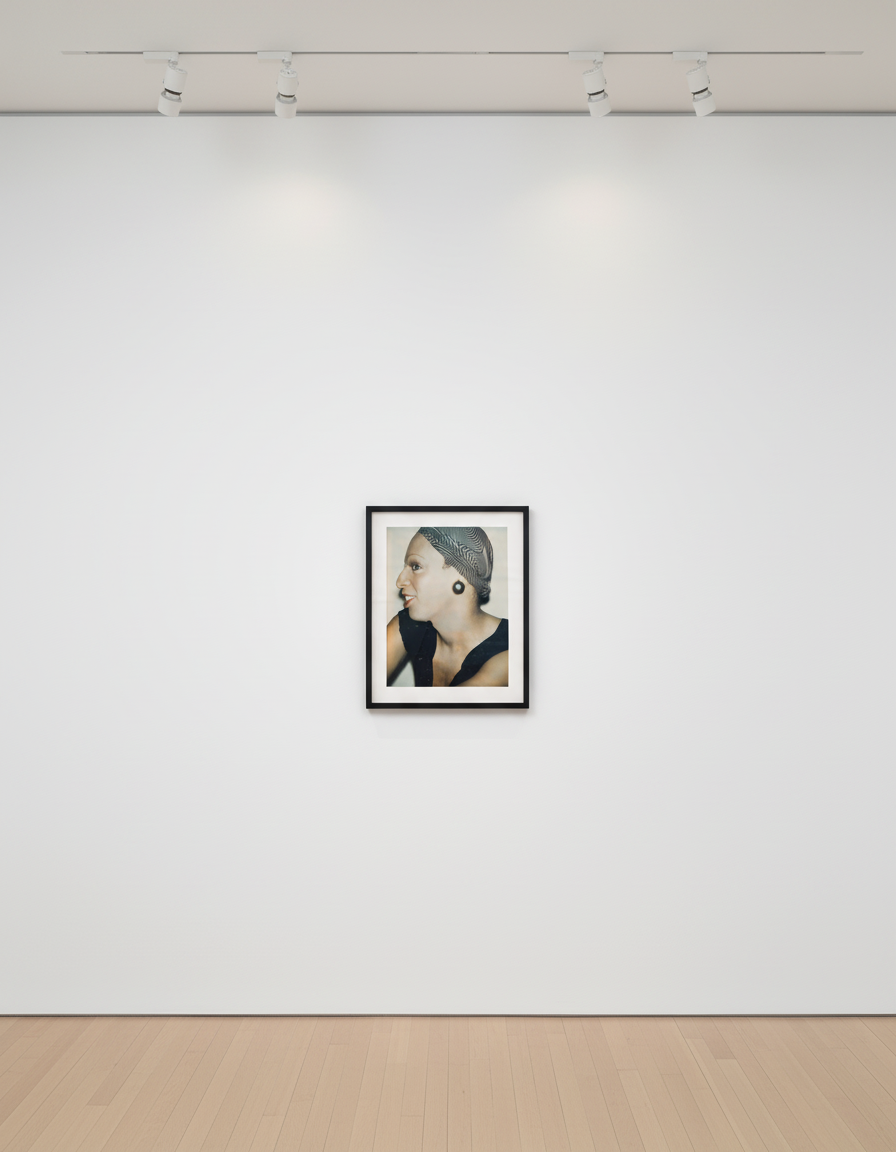
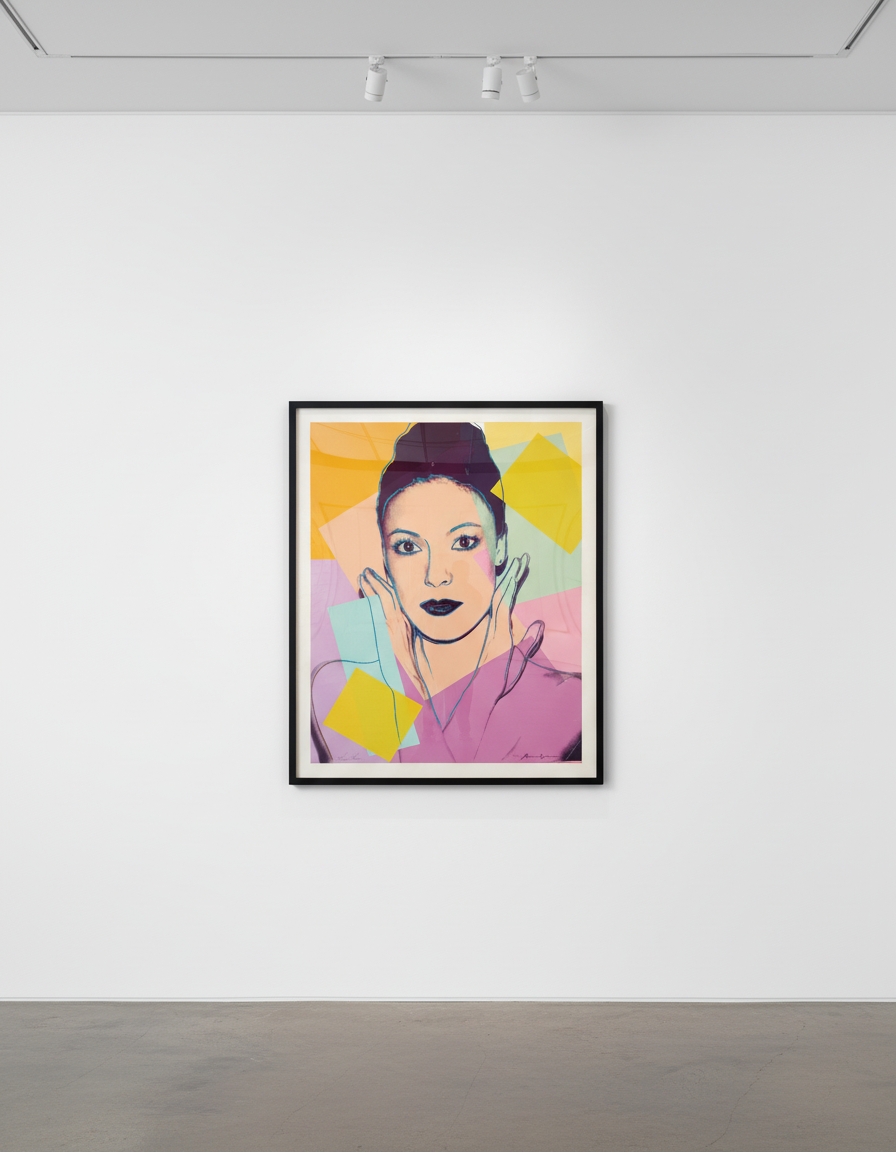
Ladies and Gentlemen (Wilhelmina Ross) — Andy Warhol. Available at Guy Hepner, New York.
Market Context: Navigating 2025 with Strategic Precision
The broader art market entered 2025 carrying the weight of continued recalibration. According to data reflected in the Art Basel and UBS Global Art Market Report, sales declined approximately twelve percent in 2024, settling around $57.5 billion globally. High-end consignments grew thinner as collectors exercised caution, yet transaction volume increased meaningfully at lower price points. This bifurcation—restraint at the top, activity in the middle—has shaped dealer and auction strategy alike, with both leaning into liquidity and the mid-price segments where blue-chip prints reside with particular strength.
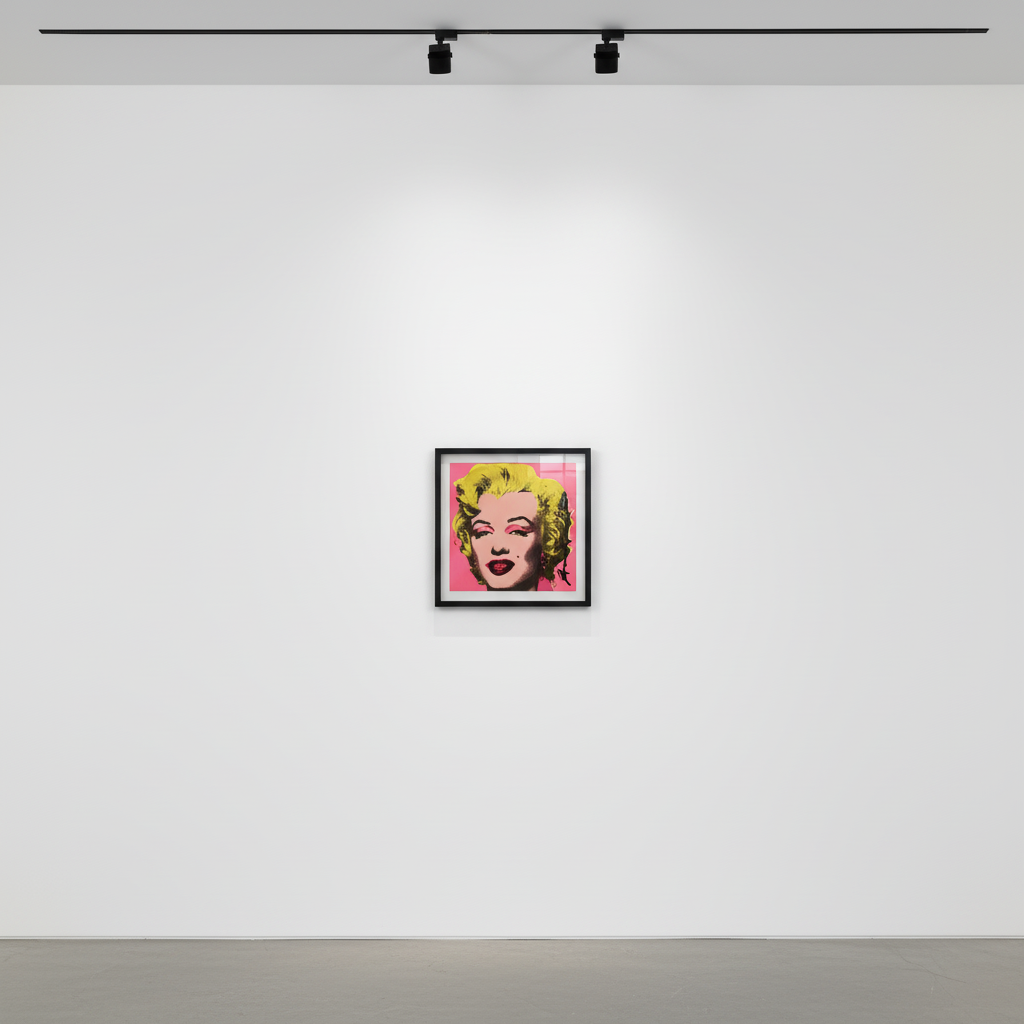
For Warhol specifically, this environment has proven advantageous rather than limiting. His prints occupy precisely the market territory where confidence remains robust. Collectors seeking quality without the exposure of eight-figure paintings find in Warhol's editions a compelling proposition: museum-level provenance, immediate recognizability, and a depth of market history that provides pricing transparency. Even in cautious selling seasons, marquee Warhol images continue to clear estimates decisively when quality, color saturation, and provenance align. At Sotheby's online Prints and Multiples sale in late September 2024, a Marilyn Monroe screenprint from 1967 led the session, hammering above guidance and anchoring the $3.9 million total. Complete Marilyn portfolios, when fresh to market and correctly matched across paper and watermarks, still command low-to-mid seven figures—testament to enduring institutional and private demand.
This is depth, not froth. Unlike speculative sectors prone to dramatic correction, Warhol's market rests on decades of auction records, scholarly cataloguing, and cross-generational collector interest. The Catalogue Raisonné compiled by Feldman and Schellmann remains the definitive reference, and works with clean provenance tracing back to original distribution channels command appropriate premiums.
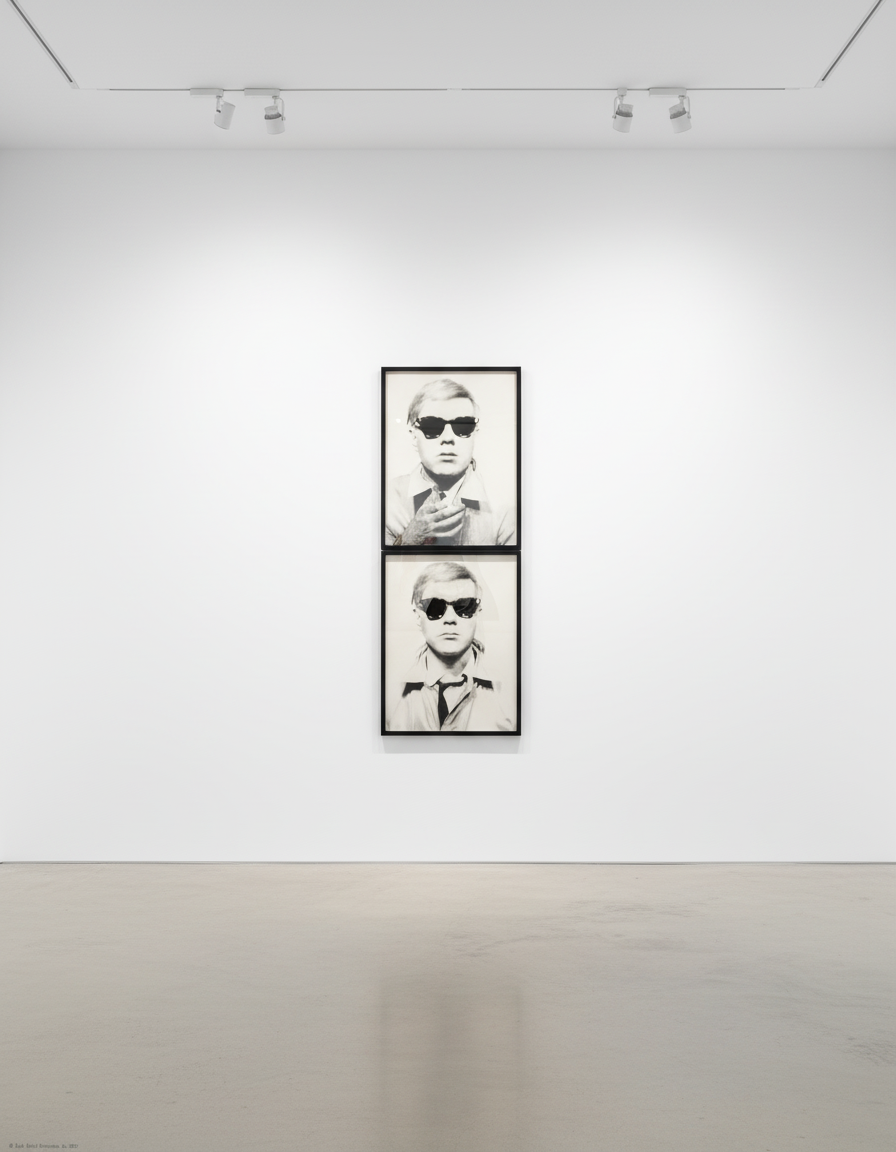
Self - Portrait F.S. IIIA 10 — Andy Warhol. Available at Guy Hepner, New York.
Standout Works: Where Connoisseurship Meets Opportunity
Within Warhol's vast print output, certain series and subjects have demonstrated particular resilience and collector appetite. The Marilyn Monroe portfolio (1967; F&S II.22–31) remains the ultimate trophy acquisition. Individual sheets with strong ink density and clean versos consistently outperform estimates, while complete portfolios represent pinnacle holdings. Discerning buyers examine paper tone carefully, check for verso scuffing, and verify that paper stock and watermarks match across all ten prints—details that separate exceptional examples from merely good ones.
The Mao series (1972; F&S II.90–99) offers another avenue of institutional-quality collecting. These works marry political commentary with Warhol's signature aesthetic, transforming the visage of revolutionary China into Pop iconography. The tension between subject and treatment continues to resonate with collectors attuned to art-historical significance.
Less ubiquitous but equally compelling, the Ladies and Gentlemen portfolio (1975) documents New York's drag community with a directness that feels remarkably contemporary. These portraits—vivid, unapologetic, formally sophisticated—have attracted renewed scholarly attention and collector interest as conversations around identity and representation have evolved. Similarly, the Beethoven series (1987; F&S IIB.390–393), created in the final year of Warhol's life, demonstrates the artist's continued formal invention, applying his signature vocabulary to classical portraiture with striking results.
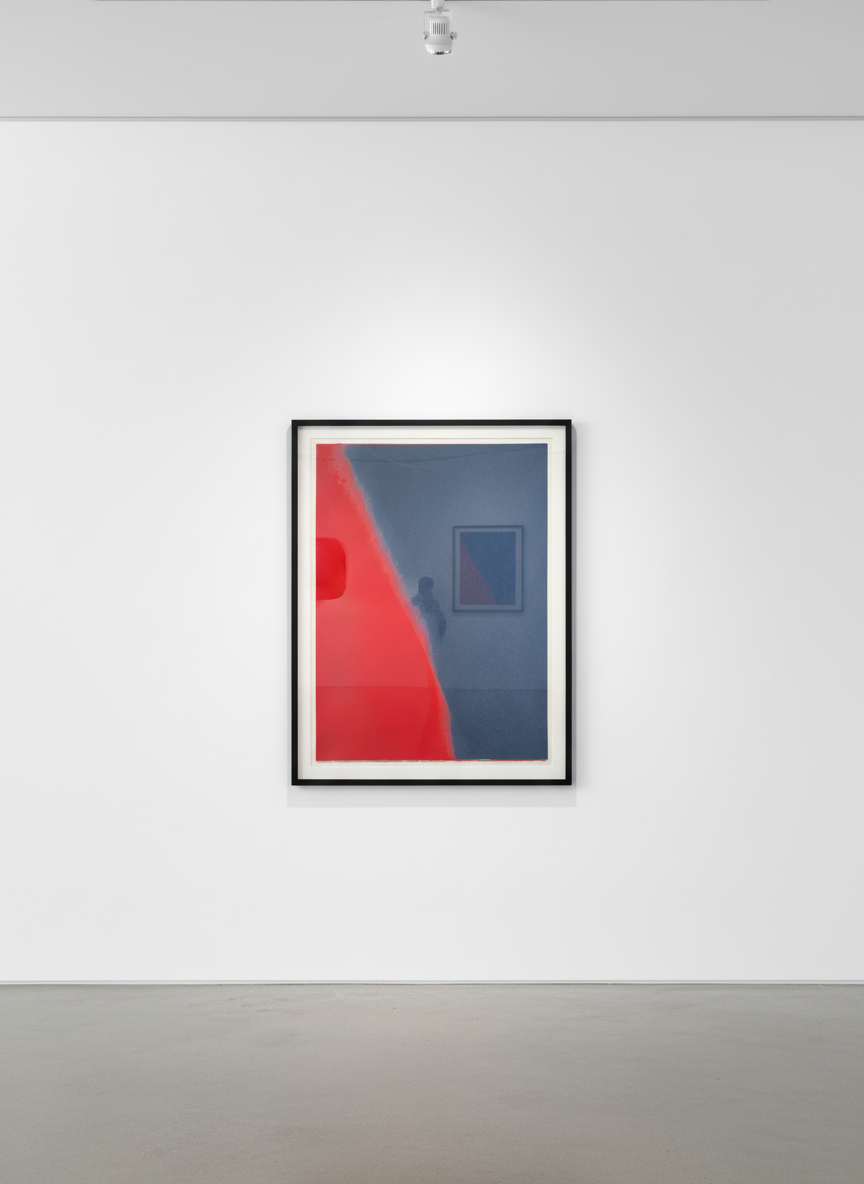
The Camouflage prints (1987) represent Warhol's late-period abstraction, where the recognizable pattern becomes simultaneously decoration and commentary on visibility, concealment, and the nature of surface. These works appeal to collectors seeking Warhol beyond the portrait, evidence of an artist whose investigations remained restless until the end.
Dollar Sign prints (1982) maintain selective but genuine demand. Graphic, saturated examples perform well, though the category remains price-sensitive. Collectors should prioritize exceptional condition and color intensity over mere availability.
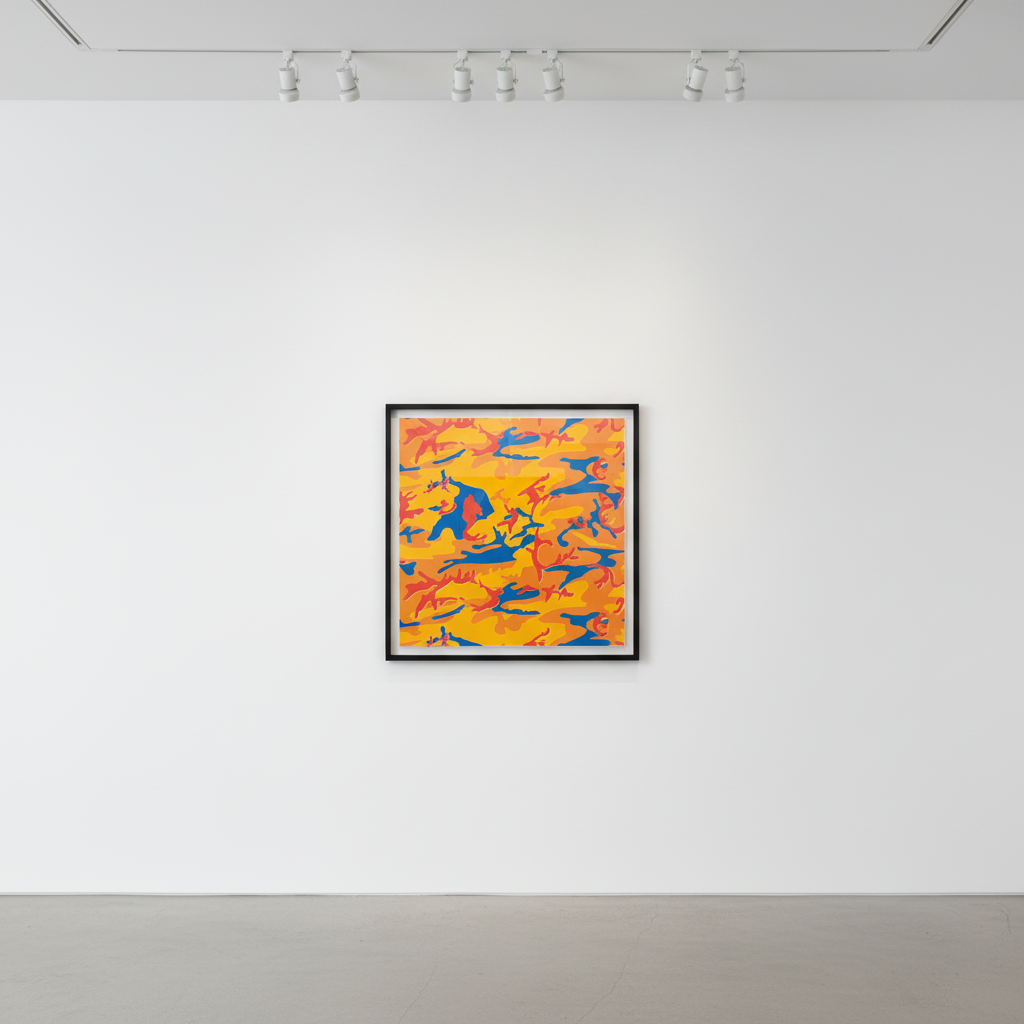
Camouflage Trial Proof TP 4/84 — Andy Warhol. Available at Guy Hepner, New York.
Why the Big Four Matter Now
The convergence of Warhol, Lichtenstein, Haring, and Hockney under a single collecting framework reflects more than art-historical convenience. These four artists represent complementary approaches to image, reproduction, and cultural commentary. Collecting across this group offers diversification within a coherent aesthetic and intellectual framework—each artist illuminating the others through contrast and correspondence. Warhol's cool remove finds its counterpoint in Haring's urgent energy; Lichtenstein's graphic precision dialogues with Hockney's sensuous color. Together, they constitute a foundation for collections aspiring to comprehensiveness and depth.
For institutions building public holdings and private collectors establishing legacy acquisitions, prints by these artists offer a rare combination: accessibility relative to unique works, scholarly documentation, and demonstrated market stability. In uncertain economic conditions, such attributes carry weight.
Acquiring Warhol Through Guy Hepner
Guy Hepner maintains an active and carefully curated inventory of Andy Warhol prints, including exceptional examples from the Mao, Ladies and Gentlemen, Camouflage, Beethoven, and Self-Portrait series. Each work is accompanied by full provenance documentation and condition reporting to the standards expected by serious collectors. Our specialists offer confidential consultations for those building positions in Warhol or expanding existing holdings across the Big Four. We invite collectors to contact Guy Hepner directly to discuss current availability, acquisition strategy, and placement within broader collection goals.
--- **Browse Andy Warhol prints** at Guy Hepner: [Andy Warhol art for sale](/andy-warhol) | [Sell your Warhol](/sell/andy-warhol)