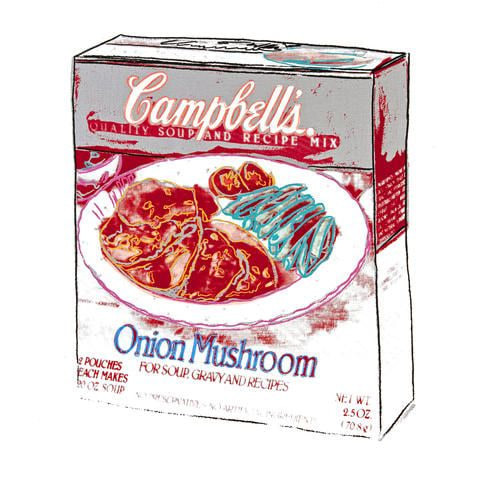
Campbell's Soup Box

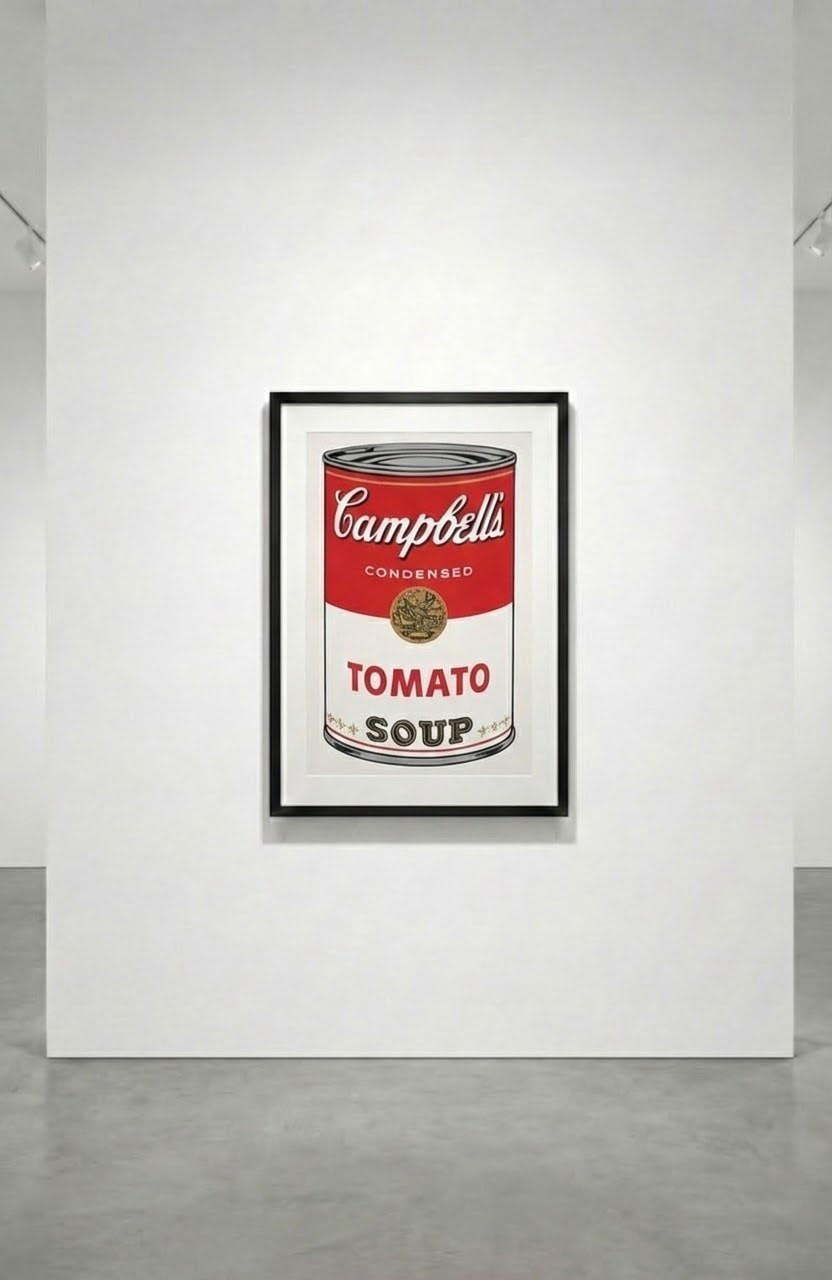
Few artists are so universally associated with a single image — the Campbell's Soup Can — or with a broader cultural phenomenon — celebrity worship — than Andy Warhol. The American pop artist painted cans of soup and celebrities with equal reverence, transforming mundane consumer products and Hollywood icons into profound meditations on fame, desire, and the American condition. But behind these iconic works lies a far richer story: the life of a man who challenged the boundaries of art, commerce, and fame, and in the process redefined what it meant to be an artist in the twentieth century.
Andy Warhol was born Andrew Warhola in Pittsburgh, Pennsylvania, in 1928. His parents were Slovakian immigrants who had settled in the United States seeking better opportunities. Growing up in a working-class family during the Great Depression, Warhol experienced both hardship and the promise of the American dream — themes that would later infuse his work with a sharp awareness of consumer culture and its seductive power.
As a child, Warhol suffered from Sydenham's chorea, a nervous system disorder that left him bedridden for long periods. During this time, he developed an obsessive relationship with popular culture, collecting images of movie stars and listening to the radio for hours on end. His mother, Julia Warhola, encouraged his artistic interests, and these formative experiences planted the seeds for his later exploration of celebrity and mass media. After studying commercial art at the Carnegie Institute of Technology, Warhol moved to New York City in 1949, where he quickly established himself as a successful commercial illustrator. His whimsical drawings for magazines and advertisements earned him recognition, but Warhol harboured greater ambitions — he wanted to be a fine artist who could bridge the gap between high culture and everyday life.
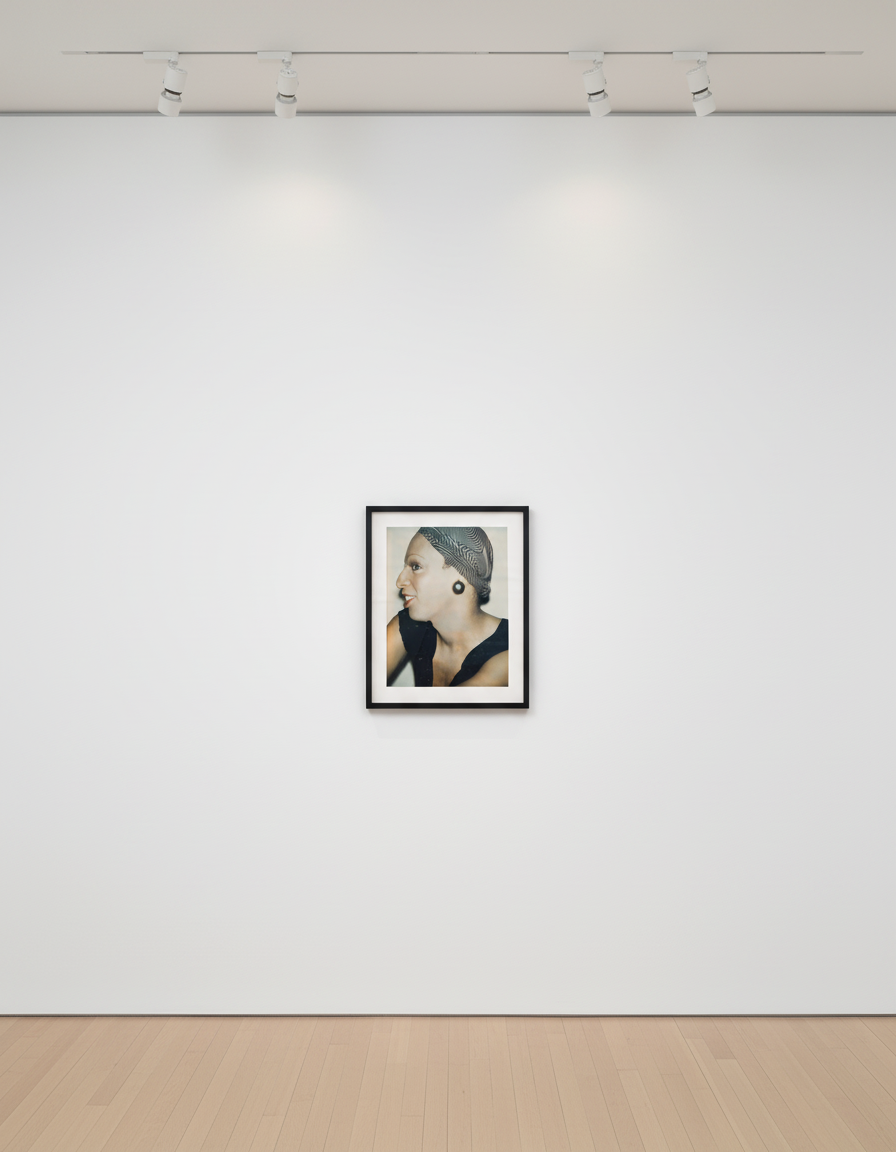
Ladies and Gentlemen (Wilhelmina Ross) — Andy Warhol. Available at Guy Hepner, New York.
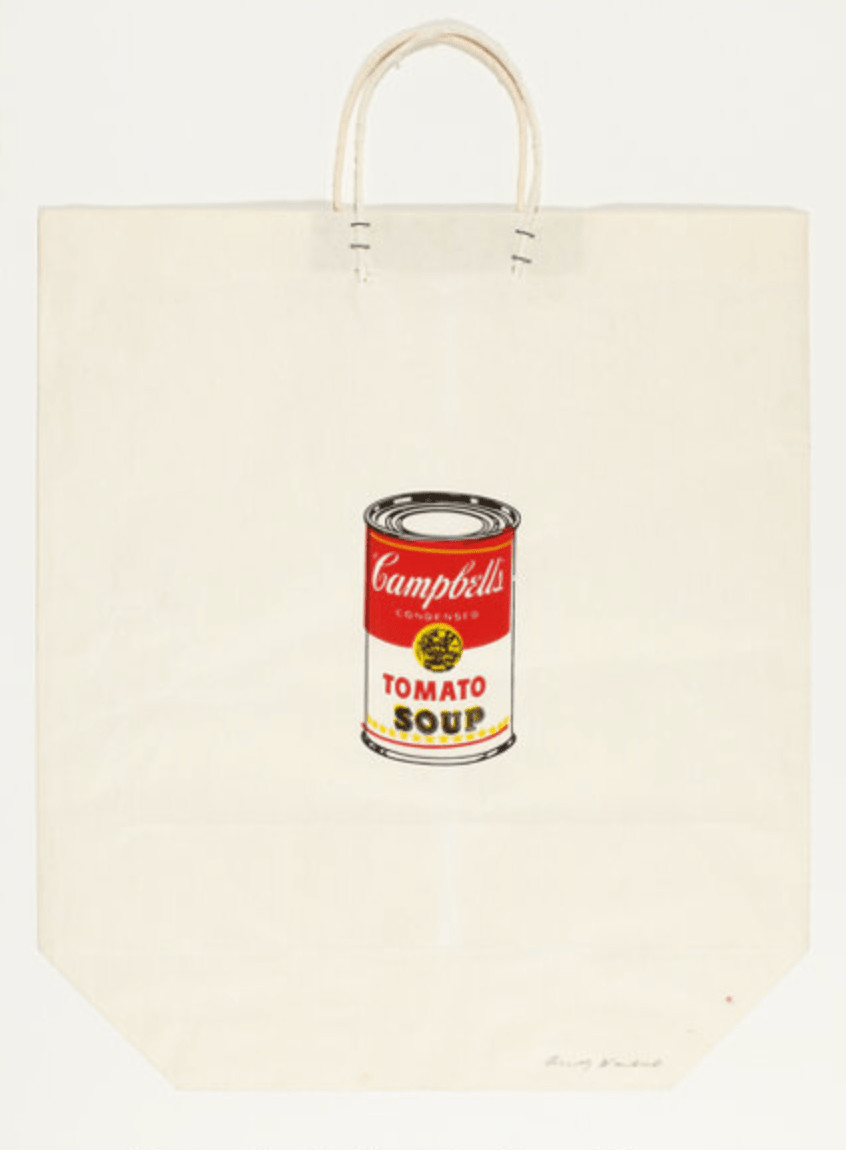
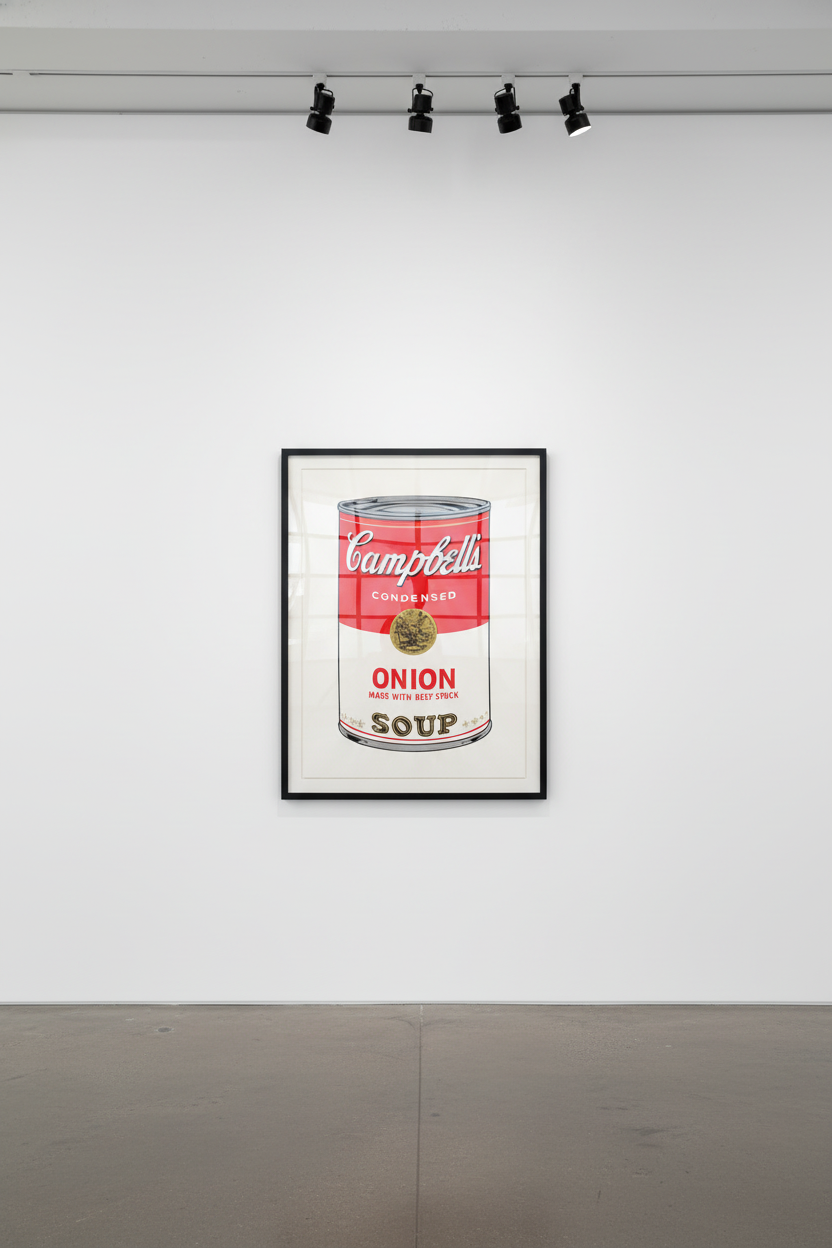
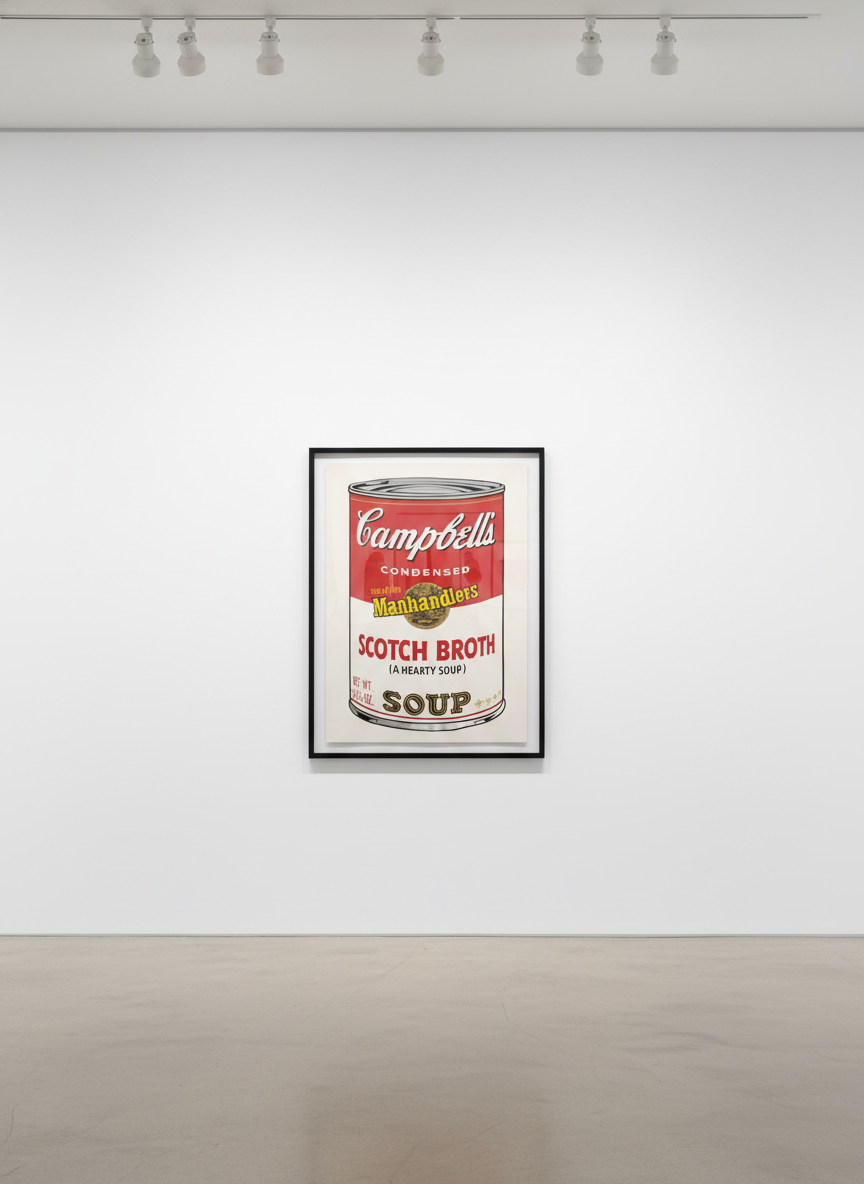
When the American pop artist painted cans of soup in 1962, he did more than create a striking visual statement — he fundamentally altered the trajectory of contemporary art. The thirty-two Campbell's Soup Cans, each representing a different flavour, were displayed at the Ferus Gallery in Los Angeles and immediately sparked controversy. Critics questioned whether this was art at all, while others recognised the profound implications of elevating a mass-produced grocery item to the status of fine art.
Warhol's genius lay in his ability to reveal the aesthetic qualities hidden within the ordinary. By isolating the soup can from its supermarket context and presenting it with the reverence traditionally reserved for portraits or landscapes, he forced viewers to reconsider their assumptions about value, originality, and artistic merit. The repetitive nature of the series also anticipated his later explorations of mechanical reproduction, challenging the romantic notion of the artist as a solitary genius creating unique masterpieces.
Beyond soup cans, Warhol turned his distinctive vision toward Brillo boxes, Coca-Cola bottles, and dollar bills — all icons of American consumer culture. These works positioned the American pop artist as both critic and celebrant of capitalism, maintaining an ambiguity that continues to fascinate scholars and collectors alike. His silkscreen technique, borrowed from commercial printing, allowed for mass production of images while simultaneously questioning what separates an original artwork from a reproduction.
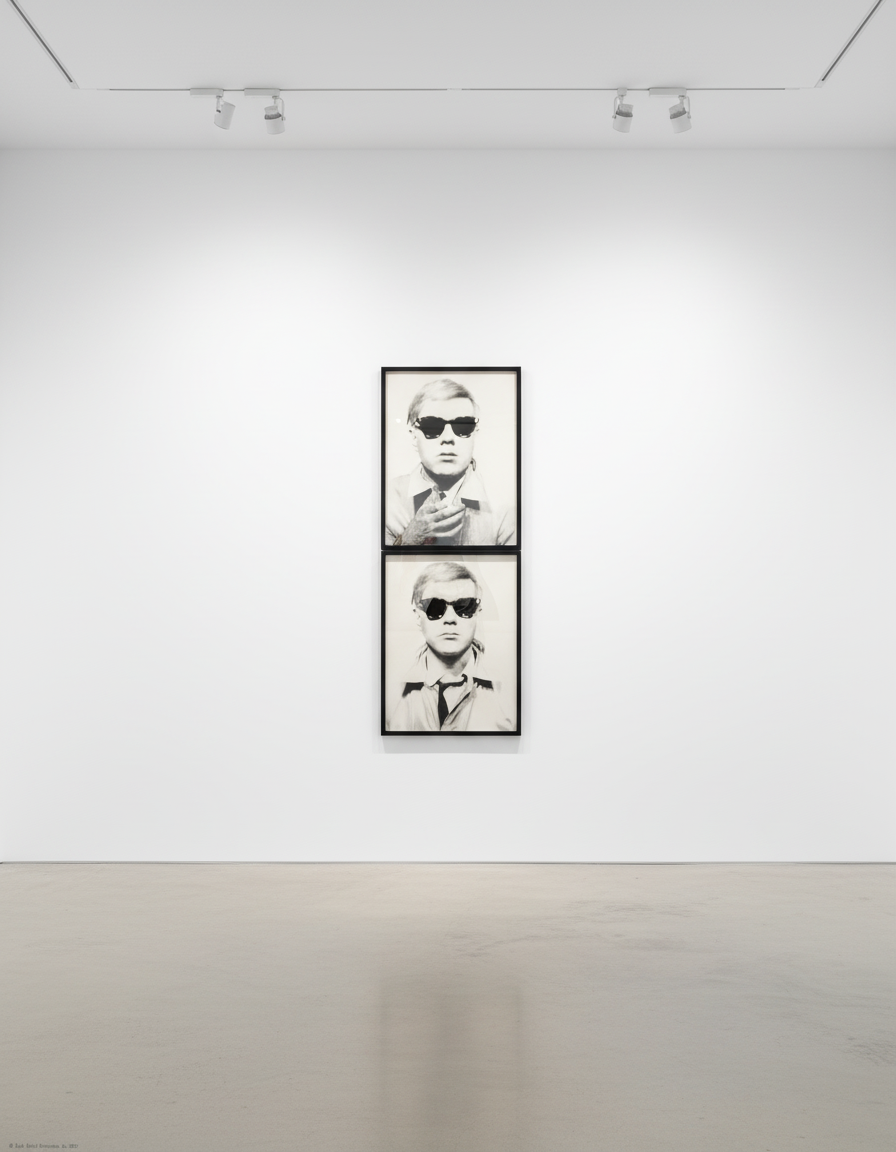
Self - Portrait F.S. IIIA 10 — Andy Warhol. Available at Guy Hepner, New York.
While the American pop artist painted cans of soup to interrogate consumer culture, his celebrity portraits explored the equally commodified realm of fame. Warhol understood that in the modern media landscape, public figures were products to be packaged and consumed just like any household brand. His portraits of Marilyn Monroe, Elvis Presley, and Elizabeth Taylor transformed these stars into secular icons, their faces repeated and manipulated until individuality dissolved into pure image.
Warhol's portrait practice extended far beyond Hollywood. His Mao series, begun in 1972 following President Nixon's historic visit to China, presented the Chinese leader as a pop culture phenomenon comparable to any Western celebrity. The vibrant colours and gestural brushwork applied over the mechanically reproduced image created a fascinating tension between political propaganda and artistic expression. Similarly, his Hammer and Sickle works engaged with Cold War iconography, stripping Communist symbols of their ideological weight and rendering them as aesthetic objects.
The Ladies and Gentlemen series from 1975 demonstrated Warhol's continued ability to challenge social conventions. Featuring portraits of drag queens and transgender women from New York's underground scene, these works celebrated marginalised communities while elevating their subjects to the same iconic status as his celebrity portraits. Wilhelmina Ross and other subjects from this series are now recognised as important documents of LGBTQ+ history and identity.
His Beethoven portfolio from 1987 revealed yet another dimension of his practice, depicting the classical composer with the same techniques used for contemporary celebrities. By treating historical figures through his signature pop aesthetic, Warhol collapsed distinctions between past and present, high culture and mass entertainment.
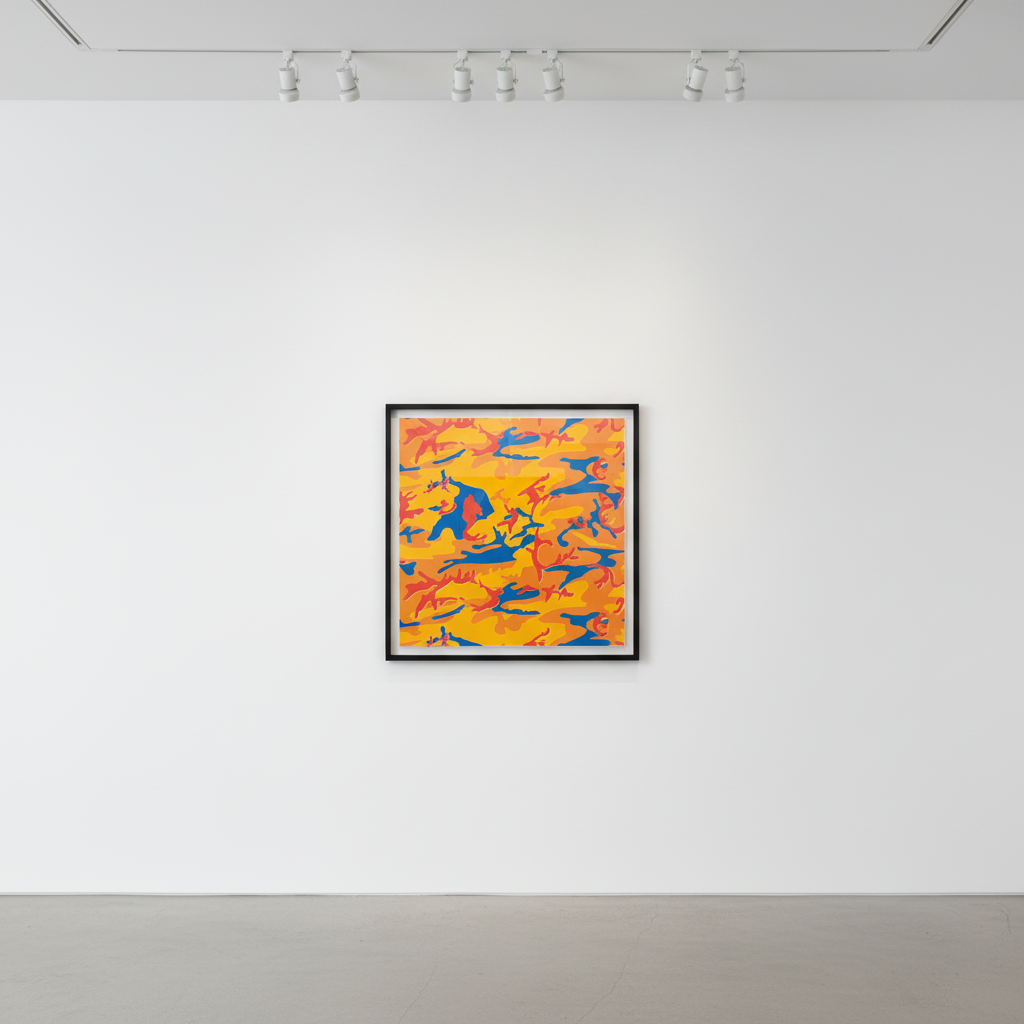
Camouflage Trial Proof TP 4/84 — Andy Warhol. Available at Guy Hepner, New York.
The market for Warhol's work remains extraordinarily robust, reflecting his enduring significance in the contemporary art world. According to the Art Basel and UBS Global Art Market Report, Warhol consistently ranks among the highest-grossing artists at auction, with demand spanning from emerging collectors to established institutions. Major sales at Christie's and Sotheby's regularly achieve record prices, with his celebrity portraits and iconic pop imagery commanding particular attention.
For collectors, Warhol represents both a blue-chip investment and an opportunity to own a piece of cultural history. His works speak to fundamental questions about art, commerce, and celebrity that remain urgently relevant in our social media age. The American pop artist who painted cans of soup and celebrities anticipated our current moment with remarkable prescience, making his work feel simultaneously historical and contemporary.
Guy Hepner is proud to offer exceptional works by Andy Warhol, including prints, unique pieces, and significant examples from his most celebrated series. Our expertise in navigating the Warhol market ensures that collectors receive comprehensive guidance on provenance, condition, and investment potential. To enquire about available works or to discuss building a collection featuring this transformative American pop artist, contact Guy Hepner directly for personalised assistance.
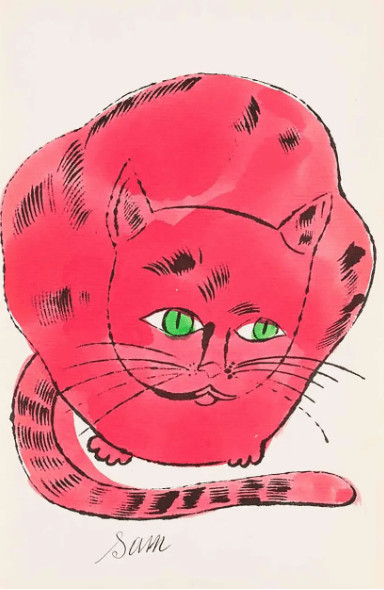
--- **Browse Andy Warhol prints and editions** at Guy Hepner: [Andy Warhol art for sale](/andy-warhol) **Thinking of selling your Warhol?** [Get a free valuation](/sell/andy-warhol)Explore Andy Warhol prints for sale at Guy Hepner: Campbell's Soup Box, Campbell's Soup Can on a Shopping Bag, Campbell's Soup I, Campbell’s Soup Ii, 25 Cats Named Sam.
Related Series