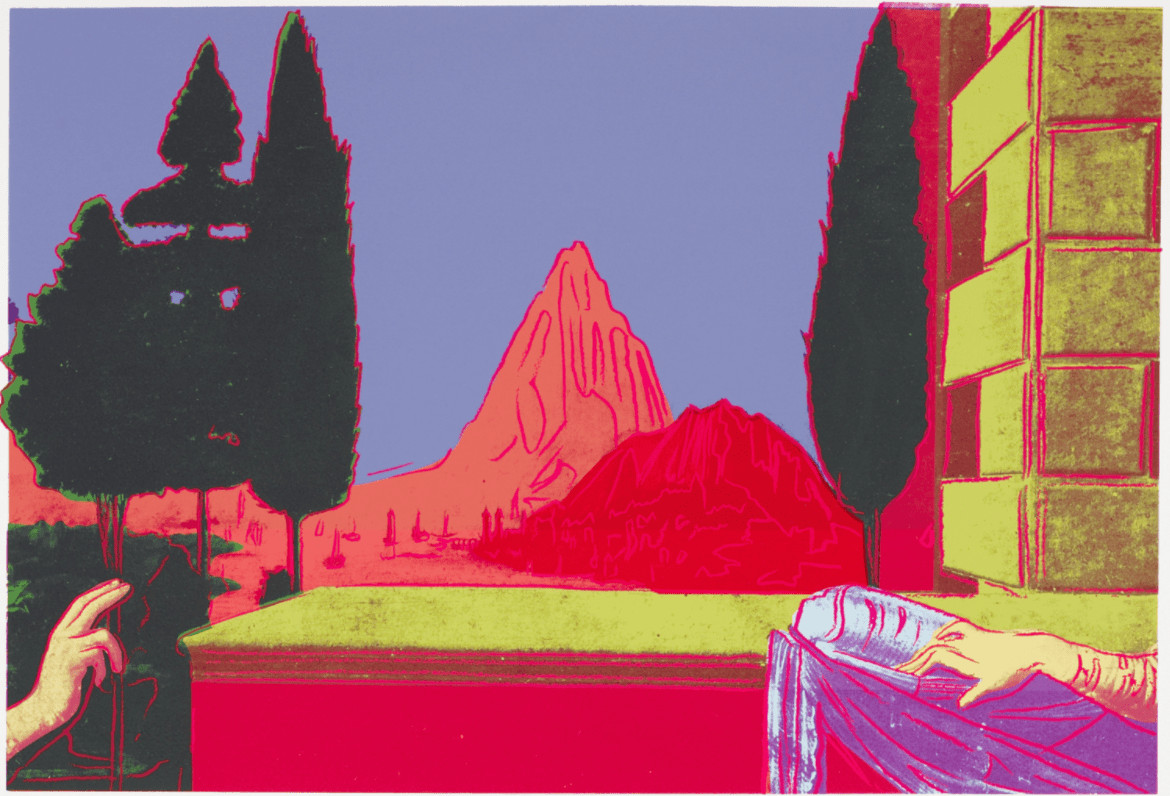
Details of Renaissance Paintings

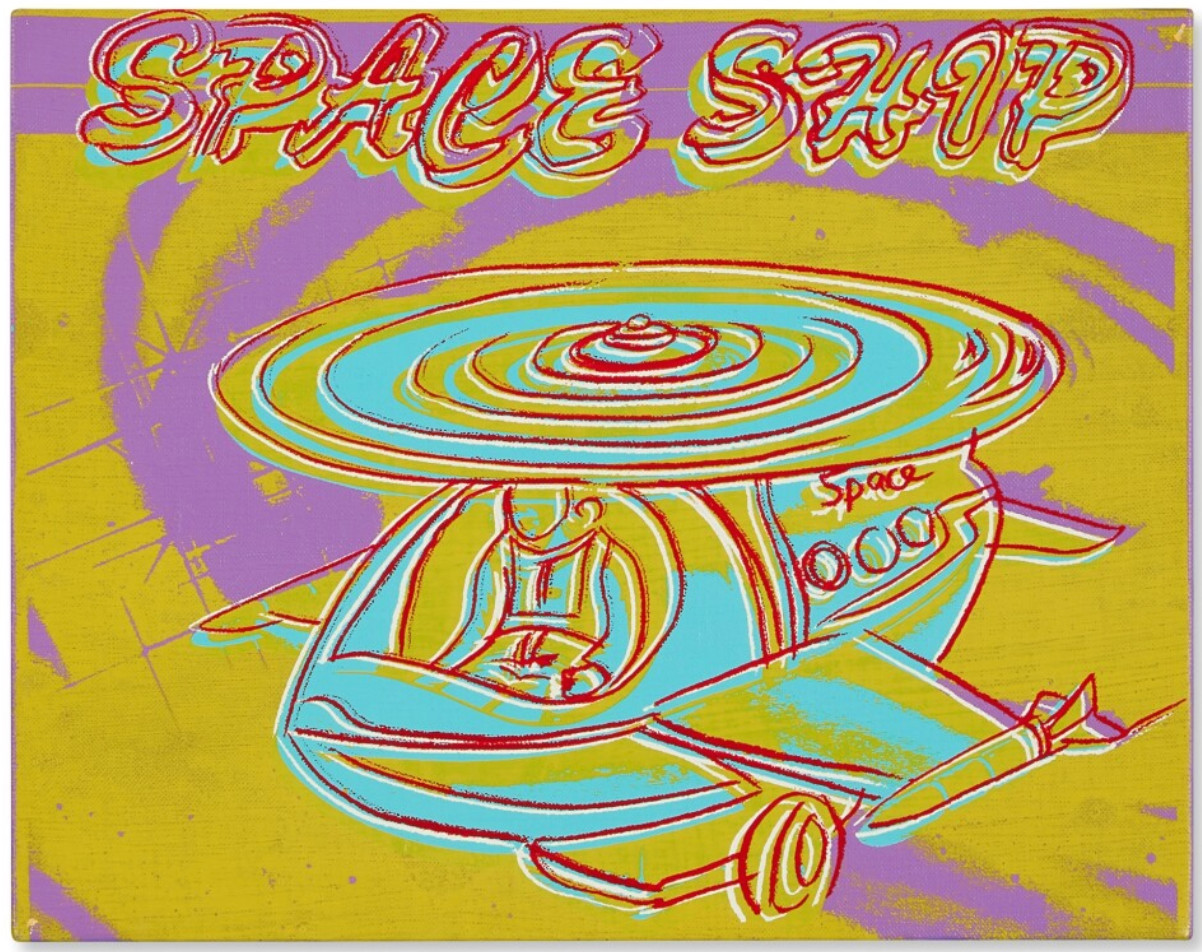
Andy Warhol's Toy Paintings—a body of unique canvases he created in 1983—sit at a fascinating crossroads of late Warhol. They are bright and breezy, seemingly uncomplicated, yet conceptually sharp about desire, branding, childhood, and the global spread of commodities. Commissioned originally for a children's exhibition by his Zurich dealer Bruno Bischofberger, they were displayed at child-height and clustered by subject like a playroom wall—a mischievous curatorial move that made grown-ups crouch to look. Far from a side note in Warhol's extensive catalogue, the Toy Paintings series crystallizes many of the artist's lifelong obsessions and has become a highly collectible pocket of the market. These small canvases echo the scale of toy boxes while distilling the logic of Pop Art to its purest, most accessible form.
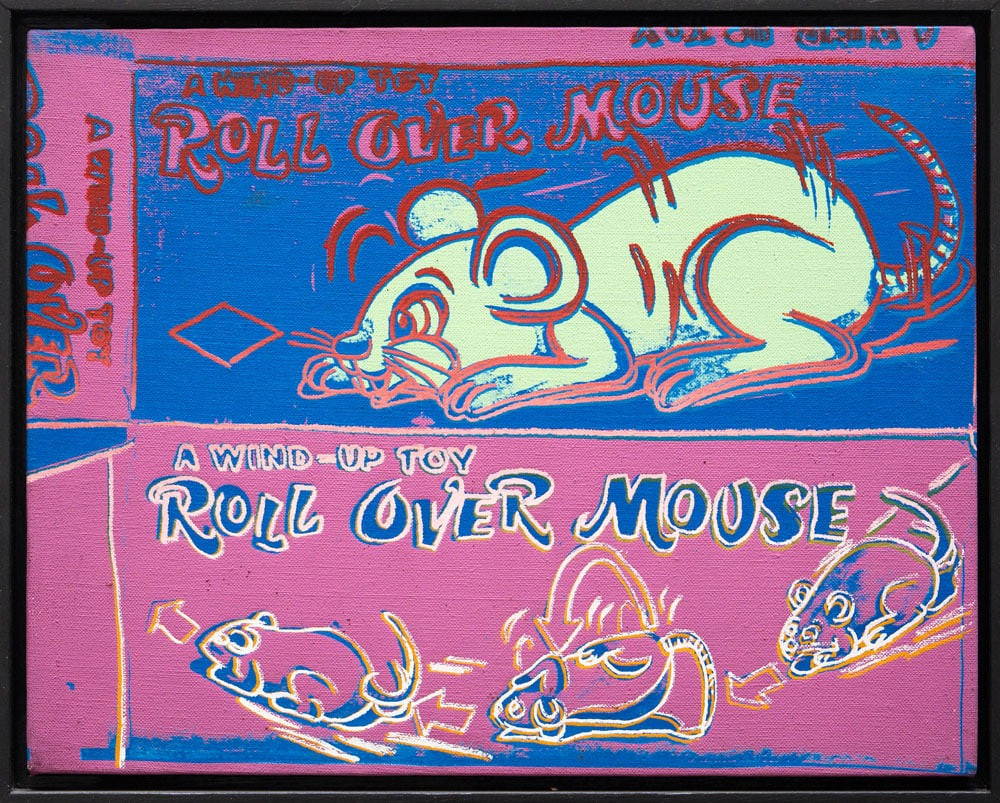
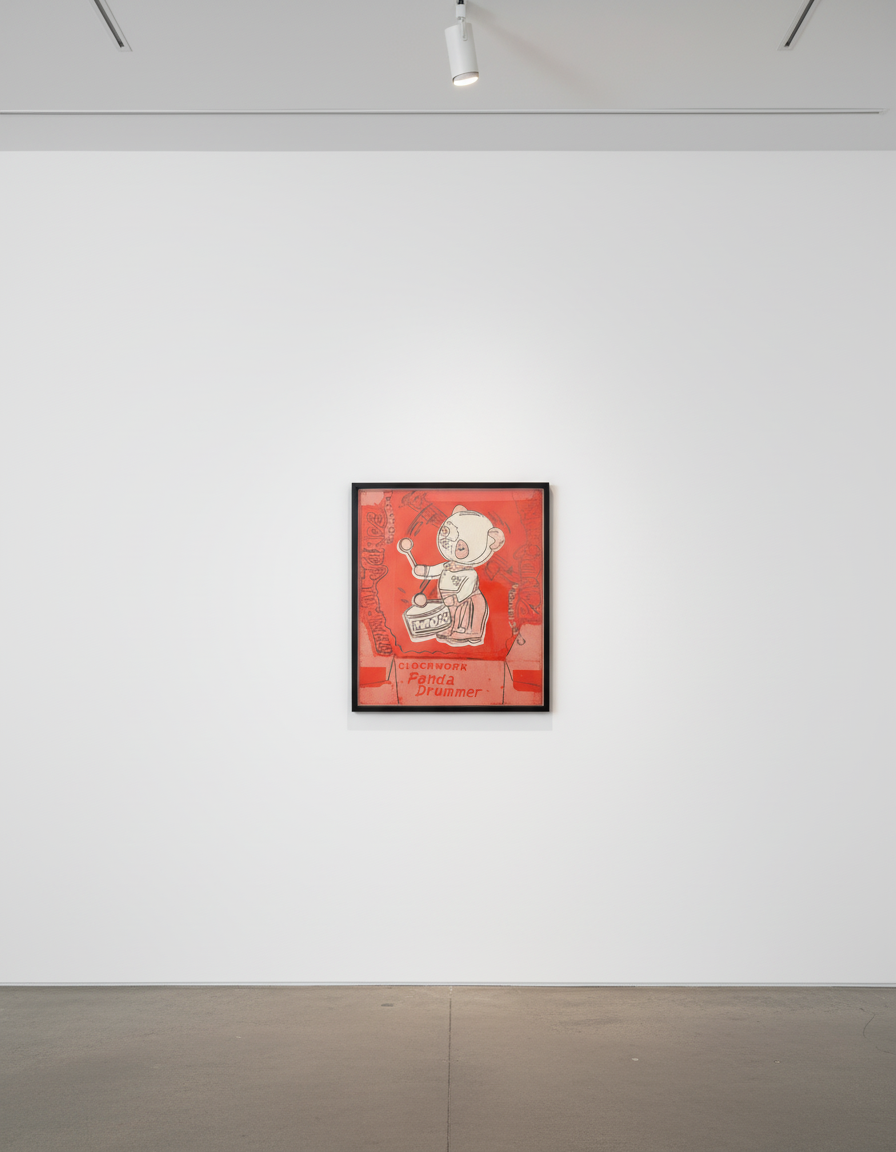
The Toy Paintings are small, hand-painted and silkscreened canvases based on toy packaging and advertisements—images Warhol sourced from the international toy market he avidly collected throughout his life. Robots, parrots, monkeys, pandas, spaceships, ships, airplanes, cars, trains, mice, and other whimsical characters parade across vivid, flat grounds, their commercial typography and bright inks preserved like badges of consumer authenticity. Warhol approached these subjects with the same detached reverence he had applied to Campbell's Soup cans and Brillo boxes two decades earlier, recognizing that the visual language of mass production held its own peculiar beauty.
The series comprises approximately 140 unique works, each measuring roughly 14 by 11 inches—intentionally modest dimensions that mirror the intimate scale of the toys themselves. Warhol's technique combined photographic silkscreen transfers with gestural brushwork, layering synthetic polymer paint in candy-bright hues that amplify the source material's inherent appeal. The result is a body of work that functions simultaneously as fine art and cultural artifact, documenting the globalized toy industry of the early 1980s while commenting on how commercial imagery shapes childhood imagination.
Shadows V (Red and Blue) ` — Andy Warhol. Available at Guy Hepner, New York.
Understanding the Toy Paintings requires situating them within Warhol's broader artistic philosophy and his career trajectory during the 1980s. By 1983, Warhol had long established himself as the preeminent chronicler of American consumer culture, having transformed everyday commodities into icons of contemporary art. The Toy Paintings represent a natural evolution of this project, extending his investigation of branding and desire into the realm of childhood experience.
What distinguishes these works is their pointed examination of how consumer longing is cultivated from the earliest age. Warhol recognized that toy packaging constitutes a child's first encounter with sophisticated marketing—the bright colors, appealing characters, and promise of transformation encoded in every box. By isolating these images on canvas, he revealed the mechanisms of desire that underpin capitalist society, showing how commercial aesthetics shape identity formation long before we develop critical awareness.
The 1983 exhibition in Zurich was itself a conceptual gesture. By hanging the paintings at child-height, Bischofberger and Warhol forced adult viewers into physical discomfort, compelling them to assume a child's perspective—literally and metaphorically. This installation strategy transformed the gallery into a space of doubled vision, where visitors could simultaneously experience the innocent appeal of the imagery and recognize its sophisticated manipulation.
Goethe F.S. II 272 — Andy Warhol. Available at Guy Hepner, New York.
Warhol's interest in toys also connected to his lifelong fascination with collecting and repetition. His legendary time capsules—cardboard boxes filled with ephemera he accumulated obsessively—often contained toys and novelty items. The Toy Paintings can be understood as a more deliberate form of this archival impulse, preserving the visual culture of childhood consumption in a medium designed to endure. According to research cited in the Art Basel and UBS Global Art Market Report, works that demonstrate clear connections to an artist's documented personal interests consistently perform strongly at auction, as collectors value this biographical authenticity.
The Toy Paintings occupy a distinctive position within Andy Warhol's market, offering accessibility without sacrificing significance. Their modest scale and appealing subject matter make them approachable entry points for collectors building Warhol holdings, while their conceptual depth and relative scarcity ensure lasting scholarly interest. Christie's and Sotheby's have featured examples from the series in both dedicated Pop Art sales and broader contemporary auctions, where they consistently attract competitive bidding.
Several factors drive collector demand for these works. First, their uniqueness sets them apart from Warhol's better-known print editions. While the artist's screenprints remain highly sought after, the Toy Paintings exist as singular objects, each bearing individual variations in paint application and color choice. This uniqueness commands premium consideration from collectors who prioritize rarity.
Second, the series benefits from comprehensive documentation. The works are catalogued and authenticated by the Andy Warhol Foundation, providing the provenance clarity that institutional and private collectors require. This scholarly infrastructure supports confident acquisition and facilitates secondary market transactions.
Third, the Toy Paintings resonate with contemporary audiences in ways that feel particularly urgent. As discussions of consumer culture, childhood development, and corporate influence on young minds intensify, Warhol's prescient examination of these themes gains relevance. Collectors increasingly recognize that the series anticipated concerns now central to cultural discourse, lending the works both historical importance and contemporary resonance.
Sunset F.S. II 85 - 88 — Andy Warhol. Available at Guy Hepner, New York.
The broader market for Warhol's 1980s output has strengthened considerably as scholars and collectors reassess this productive late period. Long overshadowed by the iconic 1960s works, paintings from the final decade of Warhol's life now attract serious institutional attention and record prices at auction houses including Christie's and Sotheby's. The Toy Paintings benefit from this reappraisal, recognized as essential documents of Warhol's mature practice and his continued engagement with the evolving landscape of consumer imagery.
Guy Hepner maintains a distinguished position in the secondary market for Andy Warhol's work, offering collectors privileged access to rare and significant pieces from throughout the artist's career. Our expertise in Warhol's market ensures that clients receive authoritative guidance on authenticity, provenance, and value—essential considerations when acquiring works of this caliber. For collectors seeking Andy Warhol's Toy Paintings or other examples of the artist's celebrated output, Guy Hepner provides a discreet, knowledgeable, and client-focused acquisition experience. We invite you to contact our gallery to discuss available works and begin building or expanding your Warhol collection with confidence.
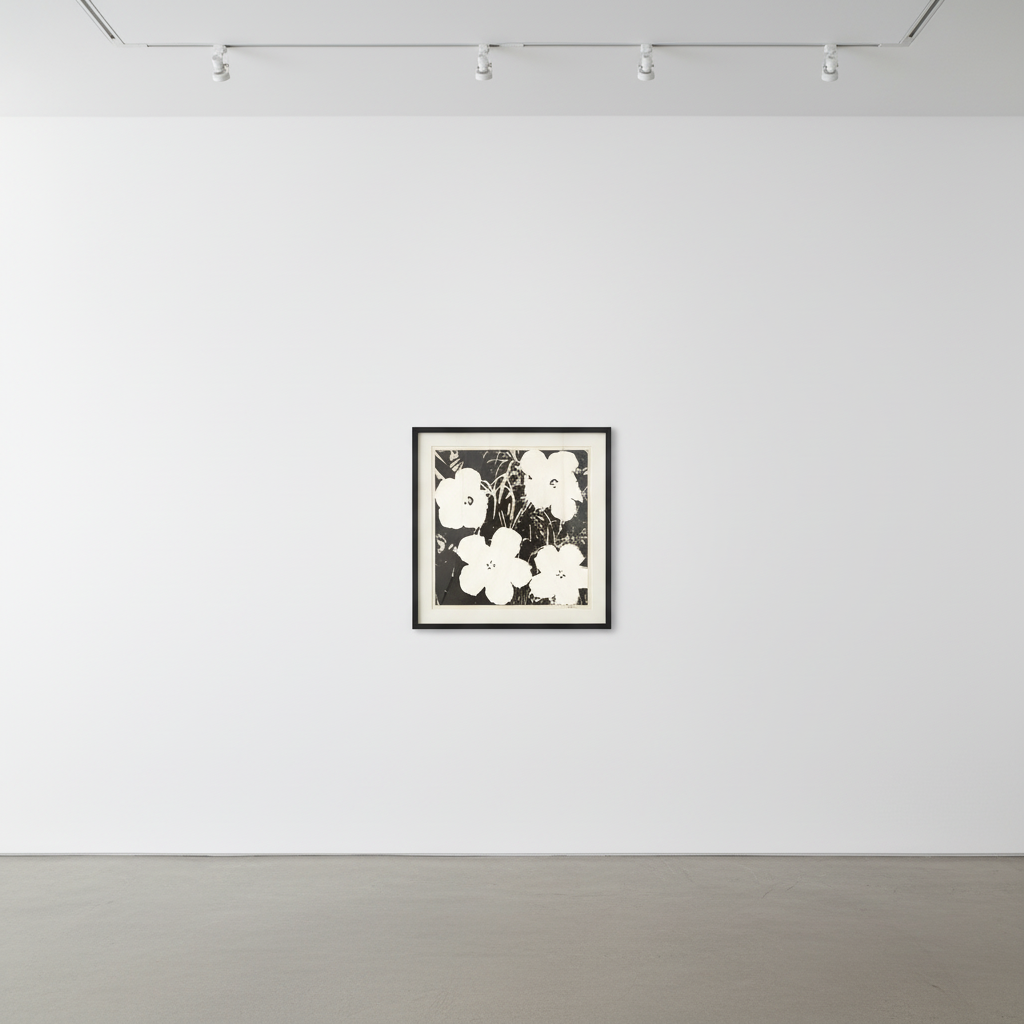
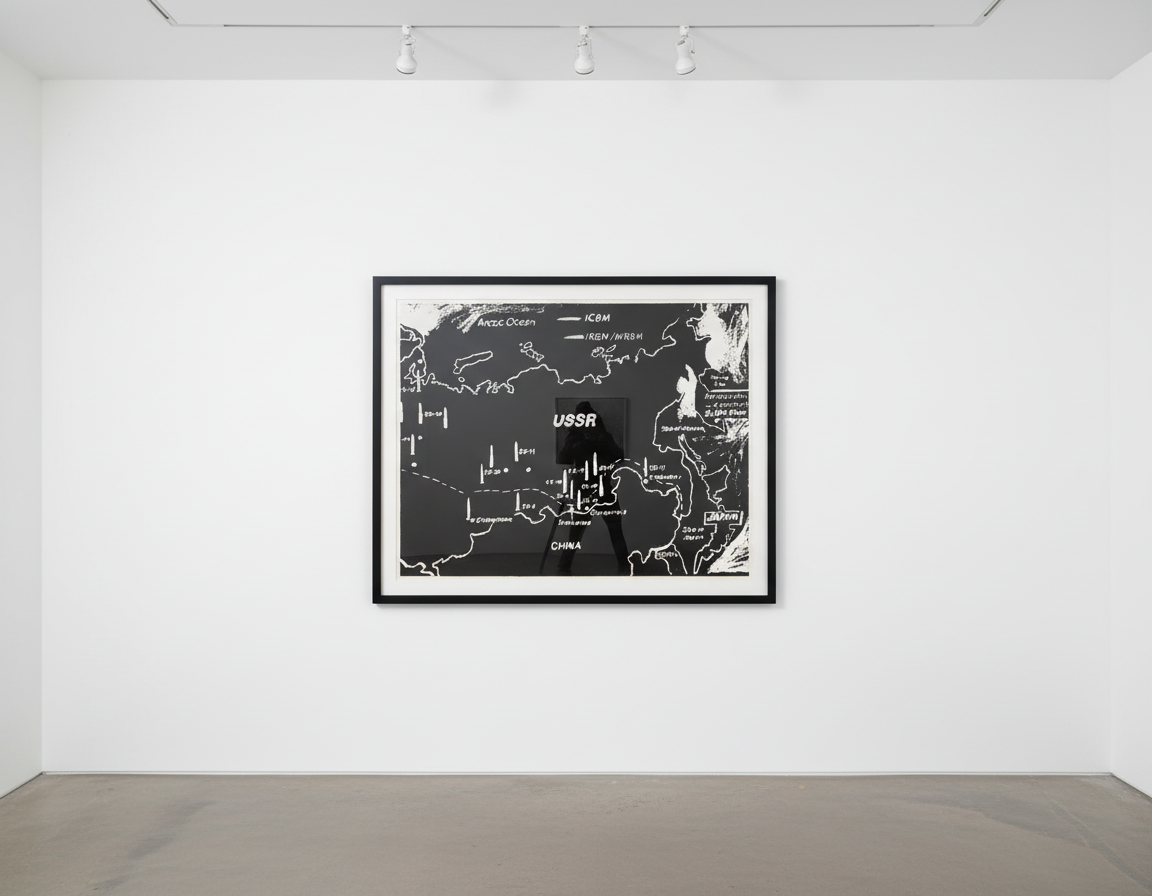
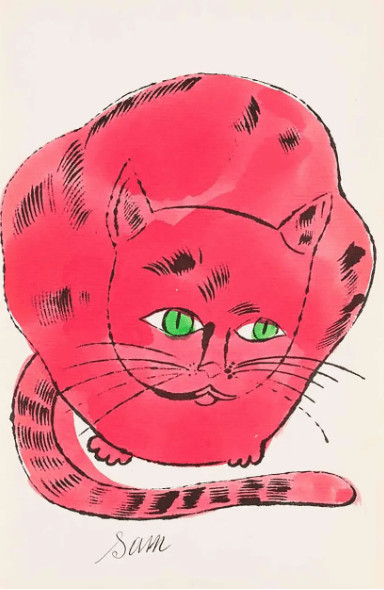
--- **Browse Andy Warhol prints** at Guy Hepner: [Andy Warhol art for sale](/andy-warhol) | [Sell your Warhol](/sell/andy-warhol)Explore Andy Warhol prints for sale at Guy Hepner: Details of Renaissance Paintings, Flower Paintings, Late Paintings, Toy Paintings, 25 Cats Named Sam.
Related Series