Roy Lichtenstein: Picture Perfect Panoramas
Roy Lichtenstein: Picture Perfect Panoramas
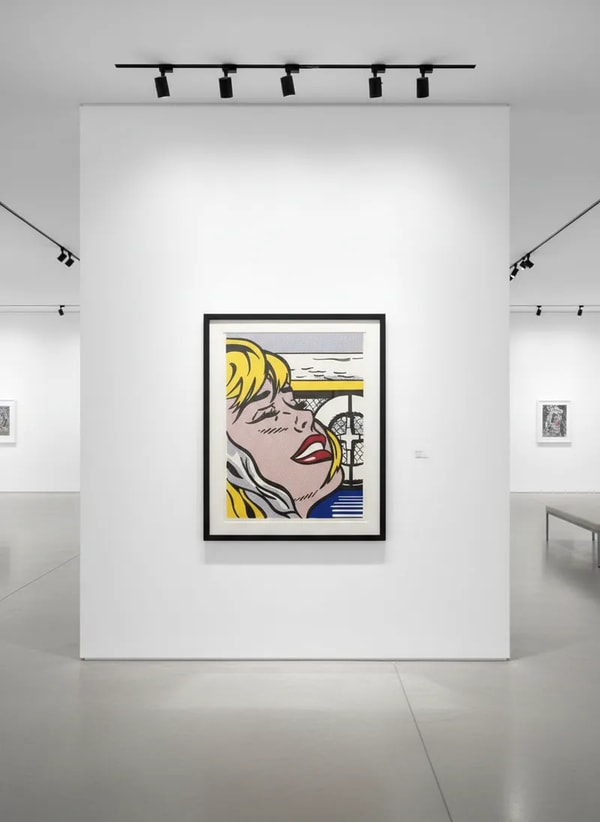
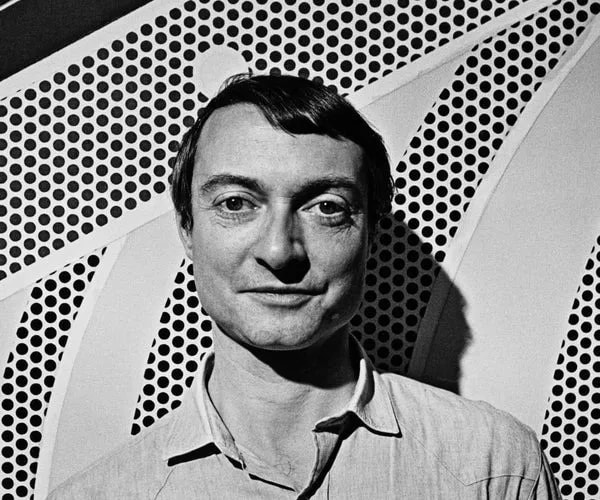
Few artists embody the paradoxes of twentieth-century American culture quite like Roy Lichtenstein. As a leading figure of the Pop Art movement, Lichtenstein (1923–1997) built his career on a seemingly simple but radical proposition: that the language of mass media - comics, advertising, consumer goods - could serve as the basis for fine art. In doing so, he not only challenged entrenched notions of artistic originality but also distilled the very essence of Americana. Through his polished, stylized canvases, Lichtenstein created picture-perfect panoramas that both celebrated and critiqued the ideals, anxieties, and contradictions of postwar life. His work remains among the most recognizable and sought-after in the contemporary art market, commanding extraordinary prices at auction houses including Christie's and Sotheby's while continuing to captivate new generations of collectors worldwide.
From Comics to Canons: The Rise of Roy Lichtenstein
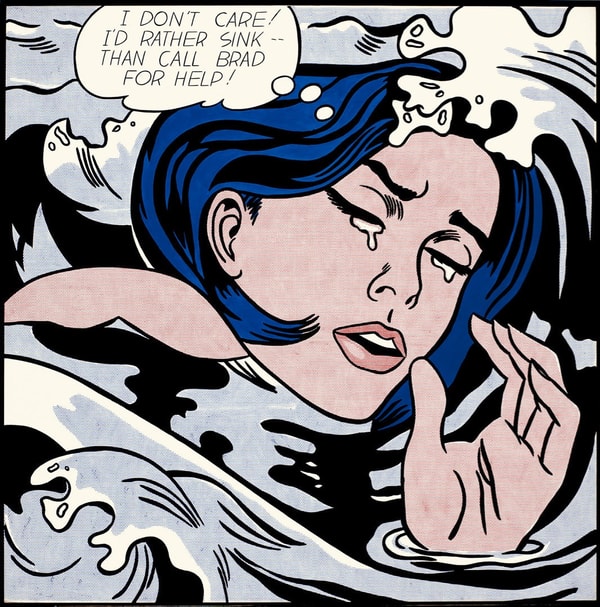
When Lichtenstein first exhibited his comic-inspired paintings in the early 1960s, the response was polarized. Some critics dismissed them as mere copies - little more than enlarged cartoons masquerading as art. Others, however, immediately recognized their significance: here was a painter daring to confront head-on the imagery that defined contemporary American life. In a period dominated by Abstract Expressionism's raw gestures and lofty spiritual aims, Lichtenstein's embrace of the banal and the commercial felt revolutionary.
Born in New York City in 1923, Lichtenstein studied at the Art Students League before earning his Bachelor of Fine Arts and Master of Fine Arts degrees from Ohio State University. His early work explored Cubism and American themes, but it was not until 1961 - with his painting Look Mickey - that he discovered the visual vocabulary that would define his legacy. The Ben-Day dots, bold outlines, and primary colors borrowed from mechanical reproduction became his signature, transforming cheap newsprint aesthetics into monumental statements on art and culture.
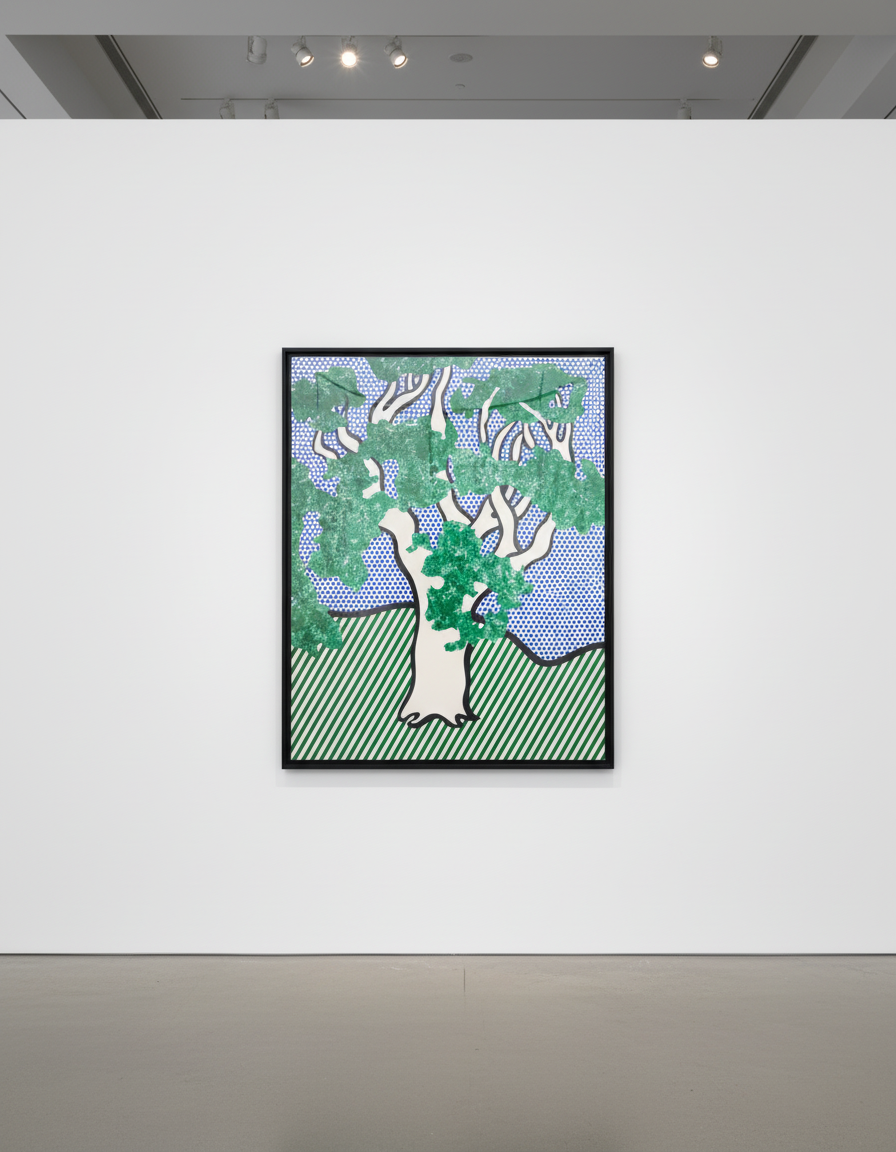
Rainforest (C. 278) — Roy Lichtenstein. Available at Guy Hepner, New York.
His triptych As I Opened Fire exemplifies this transformation brilliantly. Appropriating imagery from war comics, Lichtenstein stripped away narrative context to focus on pure visual impact. The work captures the tension between violence and aestheticization - explosions rendered beautiful through careful composition and meticulous technique. Such pieces forced viewers to reconsider not only what constituted acceptable subject matter for art but also how mass media shaped collective consciousness.
Picture-Perfect Panoramas: Expanding the Visual Lexicon
Throughout his career, Lichtenstein continually expanded his pictorial vocabulary while maintaining the distinctive style that made him famous. His panoramic approach extended far beyond comic strips to encompass art history itself, commercial imagery, and eventually wholly invented interior spaces that synthesized multiple influences into cohesive visual statements. These picture-perfect panoramas demonstrated an artist in constant dialogue with both high culture and popular imagery.
The Virtual Interior series, created in the 1990s, represents some of Lichtenstein's most sophisticated compositional work. In pieces like Virtual Interior With Book, he constructed imaginary spaces that referenced his own earlier paintings while incorporating elements from modern design and art historical sources. These works function as meditations on perception, representation, and the nature of pictorial space itself - questions that had occupied artists since the Renaissance but were here filtered through a decidedly postmodern sensibility.
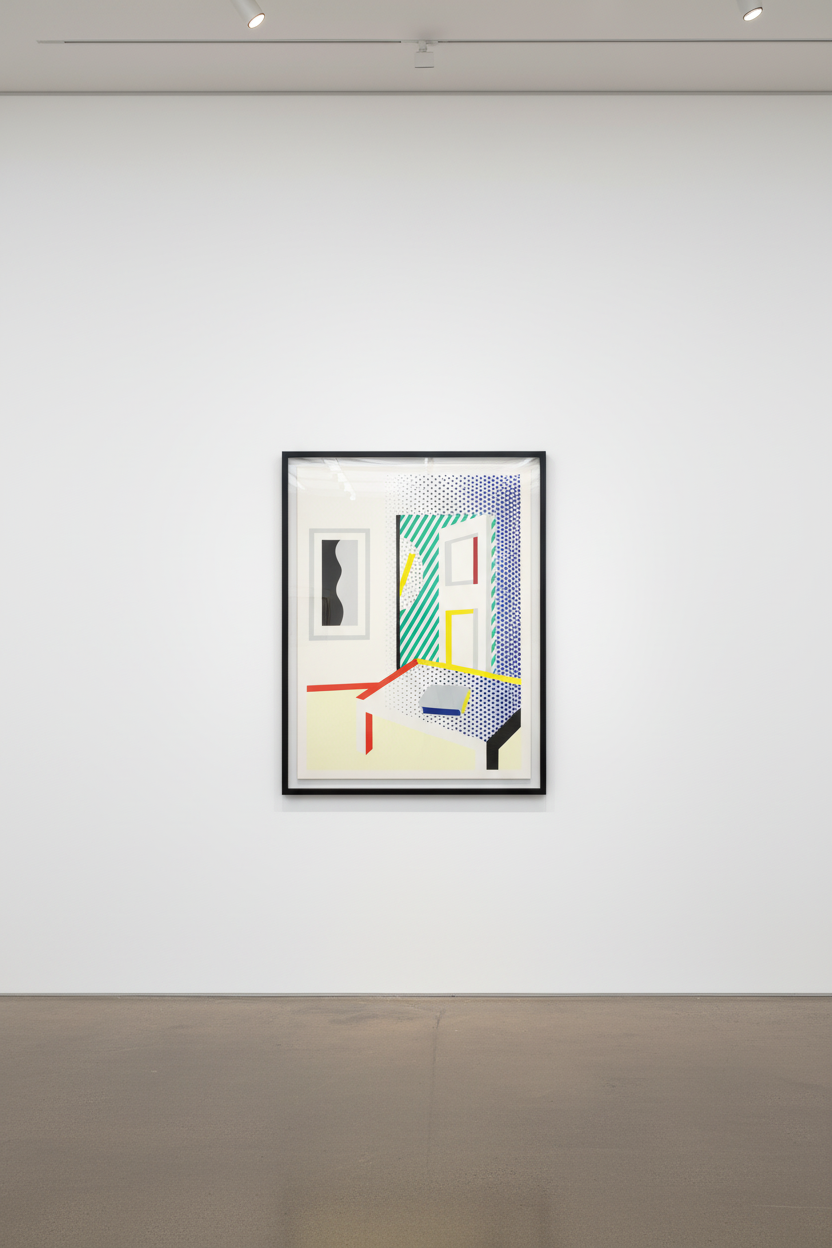
Virtual Interior With Book — Roy Lichtenstein. Available at Guy Hepner, New York.
Similarly, his environmental works like Rainforest revealed an artist deeply engaged with the natural world, albeit one viewed through the lens of stylization and mechanical reproduction. The tension between organic subject matter and artificial technique created panoramas that questioned humanity's relationship with nature in an increasingly mediated age. These works proved that Lichtenstein's methods could adapt to virtually any subject while retaining their critical edge.
Beyond Pop: Politics, Activism, and Artistic Legacy
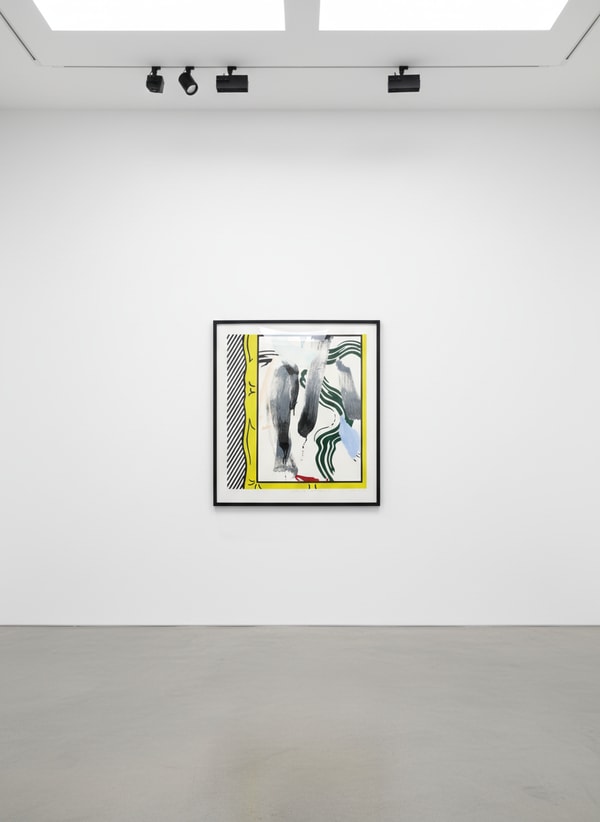
While often characterized primarily as a commentator on consumer culture, Lichtenstein demonstrated throughout his career that his art could address weightier concerns. His 1983 work Against Apartheid stands as powerful evidence that Pop Art techniques could serve explicitly political purposes. Created to support the anti-apartheid movement, this piece marshaled Lichtenstein's signature style in service of human rights advocacy, proving that accessible visual language need not be politically neutral.
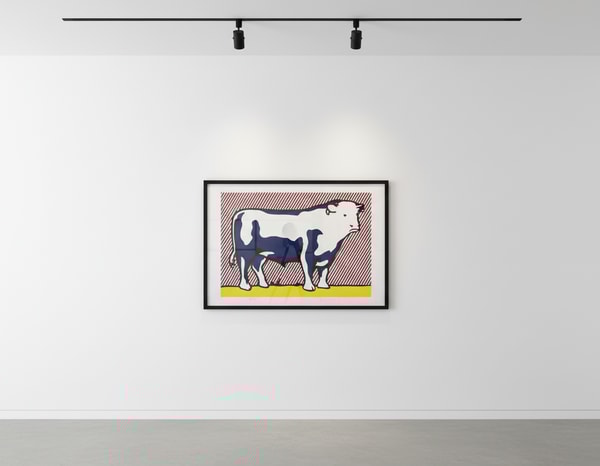
His systematic deconstruction of artistic conventions extended to his celebrated Bull series, which traced the progressive abstraction of a single subject through multiple iterations. Bull VII represents one endpoint of this exploration - the animal reduced to essential geometric forms while remaining recognizable. This series revealed the intellectual rigor underlying Lichtenstein's seemingly straightforward approach, demonstrating his deep understanding of modernist reduction from Picasso to Mondrian.
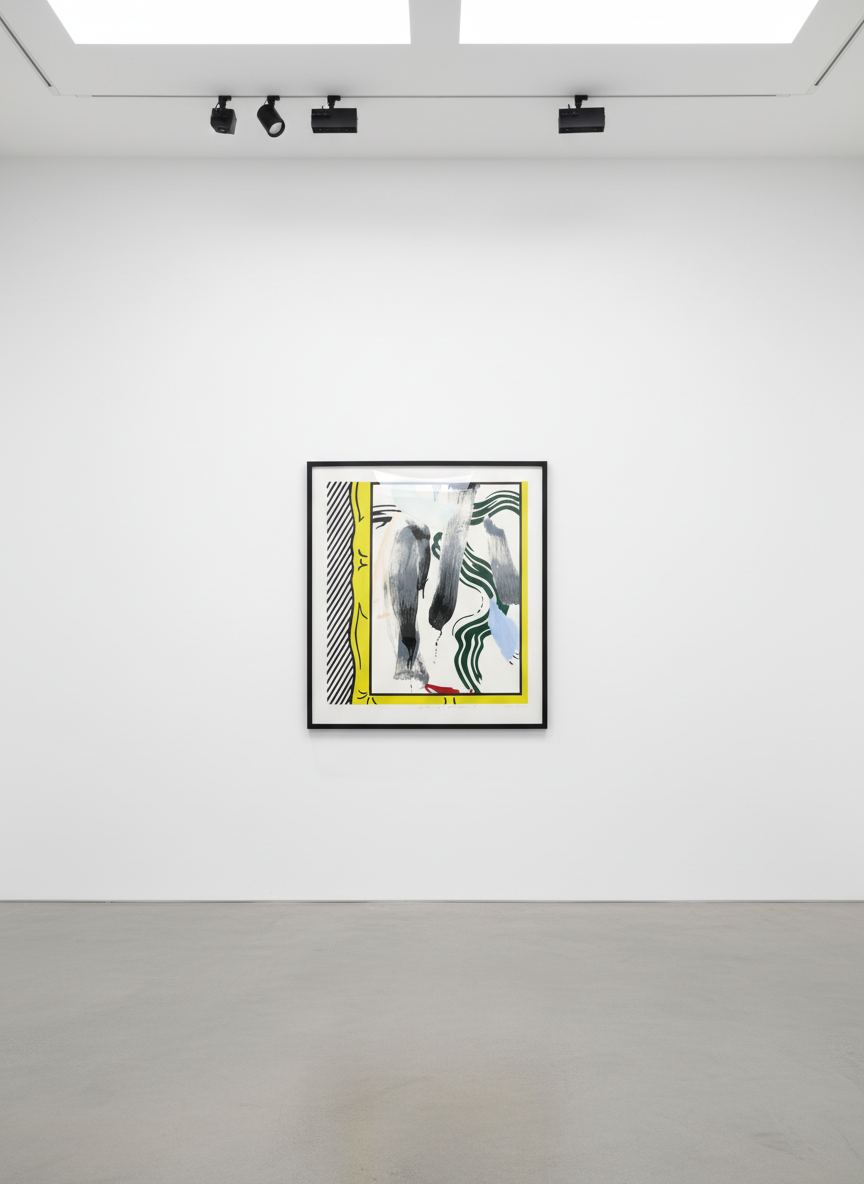
Against Apartheid (C. 200) — Roy Lichtenstein. Available at Guy Hepner, New York.
According to the Art Basel and UBS Global Art Market Report, Post-War and Contemporary art continues to dominate collector interest, with blue-chip Pop Art achieving particular strength. Lichtenstein's position within this market remains exceptional. Major auction results at Christie's and Sotheby's consistently place his work among the most valuable of any American artist, with paintings regularly achieving eight-figure sums. His prints and editions, while more accessible, have similarly appreciated as collectors recognize both their aesthetic merit and their investment potential.
Collecting Roy Lichtenstein: Investment and Cultural Significance
For discerning collectors, Roy Lichtenstein represents an intersection of art historical significance, visual pleasure, and market stability that few artists can match. His works have proven remarkably resilient across market cycles, supported by institutional recognition - including retrospectives at major museums worldwide - and sustained scholarly attention. Whether approaching his oeuvre through iconic comic-derived imagery, sophisticated interior compositions, or politically engaged works, collectors find in Lichtenstein an artist whose relevance only deepens with time.
Guy Hepner is proud to offer exceptional works by Roy Lichtenstein, including significant prints and editions that exemplify his mastery across multiple series and periods. Our specialists provide confidential guidance on acquisition and collection building, ensuring that clients access museum-quality pieces with impeccable provenance. To inquire about available Roy Lichtenstein artworks or to discuss your collecting objectives, contact Guy Hepner directly for a private consultation.
Browse Series
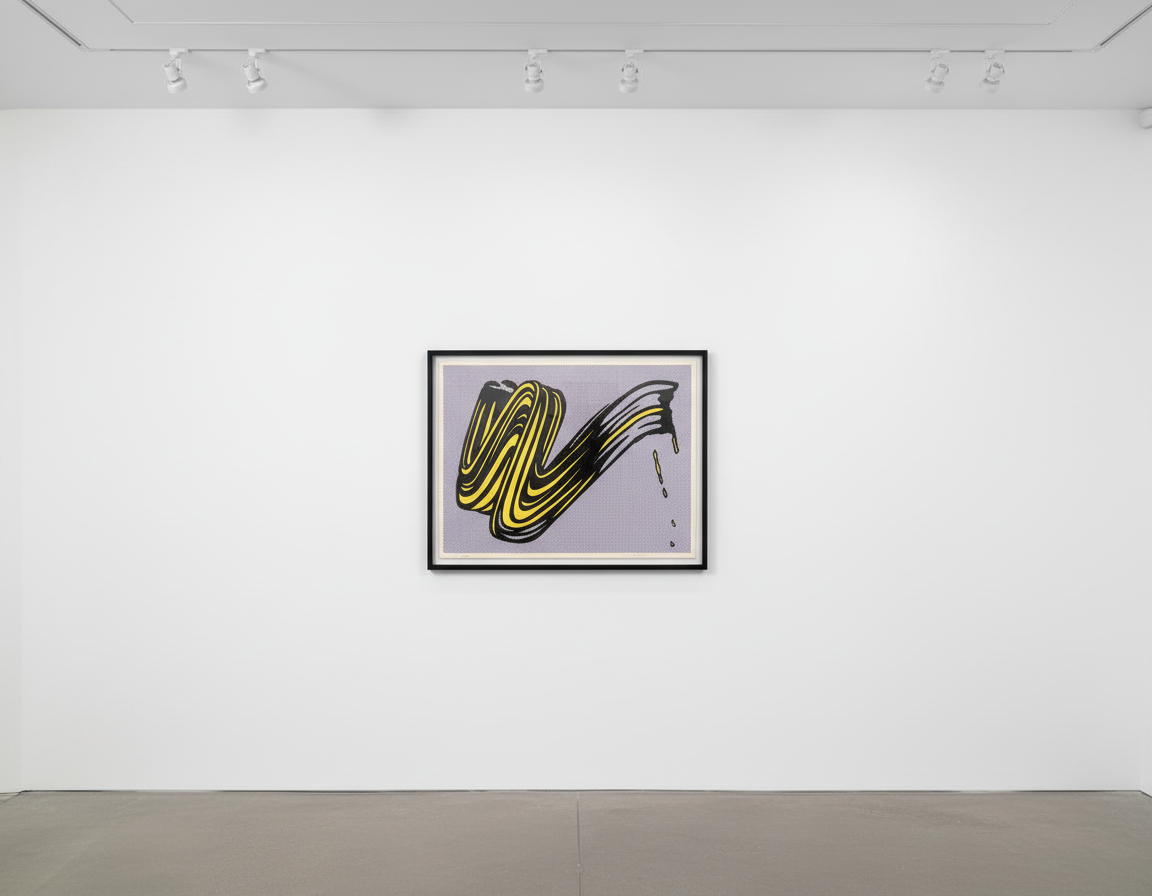
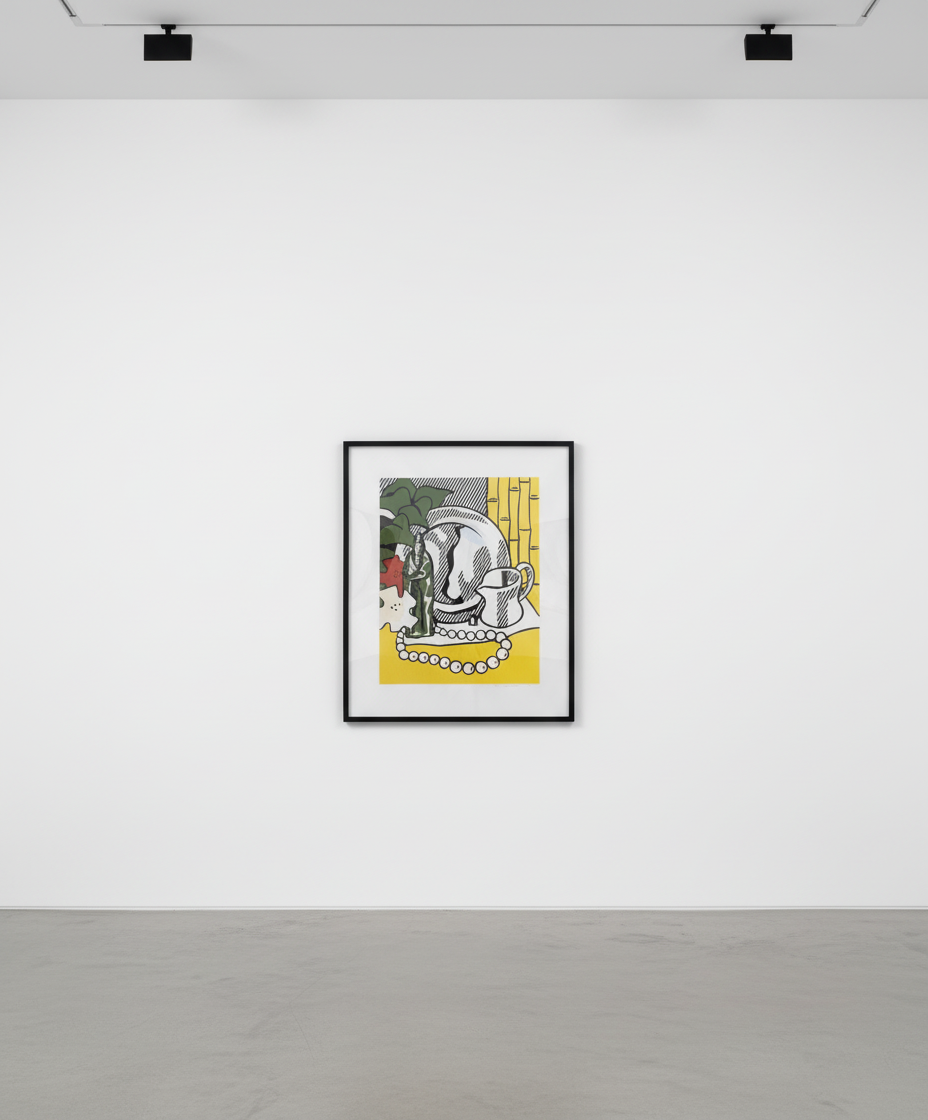
Works For Sale
Available through Guy Hepner
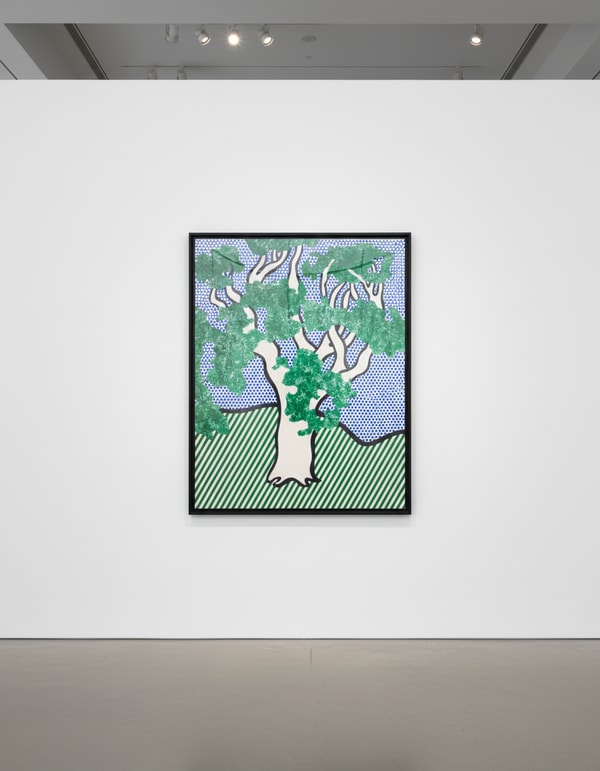
Roy Lichtenstein
Rainforest (C. 278)
1996
Enquire →
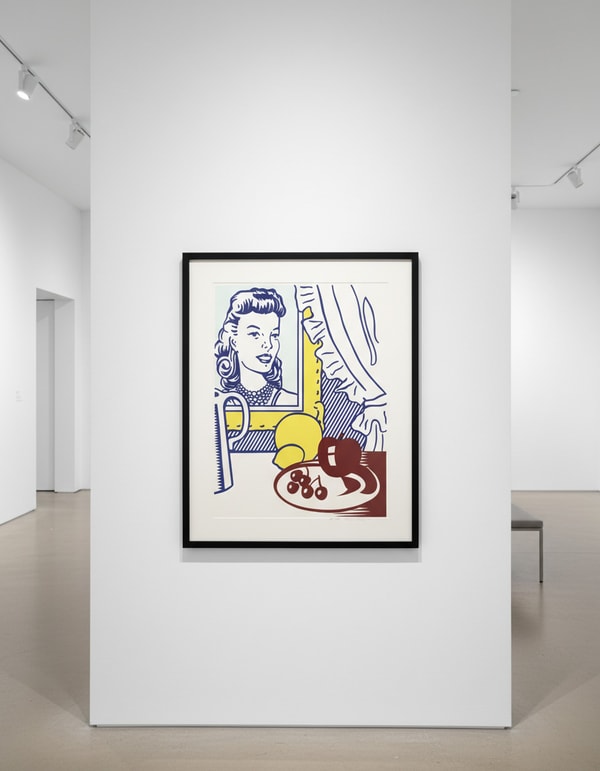
Roy Lichtenstein
Still Life With Portrait (C.131)
1974
Enquire →

Roy Lichtenstein
Still Life With Pitcher And Flowers (C. 130)
1974
Enquire →
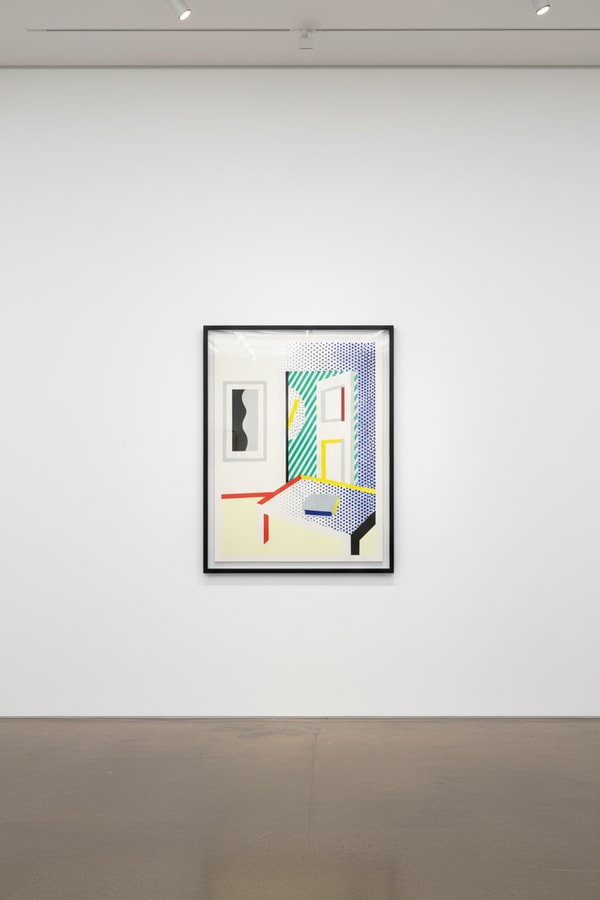
Roy Lichtenstein
Virtual Interior With Book
1996
Enquire →
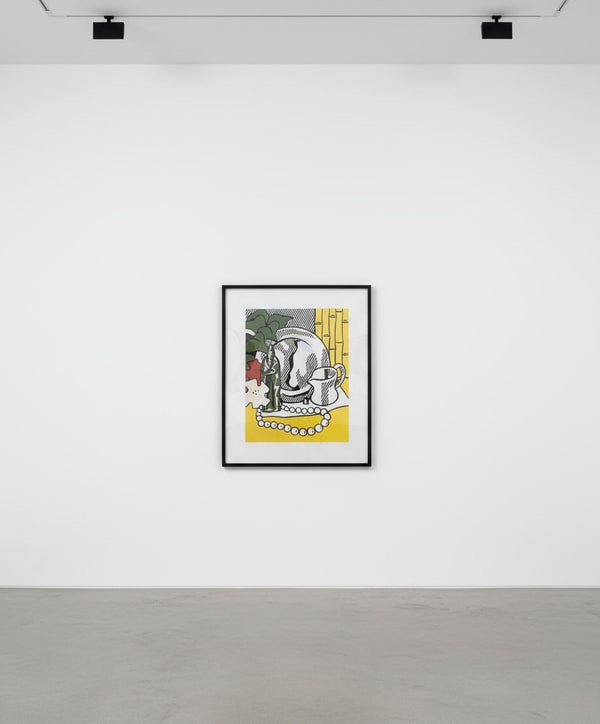
Roy Lichtenstein
Still Life With Figurine (C. 128)
1974
Enquire →
Roy Lichtenstein
Against Apartheid (C. 200)
1983
Enquire →
Roy Lichtenstein
Bull VII (C. 122)
1974
Enquire →

Roy Lichtenstein
As I Opened Fire Triptych (C. App. 5)
1966
Enquire →
More from Guy Hepner