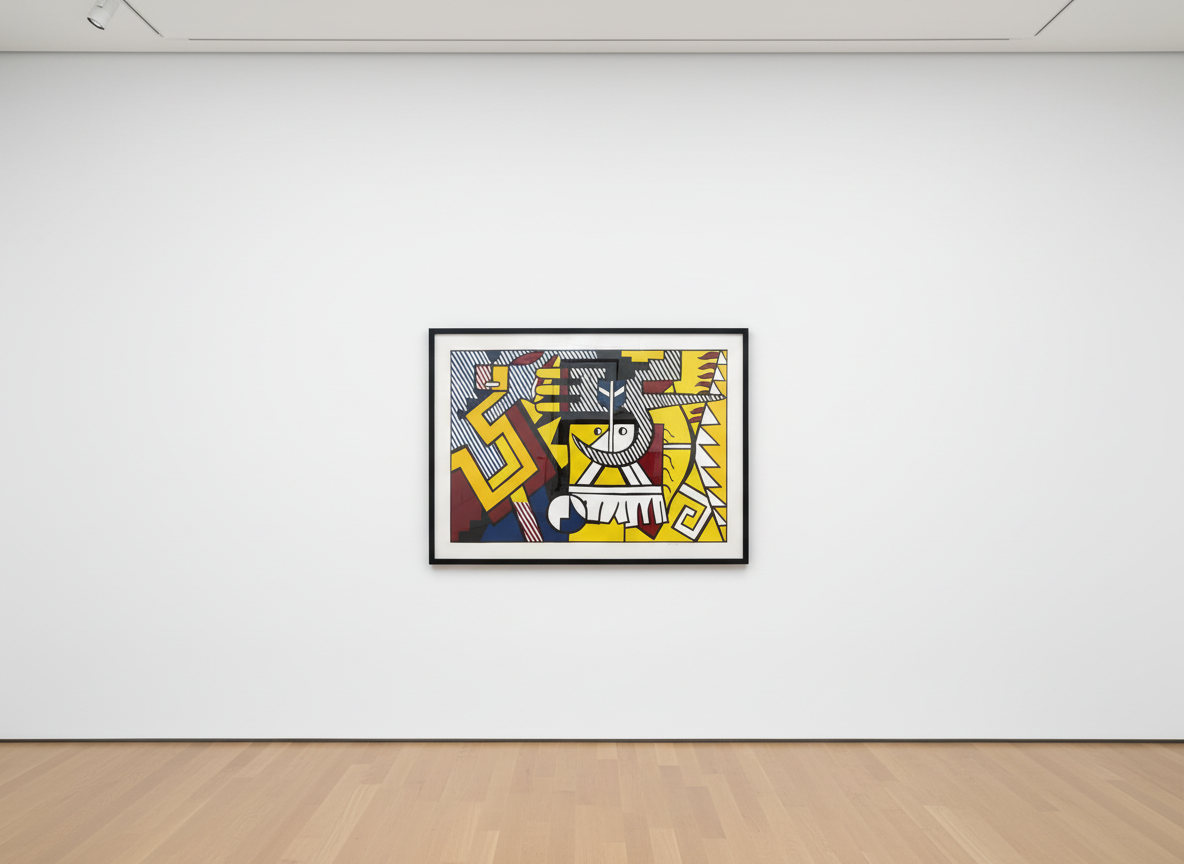
American Indian Theme

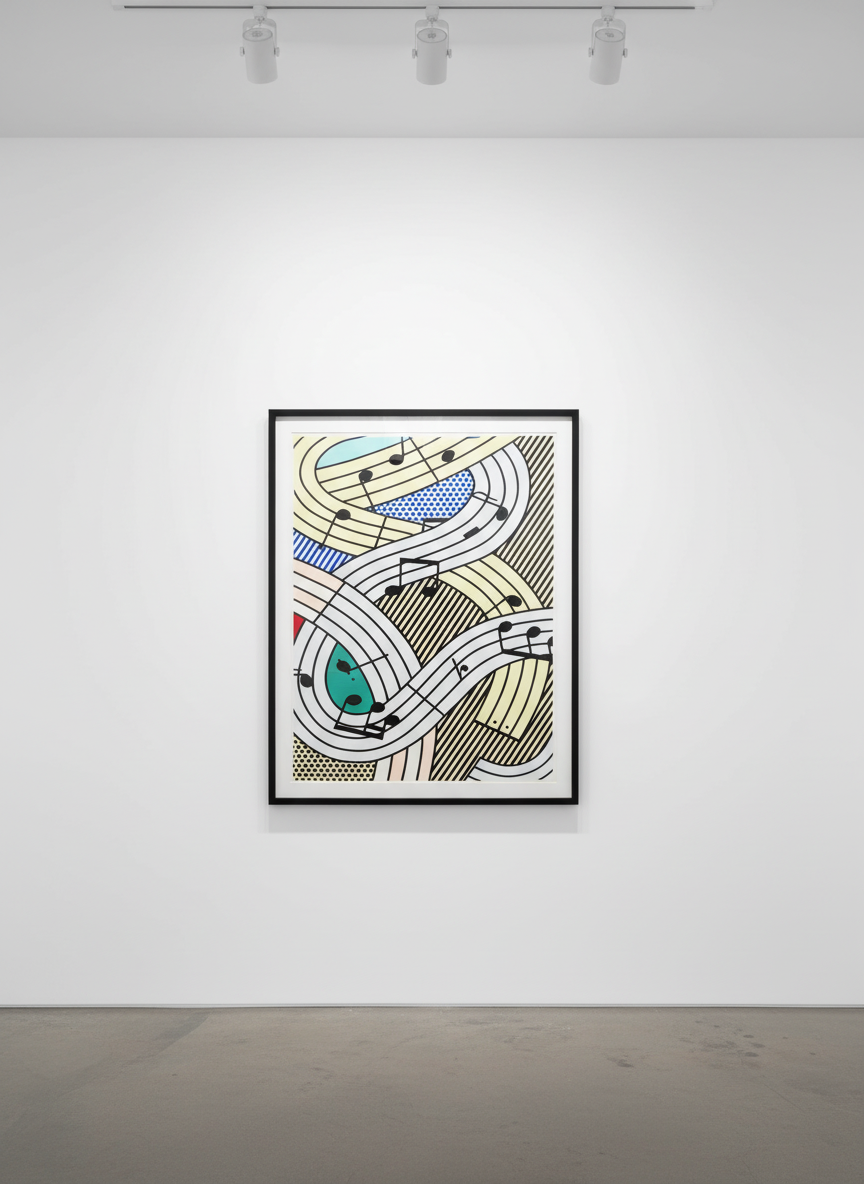
Roy Lichtenstein stands as one of the most influential American artists of the twentieth century, a master whose five-decade career fundamentally transformed our understanding of what art could be and say. While his iconic Ben-Day dots and comic-strip imagery have become synonymous with Pop Art, reducing Lichtenstein to this singular achievement overlooks the remarkable artistic journey that preceded, accompanied, and followed his breakthrough moment. From early expressionist experiments to late-career formalist deconstructions, Lichtenstein's evolution reveals an artist perpetually questioning the boundaries of style, originality, and visual perception—making his work essential to any serious collection of post-war American art.
Lichtenstein's artistic formation in the 1940s and 1950s was marked by an earnest search for personal expression within prevailing modernist traditions. After studying under Reginald Marsh at the Art Students League and immersing himself in the American Scene movement, he developed a practice heavily influenced by Cubism, German Expressionism, and Abstract Expressionism. His paintings from this period feature American iconography—cowboys, Native Americans, George Washington, and folkloric characters—rendered in loose, gestural brushwork that betrayed his academic training and admiration for European modernism.
Even at this nascent stage, Lichtenstein demonstrated a fascination with popular culture and Americana that would later define his mature work. However, his treatment of these subjects remained more earnest than ironic. He was not yet parodying or stylizing content but rather searching for a distinctive voice within established artistic frameworks. These early explorations in American mythology and visual culture would prove foundational, establishing thematic concerns that Lichtenstein would revisit with increasing sophistication throughout his career.
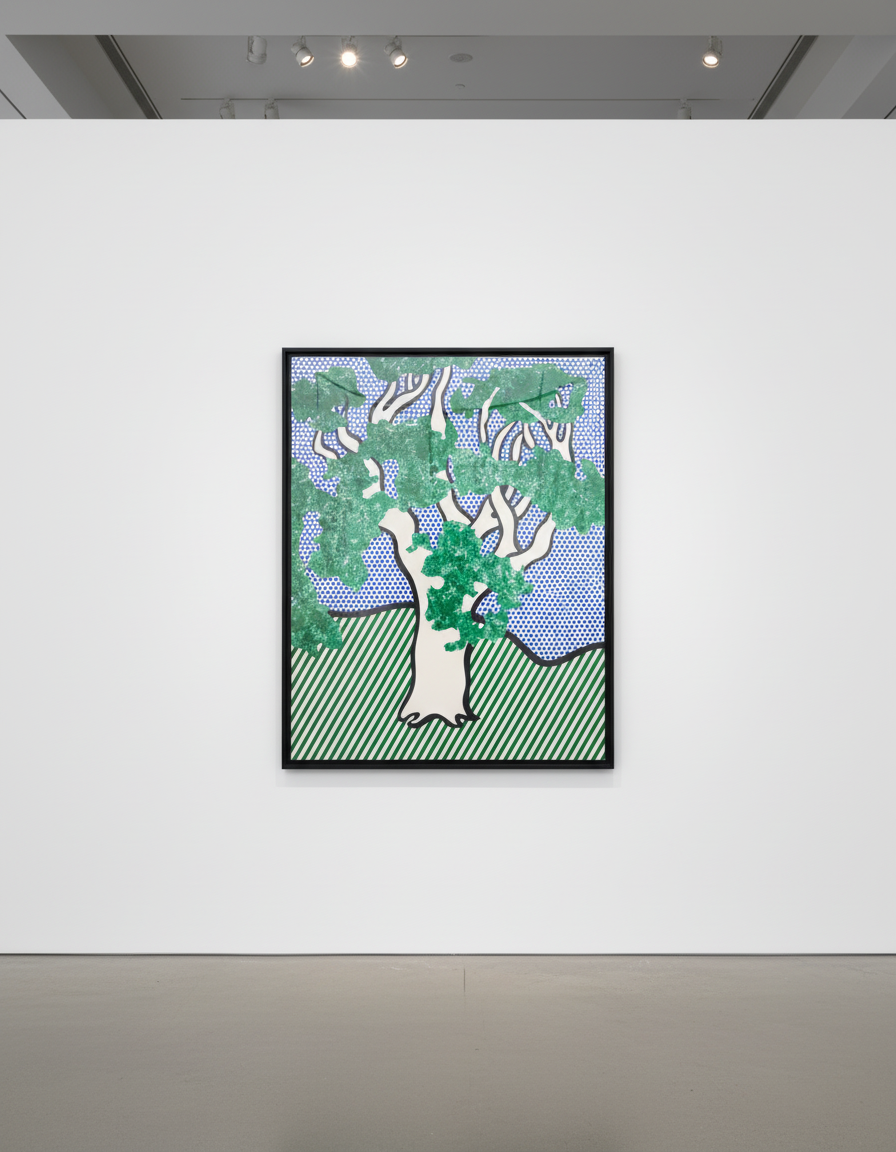
Rainforest (C. 278) — Roy Lichtenstein. Available at Guy Hepner, New York.
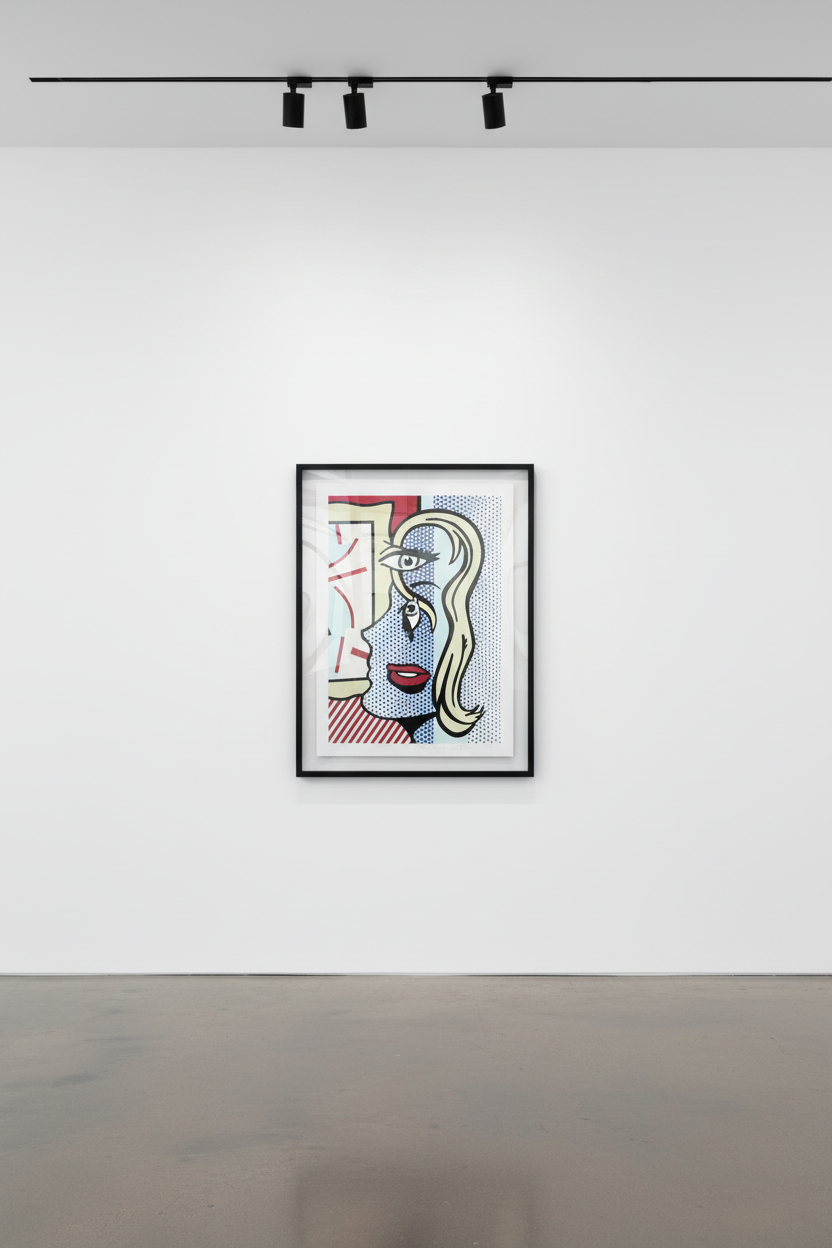
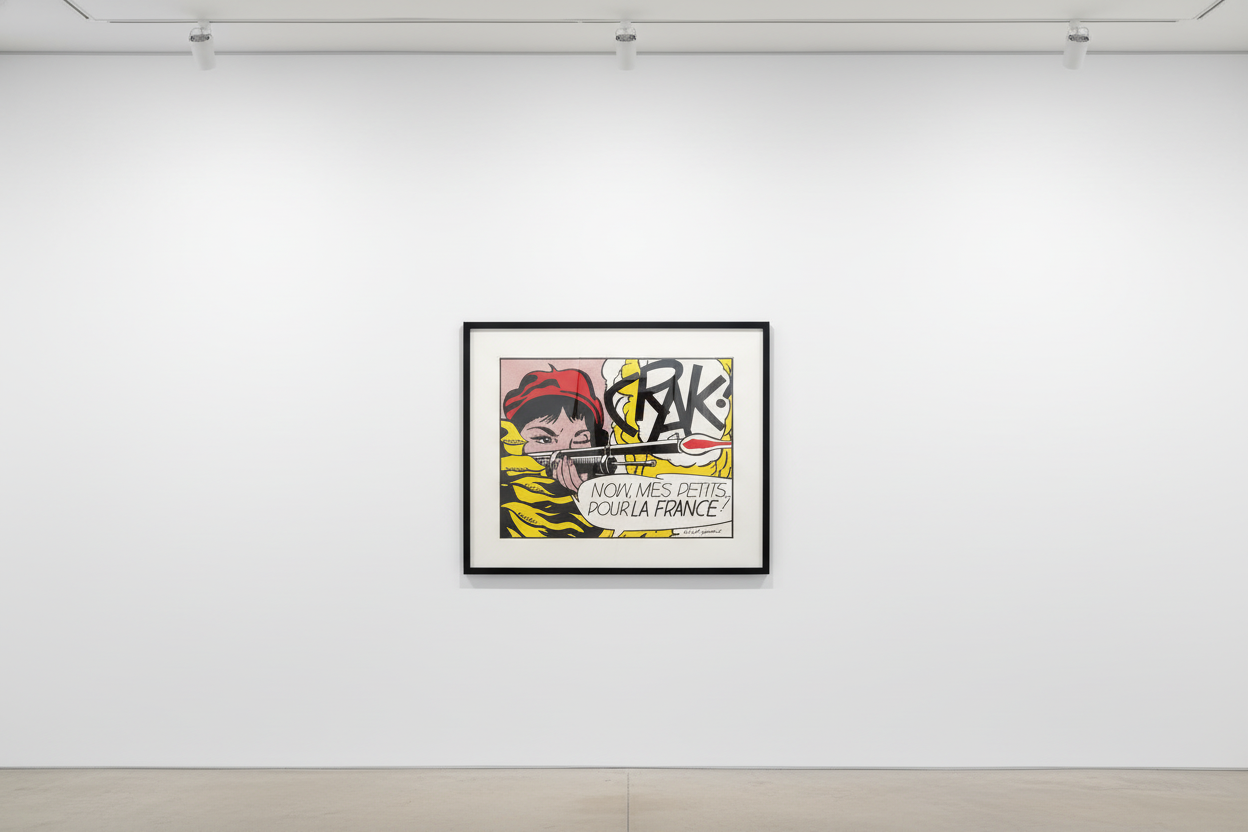
The early 1960s marked Lichtenstein's dramatic pivot toward the imagery and techniques that would secure his place in art history. His first comic-strip paintings, created in 1961, represented a radical departure—not merely in subject matter but in their methodical appropriation of commercial printing techniques. The Ben-Day dots, bold outlines, and primary color palettes that defined mass-produced imagery became Lichtenstein's signature vocabulary, transforming disposable popular culture into monumental fine art.
Works from this period, including his war and romance comic appropriations, challenged fundamental assumptions about artistic authenticity and originality. By hand-painting mechanical reproduction techniques, Lichtenstein created a productive tension between the industrial and the handmade, the anonymous and the authored. His triptych As I Opened Fire exemplifies this transformative approach, taking source material from war comics and elevating it through scale, Composition, and meticulous execution into a meditation on violence, narrative, and visual culture that resonates with collectors and institutions alike.
Lichtenstein's engagement extended beyond comics to encompass consumer products, advertisements, and eventually art history itself. His appropriations of works by Picasso, Mondrian, and other modern masters demonstrated that his project was never simply about celebrating or critiquing popular culture—it was about examining how all images function and signify within contemporary visual experience. According to data from the Art Basel and UBS Global Art Market Report, Lichtenstein consistently ranks among the most sought-after post-war artists, with his Pop Art period works commanding exceptional results at auction.
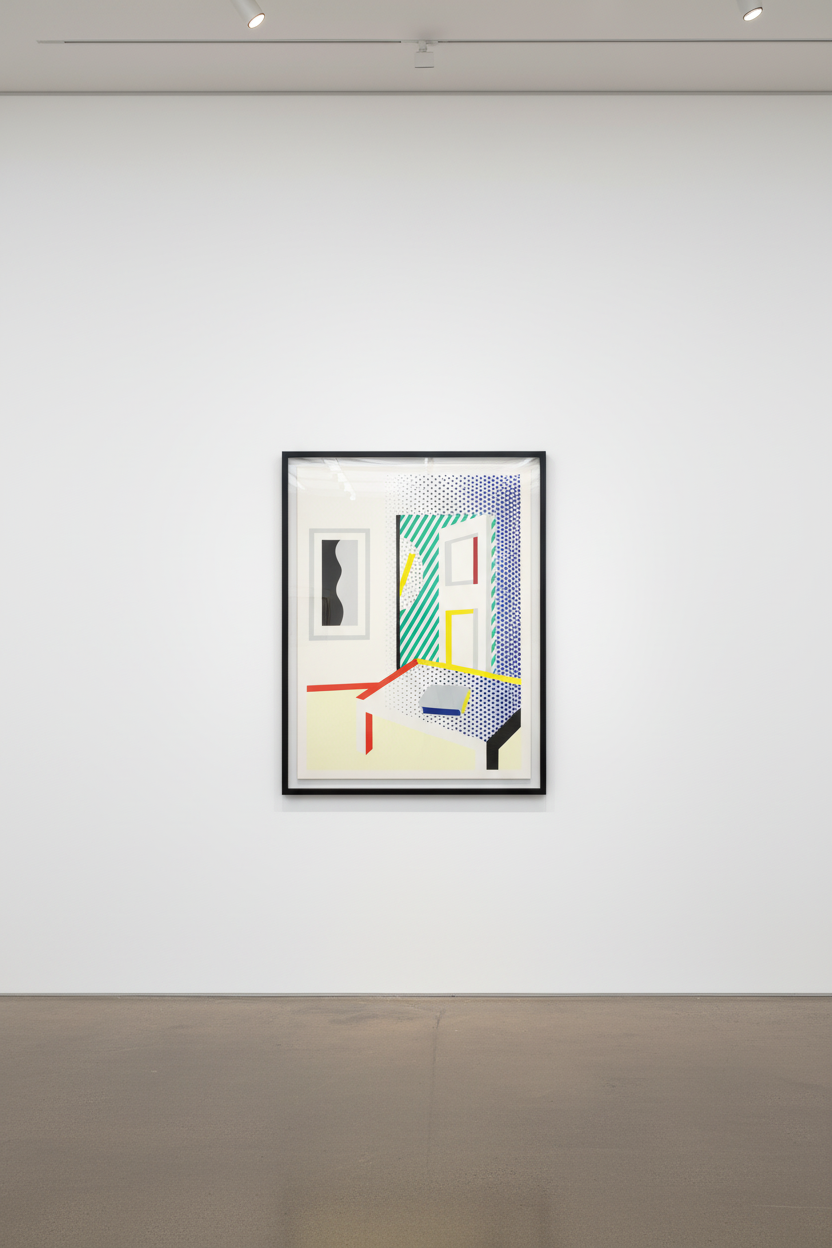
Virtual Interior With Book — Roy Lichtenstein. Available at Guy Hepner, New York.
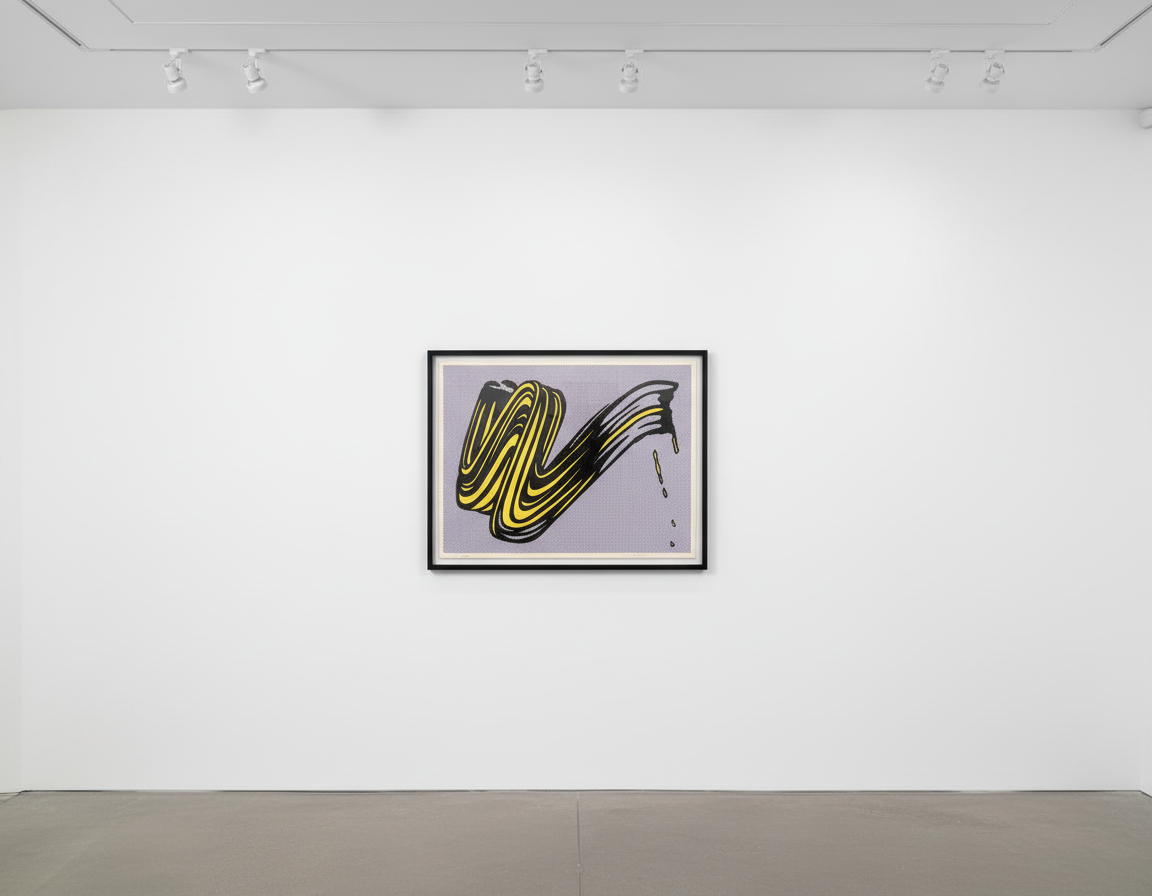
The evolution of Roy Lichtenstein's work after his initial Pop Art breakthrough reveals an artist unwilling to rest on commercial or critical success. Throughout the 1970s and 1980s, he embarked on ambitious series that engaged directly with art historical movements—Surrealism, Futurism, German Expressionism, and Chinese landscape painting all became subjects for his distinctive reinterpretation. These works demonstrated Lichtenstein's sophisticated understanding of art history while simultaneously questioning how we consume and categorize visual traditions.
His Bull series represents a masterful exploration of abstraction and reduction, tracing the progressive simplification of a naturalistic bull image through increasingly geometric iterations. Bull VII, the series' culmination, distills the animal to pure geometric essence while maintaining recognizable form—a meditation on abstraction's relationship to representation that echoes both Picasso's famous bull lithographs and broader questions about artistic meaning-making.
Lichtenstein's political consciousness also emerged during this period. His Against Apartheid print demonstrates the artist's willingness to deploy his recognizable style in service of social justice, contributing to the cultural movement opposing South African racial segregation. Such works remind collectors that Lichtenstein's practice encompassed not merely formal innovation but genuine engagement with the pressing issues of his time.
Lichtenstein's final decades saw continued experimentation and evolution. His Interior series brought together multiple threads of his practice—art historical reference, commercial imagery, and spatial investigation—into complex compositions that collapsed distinctions between domestic space and artistic representation. Virtual Interior With Book exemplifies this late-period synthesis, combining Lichtenstein's characteristic technique with sophisticated spatial and conceptual concerns that speak to contemporary collectors interested in the artist's full intellectual range.
His landscape work, including the Rainforest series, demonstrated Lichtenstein's ongoing ability to find new subjects and approaches within his established visual language. These works brought environmental consciousness into dialogue with his signature style, proving that even in his seventh decade, the artist remained responsive to contemporary concerns while maintaining unmistakable formal coherence.
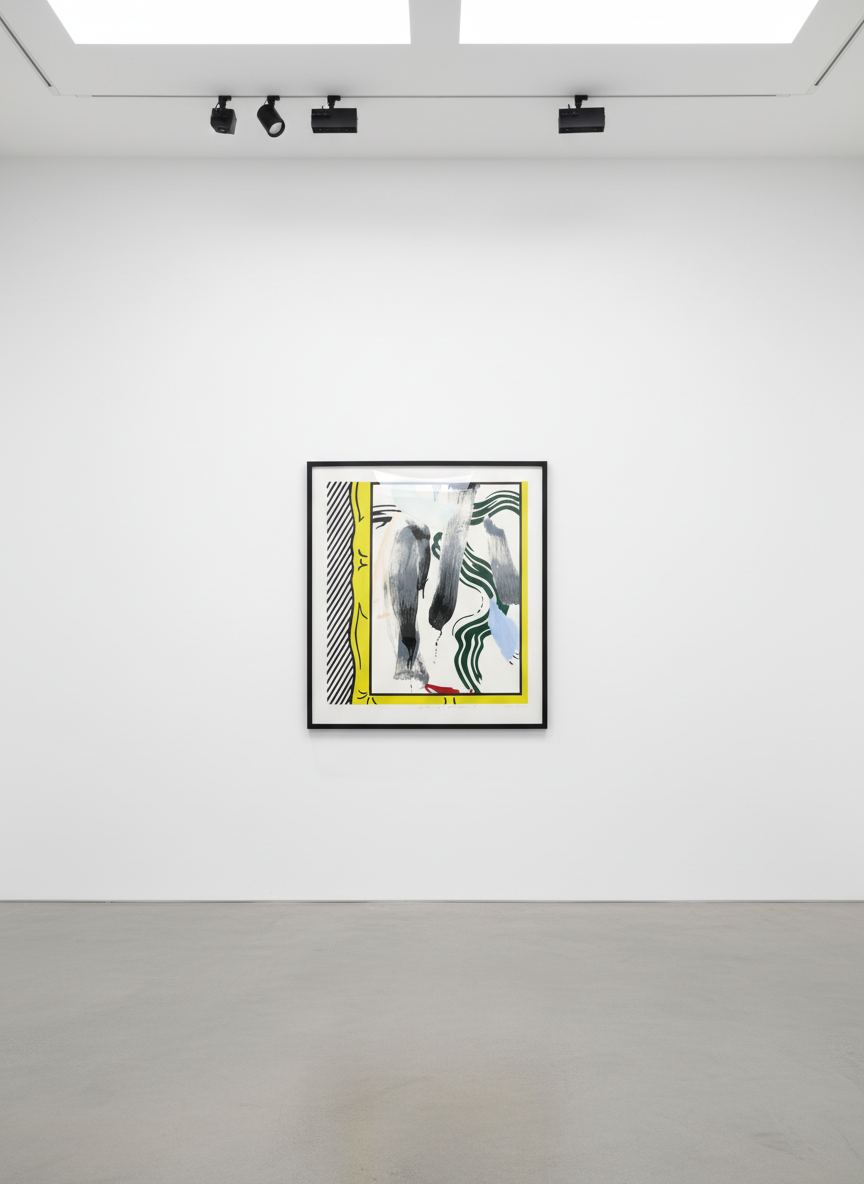
Against Apartheid (C. 200) — Roy Lichtenstein. Available at Guy Hepner, New York.
The market for Lichtenstein's work reflects this appreciation for his complete artistic evolution. According to results tracked by Christie's and Sotheby's, collectors increasingly recognize the significance of works from across his career, understanding that the evolution of Roy Lichtenstein's work represents not a single moment of innovation but a sustained interrogation of visual culture that rewards continued study and appreciation.
Guy Hepner is pleased to offer exceptional works by Roy Lichtenstein spanning his remarkable career evolution. Our gallery provides collectors with access to authenticated prints and editions that represent key moments in the artist's development, from his iconic Pop Art imagery to his sophisticated late-period explorations. We invite collectors to contact our team for private viewings, detailed provenance information, and expert guidance on building a significant Lichtenstein collection. Reach out to Guy Hepner today to discuss available works and current opportunities in this essential artist's market.
--- **Browse Roy Lichtenstein prints** at Guy Hepner: [Roy Lichtenstein art for sale](/roy-lichtenstein) | [Sell your Lichtenstein](/sell/roy-lichtenstein)Explore Roy Lichtenstein prints for sale at Guy Hepner: American Indian Theme, Art Critic, Brushstrokes, Cathedral, Composition.
Related Series