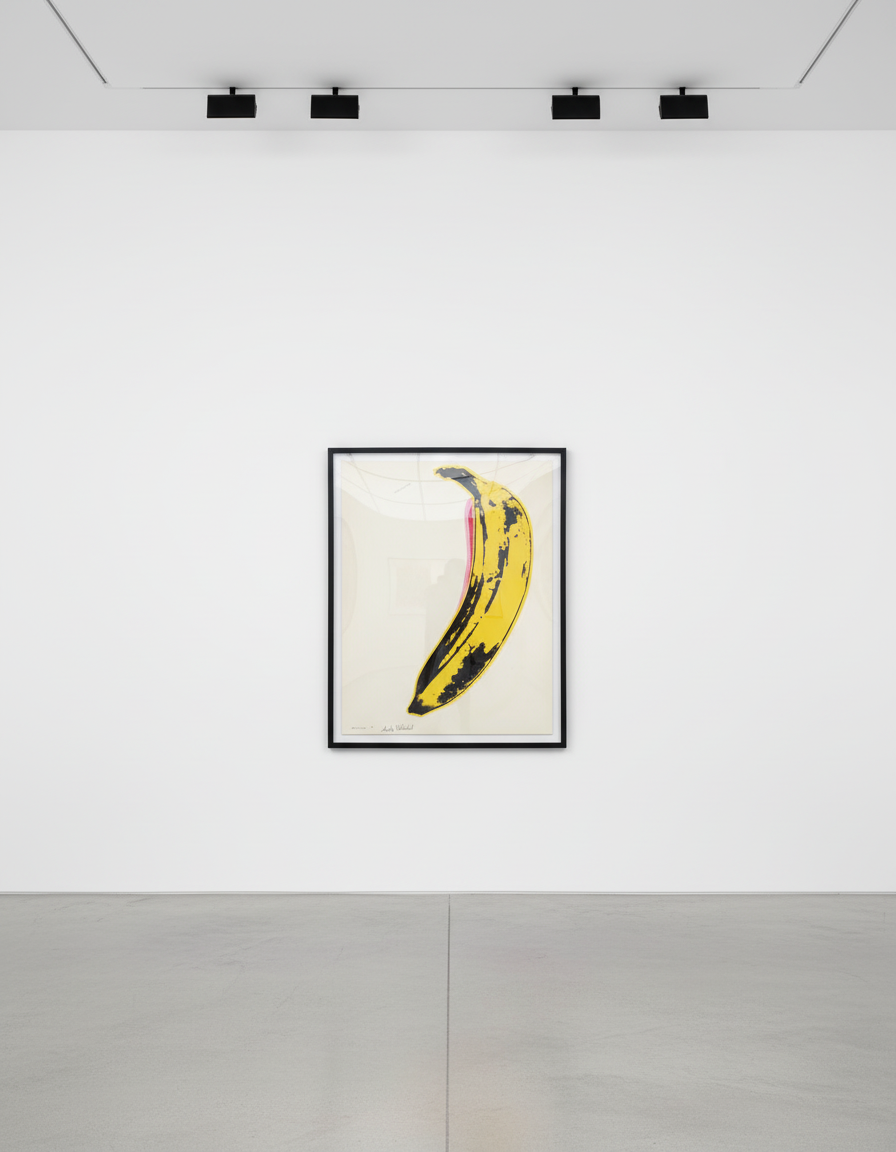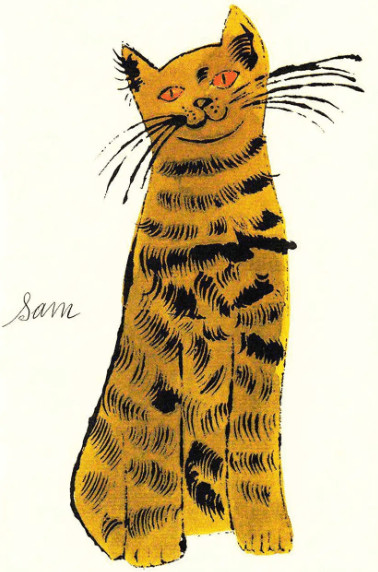
25 Cats Named Sam

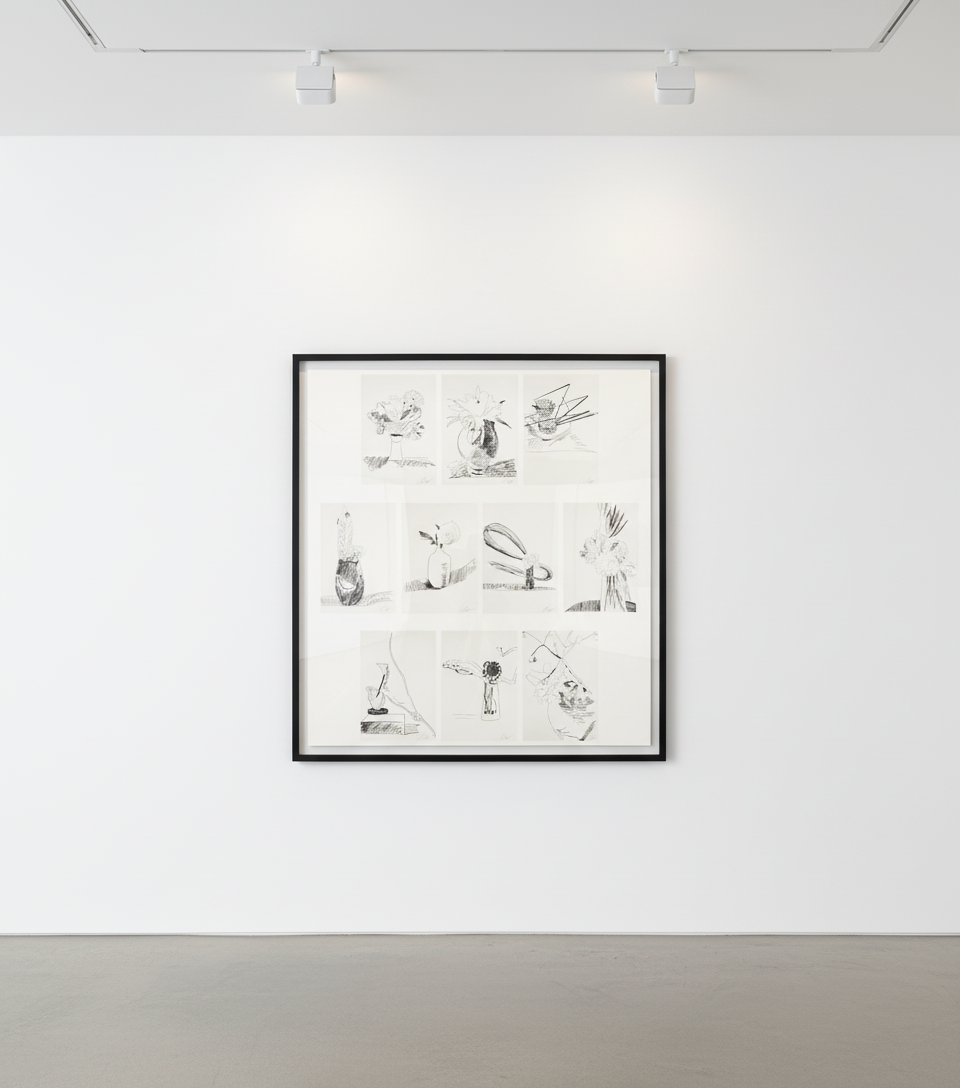
When it comes to collecting blue-chip contemporary art, few movements offer the cultural resonance, market stability, and visual impact of Pop-Art. At the forefront of this movement stands Andy Warhol, whose revolutionary approach to image-making continues to define collecting strategies and market dynamics decades after his death. For both seasoned collectors and those newly entering the art market, understanding how to collect Pop-Art requires knowledge of its historical significance, careful attention to market patterns, and access to exceptional works. This guide explores the essential considerations for building a meaningful Pop-Art collection, with particular focus on the movement's most iconic figure.
Pop-Art emerged in the mid-twentieth century as a radical departure from the introspective nature of Abstract Expressionism. By drawing inspiration from advertising, consumer products, celebrity culture, and mass media, Pop-Art artists created a visual language that spoke directly to contemporary experience. No artist embodied this transformation more completely than Andy Warhol, whose Pittsburgh roots and commercial illustration background informed a practice that would fundamentally alter how we understand the relationship between art, commerce, and fame.
Warhol's significance extends far beyond his celebrity portraits and Campbell's Soup cans. His exploration of political imagery, as evidenced in works such as the Mao series and the Hammer and Sickle portfolio, demonstrated Pop-Art's capacity for serious cultural commentary. The Hammer And Sickle Complete Portfolio represents Warhol at his most politically engaged, transforming Communist iconography into objects of aesthetic contemplation while simultaneously commenting on Cold War tensions and ideological conflict.
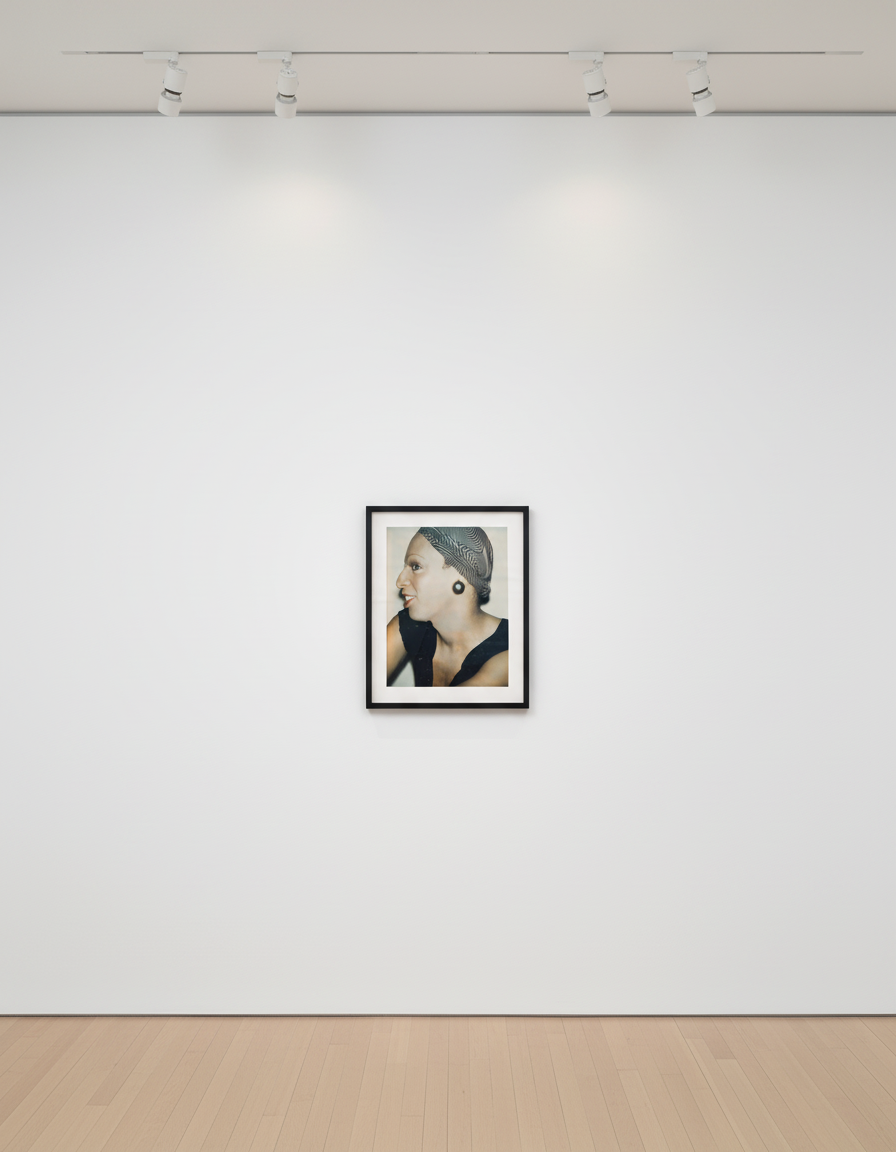
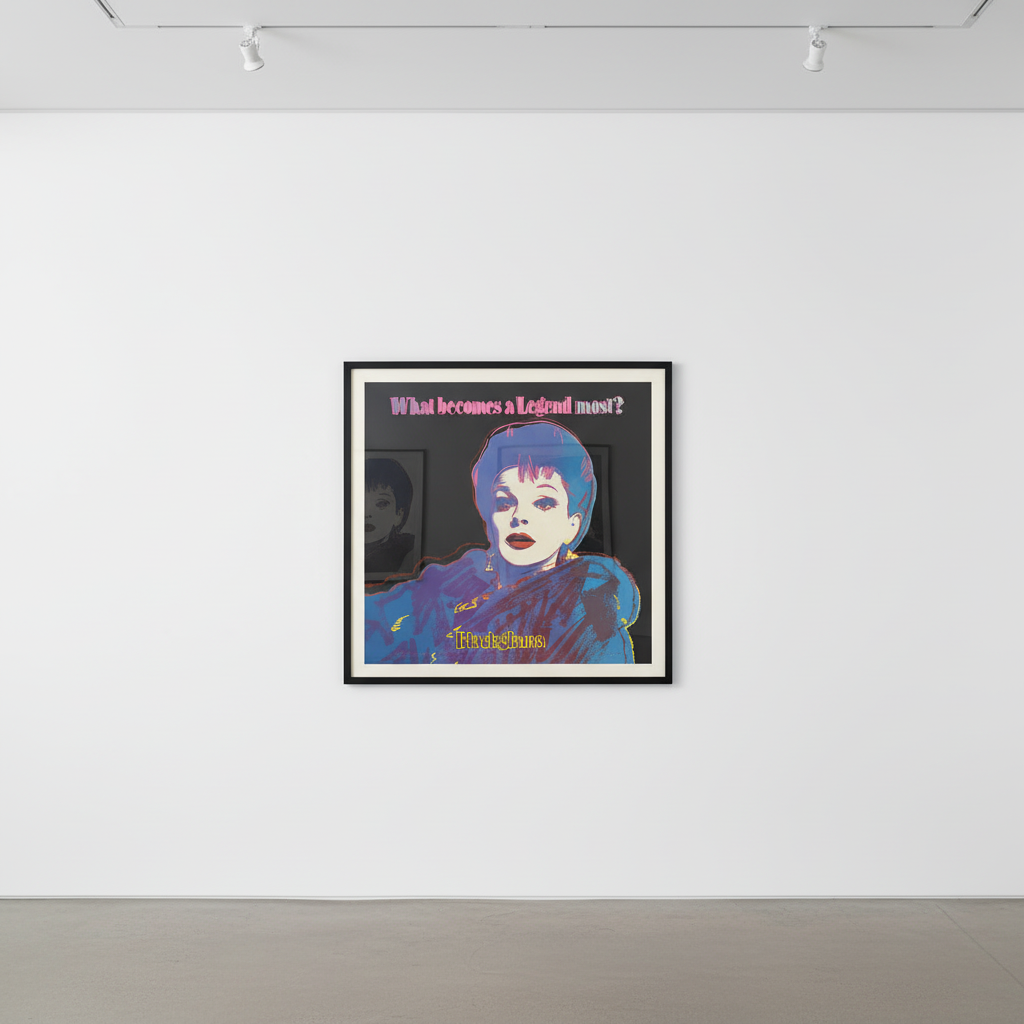
Ladies and Gentlemen (Wilhelmina Ross) — Andy Warhol. Available at Guy Hepner, New York.
What distinguishes Warhol from his contemporaries is the remarkable breadth of his practice. From the Ladies and Gentlemen series - which included powerful portraits such as that of Wilhelmina Ross - to his late-career Beethoven prints, Warhol continuously expanded Pop-Art's vocabulary. His Camouflage works represent yet another dimension of his practice, abstracting military patterns into pure visual experience while retaining their associations with concealment and conflict. This diversity offers collectors multiple entry points into his oeuvre, each with distinct aesthetic qualities and market considerations.
According to data from Christie's and Sotheby's, Warhol consistently ranks among the top-selling artists at global auctions, with his market demonstrating remarkable resilience across economic cycles. The Art Basel and UBS Global Art Market Report has repeatedly identified Warhol as a cornerstone of the post-war and contemporary art market, with works spanning a wide range of price points from accessible prints to museum-quality canvases commanding eight-figure sums.
For collectors approaching Pop-Art strategically, understanding the tiered nature of the market proves essential. Warhol's print editions, particularly those with strong provenance and excellent condition, offer collectors the opportunity to acquire authenticated works by a blue-chip artist at more accessible price points than unique paintings. The Self-Portrait F.S. IIIA 10 exemplifies the kind of significant yet obtainable work that sophisticated collectors prioritize - an iconic image with strong visual presence and clear authentication through the established catalogue raisonné.
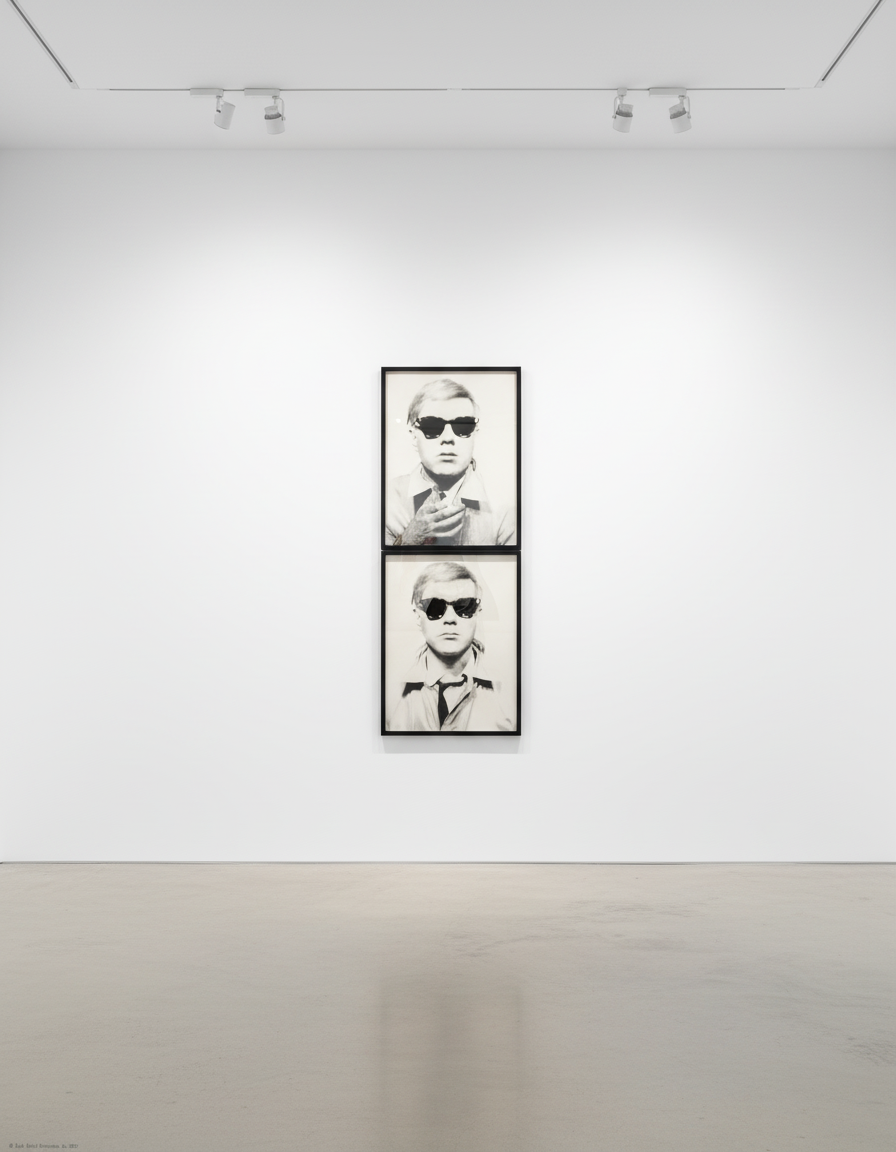
Self - Portrait F.S. IIIA 10 — Andy Warhol. Available at Guy Hepner, New York.
Market timing and condition assessment remain critical factors in Pop-Art collecting. Unlike works in traditional media, screen-prints present specific conservation considerations including color stability and paper quality. Working with established galleries that maintain rigorous condition standards protects collectors from common pitfalls. Additionally, provenance research has become increasingly important, with major auction houses implementing enhanced due diligence procedures that sophisticated collectors should mirror in their own acquisition processes.
Successful Pop-Art collecting requires more than acquiring individual works - it demands a curatorial vision that creates meaningful dialogue between pieces. Many distinguished collections focus on thematic threads within Warhol's practice, whether celebrity portraits, political imagery, or explorations of mortality and religion in his later works. The Mao F.S. II 96 represents an intersection of several collecting themes - political commentary, portraiture, and Warhol's masterful use of color - making it a cornerstone acquisition for serious collections.
Diversification within Pop-Art collecting also means considering works across different periods and series. Warhol's career evolved substantially from his early commercial work through the Factory years and into his 1980s collaborations and independent projects. The Beethoven F.S. IIB 390-393 portfolio from his final years demonstrates the continued vitality of his practice, applying his signature techniques to classical cultural icons in a meditation on genius and legacy. Collectors who acquire works from multiple periods create collections with greater art-historical depth and often stronger long-term value appreciation.
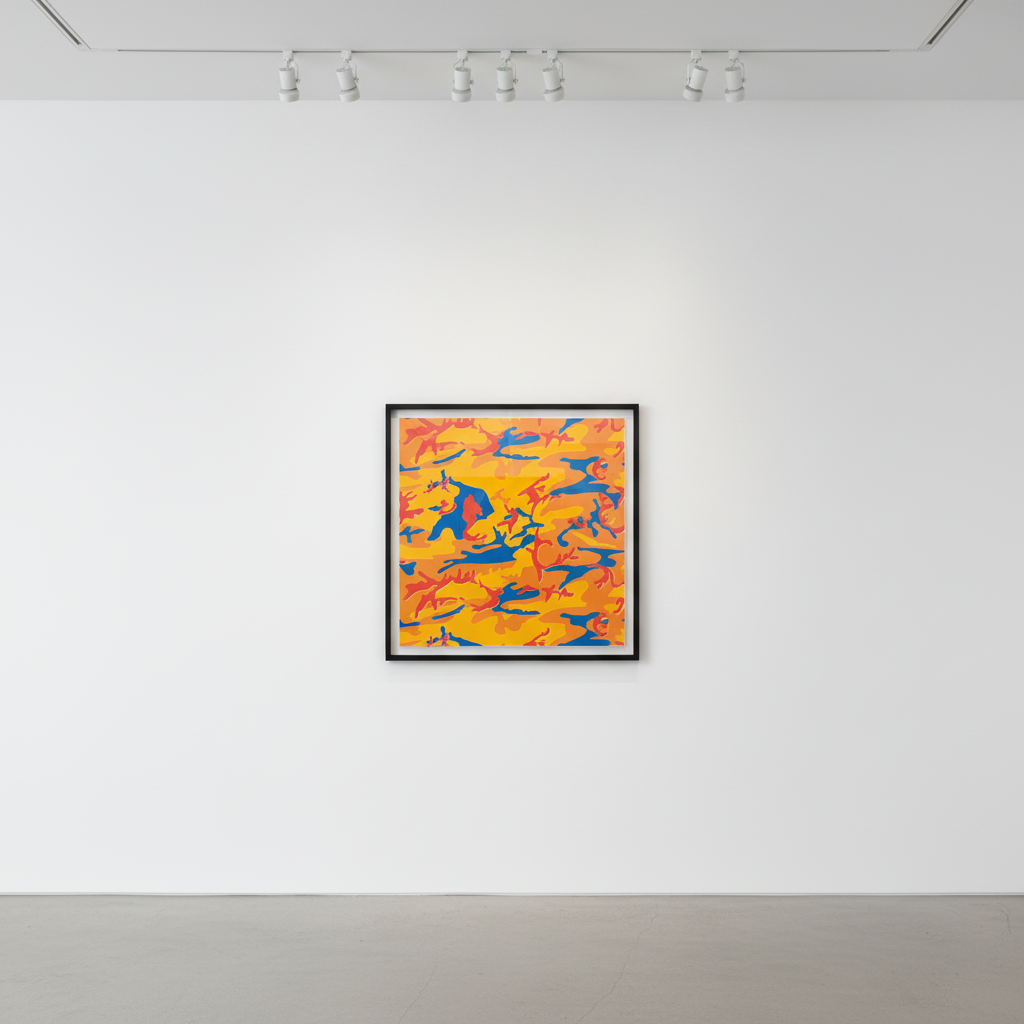
Camouflage Trial Proof TP 4/84 — Andy Warhol. Available at Guy Hepner, New York.
The social dimension of Pop-Art collecting should not be overlooked. Works like the Ladies and Gentlemen portfolio, which celebrated drag performers and transgender individuals from New York's underground scene, carry significant cultural weight in contemporary discourse around identity and representation. Collectors increasingly recognize that acquiring such works positions their collections within important ongoing conversations while honoring communities that Warhol championed during a far less accepting era.
Guy Hepner maintains one of the most distinguished inventories of Pop-Art available in the international market, with particular strength in works by Andy Warhol. Our gallery's rigorous authentication standards, direct relationships with major estates and foundations, and commitment to collector education ensure that each acquisition meets the highest standards of quality and provenance. Whether you are establishing a new collection or seeking a transformative addition to an existing holdings, our specialists provide personalized guidance through every stage of the acquisition process. We invite collectors to explore our current selection of Warhol works and contact our New York gallery to discuss how Guy Hepner can help you build a Pop-Art collection of lasting significance.
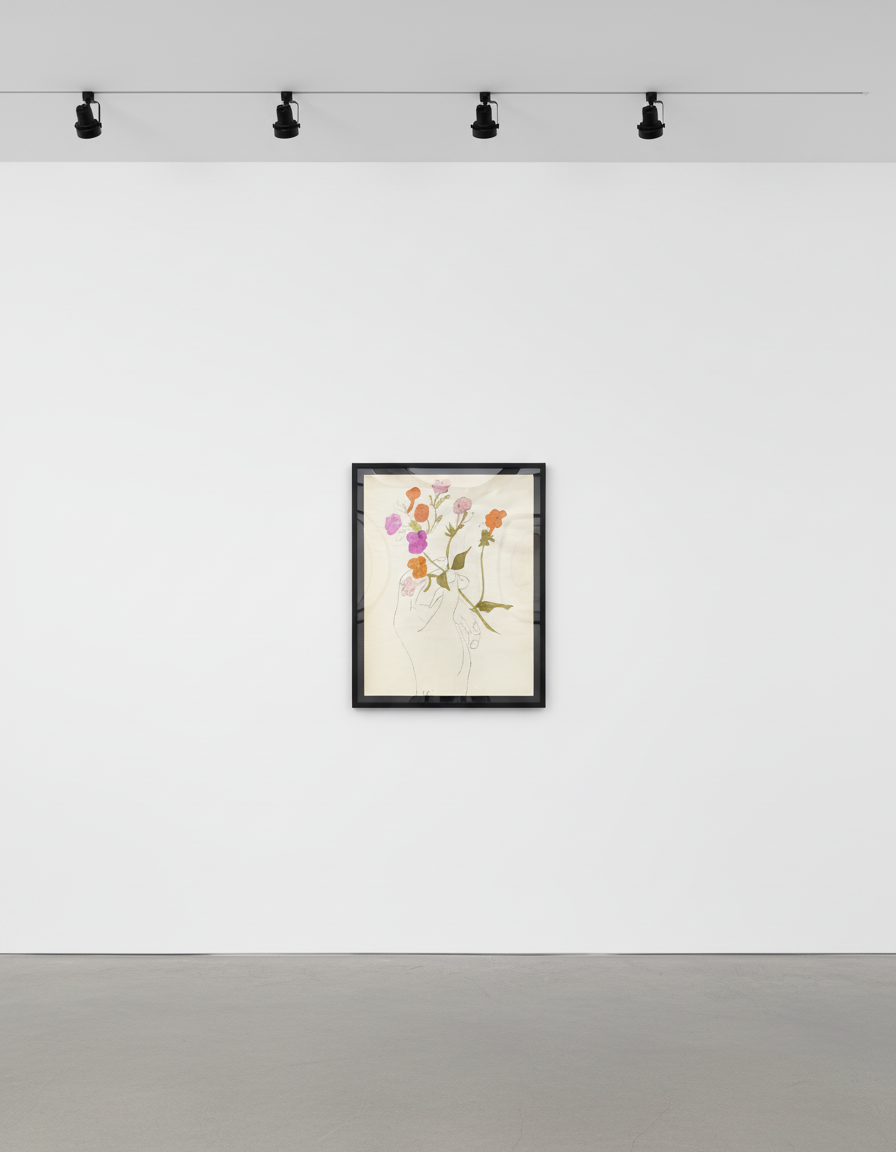
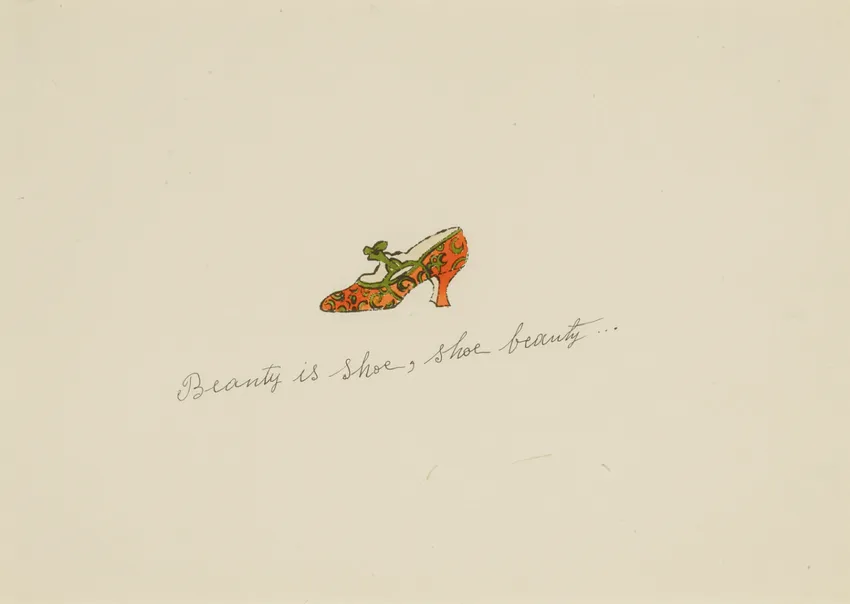
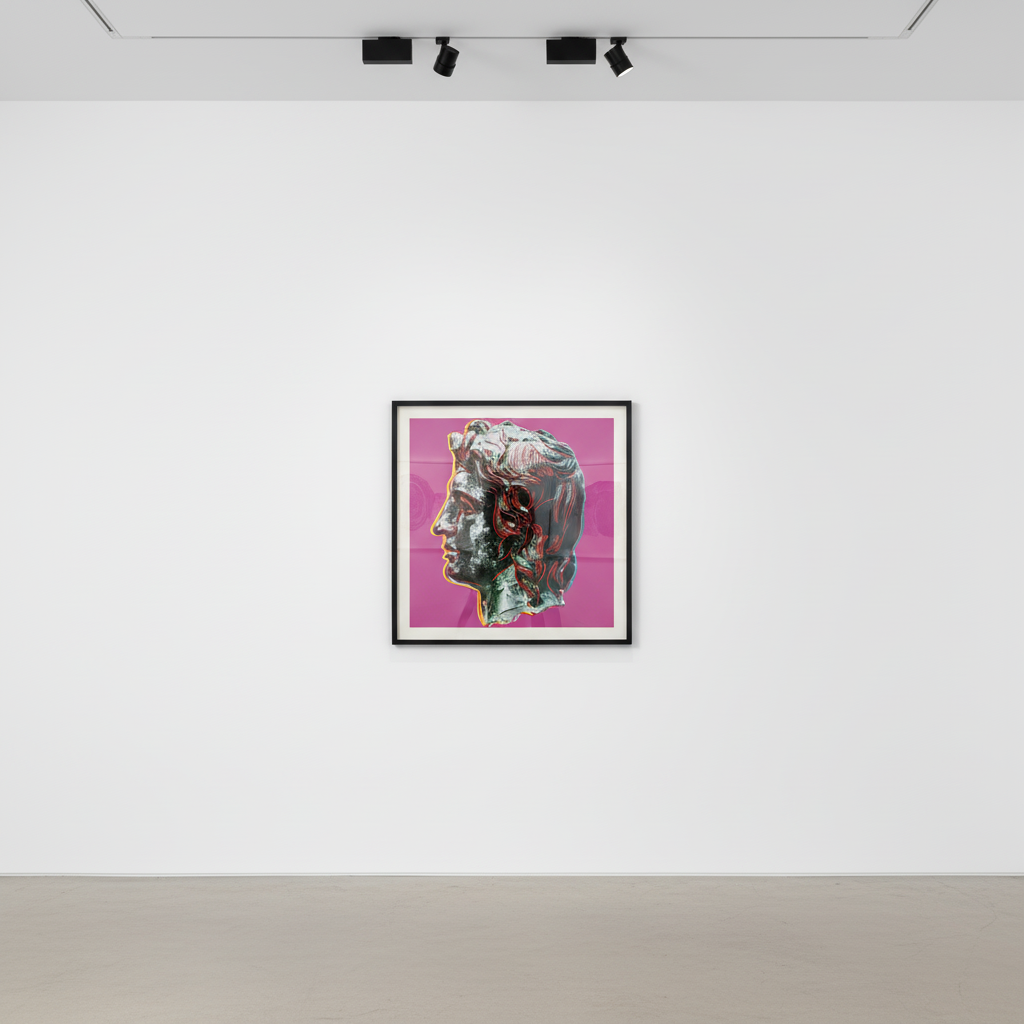
--- **Browse Andy Warhol prints** at Guy Hepner: [Andy Warhol art for sale](/andy-warhol) | [Sell your Warhol](/sell/andy-warhol)Explore Andy Warhol prints for sale at Guy Hepner: 25 Cats Named Sam, A Gold Book, A La Recherche Du Shoe Perdu, Alexander the Great, Banana.
Related Series