Pop Powerhouses
Pop Powerhouses
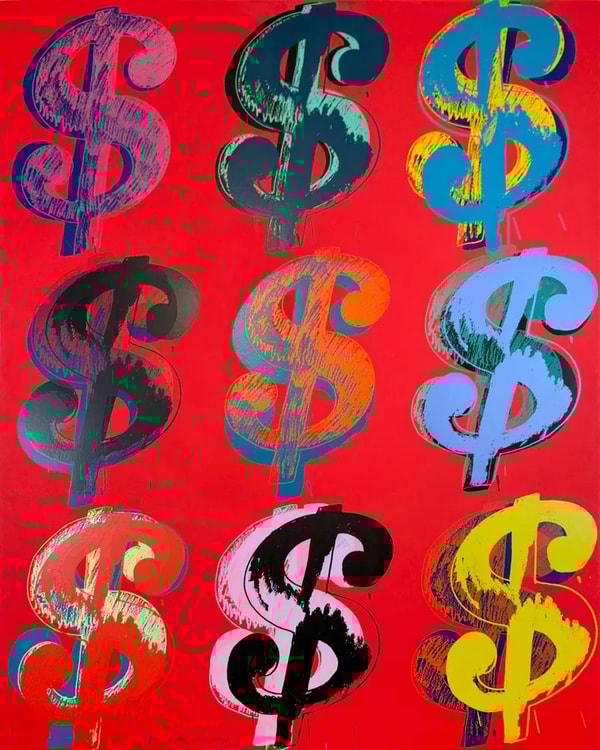
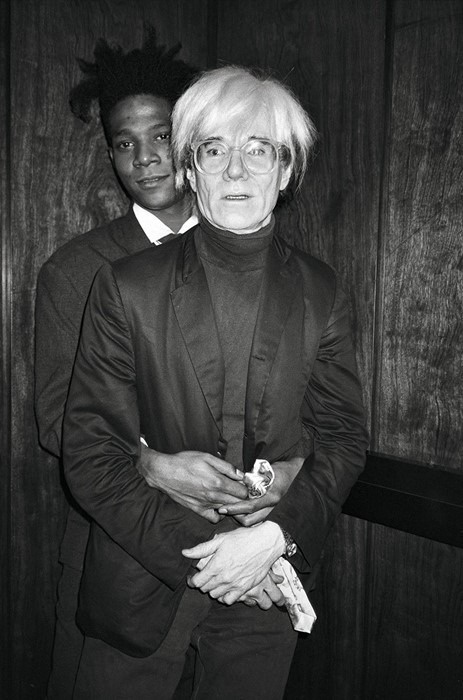
In the twentieth century, art underwent a radical transformation. Artists began to question not just what art looked like, but how it functioned in a world of mass media, consumerism, and social unrest. Among the most influential voices of this shift was Andy Warhol - the artist who perhaps more than any other helped break down the divide between high art and popular culture, rewriting the rules of art history in the process. Warhol's revolutionary approach to image-making, celebrity, and commerce established a template that continues to dominate contemporary art markets and cultural discourse today.
Andy Warhol: The Pioneer of Pop Art as Commodity
Andy Warhol revolutionized art by embracing the aesthetics of commercial reproduction. One of his most important innovations was his use of screenprinting - a process borrowed from the advertising industry. Unlike traditional painting, screenprinting allowed Warhol to produce multiple versions of the same image, often with slight variations in color and layering. This repetition was not simply a mechanical convenience but a deliberate artistic choice - one that echoed the endless reproduction of images in advertising, television, and print media. By treating art as something that could be mass-produced, Warhol challenged the Romantic notion of the artist as a solitary genius and redefined creativity as a form of cultural production.
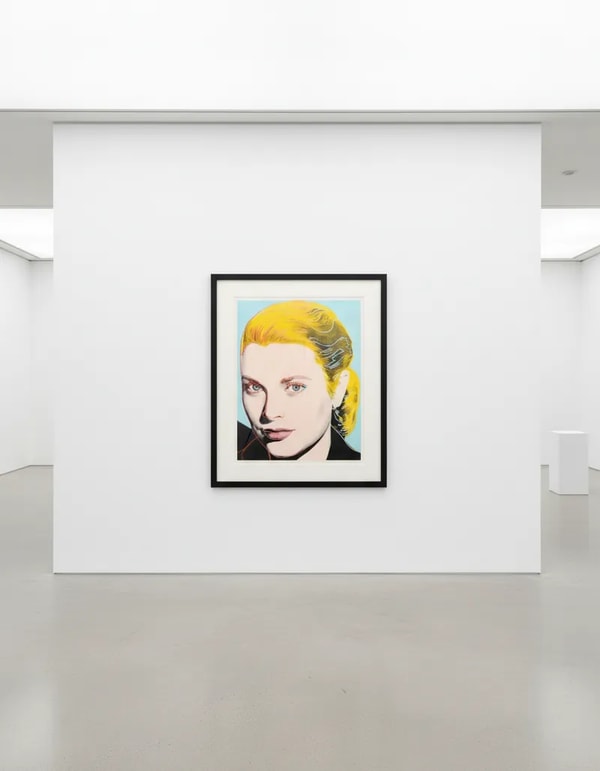
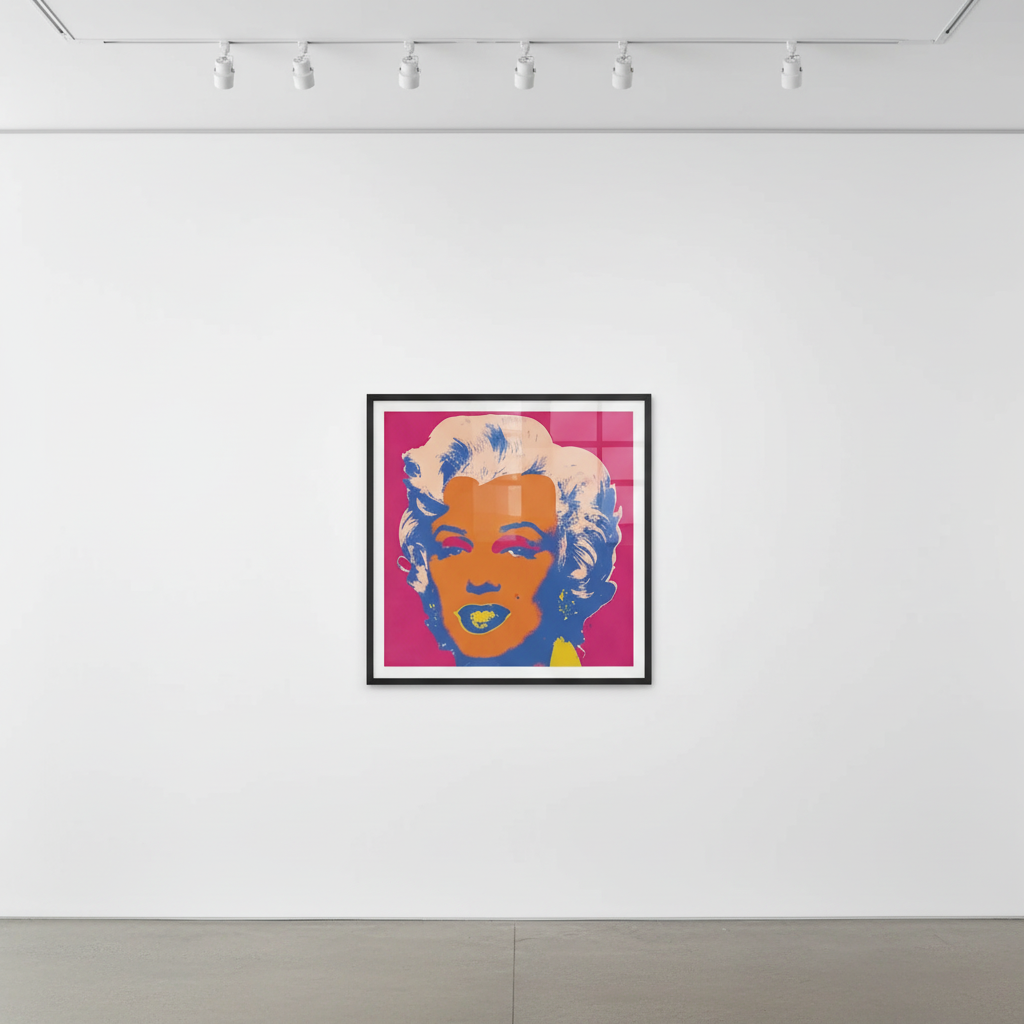
Warhol's subject matter was equally transformative. He drew from the imagery of everyday American life - soup cans, celebrity portraits, and newspaper headlines - elevating mundane objects and figures to the status of art. His portraits of Marilyn Monroe, Elvis Presley, and Elizabeth Taylor transformed Hollywood icons into modern-day religious figures, their faces repeated and distorted until they became symbols of fame itself. This approach anticipated our current age of viral images and social media saturation, making Warhol's work feel remarkably prescient decades after its creation.
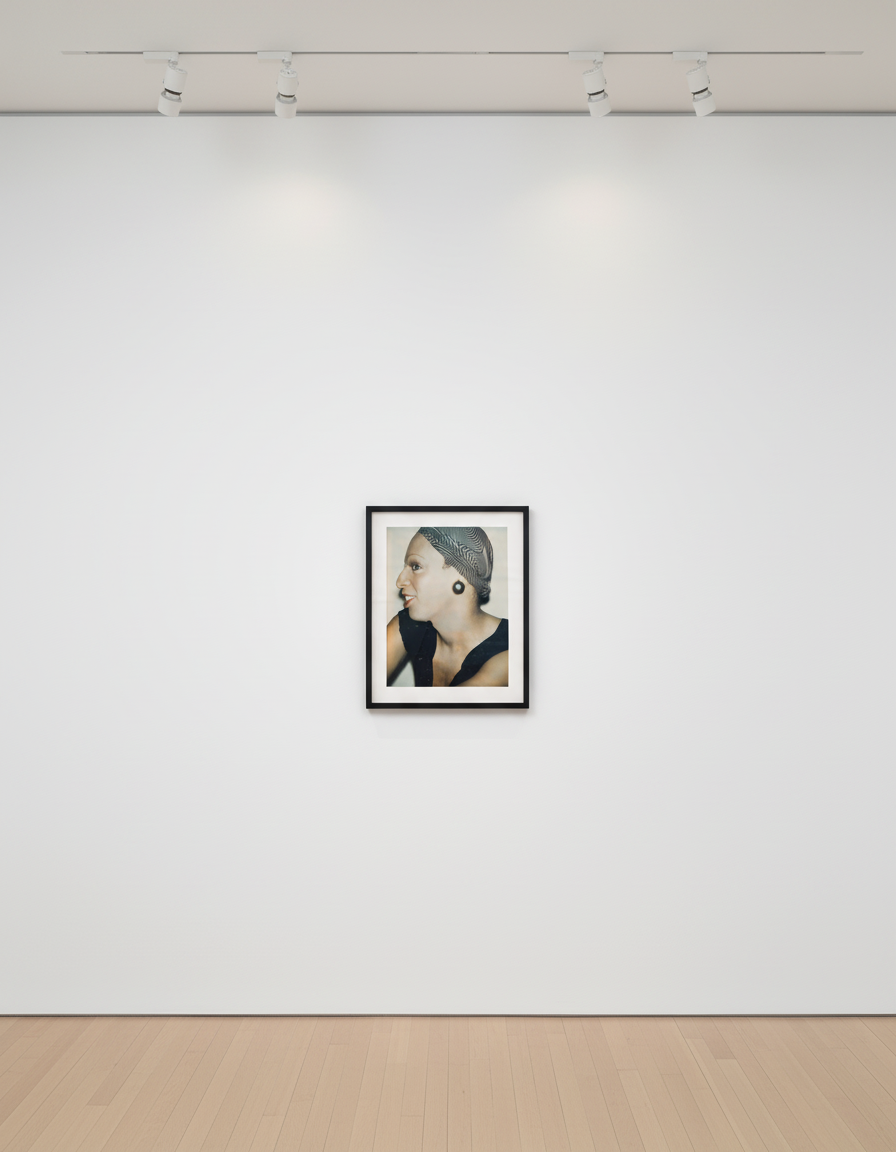
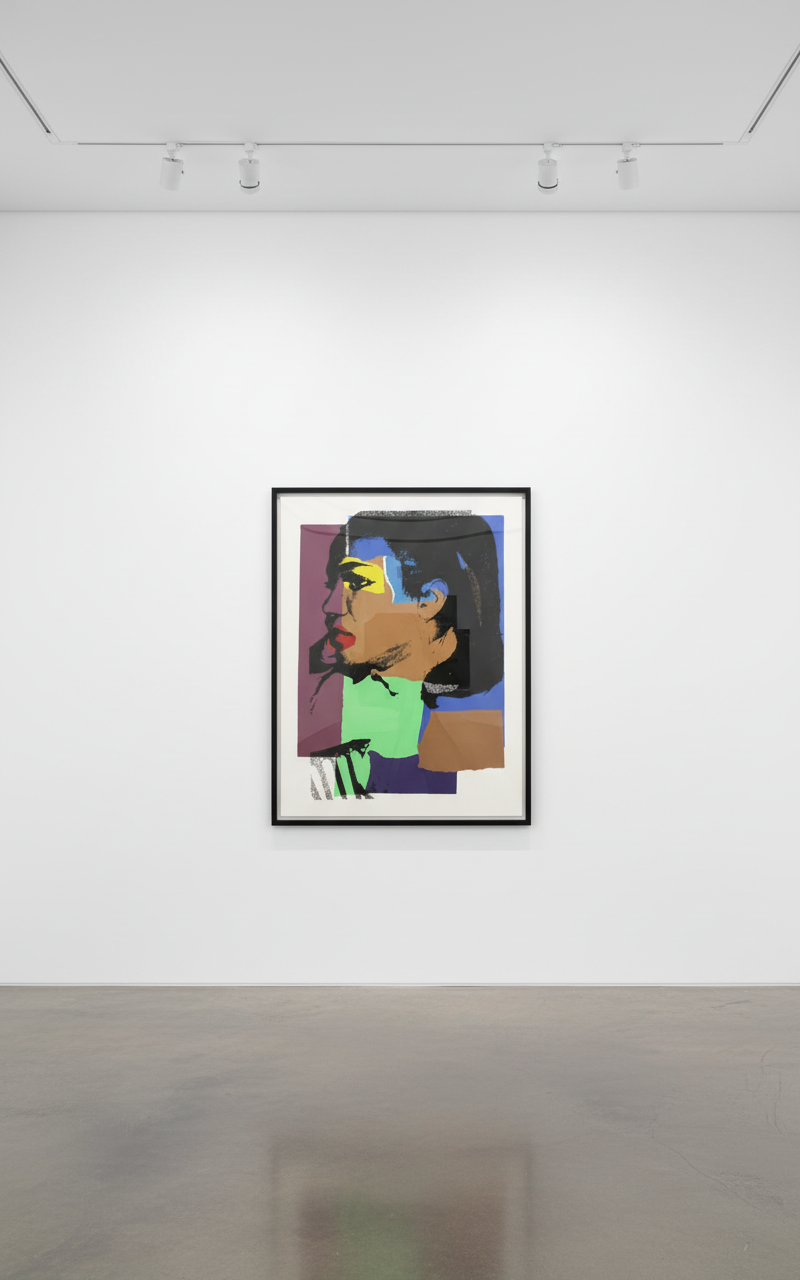
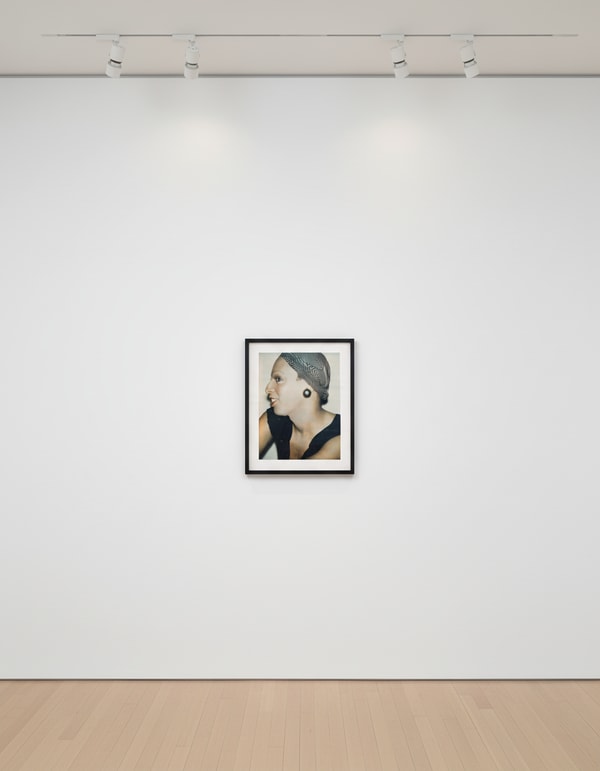
Ladies and Gentlemen (Wilhelmina Ross) — Andy Warhol. Available at Guy Hepner, New York.
The Ladies and Gentlemen series from 1975 exemplifies Warhol's ability to merge portraiture with social commentary. Featuring drag queens and transgender performers from New York's underground scene - including the remarkable Wilhelmina Ross - these works brought marginalized communities into the realm of high art while maintaining Warhol's signature aesthetic of glamour and repetition. The series demonstrates how Warhol consistently pushed boundaries not only in technique but in subject matter, celebrating figures society often overlooked.
Political Imagery and Cultural Commentary
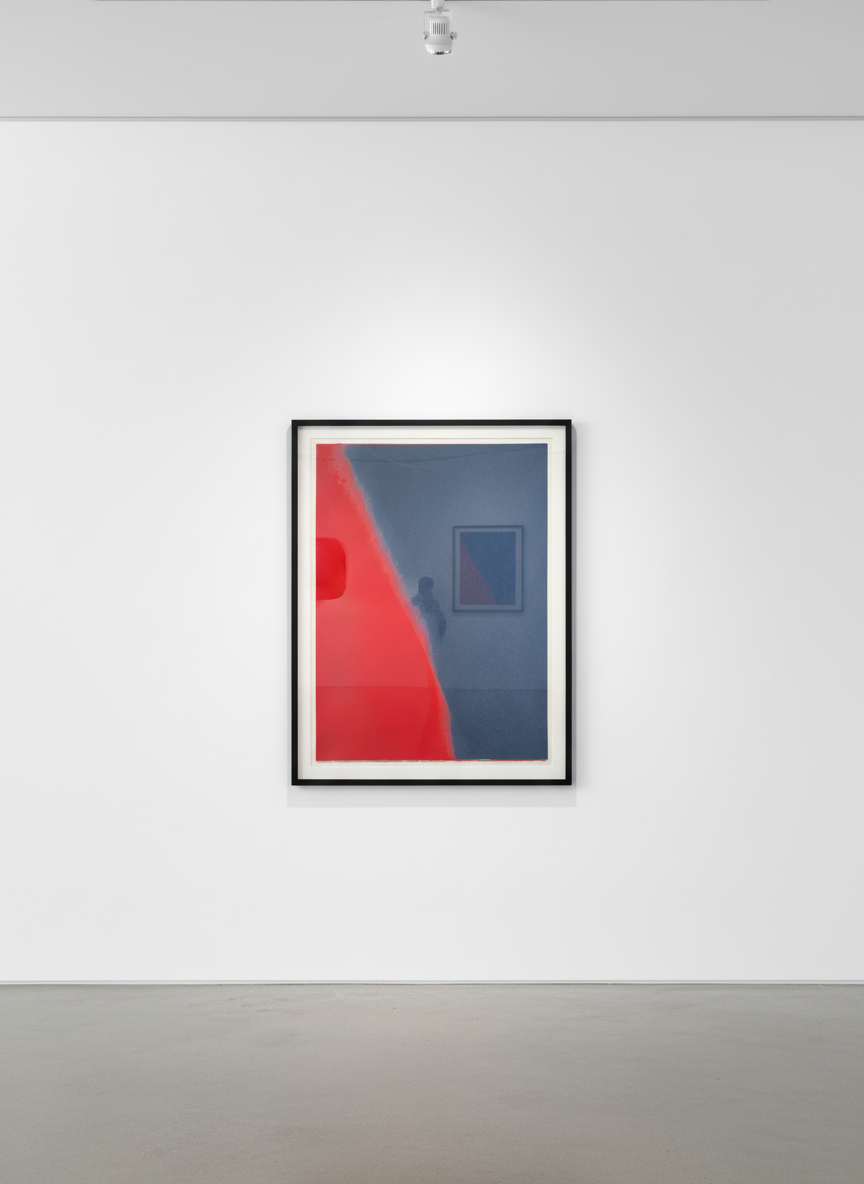
Beyond celebrity and consumer culture, Warhol engaged directly with political iconography in ways that remain strikingly relevant. His Mao series - begun in 1972 following President Nixon's historic visit to China - transformed the image of Chairman Mao Zedong into a meditation on propaganda, power, and the cult of personality. By applying his signature Pop aesthetic to one of the twentieth century's most reproduced political portraits, Warhol drew parallels between communist propaganda and Western advertising. The Mao prints demonstrate Warhol's sophisticated understanding of how images function as instruments of power - whether selling consumer products or political ideologies.
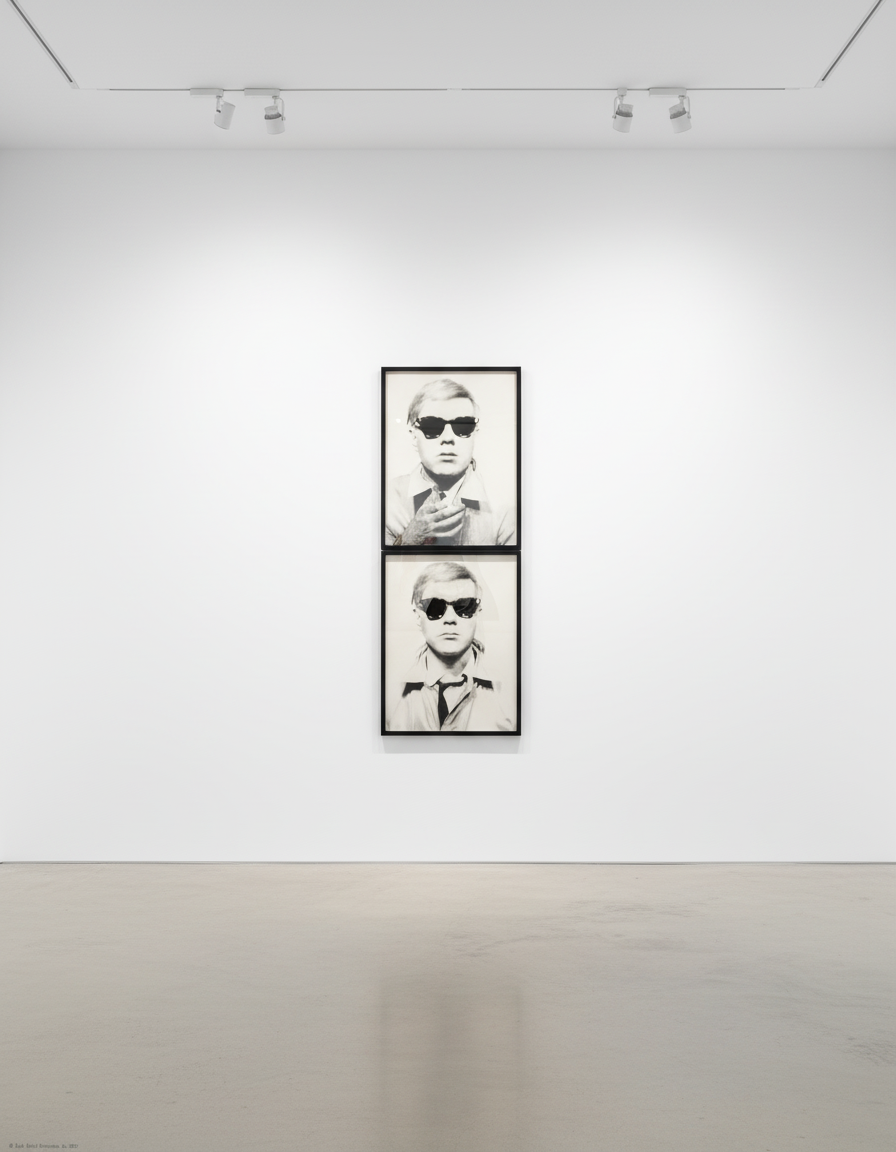
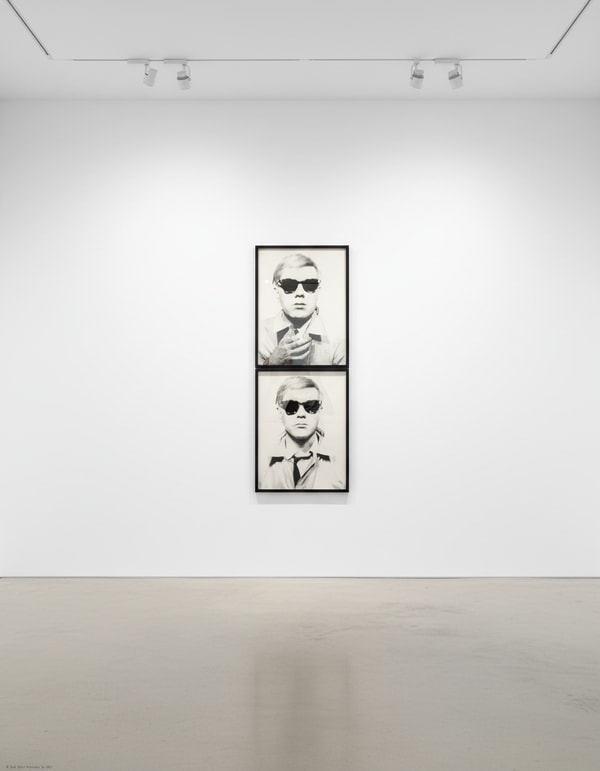
Self - Portrait F.S. IIIA 10 — Andy Warhol. Available at Guy Hepner, New York.
Similarly provocative, Warhol's Hammer and Sickle series from 1976 took the universal symbol of Soviet communism and subjected it to his characteristic treatment of repetition and color variation. Rather than photographing actual Soviet imagery, Warhol purchased toy hammers and sickles from hardware stores and arranged them in still-life compositions - a characteristically irreverent approach that stripped the symbols of their ideological weight while simultaneously highlighting their visual power. The complete Hammer and Sickle portfolio remains one of the most sought-after political series in Warhol's oeuvre, representing a crucial intersection of art and geopolitical commentary during the Cold War era.
Market Significance and Collector Appeal
The market for Andy Warhol's work has demonstrated remarkable resilience and growth over decades. According to data from the Art Basel and UBS Global Art Market Report, Warhol consistently ranks among the top-selling artists at auction worldwide. Christie's and Sotheby's regularly feature his works in their most prestigious evening sales, with major pieces achieving prices in the tens of millions. In 2022, Warhol's Shot Sage Blue Marilyn sold at Christie's for $195 million - establishing a new benchmark for American art and confirming his status as a cornerstone of any serious collection.
For collectors, Warhol's appeal lies in the intersection of art historical importance and enduring visual impact. His screenprints offer an accessible entry point to one of the most significant bodies of work in contemporary art, while his unique paintings command prices reflecting their singular status. The artist's prodigious output means that works exist across a wide range of price points - from iconic celebrity portraits to lesser-known but equally compelling series exploring politics, abstraction, and identity.
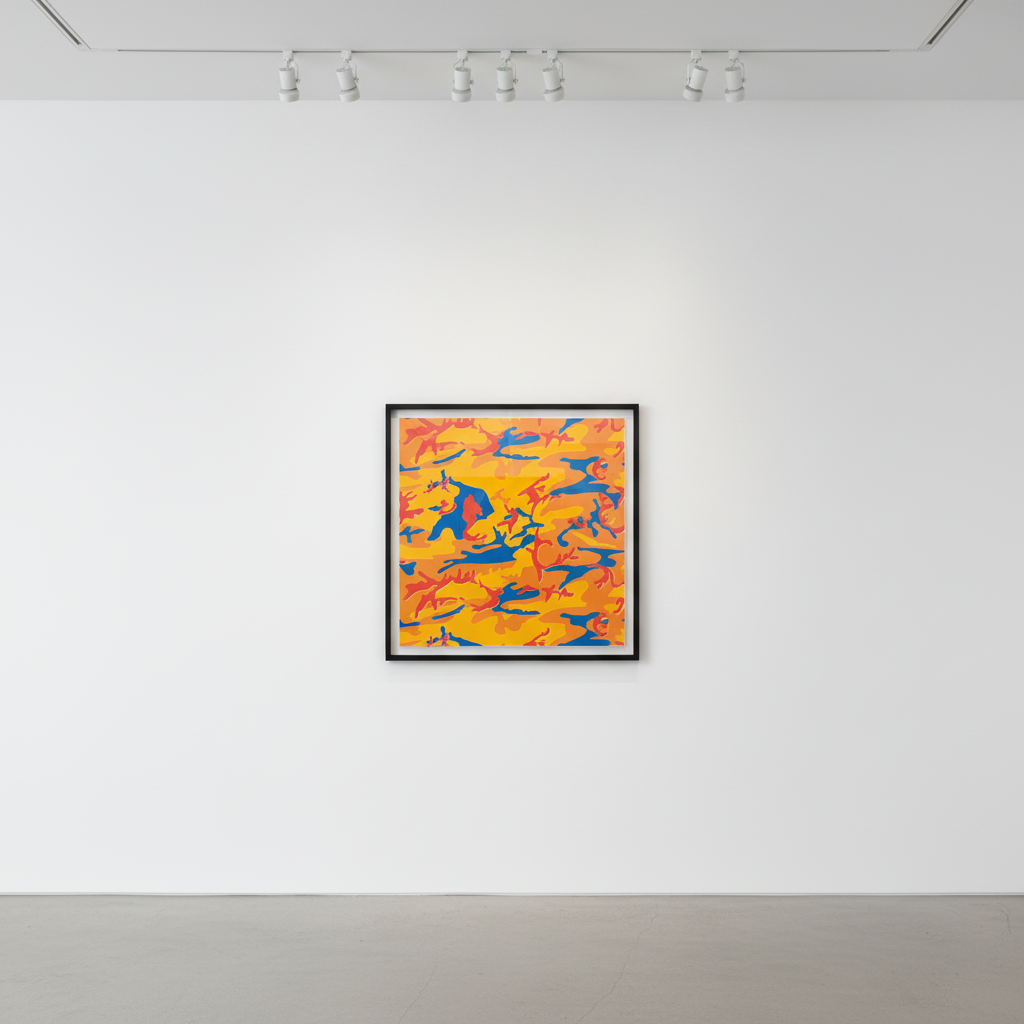
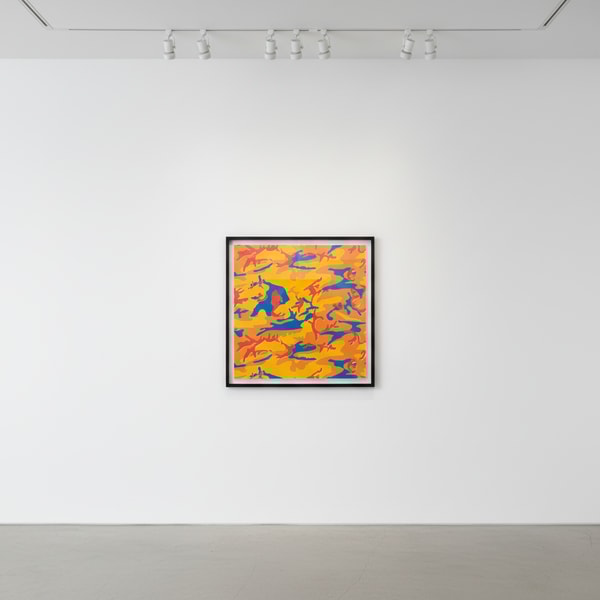
Camouflage Trial Proof TP 4/84 — Andy Warhol. Available at Guy Hepner, New York.
The Camouflage series from 1986 - one of Warhol's final bodies of work before his death in 1987 - demonstrates his continued experimentation until the very end. Trial proofs from this series are particularly prized by collectors for their rarity and their insight into Warhol's creative process. These works reveal an artist still questioning the nature of imagery, surface, and meaning - transforming military patterns into pure abstraction while retaining their associations with concealment and conflict.
Acquiring Warhol Through Guy Hepner
Guy Hepner is proud to offer exceptional works by Andy Warhol to collectors seeking museum-quality pieces with impeccable provenance. Our current inventory includes significant examples from the Ladies and Gentlemen series, the politically charged Hammer and Sickle portfolio, and rare Camouflage trial proofs - each representing a distinct facet of Warhol's revolutionary practice. Our team of specialists provides comprehensive guidance on authentication, provenance research, and collection building, ensuring that every acquisition meets the highest standards of quality and investment potential. To inquire about available works by Andy Warhol or to discuss building your collection of Pop art masterworks, contact Guy Hepner today.
Browse Series
Works For Sale
Available through Guy Hepner
Andy Warhol
Ladies and Gentlemen (Wilhelmina Ross)
1974
Enquire →
Andy Warhol
Self - Portrait F.S. IIIA 10
1978
Enquire →
Andy Warhol
Camouflage Trial Proof TP 4/84
1987
Enquire →
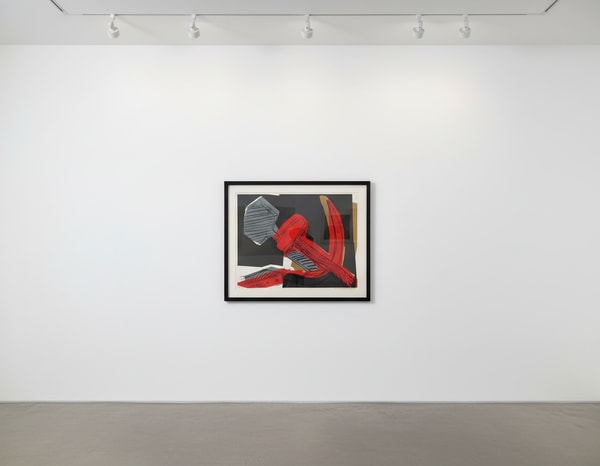
Andy Warhol
Hammer And Sickle (F & S. II 164)
1977
Enquire →
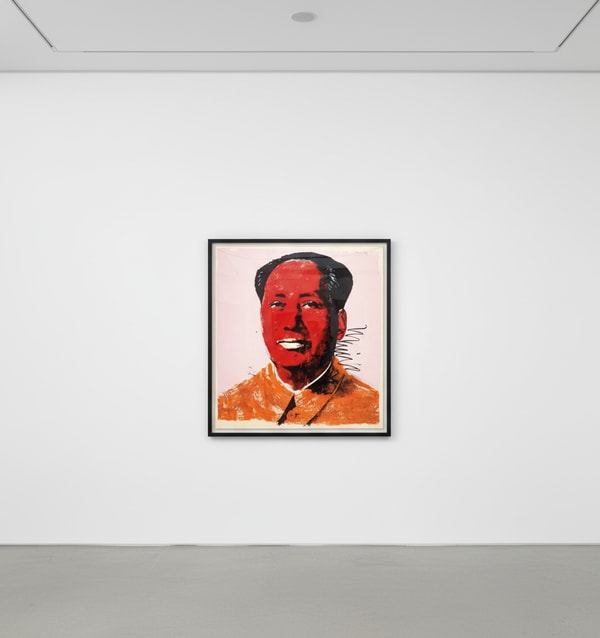
Andy Warhol
Mao F.S. II 96
1972
Enquire →
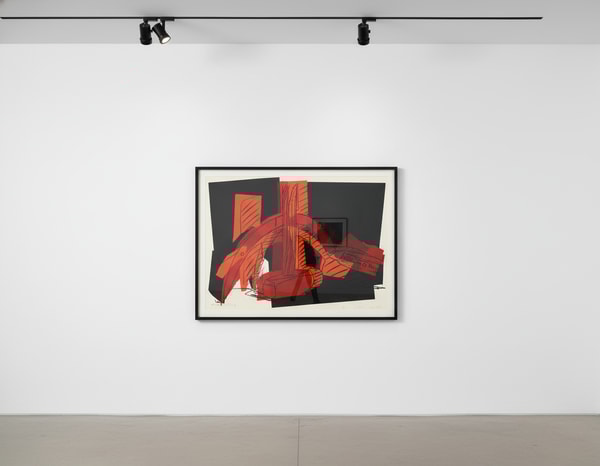
Andy Warhol
Hammer and Sickle
1977
Enquire →

Andy Warhol
Hammer And Sickle Complete Portfolio (F & S. II 161 - 164)
1977
Enquire →
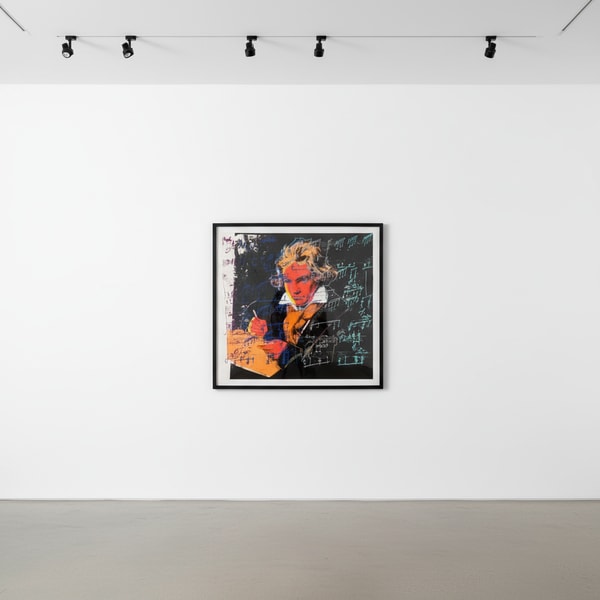
Andy Warhol
Beethoven F.S. IIB 390-393
1987
Enquire →
More from Guy Hepner