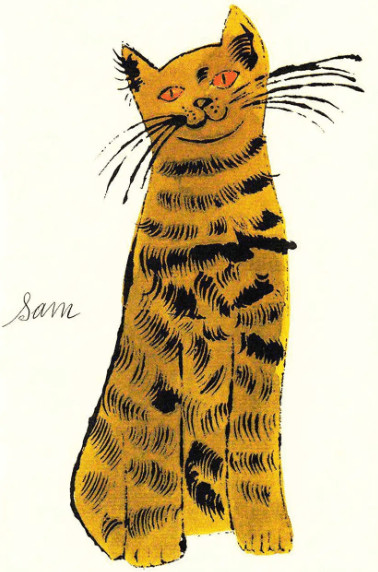
25 Cats Named Sam

In the landscape of modern and contemporary art, few figures have transcended the traditional confines of the gallery and entered the broader cultural consciousness with the enduring power of Andy Warhol. More than a celebrated artist, Warhol has become a global brand - shorthand for an entire movement, aesthetic, and ideology that continues to shape how we understand the relationship between art, commerce, and identity. The phenomenon of "branding the artist" finds its most complete expression in Warhol's career, where the deliberate construction of persona became inseparable from the creation of art itself. Understanding this dynamic is essential for collectors seeking to grasp why Warhol's market dominance persists and why his works remain among the most sought-after in contemporary art.
Warhol did not merely depict celebrity - he manufactured it. By the early 1960s, he had transformed his studio, The Factory, into a production line for art, personas, and mythologies that would reshape the art world's understanding of authorship and authenticity. He wore silver wigs, surrounded himself with rising stars and cultural provocateurs, and understood the visual economy of fame decades before the social media age would make personal branding a universal pursuit. His works - Campbell's soup cans, Marilyn Monroe portraits, and Dollar Signs - functioned not simply as art but as logos of a new cultural currency.
Warhol's strategic personal detachment and mechanical repetition became the very essence of his brand. By removing the artist's hand and embracing commercial processes like silkscreen printing, he challenged romantic notions of artistic genius while simultaneously creating one of the most recognisable artistic signatures in history. This paradox lies at the heart of his enduring appeal - Warhol made the erasure of traditional artistry into an artistic statement more powerful than any brushstroke.
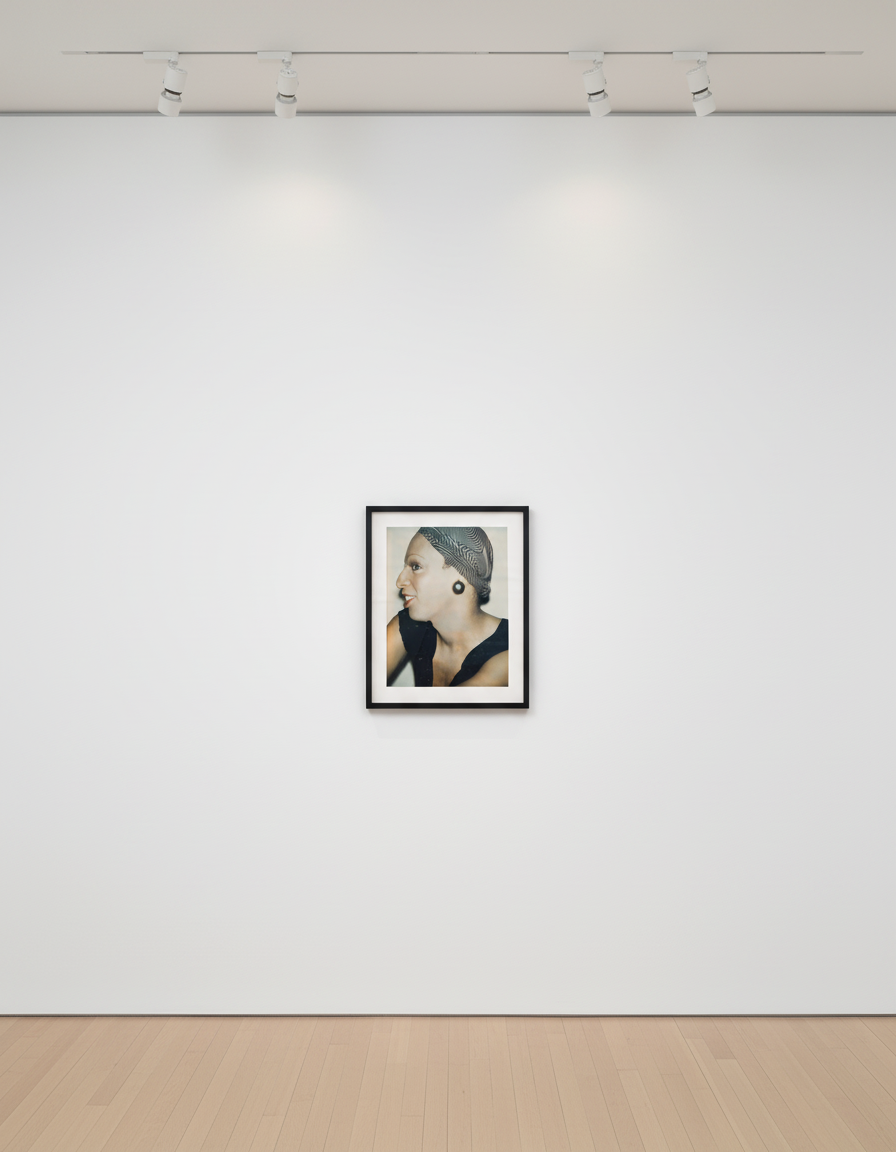
Ladies and Gentlemen (Wilhelmina Ross) — Andy Warhol. Available at Guy Hepner, New York.
The Ladies and Gentlemen series exemplifies Warhol's sophisticated approach to identity construction and brand-building. Created between 1974 and 1975, this portfolio of portraits featuring drag queens and transgender performers from New York's underground scene demonstrates how Warhol extended his exploration of manufactured persona beyond Hollywood celebrities to marginalised communities who understood performance and self-invention as survival strategies. These works reveal the depth beneath Warhol's apparently superficial surfaces, showing how his brand encompassed genuine social commentary alongside commercial appeal.
The art market's response to Warhol's brand-building genius has been extraordinary and sustained. According to data from Sotheby's and Christie's, Warhol consistently ranks among the top-selling artists at auction, with his works achieving prices that reflect both their art historical significance and their cultural cachet. The 2022 sale of Shot Sage Blue Marilyn at Christie's for 195 million dollars cemented Warhol's position as the most expensive American artist ever sold at auction. This market performance underscores a crucial insight for collectors - Warhol understood that in the modern era, an artist's brand could become as valuable as their individual works.
The Art Basel and UBS Global Art Market Report has repeatedly highlighted the strength of the ultra-contemporary and post-war segments, with Warhol serving as a bellwether for collector confidence in branded artistic identities. His market resilience through economic fluctuations demonstrates how thoroughly he succeeded in establishing his name as a guarantor of both cultural relevance and investment value.
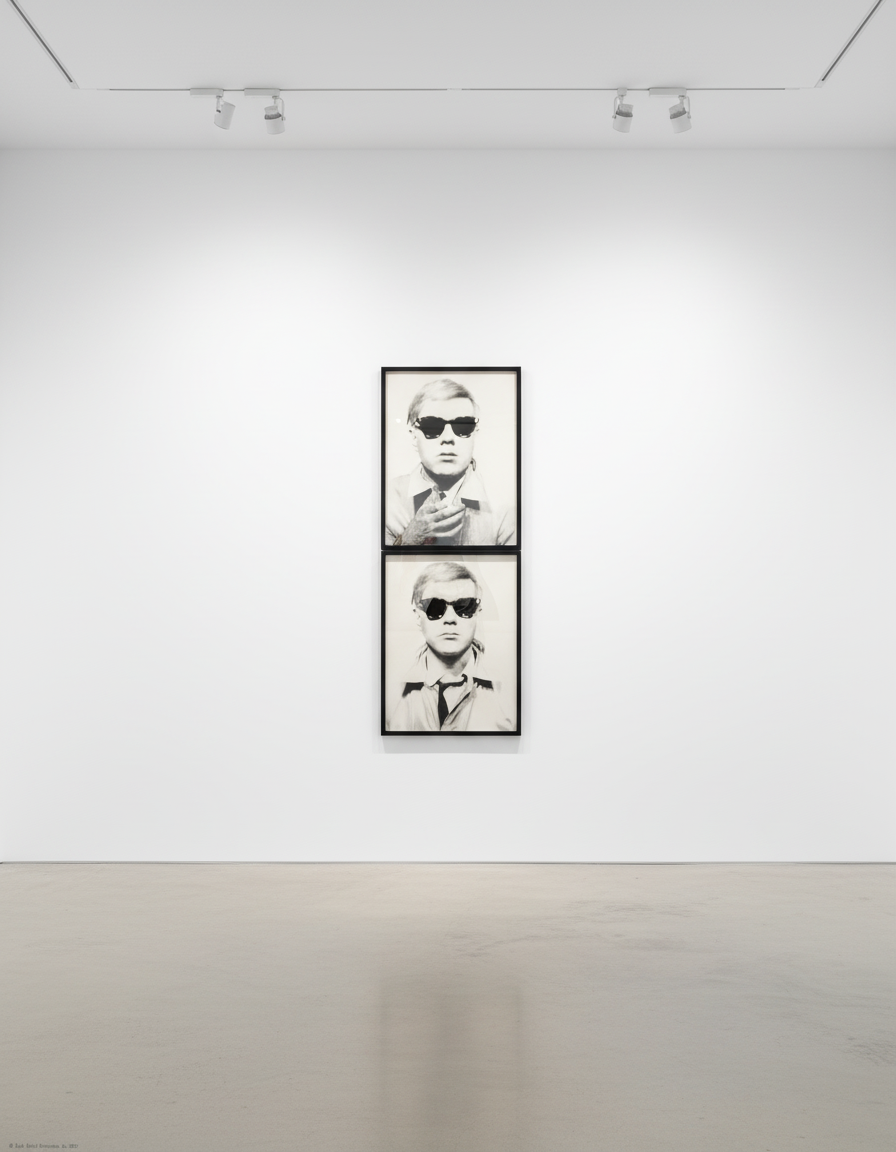
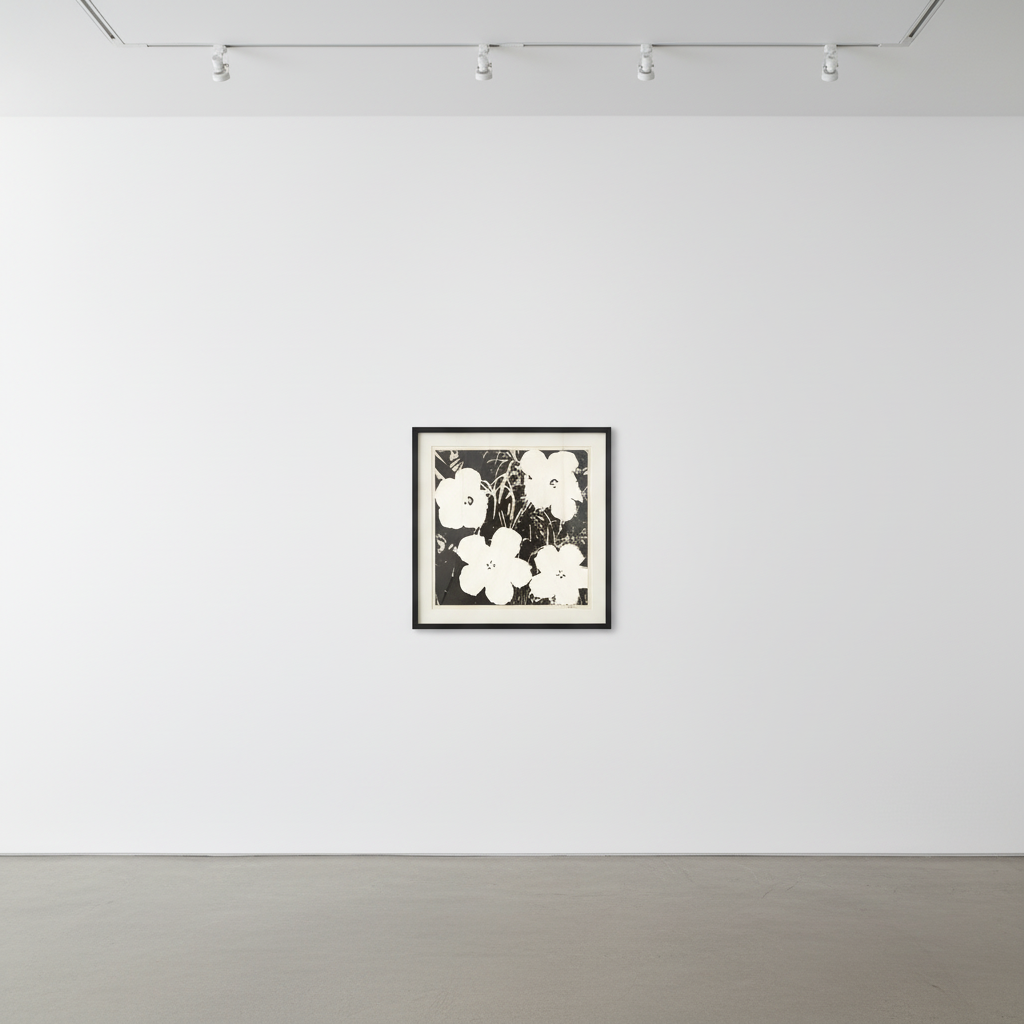
Self - Portrait F.S. IIIA 10 — Andy Warhol. Available at Guy Hepner, New York.
Warhol's exploration of political imagery in works such as the Mao series and the Hammer and Sickle portfolios reveals another dimension of his branding strategy. By appropriating the visual language of communist propaganda and political power, Warhol transformed ideological symbols into aesthetic commodities - a characteristically provocative gesture that simultaneously critiqued and celebrated capitalism's capacity to absorb all imagery into the marketplace. These politically charged works remain highly collectible precisely because they embody the tensions at the heart of Warhol's project.
Warhol's innovations in self-branding established the template that subsequent generations of artists would follow and refine. His understanding that the artist's persona, social network, and media presence could function as integral components of their artistic practice anticipated the strategies employed by virtually every major contemporary artist working today. The Factory model - part studio, part social salon, part content factory - presaged the contemporary artist's need to maintain active presences across multiple platforms and contexts.
The Beethoven series from 1987 demonstrates Warhol's continued evolution as a brand strategist in his later career. By turning to classical music's most iconic composer, Warhol extended his exploration of how genius becomes commodified and how cultural icons transcend their original contexts to become universal symbols. These late works have gained significant collector interest as the market recognises the sophistication and continued relevance of Warhol's final period.
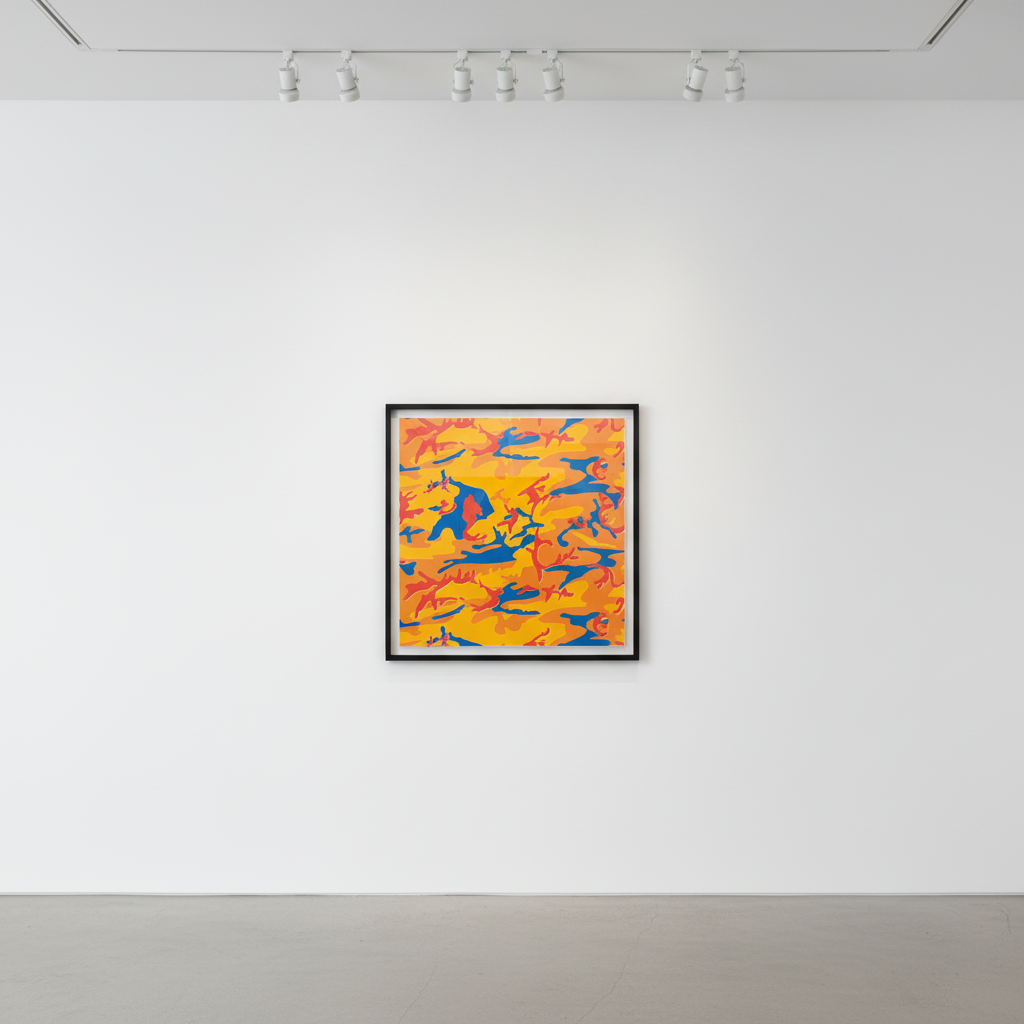
Camouflage Trial Proof TP 4/84 — Andy Warhol. Available at Guy Hepner, New York.
For collectors, understanding Warhol as brand illuminates why his market remains so robust. Acquiring a Warhol means purchasing not merely an object but entry into a cultural conversation that shows no signs of concluding. His works serve as touchstones for discussions of authenticity, value, celebrity, and commerce that grow more relevant with each passing year. The collectors who recognised this dynamic early have seen extraordinary returns, while new collectors continue to find entry points across Warhol's remarkably diverse output.
Guy Hepner is pleased to offer an exceptional selection of works by Andy Warhol, including significant pieces from portfolios that defined his approach to branding and identity. Our gallery provides collectors with access to authenticated works supported by comprehensive provenance documentation and expert guidance on building meaningful collections. Whether you are an established Warhol collector seeking rare impressions or new to collecting and drawn to the artist's enduring cultural significance, our team offers the expertise and discretion that discerning clients expect. We invite you to contact Guy Hepner to discuss available works and explore how Andy Warhol's visionary approach to branding the artist can enhance your collection.
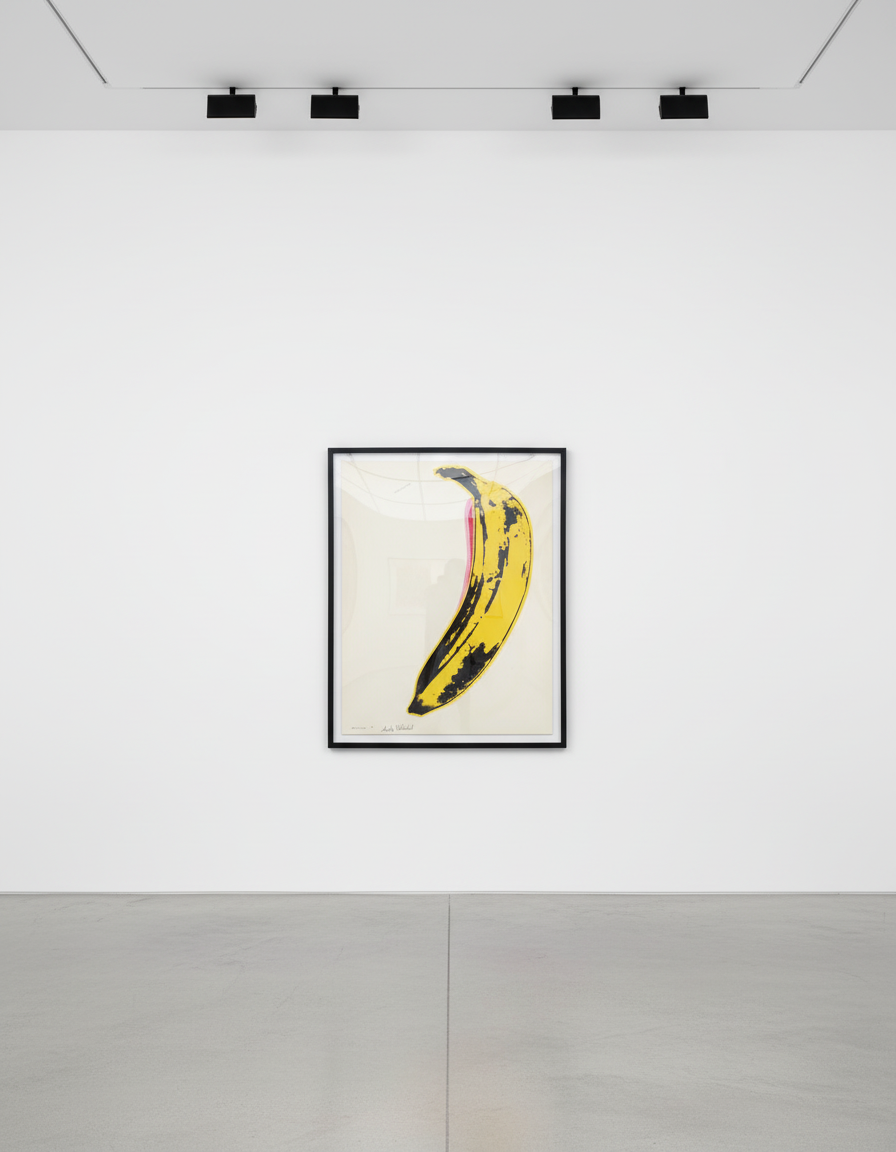
--- **Browse Andy Warhol prints** at Guy Hepner: [Andy Warhol art for sale](/andy-warhol) | [Sell your Warhol](/sell/andy-warhol)Explore Andy Warhol prints for sale at Guy Hepner: 25 Cats Named Sam, A Gold Book, A La Recherche Du Shoe Perdu, Alexander the Great, Banana.
Related Series