Andy Warhol Portraits
Andy Warhol Portraits
"The reason I'm painting this way is that I want to be a machine."— Andy Warhol, 1962
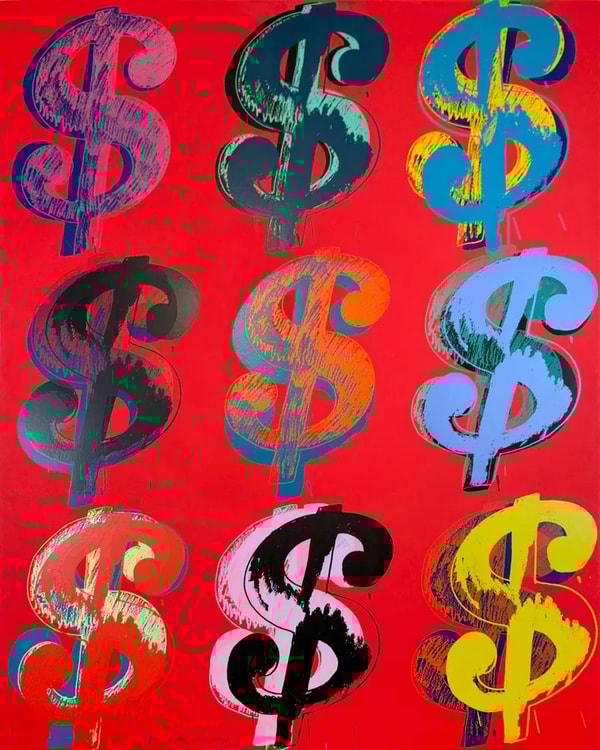
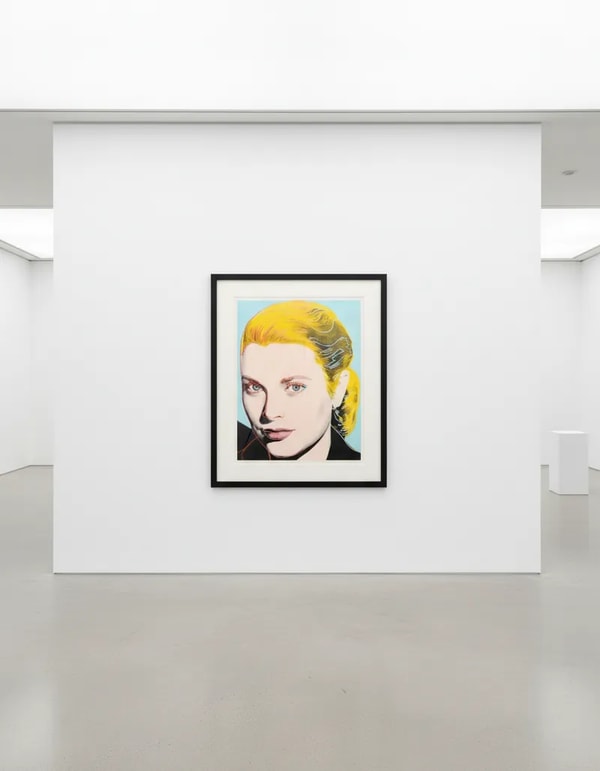
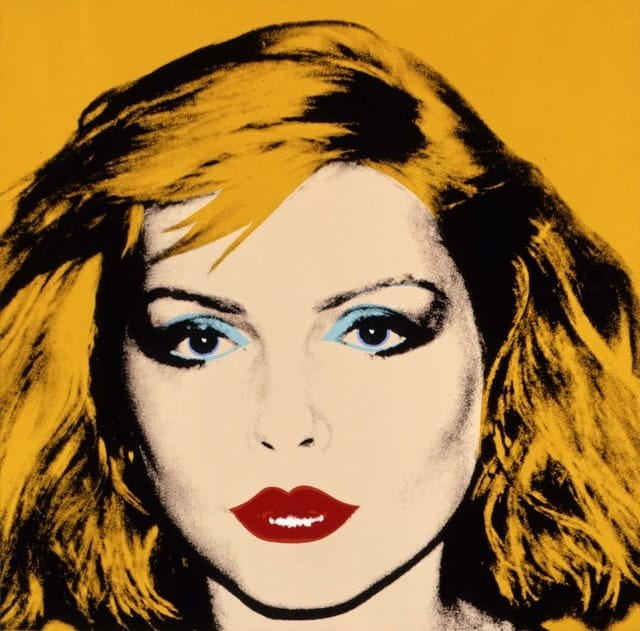
Andy Warhol's name is practically synonymous with Pop Art, fame, and the art of the portrait. From Campbell's Soup cans to Brillo Boxes to endlessly repeated images of Marilyn Monroe, Warhol created many of the twentieth century's most iconic artworks. A leading figure of the Pop Art movement, he was fascinated by celebrity and consumer culture, transforming the mundane into the magnificent and elevating commercial imagery to the realm of fine art. Throughout his career, Warhol worked across painting, film, photography, and printmaking, but he is especially renowned for his vibrant screen-printed portraits, which revolutionized modern art's approach to image-making and continue to captivate collectors worldwide.
Warhol turned photographs of both the famous and the ordinary into bold silkscreen prints, reflecting his obsession with fame while probing deeper questions of identity, legacy, and mortality. His portraits remain among the most sought-after works in the contemporary art market, commanding record prices at auction and occupying pride of place in the world's most prestigious museum collections.
The Revolutionary Art of Screen-Printing
In 1962, Warhol embraced photographic silkscreen printing as his signature technique, a decision that would fundamentally alter the trajectory of contemporary art. Drawn to its mechanical, repetitive nature, he found that screen-printing allowed him to reproduce the imagery of mass media and popular culture with remarkable efficiency and striking visual impact. Warhol did not invent the process, but he made it distinctly his own by combining black-and-white photographic imagery with layers of vivid, often unconventional color.
This technique enabled Warhol to produce multiple variations of a single image, each iteration subtly different from the last. The slight imperfections inherent in the silkscreen process - the occasional misregistration of color, the variations in ink density - became hallmarks of his aesthetic rather than flaws to be corrected. These qualities gave his portraits a sense of immediacy and authenticity that belied their mechanical origins, creating works that felt simultaneously mass-produced and deeply personal.
Warhol's screen-printing method also allowed him to explore themes of repetition and seriality that became central to his artistic philosophy. By reproducing the same face multiple times across a single canvas or throughout a series, he examined how meaning shifts through repetition, how familiarity breeds both comfort and detachment, and how the constant bombardment of images in modern life affects our perception of reality.
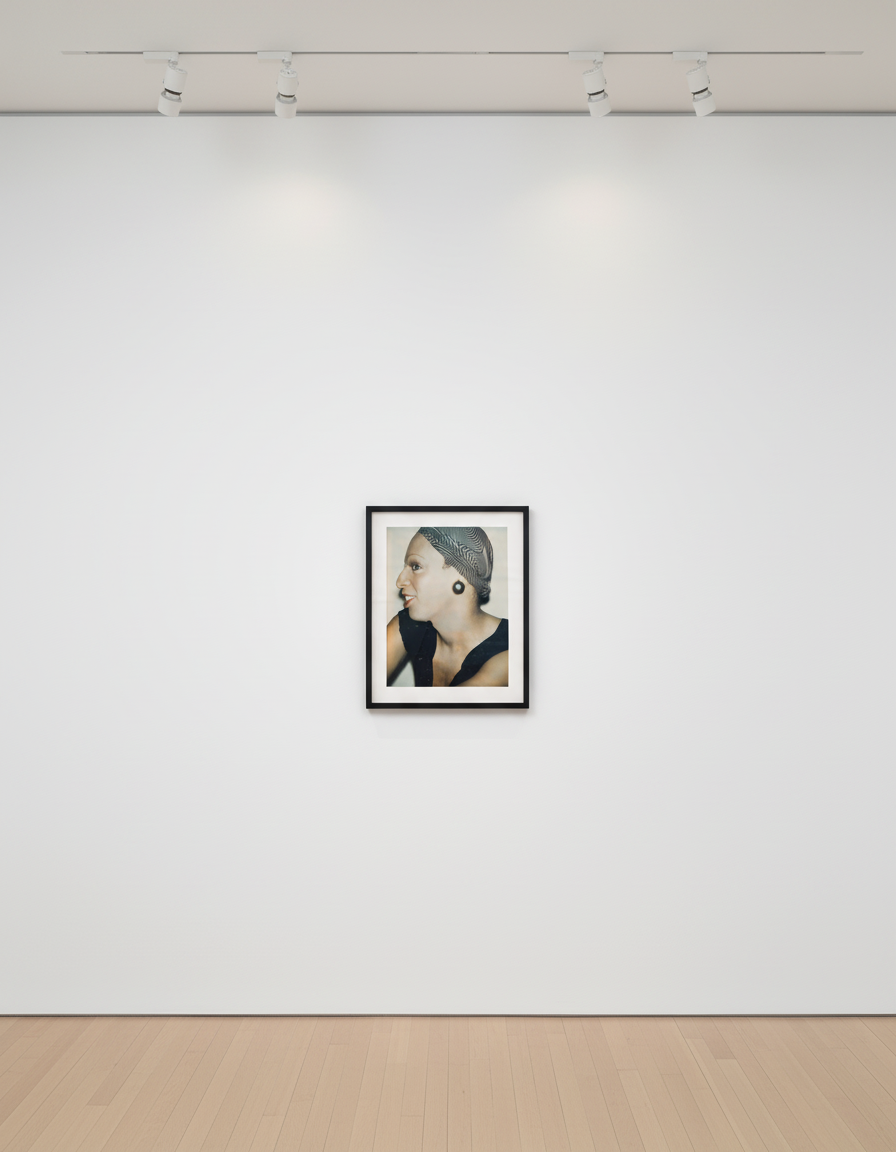
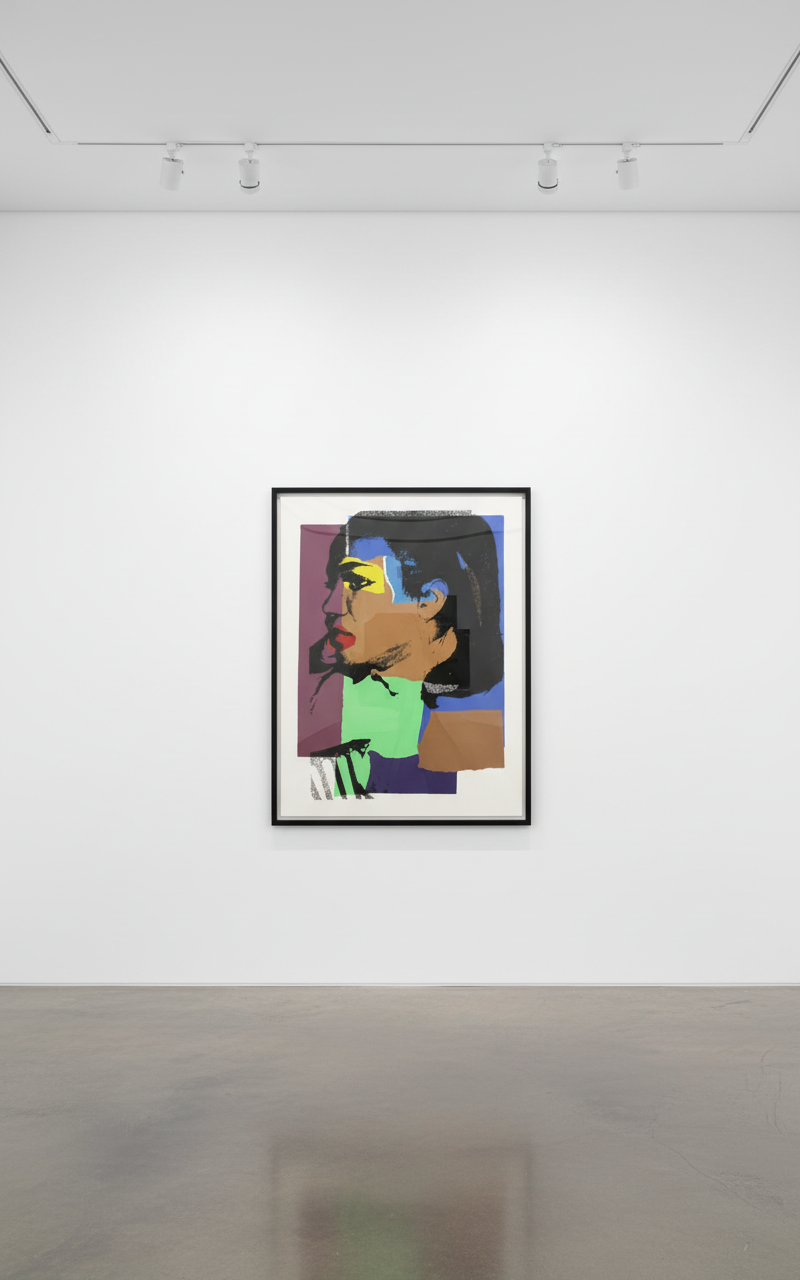
Ladies and Gentlemen (Wilhelmina Ross) — Andy Warhol. Available at Guy Hepner, New York.
Iconic Subjects and the Democratization of Portraiture
Warhol's portrait subjects ranged from international celebrities and political figures to drag queens and anonymous socialites, reflecting his belief that in the age of mass media, anyone could achieve a form of fame. His portrait of Mao Zedong, produced in 1972 following President Nixon's historic visit to China, exemplifies his ability to transform political imagery into Pop Art commentary. By rendering the Chinese leader in candy-colored hues, Warhol stripped away the propaganda power of the original photograph, revealing the constructed nature of political imagery while creating an unexpectedly beautiful work of art.
His Ladies and Gentlemen series from 1975 represents another fascinating dimension of Warhol's portrait practice. Featuring drag performers and transgender women from New York's vibrant nightlife scene, including the celebrated Wilhelmina Ross, these works challenged conventional notions of identity and gender while celebrating the creativity and courage of marginalized communities. The series demonstrates Warhol's commitment to portraying subjects outside the mainstream art world's typical focus, democratizing portraiture in ways that continue to resonate with contemporary audiences.
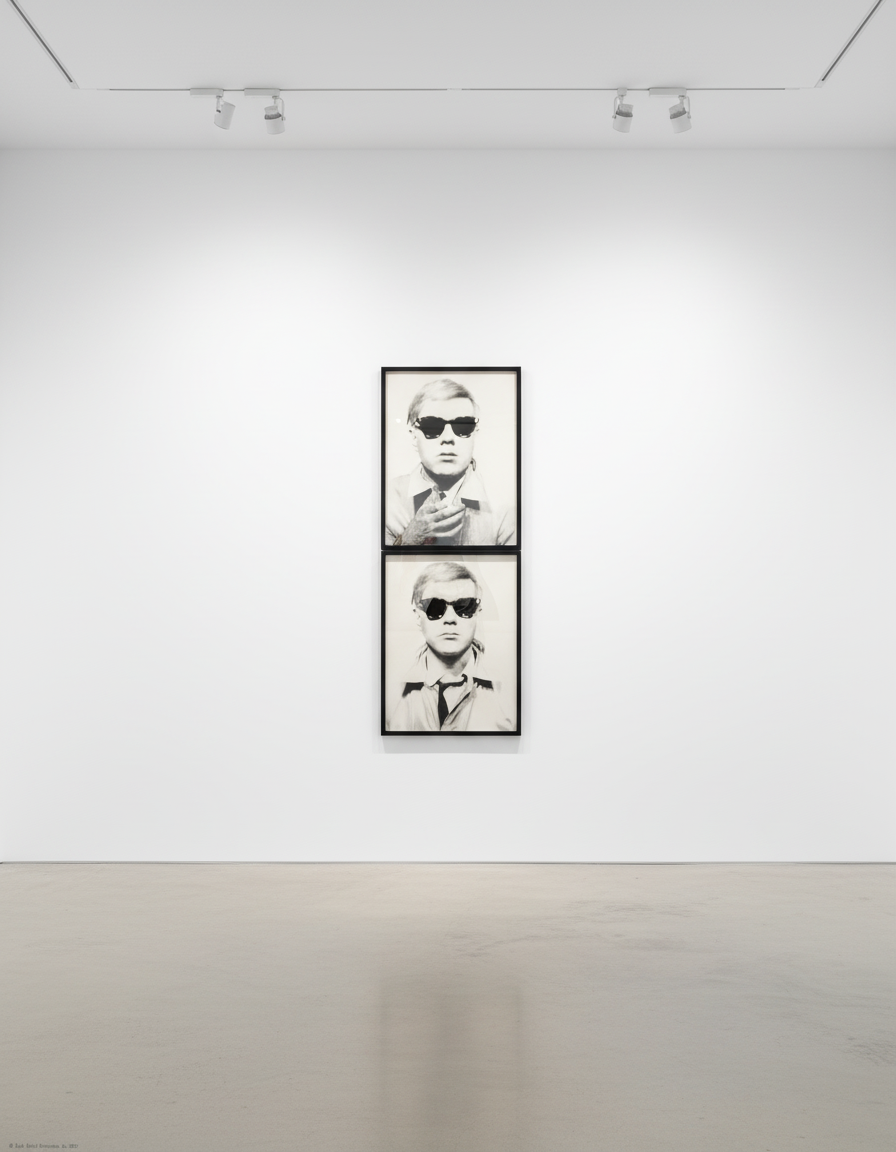
Self - Portrait F.S. IIIA 10 — Andy Warhol. Available at Guy Hepner, New York.
Warhol's self-portraits occupy a unique position within his oeuvre, offering rare glimpses into the psyche of an artist who carefully cultivated a persona of cool detachment. From his early self-portraits of the 1960s to his haunting Camouflage Self-Portraits created shortly before his death in 1987, these works reveal an artist perpetually examining his own image while questioning the nature of identity itself. The camouflage pattern, typically associated with concealment and military applications, takes on profound meaning when overlaid on Warhol's features, suggesting the masks we all wear and the impossibility of truly knowing another person - or even ourselves.
His Beethoven series, commissioned in 1987 for a German art dealer, demonstrates Warhol's ability to breathe new life into historical subjects. By applying his signature Pop Art treatment to the classical composer's familiar visage, Warhol created a dialogue between high culture and popular culture, past and present, that epitomizes his artistic vision.
Market Significance and Collector Appeal
Andy Warhol portraits represent one of the most consistently strong categories in the contemporary art market. According to data compiled by Art Basel and UBS in their annual art market reports, Warhol consistently ranks among the top-selling artists globally, with his portraits driving significant portions of that market activity. Christie's and Sotheby's regularly feature Warhol portraits in their marquee evening sales, where competition among collectors frequently pushes prices well beyond estimates.
The enduring appeal of Warhol portraits stems from multiple factors. Their instant recognizability makes them powerful status symbols, while their art-historical significance ensures their continued relevance in scholarly discourse. The vibrant colors and bold compositions translate beautifully across various display contexts, from private residences to corporate collections. Furthermore, the relatively limited supply of major Warhol portraits, combined with sustained global demand, has created a market characterized by strong price appreciation over time.
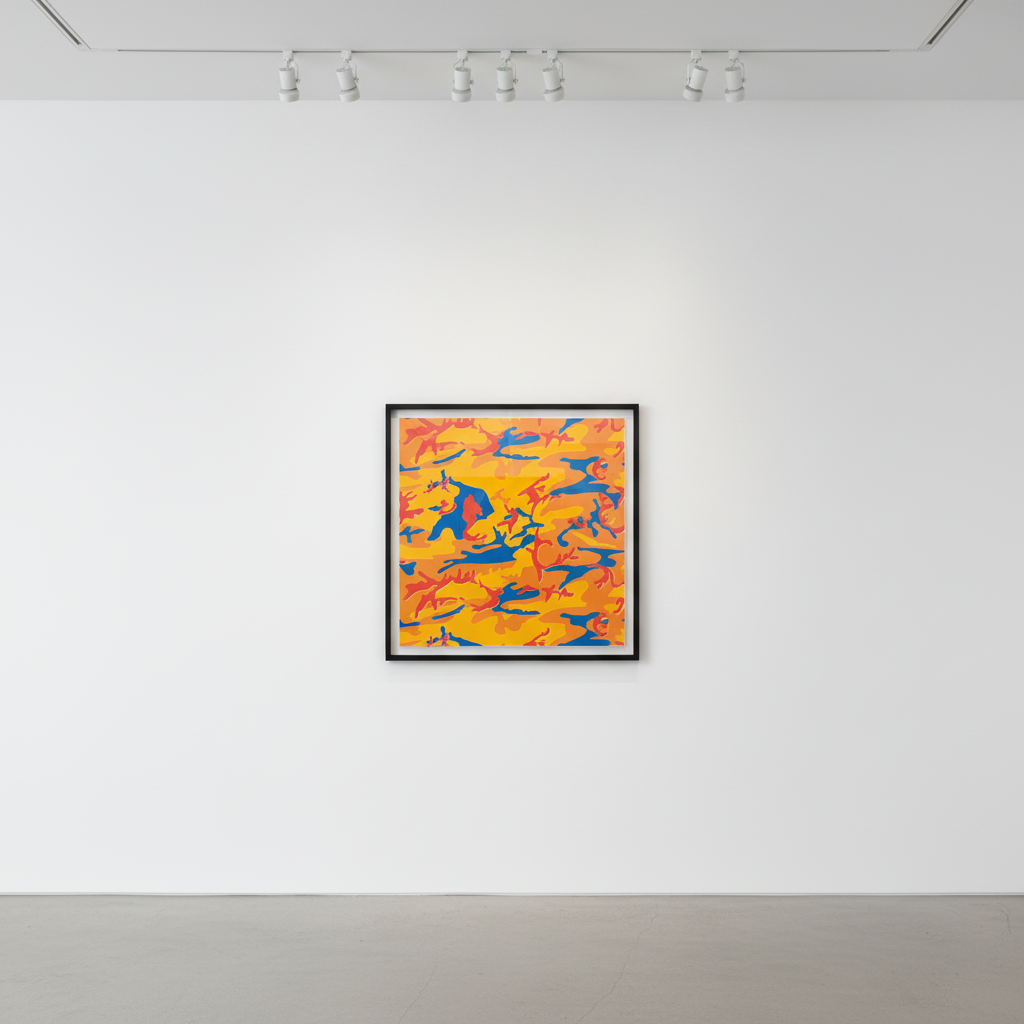
Camouflage Trial Proof TP 4/84 — Andy Warhol. Available at Guy Hepner, New York.
Collectors are particularly drawn to works with distinguished provenance and exhibition histories, as well as pieces that exemplify Warhol's technical mastery and conceptual depth. The screen-prints, more accessible than unique paintings while retaining the artist's distinctive aesthetic, offer entry points for collectors at various levels while maintaining strong investment potential.
Acquire Andy Warhol Portraits at Guy Hepner
Guy Hepner is proud to offer an exceptional selection of Andy Warhol portraits, including works from his most celebrated series. Our gallery specializes in sourcing museum-quality pieces with impeccable provenance, providing collectors with access to some of the most significant examples of Warhol's portrait practice available on the market today. Whether you are a seasoned collector seeking a masterwork or building your first collection, our expert team offers personalized guidance throughout the acquisition process. Contact Guy Hepner to inquire about available Andy Warhol portraits and discover why these iconic works continue to captivate collectors around the world.
Browse Series
Works For Sale
Available through Guy Hepner
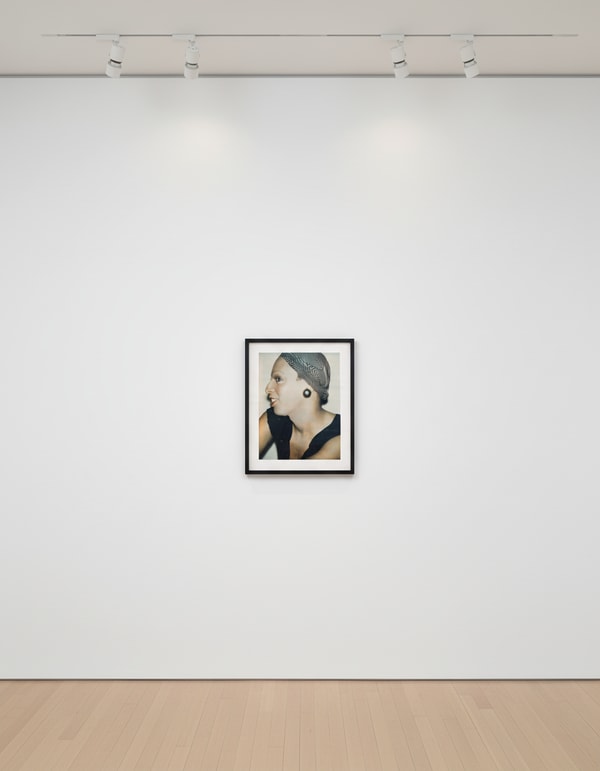
Andy Warhol
Ladies and Gentlemen (Wilhelmina Ross)
1974
Enquire →
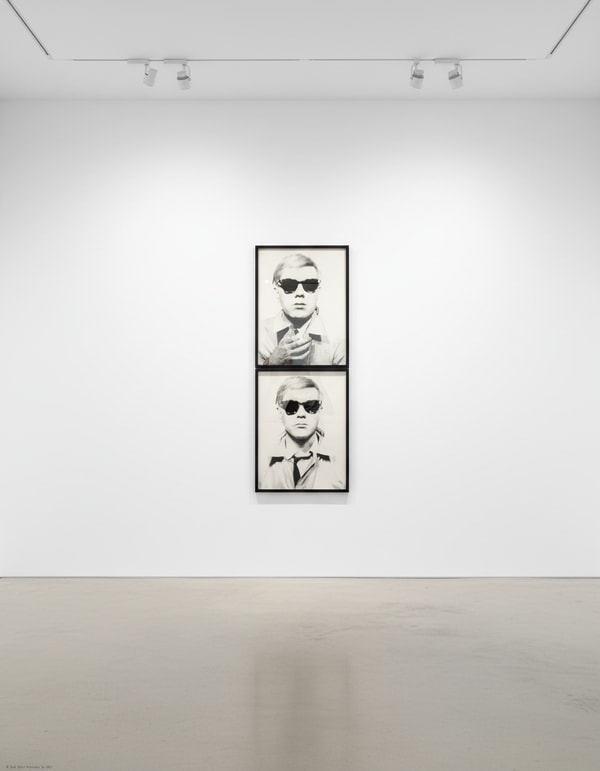
Andy Warhol
Self - Portrait F.S. IIIA 10
1978
Enquire →
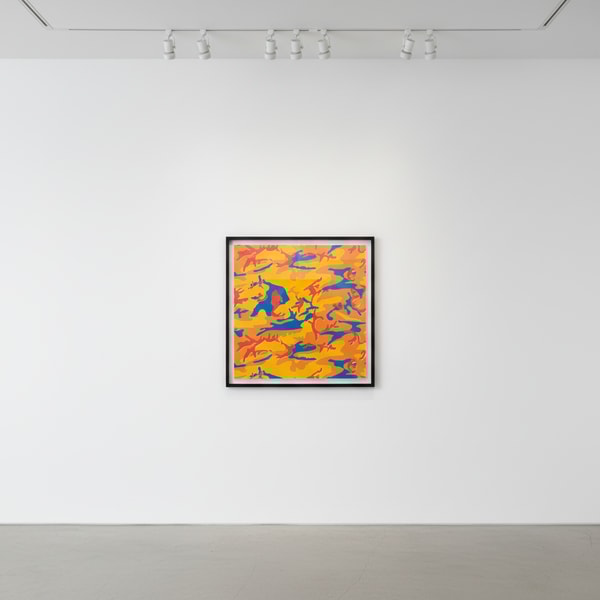
Andy Warhol
Camouflage Trial Proof TP 4/84
1987
Enquire →
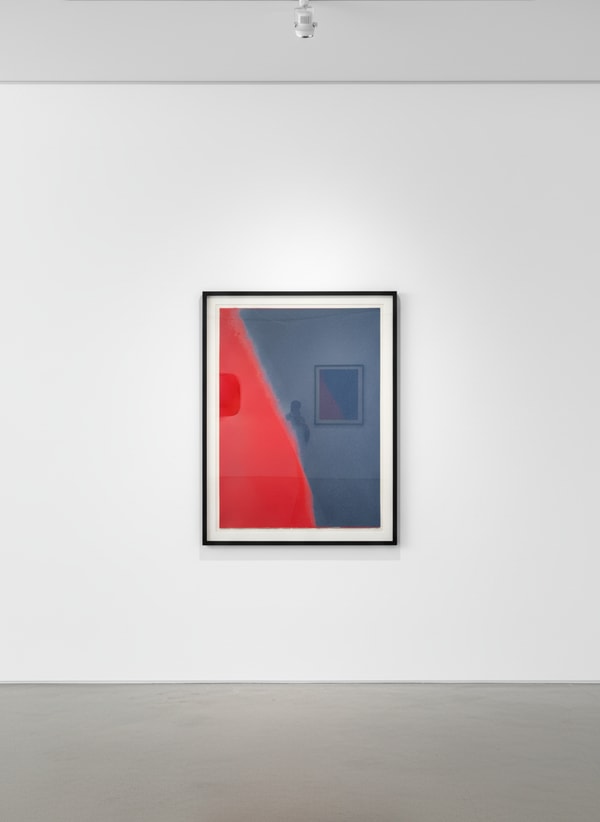
Andy Warhol
Shadows V (Red and Blue) `
1979
Enquire →
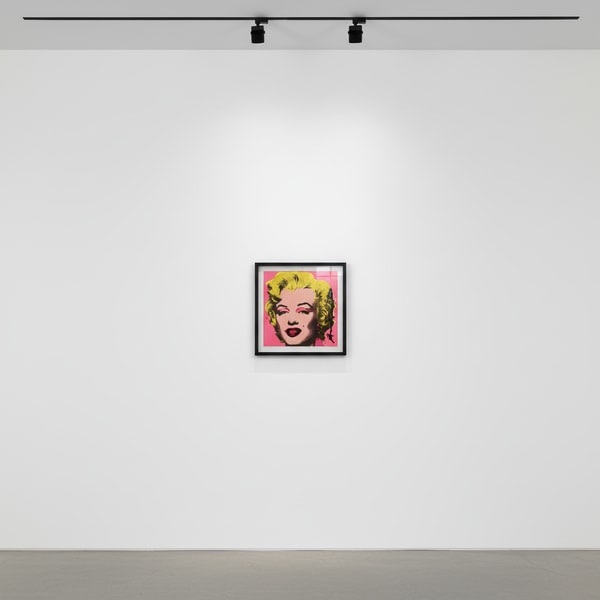
Andy Warhol
Marilyn Monroe Invitation
1981
Enquire →
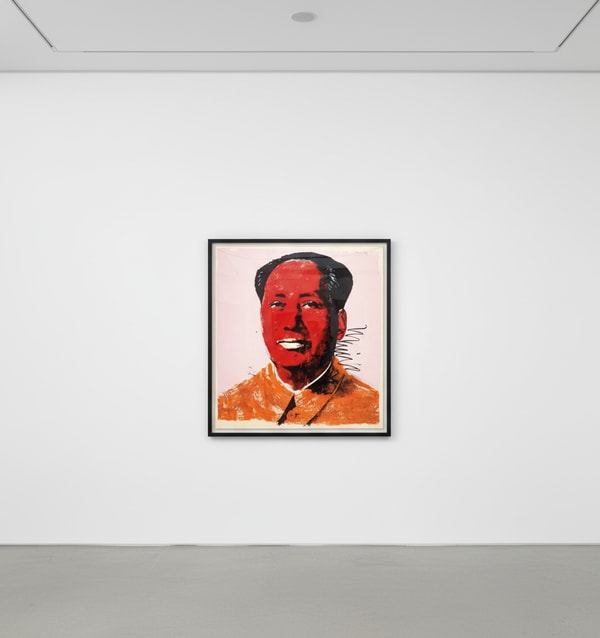
Andy Warhol
Mao F.S. II 96
1972
Enquire →
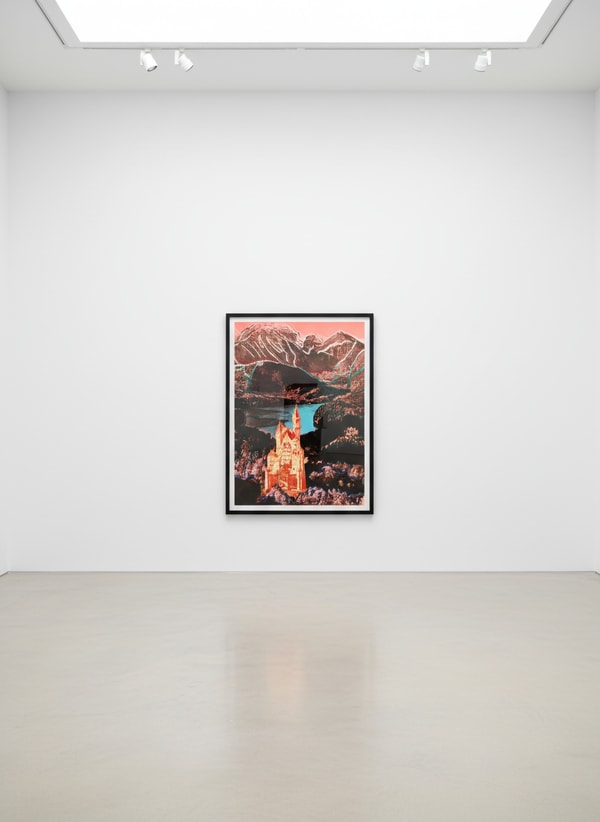
Andy Warhol
Neuschwanstein F.S. II 372
1987
Enquire →
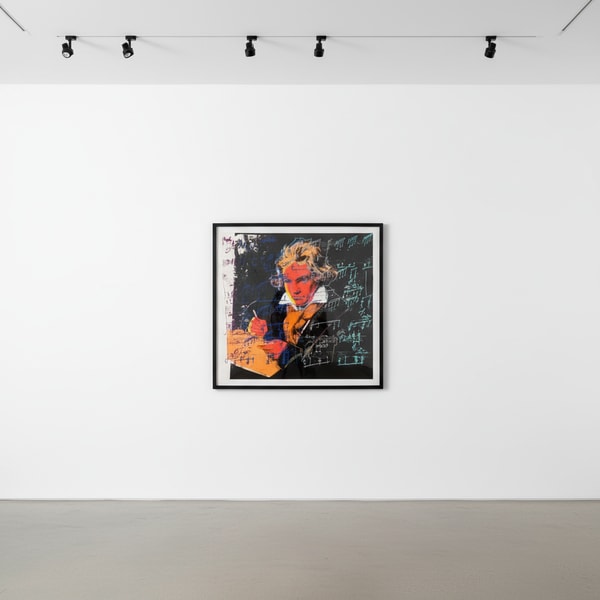
Andy Warhol
Beethoven F.S. IIB 390-393
1987
Enquire →
More from Guy Hepner