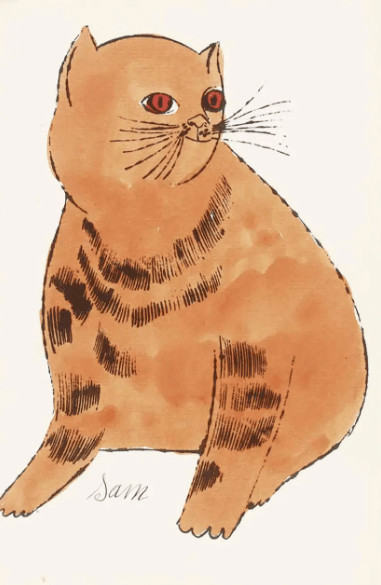
25 Cats Named Sam

Andy Warhol remains one of the most influential artists of the twentieth century, celebrated for transforming consumer goods and celebrity faces into enduring icons of contemporary art. His portraits of Marilyn Monroe, Campbell's soup cans, and Brillo boxes fundamentally redefined what art could represent in the age of mass media. Yet among Warhol's most fascinating and sometimes overlooked subjects are athletes - figures who embodied the same convergence of fame, commerce, and cultural mythology that captivated the artist throughout his career.
In prints such as Speed Skater (1983), Wayne Gretzky (1984), Muhammad Ali (1978), and Pete Rose (1985), Warhol explored the intersection of athletic excellence, celebrity, and the commercial machinery of professional sports. These works reflect his ongoing fascination with fame while contributing to an evolving dialogue between fine art and athletics that continues to resonate with collectors today.
Understanding Warhol's approach to sports requires examining the broader context of his artistic philosophy. Warhol was not known for being an avid sports fan in the traditional sense. However, he possessed an extraordinary ability to recognise cultural significance and commercial potential in subjects that other artists might overlook. Athletes - particularly by the 1970s and 1980s - had become celebrities whose images circulated through television, print advertising, and product endorsements with the same ubiquity as movie stars and musicians.
For Warhol, the athlete represented the perfect synthesis of his core artistic interests. These were individuals whose bodies performed spectacular feats, whose faces became instantly recognisable to millions, and whose commercial value was quantified through contracts, sponsorships, and media appearances. The sports figure existed simultaneously as a human being, a brand, and a commodity - precisely the kind of subject that Warhol found most compelling.

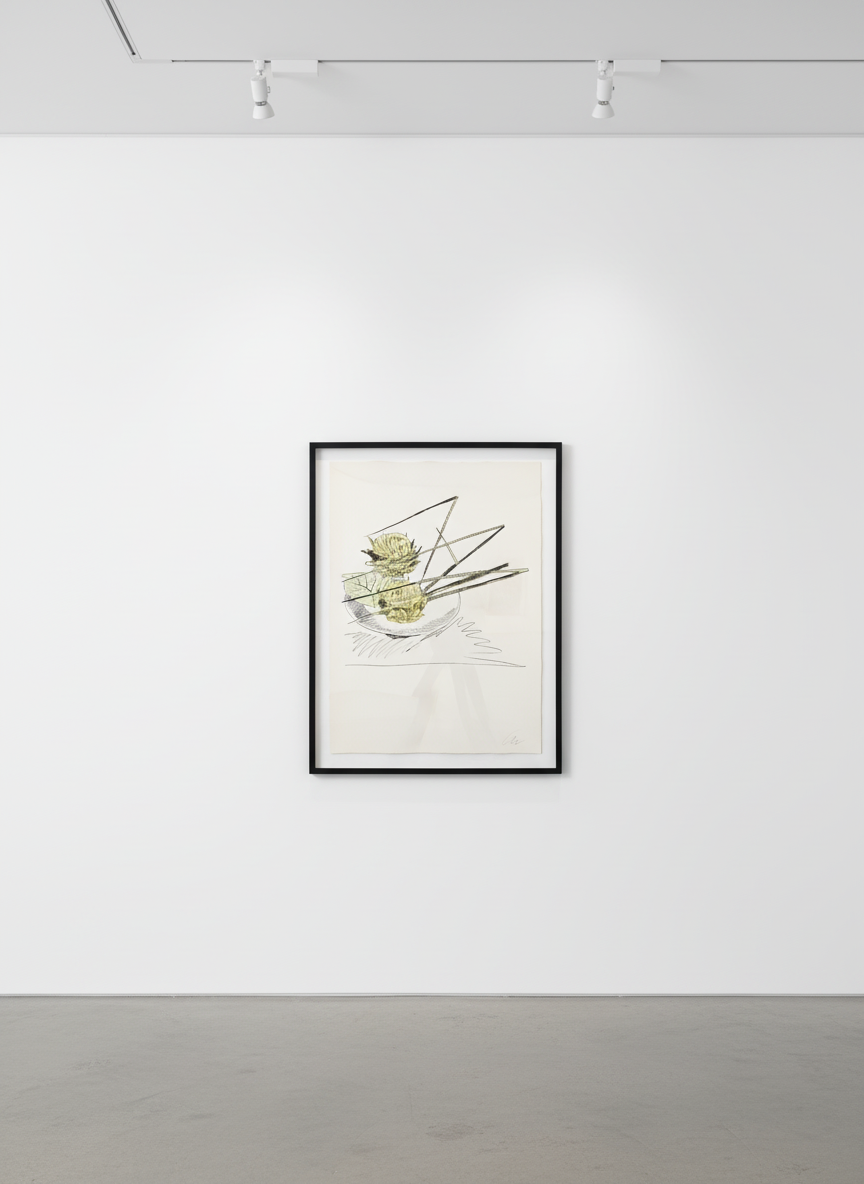
Ladies and Gentlemen (Wilhelmina Ross) — Andy Warhol. Available at Guy Hepner, New York.
His approach to depicting athletes drew upon the same techniques he employed for Hollywood celebrities and political figures. The bold colours, flattened compositions, and serial repetition characteristic of his style served to emphasise the constructed nature of athletic celebrity. By applying his signature aesthetic to sports figures, Warhol elevated them to the same pantheon as Marilyn Monroe and Mao Zedong - transforming living competitors into timeless icons.
Warhol's Muhammad Ali series from 1978 stands as perhaps his most significant sports-related achievement. Ali was no ordinary athlete - he was a cultural phenomenon whose influence extended far beyond boxing into politics, civil rights, and global celebrity. Warhol captured Ali's magnetic presence through vibrant screen prints that emphasised the boxer's powerful physique and commanding gaze. The collaboration between these two iconic figures - each a master of self-promotion and media manipulation - produced works that transcend mere portraiture to become statements about fame itself.
The Wayne Gretzky portrait from 1984 demonstrates Warhol's understanding of sports celebrity across different cultural contexts. Gretzky, known as "The Great One," dominated hockey during an era when the sport was expanding its American audience. Warhol's depiction captured the young athlete at the height of his powers, freezing a moment of athletic supremacy in the same manner he had immortalised other cultural figures.
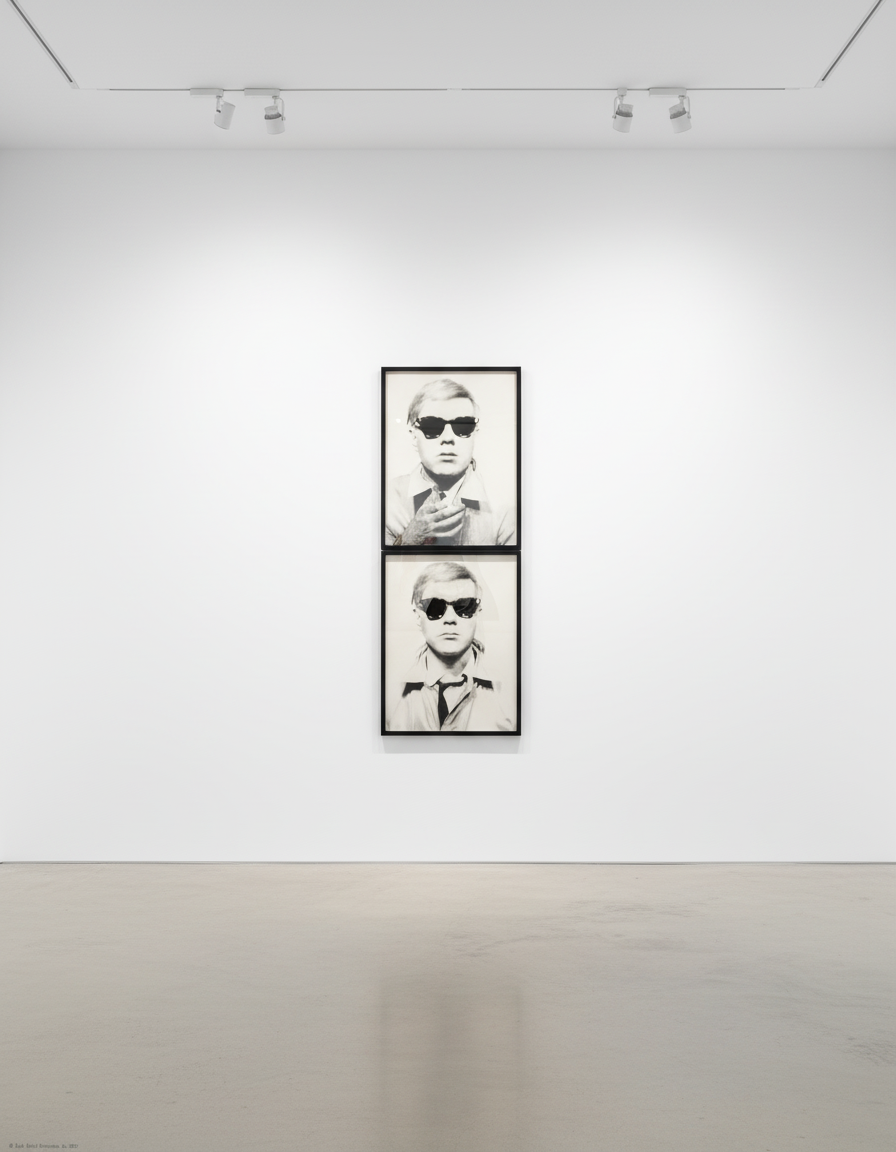
Self - Portrait F.S. IIIA 10 — Andy Warhol. Available at Guy Hepner, New York.
Speed Skater from 1983 reveals Warhol's interest in the aesthetics of athletic movement. Created for the 1984 Sarajevo Winter Olympics, this work captures the dynamic tension of competitive skating - the lean of the body, the precision of the blade, the explosive potential of human performance. Unlike his celebrity portraits, Speed Skater focuses on the universal figure of the athlete rather than a specific individual, suggesting that Warhol recognised something mythic in athletic competition itself.
Pete Rose, depicted in 1985, represented American baseball at its most complex. Rose's subsequent controversies only add layers of meaning to Warhol's portrait - the artist's choice to immortalise figures often proved prescient, capturing subjects at pivotal moments in their cultural narratives.
According to data from Christie's and Sotheby's, Andy Warhol consistently ranks among the most actively traded artists at auction, with his works generating substantial results across all categories. The Art Basel and UBS Global Art Market Report has repeatedly identified Warhol as a cornerstone of the contemporary art market, with collectors demonstrating sustained appetite for works across his diverse subject matter.
Sports-related Warhol prints occupy a particularly interesting position within this market. They appeal not only to traditional contemporary art collectors but also to sports memorabilia enthusiasts, institutional collections focused on cultural history, and private collectors seeking works that bridge multiple areas of interest. This crossover appeal has contributed to steady appreciation in value for authenticated Warhol sports prints.
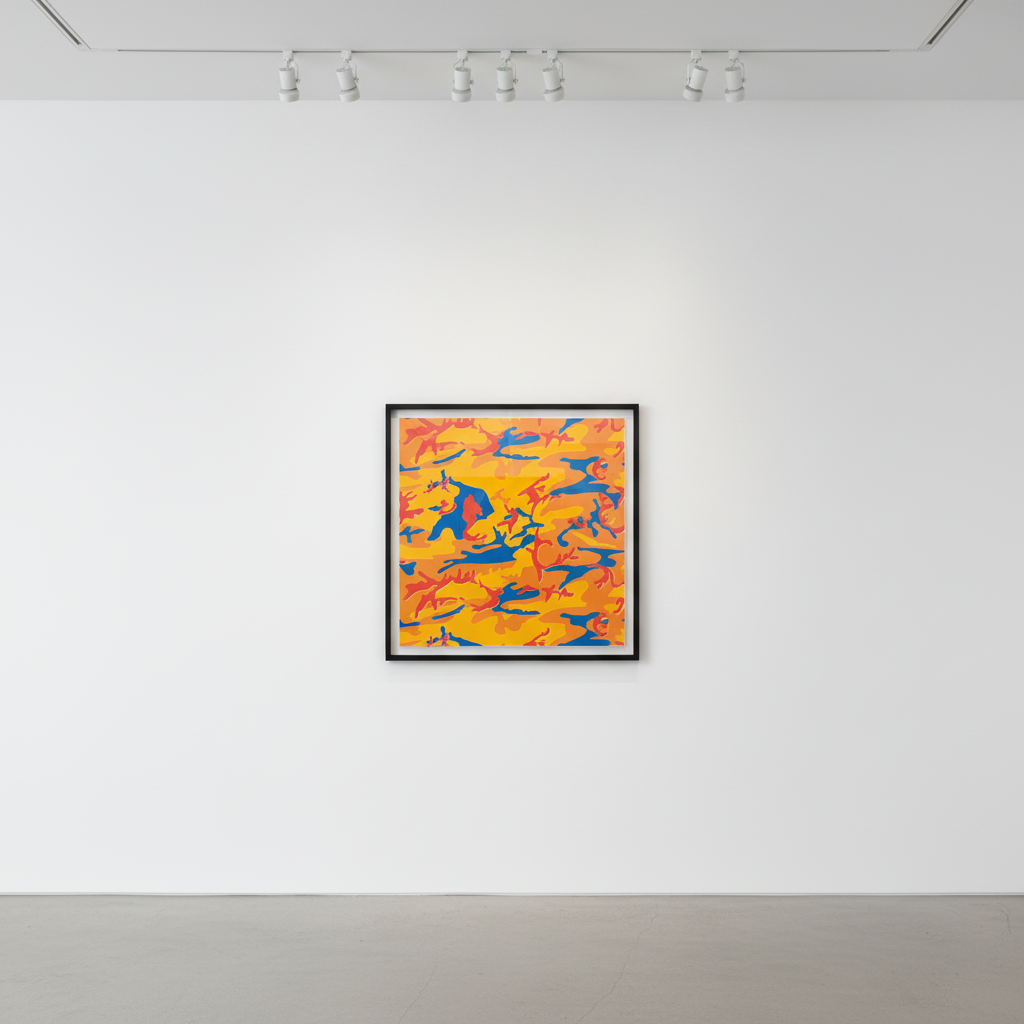
Camouflage Trial Proof TP 4/84 — Andy Warhol. Available at Guy Hepner, New York.
The significance of these works extends beyond their market performance. They document a crucial moment in the commodification of athletic celebrity - a phenomenon that has only accelerated in subsequent decades. Today's sports stars are global brands unto themselves, their images licensed across countless products and platforms. Warhol's prescient recognition of this trajectory makes his athlete portraits not merely beautiful objects but important cultural documents.
For collectors, acquiring Warhol sports prints offers the opportunity to own works that combine blue-chip artistic provenance with subject matter possessing broad cultural resonance. These pieces generate conversation across audiences and contexts in ways that more traditional subjects may not.
Guy Hepner maintains an exceptional collection of Andy Warhol prints and editions, including works spanning his celebrated portraits, pop imagery, and sports subjects. Our gallery's expertise in authenticating and acquiring significant Warhol works ensures that collectors receive pieces of impeccable provenance and condition. Whether you are building a comprehensive Warhol collection or seeking a singular statement piece that captures the artist's engagement with athletic celebrity, Guy Hepner offers personalised consultation and access to works of the highest calibre. Contact our team to discuss available Andy Warhol editions and discover how these iconic images can enhance your collection.
Browse Andy Warhol prints at Guy Hepner: Andy Warhol art for sale | Sell your Warhol
Explore Andy Warhol prints for sale at Guy Hepner: 25 Cats Named Sam, A Gold Book, A La Recherche Du Shoe Perdu, Alexander the Great, Banana.
Related Series