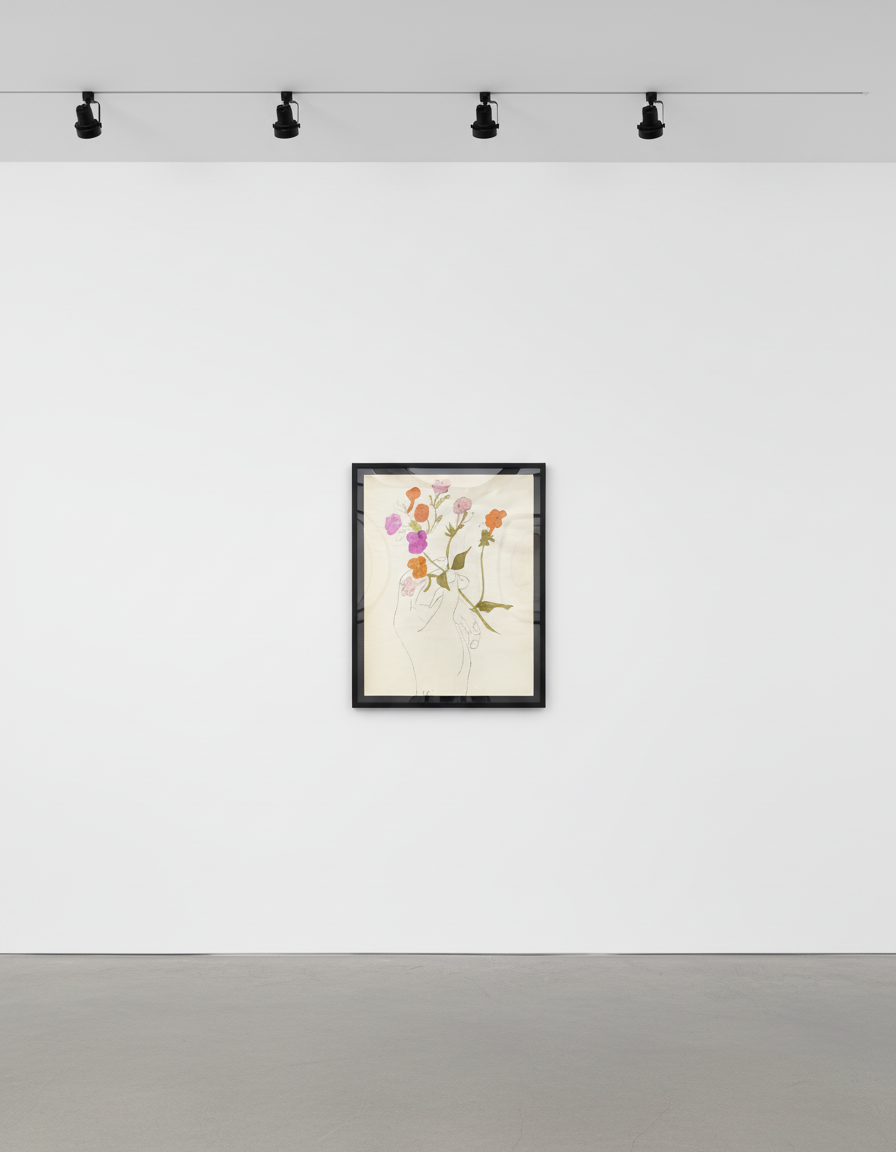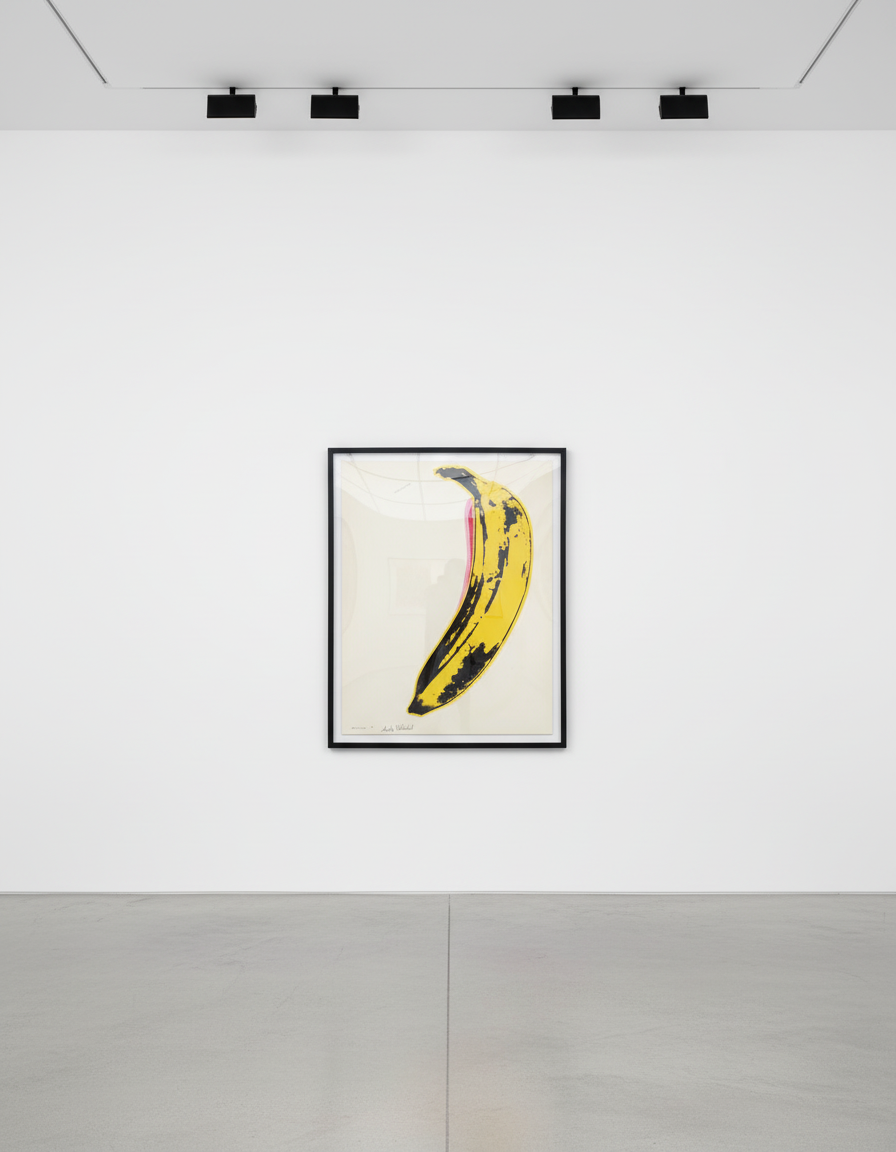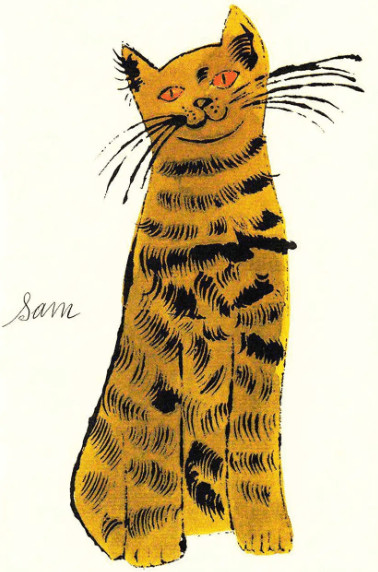
25 Cats Named Sam

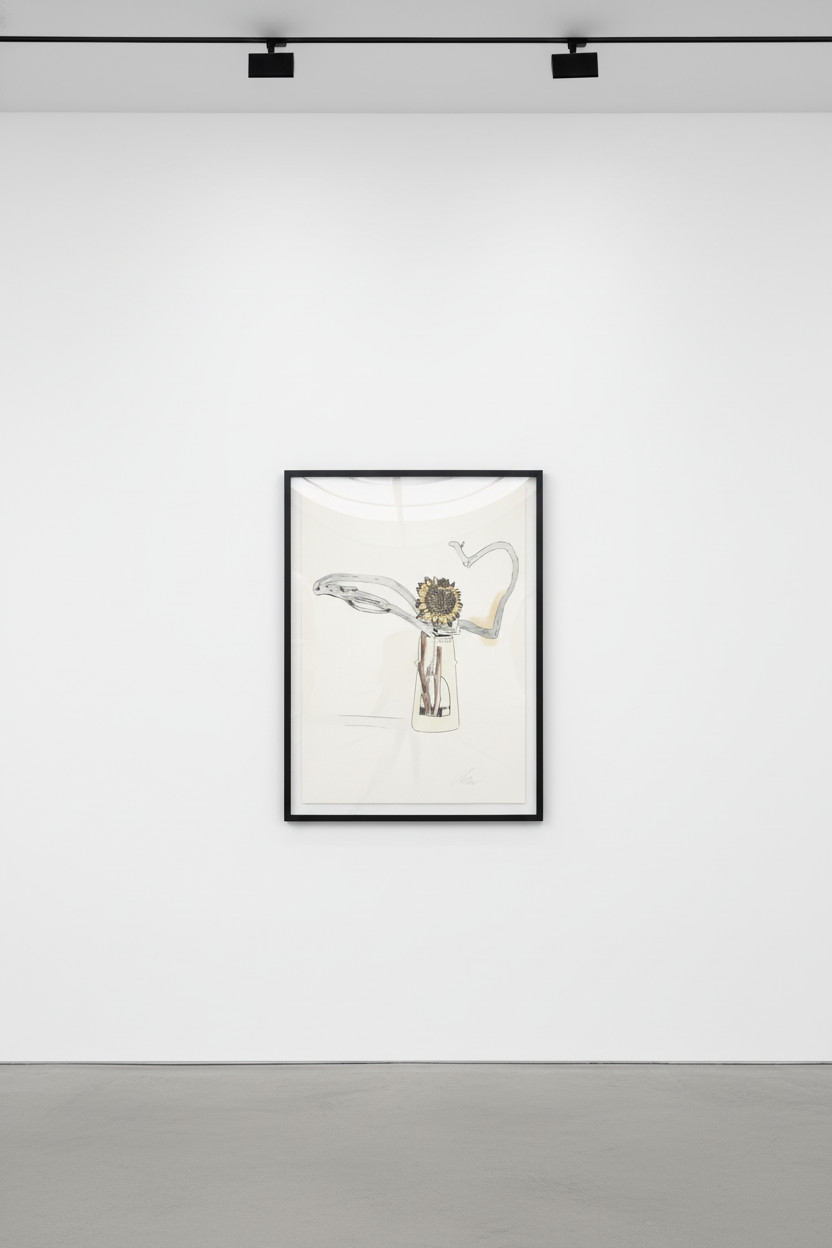
Andy Warhol stands as one of the most influential and provocative artists of the 20th century, a creative force whose impact continues to reverberate through contemporary art, culture, and commerce. As the undisputed leader of the Pop Art movement, Warhol fundamentally transformed the relationship between high art and mass culture, challenging established hierarchies and forever altering how we perceive celebrity, media, and the nature of artistic creation itself. While his iconic Campbell's Soup Cans and luminous celebrity portraits remain instantly recognisable across the globe, the man behind the silver wig led a life as layered, complex, and deliberately constructed as his most celebrated works. These facts about Andy Warhol reveal the fascinating contradictions and surprising truths that shaped one of art history's most enigmatic figures.
Andy Warhol was born Andrew Warhola on August 6, 1928, in Pittsburgh, Pennsylvania, to Slovakian immigrant parents Ondrej and Julia Warhola. The family surname remained Warhola throughout his childhood, connecting him to his working-class, Eastern European heritage. It was only when the young artist relocated to New York to pursue a career as a commercial illustrator that the transformative deletion occurred - the final "a" disappeared from his name, creating the sleeker, more memorable moniker that would become synonymous with twentieth-century art. Whether this change was a deliberate reinvention to sound more American or an accidental typographical error in an early publication remains unclear. Characteristically, Warhol never corrected the record, perhaps recognising instinctively that ambiguity and mystique would serve his emerging public persona far better than straightforward explanation.
The circumstances of Warhol's childhood proved formative in unexpected ways. As a young boy, he suffered from Sydenham chorea, commonly known as St. Vitus' Dance - a neurological disorder causing involuntary movements and requiring extended periods of bed rest. During these months of convalescence, young Andrew developed an intense relationship with popular culture, collecting celebrity photographs and magazine clippings while his mother encouraged his artistic pursuits. Julia Warhola, herself a talented folk artist, provided her son with drawing materials and nurtured his emerging talents. These bedridden hours, filled with Hollywood glamour absorbed through magazines and radio, planted the seeds for Warhol's lifelong obsession with fame, beauty, and the manufactured nature of celebrity.
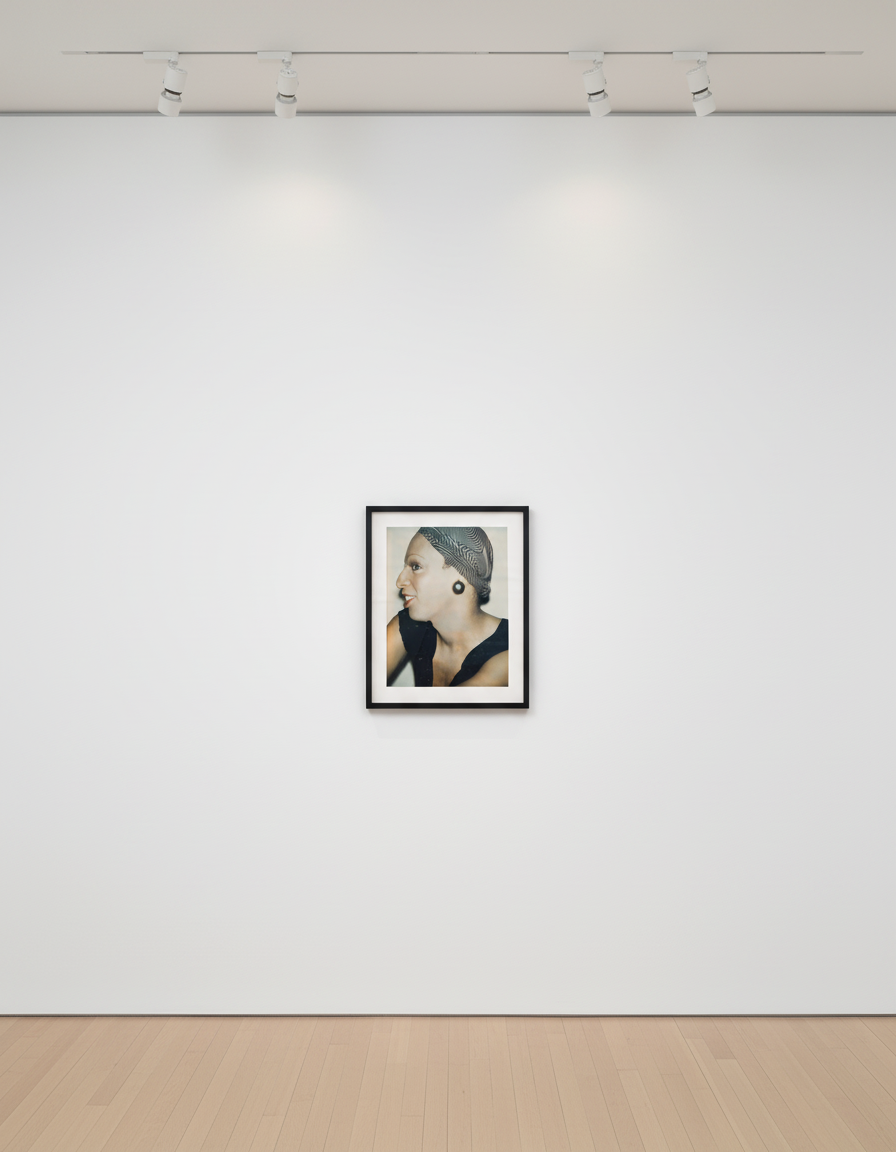
Ladies and Gentlemen (Wilhelmina Ross) — Andy Warhol. Available at Guy Hepner, New York.
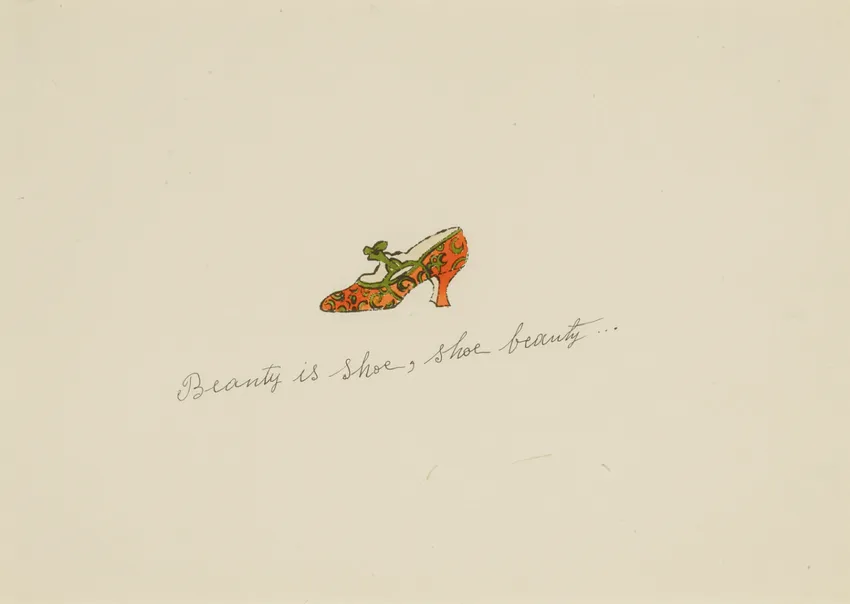
Before Andy Warhol became a household name in the fine art world, he achieved remarkable success as a commercial illustrator throughout the 1950s. His whimsical, blotted-line drawings for clients including Glamour magazine, Tiffany & Co., and I. Miller Shoes earned him prestigious awards and substantial income. This commercial background would later inform his artistic philosophy - Warhol saw no meaningful distinction between creating an advertisement and creating a painting, a radical position that scandalised the art establishment while simultaneously democratising artistic practice.
Warhol's transition to fine art coincided with his establishment of The Factory, his legendary Manhattan studio that became the epicentre of avant-garde culture throughout the 1960s and 1970s. This silver-foil-covered space served as a production facility for his silkscreen prints, a film studio, a music venue, and a gathering place for artists, musicians, socialites, and countercultural figures. The Factory's name was deliberately provocative - Warhol embraced mechanical reproduction and collaborative production methods, challenging romantic notions of the solitary artistic genius. His assistants helped produce works at unprecedented scale, raising questions about authorship and originality that contemporary artists continue to explore.
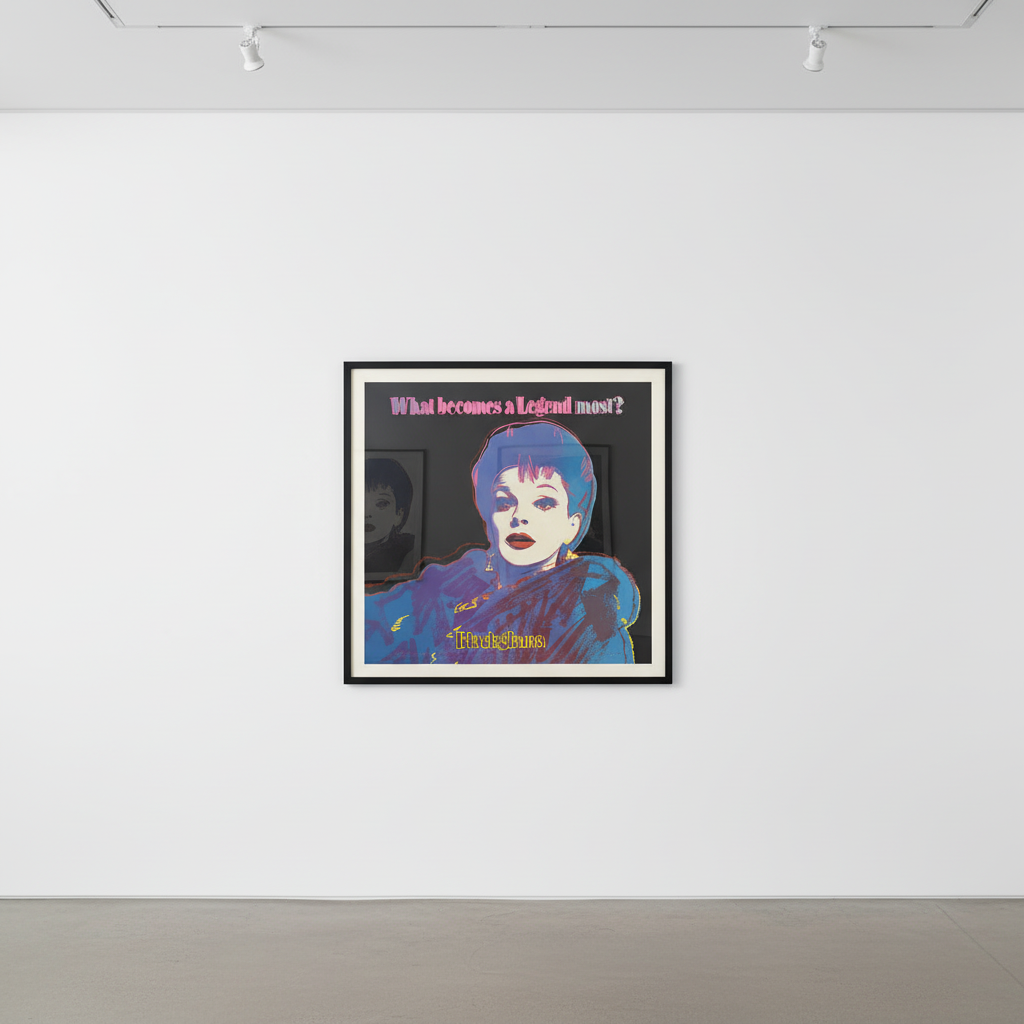
The artist's subject matter ranged from consumer products and celebrities to darker themes including death, disaster, and political power. His portrait series captured everyone from Marilyn Monroe and Elizabeth Taylor to Mao Zedong and Ludwig van Beethoven, treating political leaders and entertainment icons with the same cool, detached aesthetic. This democratic approach to portraiture - rendering all subjects through the same mechanical silkscreen process - commented profoundly on the equalising effect of mass media reproduction.
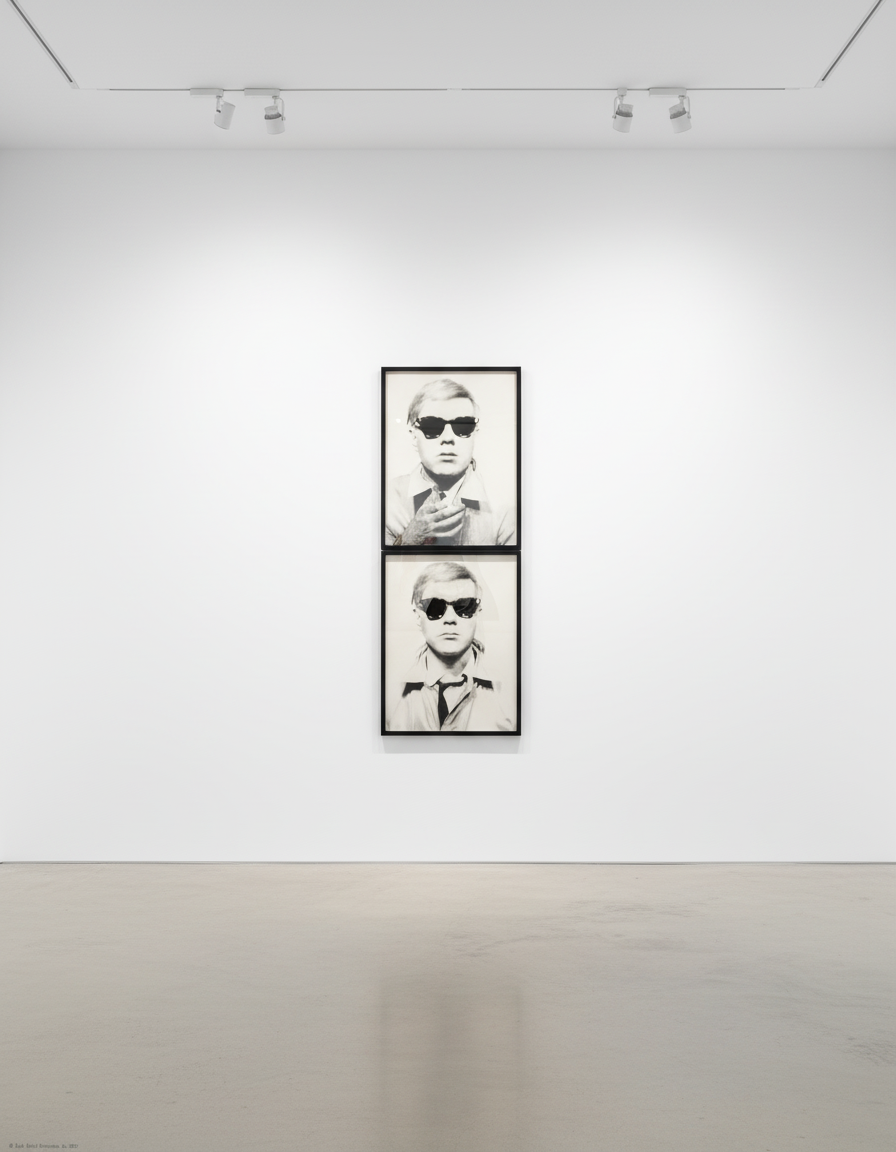
Self - Portrait F.S. IIIA 10 — Andy Warhol. Available at Guy Hepner, New York.
The market for Andy Warhol works represents one of the most robust and consistently performing segments within post-war and contemporary art. According to data compiled by Art Basel and UBS in their annual art market reports, Warhol regularly ranks among the top-selling artists at auction globally, with demand spanning his paintings, prints, photographs, and drawings. Christie's and Sotheby's consistently achieve record results for major Warhol works, with collectors recognising both the art-historical significance and enduring cultural relevance of his production.
What makes Warhol particularly compelling for collectors is the remarkable breadth of his output. While trophy paintings command eight-figure sums at major evening sales, his extensive print editions offer genuine accessibility to serious collectors at various price points. These prints - produced in defined editions with Warhol's direct involvement - represent authentic entry points into one of the twentieth century's most important artistic legacies. The artist's meticulous documentation and cataloguing have created a transparent market supported by extensive provenance research and authentication protocols.
The sustained demand for Warhol reflects broader cultural factors beyond pure aesthetics. His prescient observations about fame, media saturation, and consumer culture appear increasingly relevant in our digital age, ensuring continued scholarly attention and institutional exhibition programming. Major retrospectives at leading museums worldwide introduce successive generations to his work, maintaining the cultural conversation that underpins market strength.
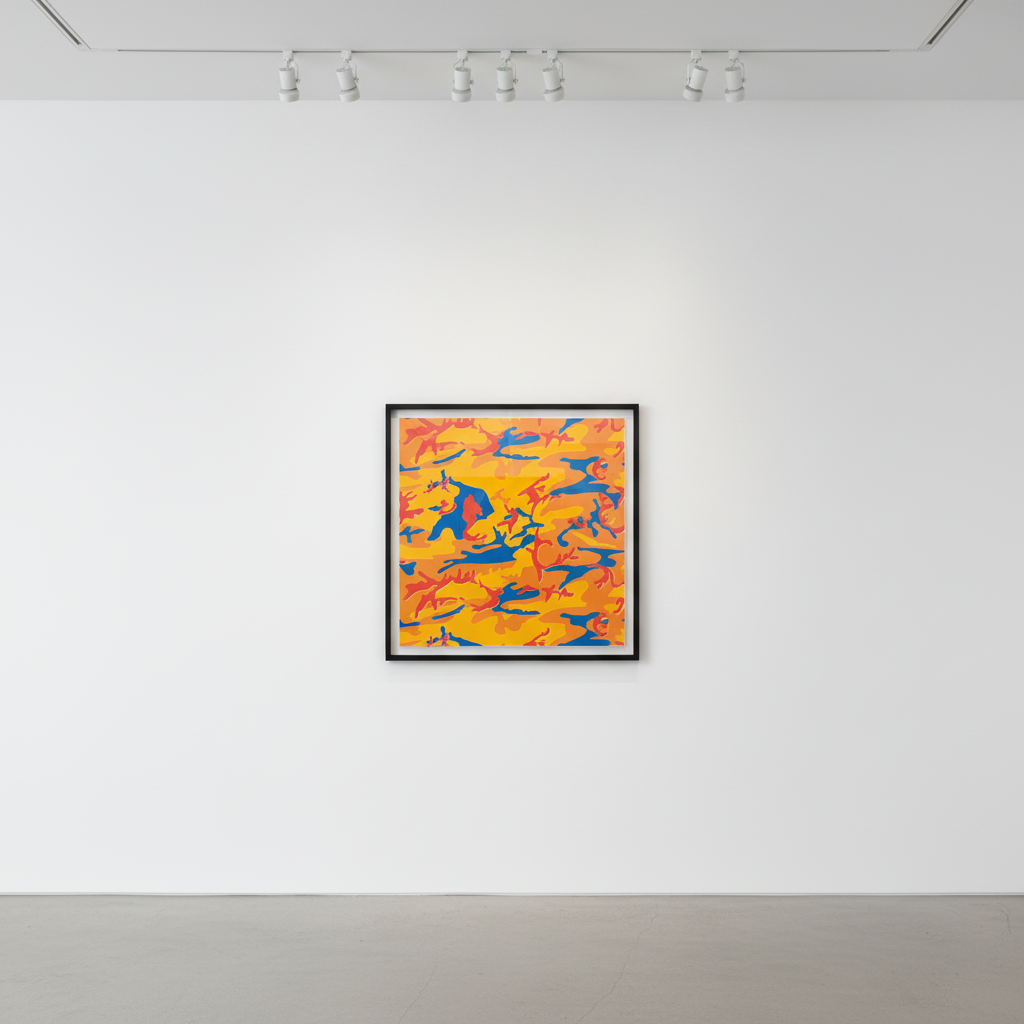
Camouflage Trial Proof TP 4/84 — Andy Warhol. Available at Guy Hepner, New York.
Andy Warhol's influence extends far beyond the art market into fashion, music, film, and digital culture. His prediction that everyone would enjoy fifteen minutes of fame anticipated social media culture with uncanny accuracy. His embrace of mechanical reproduction foreshadowed our image-saturated digital environment. Contemporary artists from Jeff Koons to Takashi Murakami acknowledge Warhol as foundational to their practices, ensuring his methodologies remain central to current artistic discourse.
For collectors, acquiring Warhol represents participation in this continuing cultural legacy. Whether drawn to his celebrity portraits, political commentary, or abstract experiments, collectors recognise that Warhol's works function simultaneously as aesthetic objects, historical documents, and cultural touchstones.
Guy Hepner is proud to offer exceptional works by Andy Warhol from across his celebrated career. Our specialists possess deep expertise in the Warhol market and maintain relationships with important private collections worldwide. We invite collectors to enquire about currently available works and to discuss acquisition strategies tailored to individual collecting goals. Contact Guy Hepner to explore our Andy Warhol inventory and discover how these transformative works might enhance your collection.
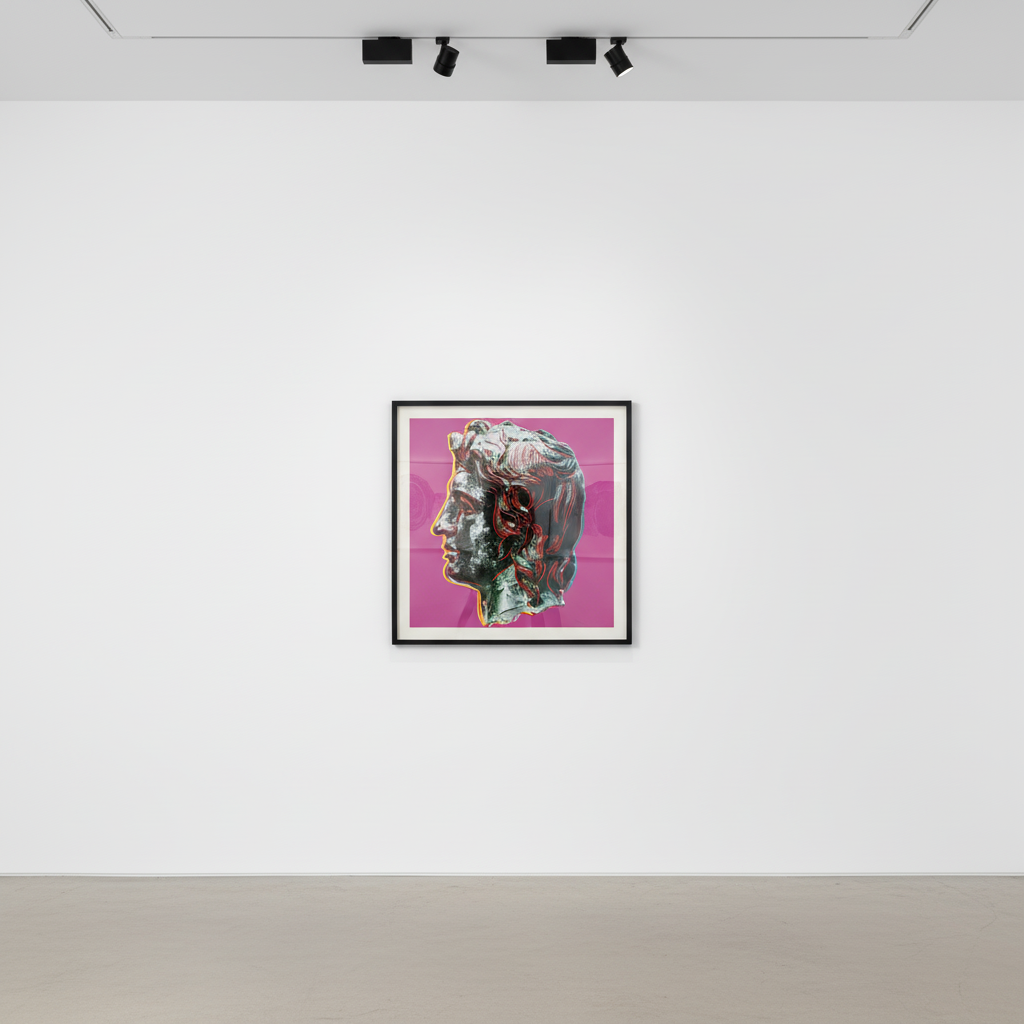
--- **Browse Andy Warhol prints** at Guy Hepner: [Andy Warhol art for sale](/andy-warhol) | [Sell your Warhol](/sell/andy-warhol)Explore Andy Warhol prints for sale at Guy Hepner: 25 Cats Named Sam, A Gold Book, A La Recherche Du Shoe Perdu, Alexander the Great, Banana.
Related Series