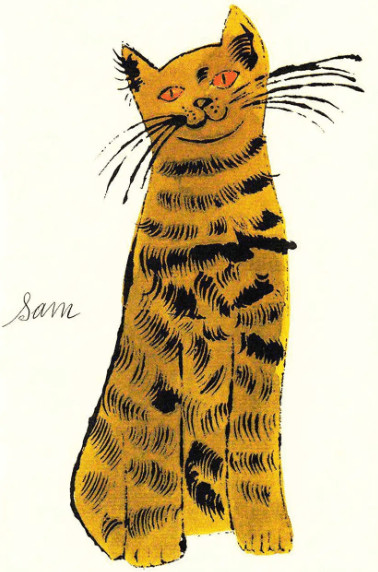
25 Cats Named Sam

May 23, 2026
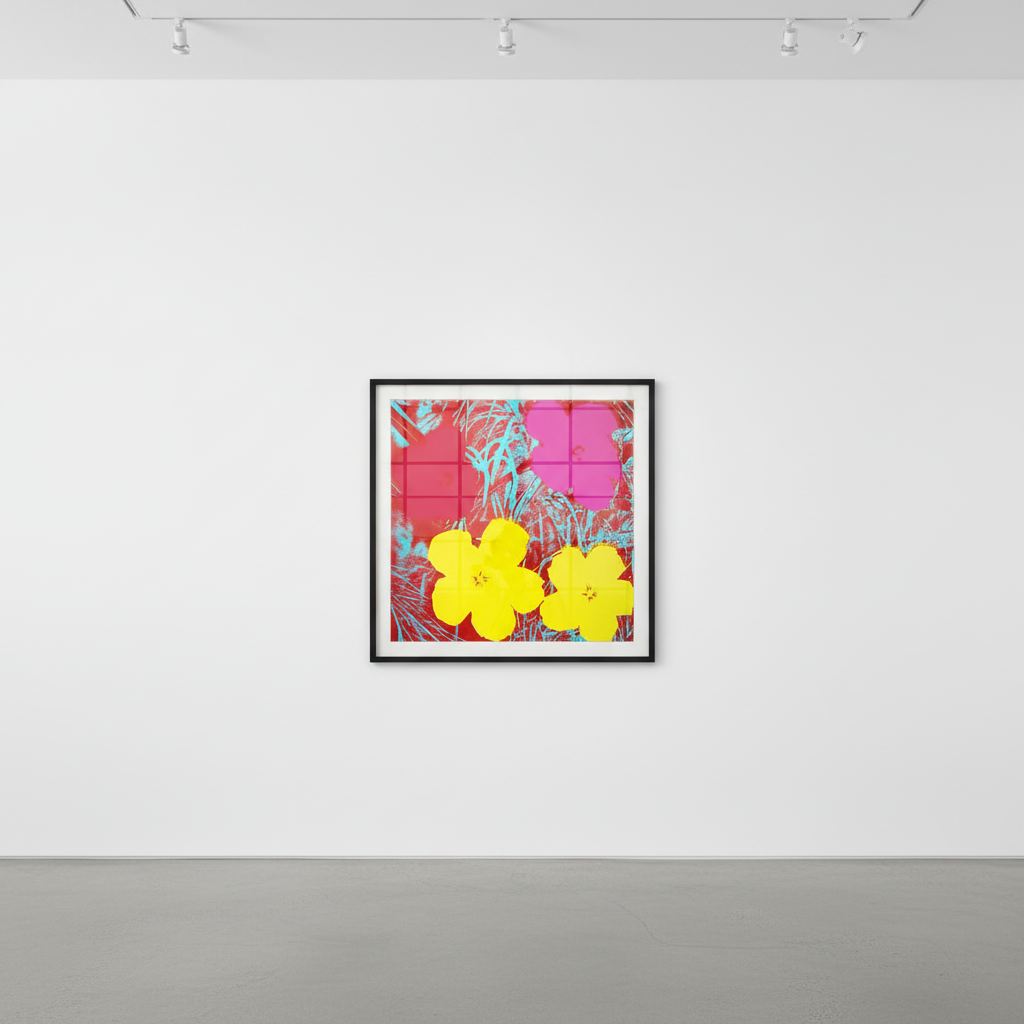
Andy Warhol revolutionized contemporary art with techniques that blurred the boundaries between fine art, mass production, celebrity culture, and commercial design. Known for his vivid, instantly recognizable imagery - from Marilyn Monroe to soup cans and Dollar Signs - Warhol's techniques were as unconventional and groundbreaking as the subjects he depicted. His methods combined traditional fine art processes with industrial printing and photographic technologies, fundamentally changing how art was created, consumed, and understood. According to the Art Basel and UBS Global Art Market Report, Warhol consistently ranks among the top-selling artists at auction, with his technical innovations remaining central to his enduring market appeal. For collectors seeking to understand and acquire works by this transformative artist, examining Warhol's techniques reveals both the intellectual depth and commercial brilliance that define his legacy.
Silkscreen printing stands as Warhol's most iconic and revolutionary contribution to contemporary art. Originally a commercial method used for mass production of graphics on fabric and packaging, Warhol appropriated silkscreen for fine art purposes, allowing him to create multiple versions of an image with deliberate variations in color, detail, and texture. This technique became synonymous with his artistic identity and challenged fundamental assumptions about originality and artistic labor.
The process began with Warhol selecting or commissioning a photograph - often depicting a celebrity, consumer product, or news event. The image was enlarged and transferred to a mesh screen coated with light-sensitive emulsion, creating a precise stencil. Ink was then pushed through the mesh onto canvas or paper, producing bold, graphic images that retained the mechanical quality Warhol deliberately cultivated. By varying pressure, ink density, and registration, each print became unique despite emerging from an ostensibly reproducible process.
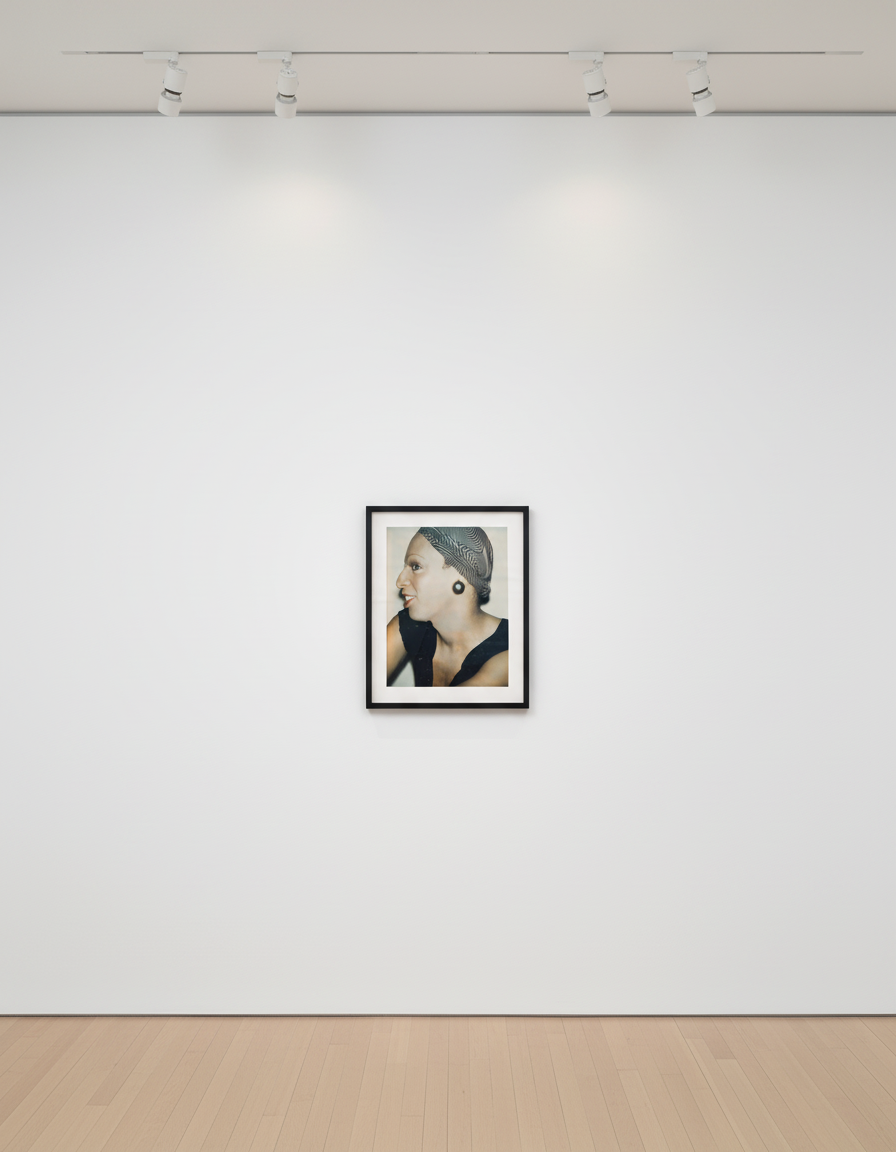
Ladies and Gentlemen (Wilhelmina Ross) — Andy Warhol. Available at Guy Hepner, New York.
Warhol's silkscreen portraits of political figures, celebrities, and cultural icons demonstrate the technique's remarkable versatility. His Mao series exemplifies how silkscreen allowed him to transform propaganda imagery into commentary on fame, power, and mass media. Christie's has noted that Warhol's silkscreen works command premium prices precisely because collectors recognize the sophisticated balance between mechanical reproduction and artistic intervention that each piece represents.
Photography served as the foundation for much of Warhol's artistic output, though he approached the medium with characteristic innovation. Rather than creating original photographs in the traditional sense, Warhol often appropriated existing images from newspapers, publicity stills, and commercial sources. This strategy of recontextualization became central to his artistic philosophy and anticipated contemporary debates about appropriation and intellectual property in art.
Warhol's use of the photo booth deserves particular attention. He became fascinated with these automated portrait machines, using them to create source material for his silkscreen portraits. The photo booth's harsh lighting, limited poses, and mechanical operation aligned perfectly with Warhol's interest in removing the artist's hand from the creative process. His Self-Portraits frequently originated from photo booth sessions, their stark immediacy lending an unflinching quality to his examinations of identity and celebrity.
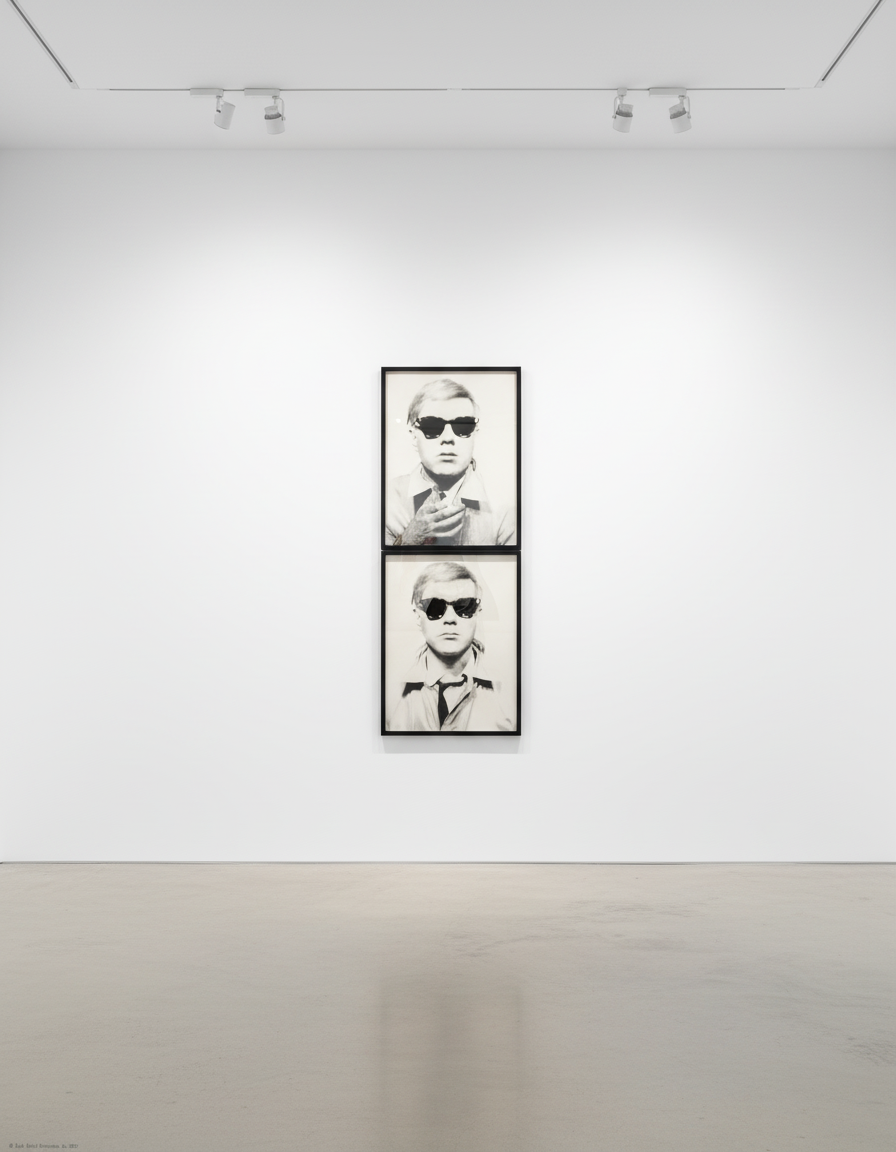
Self - Portrait F.S. IIIA 10 — Andy Warhol. Available at Guy Hepner, New York.
The Polaroid camera became another essential tool in Warhol's technical arsenal, particularly during his prolific portrait commission period of the 1970s and 1980s. Warhol would photograph subjects using Polaroid's Big Shot camera, selecting frames that captured particular expressions or angles before transforming them through his silkscreen process. Sotheby's has documented how these original Polaroids have themselves become highly collectible, with major auction results reflecting their significance as both preparatory materials and autonomous artworks.
Beyond silkscreen and photography, Warhol continually expanded his technical vocabulary throughout his career. His oxidation paintings, created through unconventional chemical processes, demonstrated his willingness to embrace chance and bodily presence in ways that contrasted sharply with his more mechanical work. These copper-based canvases, created through direct physical interaction with metallic paint, reveal an often-overlooked expressionist dimension to Warhol's practice.
Warhol's Camouflage paintings represent another significant technical departure. Using the military pattern as both subject and formal device, these works layer silkscreened camouflage motifs in unexpected color combinations. The technique required precise registration of multiple screens, with each color application demanding careful attention to alignment and opacity. The resulting works oscillate between abstraction and representation, concealment and revelation.
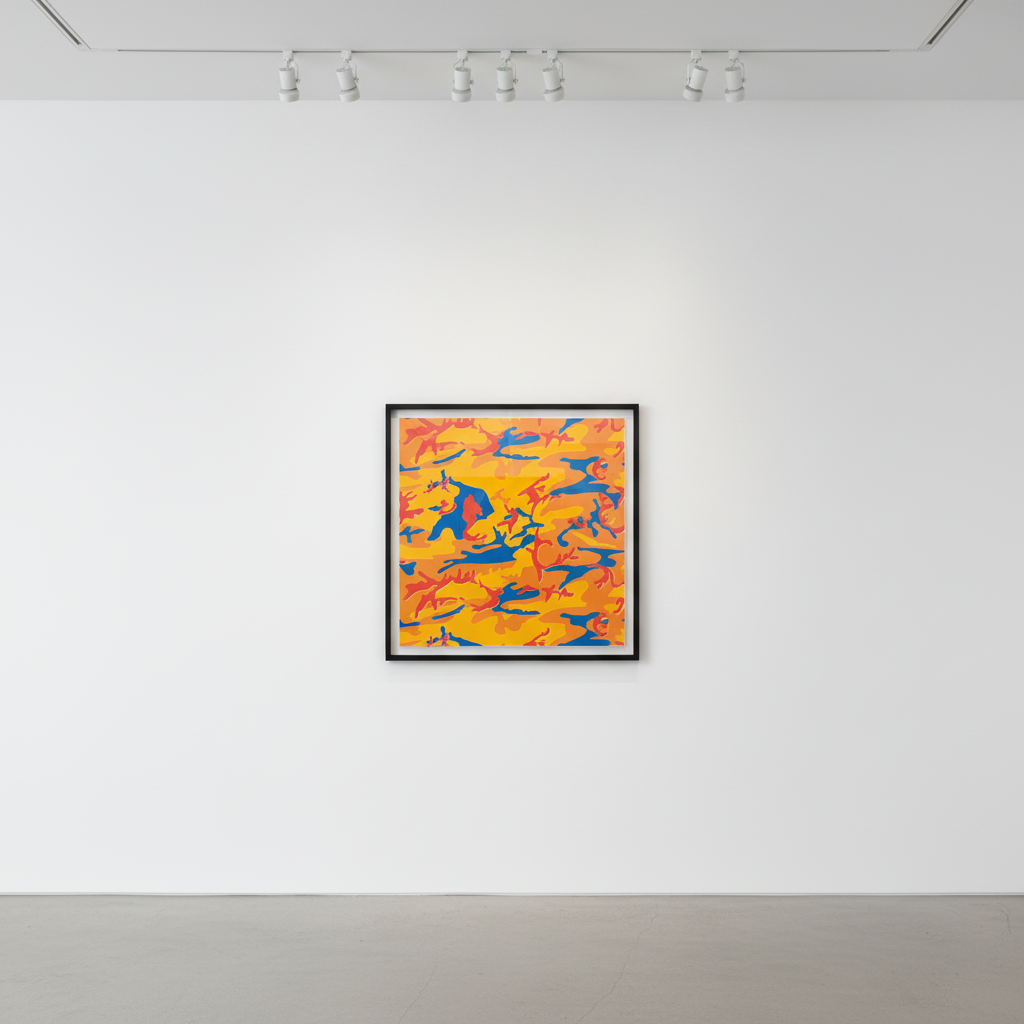
Camouflage Trial Proof TP 4/84 — Andy Warhol. Available at Guy Hepner, New York.
His collaboration paintings with Jean-Michel Basquiat in the 1980s pushed his techniques in yet another direction, combining silkscreen elements with gestural painting in works that merged two distinctive artistic vocabularies. These collaborations demonstrated Warhol's continued technical evolution and his openness to dialogue with younger artists. The Art Basel and UBS report has highlighted how these collaborative works have appreciated significantly, reflecting collector interest in this experimental phase of Warhol's career.
Understanding Warhol's techniques is essential for collectors navigating the complex market for his work. The relationship between technique, edition size, and market value requires careful consideration. Unique silkscreen paintings on canvas typically command higher prices than editioned prints, though rare trial proofs and unique color variations can achieve exceptional results. Christie's and Sotheby's regularly emphasize provenance and condition as critical factors, with technical examination often revealing important details about a work's creation and authenticity.
Warhol's technical innovations also influenced how his estate and authentication boards evaluate attributions. The mechanical nature of his processes - the use of assistants, the embrace of reproducibility - means that technical analysis plays a crucial role in establishing authenticity. Collectors benefit from understanding these nuances, as the market rewards informed acquisition strategies.
The enduring appeal of Warhol's techniques lies in their conceptual sophistication and visual impact. His methods anticipated digital reproduction, celebrity culture, and the collapse of distinctions between high and low culture that define contemporary visual experience. For collectors, acquiring Warhol means engaging with these prescient innovations while owning works of undeniable aesthetic power.
Guy Hepner gallery is proud to offer an exceptional selection of works by Andy Warhol, including significant examples demonstrating his most influential techniques. Our specialists provide comprehensive guidance to collectors seeking to acquire works by this transformative artist, from iconic silkscreen portraits to experimental mixed-media pieces. Contact Guy Hepner to explore available works and discover how Warhol's groundbreaking techniques can enhance your collection.
--- **Browse Andy Warhol prints** at Guy Hepner: [Andy Warhol art for sale](/andy-warhol) | [Sell your Warhol](/sell/andy-warhol)Explore Andy Warhol prints for sale at Guy Hepner: 25 Cats Named Sam, A Gold Book, A La Recherche Du Shoe Perdu, Alexander the Great, Banana.
Related Series