Why Collect Roy Lichtenstein
Why Collect Roy Lichtenstein
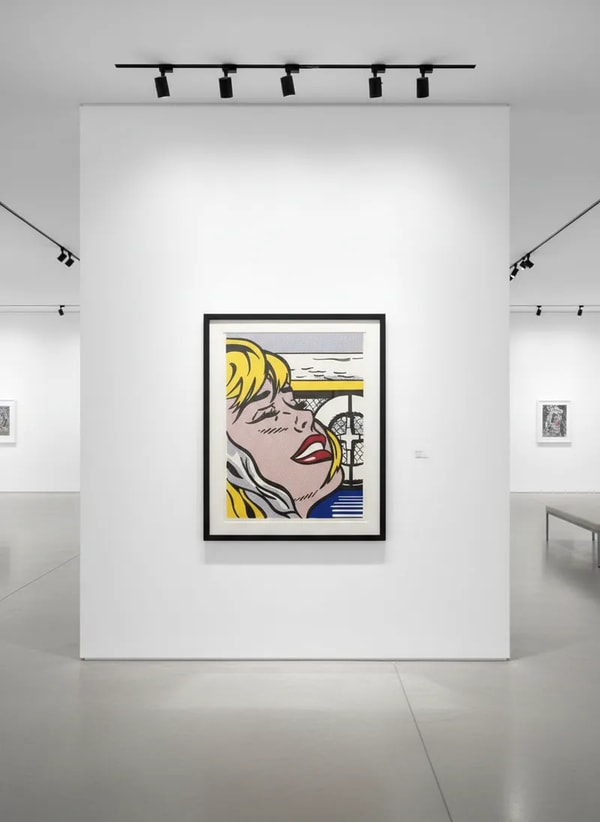
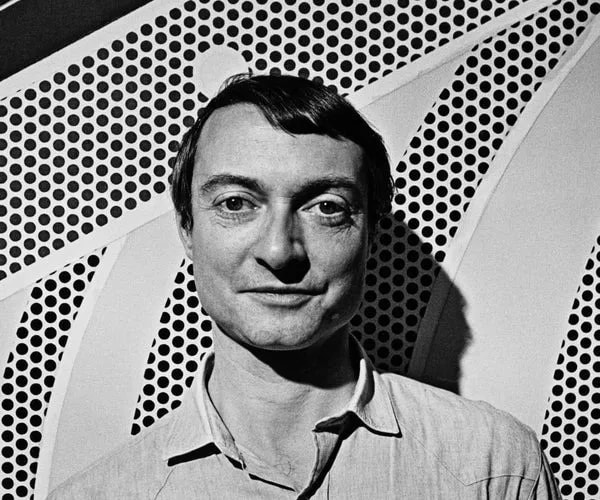
Roy Lichtenstein stands as one of the most consequential artists of the twentieth century, a figure whose bold reimagining of American visual culture fundamentally altered the trajectory of contemporary art. Alongside Andy Warhol and Claes Oldenburg, Lichtenstein helped establish Pop Art as a dominant force in the 1960s, challenging the prevailing orthodoxy of Abstract Expressionism and opening new dialogues between high art and mass media. For collectors seeking work that combines art historical significance with enduring visual power, Lichtenstein represents an essential acquisition. His paintings, sculptures, and prints continue to command strong prices at auction while maintaining their critical relevance, making him a cornerstone of any serious contemporary art collection.
The Revolutionary Vision of Roy Lichtenstein
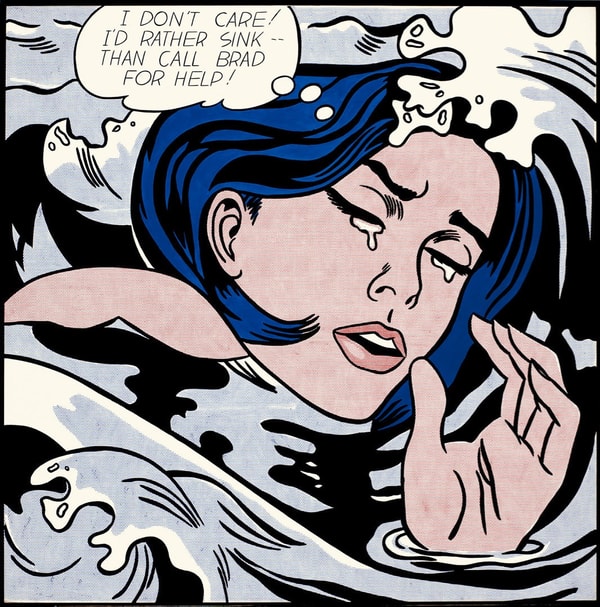
Lichtenstein's genius lay in his ability to transform the ordinary into the extraordinary. Drawing from comic strips, advertisements, and commercial printing techniques, he elevated vernacular imagery to the scale and status of fine art. His signature Ben-Day dots, borrowed from industrial printing processes, became an instantly recognizable artistic trademark that simultaneously referenced mechanical reproduction while asserting the hand of the artist.
What distinguished Lichtenstein from mere appropriation was his rigorous formal approach. Each composition underwent careful refinement, with the artist adjusting colors, simplifying forms, and perfecting the interplay between image and abstraction. Works like As I Opened Fire Triptych exemplify this methodology, taking source material from comic books and transforming it into monumental statements about violence, media, and American culture. The triptych format elevates a moment of warfare into something approaching classical narrative painting, forcing viewers to confront how imagery shapes our understanding of conflict.
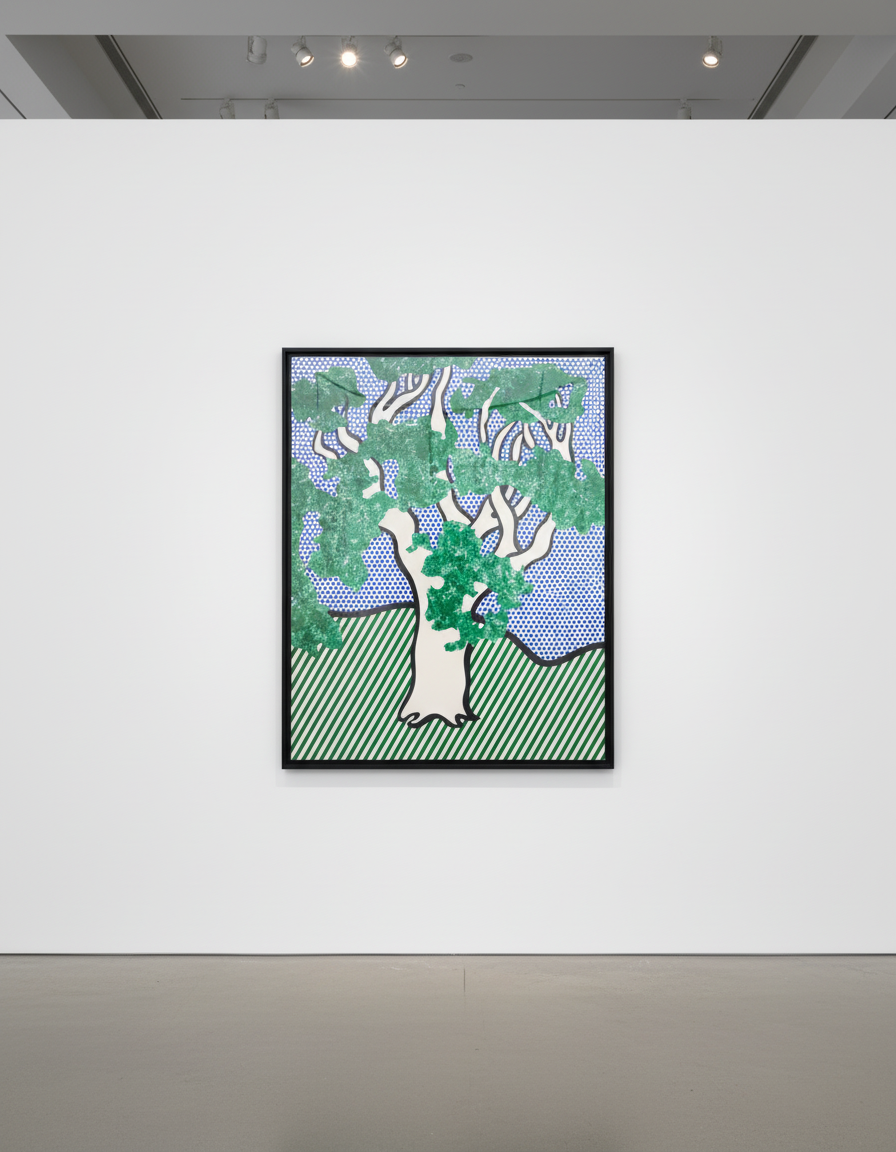
Rainforest (C. 278) — Roy Lichtenstein. Available at Guy Hepner, New York.
His influence extended far beyond Pop Art's initial moment. Lichtenstein's interrogation of reproduction, originality, and the boundaries between commercial and fine art anticipated postmodern concerns that would dominate artistic discourse for decades. Contemporary artists working with appropriation, from Richard Prince to KAWS, operate in territory Lichtenstein helped map.
Understanding Market Dynamics and Collector Demand
The market for Roy Lichtenstein has demonstrated remarkable stability and growth over the past three decades. According to auction records from Christie's and Sotheby's, major Lichtenstein paintings regularly achieve eight-figure results, while his prints and multiples offer more accessible entry points without sacrificing quality or historical importance. The 2015 Art Basel and UBS Global Art Market Report identified Lichtenstein as among the most traded Post-War artists, a position he has maintained consistently.
Several factors drive sustained collector interest. First, Lichtenstein's body of work is finite and well-documented, with comprehensive catalogue raisonnés covering his paintings, sculptures, and prints. This scholarly foundation provides collectors with confidence in authentication and provenance. Second, institutional demand remains strong, with major museums worldwide continuing to acquire and exhibit his work, reinforcing his canonical status.
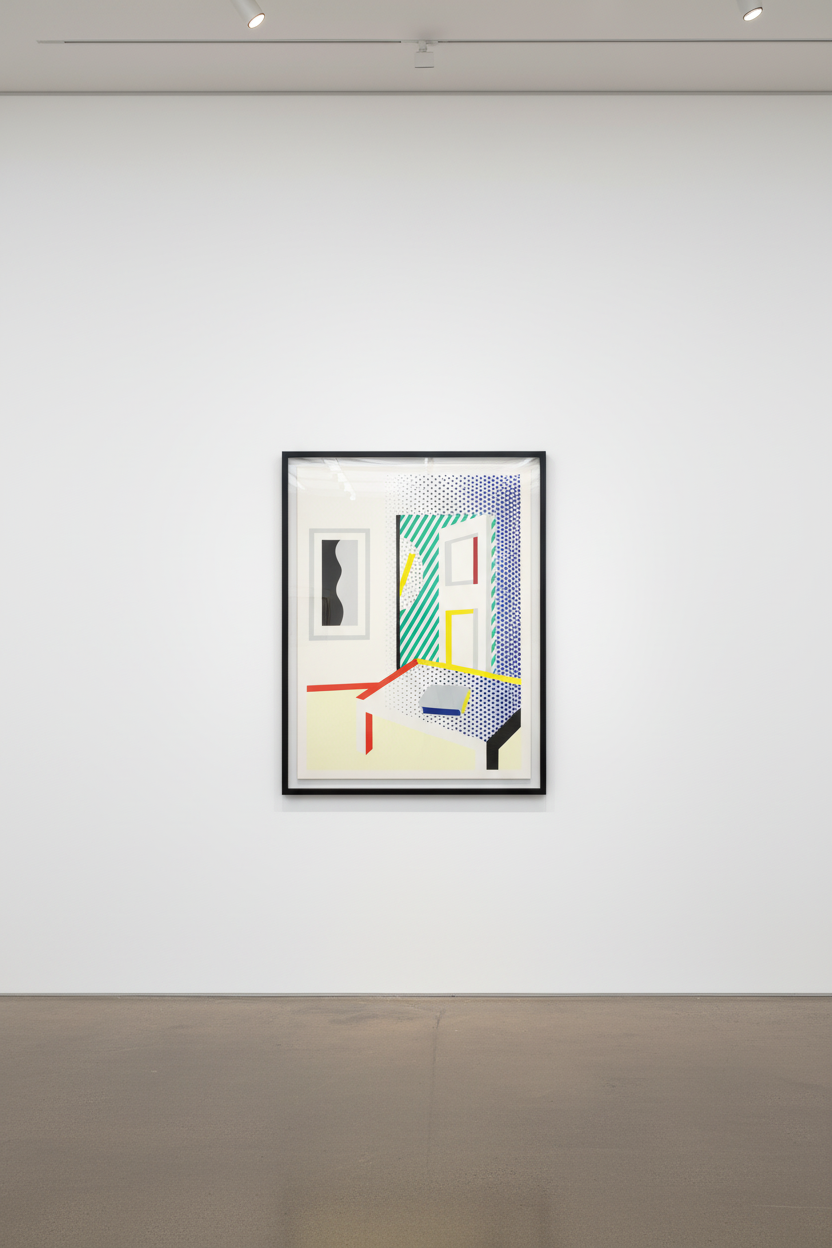
Virtual Interior With Book — Roy Lichtenstein. Available at Guy Hepner, New York.
His print editions deserve particular attention from collectors. Works such as Bull VII demonstrate Lichtenstein's mastery of serial imagery, depicting the progressive abstraction of a bull through a sequence that pays homage to Picasso while asserting Lichtenstein's distinctive visual vocabulary. Similarly, Rainforest reveals his engagement with environmental themes, rendered through his characteristic graphic precision. These editioned works offer museum-quality aesthetics at price points significantly below unique paintings, making them strategic acquisitions for collectors building comprehensive holdings.
The breadth of Lichtenstein's subject matter also contributes to market resilience. From his comic-derived works of the 1960s to his later explorations of art history, interiors, and landscapes, collectors can pursue focused thematic collections or seek representative examples across his career. Virtual Interior With Book exemplifies his later investigations into depicted space and artistic representation, while Against Apartheid demonstrates his engagement with political subjects, proving the range of concerns his work addressed.
Why Collectors Continue to Care
Beyond market considerations, Lichtenstein's work rewards sustained looking and intellectual engagement. His paintings operate on multiple registers simultaneously. At first glance, they present bold, accessible imagery drawn from familiar sources. Upon closer examination, they reveal sophisticated formal decisions, art historical references, and pointed commentary on American visual culture.
This combination of immediate impact and lasting depth makes Lichtenstein particularly suited to private collections. His work commands attention in any setting, from modernist interiors to historical spaces, while continuing to yield new insights over time. Collectors report that living with Lichtenstein brings ongoing discovery, as the relationship between viewer and artwork evolves through repeated encounters.
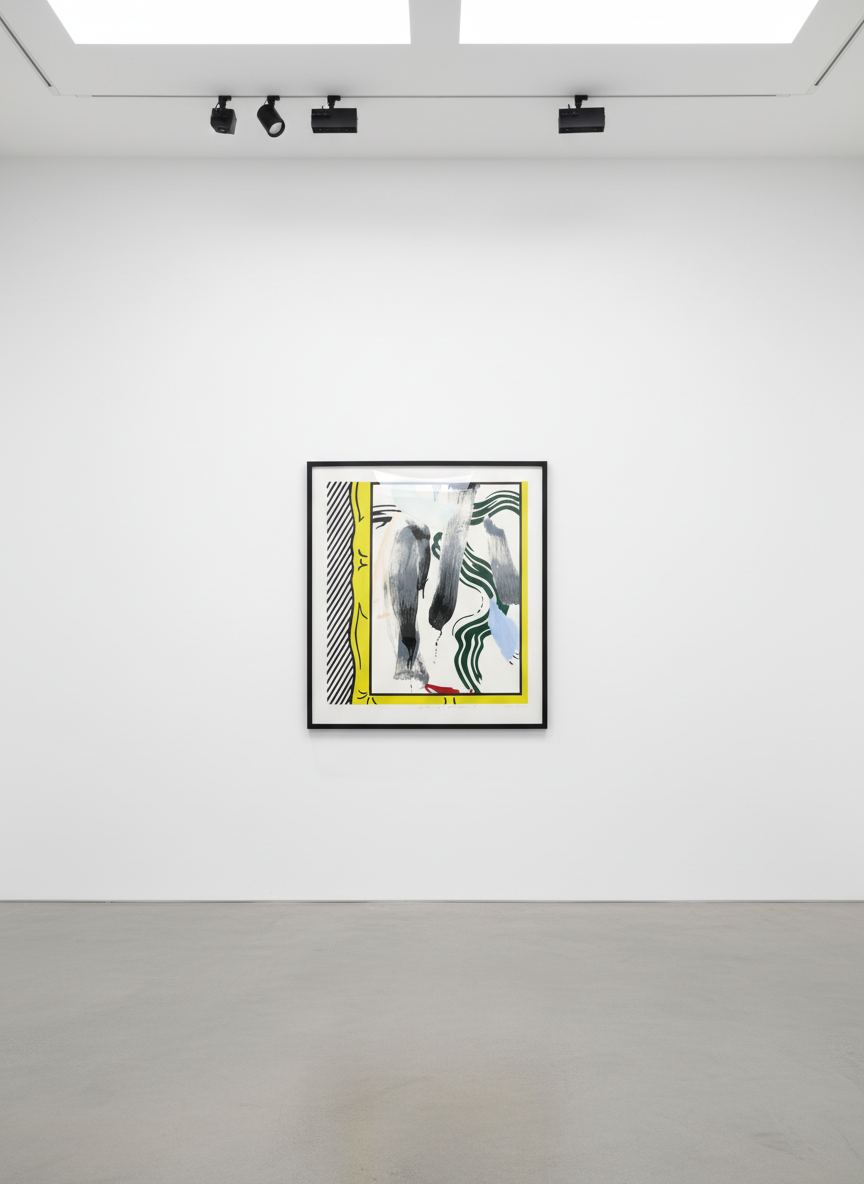
Against Apartheid (C. 200) — Roy Lichtenstein. Available at Guy Hepner, New York.
His technical excellence also merits emphasis. Whether working in oil on canvas, screenprint, or sculpture, Lichtenstein maintained exacting standards of execution. His prints, produced in collaboration with master printers at workshops including Gemini G.E.L. and Tyler Graphics, represent some of the finest examples of the medium from the twentieth century. Collectors acquiring these works obtain not only significant images but exemplary craft.
Finally, Lichtenstein's position in the art historical canon appears secure. Unlike artists whose reputations have fluctuated dramatically, his standing has remained consistently high since the 1960s. Major retrospectives at institutions including the Tate Modern, the Art Institute of Chicago, and the National Gallery of Art have reinforced his importance to successive generations. For collectors, this institutional validation provides assurance that Lichtenstein's significance will endure.
Acquiring Roy Lichtenstein Through Guy Hepner
Guy Hepner maintains a carefully curated selection of Roy Lichtenstein prints, multiples, and unique works for discerning collectors. Our specialists bring decades of experience in the Pop Art market, providing guidance on condition, provenance, and collection strategy. Whether you are acquiring your first Lichtenstein or adding to established holdings, we offer the expertise and discretion that significant transactions require. Contact our New York gallery to discuss currently available works and explore how Lichtenstein might enhance your collection.
Browse Series
Works For Sale
Available through Guy Hepner
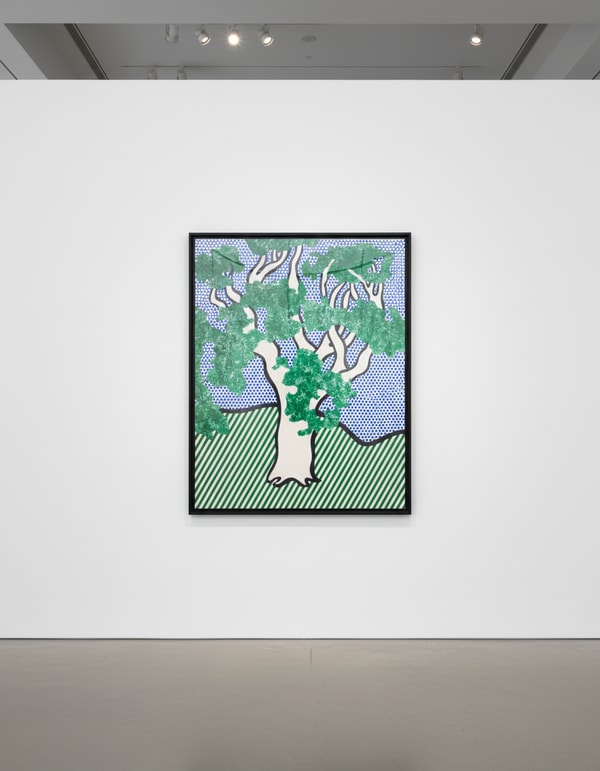
Roy Lichtenstein
Rainforest (C. 278)
1996
Enquire →
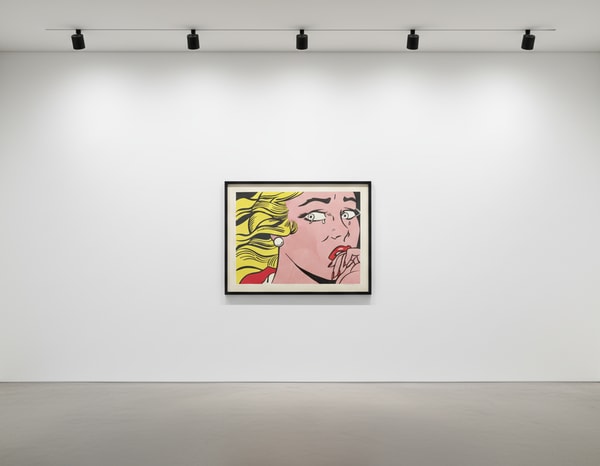
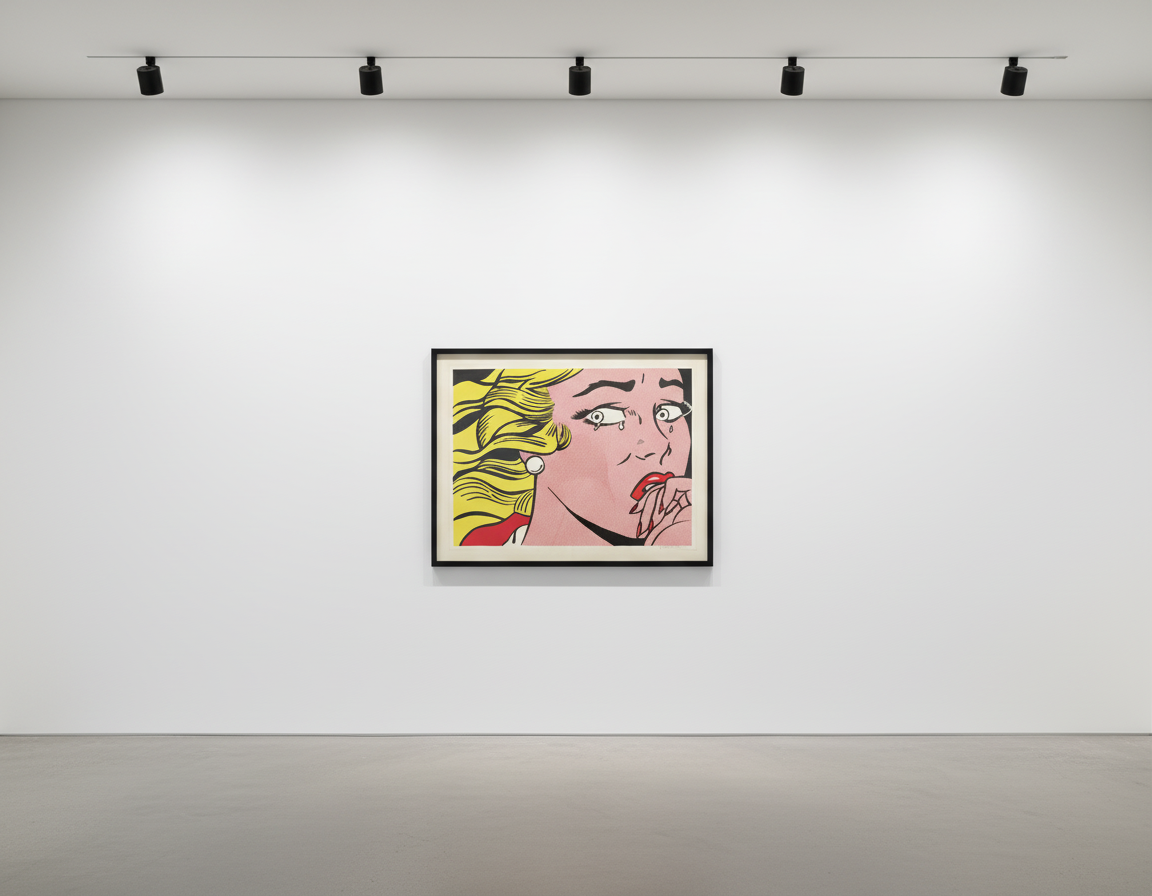
Roy Lichtenstein
Crying Girl (C. II 1)
1963
Enquire →
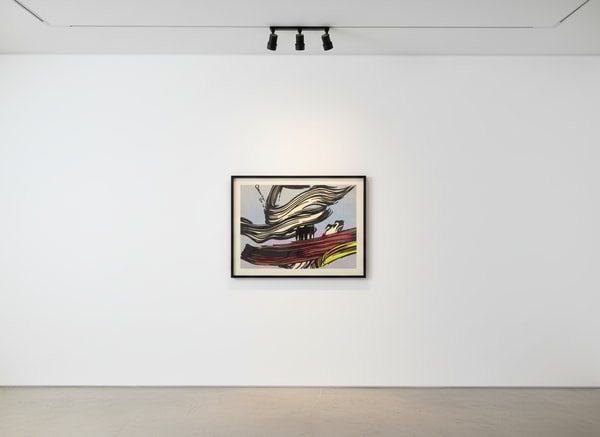
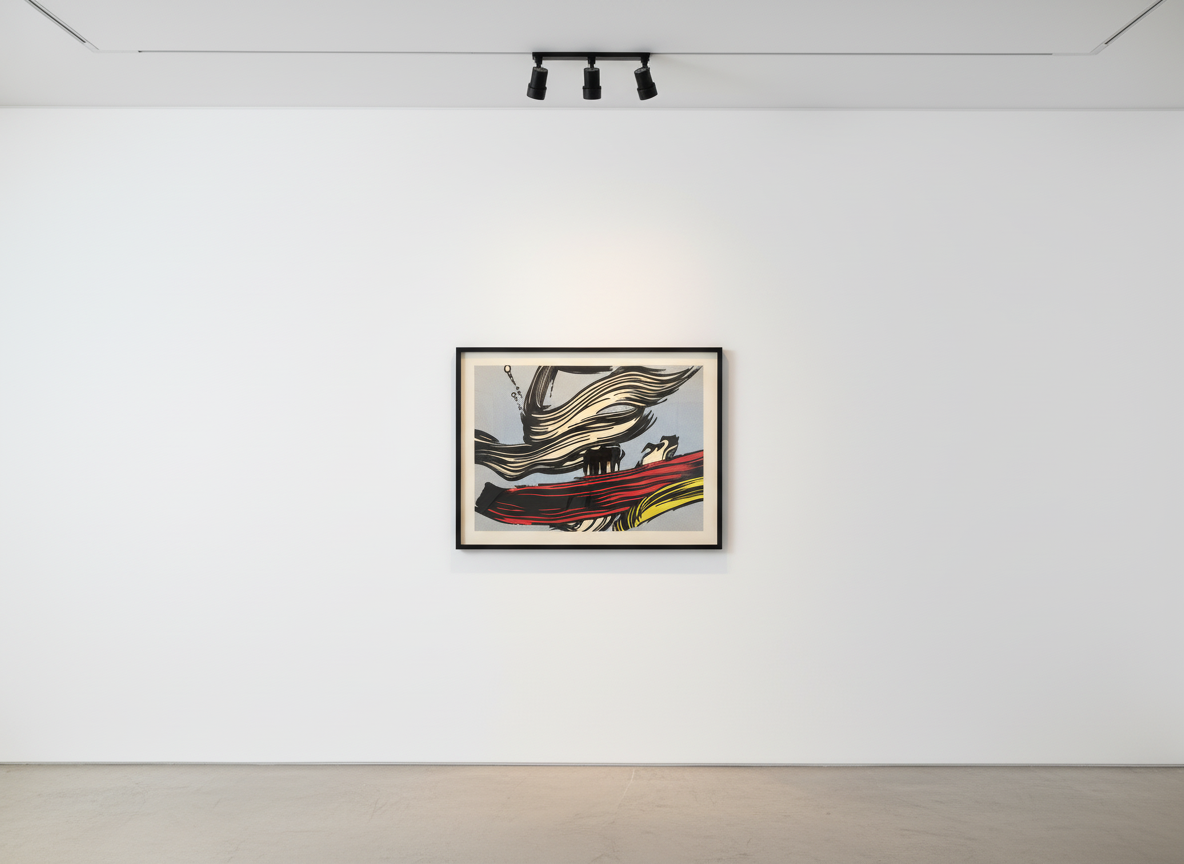
Roy Lichtenstein
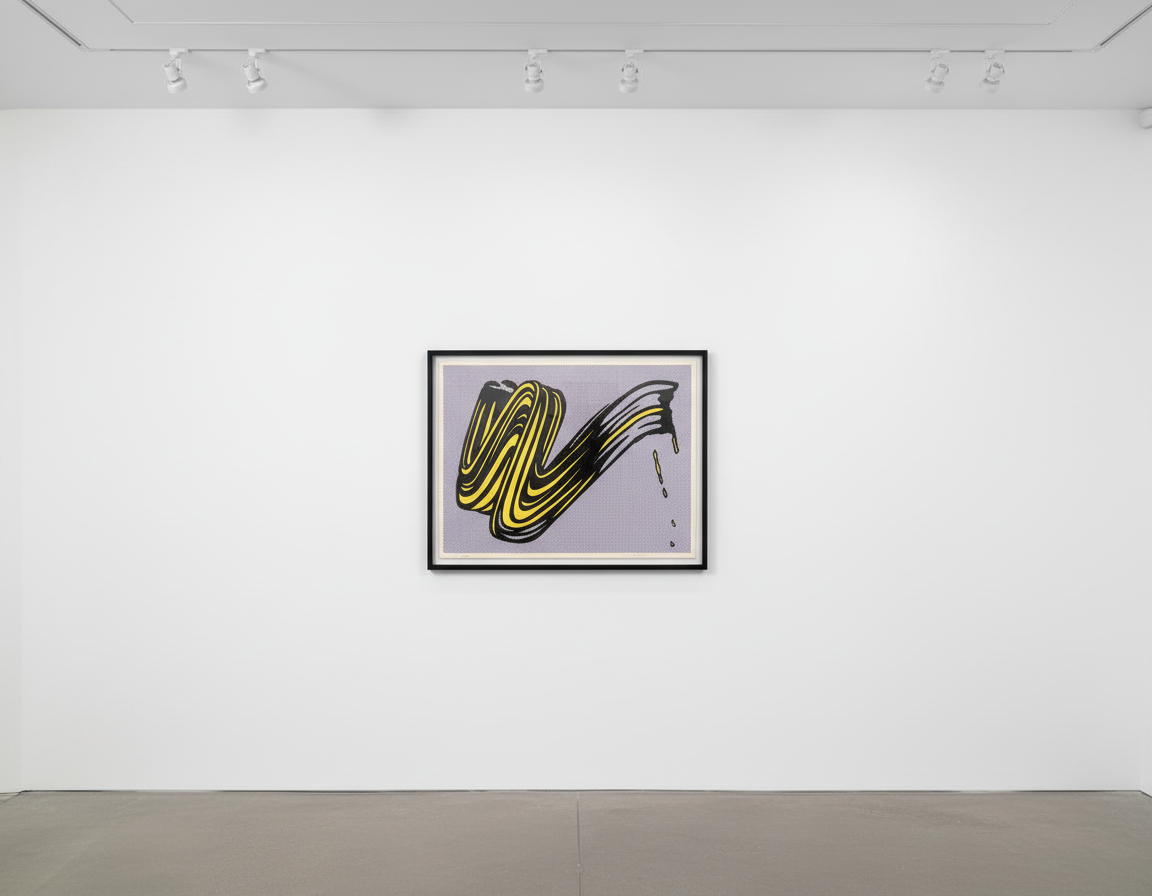
Brushstroke (C. 45)
1967
Enquire →
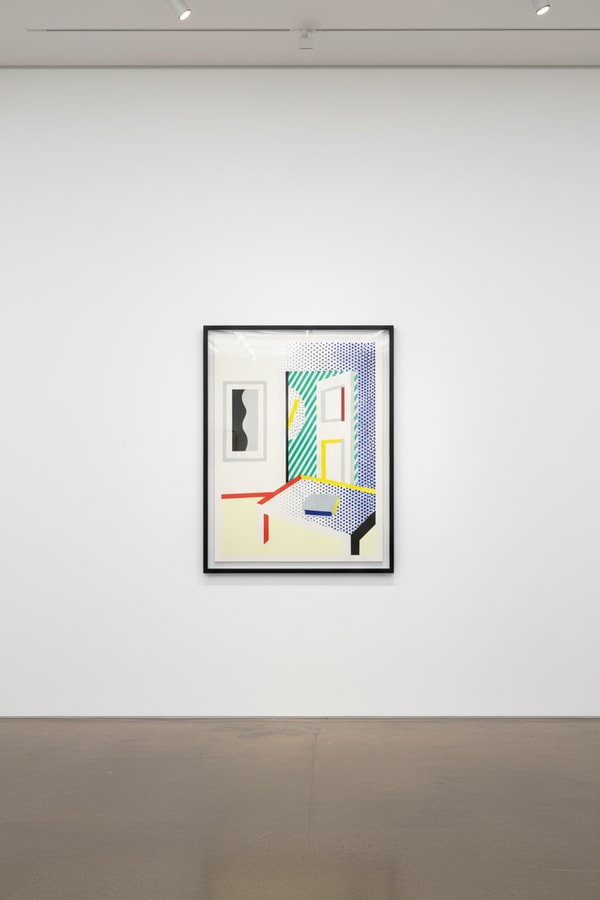
Roy Lichtenstein
Virtual Interior With Book
1996
Enquire →
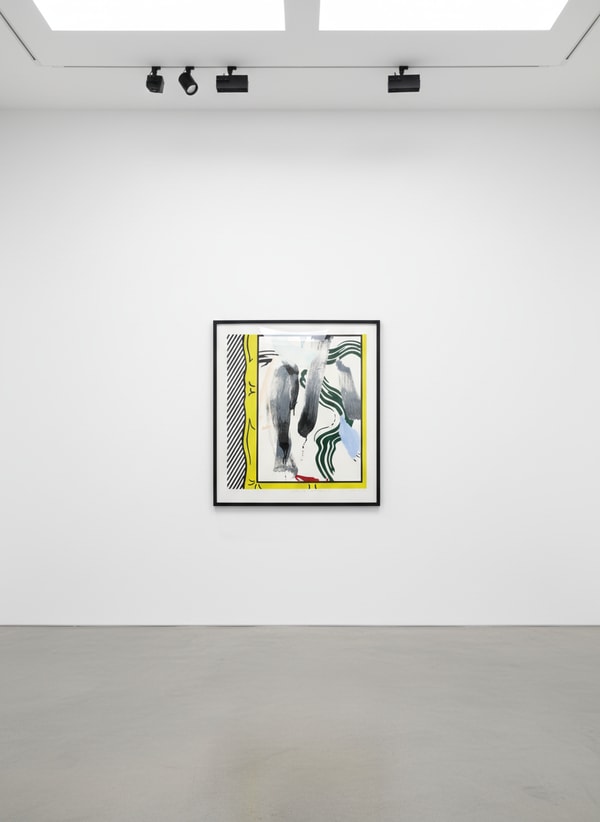
Roy Lichtenstein
Against Apartheid (C. 200)
1983
Enquire →
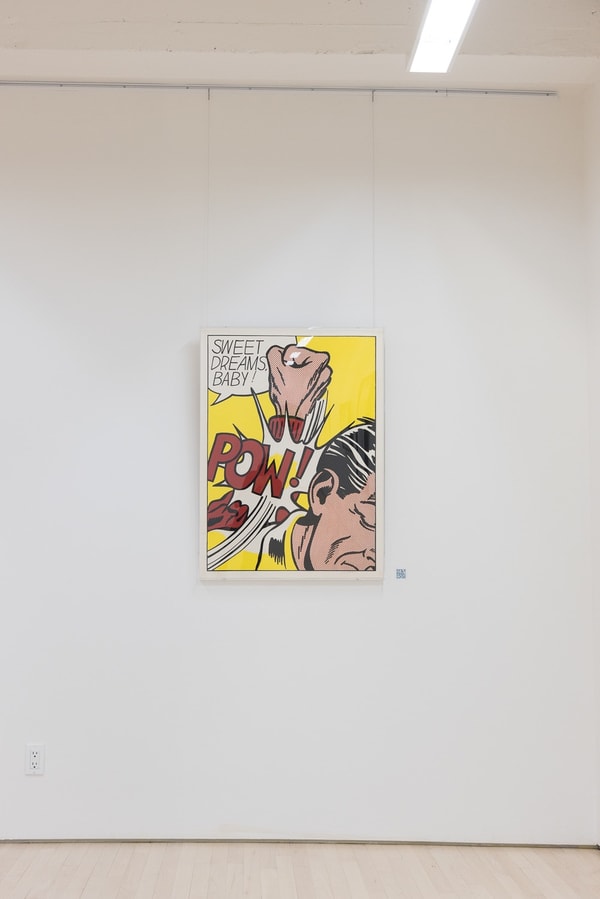
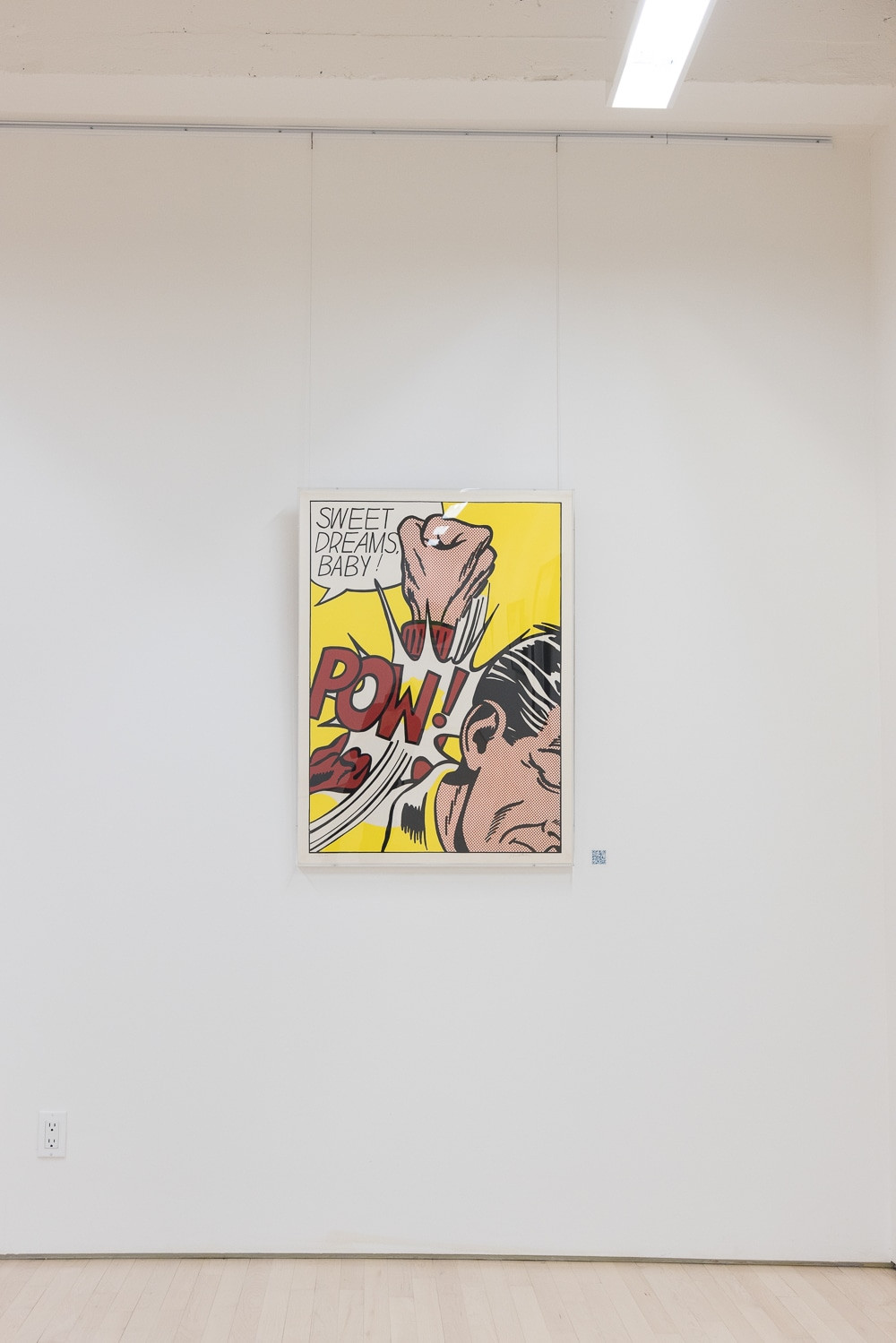
Roy Lichtenstein
Sweet Dreams Baby (C.39)
1965
Enquire →
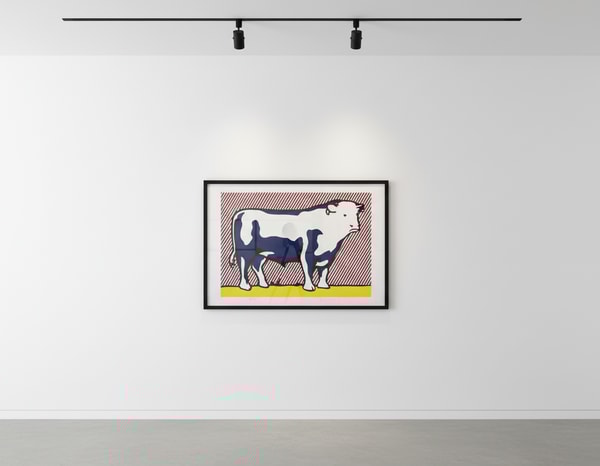
Roy Lichtenstein
Bull VII (C. 122)
1974
Enquire →
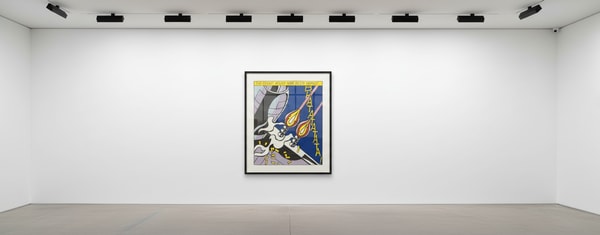
Roy Lichtenstein
As I Opened Fire Triptych (C. App. 5)
1966
Enquire →
More from Guy Hepner