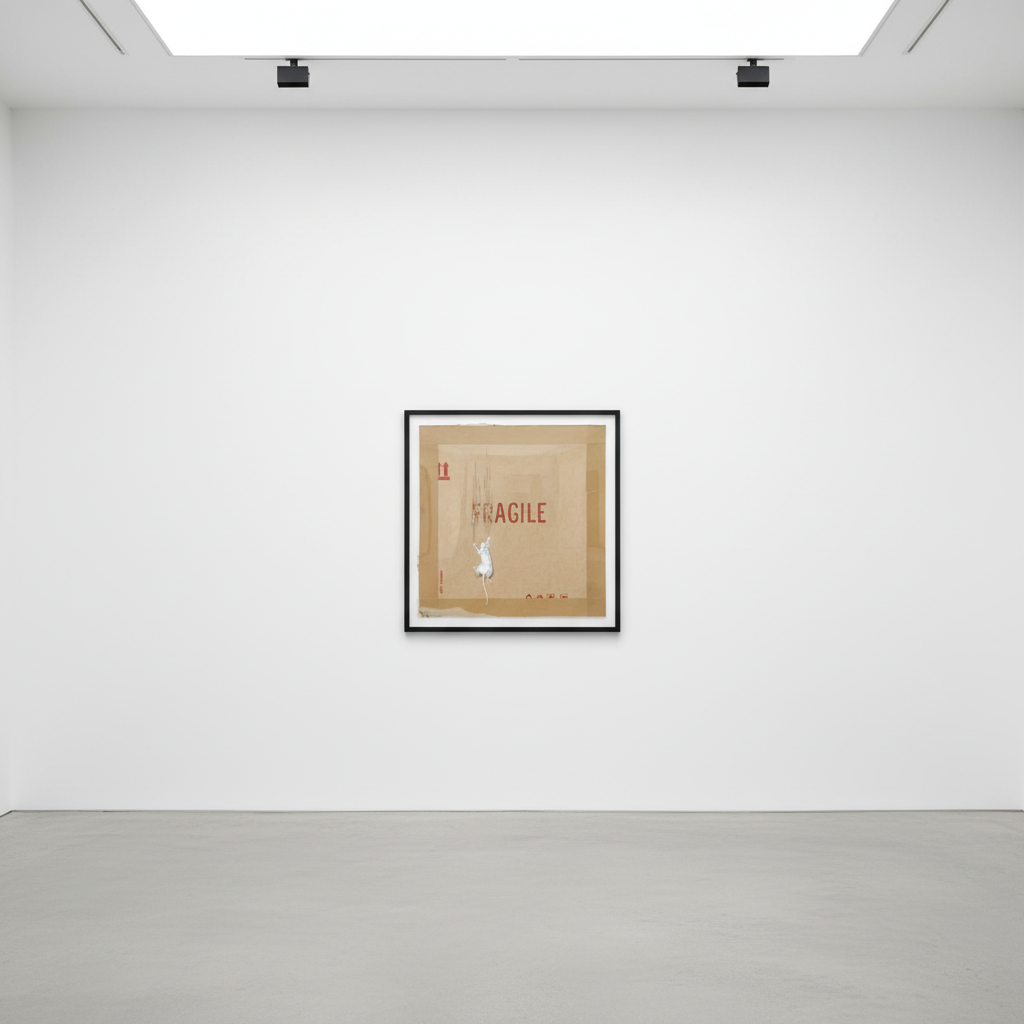
(Fr)agile


The art world watches with bated breath as Banksy - the enigmatic street artist who has redefined contemporary art - finds himself embroiled in a landmark legal battle that could reshape intellectual property rights for artists globally. The ongoing trademark dispute between the anonymous artist and greeting card company Full Colour Black represents far more than a simple commercial disagreement. It strikes at the heart of artistic ownership, creative identity, and the complex relationship between anonymity and legal protection in the modern art market.
Banksy's longstanding legal fight continues as he faces an unprecedented challenge to reclaim control of his trademark. In the ongoing battle with Full Colour Black - a greeting card company that sells products featuring Banksy's iconic and instantly recognisable motifs - the artist's legal team is preparing to appear before a special tribunal at the UK's Intellectual Property Office this April.
Andrew Gallagher, owner of Full Colour Black, has mounted a provocative argument against the world's most famous anonymous artist. Gallagher contends that Banksy has failed to adequately use his trademark for the images he created, meaning that under UK intellectual property law, these beloved motifs should be freely available for commercial use by any party. The company has gone further still, urging that Banksy's trademarks be cancelled entirely on grounds of "non-use" - a claim that could have devastating implications for the artist's control over his own creative output.
Banksy's team has firmly denied these allegations, asserting that the artist has consistently used his motifs and trademark to sell both original artworks and merchandise through legitimate channels. The dispute highlights a unique paradox facing Banksy - his anonymity, which has become central to his artistic identity and cultural mystique, simultaneously creates vulnerabilities in legal frameworks designed for identifiable individuals and conventional business entities.
GDP Banksy Clock — Banksy. Available at Guy Hepner, New York.
The April hearing carries significance that extends far beyond the immediate parties involved. For Banksy collectors, the public, and the wider art world, this tribunal represents one of the rare occasions when those representing the secretive artist will speak publicly in an official capacity. The proceedings offer an unprecedented glimpse into the legal infrastructure that protects - or fails to protect - one of contemporary art's most valuable brands.
On the matter, Banksy himself has offered characteristically pointed commentary, stating that a greeting card company is contesting the trademark he holds to his art and attempting to take custody of his imagery. This statement underscores the deeply personal nature of the dispute for an artist whose work has always challenged concepts of ownership, commercialisation, and the commodification of culture.
The irony is not lost on art world observers. Banksy - whose career has been defined by subversive commentary on capitalism, consumerism, and corporate power - now finds himself defending his commercial rights against a small business seeking to profit from his imagery. This tension between Banksy's anti-establishment ethos and the practical necessity of protecting his artistic legacy through legal mechanisms adds layers of complexity to an already fascinating case.
Legal experts suggest that the outcome could establish important precedents for anonymous artists and those who operate outside traditional gallery and authentication systems. The question of how an artist who cannot publicly identify themselves can adequately demonstrate trademark use presents novel challenges for intellectual property law - challenges that courts have rarely been forced to address at this level.
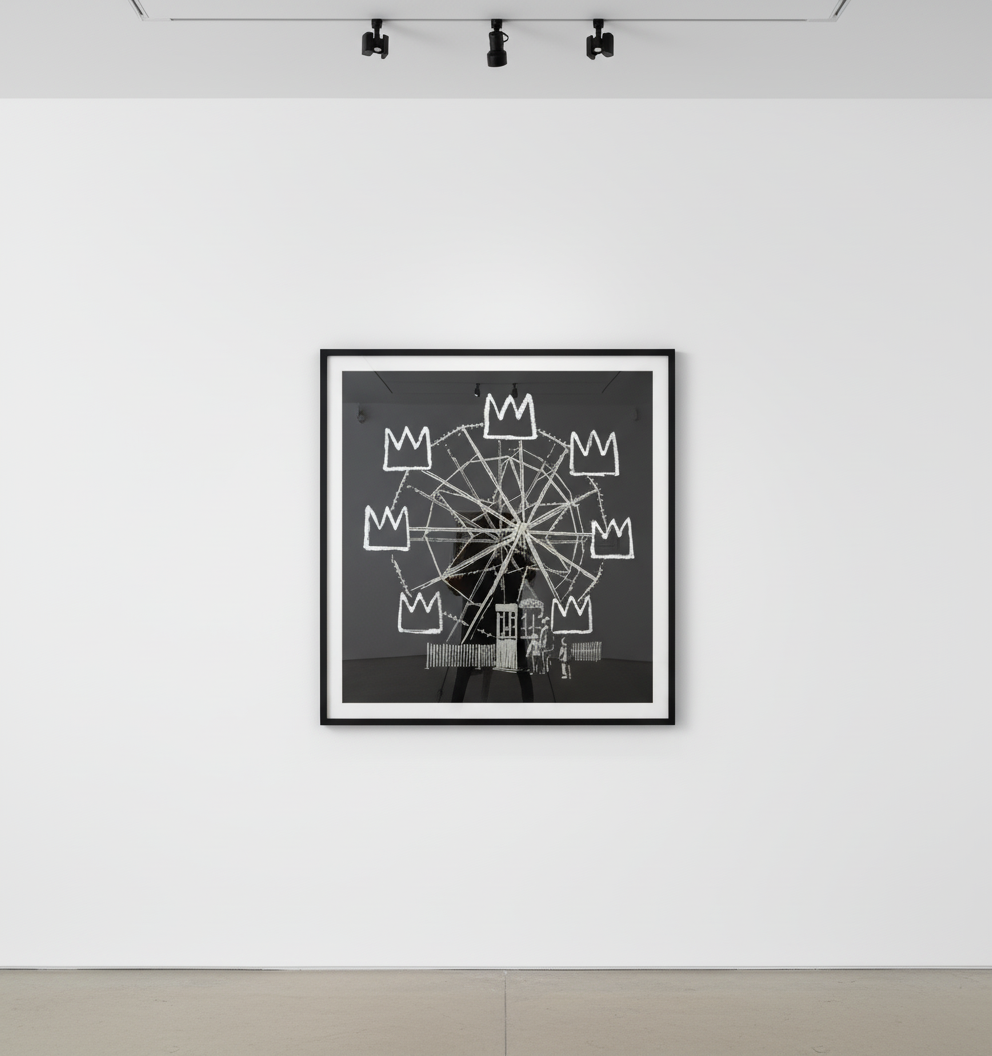
Banksquiat Black — Banksy. Available at Guy Hepner, New York.
The Banksy market has demonstrated remarkable resilience and continued growth despite - or perhaps because of - the controversies that perpetually surround the artist. According to data from Sotheby's and Christie's, Banksy consistently ranks among the top-selling contemporary artists at auction, with works regularly achieving prices in the millions. The Art Basel and UBS Global Art Market Report has repeatedly highlighted Banksy as a significant driver of contemporary art sales, particularly among younger collectors entering the market.
This legal battle introduces a new dimension of consideration for collectors and investors. Should Full Colour Black succeed in invalidating Banksy's trademarks, the implications for authentication, provenance, and the broader Banksy market remain uncertain. While original artworks authenticated through Pest Control - Banksy's official authentication body - would retain their value and legitimacy, the proliferation of unlicensed merchandise and reproductions could potentially dilute the artist's brand in ways that might affect market perception.
For serious collectors, however, this dispute may ultimately reinforce rather than diminish Banksy's market position. The artist's willingness to engage legal mechanisms to protect his work demonstrates a commitment to maintaining the integrity of his output - a reassurance for those who have invested significantly in acquiring authenticated pieces. Furthermore, the publicity surrounding the case serves to remind the global audience of Banksy's continued cultural relevance and the enduring demand for his imagery.
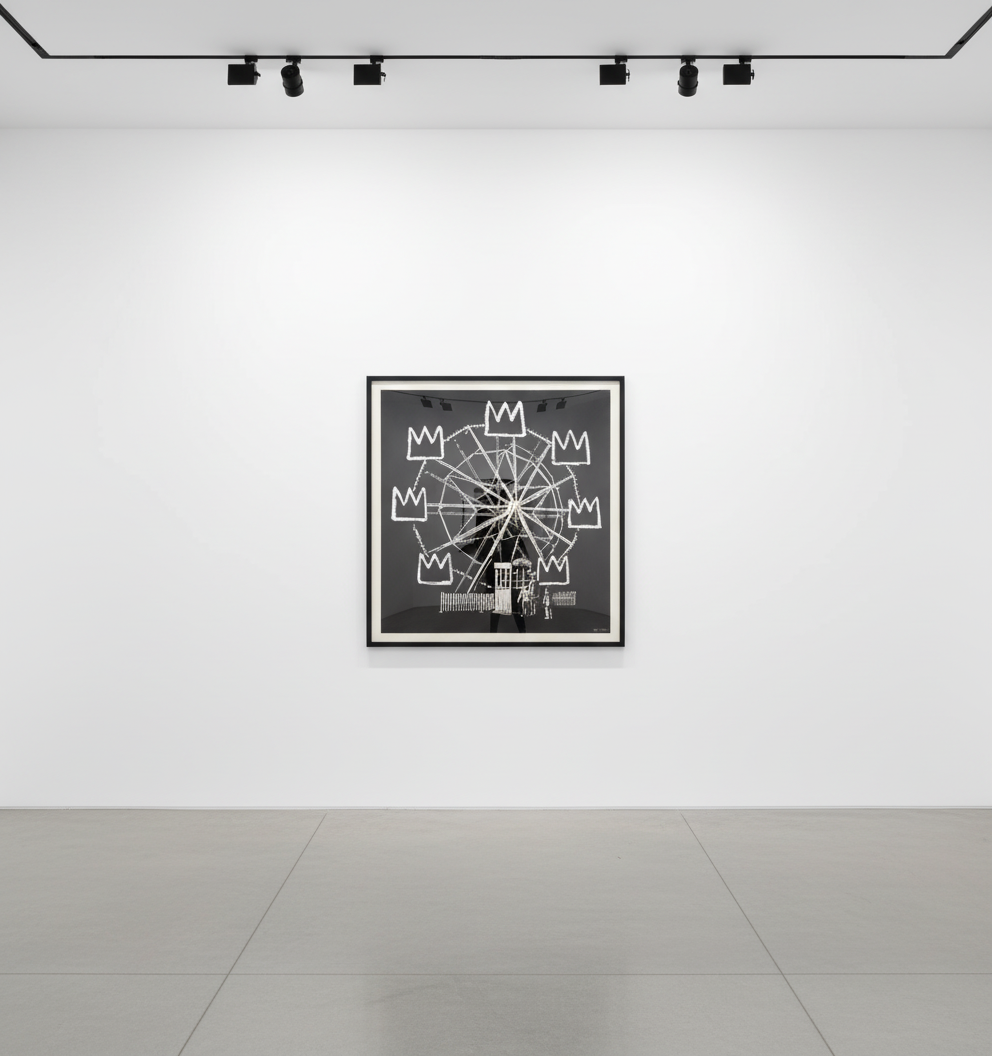
Banksquiat Grey — Banksy. Available at Guy Hepner, New York.
Regardless of the tribunal's outcome, Banksy's position in art history remains secure. From his early stencil works on Bristol's streets to museum interventions, self-shredding auction performances, and politically charged installations, Banksy has consistently challenged conventions of what art can be and where it belongs. His ability to command both critical attention and commercial success while maintaining anonymity represents an unprecedented achievement in the contemporary art world.
The trademark battle ultimately speaks to larger questions about artistic ownership in the digital age - questions that will only become more pressing as artists navigate an increasingly complex landscape of reproduction, appropriation, and intellectual property. Banksy's fight is, in many ways, a fight for all artists seeking to maintain control over their creative output in a world where images can be infinitely copied and distributed.
Guy Hepner gallery is proud to offer an exceptional selection of authenticated Banksy works for discerning collectors. Our collection includes iconic pieces that exemplify the artist's distinctive voice and enduring appeal. Whether you are an established collector seeking to expand your holdings or a new enthusiast looking to acquire your first Banksy, our expert team provides personalised guidance through every stage of the acquisition process. Contact Guy Hepner today to enquire about available Banksy works and discover how these powerful pieces can become the centrepiece of your collection.
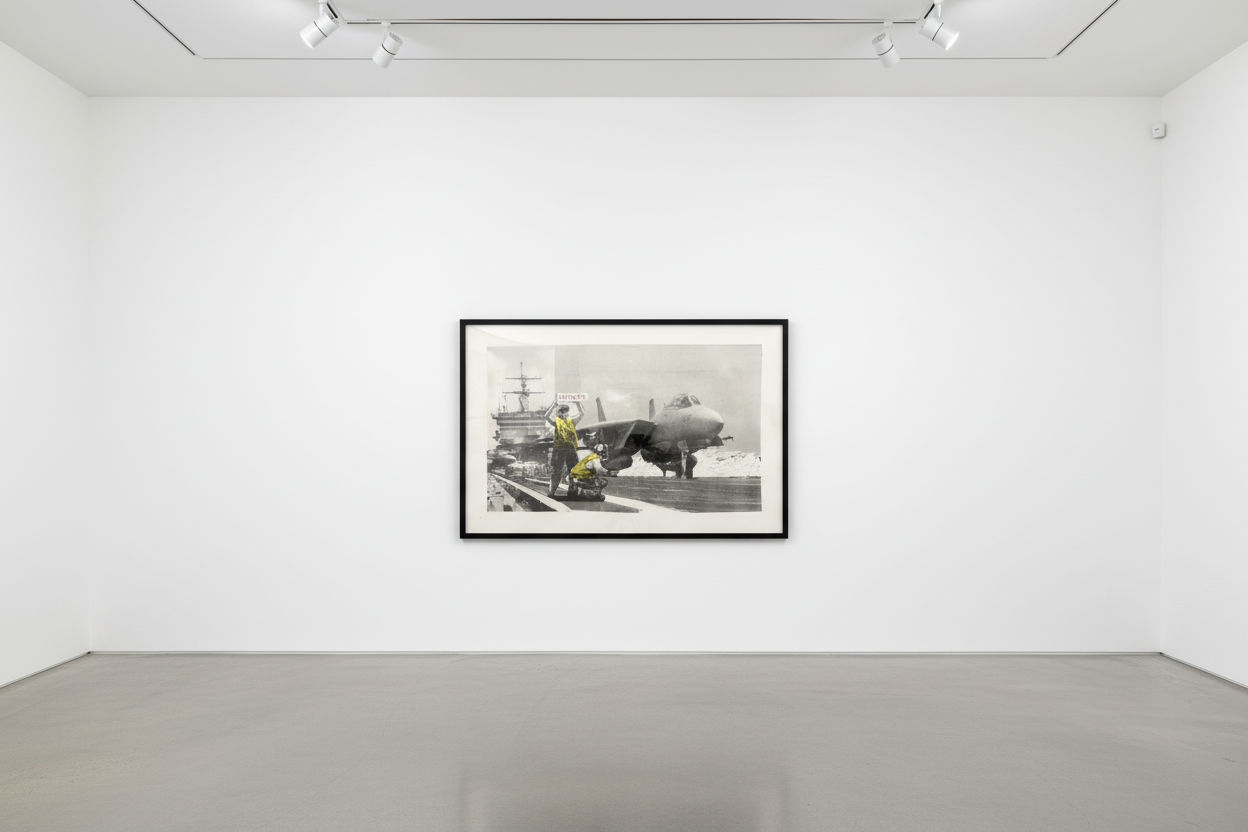
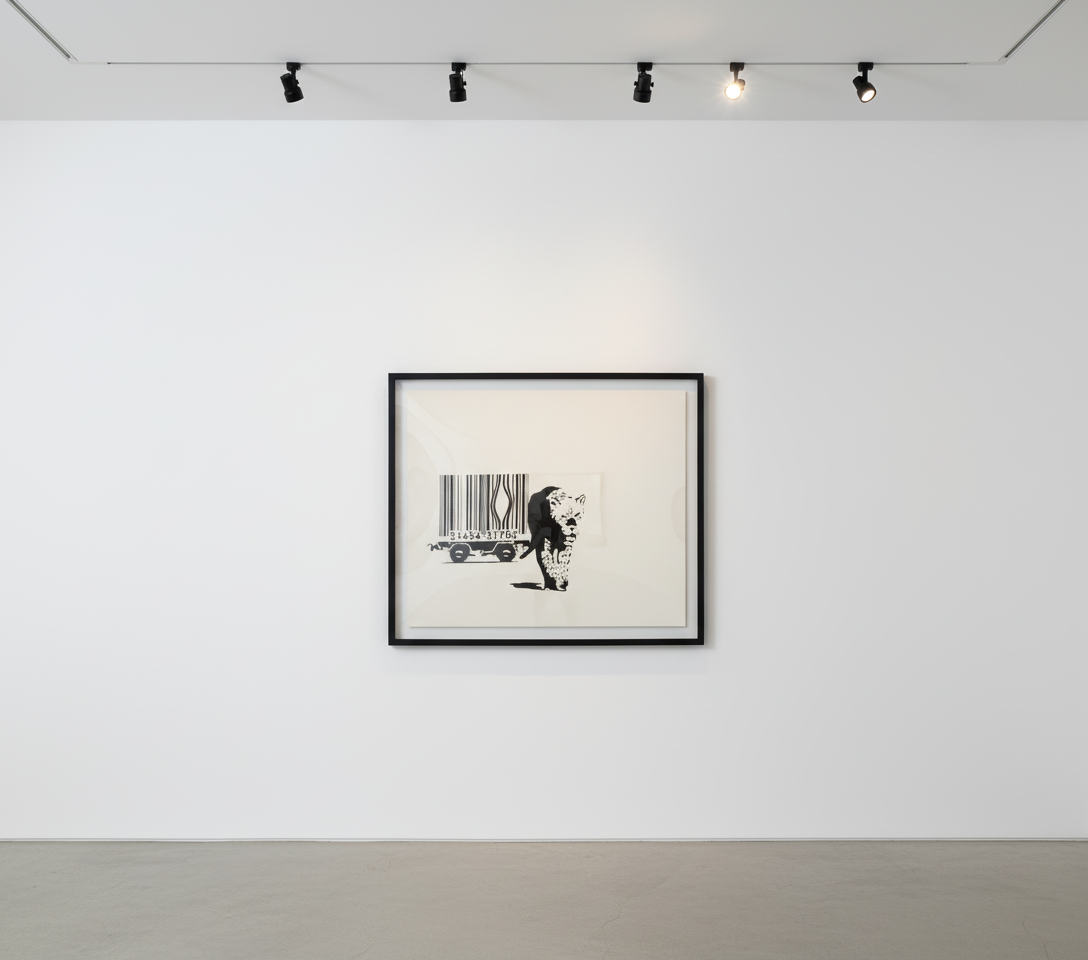
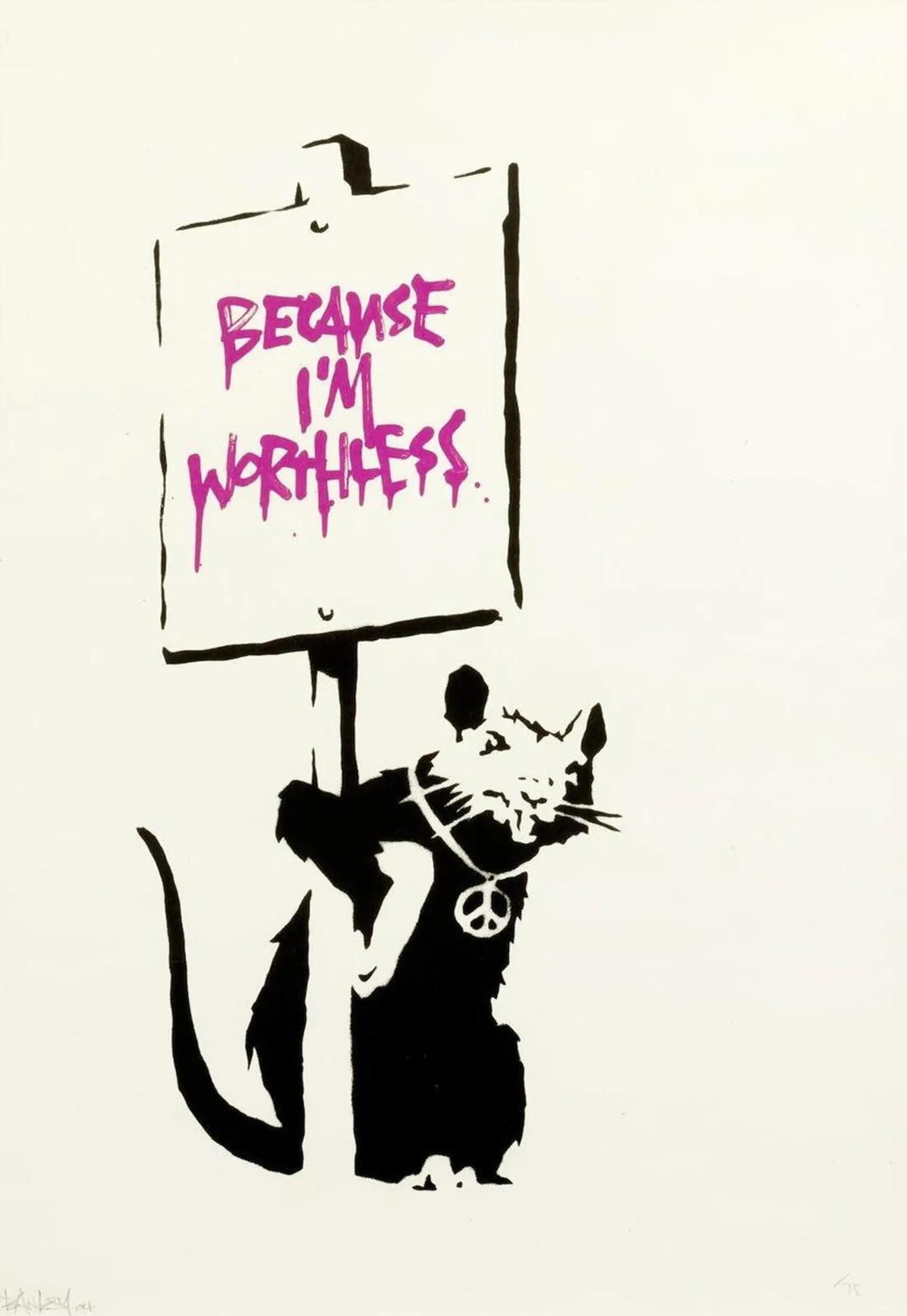
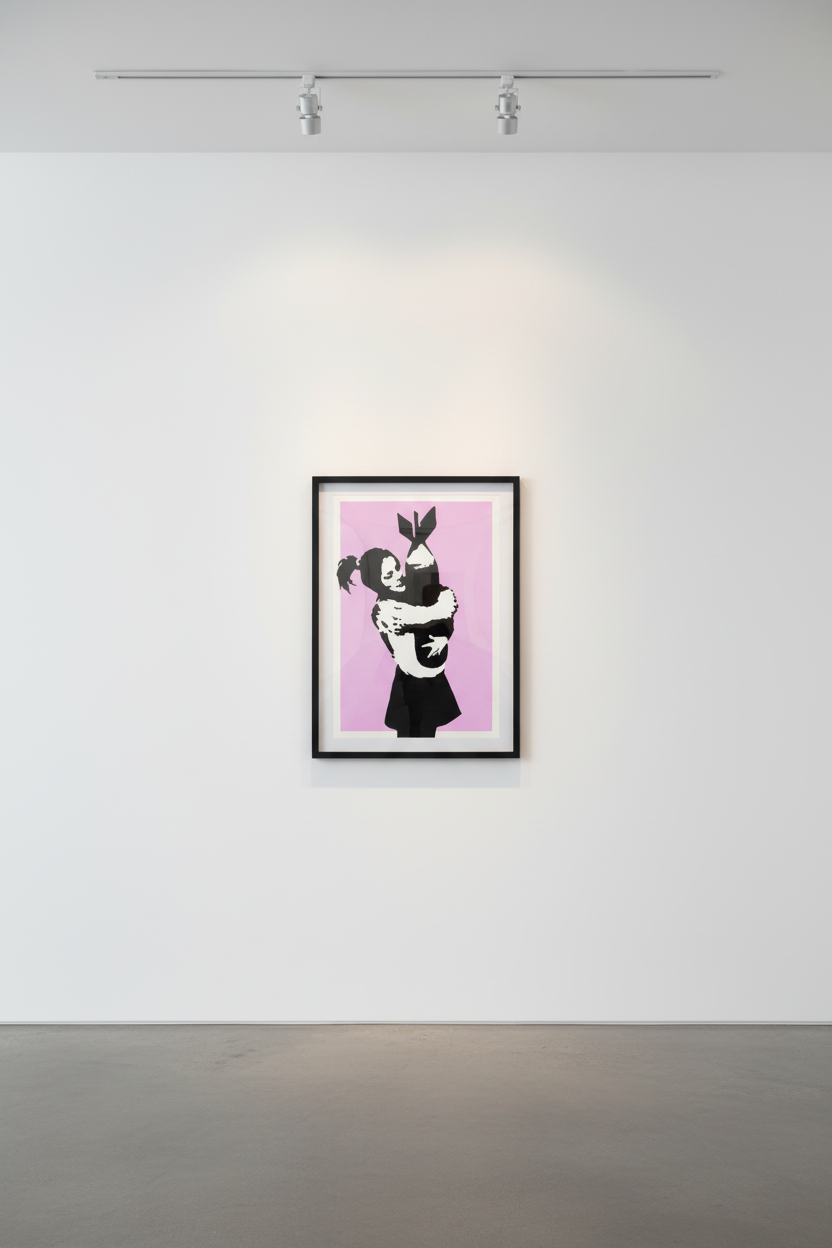
Explore Banksy prints for sale at Guy Hepner: (Fr)agile, Applause, Banksquiat, Barcode, Because I'm Worthless.
Related Series