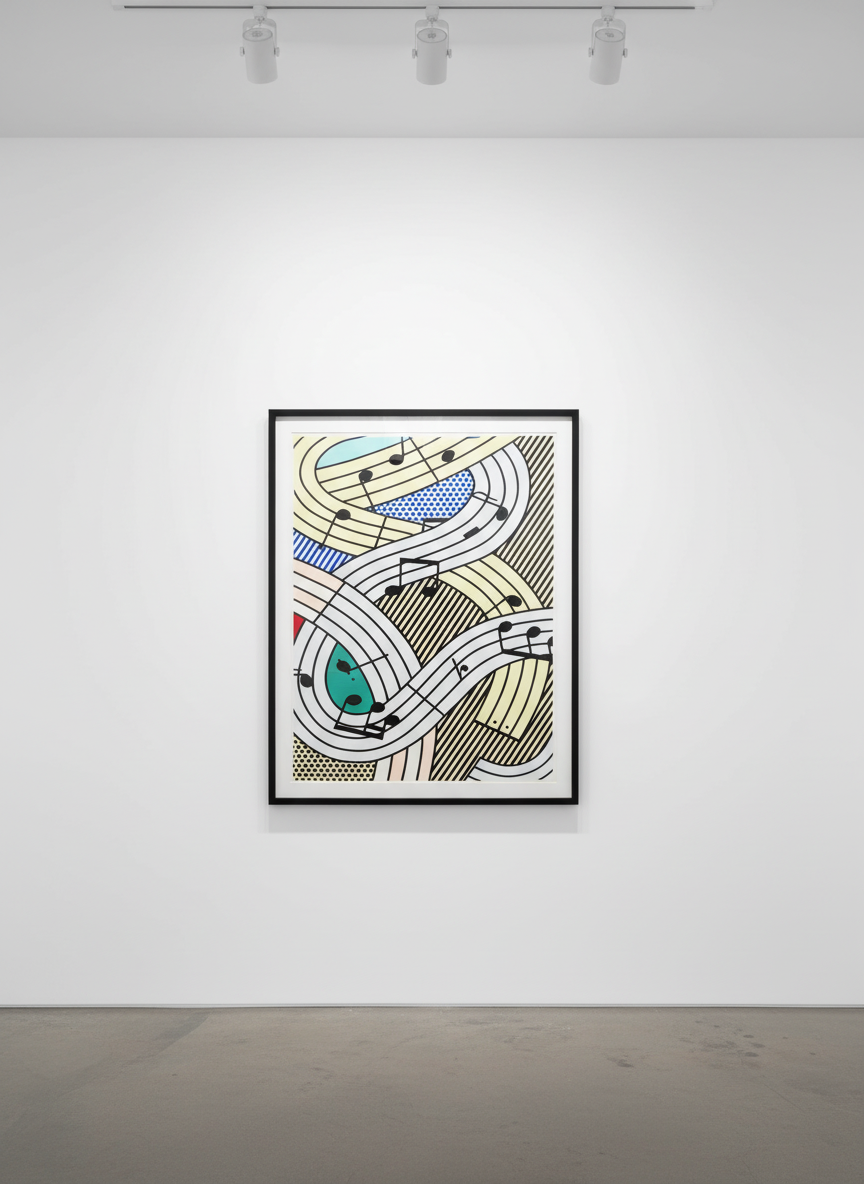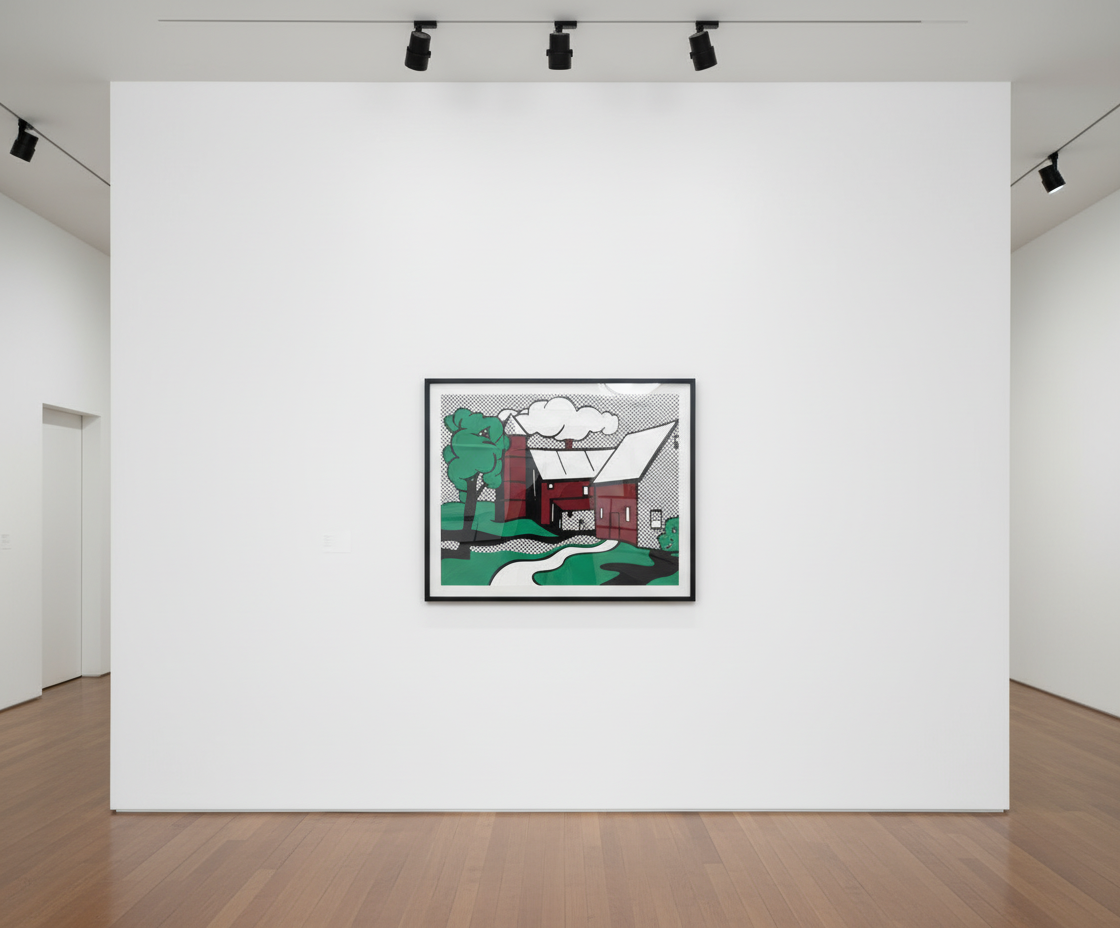
Red Barn

May 23, 2026
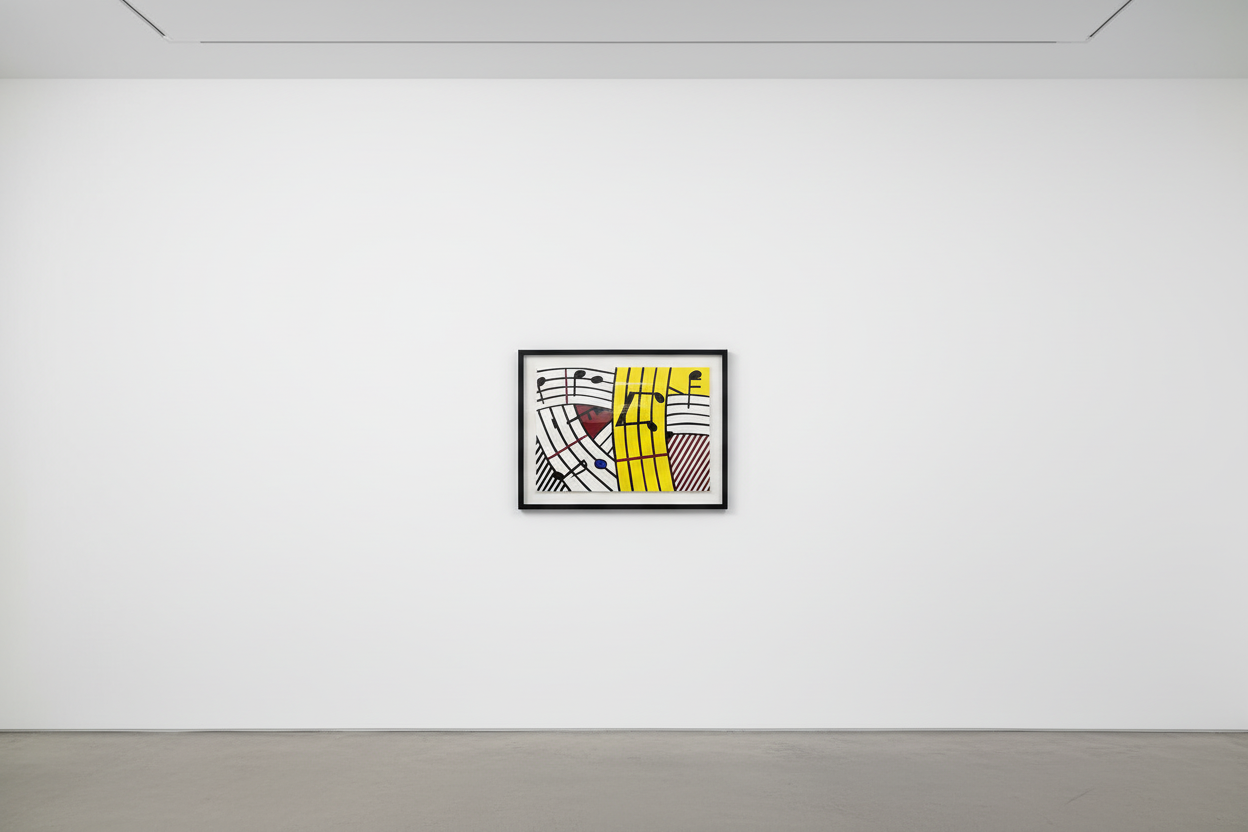
Among the defining visual strategies of Pop Art, none is more closely identified with a single artist than the Ben-Day dot with Roy Lichtenstein. While silkscreened celebrity portraits and consumer products often serve as the public face of the movement, Lichtenstein's monumental canvases featuring enlarged comic panels and meticulously hand-painted dots established another, equally crucial mode of engaging with mass media. His work represents a sophisticated interrogation of American visual culture - one that transformed the vernacular of commercial printing into a language of high art that continues to captivate collectors and institutions worldwide.
To fully appreciate Roy Lichtenstein's enduring significance, one must understand both the origins of his signature techniques in commercial printing and how their artistic appropriation fundamentally challenged prevailing notions of originality, authorship, and aesthetic value in postwar American culture.
The Ben-Day process, patented in 1879 by American illustrator Benjamin Henry Day Jr., was a cost-saving innovation in commercial printing. By overlaying small, evenly spaced dots of varying density and color, printers could create gradients, tonal variations, and blended hues without the expense of continuous-tone printing. The technique became central to newspapers, advertisements, and especially comic books, where cost-efficiency was paramount. These dots were never meant to be seen - they were functional elements designed to disappear into the perceived image at normal reading distance.
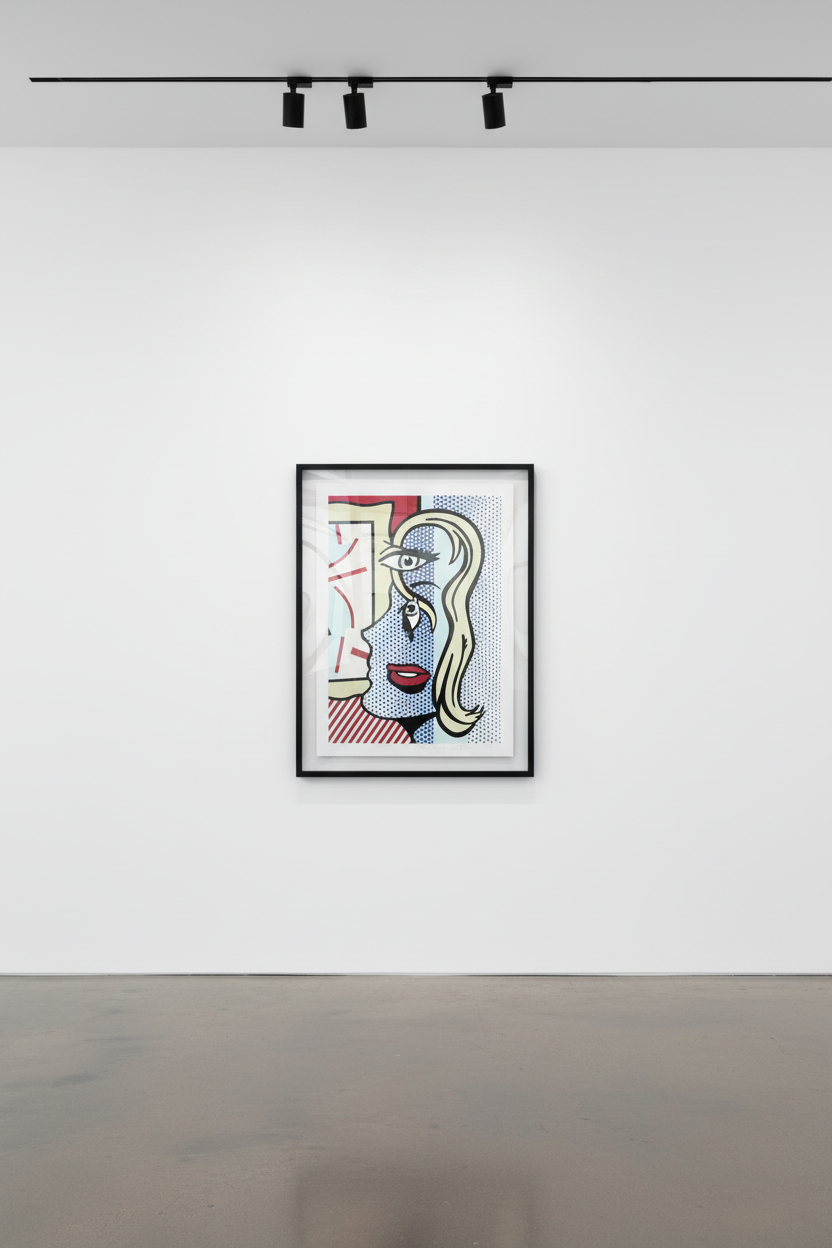
Roy Lichtenstein's genius lay in making the invisible visible. Beginning in 1961, he began isolating and enlarging these mechanical printing artifacts to monumental scale, transforming what was essentially industrial shorthand into the very subject of his paintings. Unlike mechanical reproduction, Lichtenstein painstakingly hand-painted each dot using perforated metal stencils, creating works that simultaneously referenced mass production while embodying the singular touch of the artist's hand. This tension between the mechanical and the handmade became central to understanding his contribution to contemporary art.
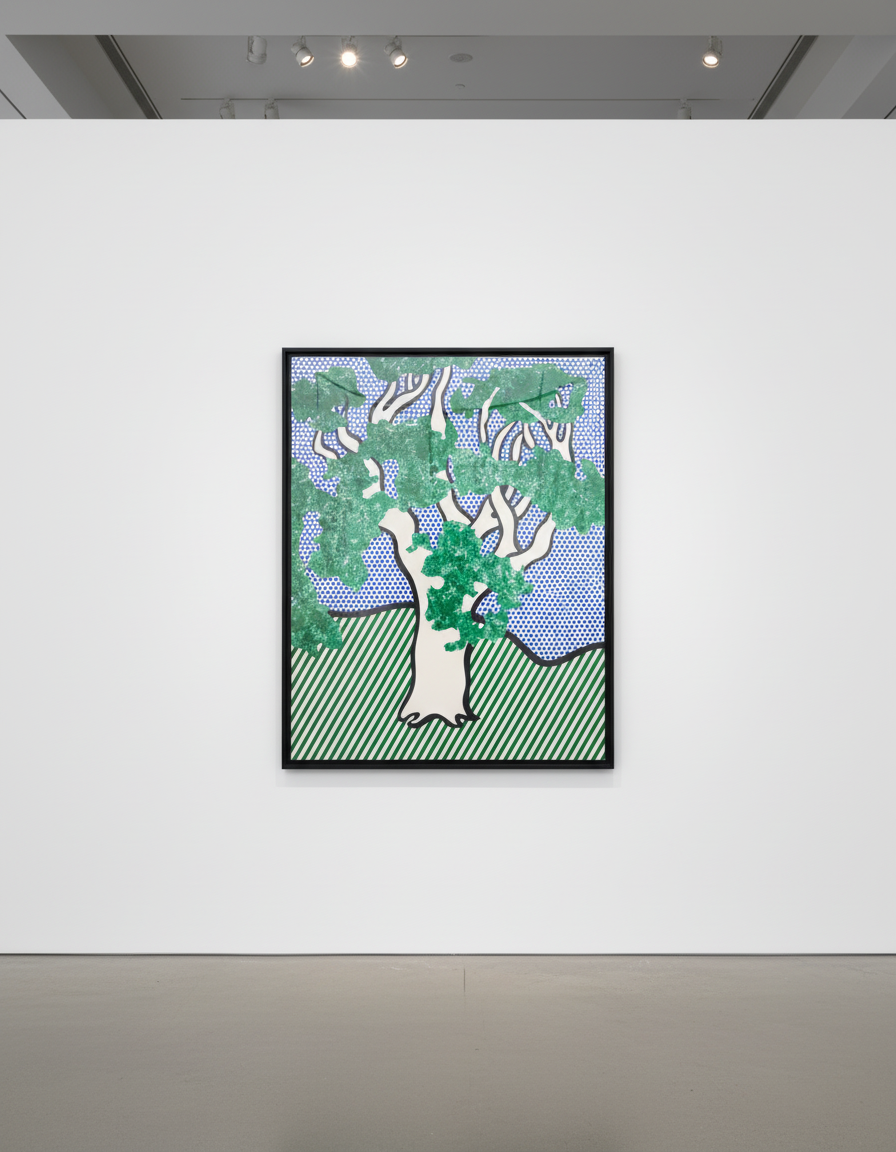
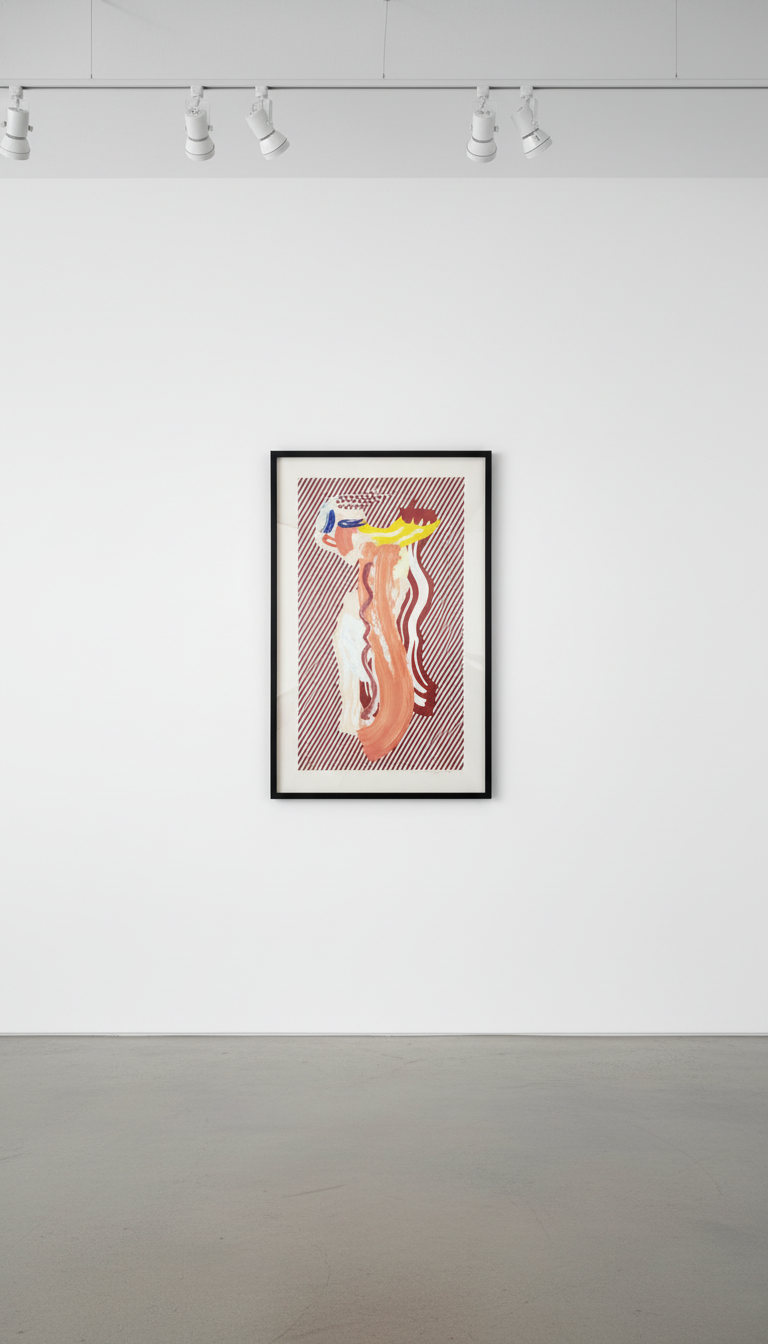
Rainforest (C. 278) — Roy Lichtenstein. Available at Guy Hepner, New York.
His early comic-derived works such as the iconic "As I Opened Fire" triptych exemplify this approach with extraordinary power. Drawn from panels depicting aerial combat, the work transforms ephemeral pulp imagery into a meditation on violence, heroism, and the aestheticization of warfare in American popular culture. The deliberate flatness, bold primary colors, and graphic black outlines strip away any romantic notion of painterly expression while paradoxically creating something undeniably expressive and emotionally resonant.
Throughout his career spanning four decades, Roy Lichtenstein continuously expanded his visual vocabulary while maintaining the conceptual rigor that defined his earliest Pop works. His practice evolved from comic appropriations into increasingly sophisticated engagements with art history itself - reinterpreting works by Picasso, Mondrian, and the Abstract Expressionists through his distinctive dot-matrix filter. This meta-artistic commentary positioned Lichtenstein not merely as a Pop artist but as a profound theorist of representation and reproduction.
His "Bull" series from 1973 demonstrates this intellectual depth with remarkable clarity. Beginning with a relatively naturalistic rendering of a bull, Lichtenstein progressively abstracted the image across multiple iterations until arriving at pure geometric form. The series functions as both homage to and critique of modernist reduction - tracing in reverse the path from representation to abstraction that defined early twentieth-century avant-garde practice.
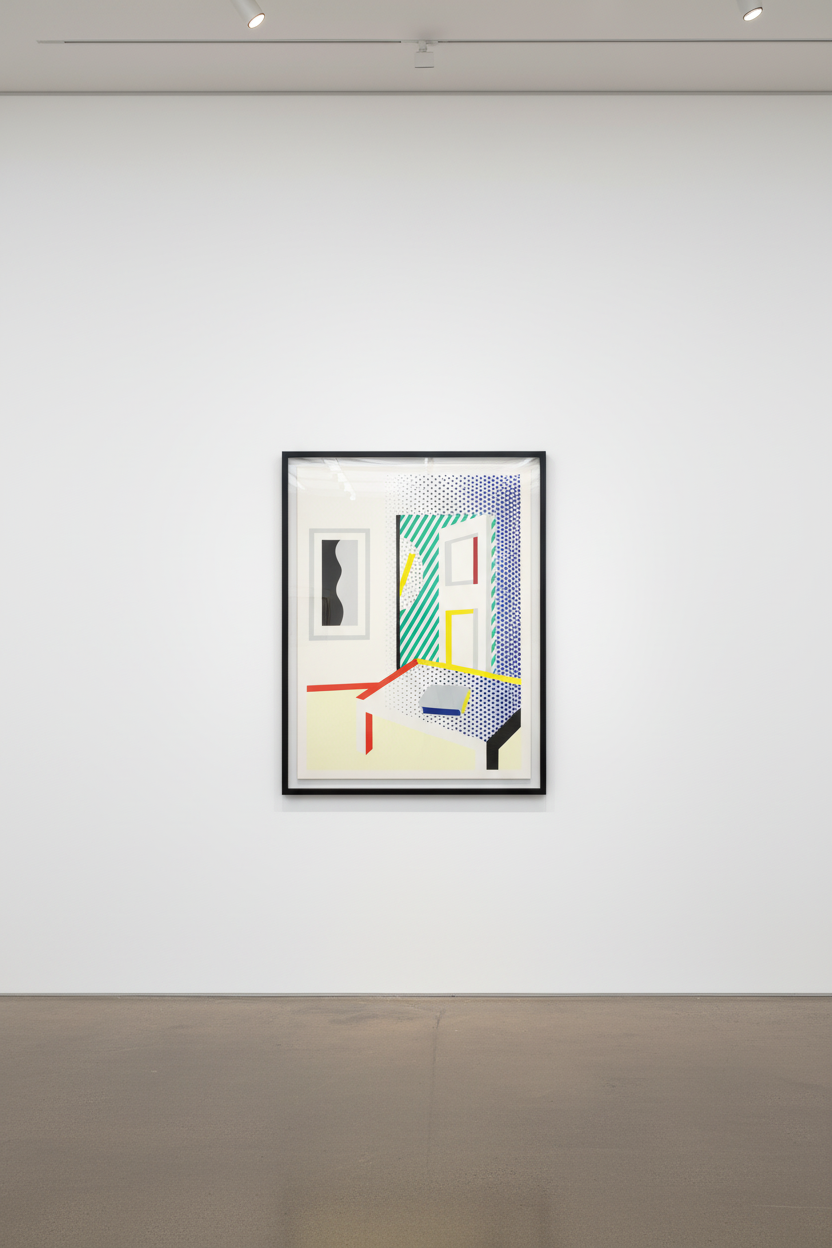
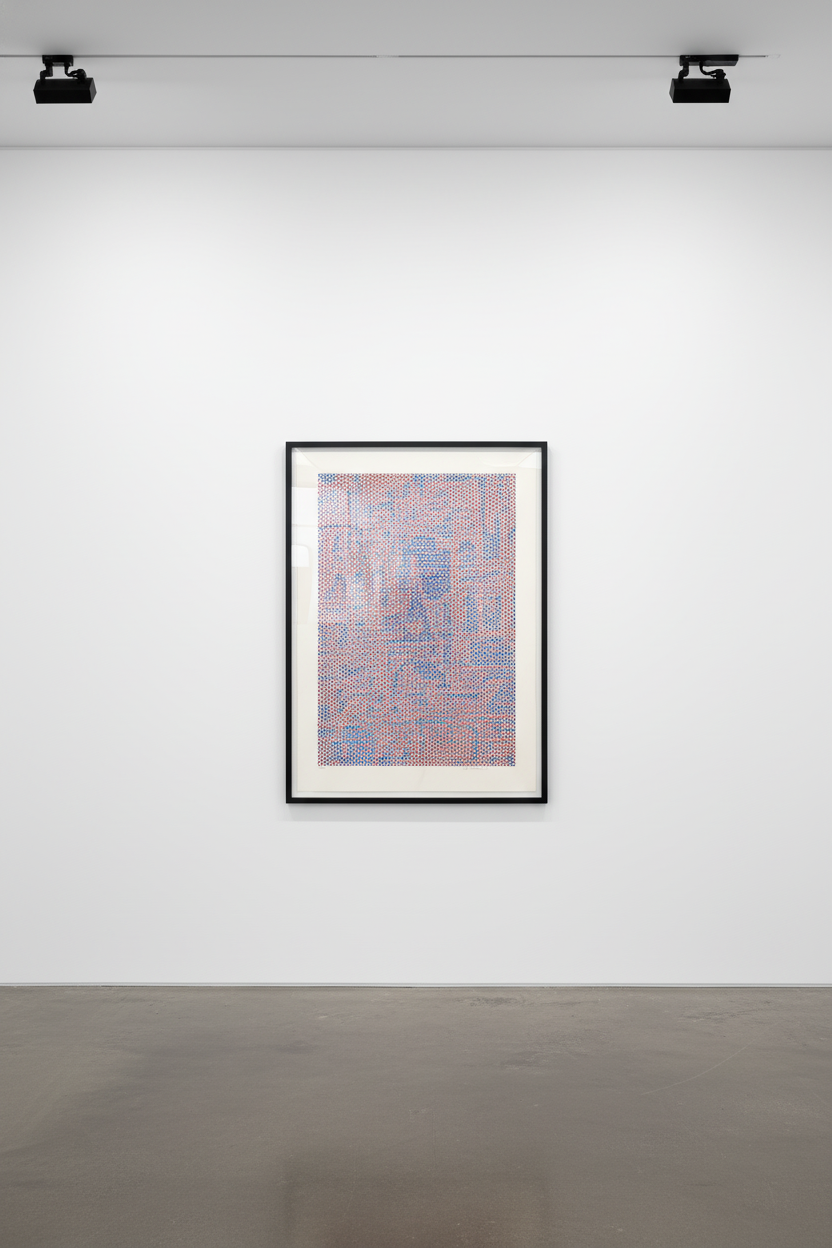
Virtual Interior With Book — Roy Lichtenstein. Available at Guy Hepner, New York.
Lichtenstein's later works, including his "Virtual Interior" series from the 1990s, reveal an artist continuously interrogating the boundaries between pictorial space and lived experience. These complex compositions collapse multiple perspectives and artistic references into single images, demonstrating his sustained engagement with questions of perception, reproduction, and the mediation of experience through visual culture. Works from this period show Lichtenstein at his most philosophically ambitious, creating images that function simultaneously as pictures of spaces and spaces of pictures.
His commitment to social and political engagement, evidenced by works such as "Against Apartheid," reveals dimensions of Lichtenstein's practice often overlooked in purely formal analyses. Here, his signature style serves explicitly activist ends, demonstrating how his visual language could be mobilized for urgent contemporary causes while maintaining its aesthetic integrity.
The market for Roy Lichtenstein's work has demonstrated remarkable strength and sustained growth over the past two decades. According to data tracked by Art Basel and UBS in their annual art market reports, Post-War and Contemporary art - the category encompassing Lichtenstein's oeuvre - consistently represents the largest segment of global auction sales. Lichtenstein himself ranks among the most sought-after artists at auction, with major works regularly achieving prices in the tens of millions of dollars at Christie's and Sotheby's.
His 1964 painting "Nurse" achieved $95.4 million at Christie's in 2015, while numerous other works have established records that underscore his position at the pinnacle of the postwar canon. Beyond these headline-generating results, Lichtenstein's prints and editions have demonstrated consistent collector demand, offering accessibility to his visual language at various price points while maintaining strong appreciation potential.
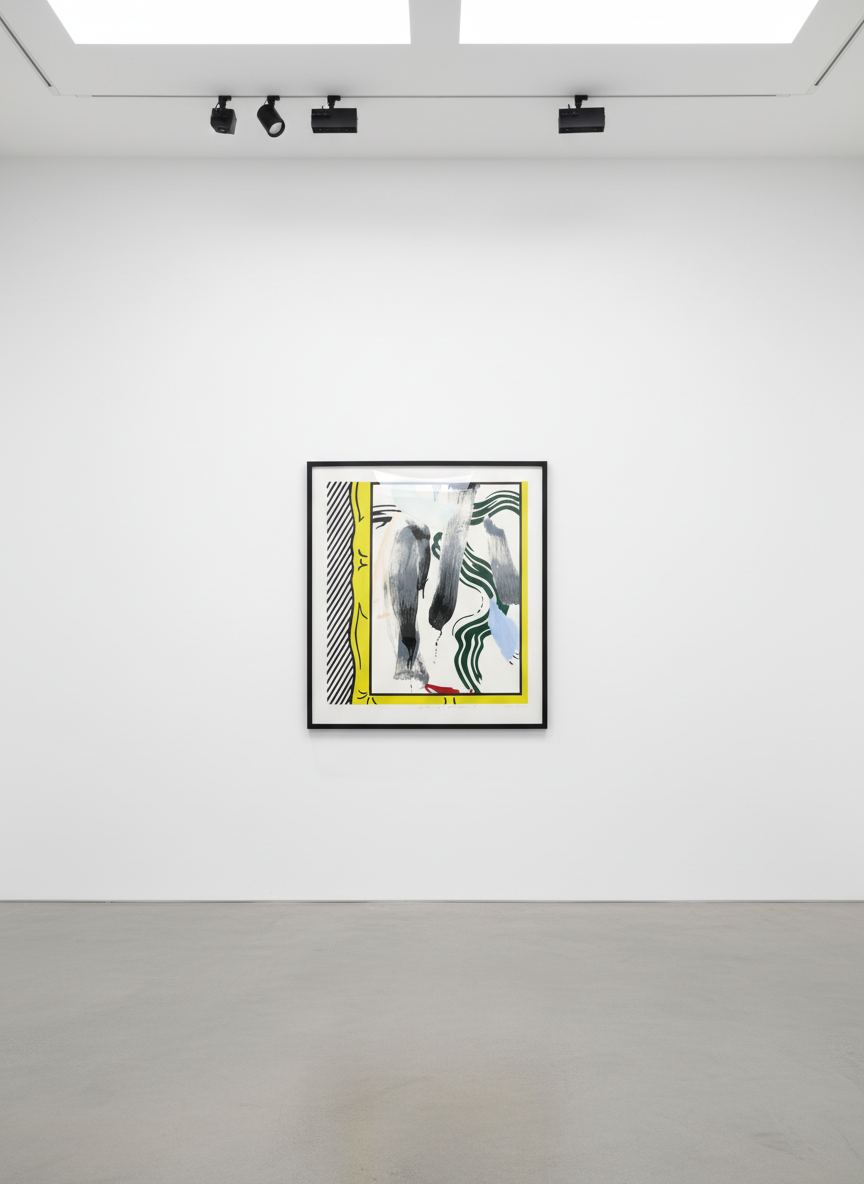
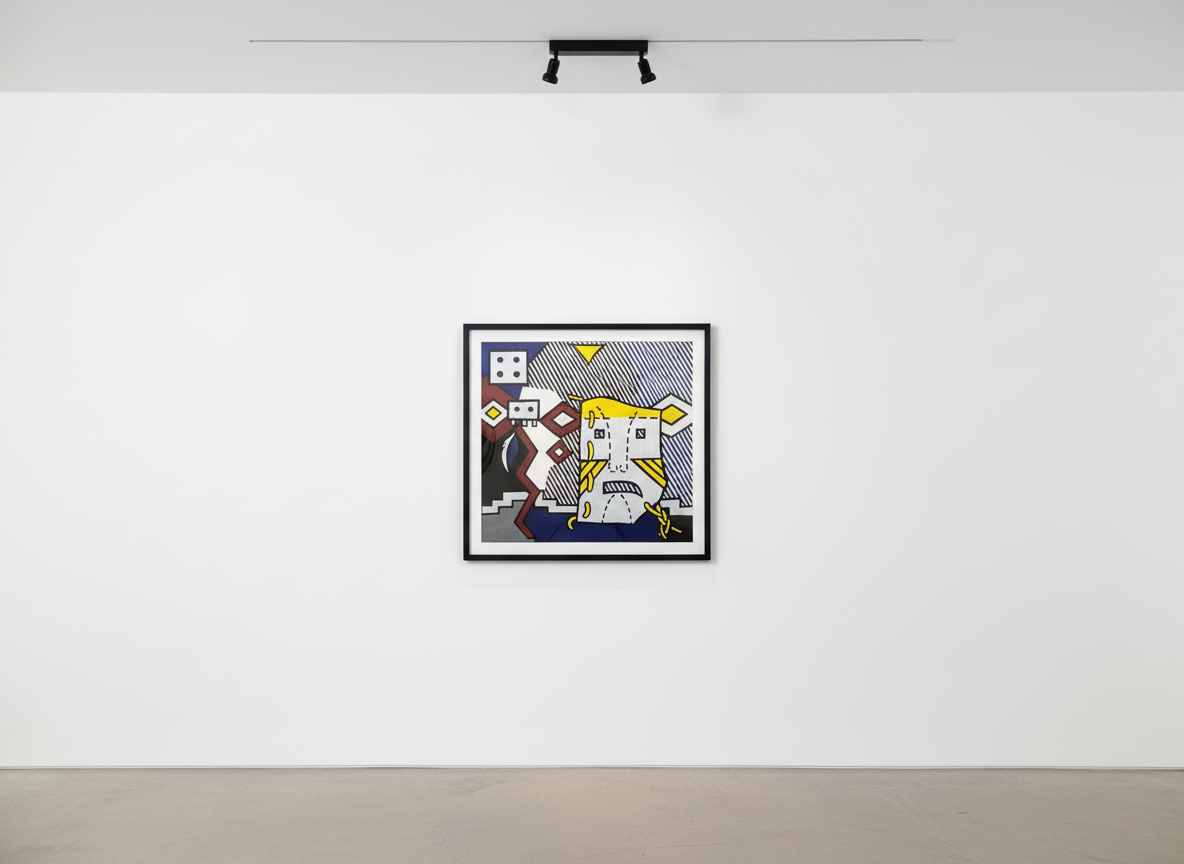
Against Apartheid (C. 200) — Roy Lichtenstein. Available at Guy Hepner, New York.
For collectors, Roy Lichtenstein represents more than investment potential - his works embody a pivotal moment in the history of art when the boundaries between high culture and mass media were permanently dissolved. Owning a Lichtenstein means possessing a fragment of this cultural revolution, a tangible connection to one of the most intellectually rigorous and visually compelling bodies of work produced in the twentieth century. His influence extends across contemporary practice, from appropriation art to digital aesthetics, making his historical significance impossible to overstate.
Guy Hepner is proud to offer exceptional works by Roy Lichtenstein, including significant prints and editions that exemplify his revolutionary approach to image-making. Our gallery provides collectors with access to authenticated works accompanied by comprehensive provenance documentation and expert guidance. Whether you are establishing a foundation in Pop Art or seeking a specific work to complement an existing collection, our specialists offer personalized consultation to ensure each acquisition meets the highest standards of quality and significance. We invite you to contact Guy Hepner to explore available works by Roy Lichtenstein and discover how his transformative vision might enhance your collection.
--- **Browse Roy Lichtenstein prints** at Guy Hepner: [Roy Lichtenstein art for sale](/roy-lichtenstein) | [Sell your Lichtenstein](/sell/roy-lichtenstein)Explore Roy Lichtenstein prints for sale at Guy Hepner: Red Barn, American Indian Theme, Art Critic, Brushstrokes, Cathedral.
Related Series