Flower Paintings

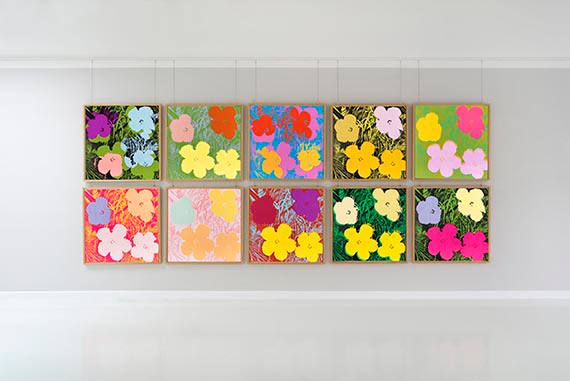
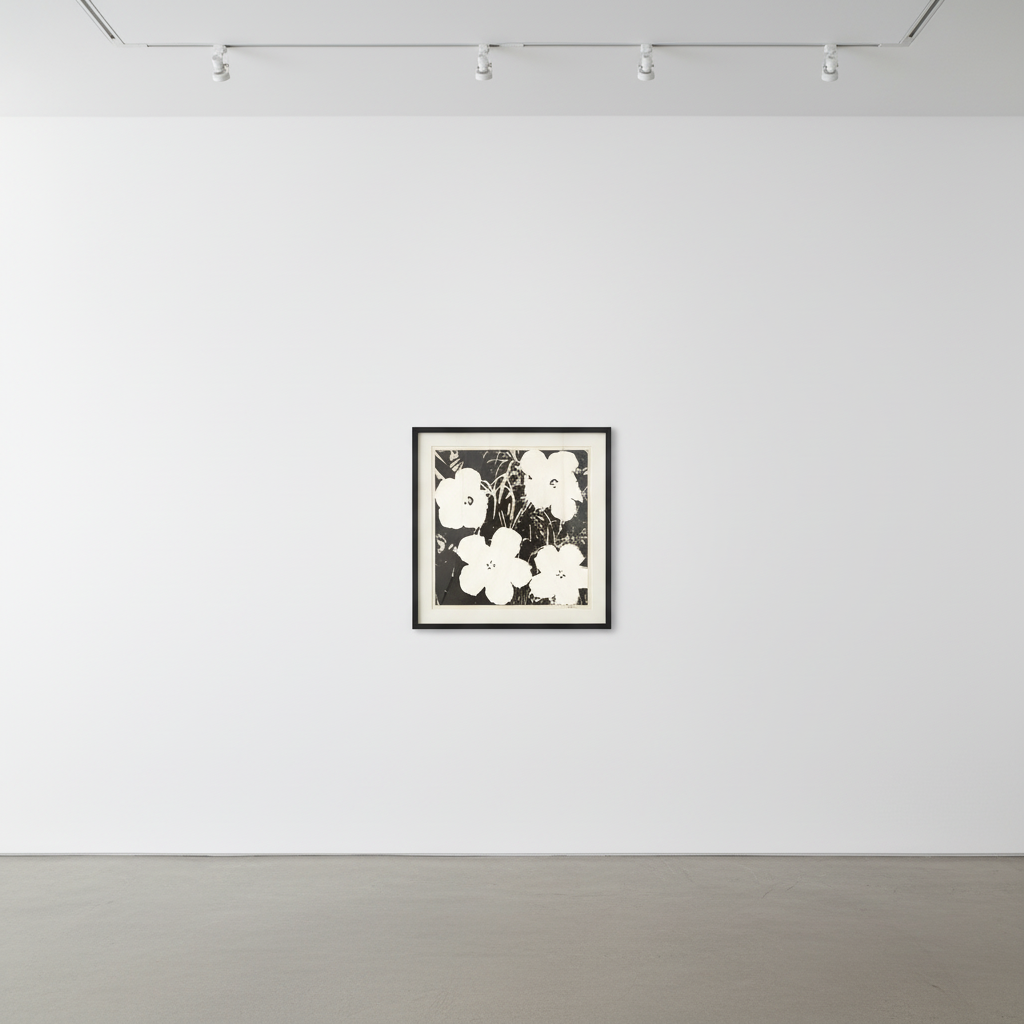
Andy Warhol transformed the simple image of a flower into one of the most recognizable and sought-after motifs in contemporary art history. His Flowers series, which debuted in 1964, represents a pivotal moment in the artist's career and continues to captivate collectors worldwide. These vibrant, screen-printed blossoms occupy a unique space within Warhol's extensive body of work - simultaneously accessible and enigmatic, decorative yet profoundly conceptual. At Guy Hepner, we recognize the enduring significance of Warhol's Flowers as essential works that embody the revolutionary spirit of the Pop Art movement while maintaining remarkable relevance in today's art market.
Andy Warhol's Flowers evoke a virtual, almost painful calmness. They appear to exist solely on the surface, captured in their static hues, embodying a singular transformation fundamental to Warhol's artistic philosophy - fleeting moments frozen in time. These flower images were conceived for the common person, encapsulating Warhol's extraordinary knack for crystallization and offering a direct path to stylization that invites both psychological introspection and serves as a fleeting symbol of beauty.
The series originated from a photograph of hibiscus blossoms published in a 1964 issue of Modern Photography, captured by photographer Patricia Caulfield. Warhol appropriated this image - a characteristic move that would later spark legal controversy - cropping it dramatically and intensifying its colors in deliberate defiance of natural hues. He then reproduced the composition repeatedly using his signature silk-screen technique, creating variations that ranged from intimate canvases to monumental wall-sized installations. This mechanical reproduction process, which Warhol famously executed in his studio known as The Factory, allowed him to produce multiple iterations while maintaining the conceptual framework that defined his practice.
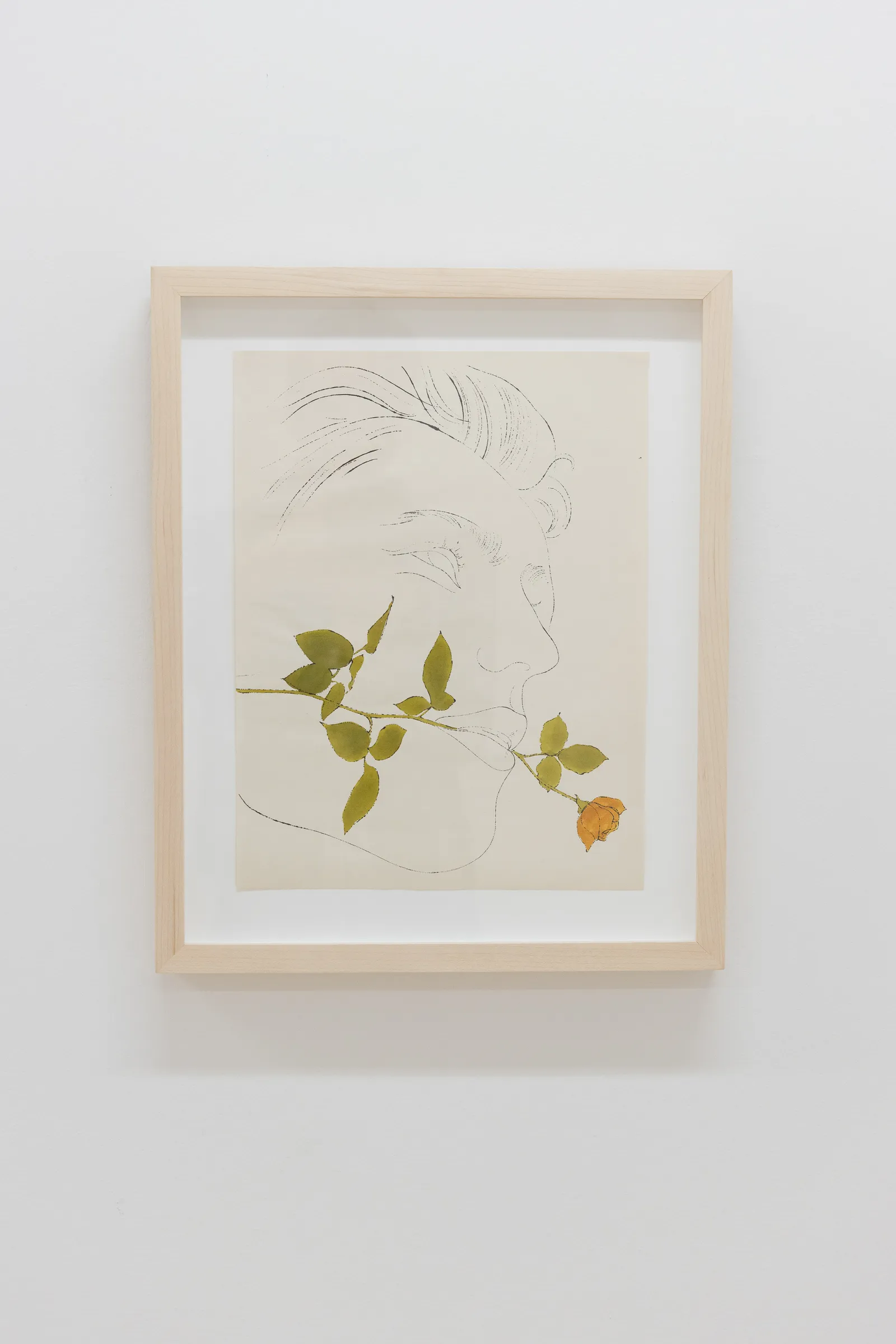
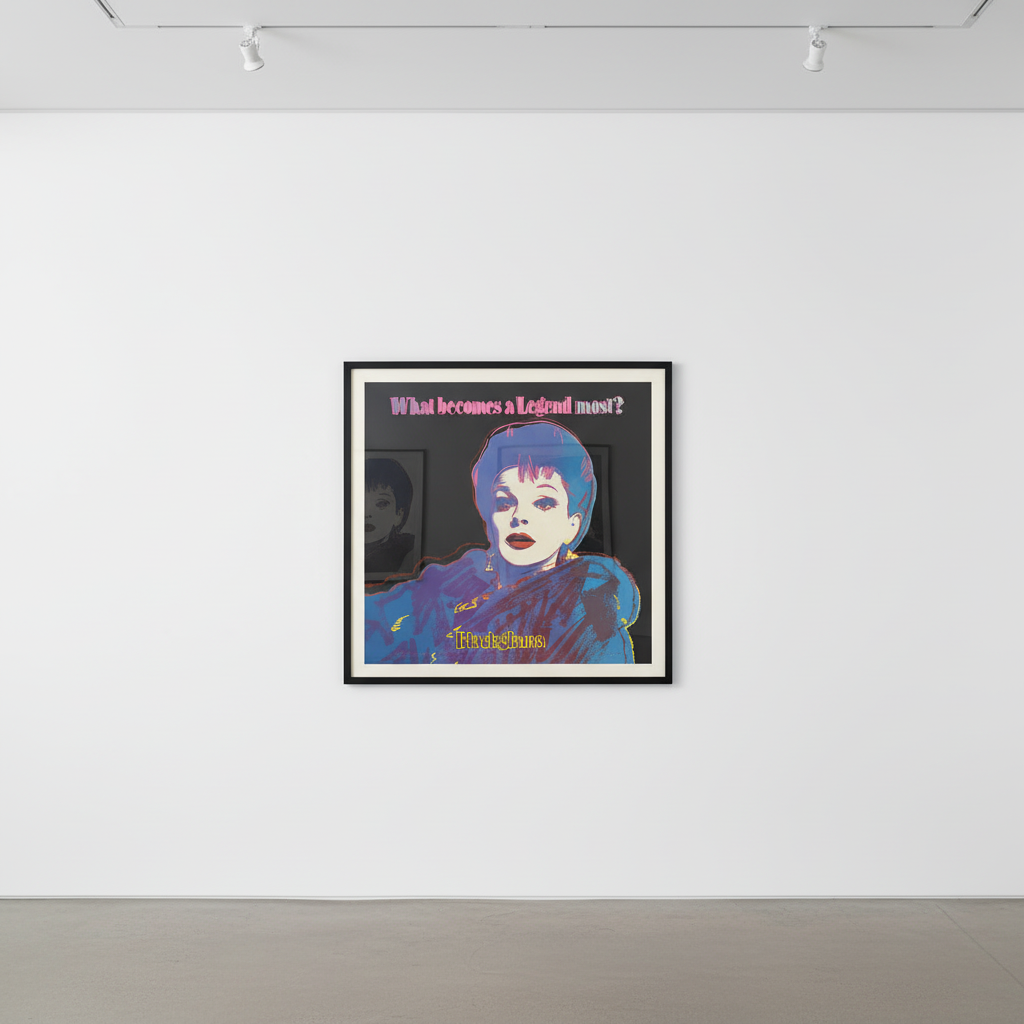
Ladies and Gentlemen (Wilhelmina Ross) — Andy Warhol. Available at Guy Hepner, New York.
While today Andy Warhol Flowers are seen as quintessential to his iconography, they originally marked a significant departure from the commercial and celebrity imagery - like Campbell's Soup cans and Marilyn Monroe portraits - that were establishing his reputation in the early 1960s. The shift toward natural subject matter surprised many observers who had come to associate Warhol exclusively with consumer culture and fame. Yet this transition revealed the artist's sophisticated understanding of how any image, regardless of its origin, could be transformed through repetition and manipulation into a commentary on perception, reproduction, and the nature of art itself.
Beneath their decorative appeal, Warhol's Flowers carry a deeper metaphorical weight, hinting at themes of mortality that permeated much of his work. Just as flowers in classical still-life painting served as memento mori - reminders of life's transience - Warhol's blossoms exist in tension between vitality and death. The flattened forms, stripped of three-dimensional depth, suggest pressed flowers preserved beyond their natural lifespan. Like Warhol's depictions of disasters and catastrophes from his Death and Disaster series, his Flowers steadfastly resist philosophical transformation while drawing ever nearer to themes of impermanence.
The chromatic choices Warhol employed were deliberately artificial and psychologically charged. Vivid magentas, electric blues, and acidic yellows replaced the subtle gradations found in nature, creating images that vibrated with synthetic energy. This color manipulation aligned with the broader Pop Art agenda of examining how mass media and commercial printing altered visual experience. The Flowers became simultaneously more beautiful and more alienating than their natural counterparts - perfect artifacts of an increasingly image-saturated culture.
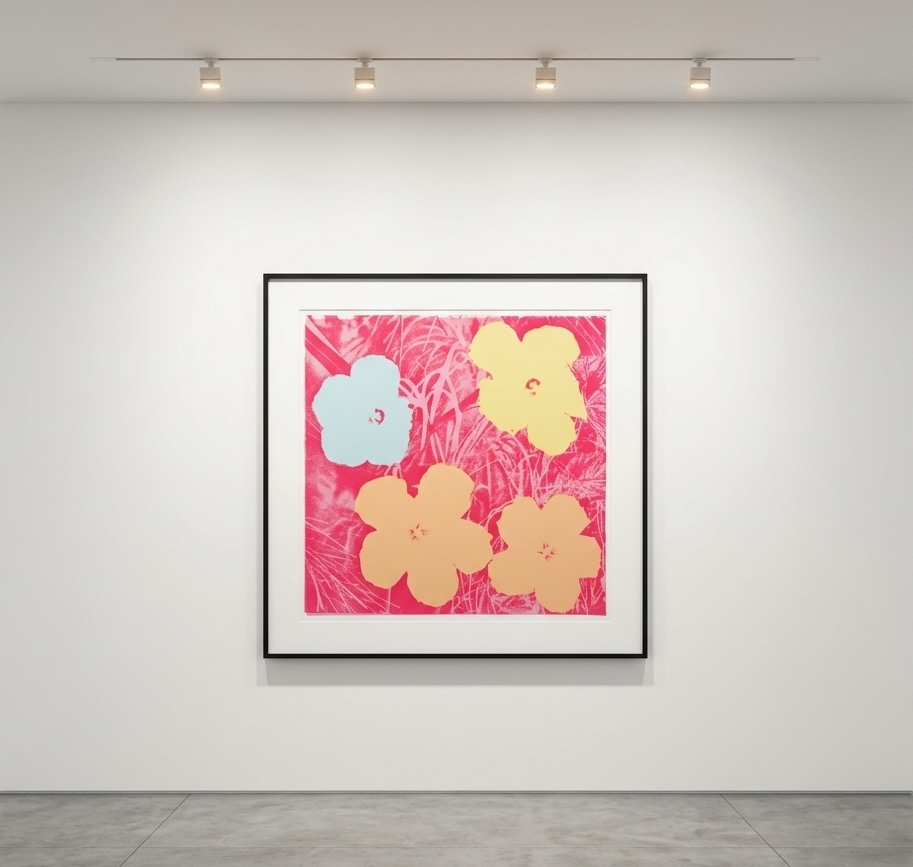
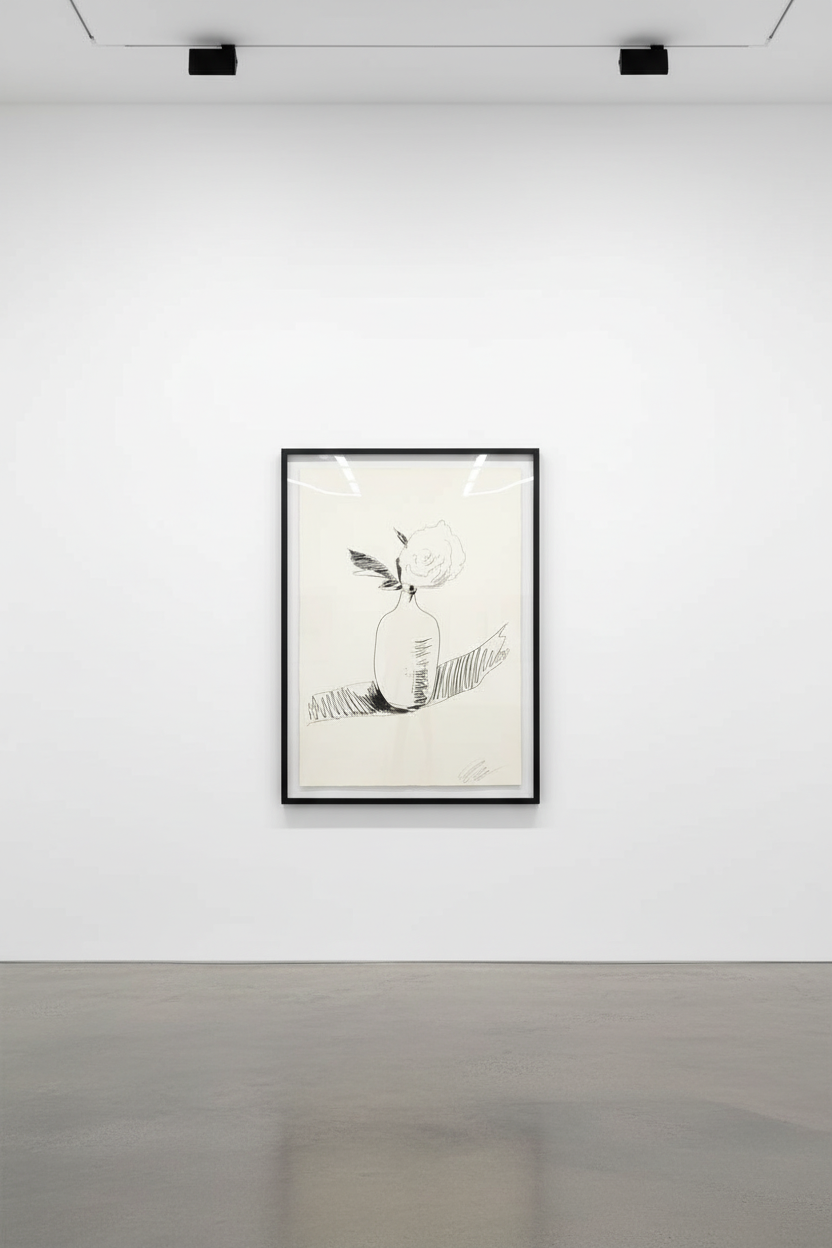
Self - Portrait F.S. IIIA 10 — Andy Warhol. Available at Guy Hepner, New York.
Warhol's approach to the Flowers series also demonstrated his mastery of seriality as an artistic strategy. By presenting multiple variations of the same image, he challenged traditional notions of originality and uniqueness that had long governed the art market. Each iteration, while mechanically reproduced, possessed subtle differences in color registration, ink density, and surface quality that rendered it individual. This tension between sameness and difference became central to understanding not only Warhol's practice but also the broader implications of image reproduction in the modern era.
The market for Andy Warhol Flowers has demonstrated remarkable strength and consistency over decades, reflecting both the series' art historical importance and its enduring visual appeal. According to data compiled by Art Basel and UBS in their annual art market reports, works by Andy Warhol consistently rank among the highest-grossing at auction, with the Flowers series representing a significant portion of this activity. Christie's and Sotheby's have featured major examples from the series in their evening sales, where exceptional works have achieved prices reflecting their status as icons of twentieth-century art.
Collectors are drawn to Andy Warhol Flowers for multiple reasons. The series offers an accessible entry point into Warhol's practice while simultaneously representing some of his most sophisticated conceptual thinking. Unlike portraits of specific celebrities, which carry associations tied to particular cultural moments, the Flowers possess a timeless quality that allows them to integrate seamlessly into diverse collecting contexts. Their decorative properties make them versatile additions to both private residences and corporate collections, while their art historical significance satisfies collectors seeking works of scholarly importance.
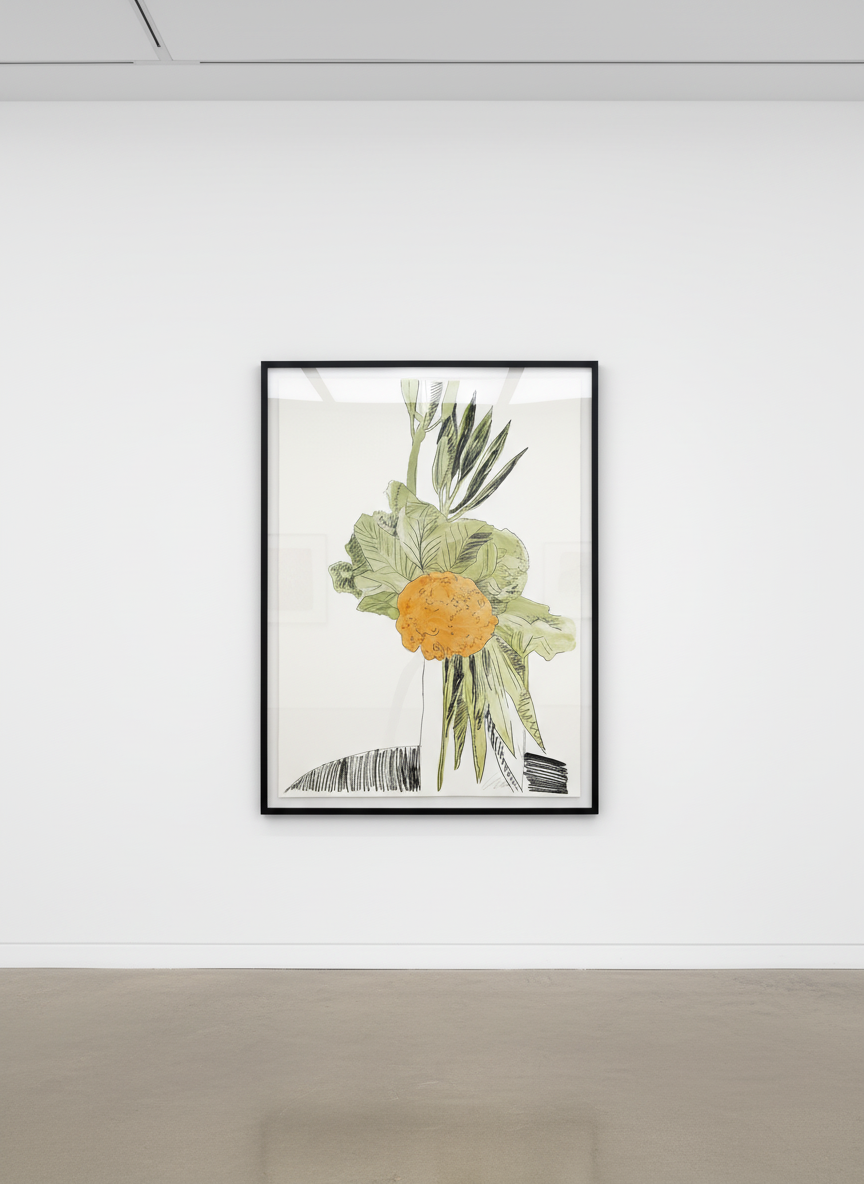
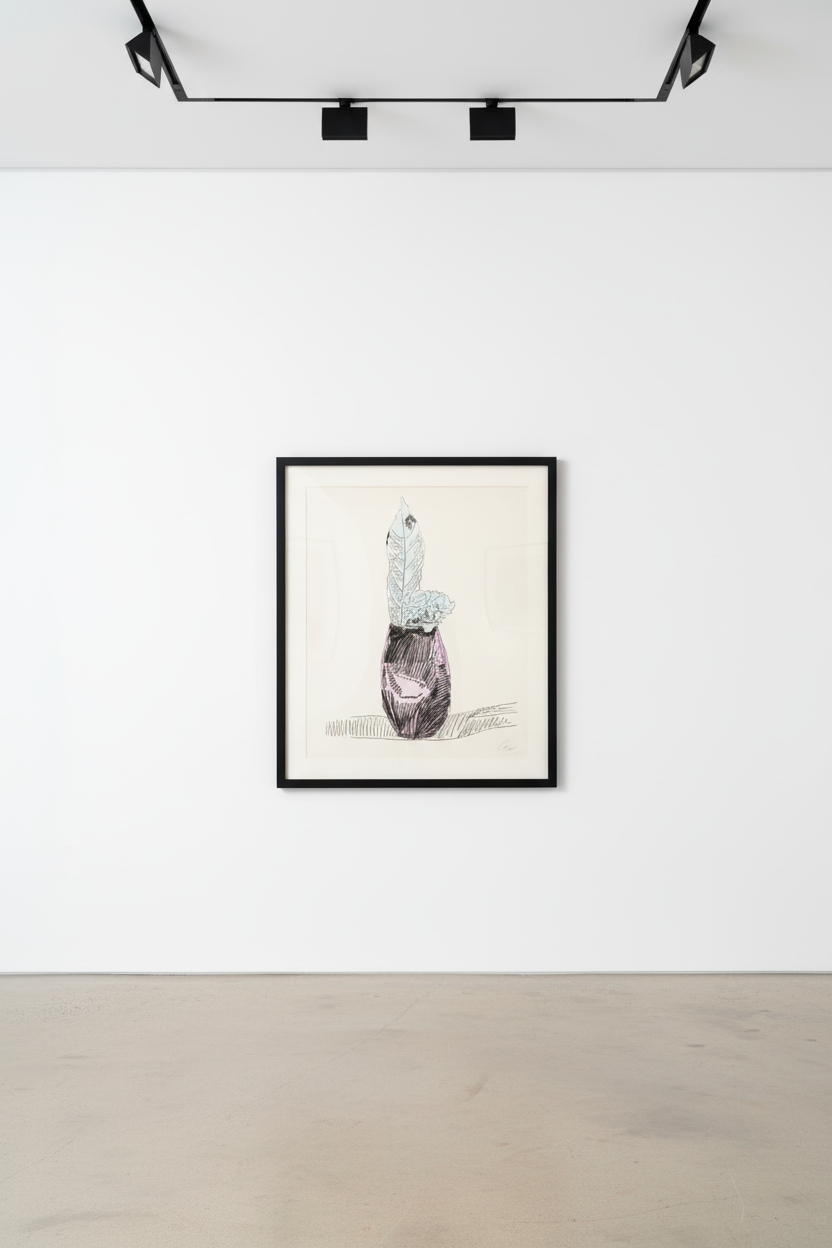
Camouflage Trial Proof TP 4/84 — Andy Warhol. Available at Guy Hepner, New York.
The range of formats in which Warhol produced his Flowers - from unique paintings to portfolios of screen prints - creates opportunities for collectors at various levels of the market. Print editions, while more accessible than unique canvases, maintain strong value due to Warhol's status and the series' popularity. Provenance, condition, and color variation significantly impact market performance, with certain palette combinations commanding premium prices based on rarity and collector preference.
Guy Hepner is proud to offer exceptional examples of Andy Warhol's work, including pieces that exemplify the artistic innovation and cultural significance that define his legendary practice. Our gallery maintains relationships with distinguished private collections and estates, enabling us to source works of impeccable provenance and condition. Whether you are an established collector seeking a museum-quality Flowers canvas or a new collector exploring the print market, our expert team provides personalized guidance throughout the acquisition process. We invite you to contact Guy Hepner to discuss available works by Andy Warhol and discover how these extraordinary pieces can become the centerpiece of your collection.
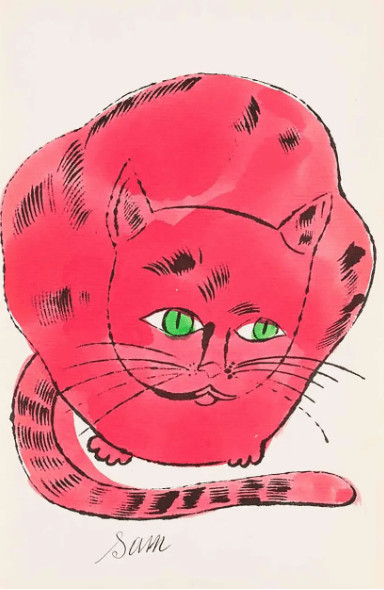
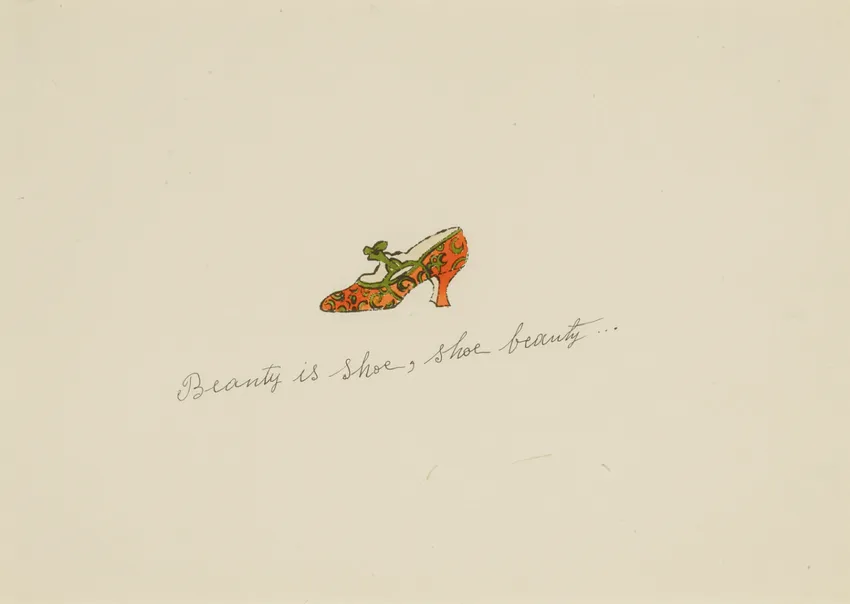
--- **Browse Andy Warhol prints** at Guy Hepner: [Andy Warhol art for sale](/andy-warhol) | [Sell your Warhol](/sell/andy-warhol)Explore Andy Warhol prints for sale at Guy Hepner: Flower Paintings, Flowers 1970, 25 Cats Named Sam, A Gold Book, A La Recherche Du Shoe Perdu.
Related Series