Cow Wallpapers

Andy Warhol stands as one of the most influential artists of the twentieth century, a visionary who fundamentally altered the trajectory of contemporary art. As the leading figure of the Pop Art movement, Warhol possessed an extraordinary ability to transform mundane subjects into profound artistic statements that continue to resonate with collectors and institutions worldwide. Among his most celebrated and conceptually radical works, Andy Warhol's Cow Wallpapers represent a pivotal moment in the artist's career - a bold declaration that challenged traditional notions of fine art while simultaneously celebrating and critiquing the commercial landscape of post-war America.
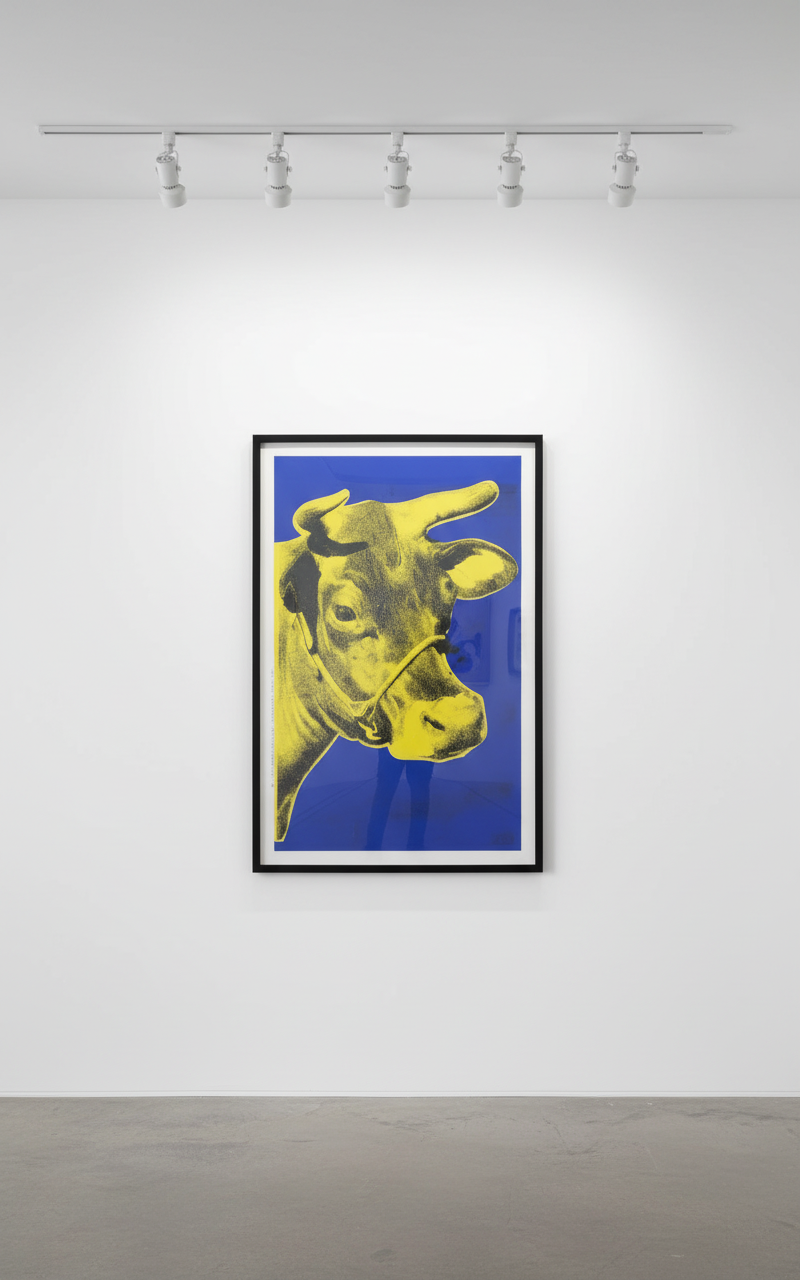
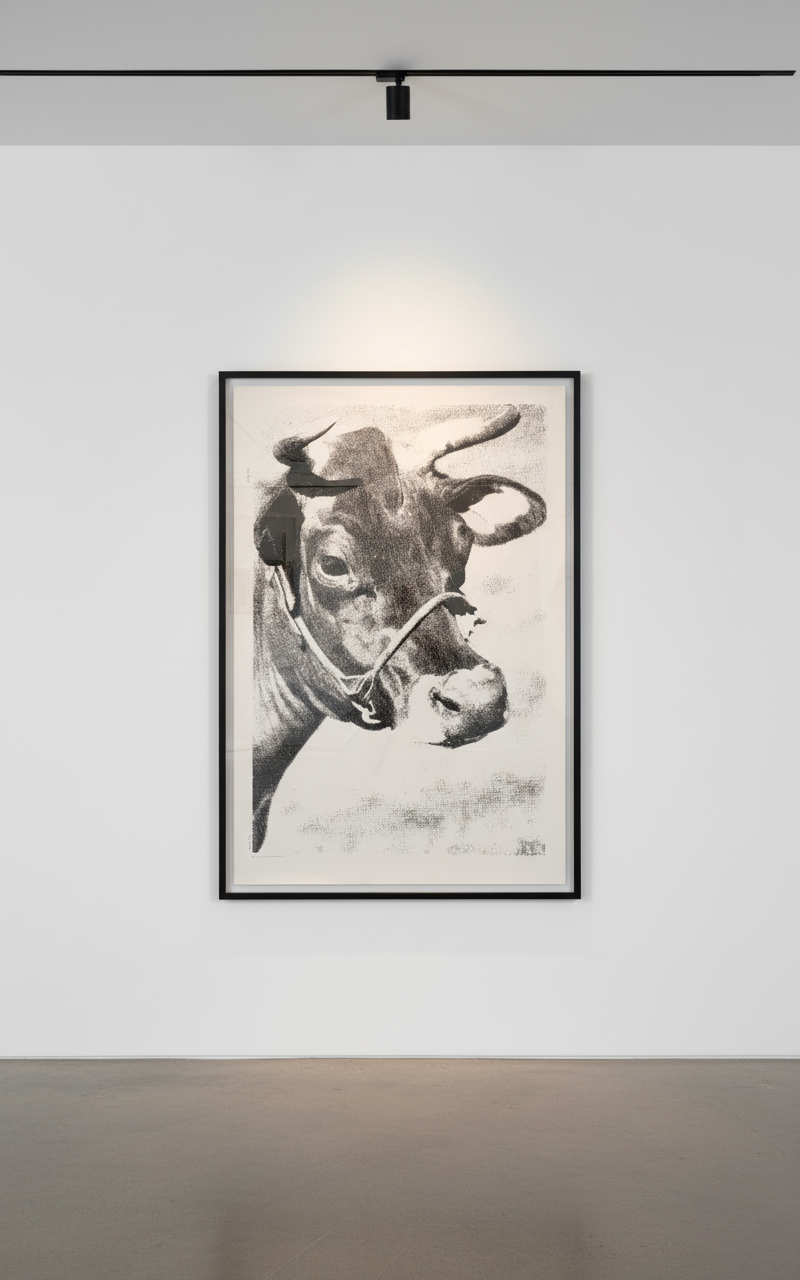
The Cow Wallpapers emerged during a particularly experimental period in Warhol's practice, produced between 1966 and 1976 in various iterations that demonstrated the artist's evolving relationship with repetition, color, and commercial imagery. The genesis of this iconic series came from an unexpected source - Warhol's dealer Ivan Karp suggested he create something pastoral, something that represented the most basic and unglamorous subject imaginable. In characteristically Warholian fashion, the artist embraced this challenge with irreverent enthusiasm, selecting a photograph of a cow's head as his source material and transforming it into one of the most recognizable images in contemporary art history.
What distinguished Andy Warhol's Cow Wallpapers from conventional portraiture or still life was the artist's deliberate subversion of artistic hierarchies. By presenting livestock - traditionally considered the lowest subject in academic art - through the elevated medium of screen printing and installing it as decorative wallpaper, Warhol collapsed the boundaries between high art and commercial design. The first iteration appeared in vivid pink and yellow, a color combination that was simultaneously garish and captivating, demanding attention while refusing to conform to conventional aesthetic expectations.
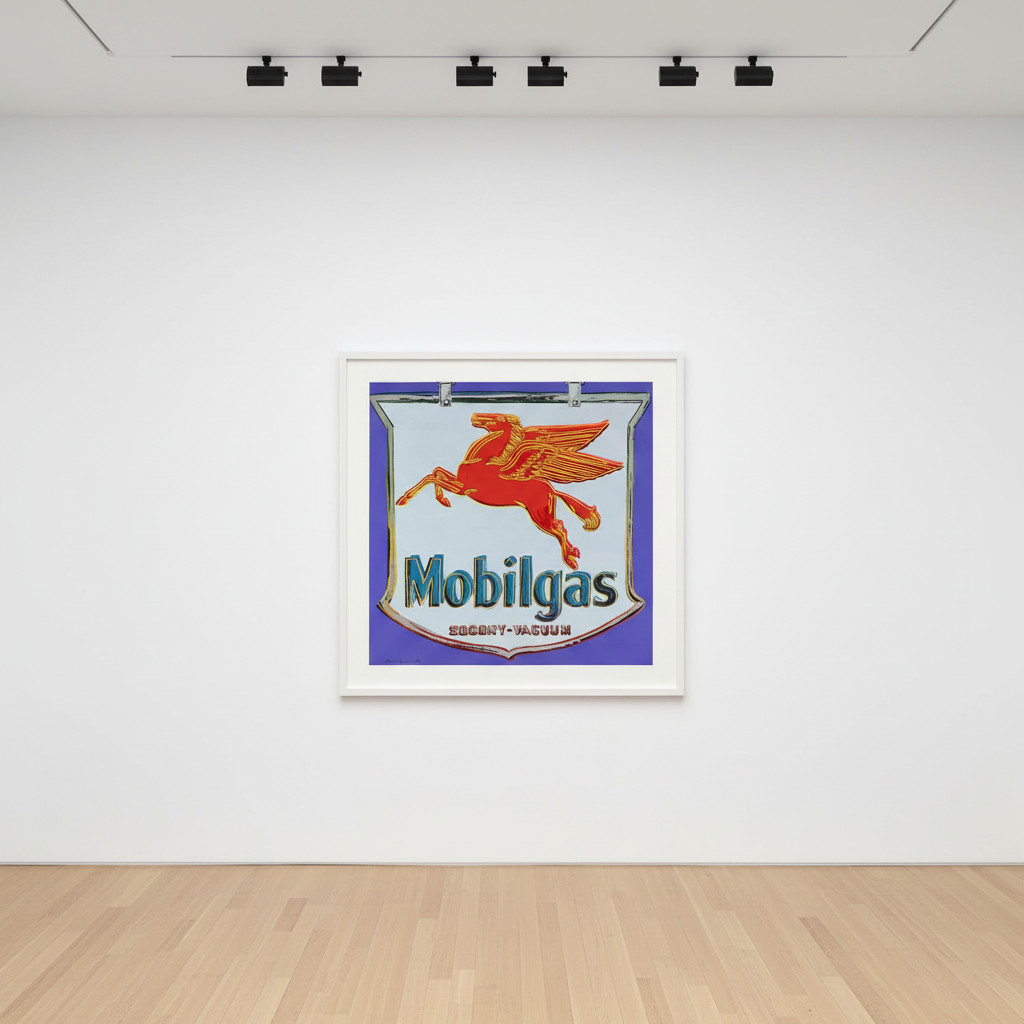
Shadows V (Red and Blue) ` — Andy Warhol. Available at Guy Hepner, New York.
Andy Warhol's Cow Wallpapers showcased the artist's masterful command of screen printing techniques, a medium he had refined through his earlier commercial illustration work and subsequent fine art practice. The series demonstrated Warhol's understanding that mechanical reproduction could serve as a valid artistic methodology rather than a diminishment of creative authenticity. Each cow head was rendered with bold outlines and flat areas of saturated color, creating a graphic intensity that referenced both agricultural imagery and the visual language of advertising.
The wallpaper format itself represented a radical departure from traditional presentation methods. When Warhol debuted the Cow Wallpapers at Leo Castelli Gallery in 1966, he covered the entire exhibition space with the repeated bovine imagery, creating an immersive environment that anticipated installation art practices by decades. This presentation strategy reinforced Warhol's conceptual framework - the cow became simultaneously singular and infinite, individual and mass-produced, precious and disposable. Visitors found themselves surrounded by an endless repetition of the same placid bovine gaze, an experience that was at once humorous, disorienting, and philosophically provocative.
Throughout the following decade, Warhol returned to the Cow motif multiple times, producing variations in different color combinations including blue and green, yellow and pink, and purple iterations. Each colorway brought new dimensions to the familiar image, demonstrating how chromatic shifts could fundamentally alter emotional resonance while maintaining conceptual continuity. This serial approach became a hallmark of Warhol's practice, evident across his broader body of work from the Marilyn portraits to the Electric Chair series.
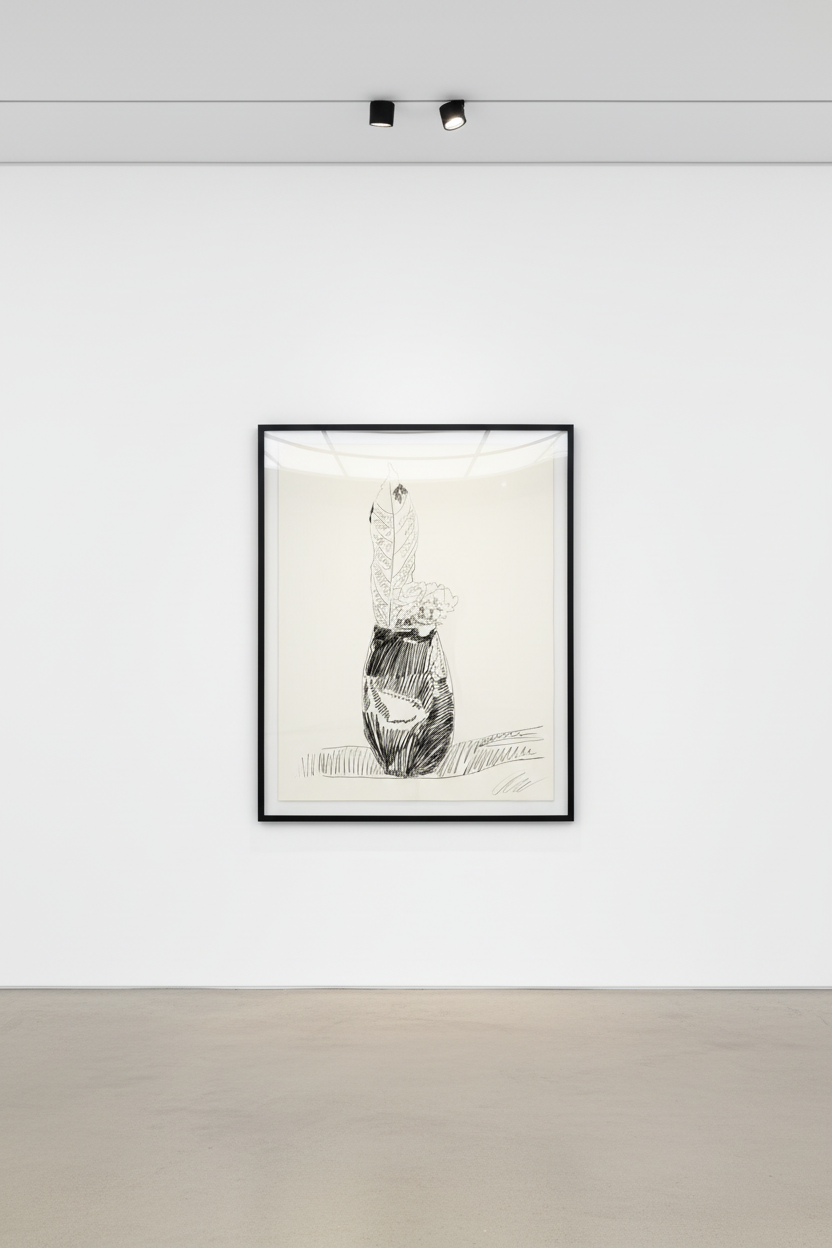
Goethe F.S. II 272 — Andy Warhol. Available at Guy Hepner, New York.
The market for Andy Warhol's Cow Wallpapers has demonstrated remarkable strength and sustained collector interest over recent decades. According to data from Christie's and Sotheby's auction results, Warhol's prints consistently rank among the most sought-after works on the secondary market, with the Cow series occupying a distinctive position due to its conceptual importance and relative accessibility compared to unique canvases. The Art Basel and UBS Global Art Market Report has repeatedly highlighted Warhol as one of the top-selling artists globally, with his print editions representing a significant portion of transaction volume.
Collectors are drawn to Andy Warhol's Cow Wallpapers for multiple compelling reasons. The series offers an entry point into Warhol's practice that combines visual impact with intellectual depth - these are works that function beautifully as decorative objects while simultaneously engaging with serious questions about originality, mass production, and the commodification of imagery. For institutional collectors, the Cow Wallpapers represent a crucial chapter in the development of Pop Art and conceptual practice. For private collectors, they offer the opportunity to live with a genuinely iconic Warhol image that brings joy, provokes conversation, and holds enduring cultural relevance.
The investment potential of Andy Warhol's Cow Wallpapers remains strong, supported by the artist's unassailable art historical position and the continued expansion of the global collector base for blue-chip contemporary art. As Sotheby's has noted in various market analyses, Warhol's works demonstrate consistent appreciation over extended holding periods, with print editions showing particular resilience during periods of market volatility due to their combination of recognizability, relative liquidity, and accessible price points compared to paintings.
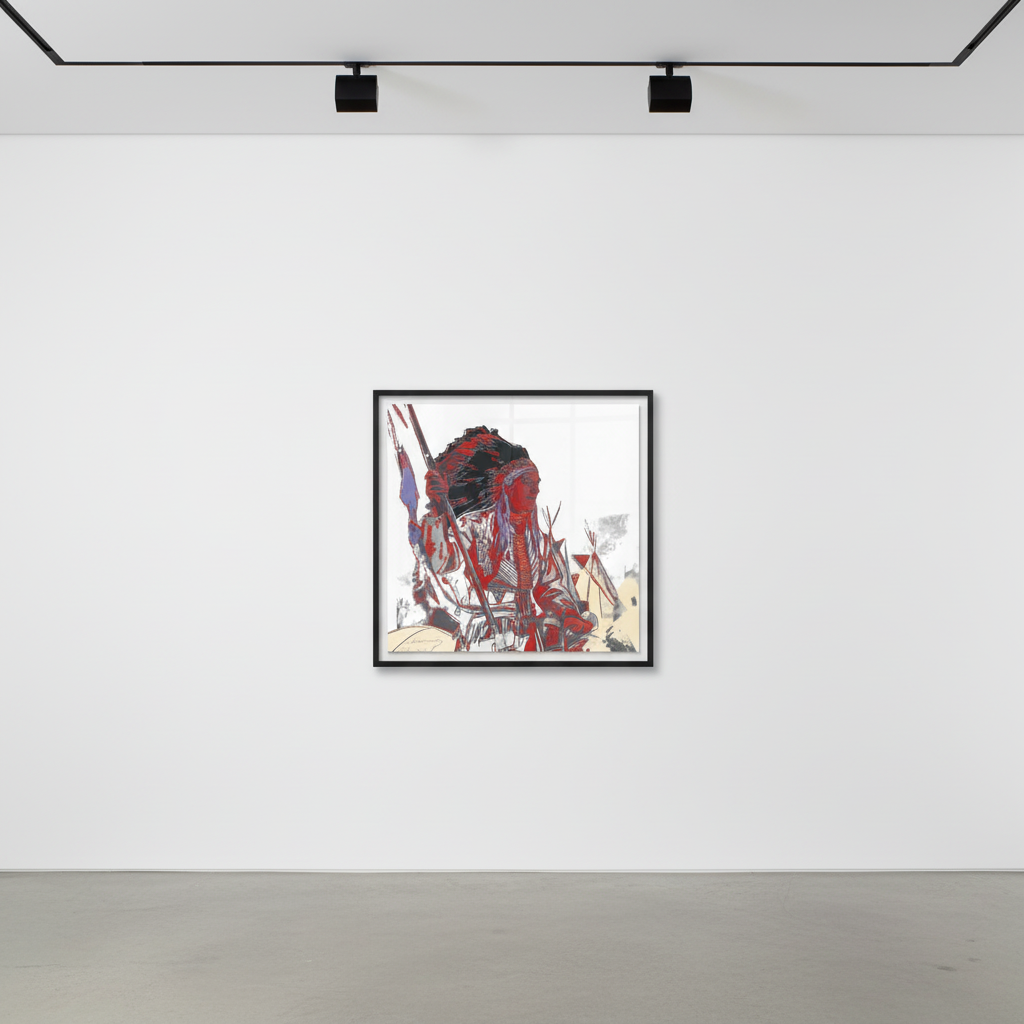
Sunset F.S. II 85 - 88 — Andy Warhol. Available at Guy Hepner, New York.
Andy Warhol's Cow Wallpapers continue to influence contemporary artistic practice and maintain their position as touchstones of post-war American art. The series anticipated many developments in contemporary art - from the appropriation strategies of the Pictures Generation to the immersive installations that dominate museum programming today. Warhol's decision to elevate the humble cow into an icon of Pop Art speaks to his genius for identifying subjects that simultaneously embodied and critiqued American culture.
The works remind us that Warhol's artistic intelligence extended far beyond surface-level provocation. In choosing the cow - an animal associated with pastoral tradition, agricultural industry, and commercial dairy production - Warhol selected a subject that could carry multiple layers of meaning without sacrificing immediate visual appeal. The Cow Wallpapers are at once a celebration of rural America and a commentary on its transformation through industrialization, a nostalgic image rendered through thoroughly modern techniques, a joke that reveals itself as something more profound upon sustained consideration.
Guy Hepner is proud to offer exceptional works by Andy Warhol, including pieces from significant series that demonstrate the artist's mastery of screen printing and his revolutionary approach to contemporary image-making. As a leading gallery specializing in blue-chip contemporary and Pop Art, Guy Hepner provides collectors with access to museum-quality Warhol works accompanied by comprehensive provenance documentation and expert guidance. We invite collectors to inquire about available Andy Warhol pieces and to discuss acquisition opportunities with our specialist team, who can assist in building collections that reflect both aesthetic vision and sound investment strategy.
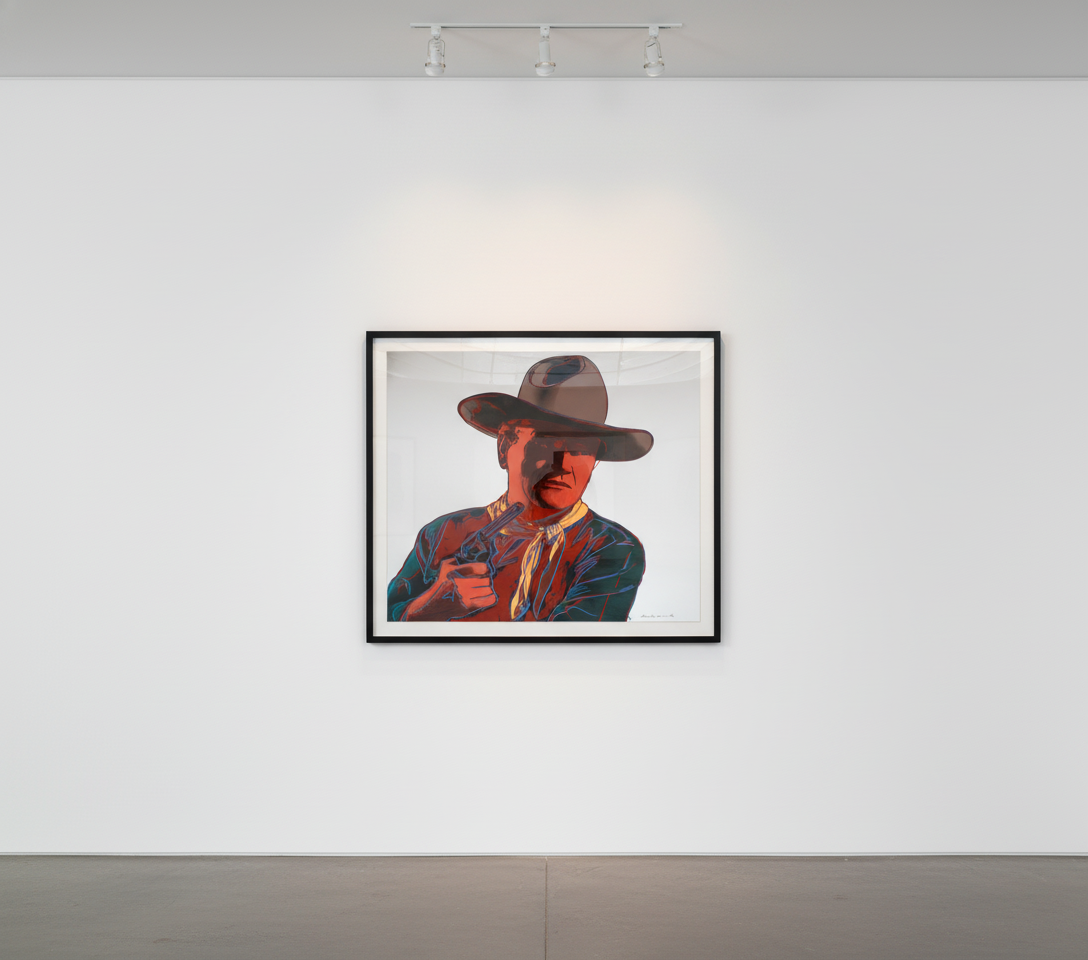
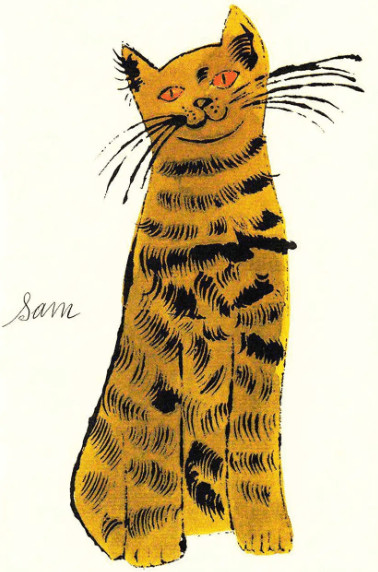
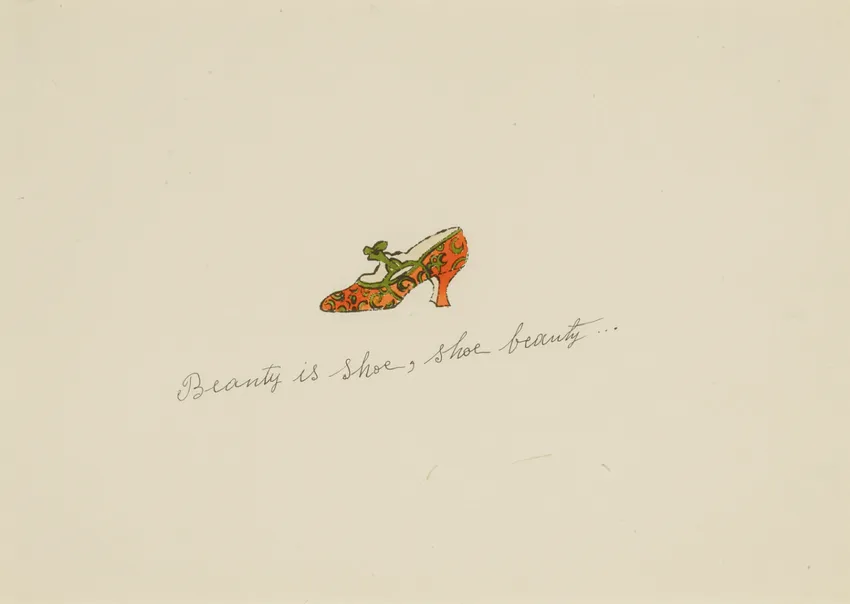
--- **Browse Andy Warhol prints** at Guy Hepner: [Andy Warhol art for sale](/andy-warhol) | [Sell your Warhol](/sell/andy-warhol)Explore Andy Warhol prints for sale at Guy Hepner: Cow Wallpapers, Cowboys and Indians, 25 Cats Named Sam, A Gold Book, A La Recherche Du Shoe Perdu.
Related Series