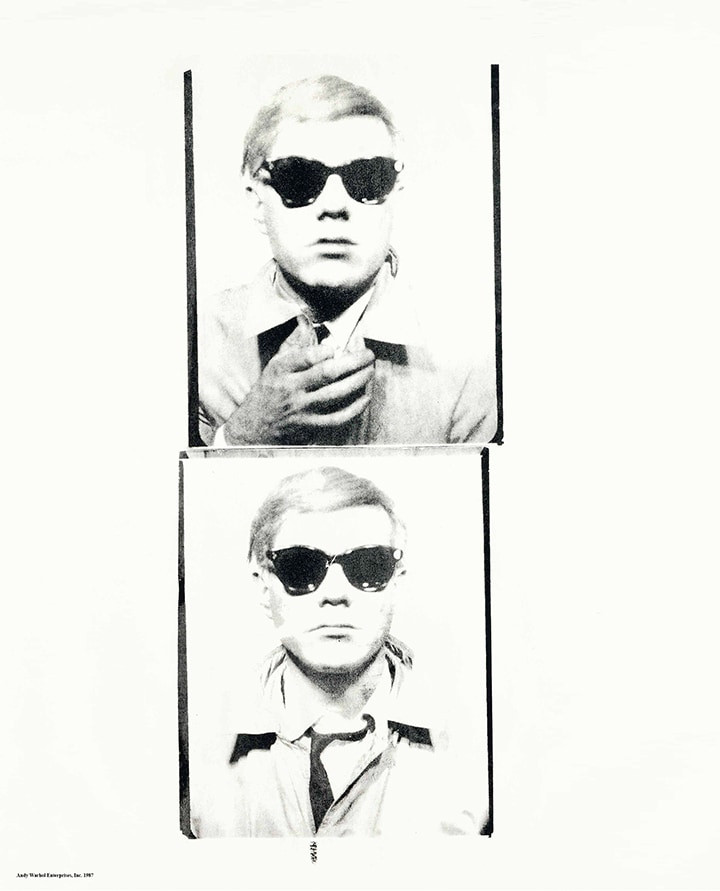
Self Portraits

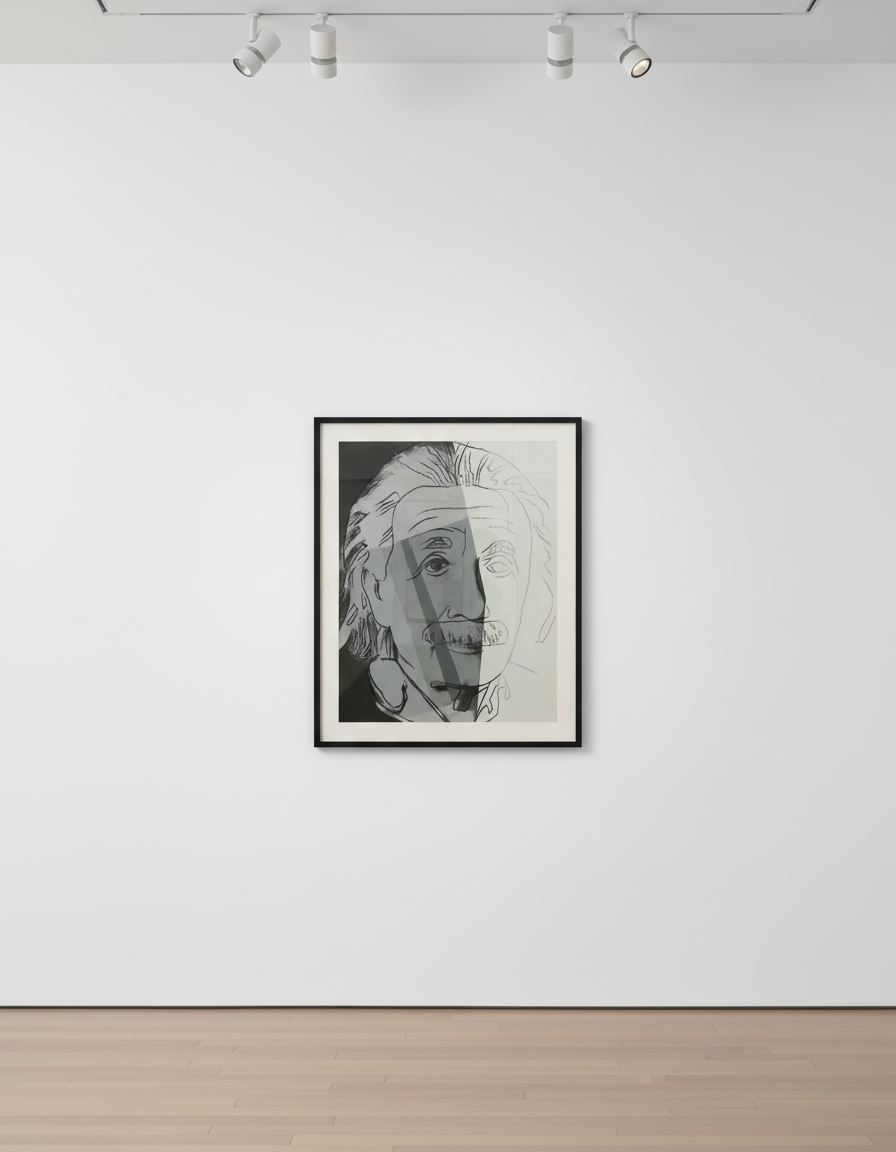
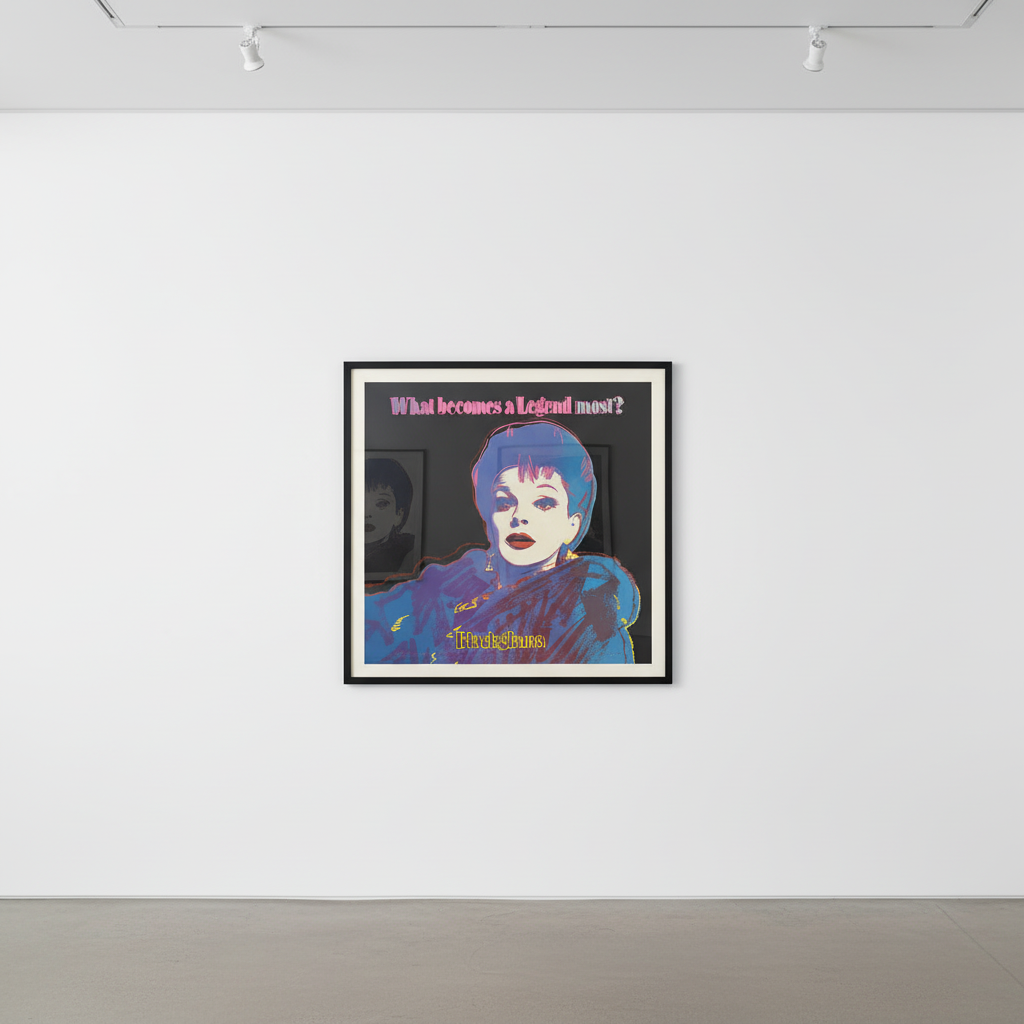
Andy Warhol portraits represent one of the most significant bodies of work in twentieth-century art, transforming the traditional genre of portraiture into a powerful commentary on celebrity, consumerism, and the nature of identity itself. From his iconic depictions of Marilyn Monroe and Elizabeth Taylor to his commissioned portraits of socialites, politicians, and cultural figures, Warhol's approach to capturing the human image fundamentally altered how we understand both art and fame. These works continue to command extraordinary attention at auction houses worldwide, with Christie's and Sotheby's regularly featuring Warhol portraits among their most anticipated lots. For collectors and institutions alike, acquiring an Andy Warhol portrait means owning a piece of art history that speaks directly to the mechanisms of modern celebrity culture.
Andy Warhol's journey toward becoming the preeminent portrait artist of his era began with his background in commercial illustration during the 1950s. This foundation in advertising aesthetics would prove instrumental in developing his signature style - one that treated human subjects with the same visual language used to sell consumer products. When Warhol turned his attention to portraiture in the early 1960s, he brought with him an understanding that in the age of mass media, people themselves had become commodities, their images reproduced and consumed like any other product on a supermarket shelf.
The artist's portrait methodology was revolutionary in its mechanical approach. Warhol would source photographs - often from publicity stills, photo booths, or Polaroid sessions - and transform them through his silkscreen printing process. This technique allowed for repetition, variation, and a distinctive flattening of the image that stripped away conventional notions of psychological depth in portraiture. Rather than attempting to capture the inner life of his subjects, Warhol emphasized the surface, the mask, the public persona that individuals presented to the world.
Shadows V (Red and Blue) ` — Andy Warhol. Available at Guy Hepner, New York.
His earliest celebrity portraits, including the Marilyn Monroe series created shortly after her death in 1962, established the template that would define his practice for decades. The garish colors, the slight misregistrations of the printing process, and the serial repetition all contributed to works that were simultaneously glamorous and unsettling - beautiful yet hollow, intimate yet distanced.
By the 1970s, Andy Warhol had transformed portrait commissions into a substantial enterprise, creating works for wealthy patrons willing to pay significant sums to be immortalized in his distinctive style. These commissioned portraits represented a fascinating evolution in his practice, extending the Warholian treatment of celebrity to individuals outside the traditional sphere of fame. Socialites, business executives, European royalty, and cultural figures all sat for Warhol, each receiving the same flattening, colorizing transformation that had been applied to Monroe and Elvis.
The process typically began with a Polaroid session at Warhol's legendary Factory studio. The artist would shoot numerous photographs, selecting images that captured his subjects in their most favorable light while maintaining the slightly artificial quality he preferred. These source images were then translated into silkscreen prints, with Warhol and his assistants applying layers of vibrant color that bore little relationship to natural flesh tones.
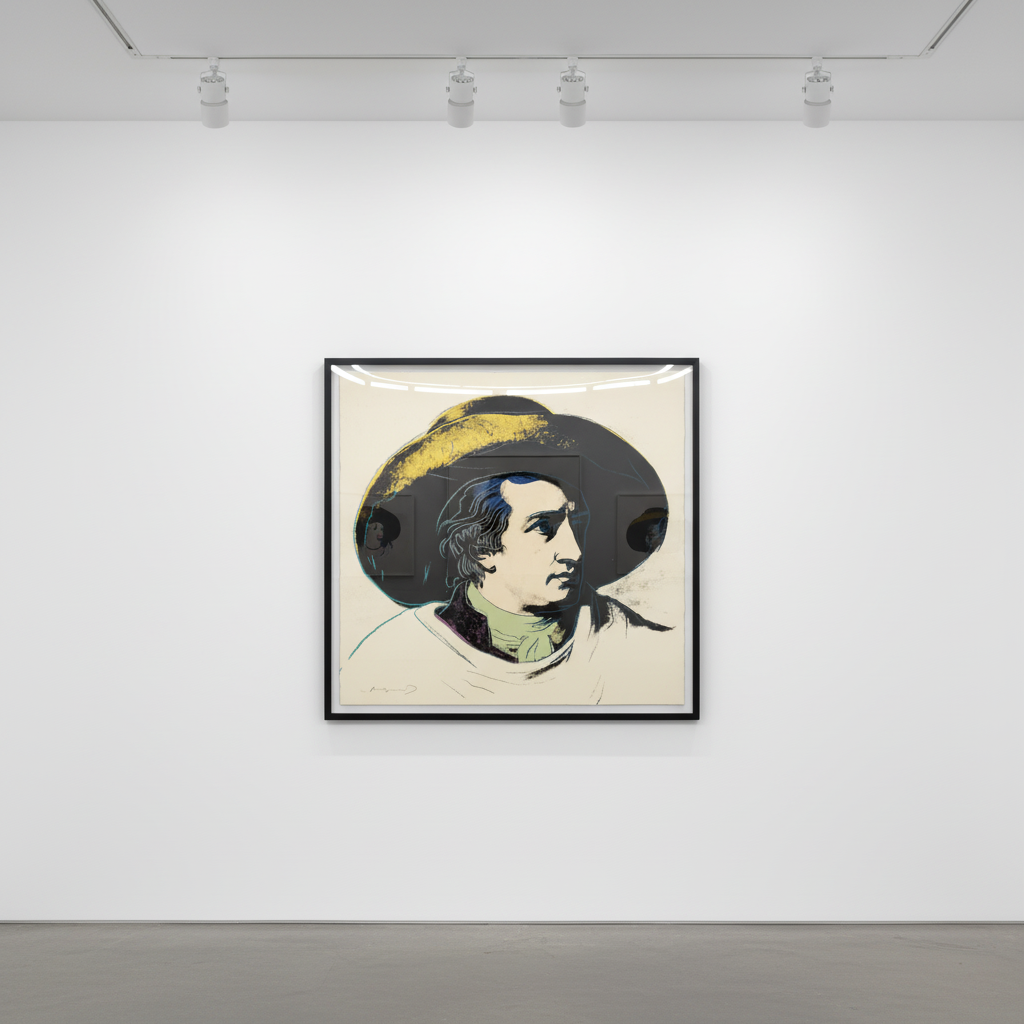
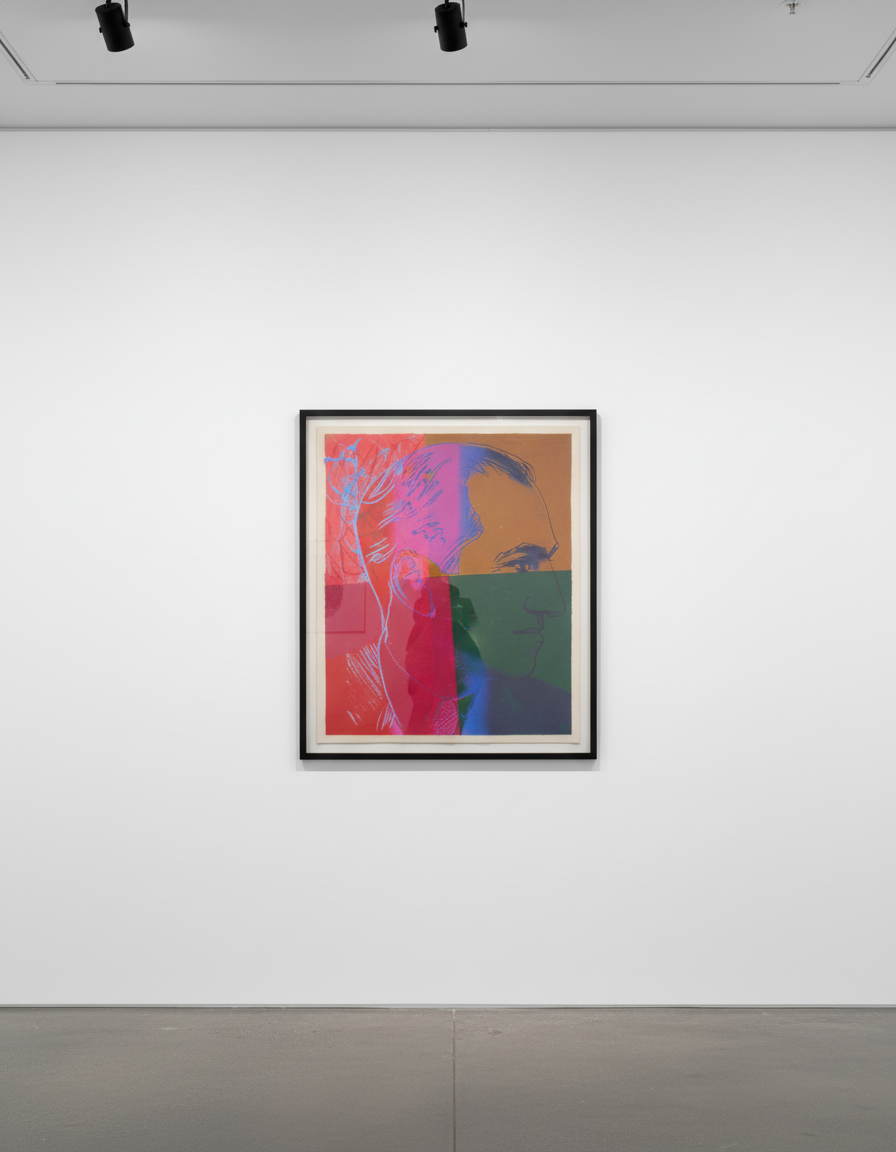
Goethe F.S. II 272 — Andy Warhol. Available at Guy Hepner, New York.
Among his most distinguished portrait subjects were figures of genuine historical significance. His Reigning Queens series from 1985 depicted four ruling female monarchs, including Queen Elizabeth II and Queen Margrethe II of Denmark, treating contemporary royalty with the same pop sensibility he had applied to Hollywood royalty decades earlier. Similarly, his portrait of Johann Wolfgang von Goethe, based on a classical painting by Johann Heinrich Wilhelm Tischbein, demonstrated Warhol's ability to recontextualize historical figures through his distinctly modern lens. These works bridged past and present, high culture and popular culture, in ways that only Warhol could achieve.
The market for Andy Warhol portraits has demonstrated remarkable strength and resilience across decades of art market fluctuations. According to data compiled in conjunction with Art Basel and UBS surveys of the global art market, Warhol consistently ranks among the highest-selling artists at auction worldwide. His portraits, particularly those depicting recognizable cultural figures, regularly achieve prices in the tens of millions at Christie's and Sotheby's sales.
What distinguishes Warhol portraits in the contemporary market is their unique combination of art historical significance and immediate visual impact. These works function simultaneously as serious artistic statements and accessible icons - a duality that appeals to both institutional collectors building museum-quality holdings and private collectors seeking works of undeniable presence. The artist's portraits offer entry points at various price levels, from unique canvas works commanding eight-figure sums to print editions that allow broader collector participation while maintaining investment-grade quality.
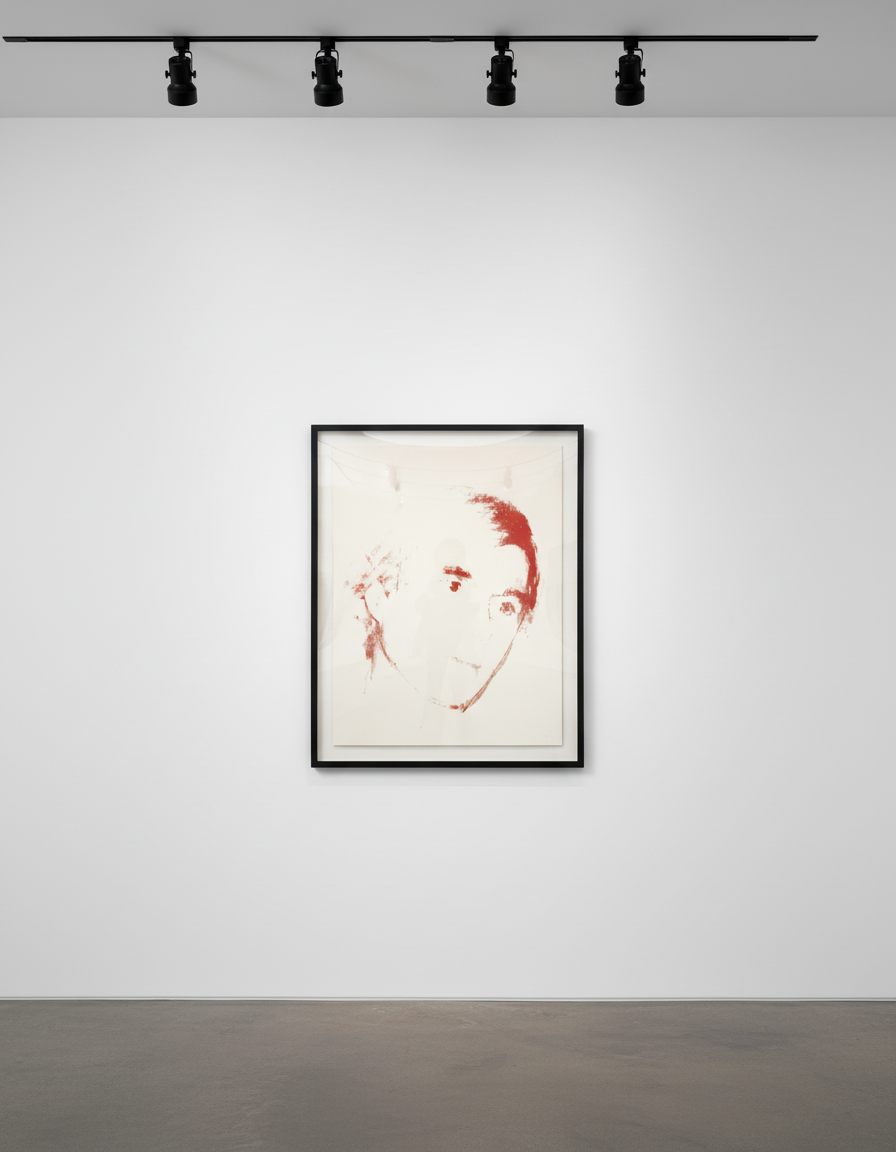
Sunset F.S. II 85 - 88 — Andy Warhol. Available at Guy Hepner, New York.
The enduring appeal of these works stems from their prescient understanding of image culture. In an era dominated by social media, selfies, and the careful curation of personal brands, Warhol's insights into the constructed nature of public identity feel more relevant than ever. His portraits anticipated a world where everyone would indeed be famous for fifteen minutes - and where that fame would be mediated entirely through reproduced images.
Beyond their market performance, Andy Warhol portraits continue to influence contemporary artists and shape our understanding of representation in the digital age. His recognition that the photographic image had superseded direct observation as the basis for portraiture anticipated developments in art that would unfold decades after his death in 1987. Contemporary artists working with appropriated imagery, digital manipulation, and questions of identity all owe a debt to Warhol's foundational investigations.
For collectors, acquiring a Warhol portrait means participating in this ongoing conversation about image, identity, and the nature of fame itself. These works anchor collections with undeniable art historical weight while maintaining a visual vitality that speaks to contemporary concerns. They represent not merely investment vehicles but cultural artifacts of profound significance.
Guy Hepner is proud to offer exceptional examples of Andy Warhol's work, including significant pieces from his celebrated portrait practice and related series. Our gallery specialists possess deep expertise in Warhol's market and can guide collectors toward acquisitions that align with their aesthetic vision and collecting goals. We invite you to contact Guy Hepner to inquire about available Andy Warhol portraits and explore how these iconic works might enhance your collection.
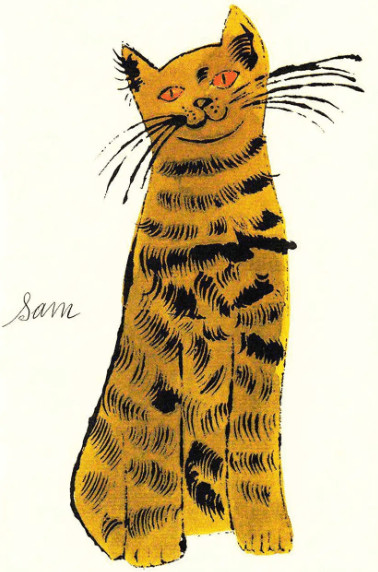
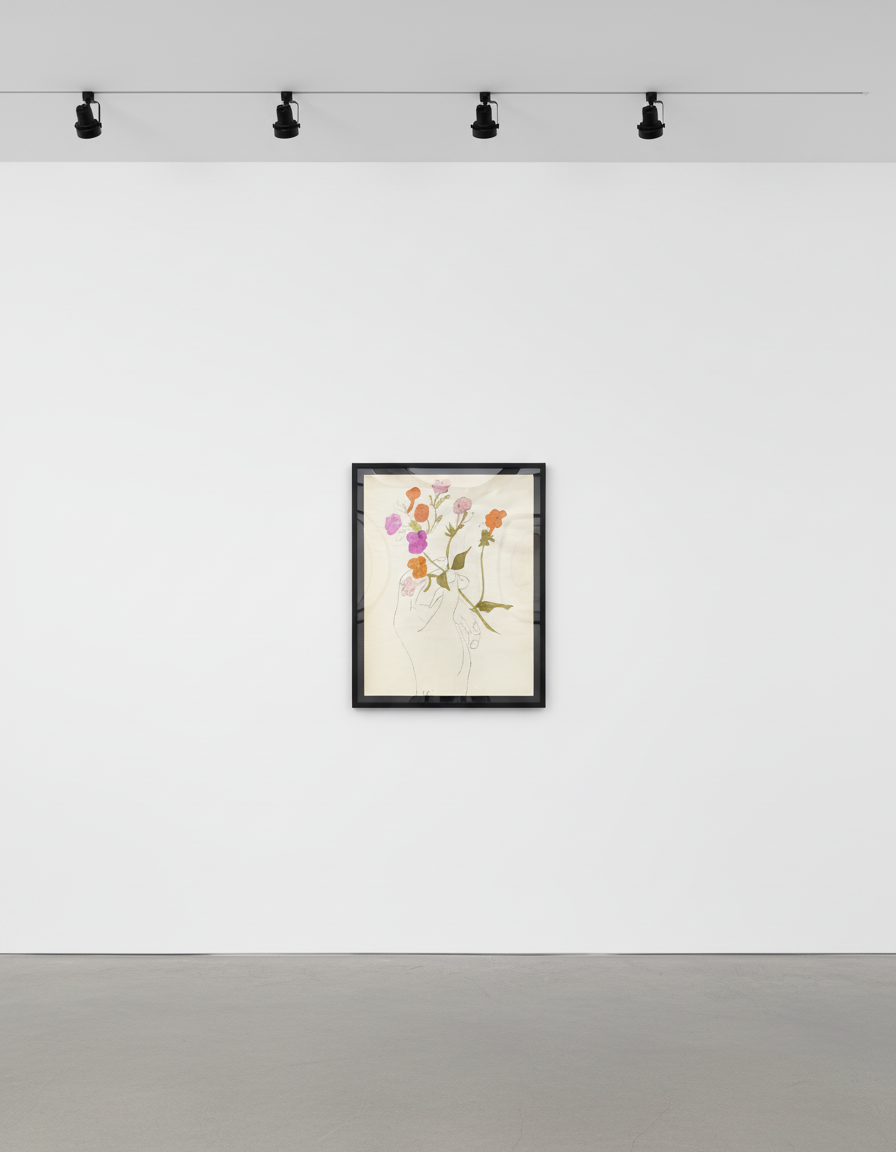
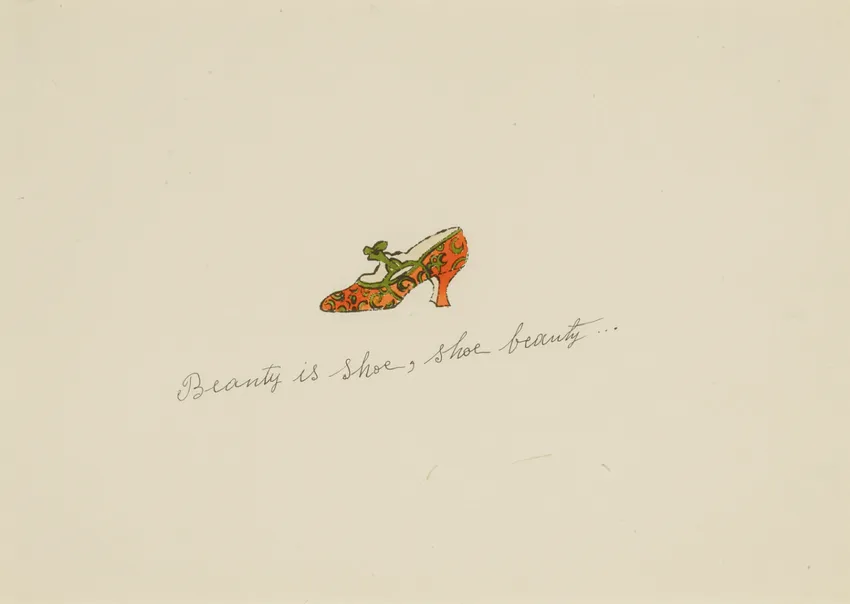
--- **Browse Andy Warhol prints** at Guy Hepner: [Andy Warhol art for sale](/andy-warhol) | [Sell your Warhol](/sell/andy-warhol)Explore Andy Warhol prints for sale at Guy Hepner: Self Portraits, Ten Portraits of Jews of the Twentieth Century, 25 Cats Named Sam, A Gold Book, A La Recherche Du Shoe Perdu.
Related Series