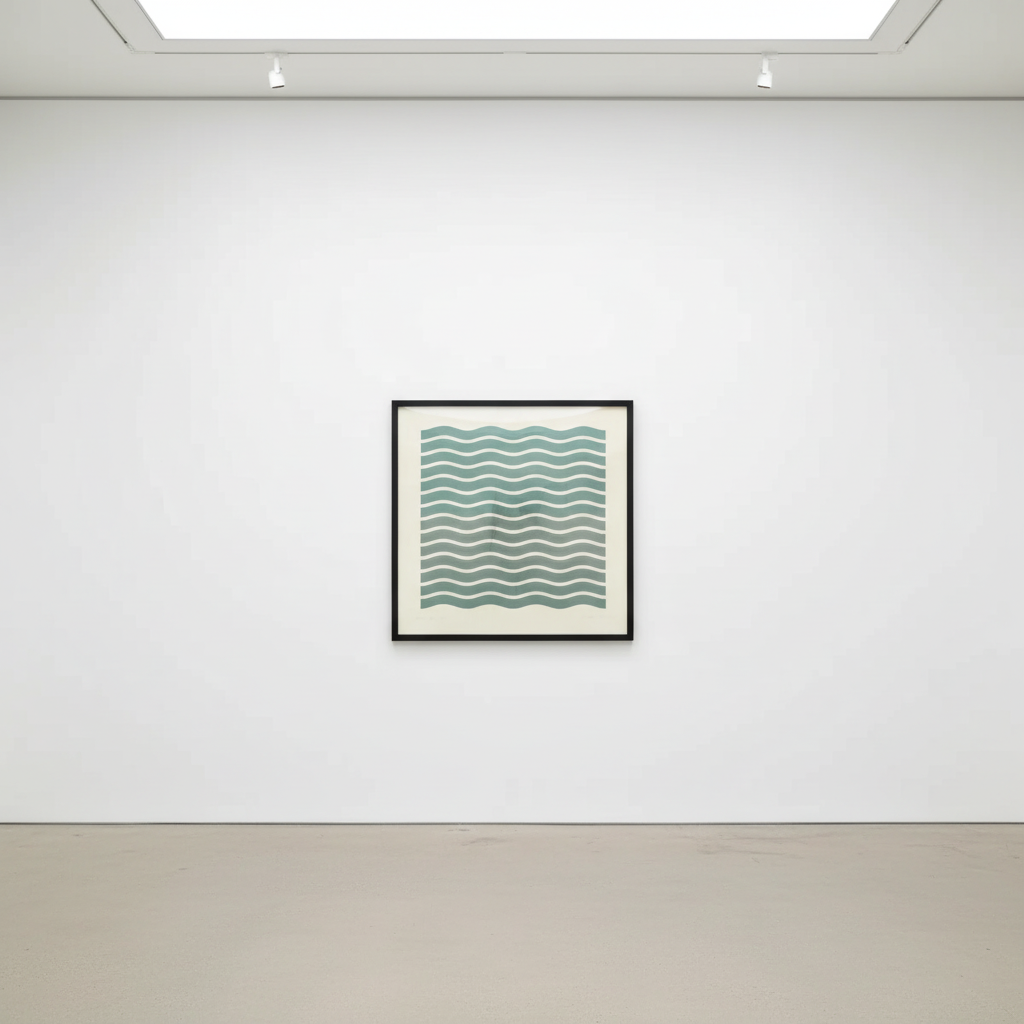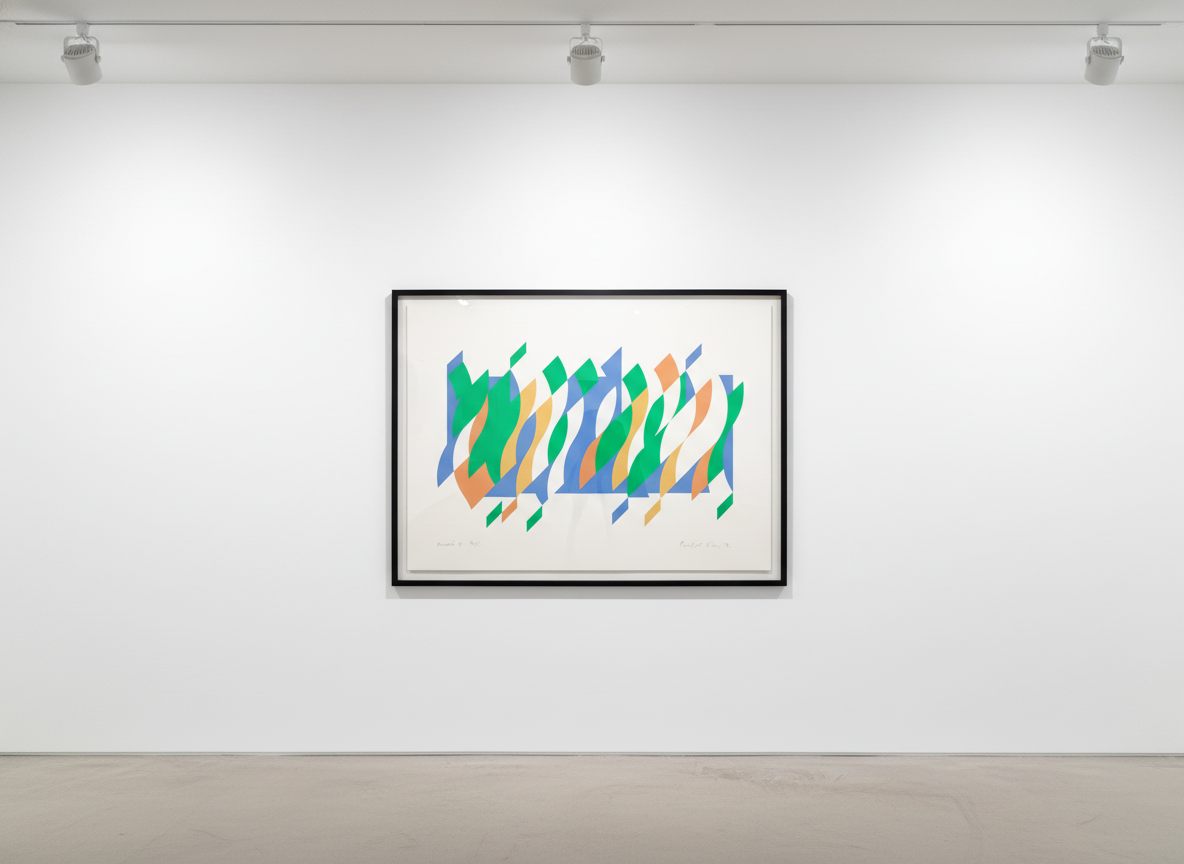
Arcadia

Bridget Riley (b. 1931) stands as one of the defining painters of postwar British abstraction and the single most important figure associated with Op Art's transformation from a provocative 1960s phenomenon into a durable, museum-backed market category. Her work is frequently described as "optical," though that shorthand can be misleading. Riley does not paint illustrations of visual tricks so much as she constructs conditions for seeing - carefully engineered fields of line, curve, and chromatic interval that activate the viewer's perception in real time. A Bridget Riley painting does not simply hang on a wall; it behaves. It can appear to shimmer, pulse, bend, advance, recede, or vibrate. This experiential immediacy, paired with intellectual rigor and a distinguished exhibition history spanning six decades, forms the bedrock of her price structure and the reason her finest paintings have become trophy-level acquisitions for collectors worldwide.
Riley's early formation helps explain the unusual authority her abstractions carry. She trained at Goldsmiths and the Royal College of Art, absorbing the discipline of rigorous drawing and the seriousness of European painting at a moment when British art was negotiating between modernist innovation and traditional craft. She studied Seurat's pointillist methodology with particular intensity, recognising in his systematic approach to colour division a precedent for her own investigations into how the eye constructs visual experience. This scholarly foundation distinguishes Riley from artists whose abstract work emerged primarily from gestural impulse or theoretical positioning. Every stripe, every curve, every chromatic transition in a Bridget Riley painting is the product of extensive preparatory study - gouache sketches, colour tests, and meticulous planning that can extend over months.
The breakthrough came in the early 1960s with her black-and-white paintings, works that announced an entirely new vocabulary for abstraction. These pieces - featuring undulating lines, geometric progressions, and carefully calibrated distortions - created powerful physiological responses in viewers. The paintings seemed to move, to breathe, to challenge the stability of visual perception itself. When Riley represented Britain at the 1968 Venice Biennale, becoming the first woman and the first British contemporary artist to win the International Prize for painting, she secured her position in the canonical history of twentieth-century art.
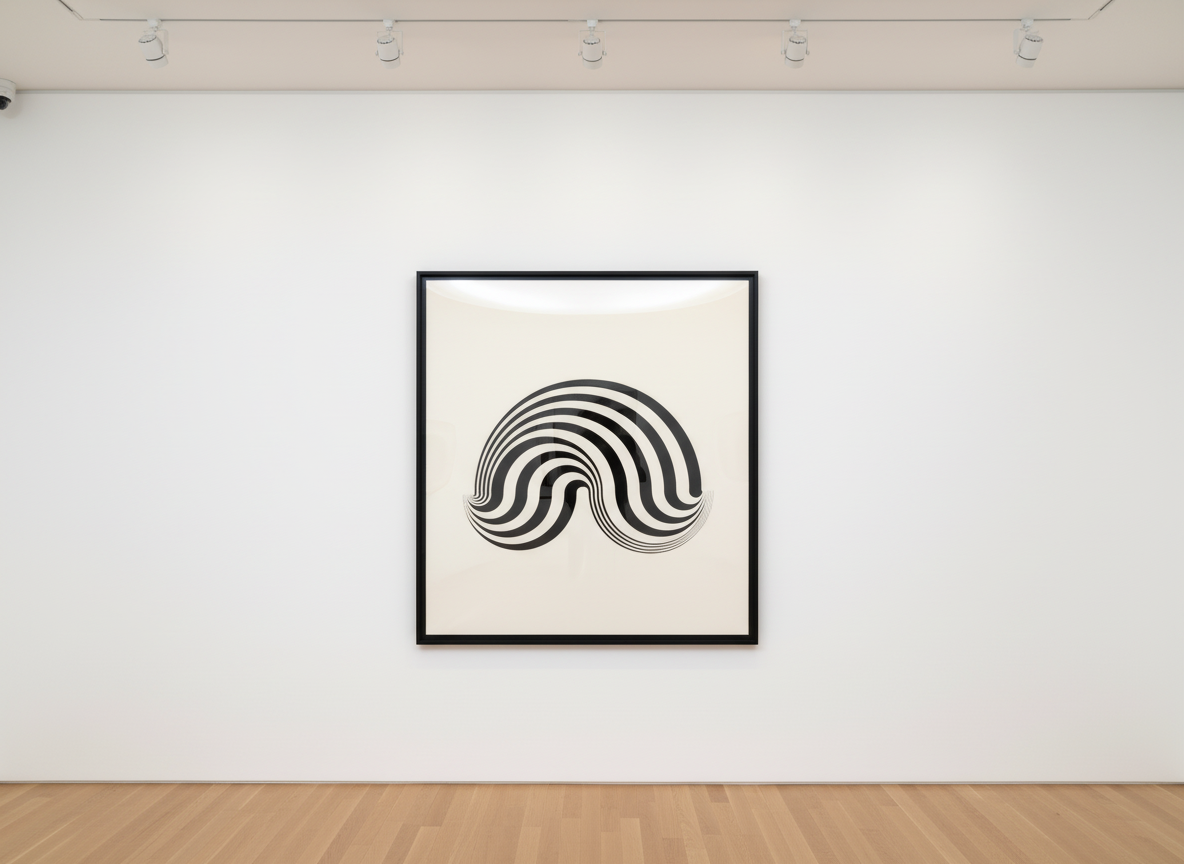
Rose — Bridget Riley. Available at Guy Hepner, New York.
The market for Bridget Riley paintings has demonstrated remarkable consistency and upward trajectory, with her most significant works achieving prices that reflect her art-historical importance. According to data tracked by Sotheby's and Christie's, her auction record was established with "Chant 2" (1967), which realised £5.1 million at Sotheby's London in 2008. This black-and-white masterpiece exemplified the perceptual intensity that made her early work revolutionary. Subsequent sales have confirmed sustained institutional and private demand, with major paintings regularly achieving seven-figure results when they surface at auction.
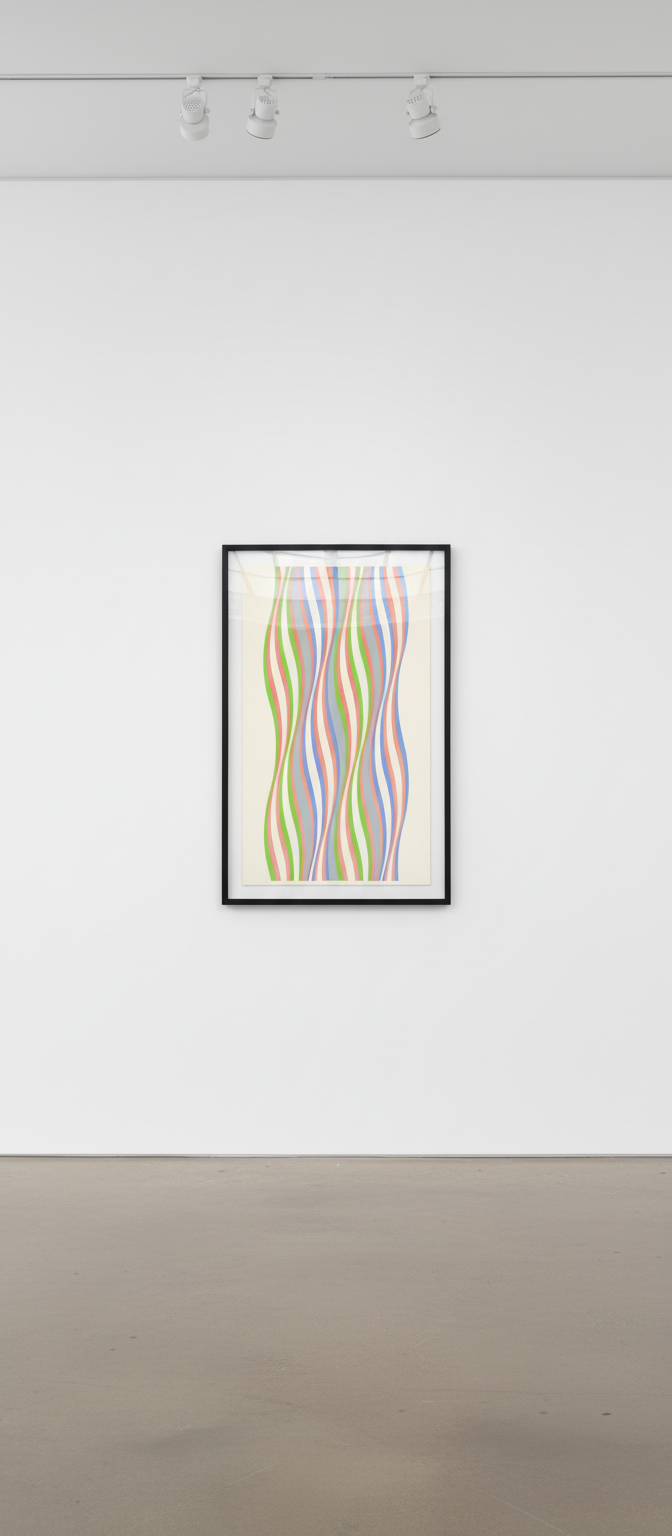
The transition from black-and-white to colour in the late 1960s represents a pivotal development that the market has increasingly recognised. Riley's colour works - initially employing a limited palette of reds, greens, and blues before expanding into the full chromatic spectrum - demonstrate her ability to engineer emotional and perceptual responses through hue relationships alone. Works from her Egyptian-influenced period of the 1980s, characterised by vertical Stripes in luminous earth tones, have attracted particular collector attention. More recent curvilinear paintings, with their flowing bands of colour that evoke landscape and atmosphere, have achieved substantial prices that underscore continued market confidence.
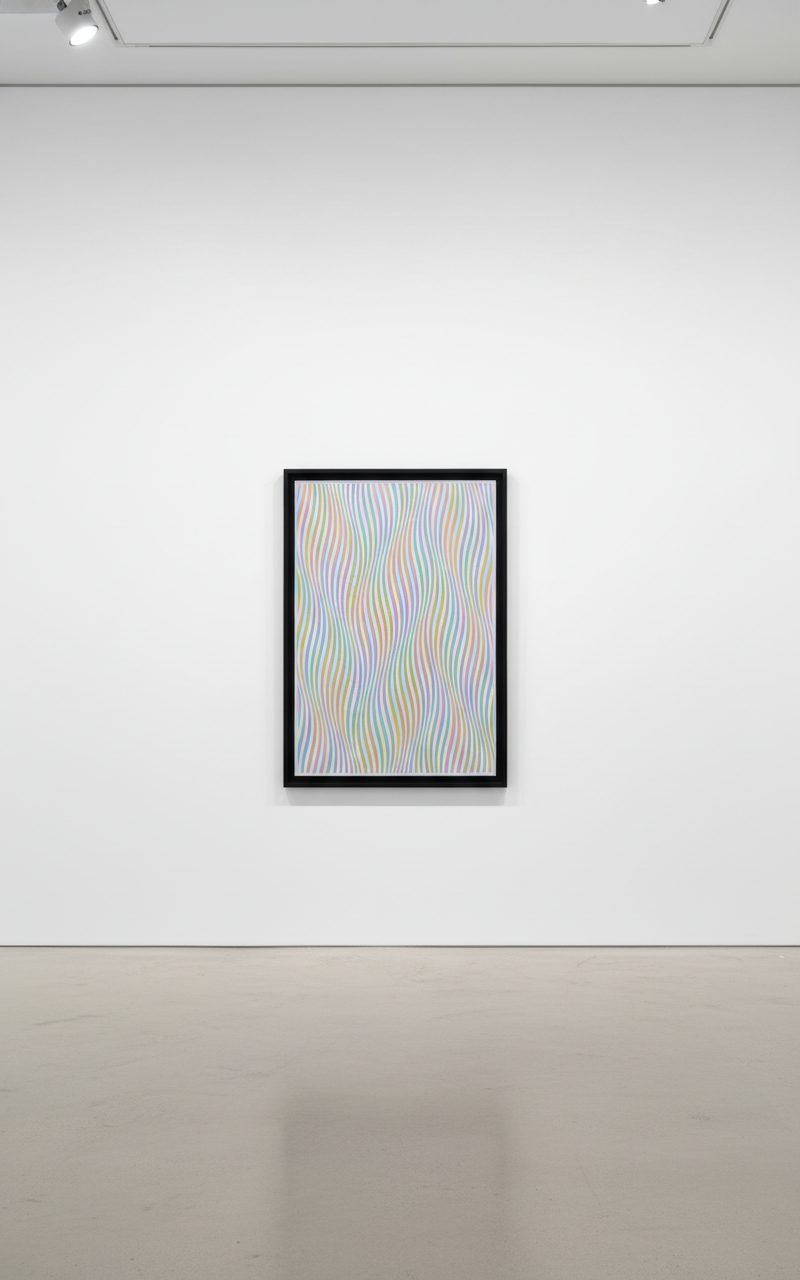
Elapse — Bridget Riley. Available at Guy Hepner, New York.
Christie's and Sotheby's have positioned major Bridget Riley paintings as marquee lots in their contemporary evening sales, recognising that her work bridges multiple collecting categories - postwar abstraction, British art, and the broader optical-kinetic Movement. The Art Basel and UBS Global Art Market Report has consistently identified Op Art as a category demonstrating stable value retention, with Riley serving as the movement's most bankable practitioner. Her works appeal to collectors seeking art-historical significance, visual impact, and the reassurance of museum validation.
Several factors converge to make Bridget Riley paintings highly desirable acquisitions for serious collectors. First, her work offers immediate visual engagement without sacrificing intellectual depth. A Riley painting commands attention in any setting, creating dynamic spatial experiences that few artists can match. Second, her institutional support is unparalleled for a living British painter. Major retrospectives at Tate Britain, the Hayward Gallery, and international venues have secured her scholarly legacy, while her work resides in the permanent collections of the Metropolitan Museum of Art, the Museum of Modern Art, and leading institutions across Europe and Asia.
Third, and perhaps most significantly for market considerations, Riley has maintained extraordinary quality control over her career. She has never overproduced, and she has consistently refused to compromise her working methods for commercial convenience. This scarcity, combined with the physical presence her best paintings command, means that truly important Bridget Riley works rarely appear on the market. When they do, competition among collectors tends to be fierce.
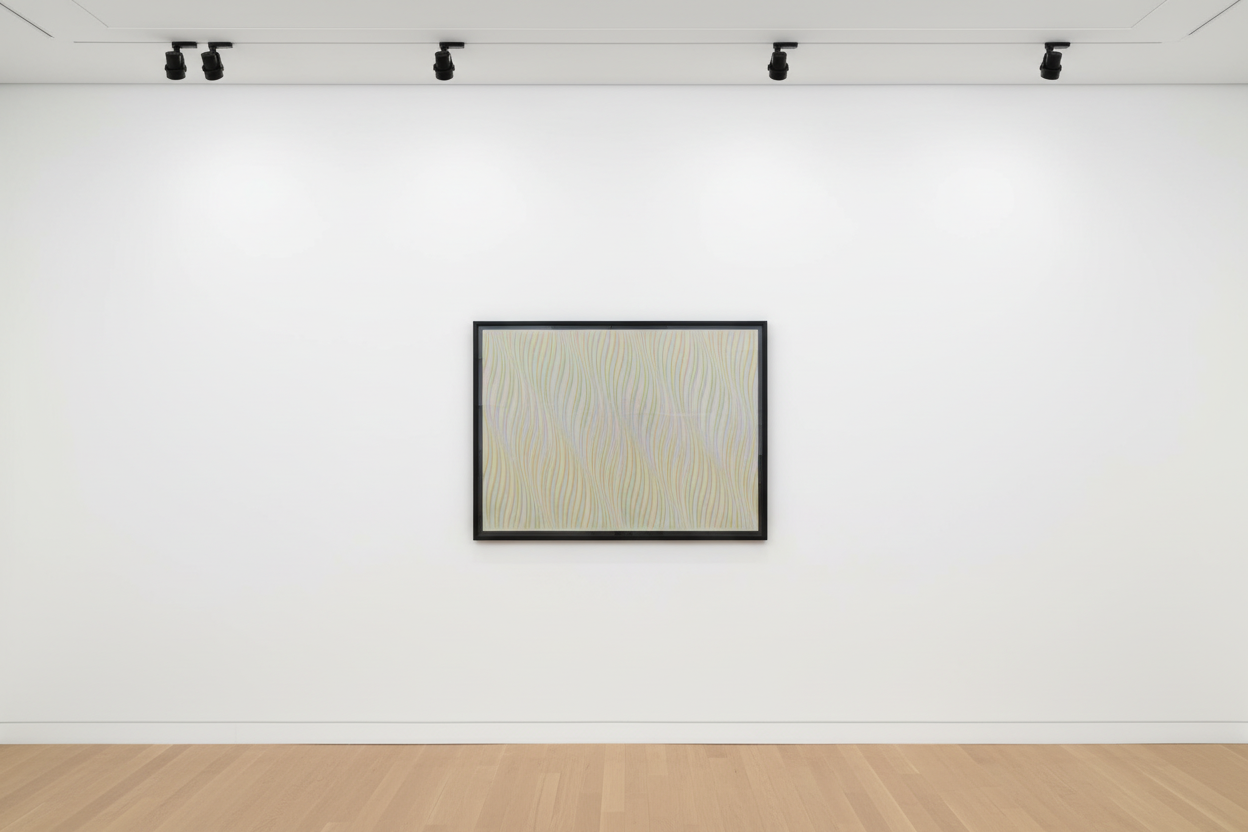
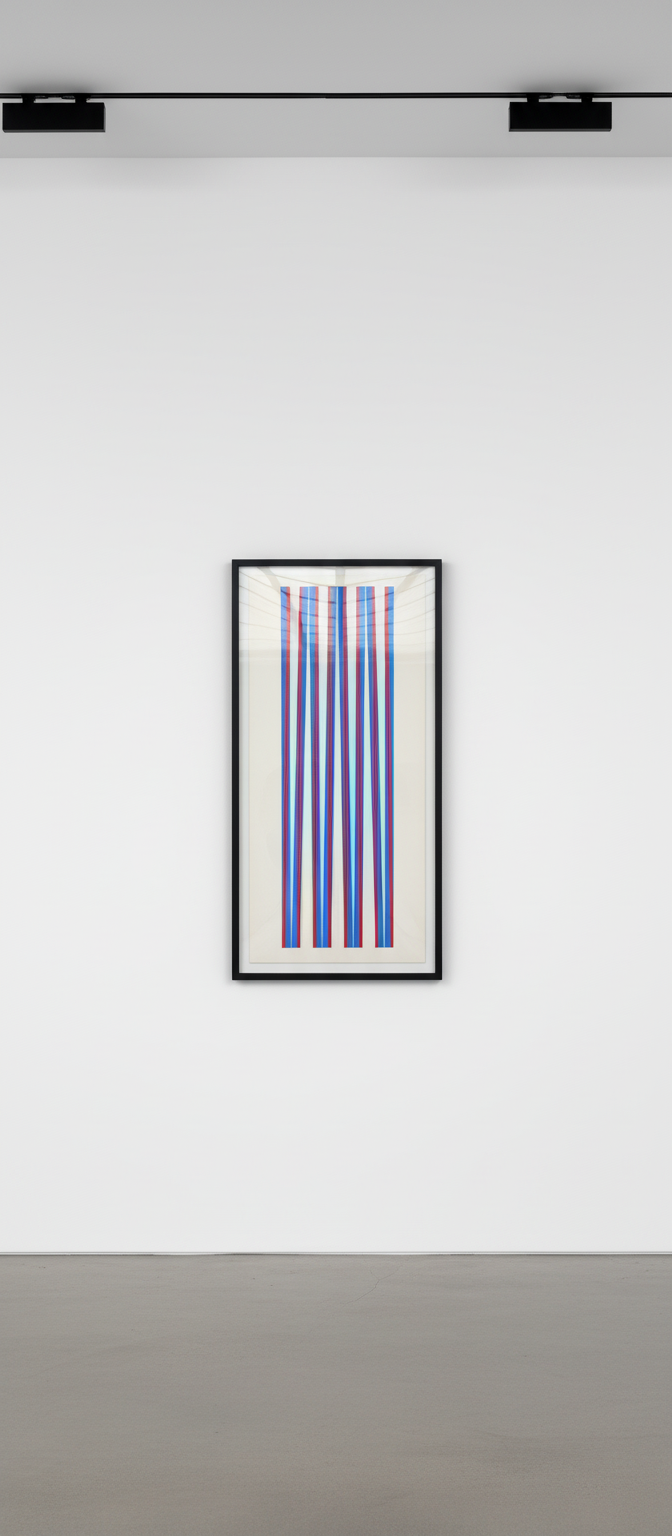
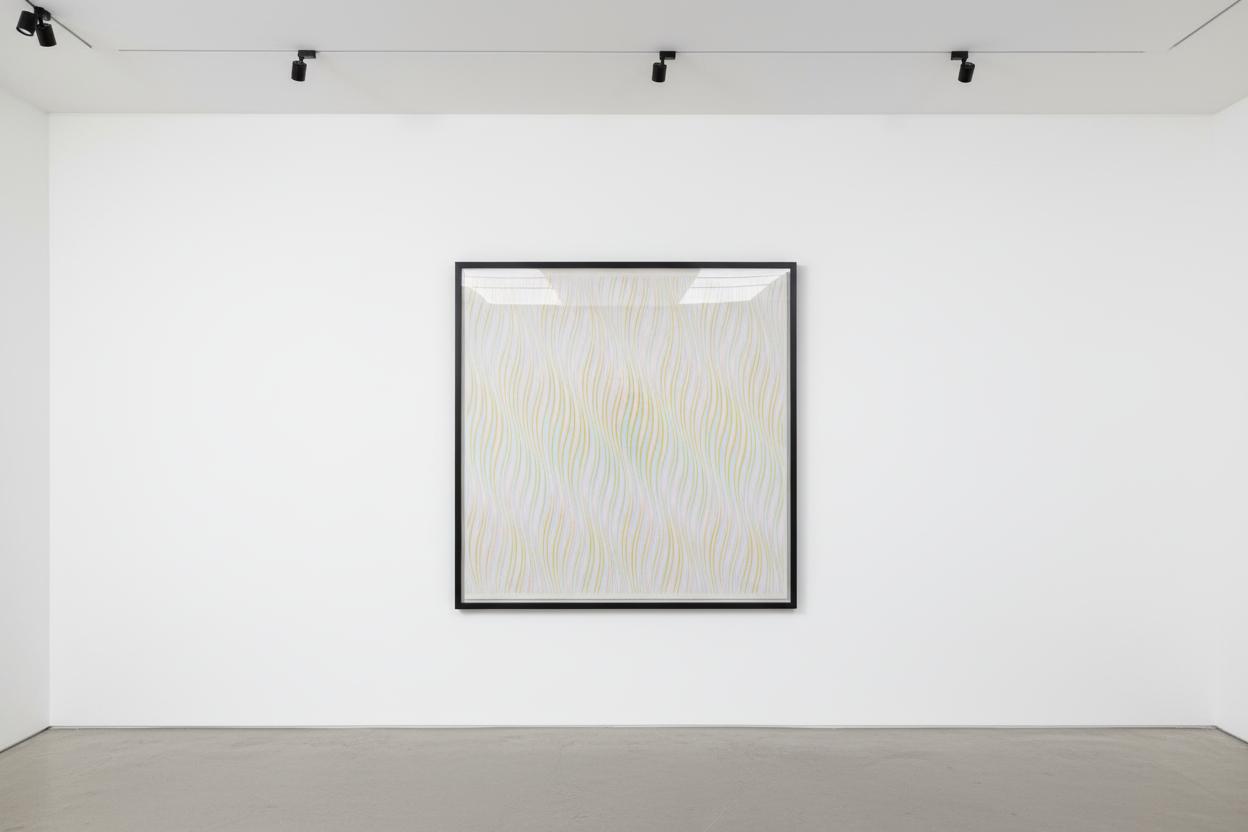
Untitled (blue) — Bridget Riley. Available at Guy Hepner, New York.
The most expensive Bridget Riley works share certain characteristics - impeccable condition, strong provenance, optimal scale, and the perceptual intensity that defines her finest achievements. Whether black-and-white compositions from the breakthrough 1960s period, chromatic stripe paintings from subsequent decades, or curvilinear works from her mature production, the premium examples demonstrate the precision and visual power that have secured her reputation as a master of perceptual painting.
Guy Hepner maintains access to select works by Bridget Riley, including paintings, prints, and works on paper that represent the full scope of her artistic development. Our team provides collectors with detailed provenance research, condition assessments, and market analysis to support informed acquisition decisions. Whether you are building a focused collection of postwar British abstraction or seeking a singular work of exceptional visual impact, we invite you to contact Guy Hepner to discuss available Bridget Riley pieces and current opportunities in this important market.
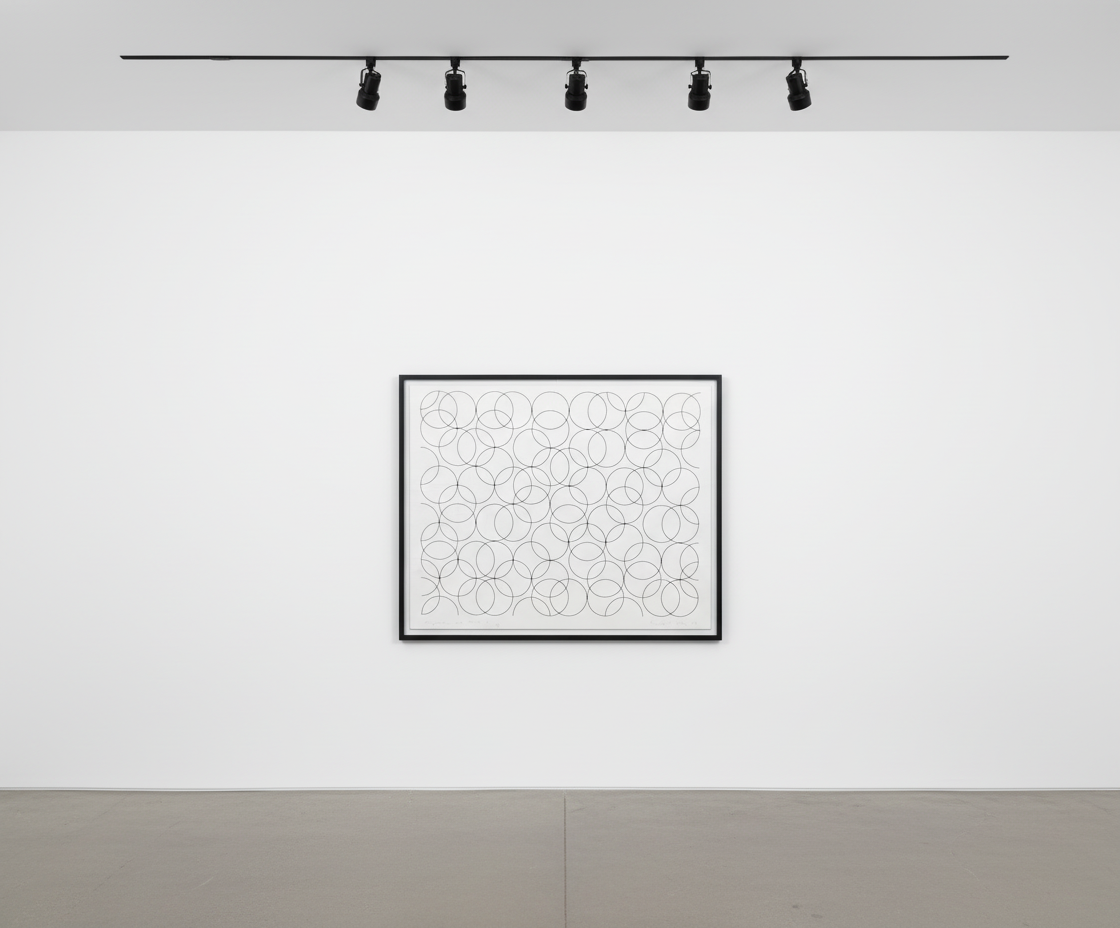
Explore Bridget Riley prints for sale at Guy Hepner: Arcadia, Coloured Greys, Composition with Circles, Dominance, Elongated Triangles.
Related Series